Games don’t always become legends, sometimes they become cautionary tales. Behind massive budgets, iconic franchises, and years of hype, some titles collapse in ways no one expects. From rushed development cycles to broken live-service models, these failures reveal how fragile success can be in the gaming industry.
Even the biggest studios and licenses have faced moments where everything went wrong. What makes these stories fascinating is not just the failure, but what they exposed about the business behind games. These are the titles that didn’t just disappoint players, they left a mark on the industry itself.
The Game That Helped Crash an Entire Industry
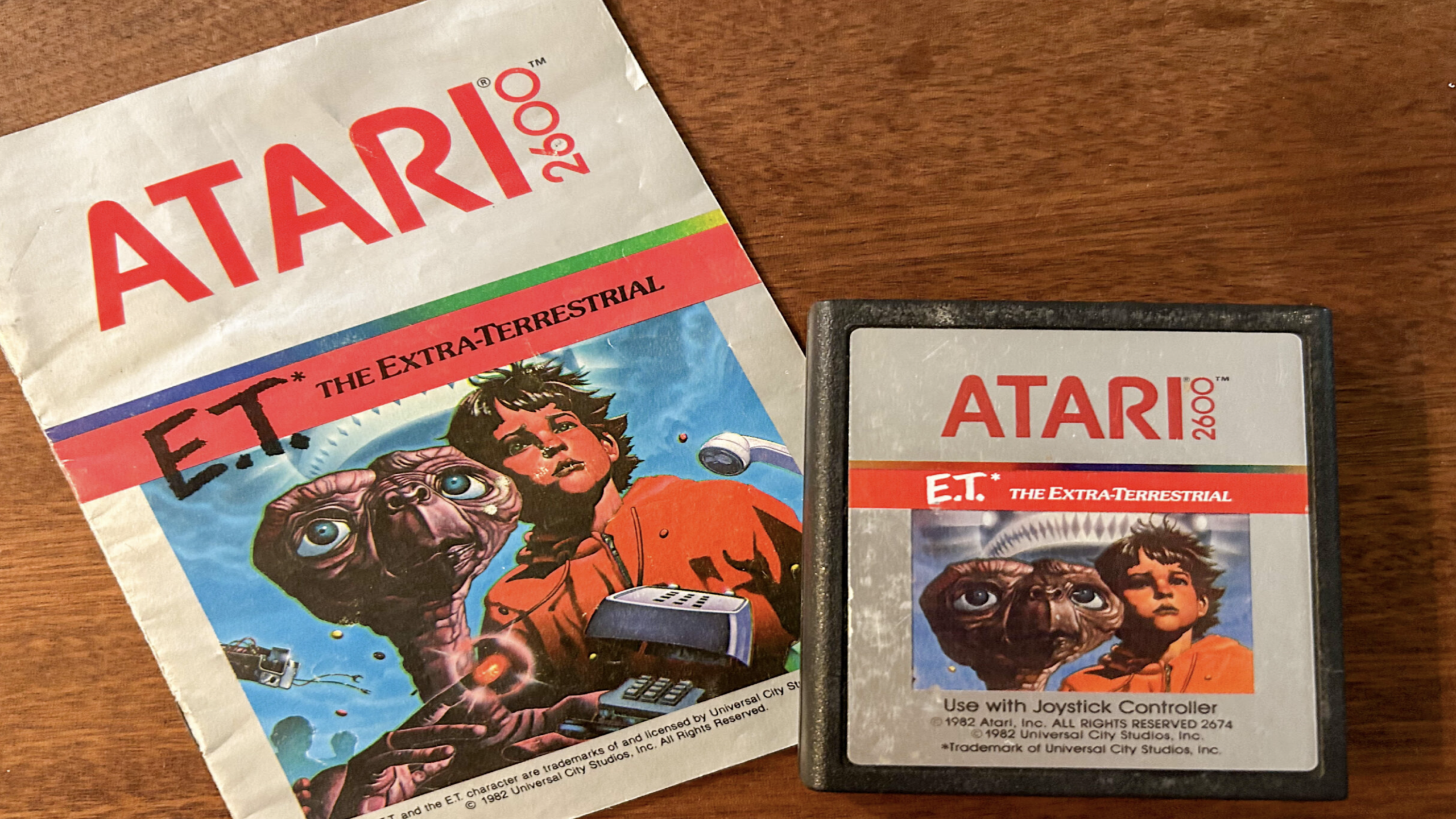
Released in 1982 for the Atari 2600, E.T. the Extra-Terrestrial has become one of the most infamous titles in gaming history, not just for its quality, but for the impact it had on the entire industry. Atari rushed development to capitalize on the massive success of the film, giving developer Howard Scott Warshaw just about five weeks to complete the project, an almost impossible timeline even by early 80s standards. The result was a confusing experience filled with repetitive gameplay, unclear objectives, and mechanics that frustrated players almost immediately.
Atari expected the game to be a massive hit and produced around 4 to 5 million cartridges, but demand never matched expectations. Millions of unsold copies were returned or left sitting in warehouses, contributing to losses estimated in the hundreds of millions of dollars. This commercial failure became one of the key factors behind the video game market crash of 1983, a period where consumer trust collapsed and many companies were forced out of the industry.
The story became even more legendary when reports surfaced that Atari had buried thousands of unsold cartridges in a landfill in New Mexico, a rumor that was later confirmed decades later during an excavation in 2014.
$200 Million Game That Disappeared in Days
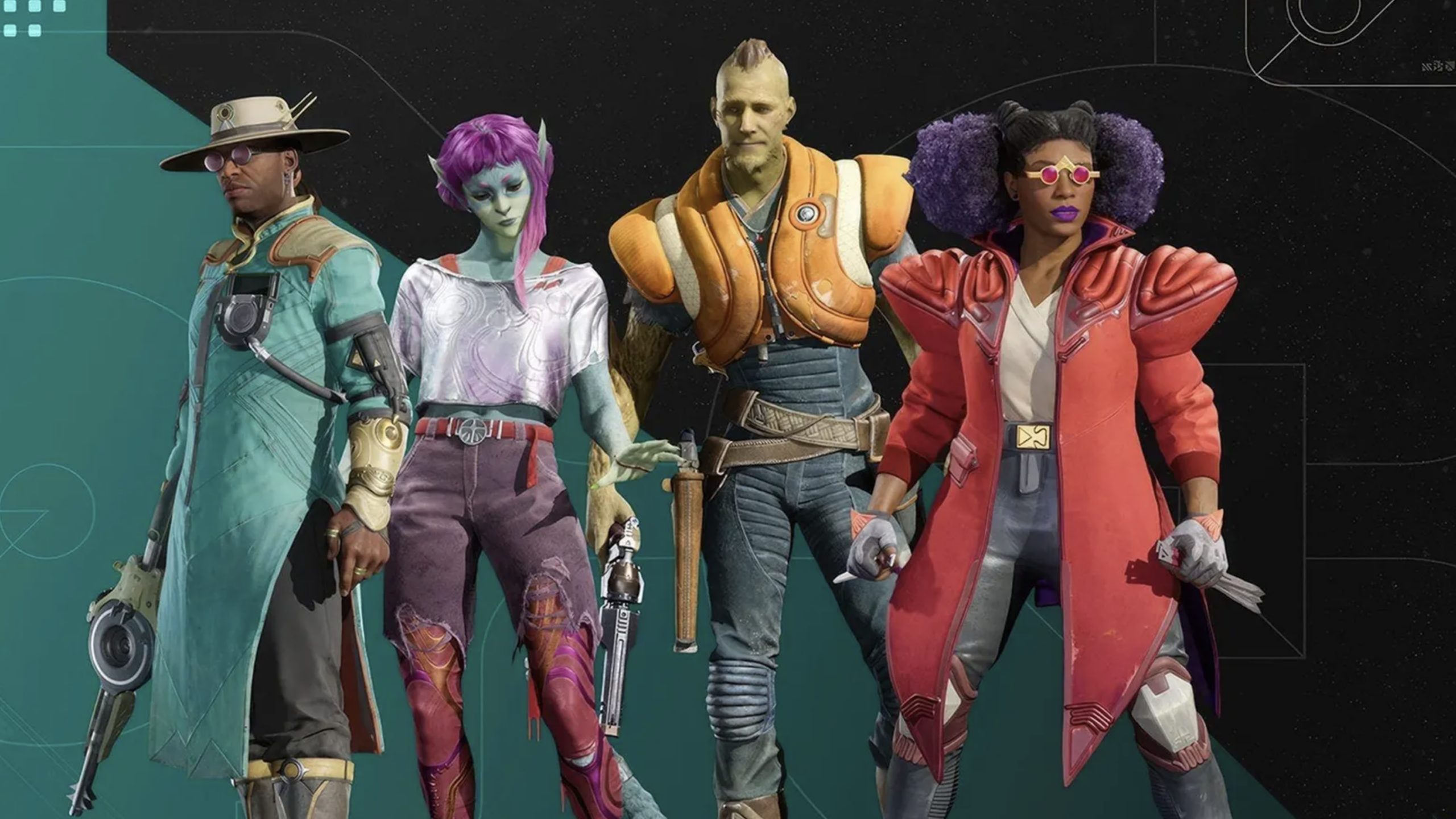
Released in 2024 by Firewalk Studios under Sony’s PlayStation label, Concord was positioned as a major entry into the competitive hero shooter market, a genre dominated by titles like Overwatch and Valorant. Backed by an estimated budget rumored to exceed $200 million, the game aimed to blend cinematic storytelling with team-based multiplayer combat. However, despite the scale of investment and marketing, it struggled to capture player interest almost immediately after launch.
What made the situation even more striking was how quickly Sony reacted. Within weeks of release, the company announced that servers would be shut down and the game would be pulled from sale, an extremely rare move for a AAA title. Concord quickly became a case study in how even massive budgets and major publishers cannot guarantee success, highlighting the risks of entering overcrowded genres without a clear differentiator.
The Game That Promised Everything and Delivered a Lesson
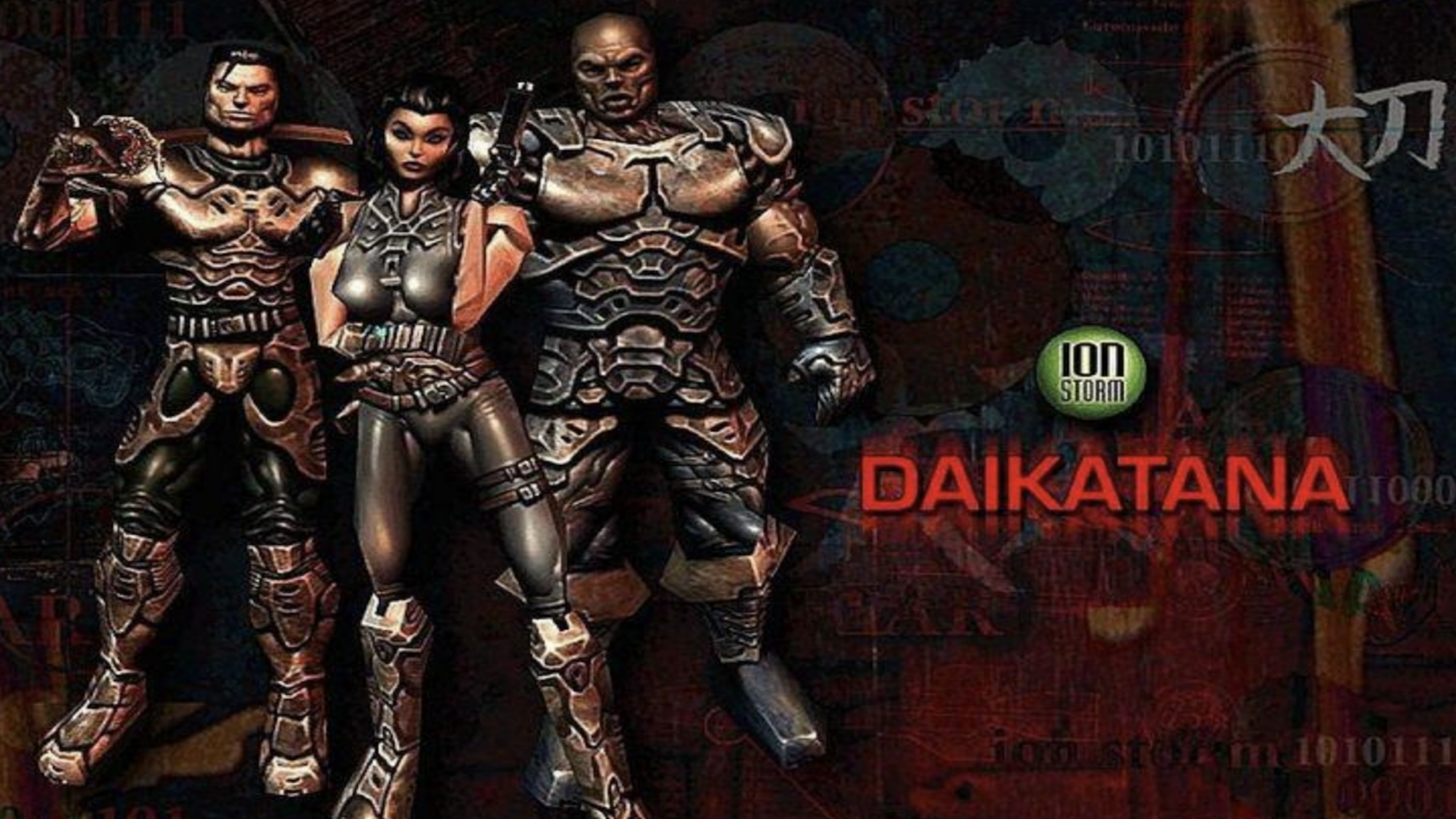
Released in 2000 by Ion Storm and led by legendary designer John Romero, Daikatana was supposed to redefine first-person shooters. Built on id Tech technology and backed by heavy marketing, the project gained massive attention years before launch, especially after the now infamous ad campaign that boldly declared how it would dominate the competition. Expectations were sky high, but development delays, engine changes, and internal issues pushed the release far beyond its original timeline.
By the time it finally launched, the industry had already moved forward. Competing titles like Quake II and Half-Life had set new standards, making Daikatana feel outdated on arrival. The AI companions were widely criticized, level design felt inconsistent, and performance issues didn’t help its case. What was once positioned as a revolutionary shooter quickly became a disappointment among players and critics.
Took 15 Years to Arrive, and Missed Its Moment
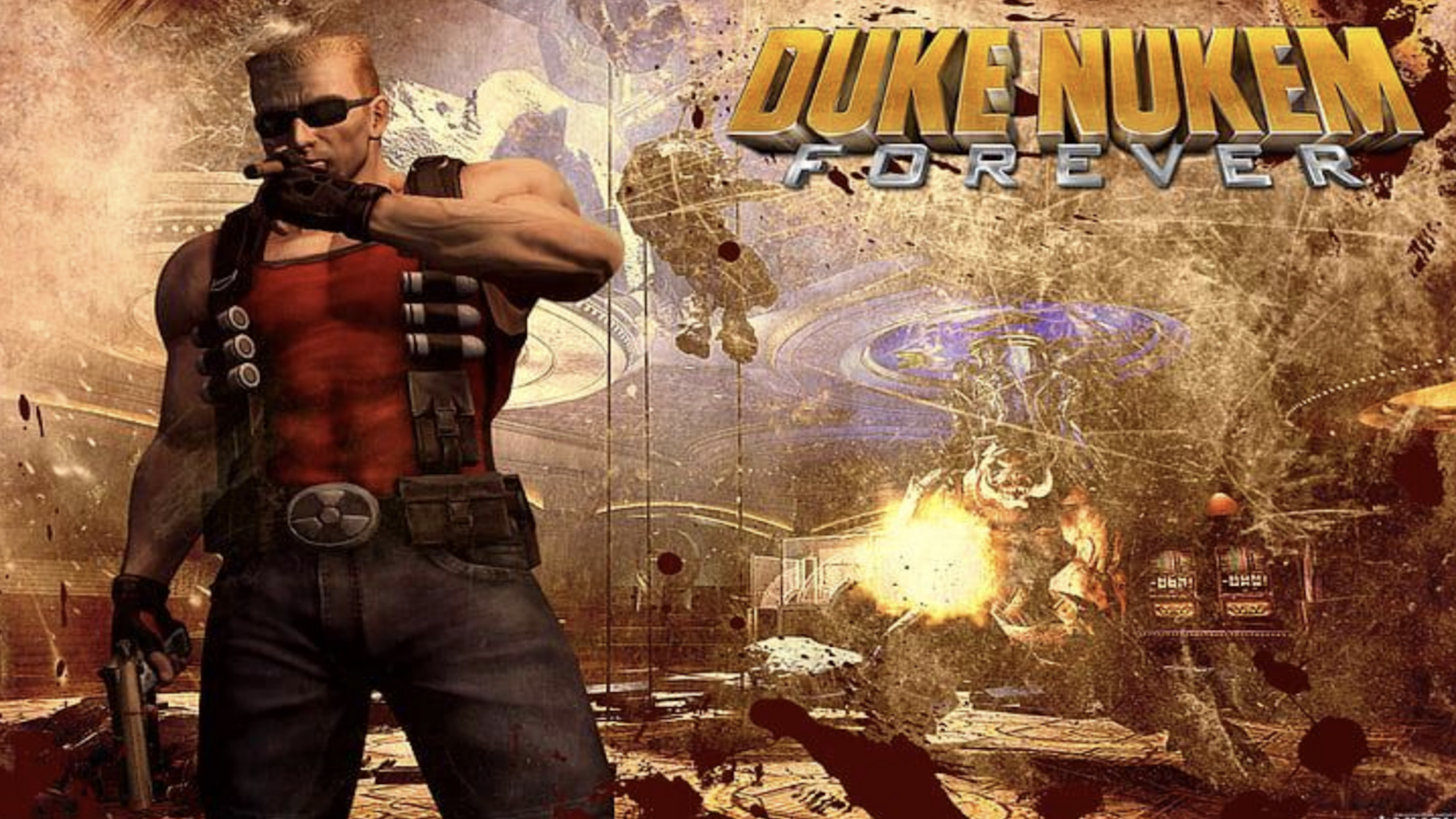
Released in 2011, Duke Nukem Forever became one of the longest-running development stories in gaming history, originally announced back in 1997 by 3D Realms. Over the years, the project went through multiple engine changes, shifting design directions, and internal setbacks that kept pushing its release further into the future. What started as a highly anticipated sequel slowly turned into a running joke across the industry, symbolizing development hell at its worst.
By the time it finally launched, the landscape had completely changed. Modern shooters had evolved with smoother mechanics, stronger narratives, and more refined gameplay systems, making Duke Nukem Forever feel outdated almost instantly. Critics pointed to repetitive level design, aging humor, and mechanics that belonged to a previous era, which made it difficult for the game to connect with a new generation of players.
A Vampire Shooter That Couldn’t Find Its Bite
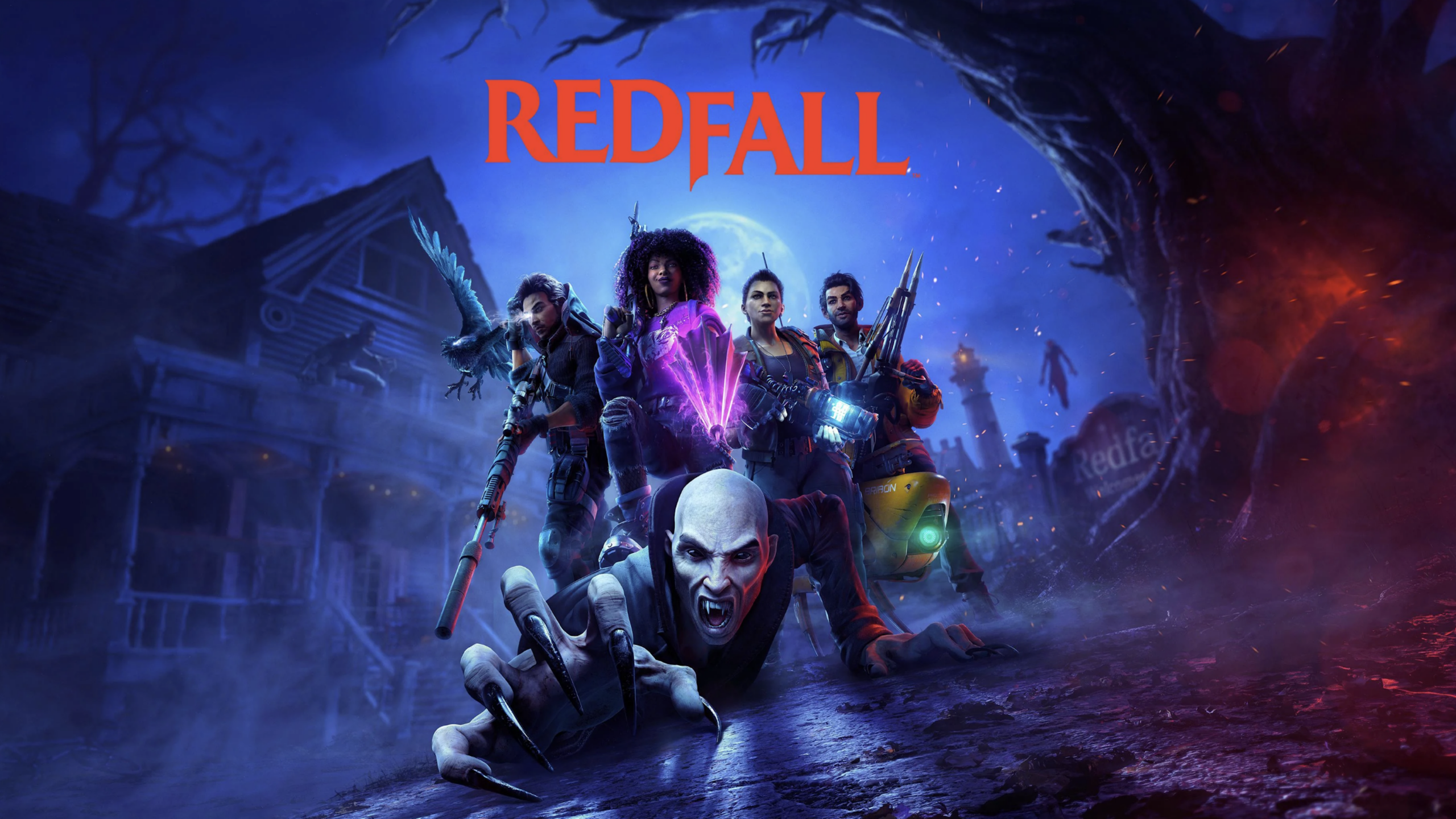
By 2023, expectations were high for Redfall, especially coming from Arkane Studios, known for immersive experiences like Dishonored and Prey. Marketed as a co-op open-world shooter set in a town overrun by vampires, it promised freedom, storytelling, and tactical gameplay. However, what players found at launch felt far removed from the studio’s reputation, with design choices leaning heavily into generic live-service trends rather than the depth Arkane was known for.
Technical issues quickly became impossible to ignore. Performance problems, inconsistent AI behavior, and repetitive mission design led to widespread criticism. Even on powerful hardware, the experience felt unfinished, and the absence of key features at launch reinforced the perception that the project had been pushed out too early.
Beyond the bugs, the bigger issue was identity. Redfall struggled to define what it wanted to be, sitting somewhere between a story-driven experience and a cooperative shooter without fully committing to either. Over time, it became a clear example of how shifting direction during development can dilute a project, showing that even respected studios can miss the mark when the vision isn’t fully aligned.
Trending on realmoneygamer.com
A Battle Royale That Burned Bright and Faded Fast
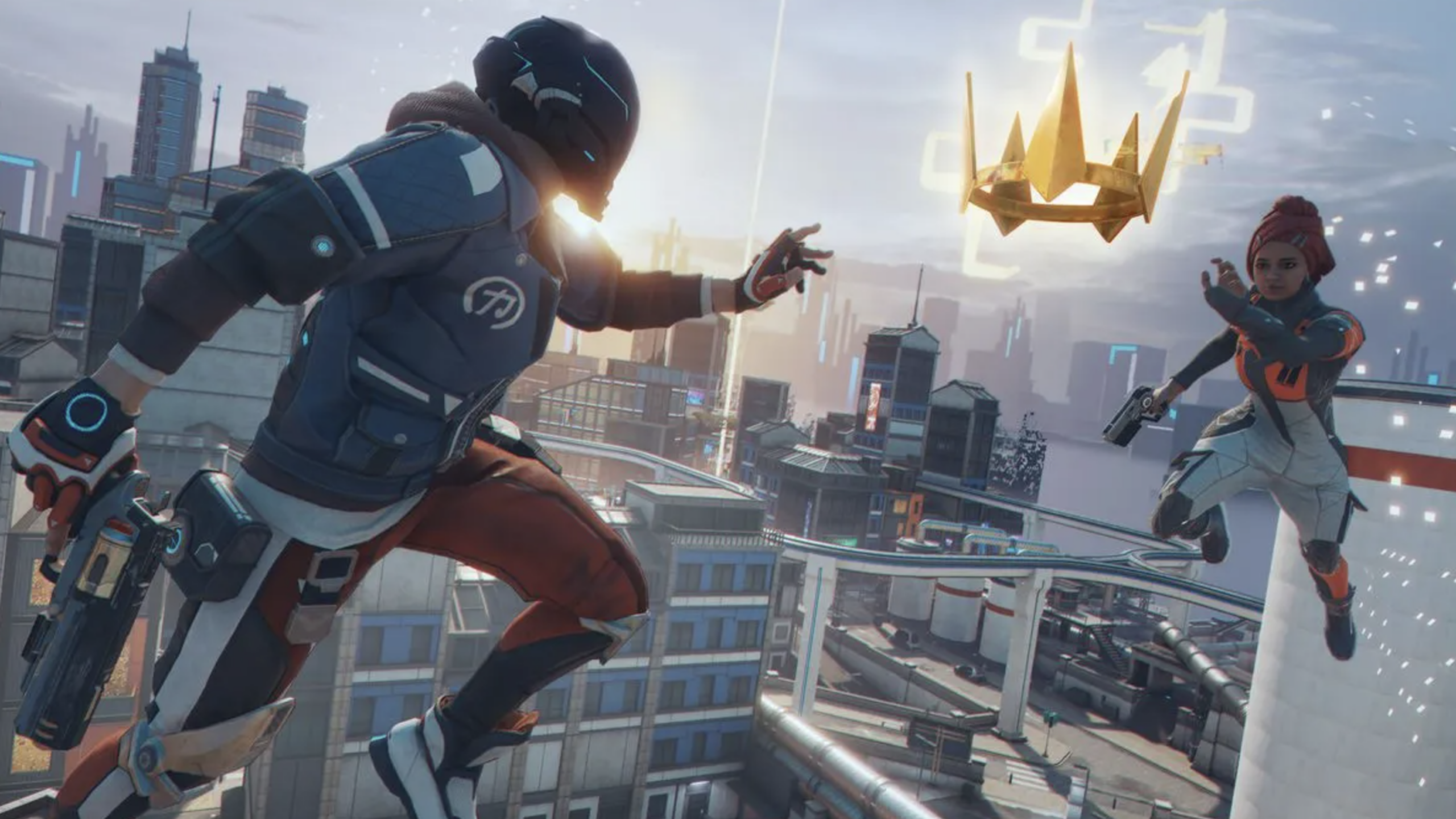
In 2020, Ubisoft entered the crowded battle royale space with Hyper Scape, a fast-paced FPS set in a futuristic virtual city designed around vertical movement and high-speed combat. The game introduced mechanics like “hacks” instead of traditional abilities and even integrated Twitch features that allowed viewers to influence matches in real time, an ambitious idea aimed at blending streaming culture with gameplay.
Despite a strong launch and initial curiosity, player numbers dropped quickly. The skill ceiling was extremely high, movement was difficult to master, and the overall experience felt overwhelming for casual players. At the same time, it struggled to compete with established giants like Warzone and Fortnite, which already had massive, loyal communities.
By 2022, just two years after release, Ubisoft officially shut down the servers.
When Crossover Dreams Met Live-Service Reality
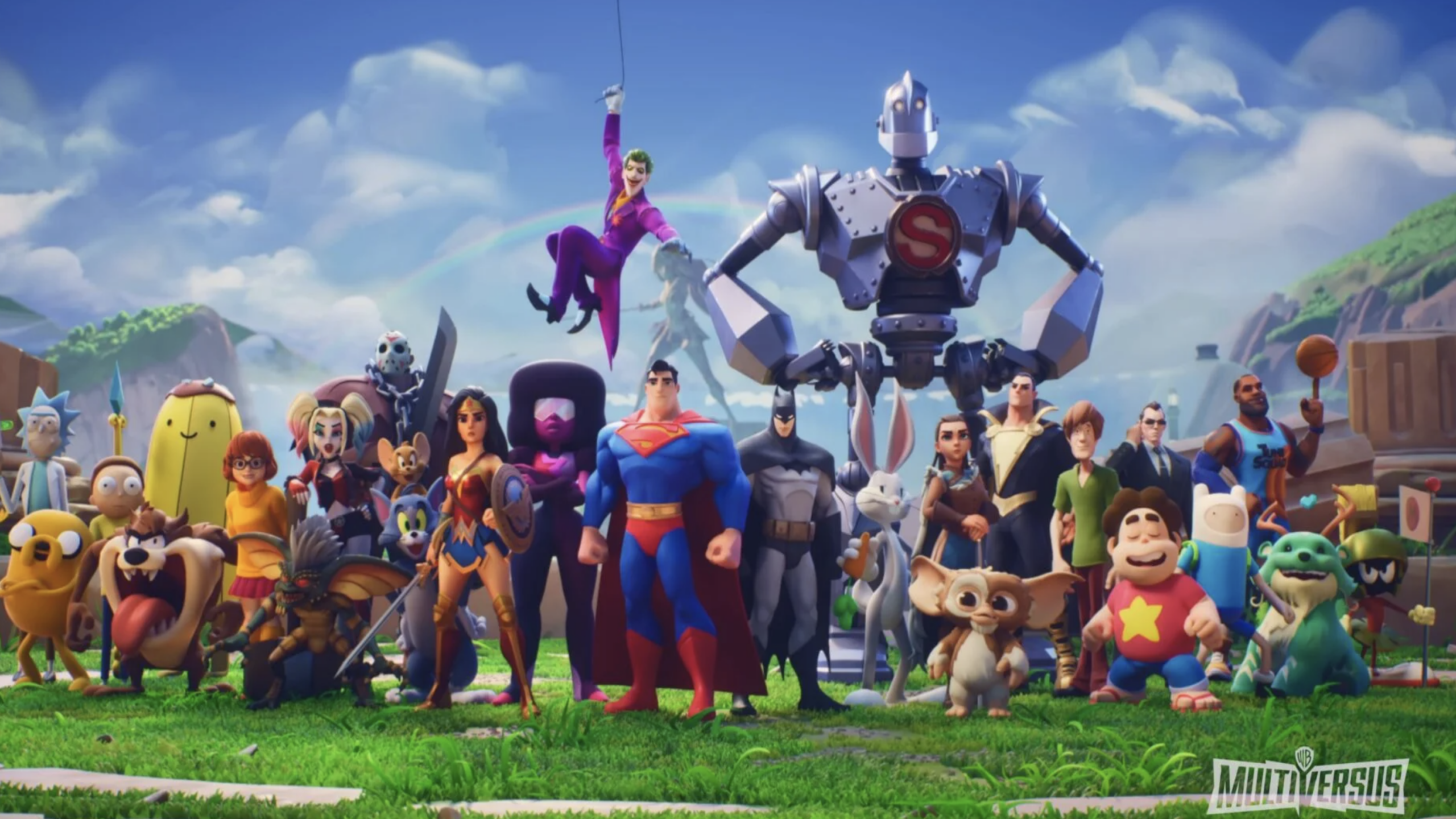
Few ideas sounded as strong on paper as MultiVersus, a platform fighter bringing together characters from across Warner Bros. franchises, from superheroes to cartoon icons. When it entered open beta in 2022, the game quickly gained traction thanks to its free-to-play model, cross-platform support, and a gameplay style inspired by titles like Smash Bros. Player numbers surged, and it briefly looked like a serious contender in the fighting genre.
However, momentum didn’t last. Content updates slowed down, progression systems drew criticism, and the live-service structure struggled to keep players engaged over time. Eventually, servers were taken offline in 2023 as the developers stepped back to rework the project for a relaunch. The situation highlighted how even strong intellectual properties and a promising launch aren’t enough without long-term support.
A Multiplayer Experiment That Never Found Its Players
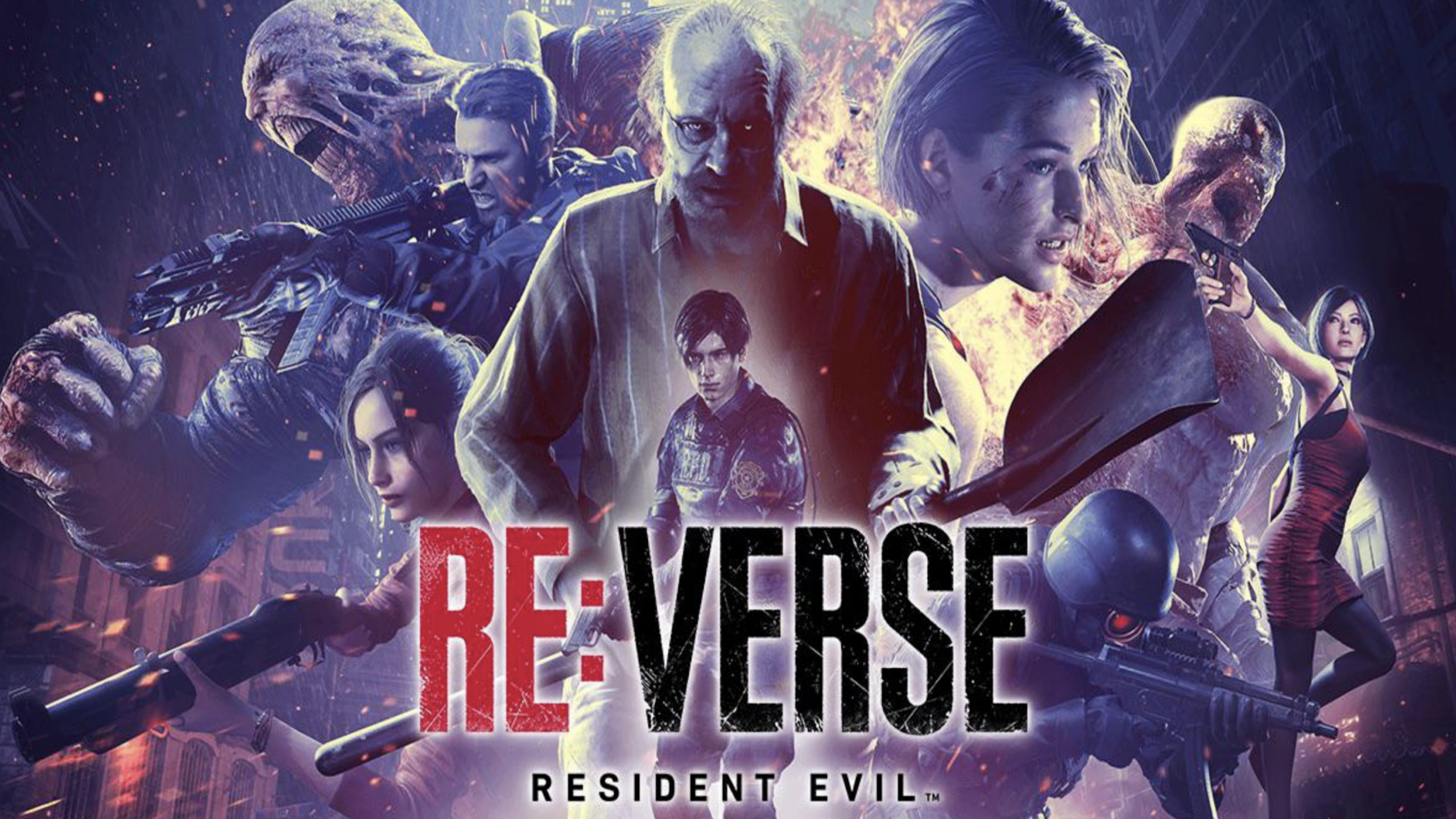
Capcom tried something different with Resident Evil Re: Verse, a multiplayer spin-off built around iconic characters from the franchise, designed to celebrate the series’ 25th anniversary. Instead of focusing on survival horror, it leaned into competitive online matches where players controlled heroes and villains from across the saga. The concept sounded appealing to longtime fans, but the execution struggled to maintain interest beyond the initial launch window.
Activity dropped steadily over time, and by its final stretch, the player base had shrunk to around 100 active players, making matchmaking increasingly difficult. Despite being tied to a major franchise, it never managed to establish a consistent community or evolve into a sustainable live-service experience. The lack of meaningful updates and limited content made it hard to keep players engaged in the long run.
After roughly three years online, Capcom officially shut down the servers in July 2025, quietly closing the chapter on one of the franchise’s most unusual experiments.
Ambition Took Flight, Then Crashed Mid-Air
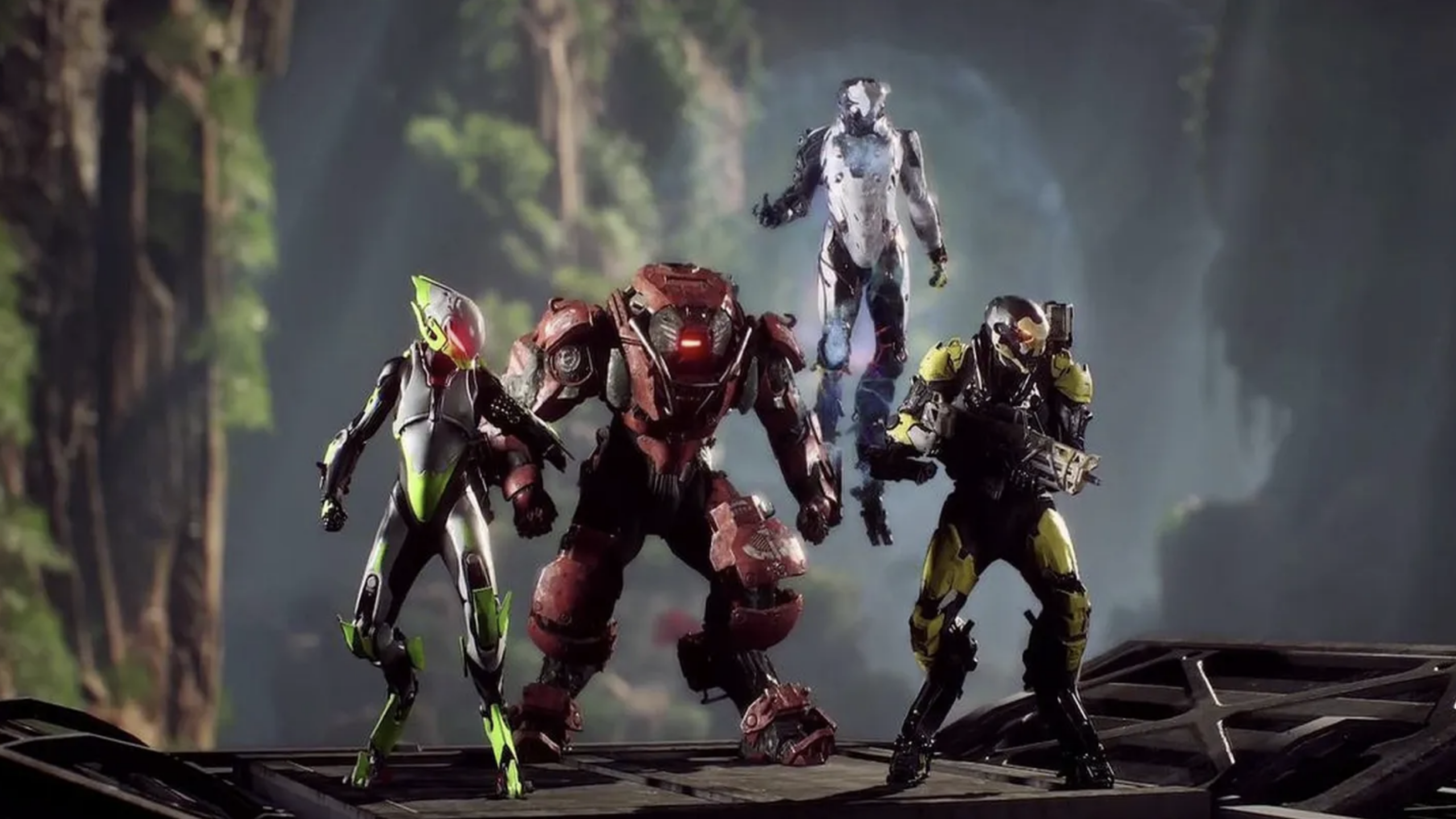
BioWare’s Anthem aimed to redefine cooperative shooters with its Iron Man–style flight system and shared open world, promising a blend of storytelling and online action that could rival the biggest live-service titles. Backed by Electronic Arts and years of hype, it launched with stunning visuals and fluid movement, but underneath that first impression, the experience struggled to hold together.
After roughly five years, the servers were officially shut down, bringing an end to a title that once carried enormous expectations.
Earth’s Mightiest Heroes Couldn’t Save This One
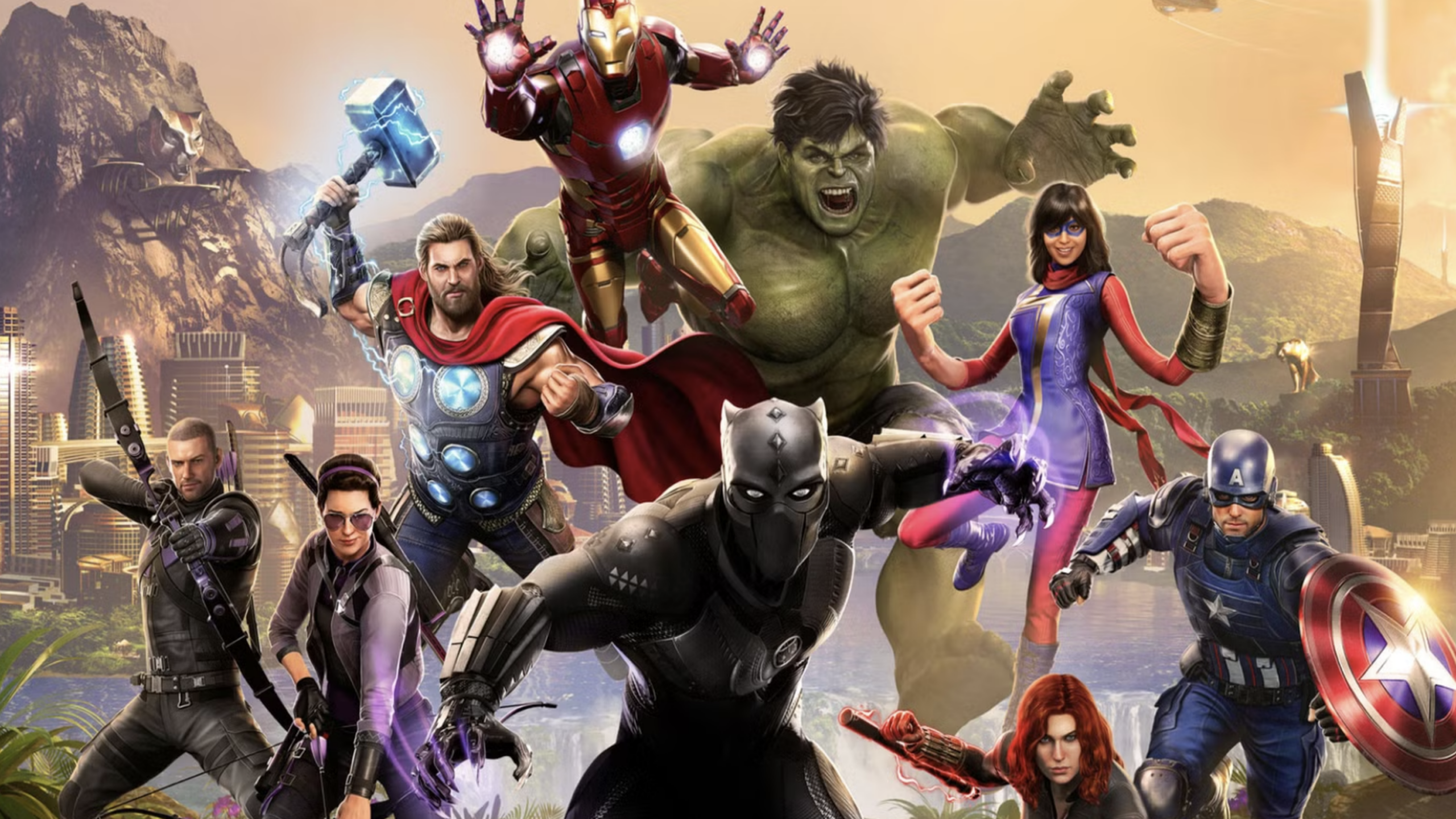
Square Enix and Crystal Dynamics had one of the most powerful IPs in the world with Marvel’s Avengers, but even that wasn’t enough to guarantee success. Launched in 2020 as a live-service action game, it promised a growing roster of heroes, cinematic storytelling, and ongoing content, yet the execution quickly became its biggest weakness. Frequent updates introduced performance issues, slowed gameplay, and created a heavier, less responsive experience over time.
Another major disconnect came from character design. Instead of using the likeness of the actors from the Marvel Cinematic Universe, the game featured alternate versions that felt unfamiliar to many players, creating a strange gap between expectation and reality.
After roughly three years, support officially ended and the game was delisted in 2023. It became a clear example that even one of the biggest franchises in entertainment can fall short in gaming when direction, execution, and player expectations don’t align.
Even the Justice League Couldn’t Carry This One
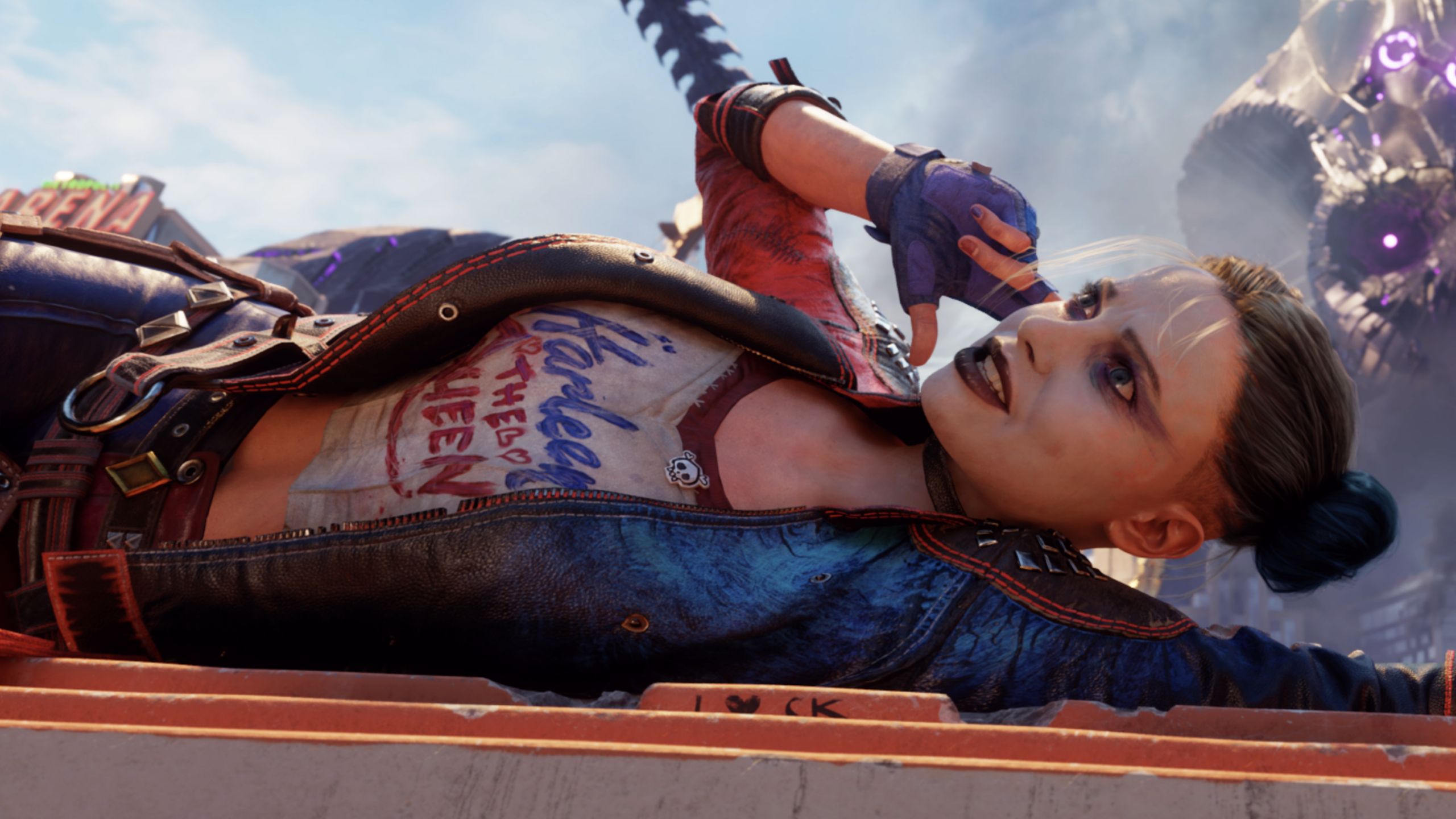
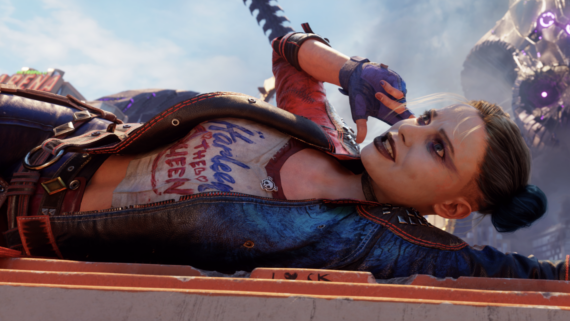
Rocksteady, the studio behind the acclaimed Batman Arkham series, took a bold turn with Suicide Squad: Kill the Justice League, shifting into a live-service shooter built around co-op gameplay and constant updates. Expectations were high, but the final result struggled to connect with fans who were expecting a more story-driven experience. Instead, the focus on repetitive missions, gear grinding, and online systems made it feel disconnected from what made the studio successful in the first place.
If Marvel had already shown that a big franchise doesn’t guarantee success, DC ended up proving the same point from the other side. Sometimes even the biggest heroes can’t fix a game that loses its identity along the way.