There’s a tendency to think online gaming started with broadband and voice chat, but most of its core ideas were already floating around years earlier. A lot of what feels standard today, ranked ladders, team coordination, player economies, was being figured out in much rougher forms. Some of these games didn’t even have proper online support, yet they shaped how online play would eventually work. Going back to them now feels less like nostalgia and more like tracing origins. These are 15 retro games that still echo in today’s online spaces.
Quake (1996)
r/quake – Reddit
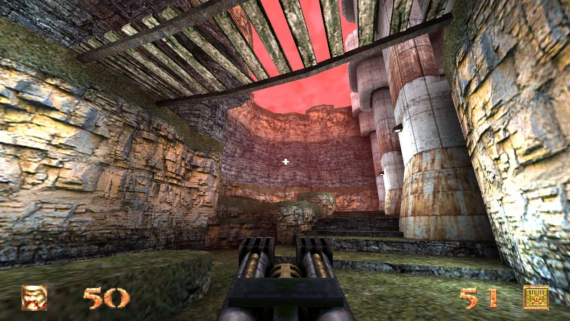
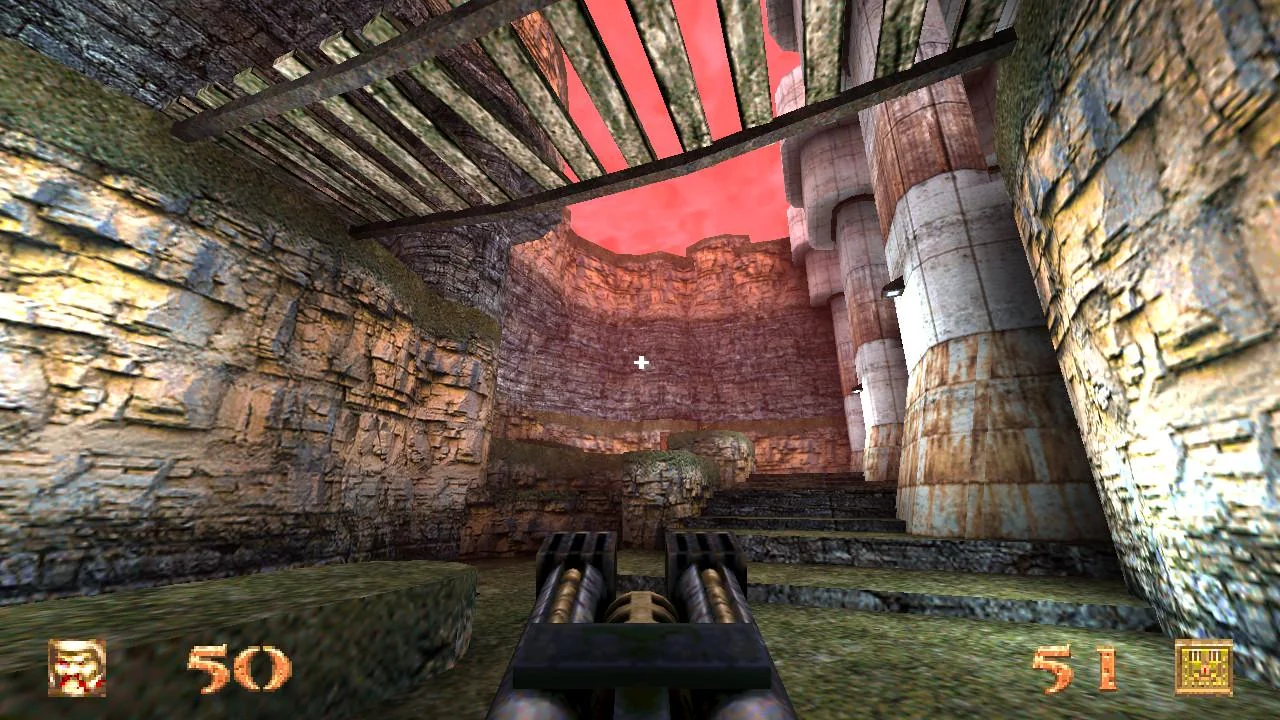
If you’ve ever watched a high-level FPS match and wondered why movement looks almost unnatural, that thread leads back to Quake. The game rewarded players who broke it a little, faster movement, sharper angles, smarter positioning. It also normalized dedicated servers, which quietly became the backbone of online shooters.
StarCraft (1998)
r/starcraft – Reddit
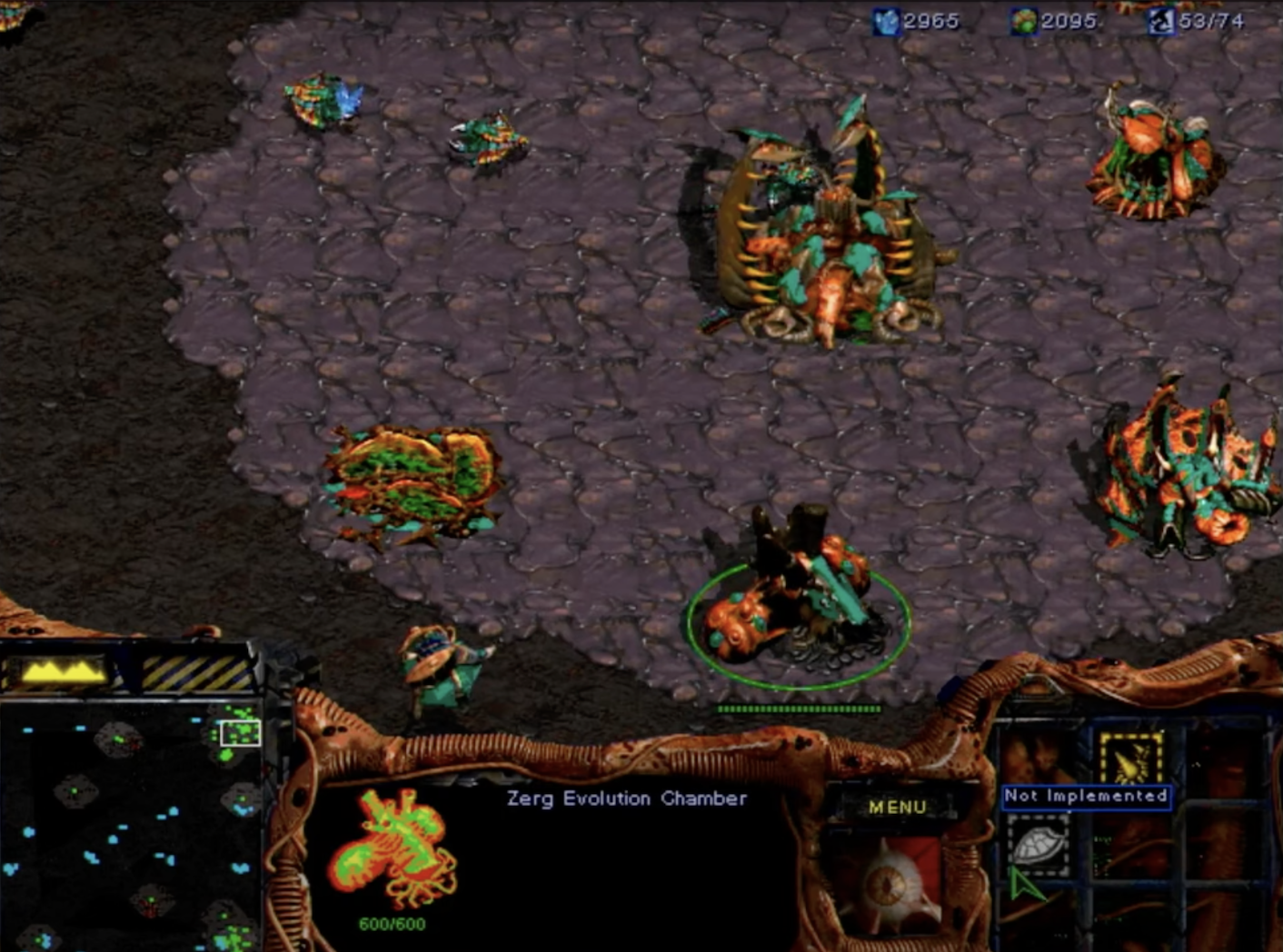
For a lot of players, this was their first exposure to competitive gaming that actually felt serious. South Korea took it to another level, but even outside that scene, StarCraft showed how balance and asymmetry could coexist. The idea that different factions could feel unfair yet still be fair is something modern games still wrestle with.
Ultima Online (1997)
r/ultimaonline – Reddit
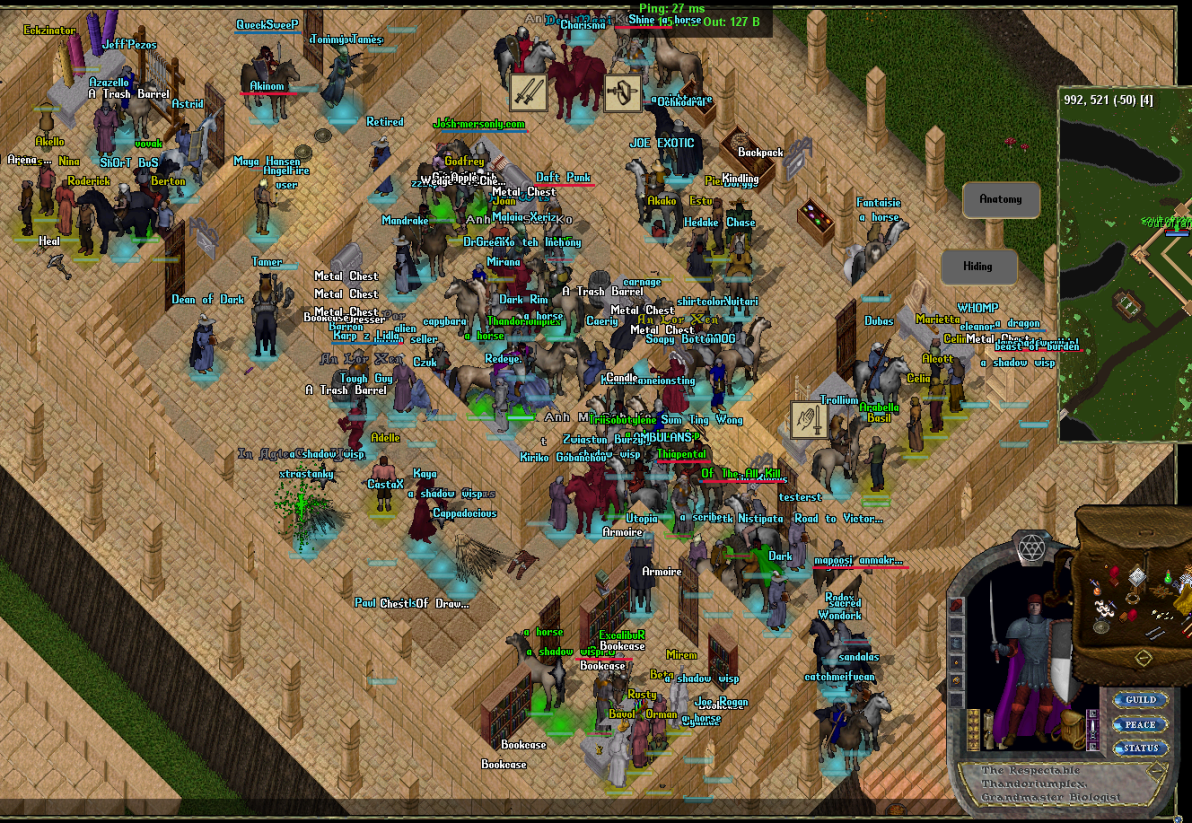
Messy, unpredictable, sometimes frustrating, and that was kind of the point. Ultima Online didn’t try to control player behavior too tightly, which meant the world felt alive in a way that was rare at the time. Systems like player housing and open economies still show up in modern MMOs, just with more guardrails.
Counter-Strike (1999)
r/millenials – Reddit
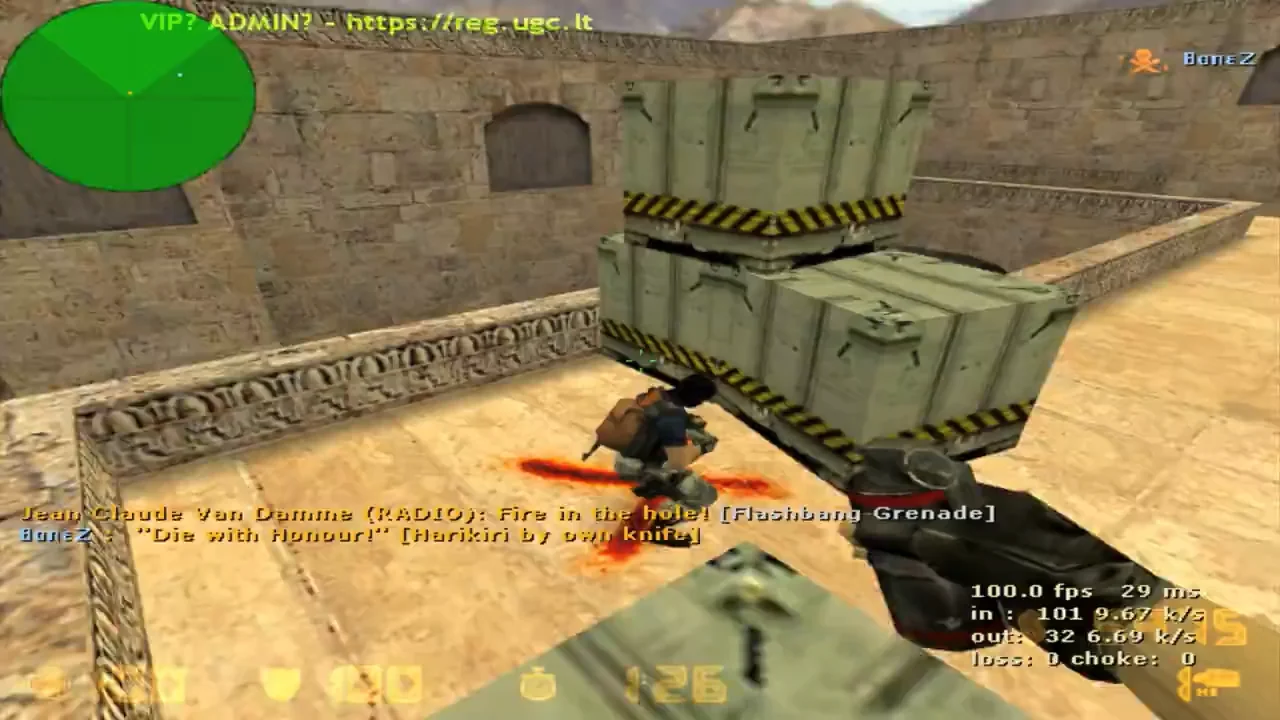
It’s hard to overstate how much Counter-Strike got right on the first try. The buy system, the pacing, the importance of communication, none of that feels outdated. Even now, a tense round comes down to the same things it did back then, positioning, timing, and whether someone misses a shot they shouldn’t.
Diablo II (2000)
r/diablo2 – Reddit
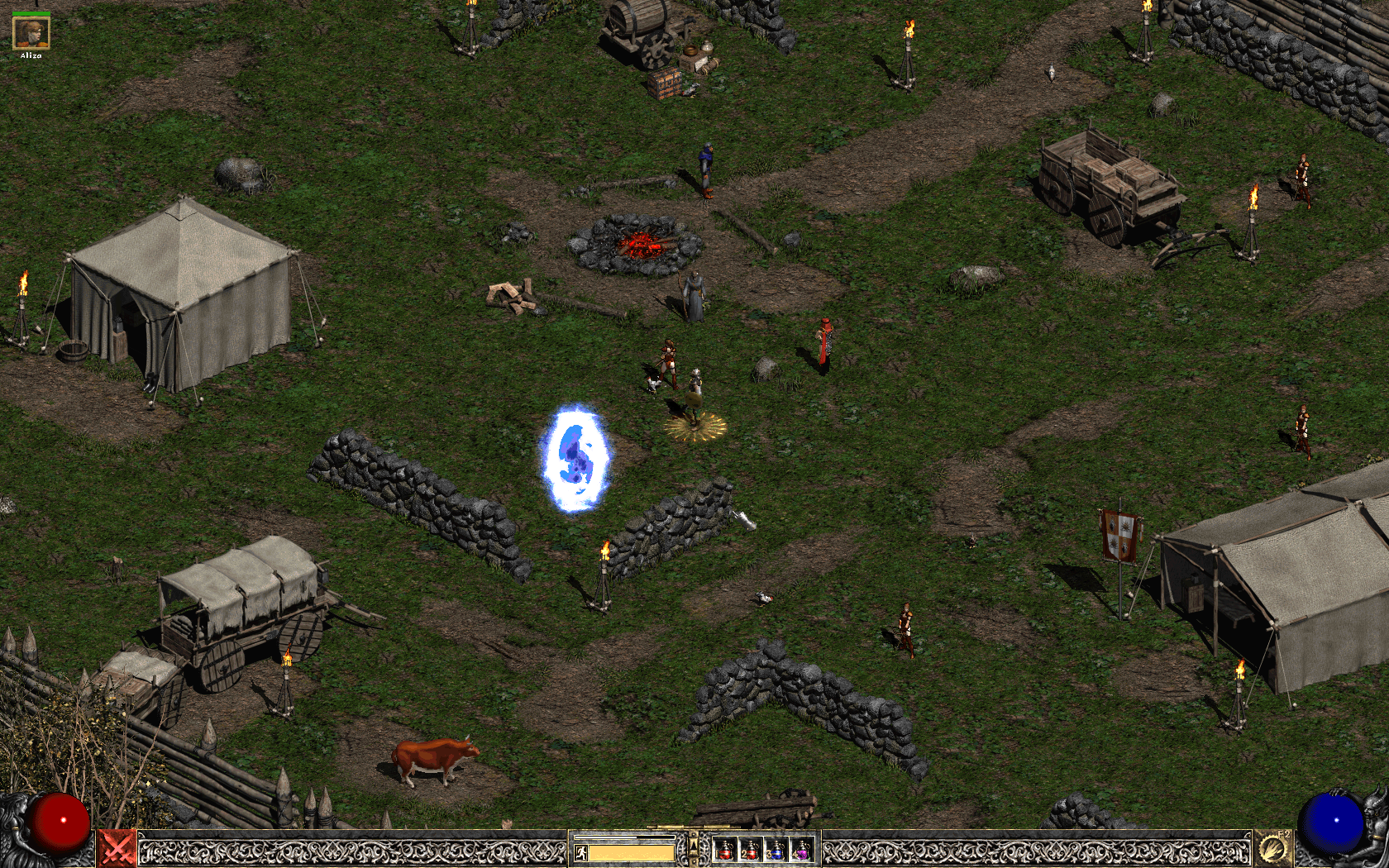
People still chase the feeling this game created. The grind wasn’t just about numbers going up, it was about that one drop that changed everything. Online trading communities grew around it in ways that were chaotic but weirdly engaging, something you still see in games built around loot today.
Trending on realmoneygamer.com

EverQuest (1999)
r/everquest – Reddit
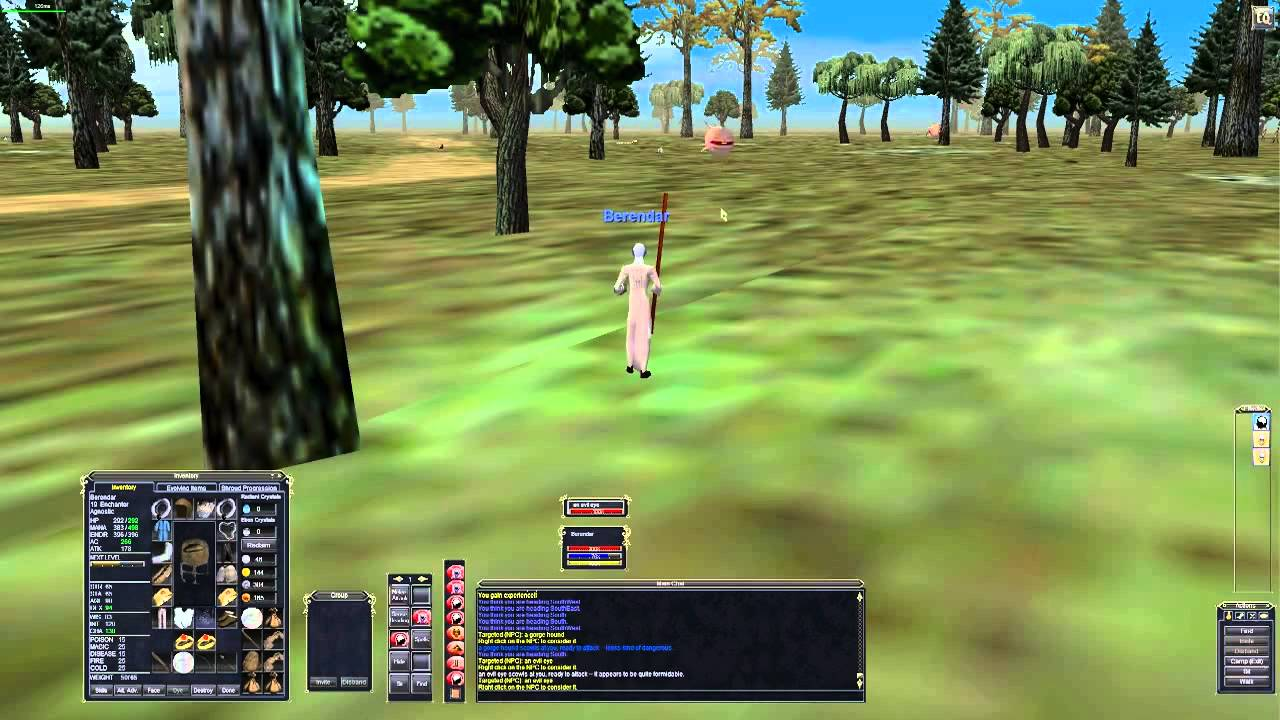
It wasn’t friendly, and that’s part of why it mattered. You needed other players, not just for efficiency but for survival. Guilds weren’t optional, and raids felt like actual events, not just scheduled content. A lot of MMO culture, good and bad, can be traced back here.
Street Fighter II (1991)
r/nostalgia – Reddit
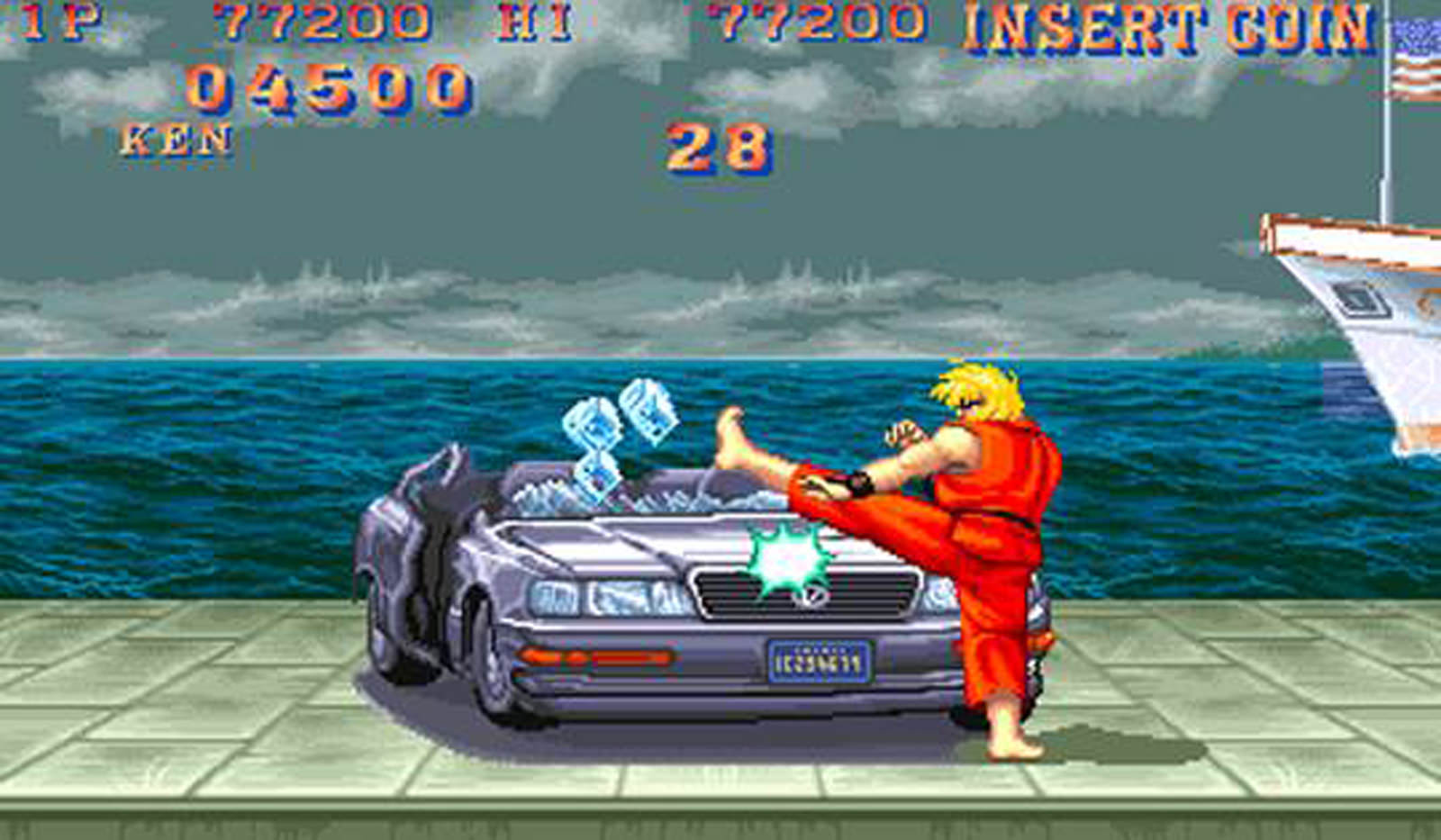
Before online play, before esports, there were arcades and long lines. Street Fighter II created a competitive language that still exists, spacing, timing, reading your opponent. Online fighting games didn’t reinvent that, they just moved it to a different setting.
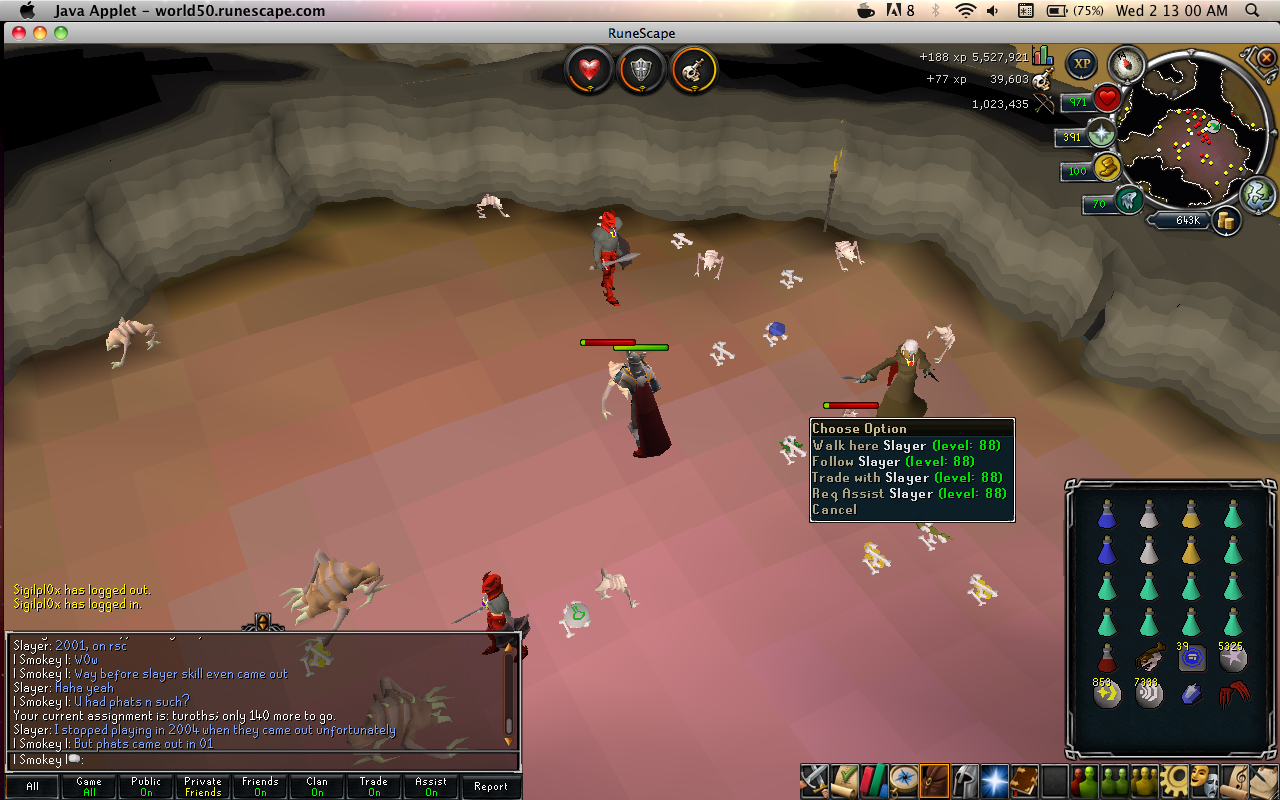
RuneScape (2001)
r/2007scape – Reddit
It looked simple, sometimes even crude, but people stuck with it for years. The way skills progressed, slowly and steadily, made everything feel earned. Its economy, driven almost entirely by players, still feels closer to modern sandbox games than you’d expect.
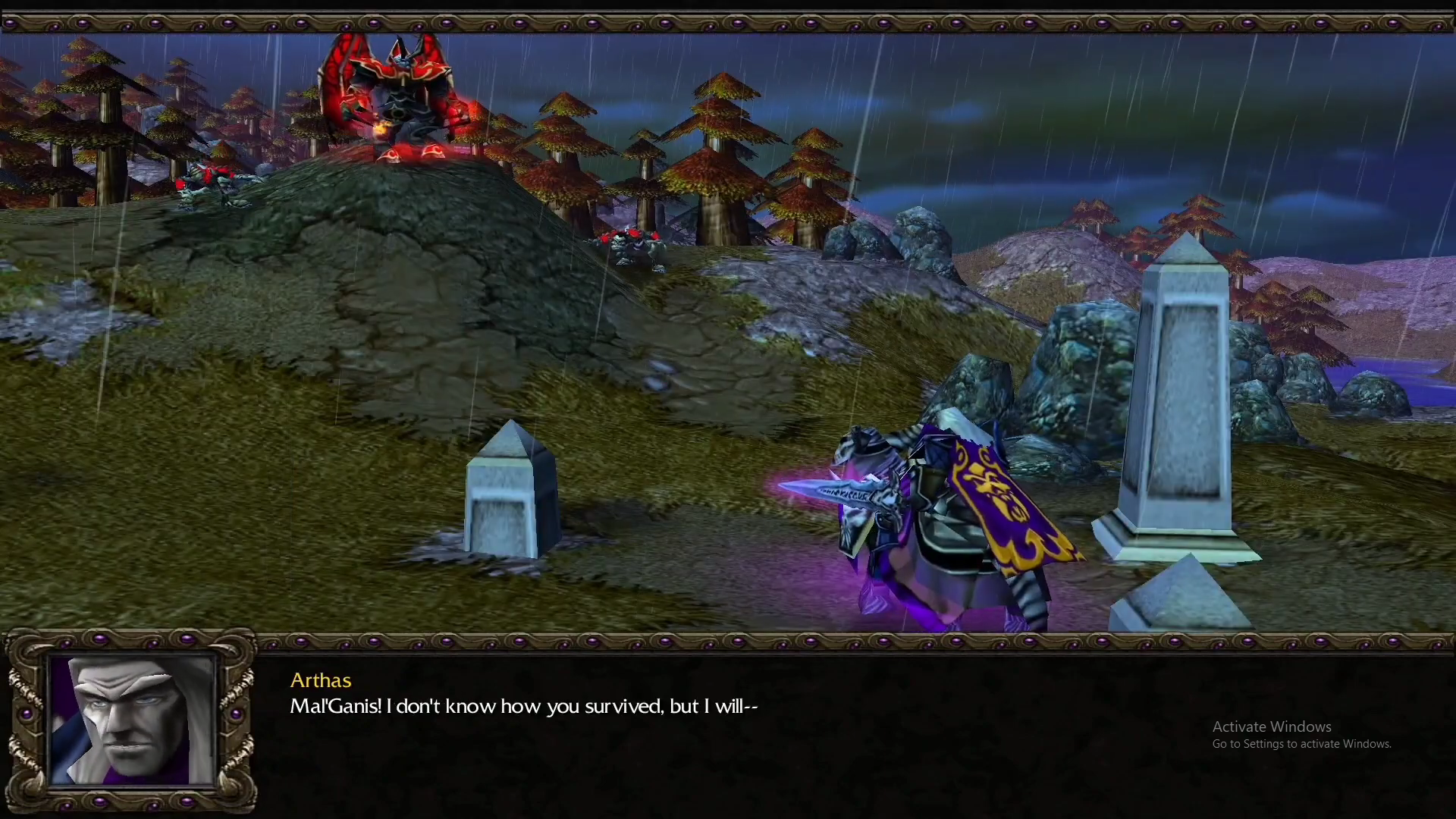
Warcraft III (2002)
r/shittygamedetails – Reddit
Most people remember the campaign or the RTS side, but the real story is in the custom maps. That’s where entire genres started taking shape. MOBAs didn’t come out of nowhere, they grew out of this game almost by accident.
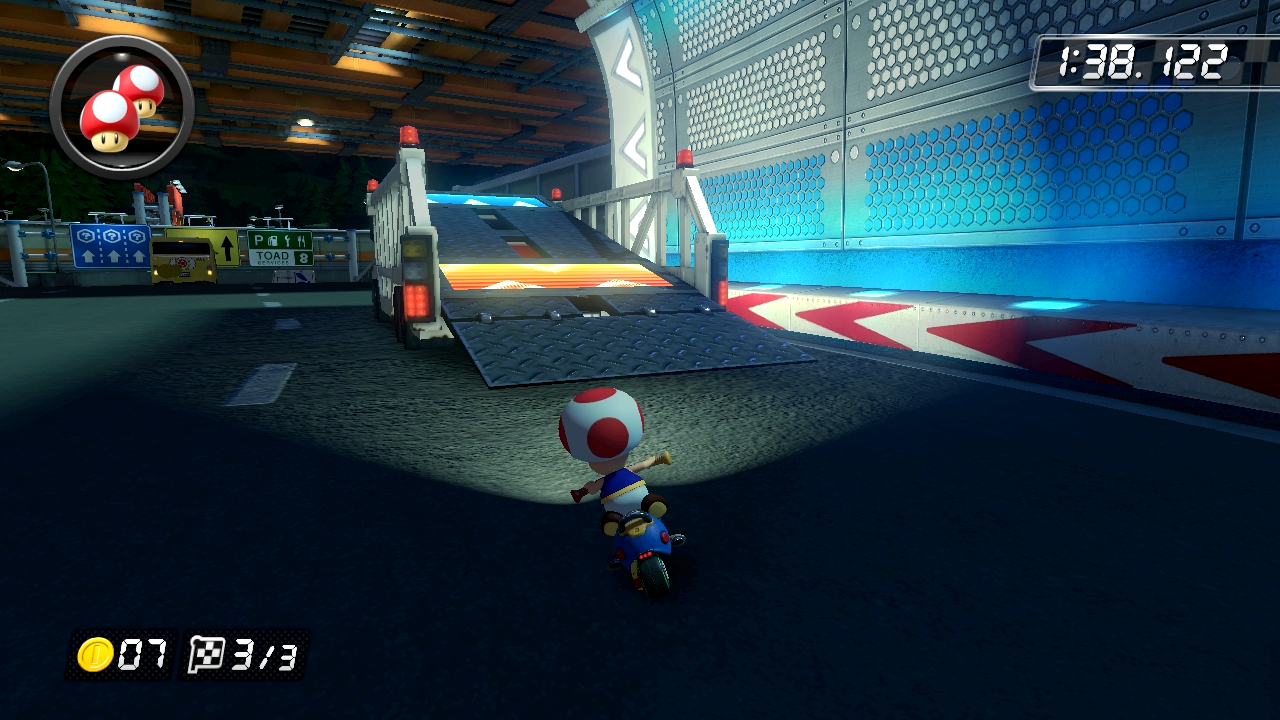
Mario Kart 64 (1996)
r/mariokart – Reddit
Not everything that influences online gaming is about competition in the traditional sense. Mario Kart leaned into chaos, into moments where skill didn’t guarantee a win. That idea shows up today in party modes, casual playlists, anything designed to keep things unpredictable.
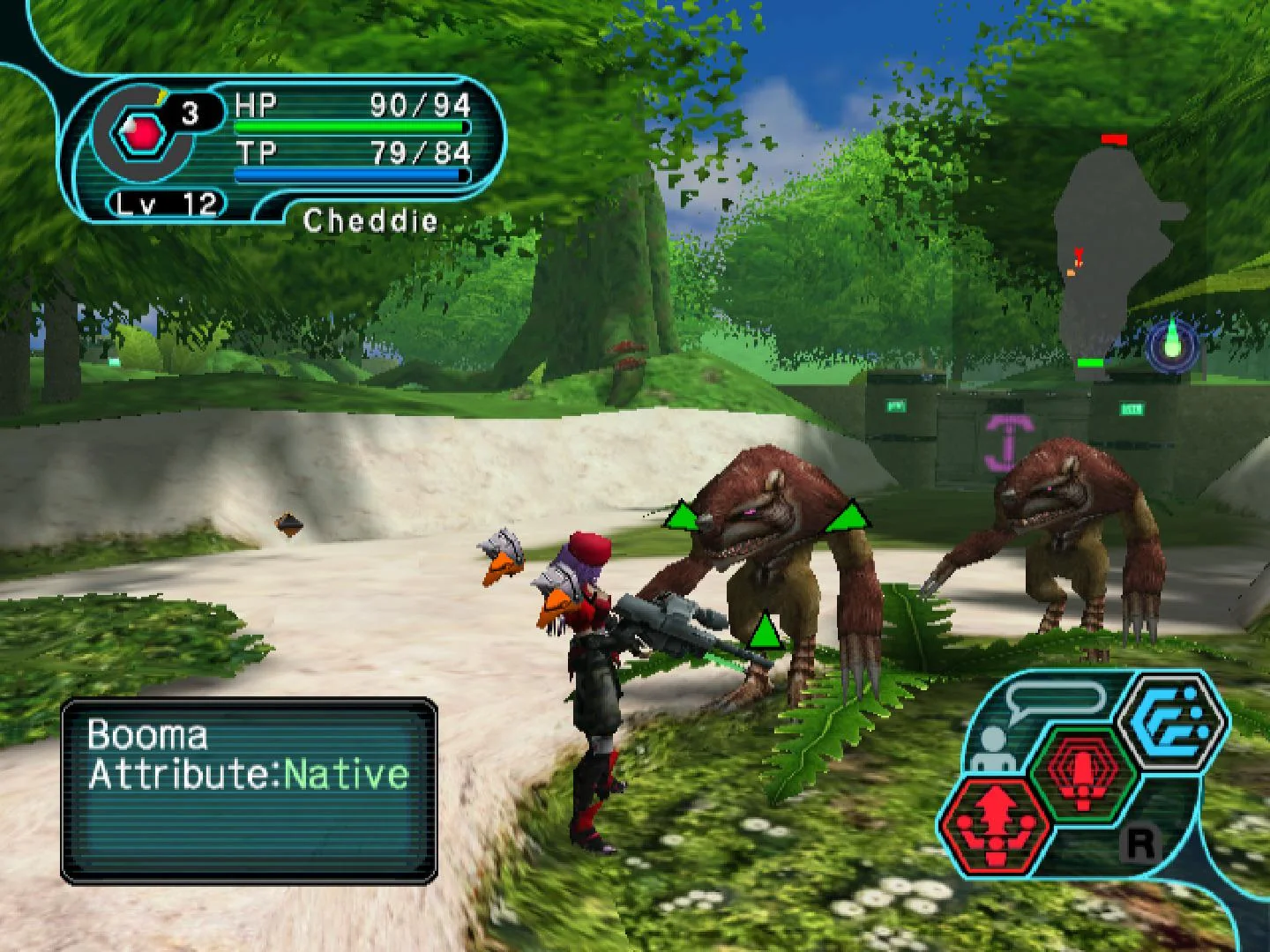
Phantasy Star Online (2000)
r/MMORPG – Reddit
For console players, this was a glimpse of what online gaming could be. Lobbies, co-op missions, shared progression, it all felt new at the time. The structure isn’t far off from what games like Destiny would later refine.
GoldenEye 007 (1997)
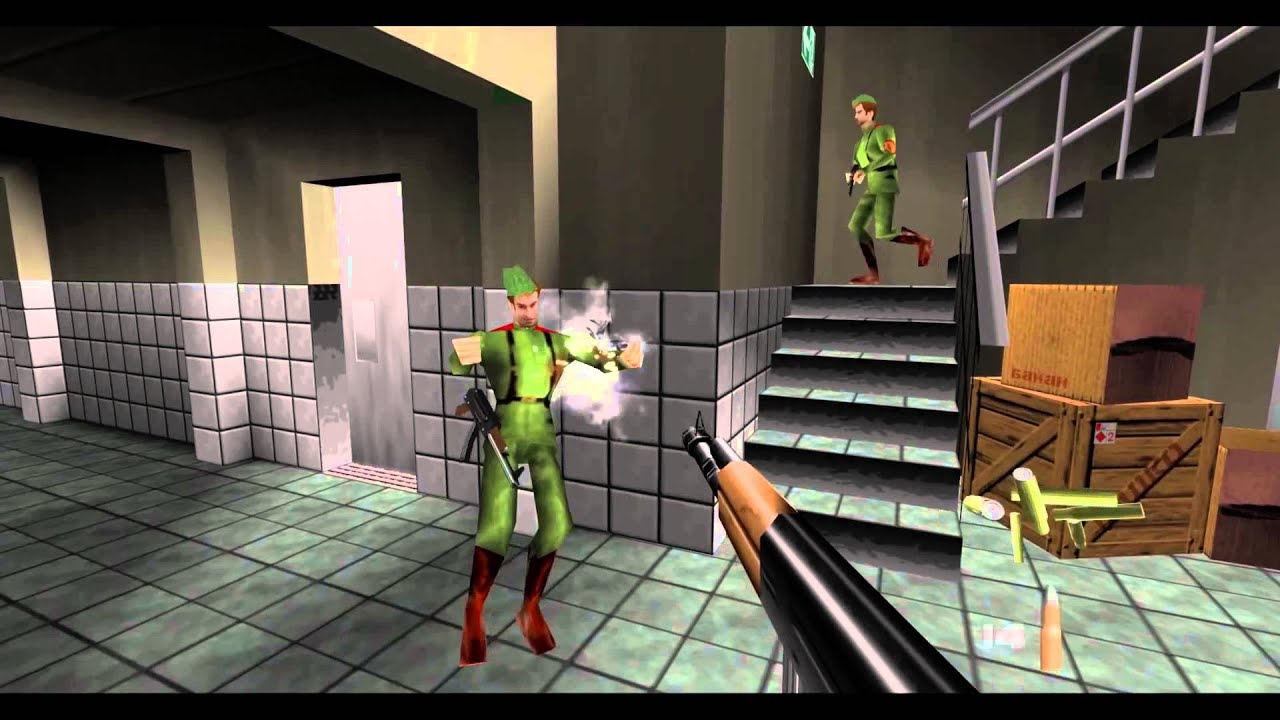
r/chatGPT – Reddit
It wasn’t balanced, not even close, but it didn’t matter. Players made their own rules, banned certain weapons, tweaked settings, argued over fairness. That habit of shaping the experience yourself is still part of online multiplayer culture.
Tetris (1984)
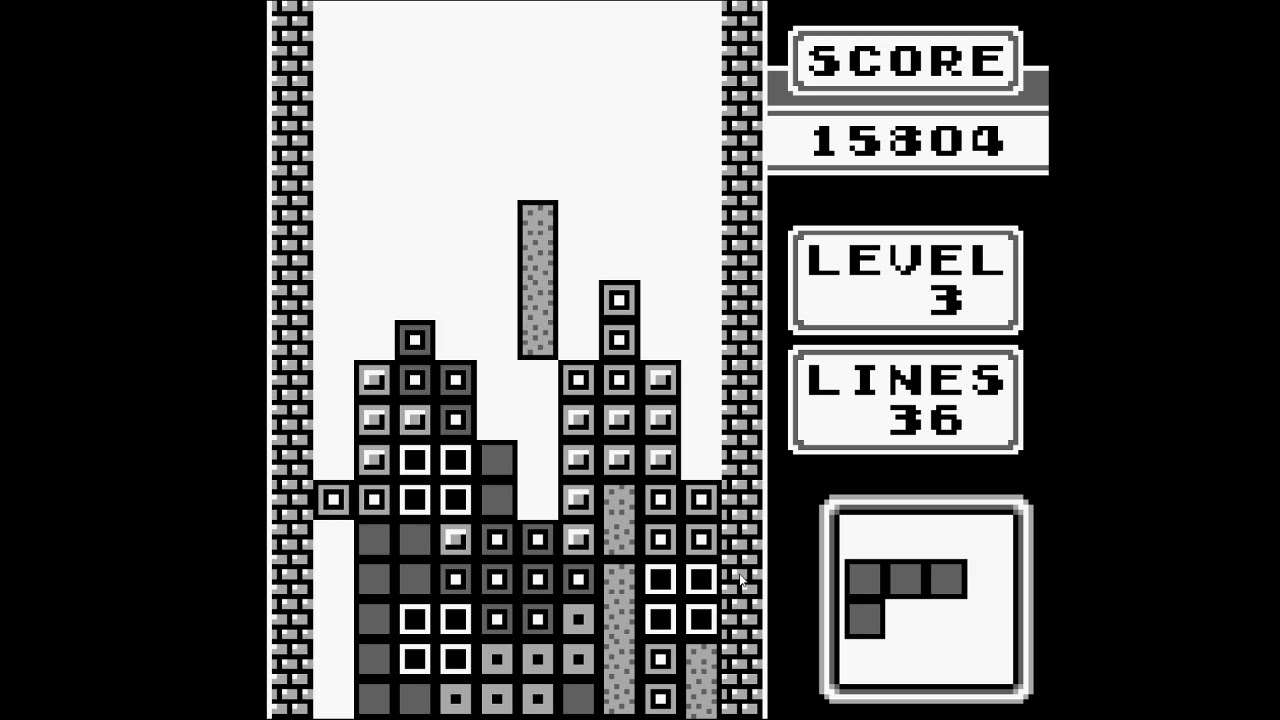
r/Games – Reddit
There’s something almost stubborn about how little it needs. No progression system, no unlocks, just speed and precision. And yet, competitive scenes around it are still active online, which says a lot.
Age of Empires II (1999)
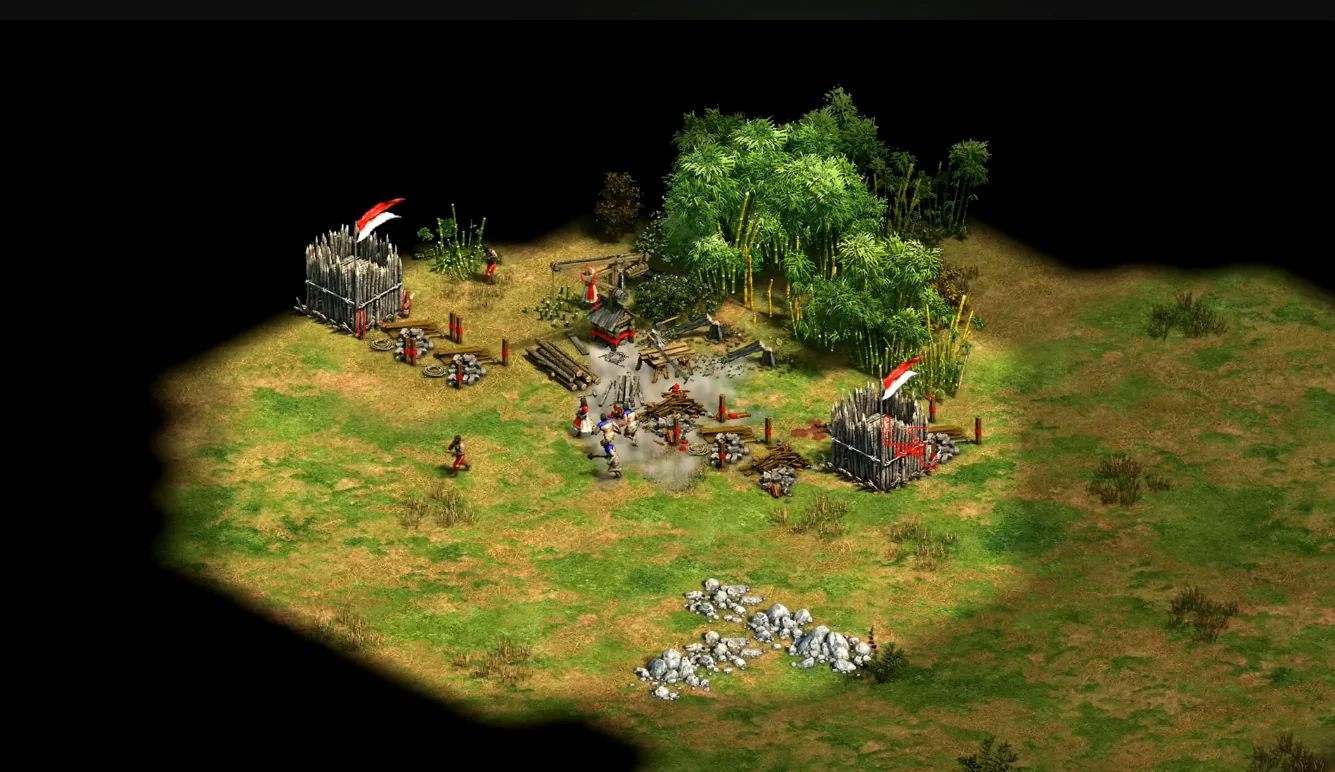
r/gaming – Reddit
Some games fade and then come back. This one never really left. Its pacing, slower than most modern RTS titles, gives players time to think, which is part of why it still works competitively.
Halo: Combat Evolved (2001)
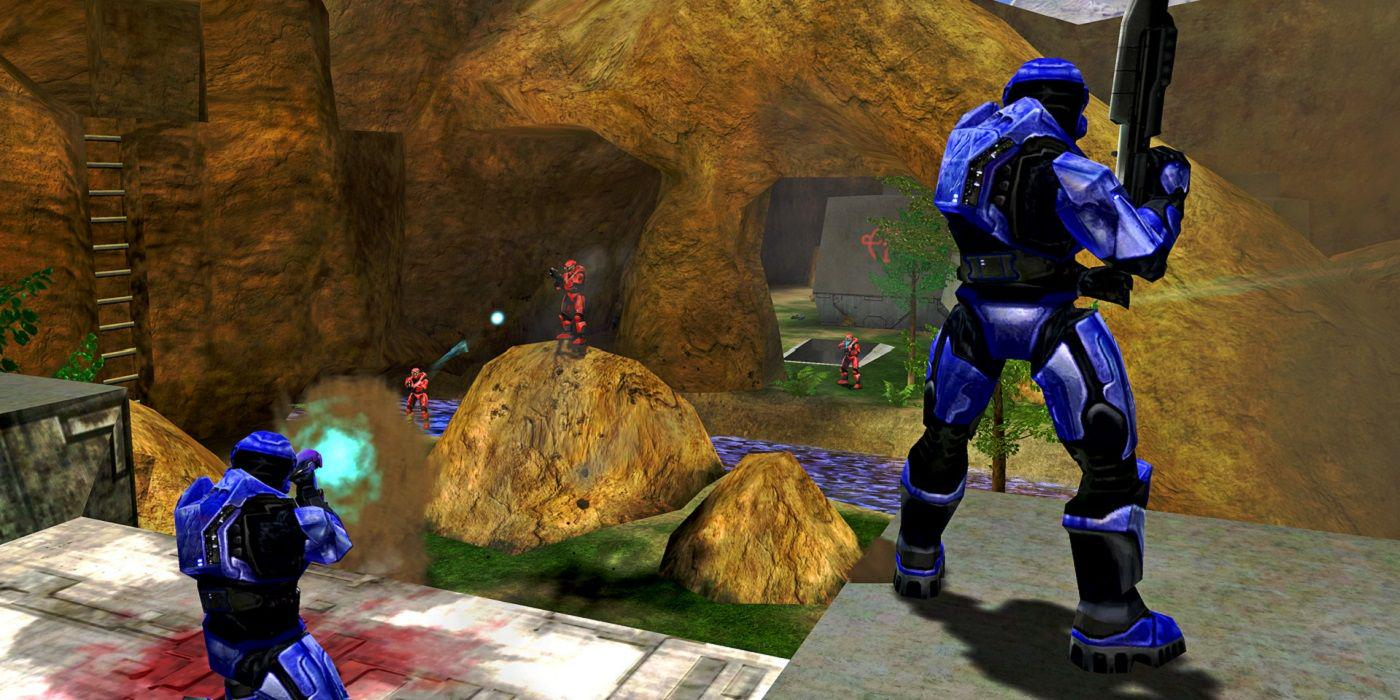
r/halo – Reddit
Before matchmaking, before ranked queues, there were LAN setups and a lot of cables. Halo turned multiplayer into something social first, competitive second. When online infrastructure caught up, those same ideas carried over almost unchanged.
Looking at these games now, what stands out isn’t just what they did, but how much of it still feels familiar. Not everything aged well, and some ideas were clearly refined later, but the core is still there. Online gaming didn’t start from scratch, it just kept building on things that were already working.