Some video game worlds don’t just host stories, they spill into real life. You see them in memes, in music videos, in the way people talk online. They become shorthand for entire moods or generations. Not every big game gets there, but when it happens, it’s hard to ignore. These are the worlds that somehow escaped the screen and stuck around.
Azeroth, World of Warcraft
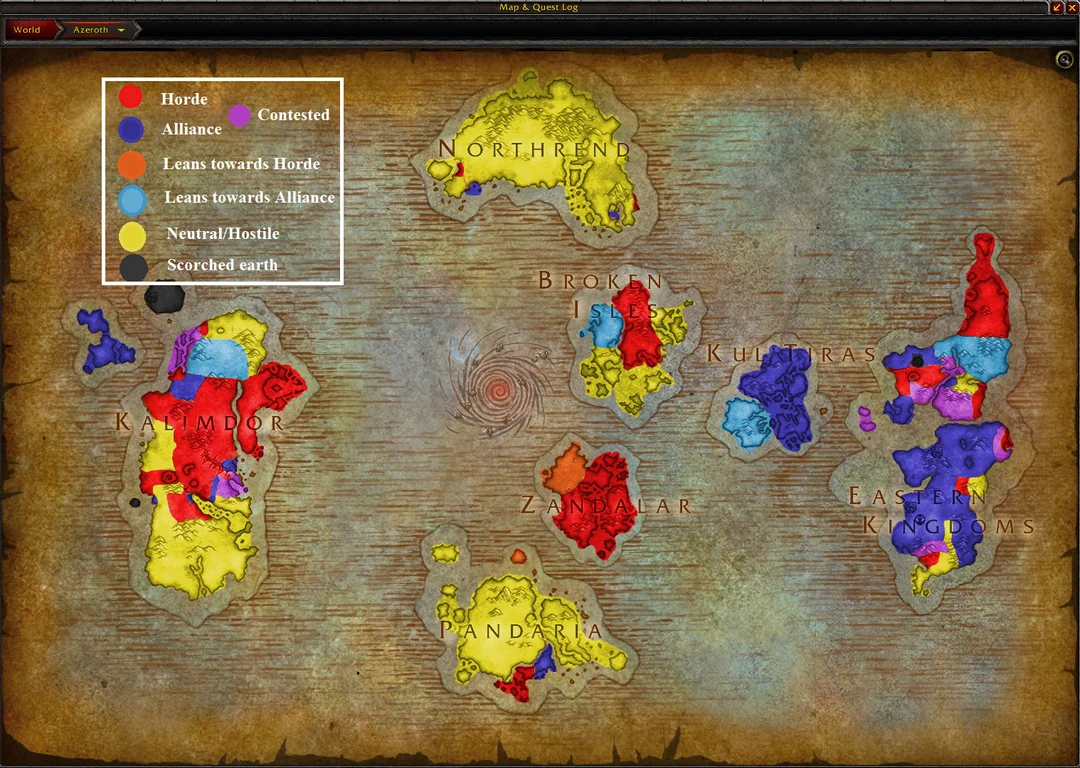
Back in 2004, Azeroth didn’t feel like a map, it felt like a place people moved into. Guild drama, server reputations, even weddings, all of it unfolded inside Blizzard’s MMO. The “Leeroy Jenkins” clip alone traveled far beyond gaming circles. For a lot of players, this wasn’t just a game world, it was their first real online society.
Los Santos, Grand Theft Auto V
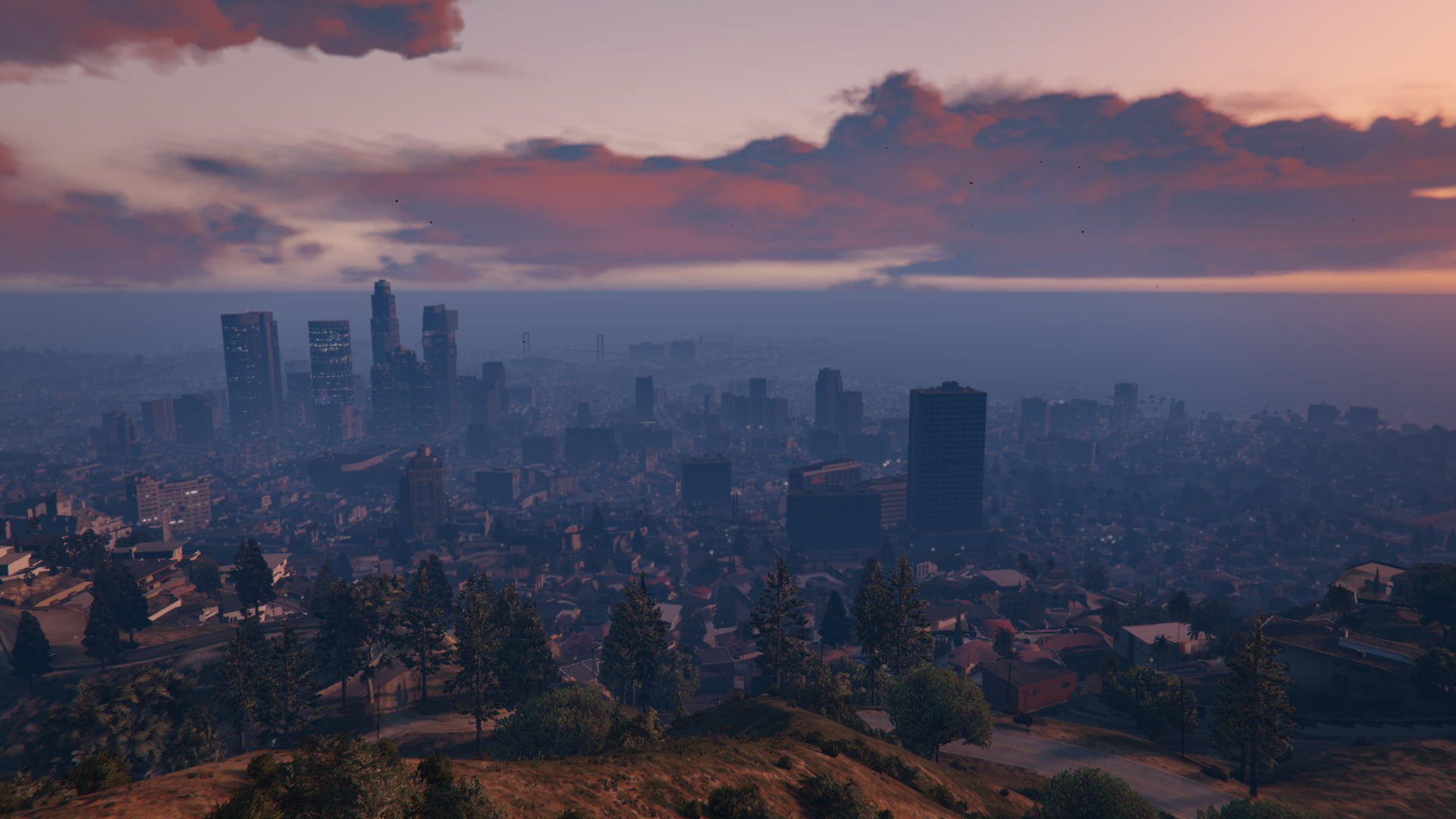
Rockstar’s version of Los Angeles became a kind of shared playground where chaos felt oddly routine. GTA Online turned Los Santos into a stage for everything from roleplay servers to TikTok clips. Even a decade later, people still log in just to exist there for a while.
Hyrule, The Legend of Zelda
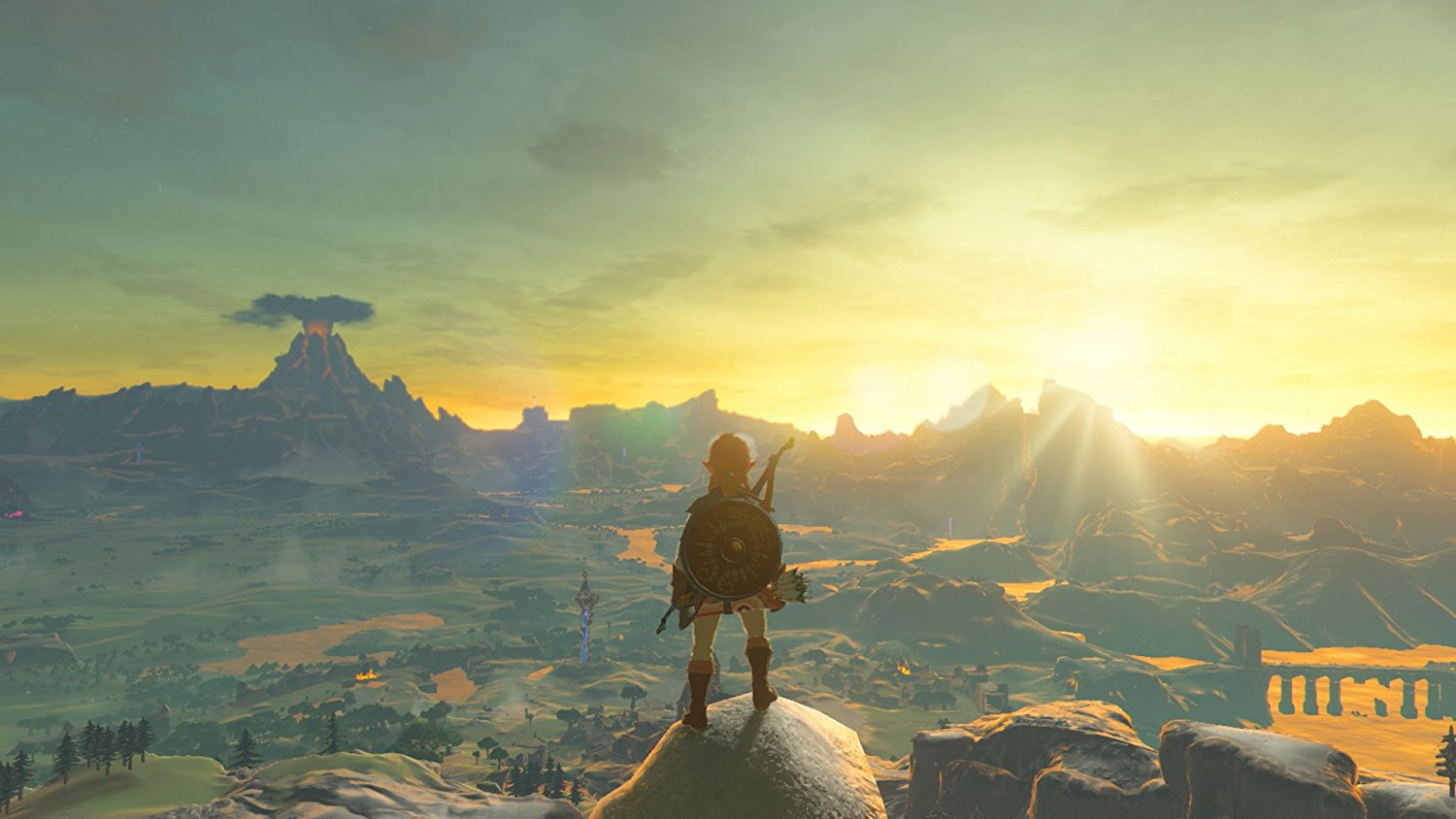
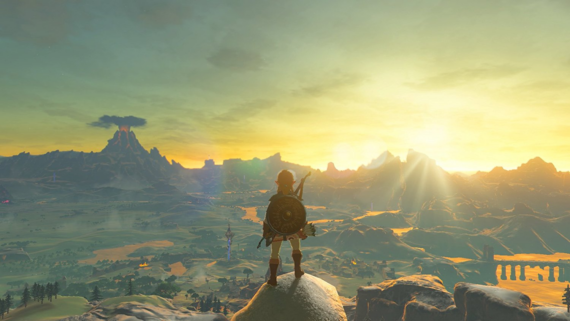
Every version of Hyrule feels familiar and new at the same time. Breath of the Wild pushed it further, turning exploration into the main story rather than a side activity. Players weren’t just finishing quests, they were posting clips of physics experiments and unexpected discoveries.
The Mushroom Kingdom, Super Mario
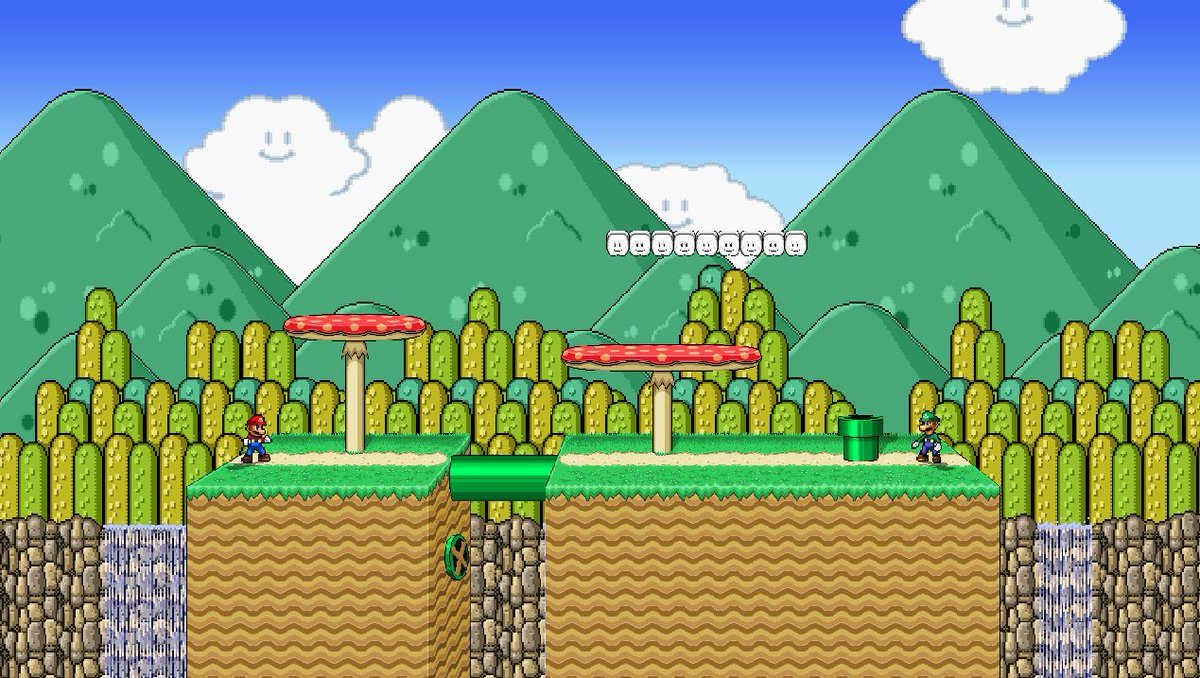
Simple colors, simple rules, instantly recognizable. You don’t need to play Mario to know what a Goomba is. That kind of cultural reach is rare.
Skyrim, The Elder Scrolls V
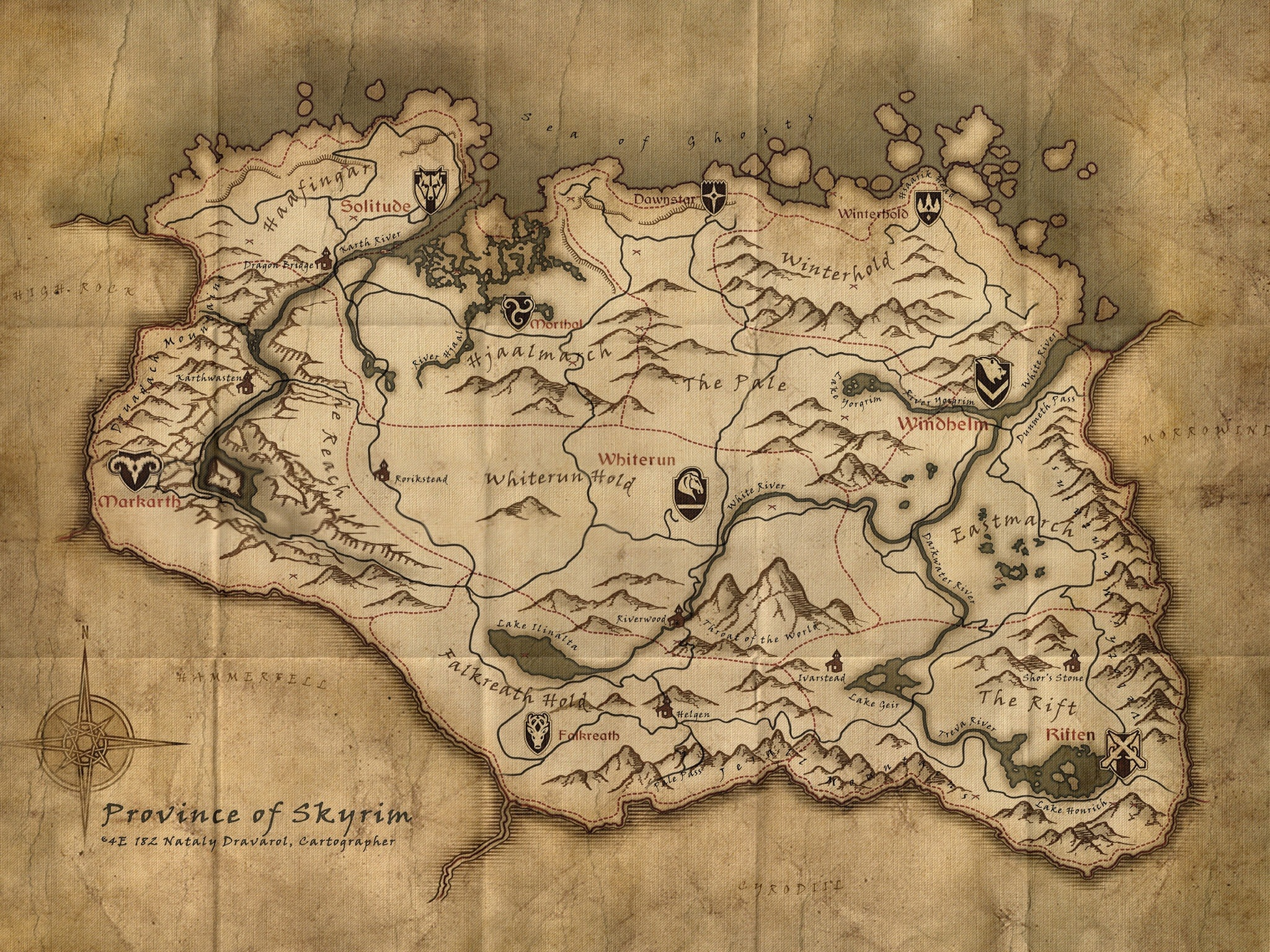
It’s hard to separate Skyrim from the phrase “I used to be an adventurer like you.” Released in 2011, it somehow refuses to fade, thanks to mods, re-releases, and a community that keeps bending its world into new shapes. The setting itself became a meme engine, a sandbox, and a comfort zone all at once.
Trending on realmoneygamer.com

Night City, Cyberpunk 2077
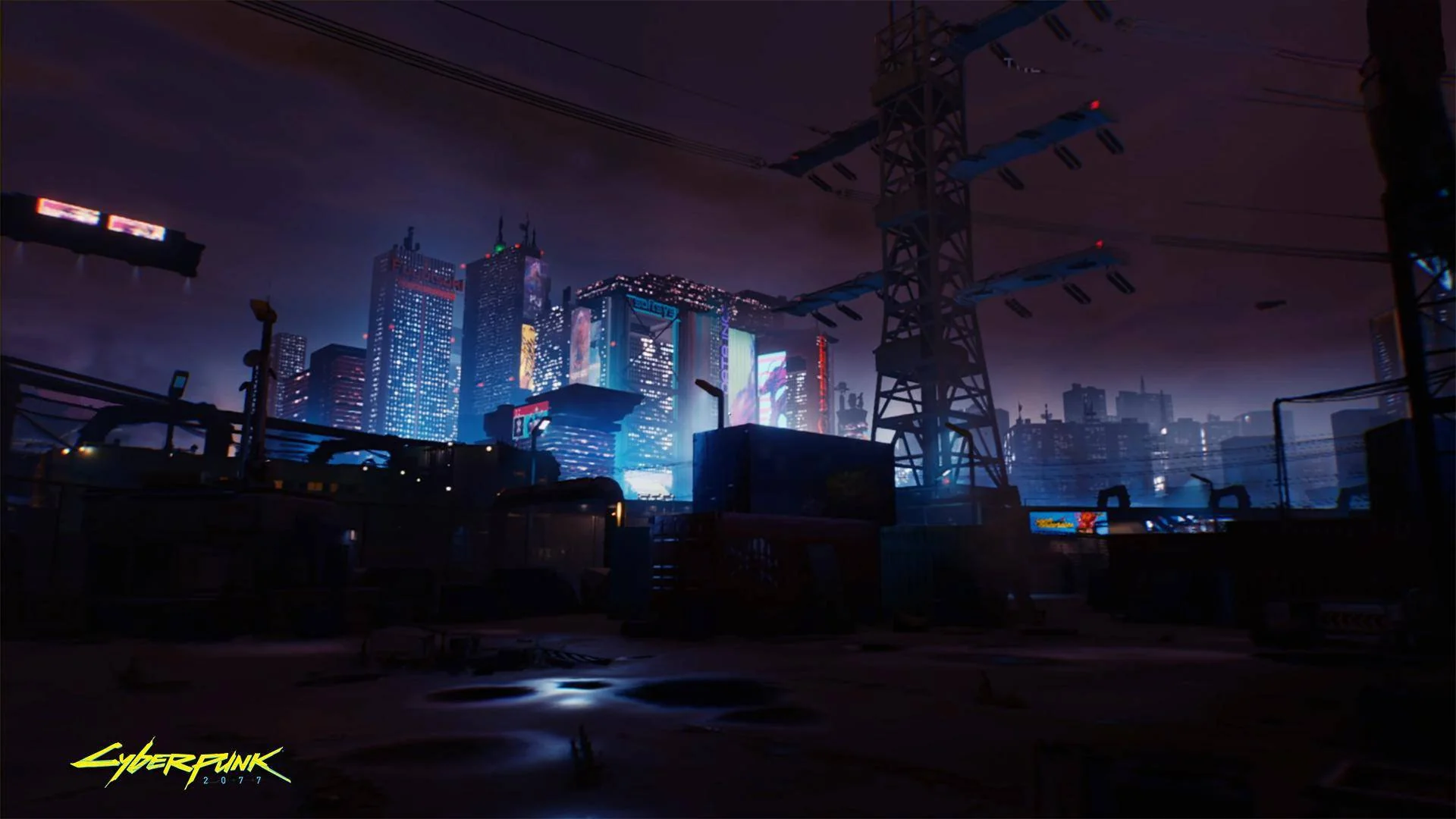
At launch, the conversation was messy. Bugs, performance issues, refunds. But Night City itself stuck with people, a dense, neon-heavy sprawl that felt alive even when systems broke. Over time, updates and the Edgerunners anime reframed it, turning the city into something players wanted to revisit.
Midgar, Final Fantasy VII
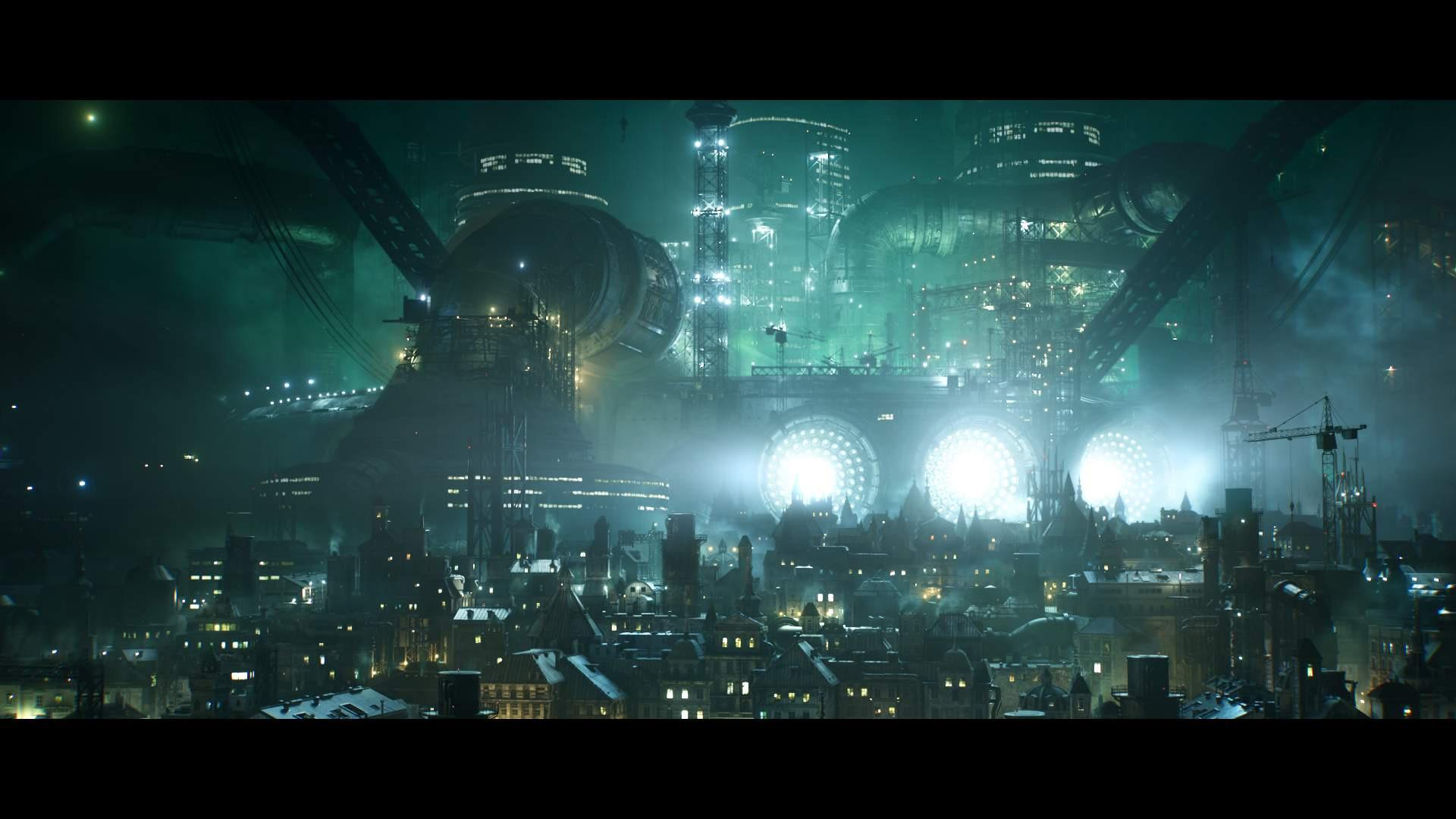
Before open worlds became standard, Midgar showed how much atmosphere you could pack into a single city. The industrial skyline, the class divide between plates and slums, it all landed in 1997 and never really left. The remake didn’t reinvent it so much as zoom in on what was already there.
The Island, Fortnite
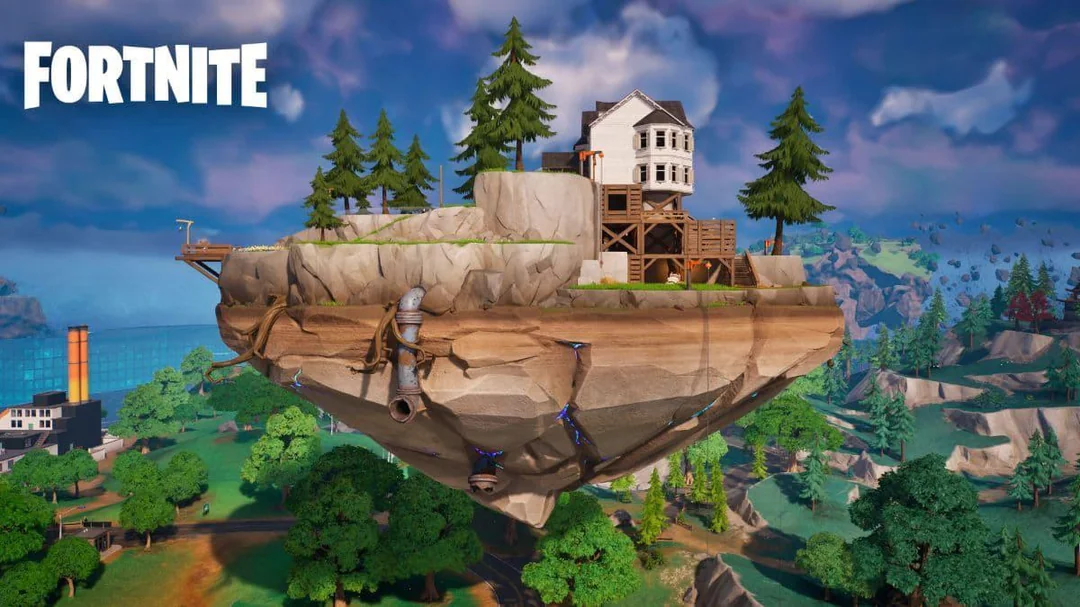
Fortnite’s map is less a place and more a timeline. One season it’s a battlefield, the next it’s hosting a Travis Scott concert. The world changes constantly, and players treat those changes like shared events rather than updates.
Rapture, BioShock
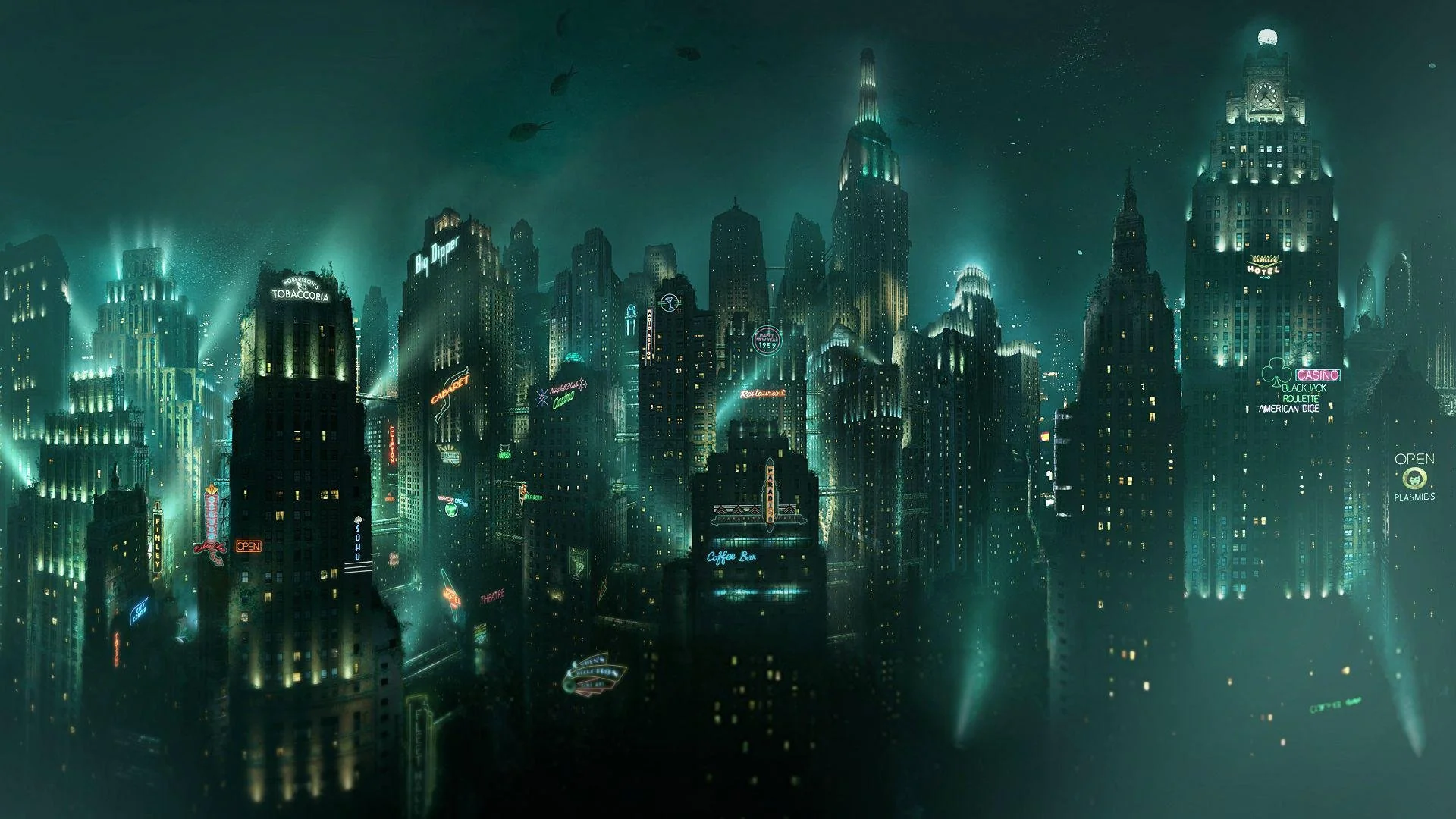
A failed utopia under the sea, frozen in time. Rapture works because it tells its story through decay, audio logs, and the environment itself. Even people who never played the game recognize the phrase “Would you kindly.”
Pandora, Borderlands
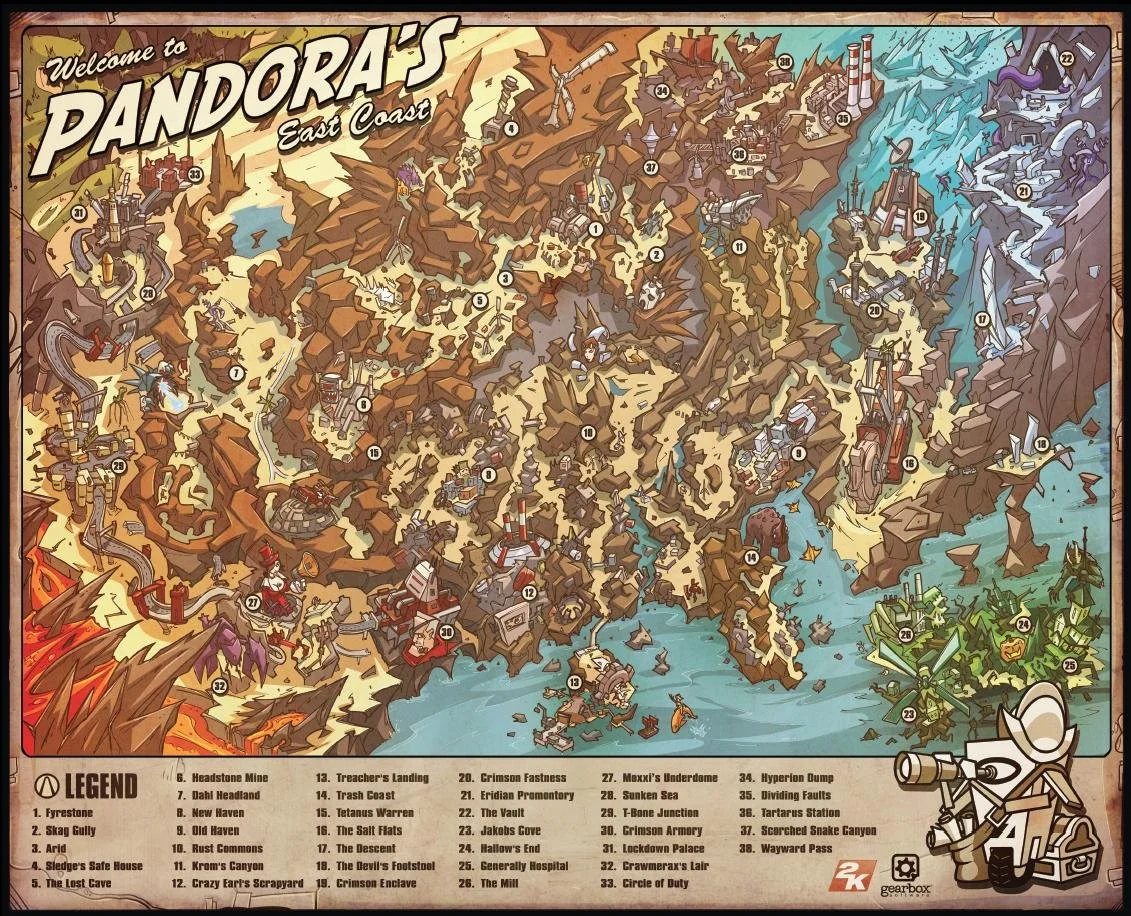
Pandora leans into chaos, loud colors, louder characters, and a tone that never quite settles. It’s messy on purpose. That unpredictability is exactly why it stuck.
The Lands Between, Elden Ring
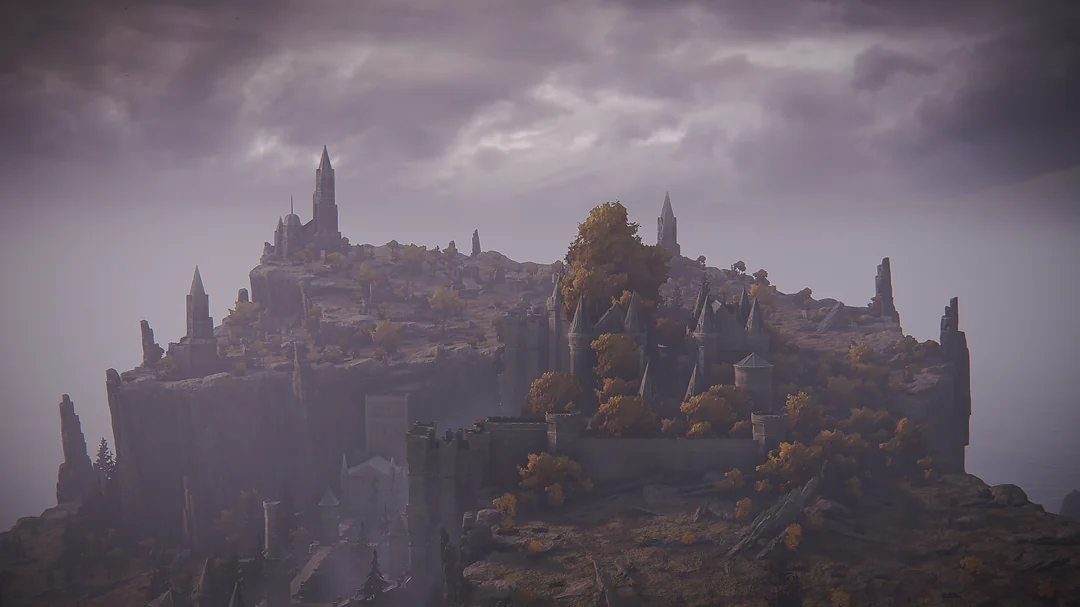
FromSoftware didn’t explain much, and that was the point. Players filled in the gaps, sharing theories, maps, and discoveries online. The world felt massive, but also strangely personal depending on how you approached it.
Vice City, Grand Theft Auto Vice City
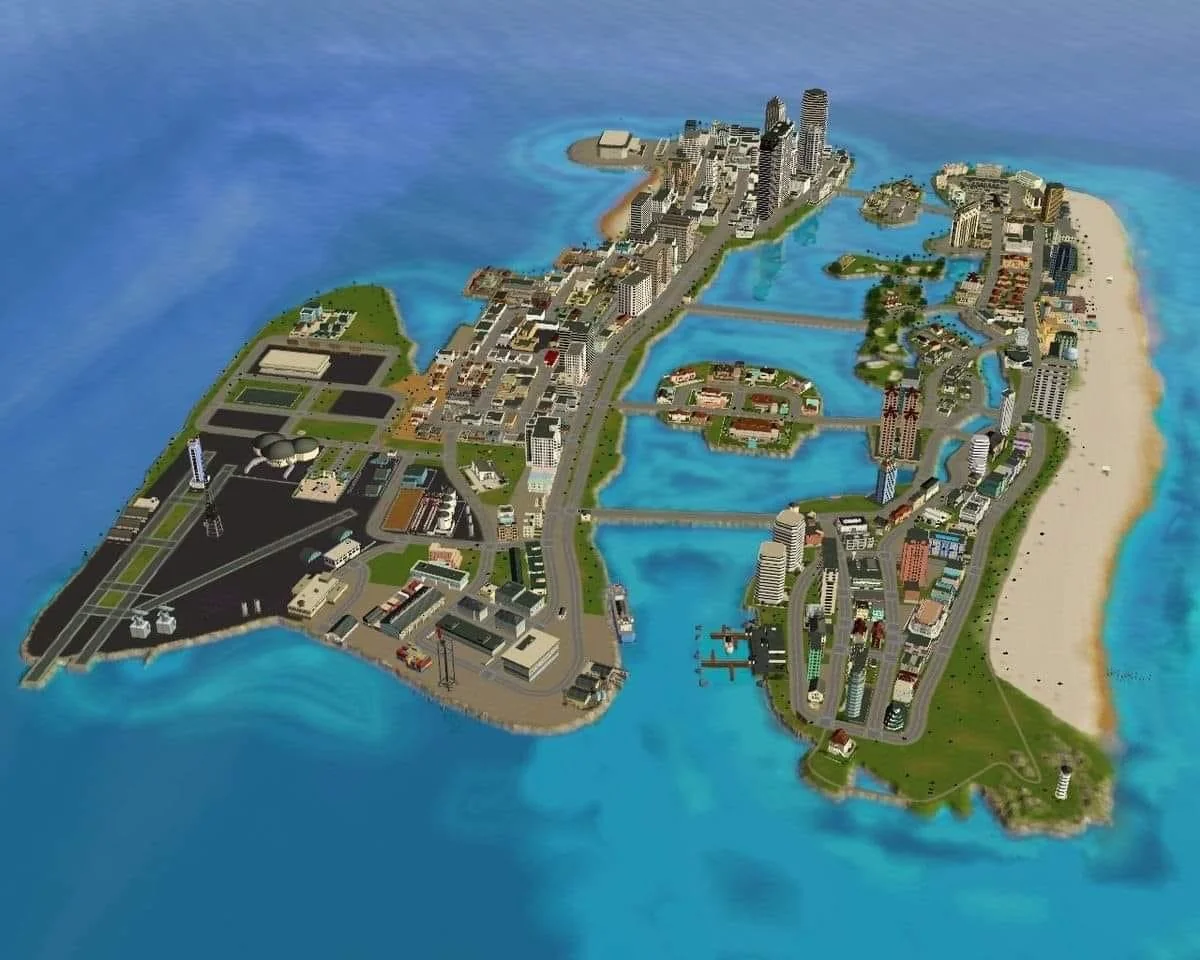
Neon lights, 80s music, palm trees, it’s less a realistic city and more a mood you can drive through. Even now, its soundtrack alone can pull people back instantly.
Some of these worlds lasted because of design, others because of timing, and a few just got lucky and caught the right cultural wave. What they share is that they didn’t stay contained. People kept talking about them, remixing them, living in them a little longer than expected. That’s usually the sign that a game world did something right.
Continue Reading: 15 Video Games That Changed Online Gaming Forever