Spend enough time around game developers, tournament organizers, or people who closely follow the industry and a pattern starts to appear. Gaming tends to change through a mix of gradual shifts and occasional leaps forward. New tools emerge, business models evolve, and ideas that once looked experimental slowly become normal.
The next decade will likely follow that same pattern. Some changes are already visible in prototypes, developer conferences, and industry research. Others are still early but gaining attention inside studios. Here are twelve predictions about where video games may be heading.
1. AI Characters That Actually Feel Like Characters
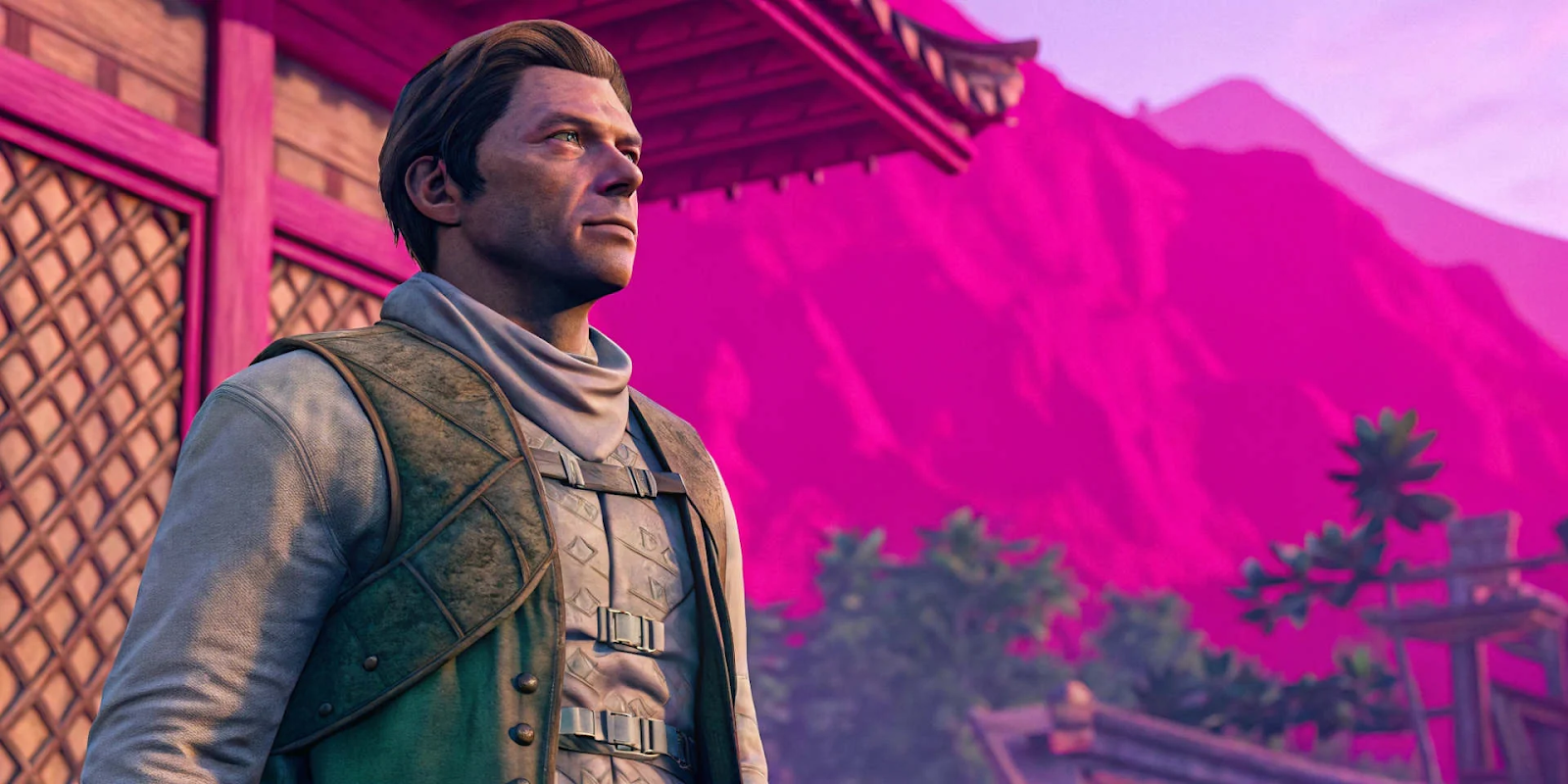
Most NPCs in games still rely on scripted dialogue. Once players interact with them a few times, the limits of those scripts become obvious. Developers have begun experimenting with alternatives. At GDC 2024, Ubisoft presented experimental “NEO NPCs” built with generative AI technology developed with NVIDIA and Inworld AI. Instead of relying entirely on fixed dialogue trees, these characters can respond to player questions in real time. If systems like this mature, NPC interactions could become more dynamic, with characters reacting to player behavior rather than repeating prewritten lines.
2. AI Will Quietly Become Part of Game Development
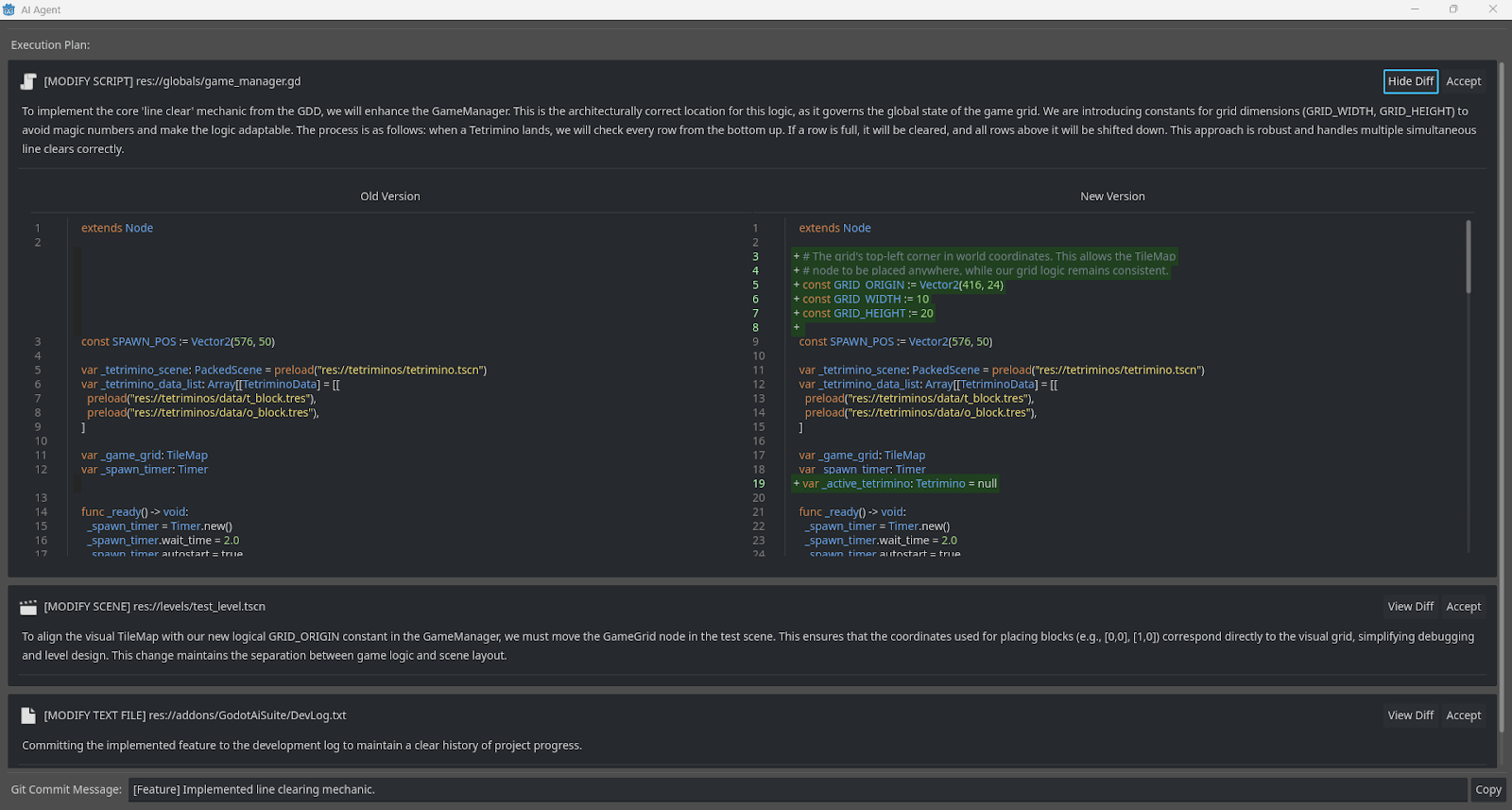
When AI in gaming is discussed publicly, attention usually focuses on what players will see inside games. In reality, a large part of the change is happening in development pipelines. Developers increasingly use AI-assisted tools for tasks such as coding assistance, concept generation, animation cleanup, and early prototyping. According to the 2024 State of the Game Industry survey published by the Game Developers Conference, a large majority of developers reported using AI tools in some part of their workflow. Rather than replacing teams, these tools are gradually becoming part of the normal production toolkit.
3. AI Teammates Could Become a Standard Feature
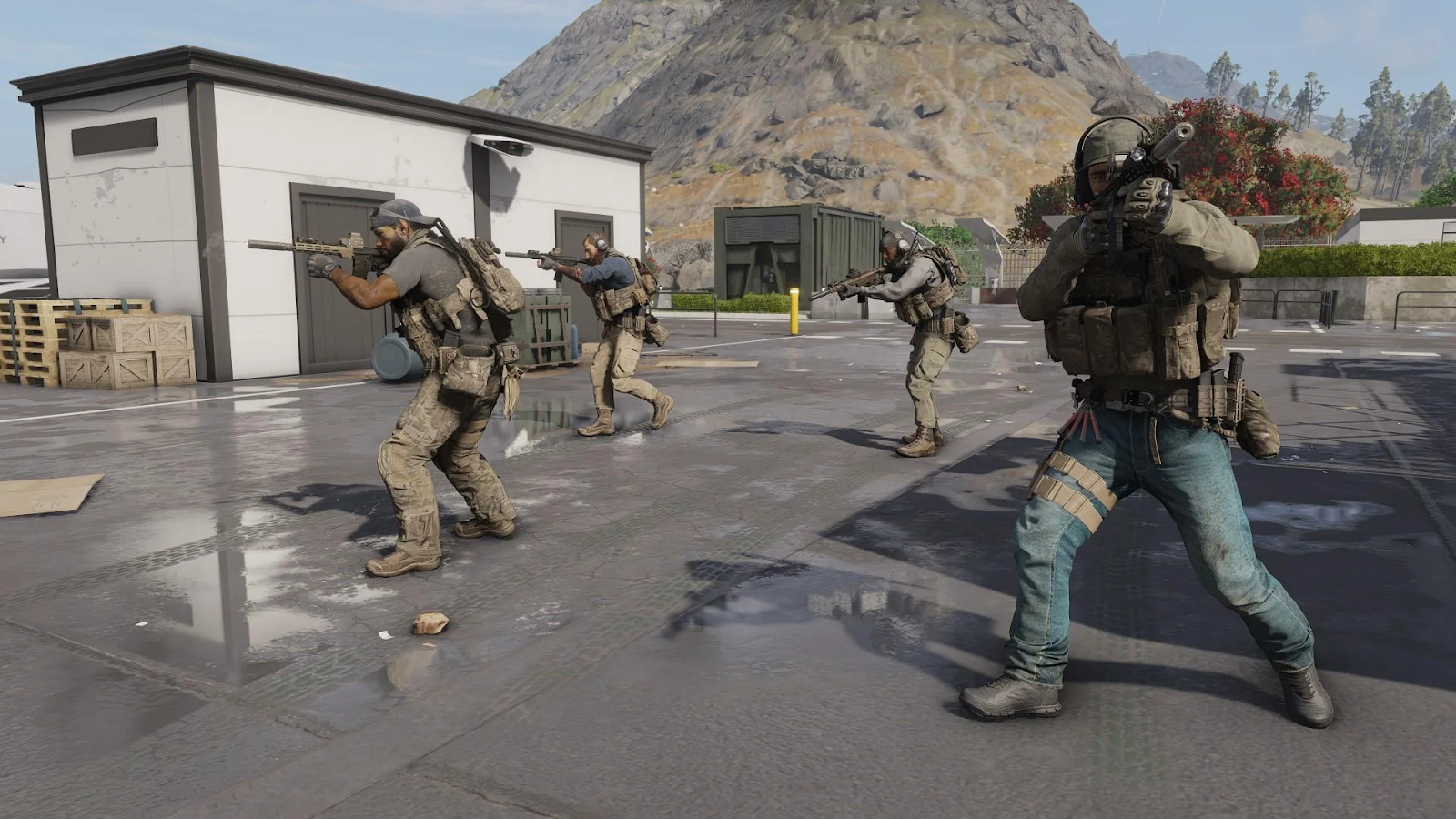
Multiplayer games often rely on coordinated teams, but matchmaking does not always produce balanced squads. NVIDIA has demonstrated early prototypes of AI companions designed to support players in cooperative gameplay. One example is the “PUBG Ally,” shown using NVIDIA ACE technology, which can respond to voice commands, gather equipment, and react to events during a match. If these systems continue to develop, AI teammates could become a practical option for players who want squad-based gameplay without needing a full group of human players.
4. Cloud Gaming Will Gradually Remove Hardware Barriers
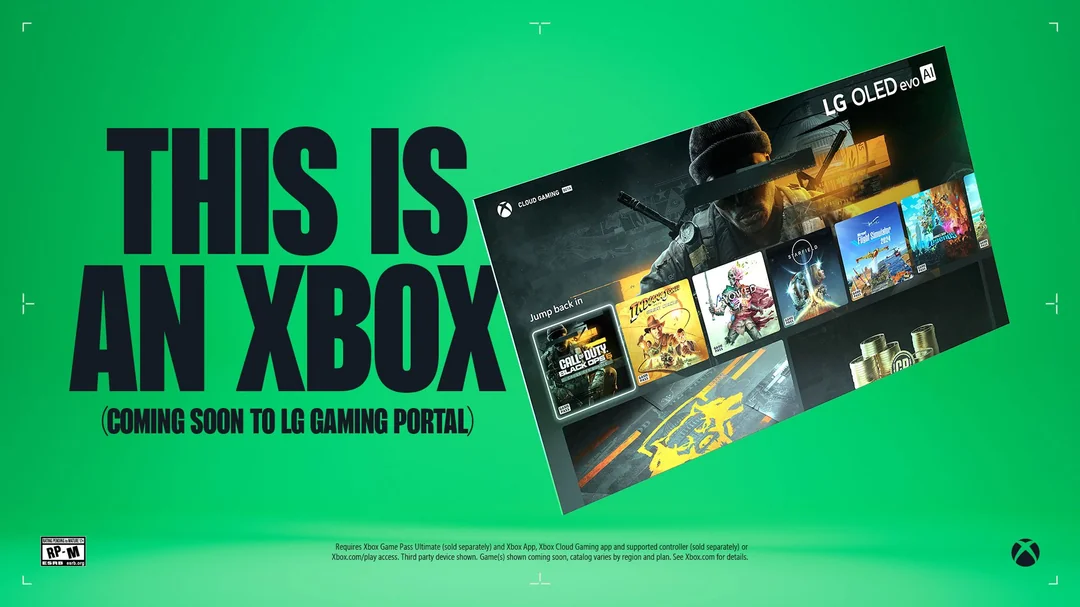
For most of gaming’s history, the ability to play certain titles depended heavily on hardware. Consoles and PCs defined what players could access. Cloud gaming shifts that model. Instead of running a game locally, the processing happens on remote servers and the video stream is delivered to the player’s device. According to market research from firms such as Newzoo and Statista, the global cloud gaming market was valued at roughly $2.7 billion in 2024. As internet speeds improve and 5G networks expand, more players may gain access to games that previously required high-end hardware.
5. Games Will Become More Cross-Platform by Default
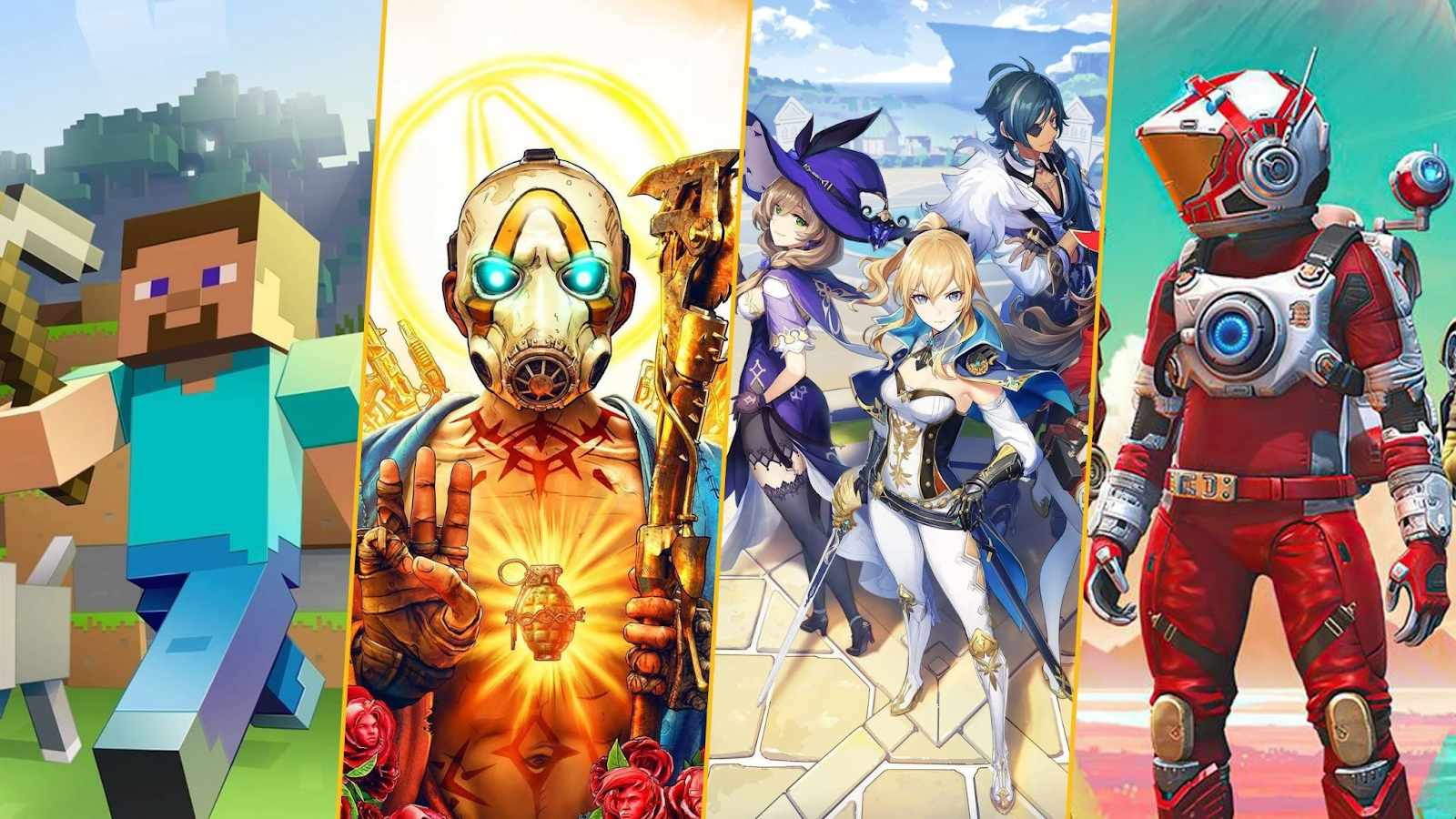
The separation between gaming platforms has been gradually weakening. Many large multiplayer titles already support cross-play between consoles and PC. Publishers increasingly favor cross-platform ecosystems because they help keep player populations active longer. Larger shared communities also reduce matchmaking problems and extend a game’s lifespan. Because of these incentives, future multiplayer games will likely be designed with cross-platform play as a default expectation rather than an added feature.
Trending on realmoneygamer.com

6. Generative Worlds Could Change How Games Are Built

Creating large open-world environments requires enormous resources. Major titles can involve hundreds of developers and years of production. Researchers and developers are exploring generative tools that assist with building environments, sometimes using procedural systems combined with AI-assisted design. These tools are not intended to replace traditional development, but they may help studios create larger or more varied worlds without proportionally increasing production time.
7. User-Generated Content Will Become Even More Central
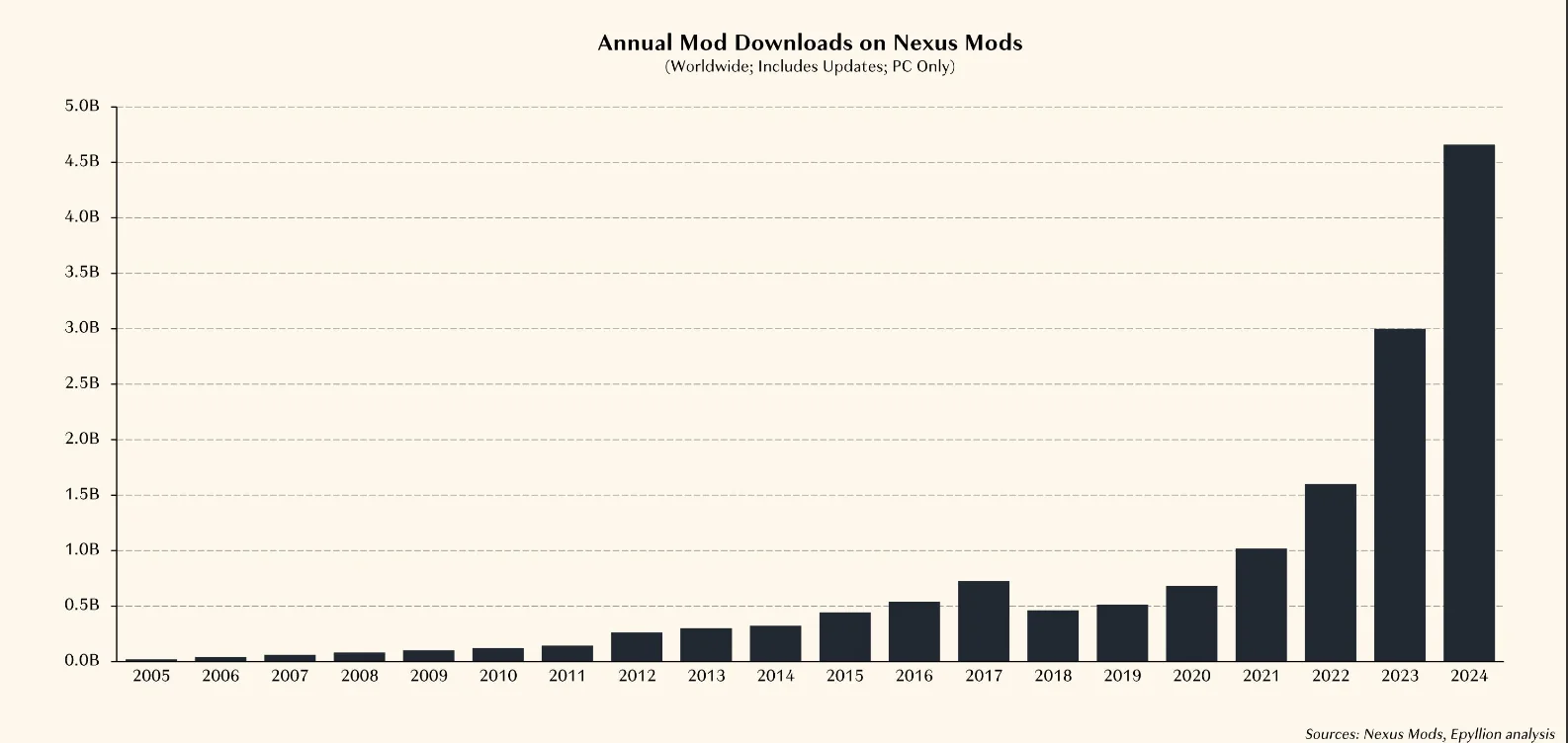
Several of the most successful games in the world are built around player creativity. Minecraft, Roblox, and Fortnite all allow players to create their own maps, experiences, or game modes. Roblox, in particular, operates as a platform where developers and creators build games inside its ecosystem. Fortnite has also expanded its creator tools through Unreal Editor for Fortnite (UEFN), allowing players to design new experiences within the game. These systems show how player-created content can significantly extend the life and scale of a platform.
8. Game Engines Could Eventually Become Generative Systems
Some researchers are exploring the idea of game engines that rely more heavily on generative systems. Research into AI video models has raised the possibility of generating interactive environments dynamically. While this concept is still in early stages, it suggests that parts of a game world could potentially be produced in real time instead of relying entirely on prebuilt assets. For now, these ideas remain largely experimental.
9. Mobile Will Keep Dominating the Player Base
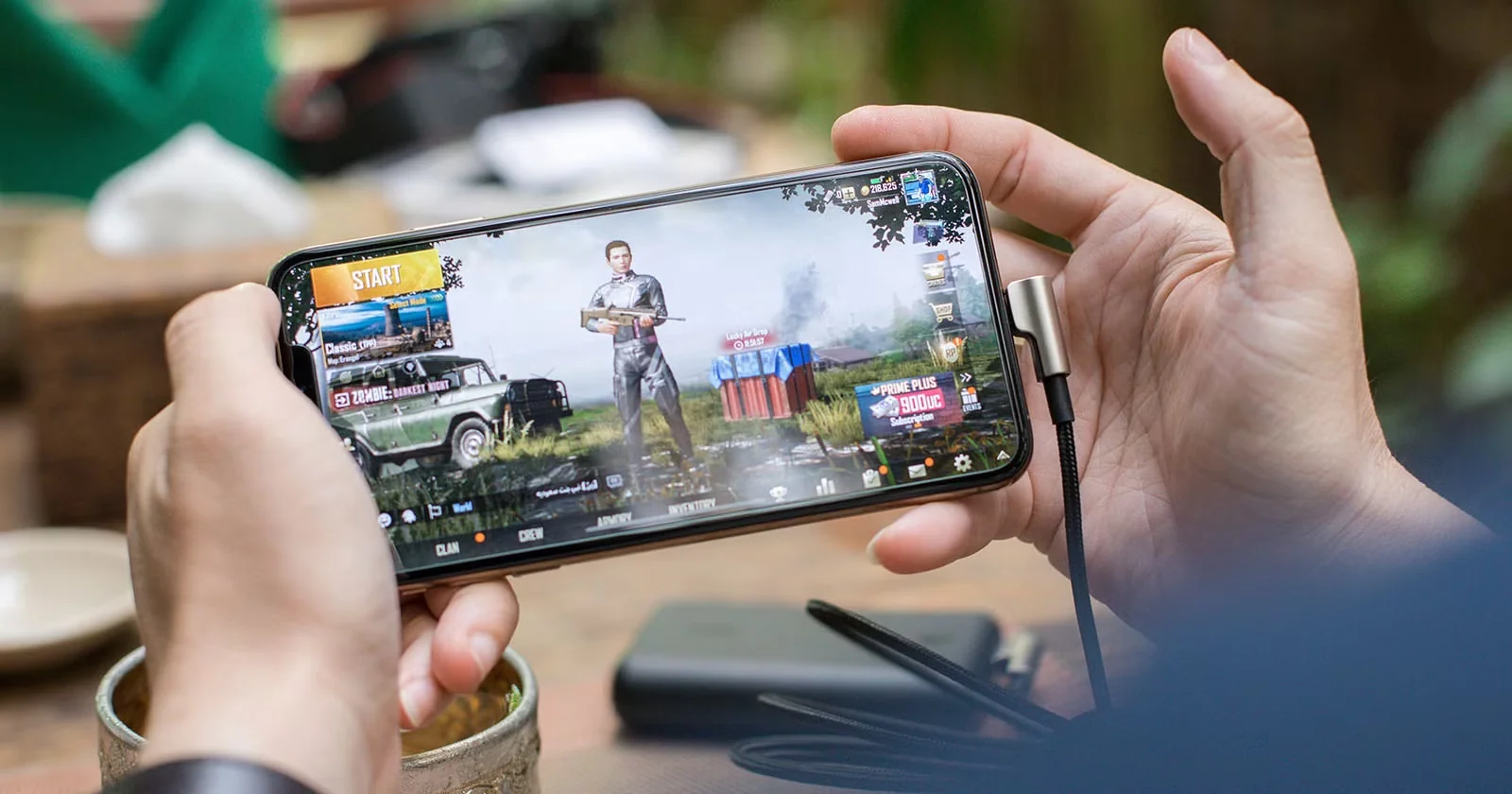
While high-end consoles and gaming PCs receive significant attention, the largest share of global players use mobile devices. Market analysis from companies such as Newzoo consistently shows that mobile gaming represents the largest segment of the global games market by revenue and player count. Because smartphones are widely accessible, many publishers continue to prioritize mobile platforms when designing new games.
10. AI-Assisted Preservation Might Rescue Old Games

Video game preservation has become a growing concern as older hardware and software environments disappear. Researchers have explored whether machine learning models trained on gameplay data could help reproduce how older games function. Microsoft researchers have experimented with approaches that learn from gameplay footage and controller inputs. If these techniques improve, they may offer new ways to preserve games that no longer run on modern systems.
11. Esports May Blend With Traditional Sports Broadcasting

Esports broadcasts have increasingly adopted production techniques used in traditional sports. Major tournaments feature professional commentary, analysis desks, live audiences, and large arena events. Competitions for games such as League of Legends, Dota 2, and Counter-Strike regularly attract global audiences through streaming platforms. As esports audiences grow, collaboration between esports organizations, broadcasters, and traditional media companies may continue to expand.
12. The Definition of a “Game” Might Get Blurry
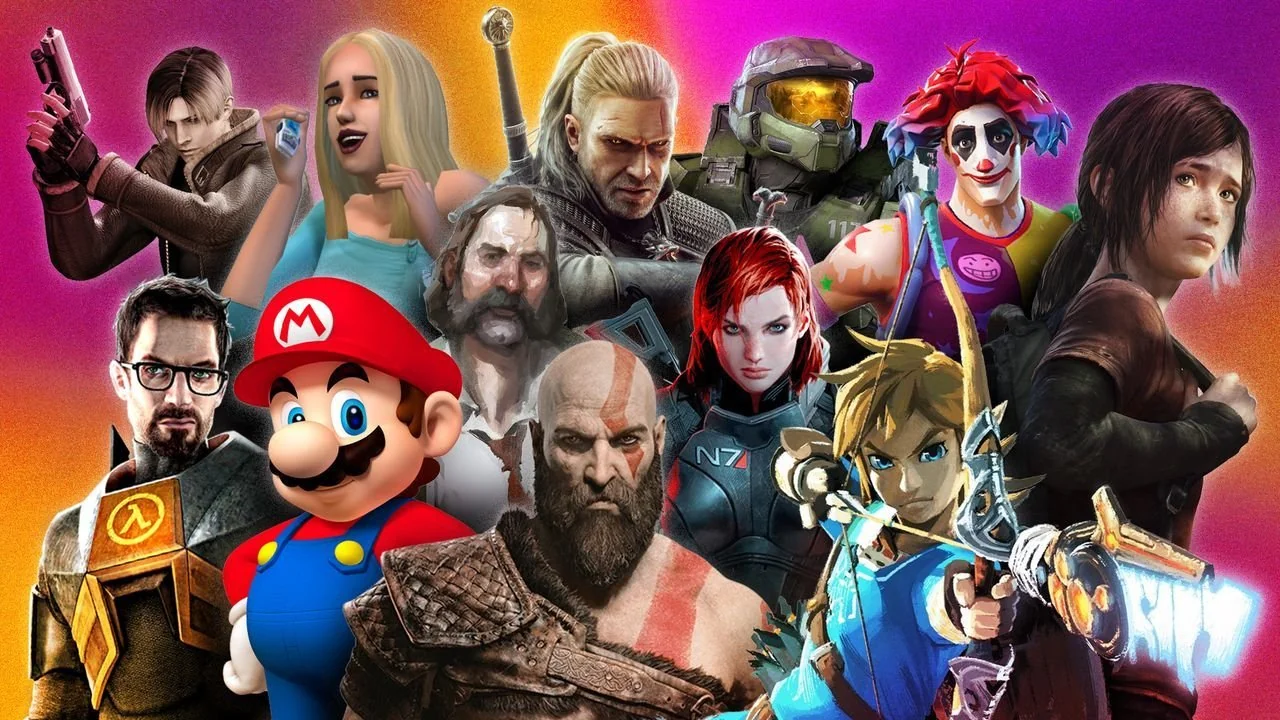
Many modern games already function as more than standalone entertainment products. Platforms like Roblox combine social interaction, user-created content, and game development tools. Fortnite has hosted large-scale virtual events such as concerts and interactive experiences. Minecraft has also been used in educational programs through initiatives like Minecraft Education. As these platforms evolve, the boundary between games, social platforms, and digital worlds may become less clearly defined.
Changes in gaming rarely appear overnight. New ideas often begin as prototypes shown at conferences, small experiments inside studios, or unexpected community projects. Over time, some of those experiments gradually turn into common features across the industry.
Continue reading: 15 Rare Console Editions You Probably Didn’t Know Existed