Competitive gaming didn’t suddenly appear with packed arenas and million-dollar prize pools. For a long time, it lived in much smaller places: university computer labs, noisy arcades, convention halls, and even video rental stores. Players gathered mostly for bragging rights, sometimes for prizes that had little to do with gaming at all.
Looking back now, those early competitions feel a bit improvised. Some were marketing experiments. Others were organized by small communities that simply wanted to see who was best. But together they helped shape what eventually became esports.
1. Intergalactic Spacewar Olympics (1972)
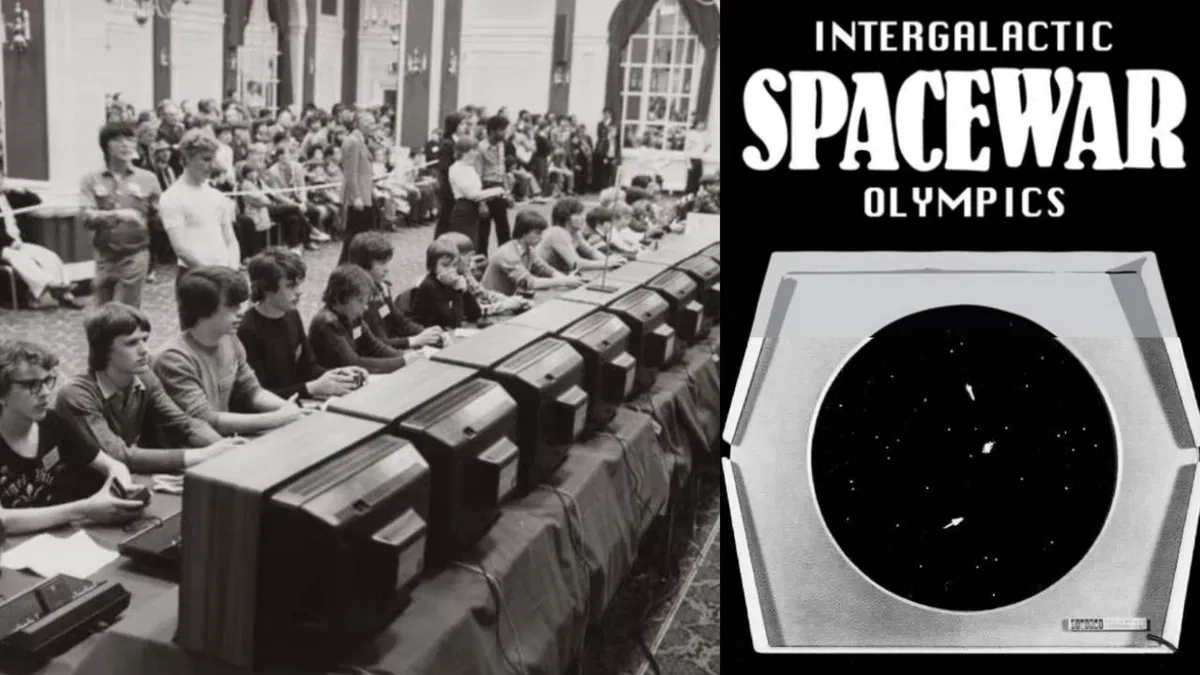
One of the earliest recorded video game tournaments took place on October 19, 1972, at the Artificial Intelligence Laboratory at Stanford University in Palo Alto, California.
The game was Spacewar!, a space combat title running on PDP-10 computers. Around two dozen students and researchers entered the competition, playing both individual matches and a team event.
Bruce Baumgart won the main free-for-all tournament, while Slim Tovar and Robert E. Maas won the team competition. The prize for first place was simple: a one-year subscription to Rolling Stone magazine.
2. All Japan TV Game Championships (1974)
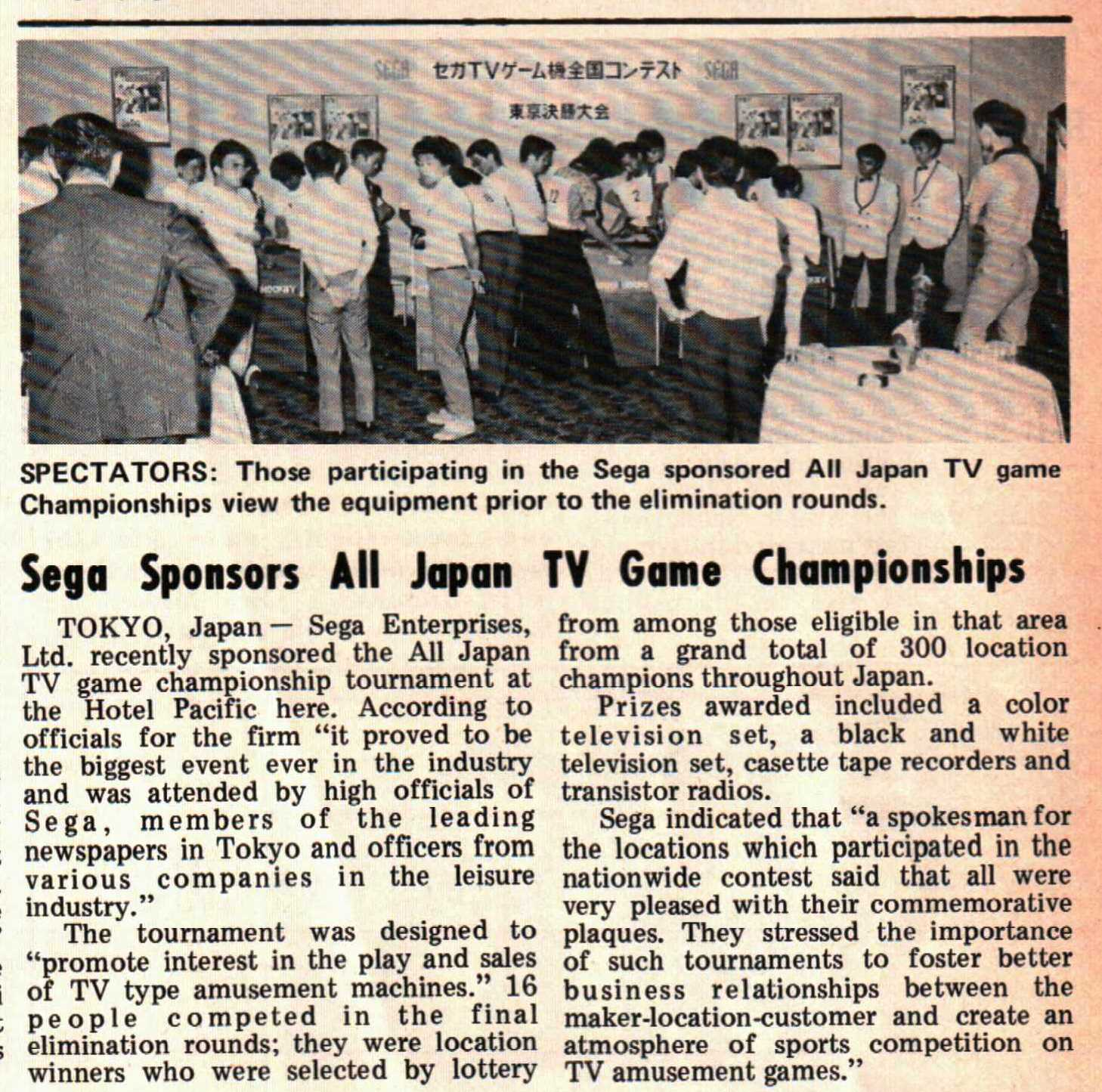
Arcade gaming was already growing fast in Japan by the mid-1970s. Sega decided to turn that momentum into a national competition.
The All Japan TV Game Championships began with qualifying rounds held in more than 300 locations across the country. The finalists eventually gathered at Hotel Pacific in Tokyo to compete on Sega arcade machines.
The rewards reflected the era. Winners received consumer electronics rather than cash, including televisions, cassette tape recorders, and radios.
3. Atari National Space Invaders Championship (1980)
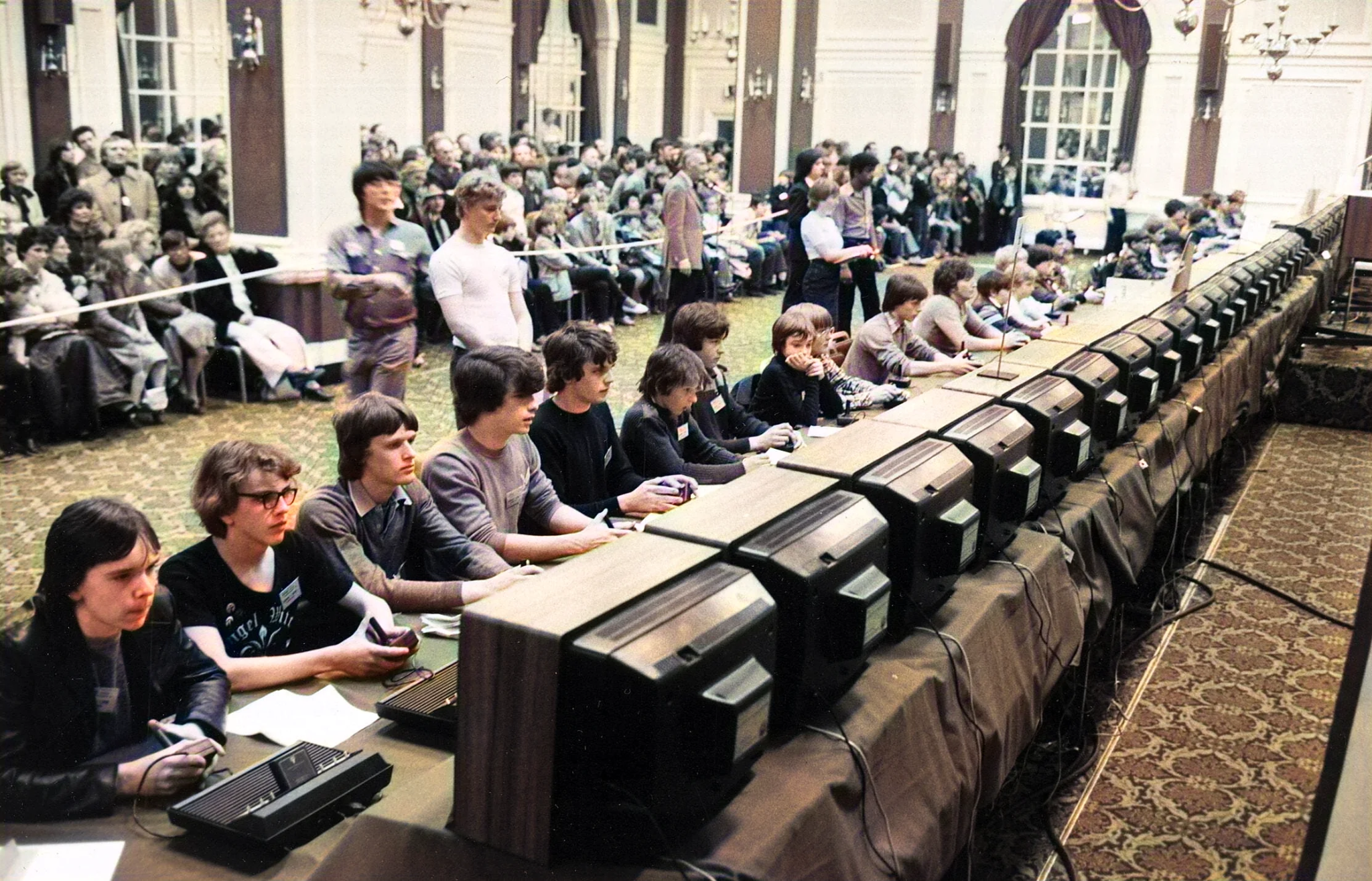
By 1980, Space Invaders had become one of the biggest arcade hits in the world. Atari organized a nationwide competition around the Atari 2600 version of the game.
Regional qualifiers were held in cities such as Los Angeles, Chicago, San Francisco, and New York. More than 10,000 players participated. The final round took place at Warner Communications headquarters in New York City. Rebecca Heineman won the tournament and received prizes that included an Atari arcade cabinet and gaming merchandise.
4. Twin Galaxies Video Game Masters Tournament (1982)
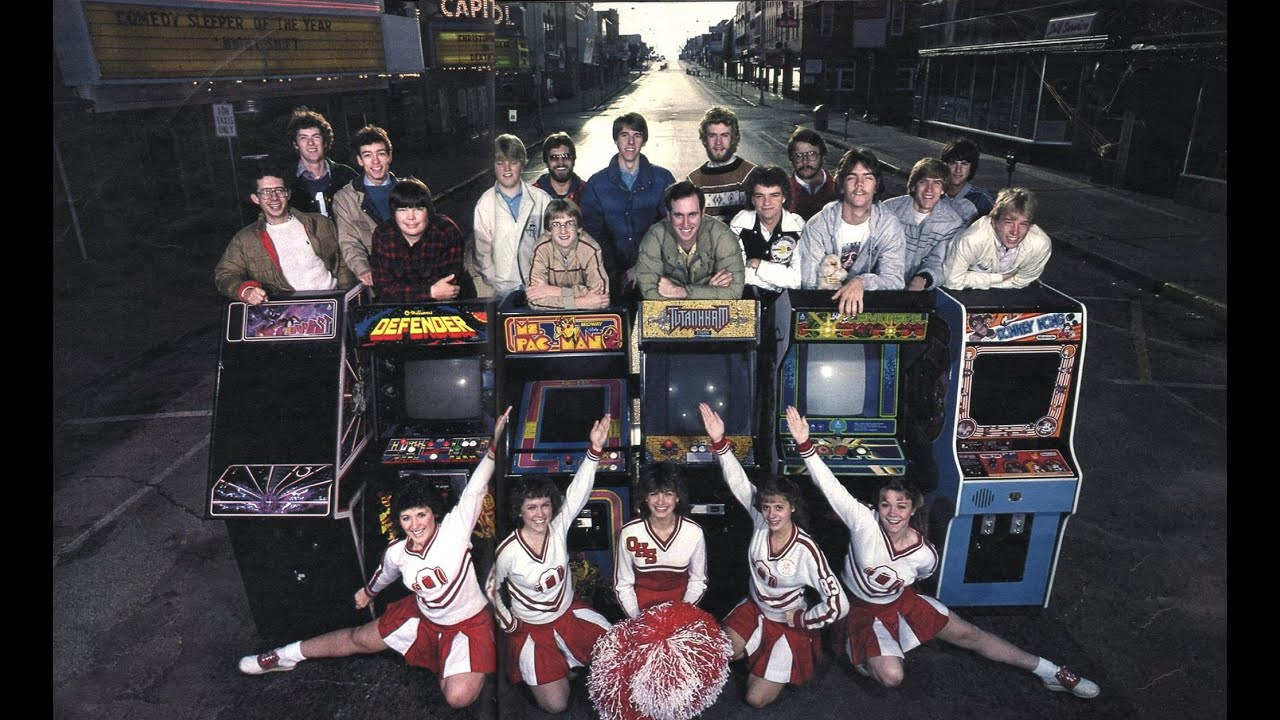
Competitive gaming in the early 80s often revolved around high scores. Twin Galaxies, founded by Walter Day in Ottumwa, Iowa, became the central authority for tracking them.
In 1982, the organization hosted the Twin Galaxies Video Game Masters Tournament, bringing top arcade players together to compete in titles like Pac-Man, Donkey Kong, and Defender. Players who placed well earned well-earned trophies, national recognition, and invitations to future events rather than large cash prizes.
5. North American Video Game Challenge (1982)
Atari organized another major competition in 1982 called the North American Video Game Challenge.
Regional tournaments were held across the United States, with finalists meeting in New York City. Players competed on several Atari titles including Asteroids and Centipede. Prizes included Atari hardware, game cartridges, and trophies awarded to the top finishers.
Trending on realmoneygamer.com

6. Nintendo World Championships (1990)
Nintendo’s 1990 tour felt more like a traveling show than a traditional tournament. The Nintendo World Championships visited 29 cities across the United States before its final round at Universal Studios Hollywood.
Players competed on a special NES cartridge that combined Super Mario Bros., Rad Racer, and Tetris into a timed challenge lasting six minutes and twenty-one seconds. Three champions were crowned in different age brackets: Jeff Hansen, Thor Aackerlund, and Robert Whiteman. Each received 10,000 dollars in U.S. Savings Bonds along with a trophy and a Geo Metro convertible.
7. Nintendo Campus Challenge (1991)
Nintendo brought a similar idea to universities with the Nintendo Campus Challenge in 1991. The tour stopped at several American colleges where students competed on a custom cartridge featuring Super Mario Bros. 3, PinBot, and Dr. Mario. Players had a limited amount of time to score as many points as possible across the three games.
Winners from the campus events received cash prizes and Nintendo hardware, while the overall champion earned roughly 10,000 dollars in prize money.
8. Blockbuster World Game Championships (1994)
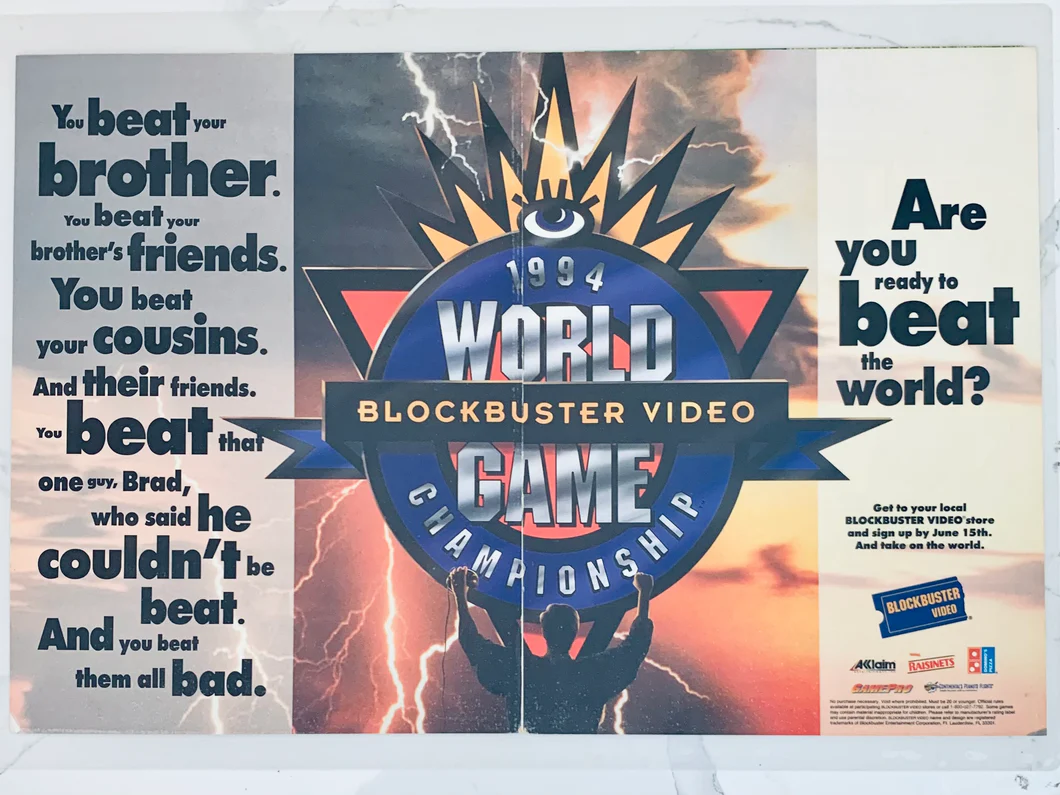
For a short time in the mid-1990s, Blockbuster Video ran its own competitive gaming events. The Blockbuster World Game Championships held qualifiers in rental stores across the United States, Canada, the United Kingdom, Australia, and Chile. Competitors played console games such as NBA Jam and Virtua Racing.
Finalists advanced to championship rounds where winners took home cash prizes, trophies, and gaming consoles. Total prizes were worth several thousand dollars.
9. Nintendo PowerFest ’94 (1994)
Nintendo returned to the traveling tournament idea again in 1994. Nintendo PowerFest ’94 toured multiple cities in North America before its final stage in San Diego, California. Players competed in modified versions of Super Mario Kart, Super Mario Bros.: The Lost Levels, and Ken Griffey Jr. Presents Major League Baseball. The overall champion, Mike Iarossi, received 10,000 dollars in prize money along with additional Nintendo merchandise.
10. Battle Arena Toshinden URA Tournament (1996)
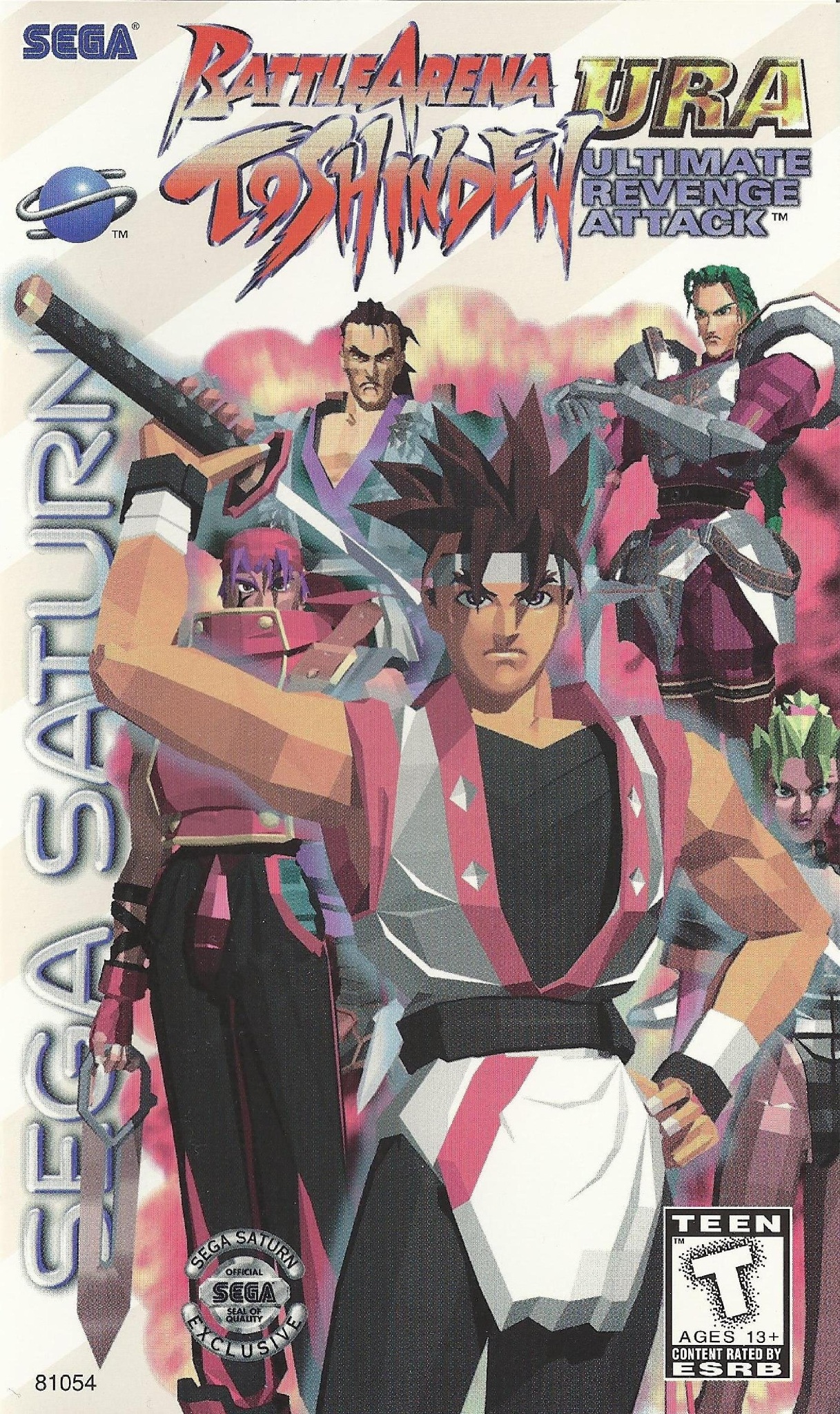
One of the earlier attempts to organize competitive console fighting games in Japan appeared around 1996, centered on Battle Arena Toshinden URA, a PlayStation fighting title that had a surprisingly active competitive scene at the time.
The tournament was held in Tokyo during promotional events organized by Takara and Sony, with top players invited from regional qualifiers in arcades and gaming stores. Matches were played on the PlayStation version of the game rather than arcade cabinets, which was still somewhat unusual for fighting game competitions.
Winners received PlayStation consoles, game bundles, and cash prizes reportedly worth several thousand dollars, along with recognition in Japanese gaming magazines that covered the event.
11. QuakeCon Tournaments (1996)
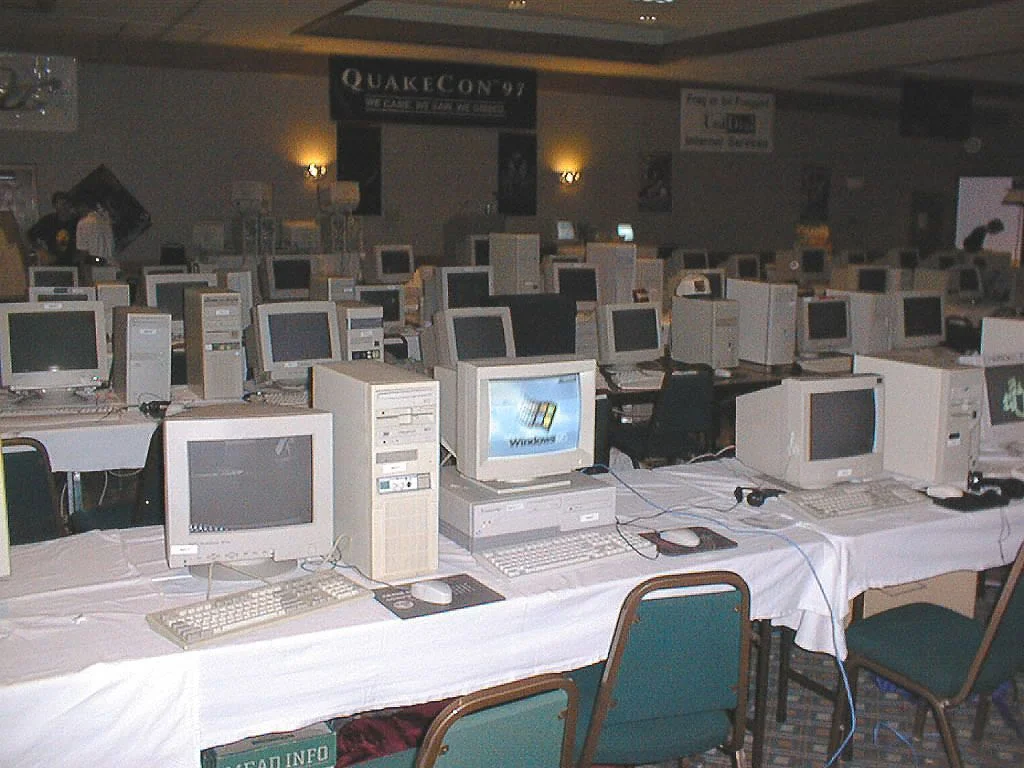
QuakeCon started in 1996 as a community gathering for fans of id Software games. Held in Texas, the event included competitive Quake matches played over local networks. Players set up rows of PCs in large halls and battled through informal brackets. Early tournaments typically offered small cash prizes, gaming hardware, and PC components to the winners.
12. Red Annihilation (1997)
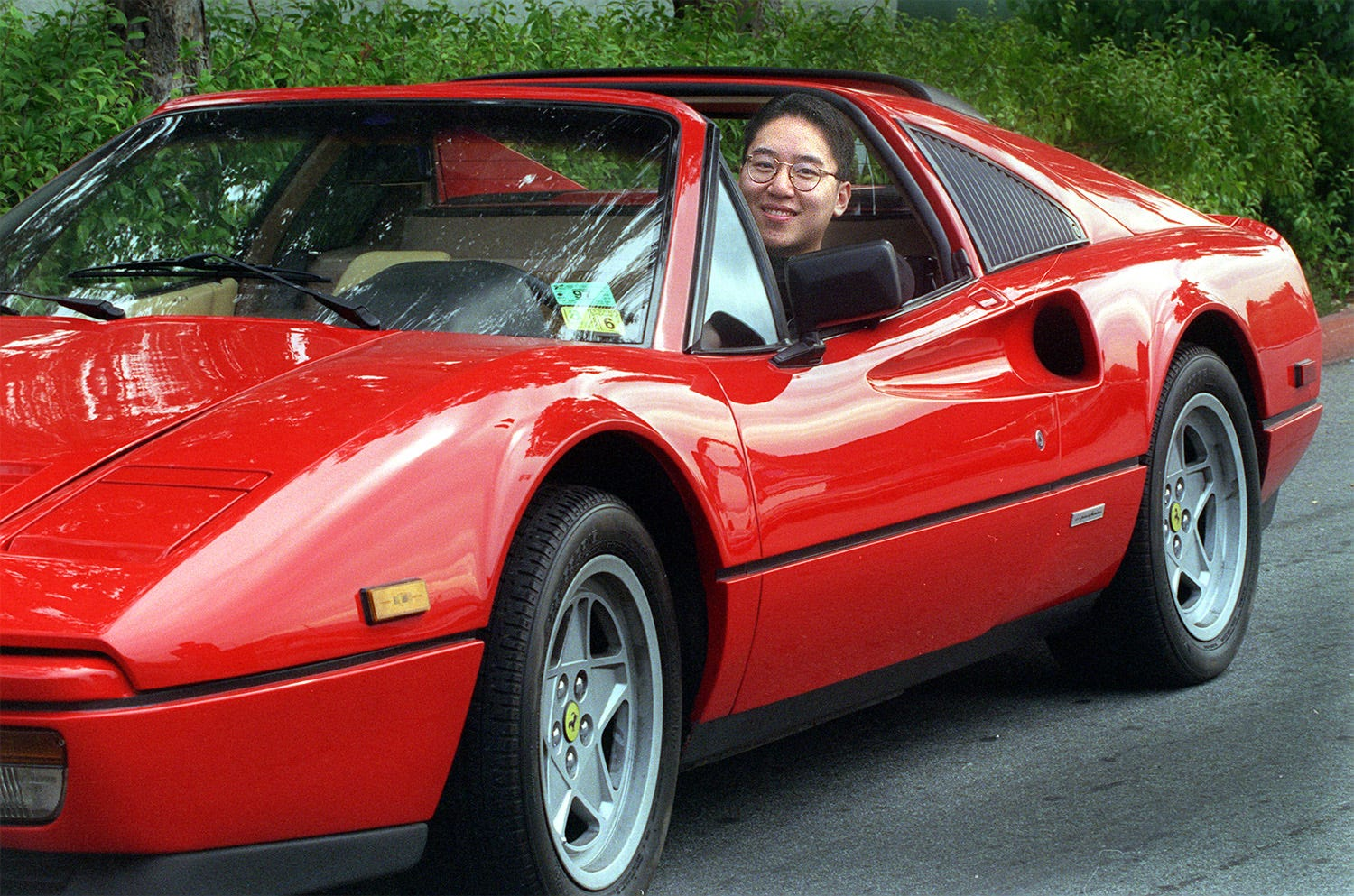
The Red Annihilation tournament in 1997 is often remembered as one of the first major PC esports events. Around 2,000 players entered online qualifiers through the MPlayer gaming service. The top 16 competitors advanced to the finals at E3 1997 in Atlanta, Georgia.
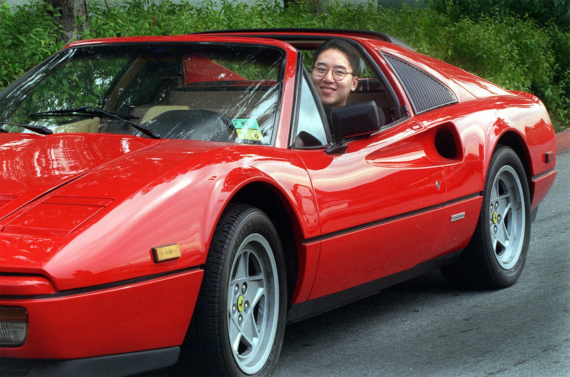
Dennis “Thresh” Fong defeated Tom “Entropy” Kimzey in the final match. His prize was John Carmack’s Ferrari 328 GTS, valued at roughly 50,000 to 60,000 dollars.
13. Cyberathlete Professional League Quake Tournament (1997)
Also in 1997, the Cyberathlete Professional League hosted one of the first organized professional PC gaming tournaments. The event took place in Dallas, Texas, and featured a Quake competition among some of the best players in North America. The winner received a cash prize of around 4,000 dollars, which was significant for competitive gaming at the time.
14. Professional Gamers League Tournament (1997)
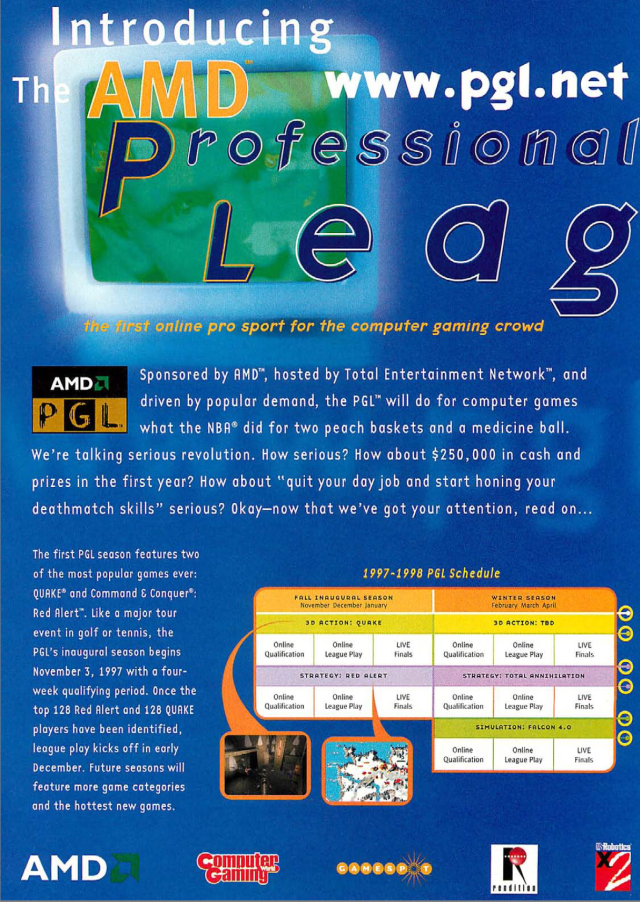
The Professional Gamers League launched in 1997 with tournaments for games like Quake and Command & Conquer. Early competitions were held in the United States with players competing both online and at live events. Prize pools were modest by modern standards, often a few thousand dollars distributed among the top competitors.
15. PGL StarCraft Tournament (1998)
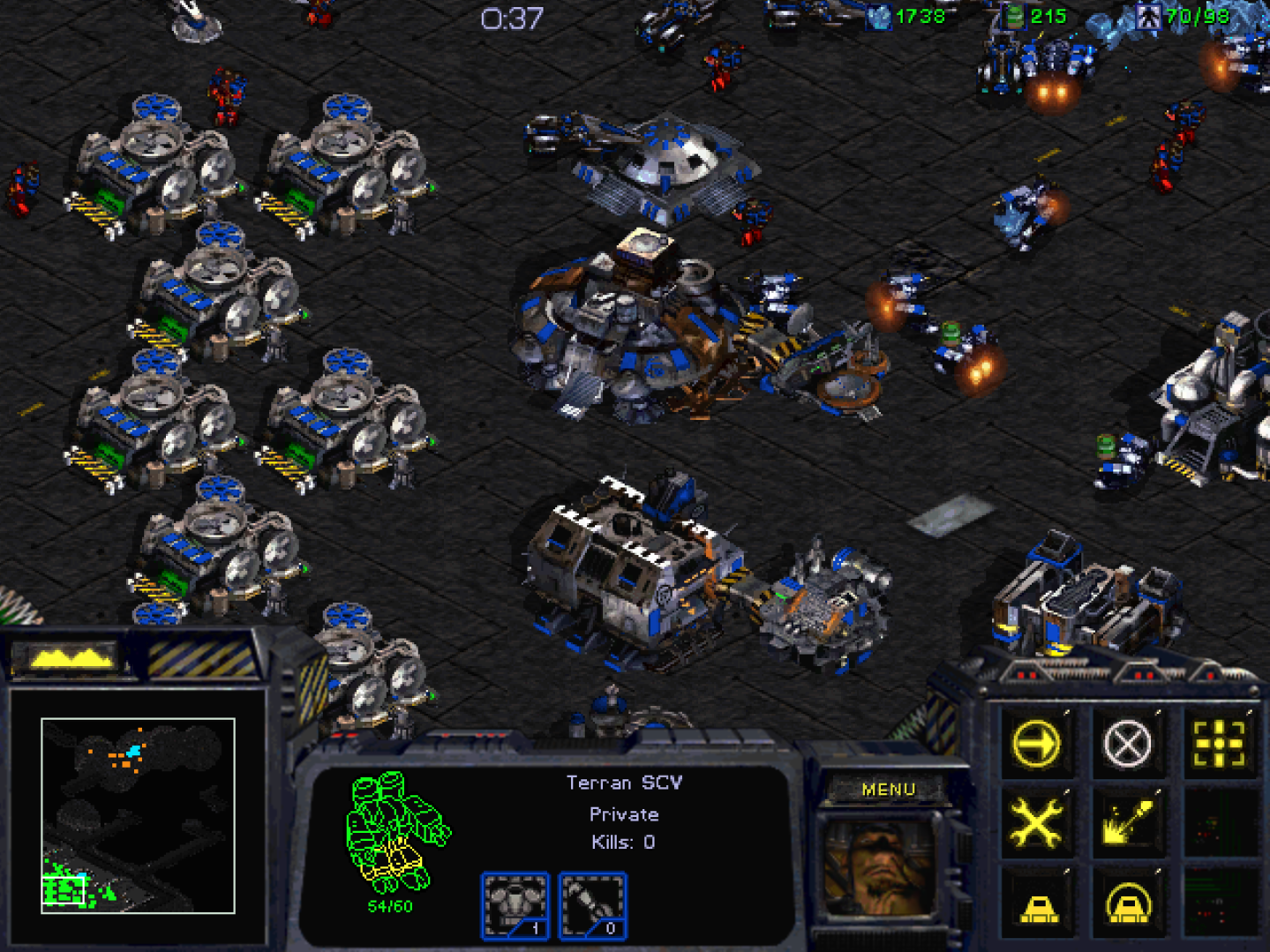
By the late 1990s, competitive gaming had begun to grow rapidly in South Korea. The Professional Gamers League organized one of the early StarCraft tournaments in 1998, helping introduce the game to a competitive broadcast format.
Top players competed for several thousand dollars in prize money, along with sponsorship deals and growing recognition in the emerging Korean esports scene.
A Scene Still Taking Shape
Most of these events didn’t feel like the beginning of a new industry when they happened. Some were promotions. Others were community experiments built around whatever technology was available at the time. Still, the structure of esports was already there. Regional qualifiers, championship finals, recognizable players, and crowds gathering around screens to watch the best compete. The prizes ranged from magazine subscriptions to sports cars. The scale was smaller. But the idea was already the same: someone had to win.