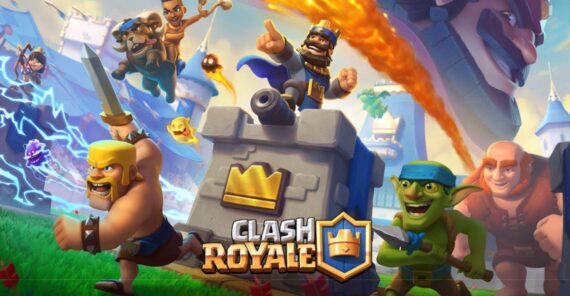
Teach through experience, video games are constantly putting you in situations where every decision has consequences, and without even noticing it, you start developing a natural sense of how risk works. Instead of acting randomly, you begin to evaluate options, read situations, and think a step ahead. Over time, this builds a mindset focused on control, timing, and probability.
1. Not Every Opportunity Is Worth Taking

In video games, you are constantly presented with opportunities that look tempting on the surface, like engaging in a fight, chasing an enemy, or going after a risky objective, but you quickly learn that not every opportunity is actually worth it. Acting on impulse often leads to unnecessary losses, so players begin to slow down and evaluate whether the potential reward truly justifies the risk. This habit of stepping back, analyzing the situation, and sometimes choosing to do nothing becomes one of the most valuable lessons.
2. High Reward Usually Comes With High Risk
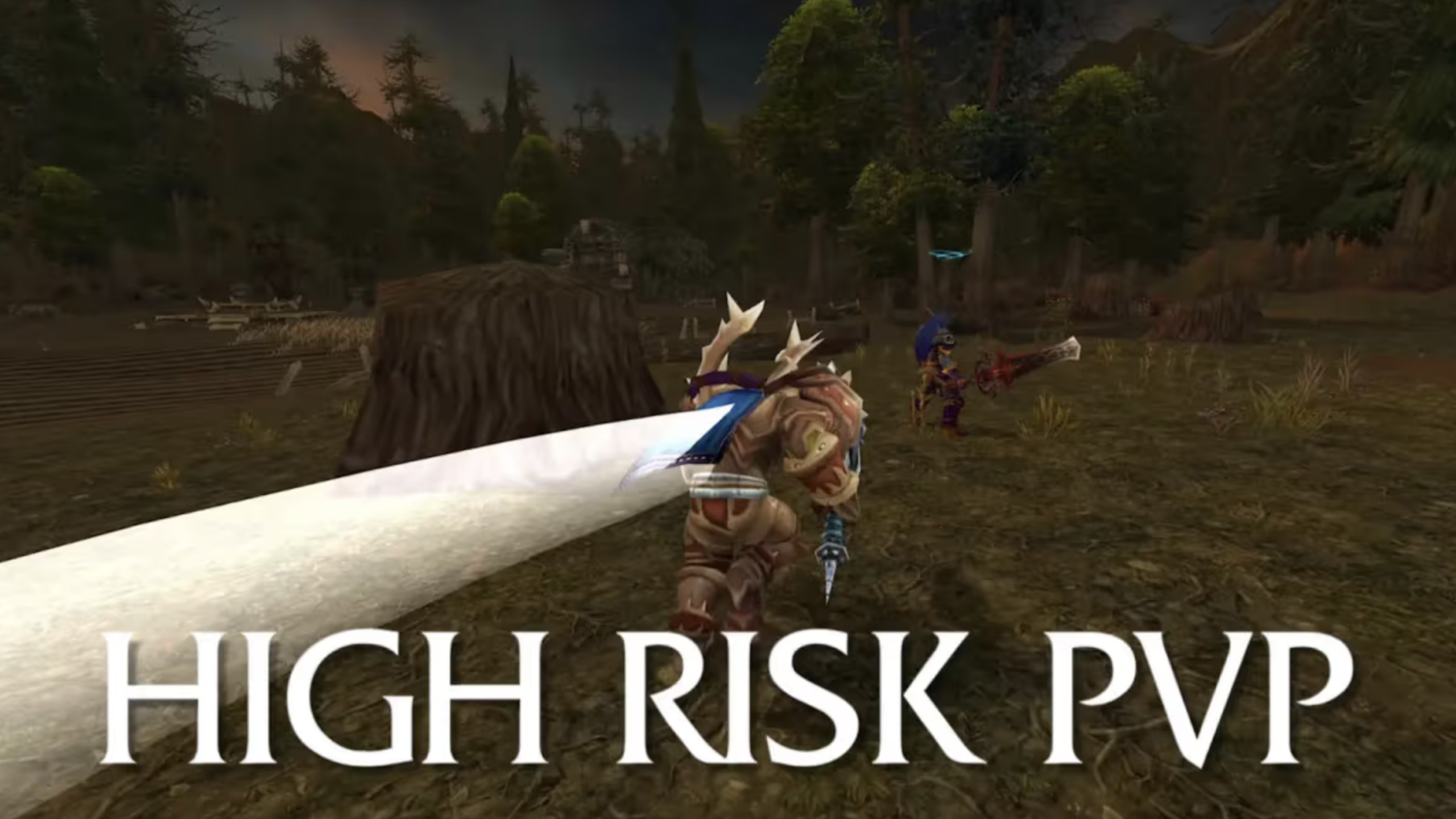
Teach players through repetition, many video games are designed around the idea that the best rewards are hidden behind the most dangerous situations, whether it is entering a high level area, fighting a powerful enemy, or taking an aggressive play. As players experience this repeatedly, they begin to associate higher rewards with higher levels of risk, understanding that nothing valuable comes without exposure, which naturally builds a more calculated and aware decision making process.
3. Timing Matters More Than Skill Sometimes

Even highly skilled players can fail if they act at the wrong moment, and video games make this clear very quickly. Whether it is attacking too early, rotating too late, or misreading the pace of a situation, timing often defines the outcome more than raw ability. This teaches players to be patient, to wait for the right opening, and to recognize that risk is not just about what you do, but when you decide to do it.
4. Small Mistakes Can Have Big Consequences

Teach attention to detail, video games are very effective at showing how small errors can quickly escalate into major problems, whether it is a missed shot, a wrong movement, or a bad decision under pressure. These moments reinforce the idea that risk is not always about big, obvious choices, but also about the accumulation of small mistakes that can completely shift the outcome.
5. Playing Safe Is Not Always the Best Strategy

Teach balance between caution and action, video games show that being overly passive can limit your chances of success. While playing safe can protect you in certain moments, there are situations where taking a calculated risk is the only way to create opportunities or turn things around. Players learn to identify these moments and understand that smart risk taking is part of winning.
6. You Cannot Control Everything
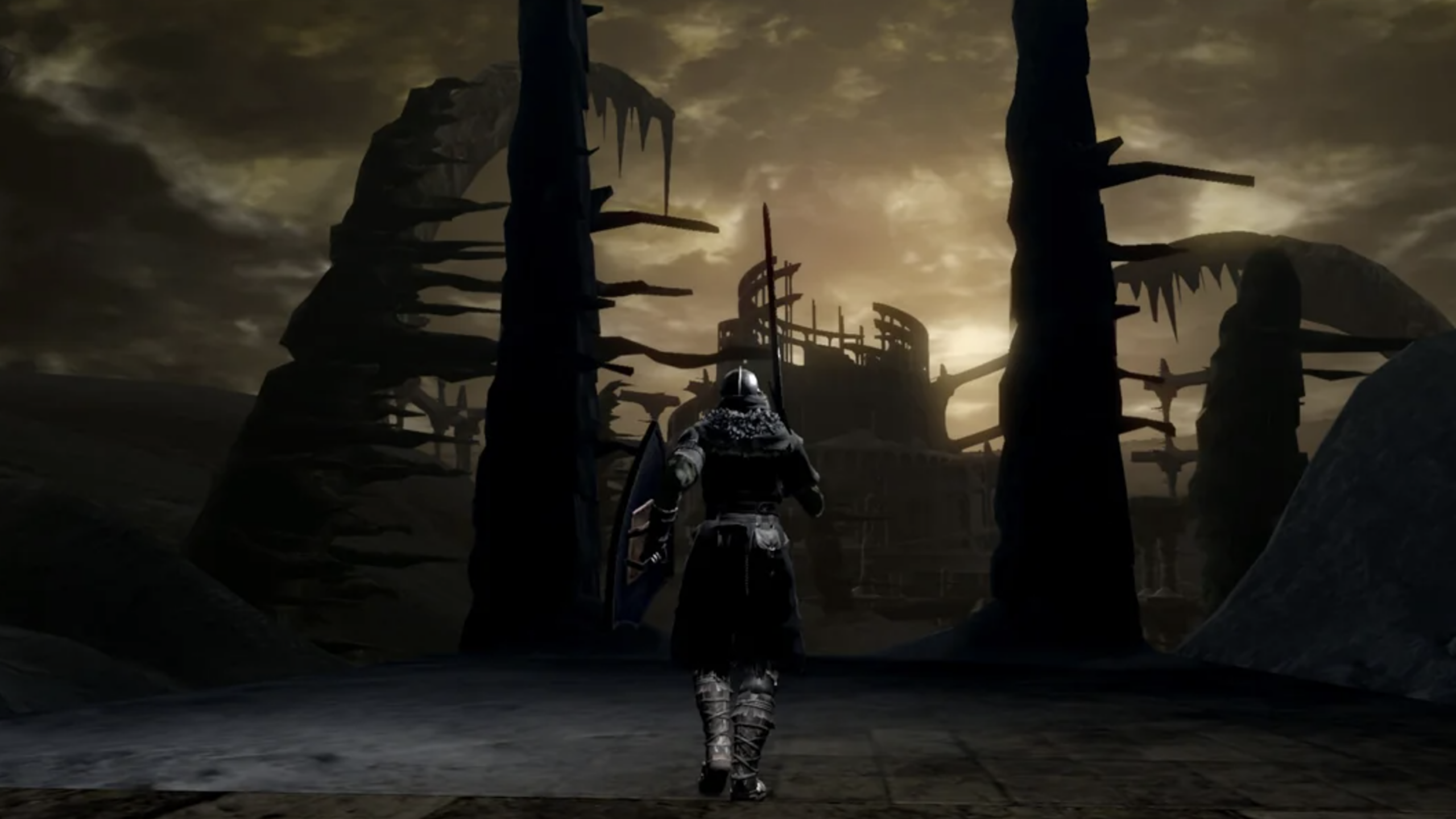
Randomness is present in many video games, from unpredictable enemy behavior to random loot systems, and this introduces a level of uncertainty that players cannot fully control. Over time, this teaches an important lesson about risk: even good decisions can lead to bad outcomes. Instead of trying to control everything, players learn to focus on making the best possible decision with the information available and accepting that uncertainty is always part of the process.
7. Adapting Quickly Reduces Risk

Teach flexibility, video games constantly push players into changing situations where sticking to one plan can quickly become a disadvantage. Players who succeed are the ones who can adapt, adjust their strategy, and respond to new information in real time, reducing risk by staying dynamic instead of predictable.
8. Chasing Losses Makes Things Worse

After losing, many players feel the urge to jump back in immediately and recover what they lost, but video games quickly show that this emotional reaction often leads to even worse decisions. Acting out of frustration, rushing plays, or forcing outcomes usually creates a downward spiral, reinforcing the importance of stepping back and resetting mentally.
9. Information Is Power

The more information you have in a video game, the better your decisions become, whether it is map awareness, enemy positioning, or understanding game mechanics. Players learn that taking time to gather information reduces uncertainty and lowers the level of risk involved in each action, leading to smarter and more controlled choices.
10. Consistency Beats Occasional Big Wins

Teach long term discipline, video games reward players who perform consistently rather than those who rely on occasional big moments. Making solid, repeatable decisions leads to steady progress, while chasing risky, high impact plays often creates unstable results, reinforcing the value of consistency over time.
Video games are full of hidden lessons. While you are focused on winning, improving, or just having fun, your brain is learning how to evaluate risk, adapt to uncertainty, and make better decisions.
These habits build naturally over time. The more you play, the more you start to recognize patterns, control your impulses, and think ahead. Without realizing it, you are training yourself to handle risk in a smarter and more balanced way.