
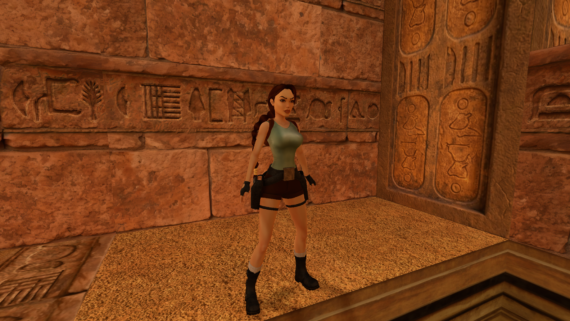
Some video game characters are so oddly specific that you can almost see the real person standing behind them. Sometimes developers were borrowing from movie stars everybody recognized, sometimes they pulled from athletes or models, and sometimes they just used whoever was available in the studio. It was not always meant to be hidden, either. In quite a few cases, the reference was obvious from day one.
Johnny Cage, Mortal Kombat
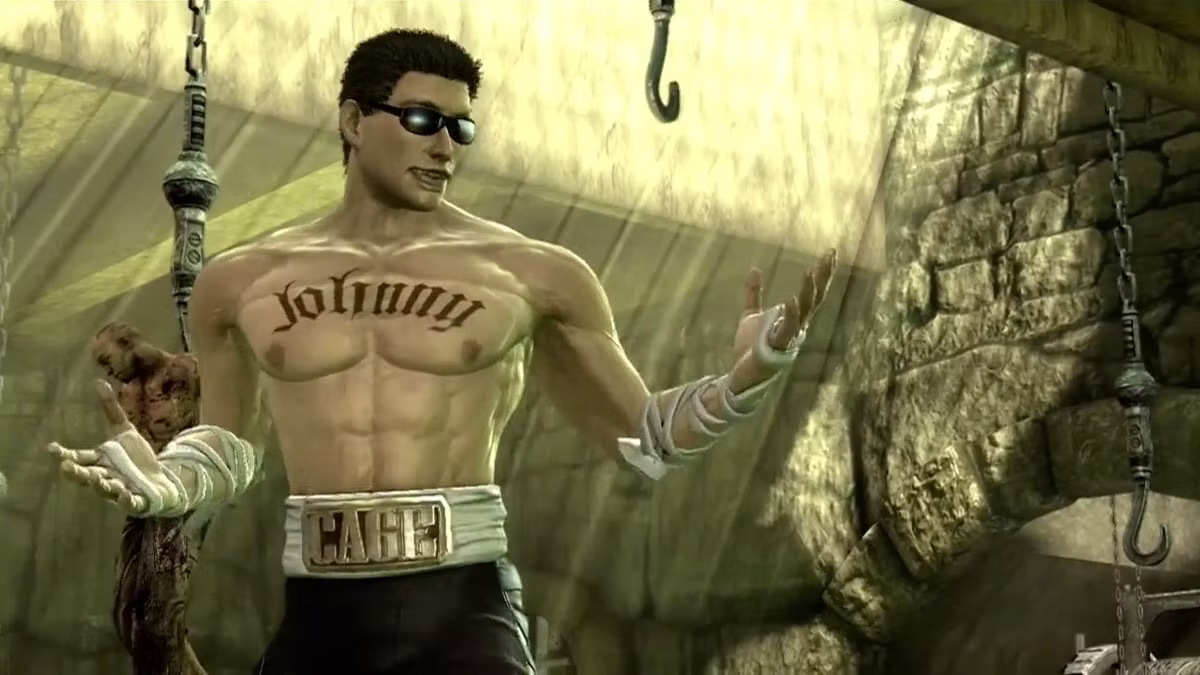
Everybody knows the Van Damme connection by now, but it is still one of the clearest examples in gaming. Johnny Cage was built around that Jean-Claude Van Damme action-movie energy, especially the Bloodsport version, and once you see it, the sunglasses and split punches make even more sense.
Balrog, Street Fighter
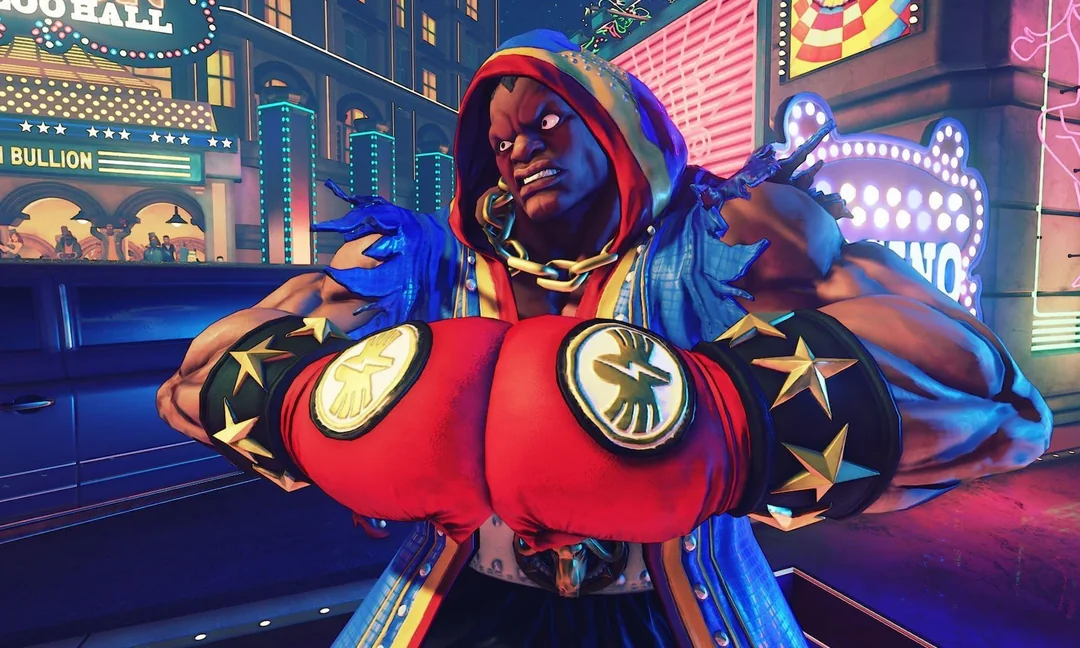
Capcom was pushing its luck a bit with this one. The boxer in Street Fighter II was originally called Mike Bison in Japan, which tells you pretty much everything you need to know about the Mike Tyson inspiration, and the later name swap was not exactly random.
Lei Wulong, Tekken
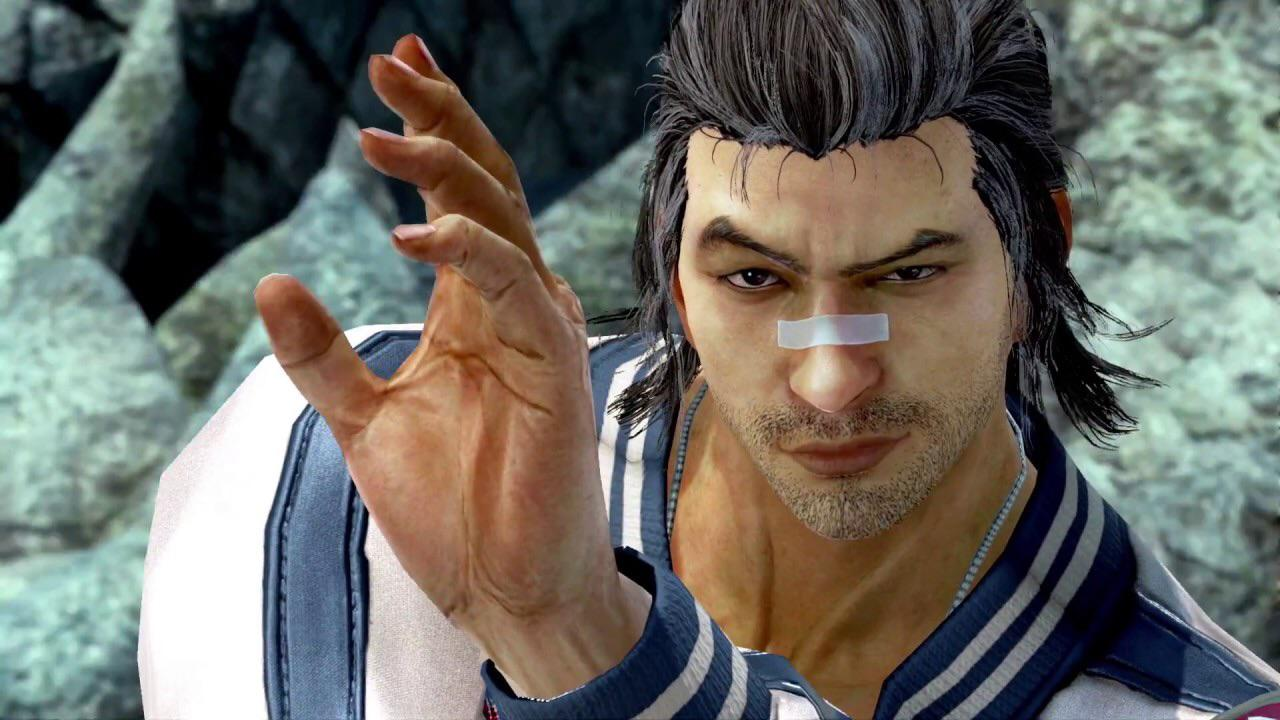
Lei never felt like a subtle reference. He moves like Jackie Chan, carries himself like Jackie Chan, and has that same mix of skill and chaos that made Chan’s fight scenes fun in the first place.
Marshall Law, Tekken
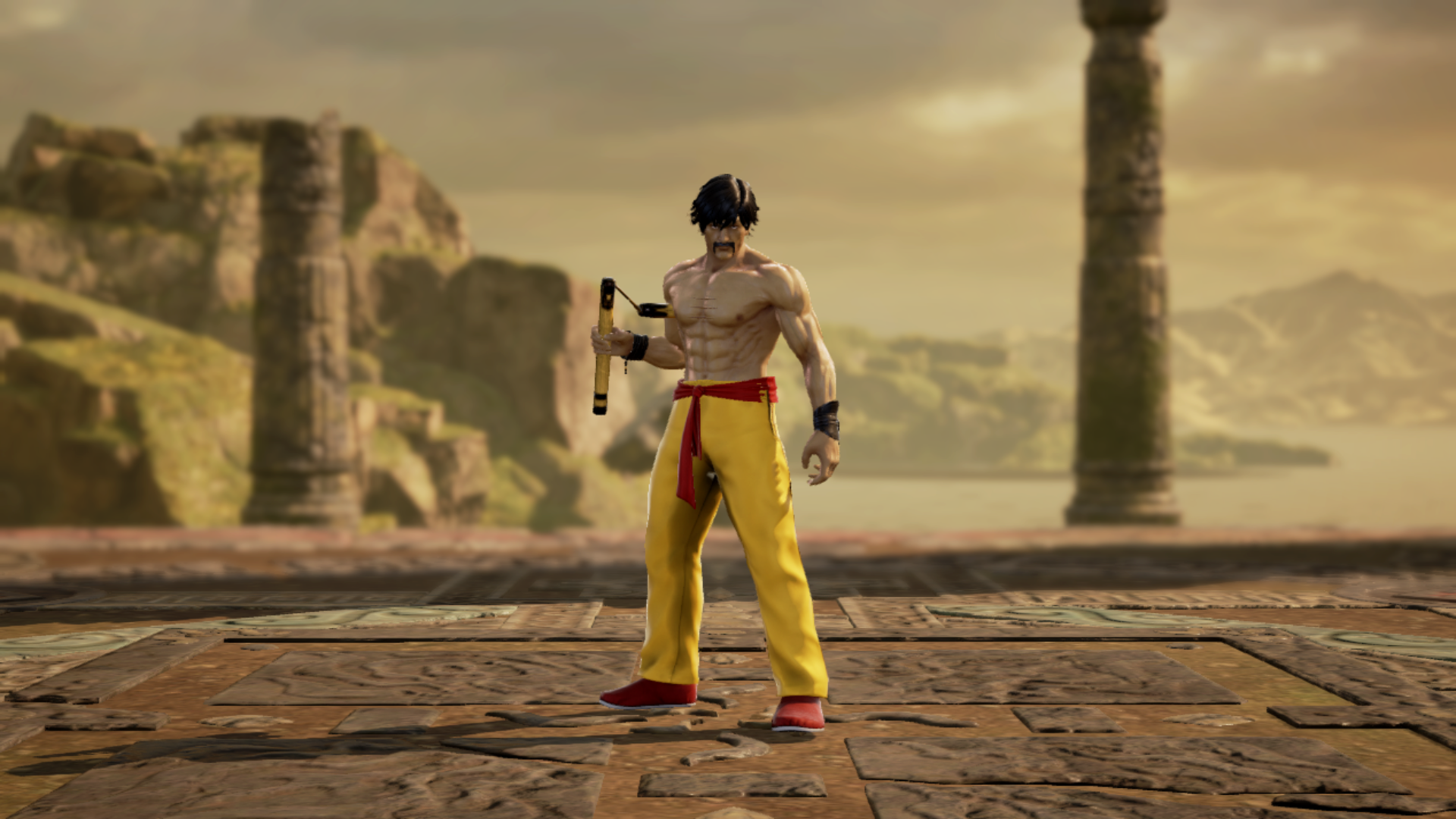
Some fighting game homages are dressed up a little. Marshall Law is not. He is basically Tekken’s long-running Bruce Lee tribute, right down to the look, the stance, and the general attitude.
Fei Long, Street Fighter
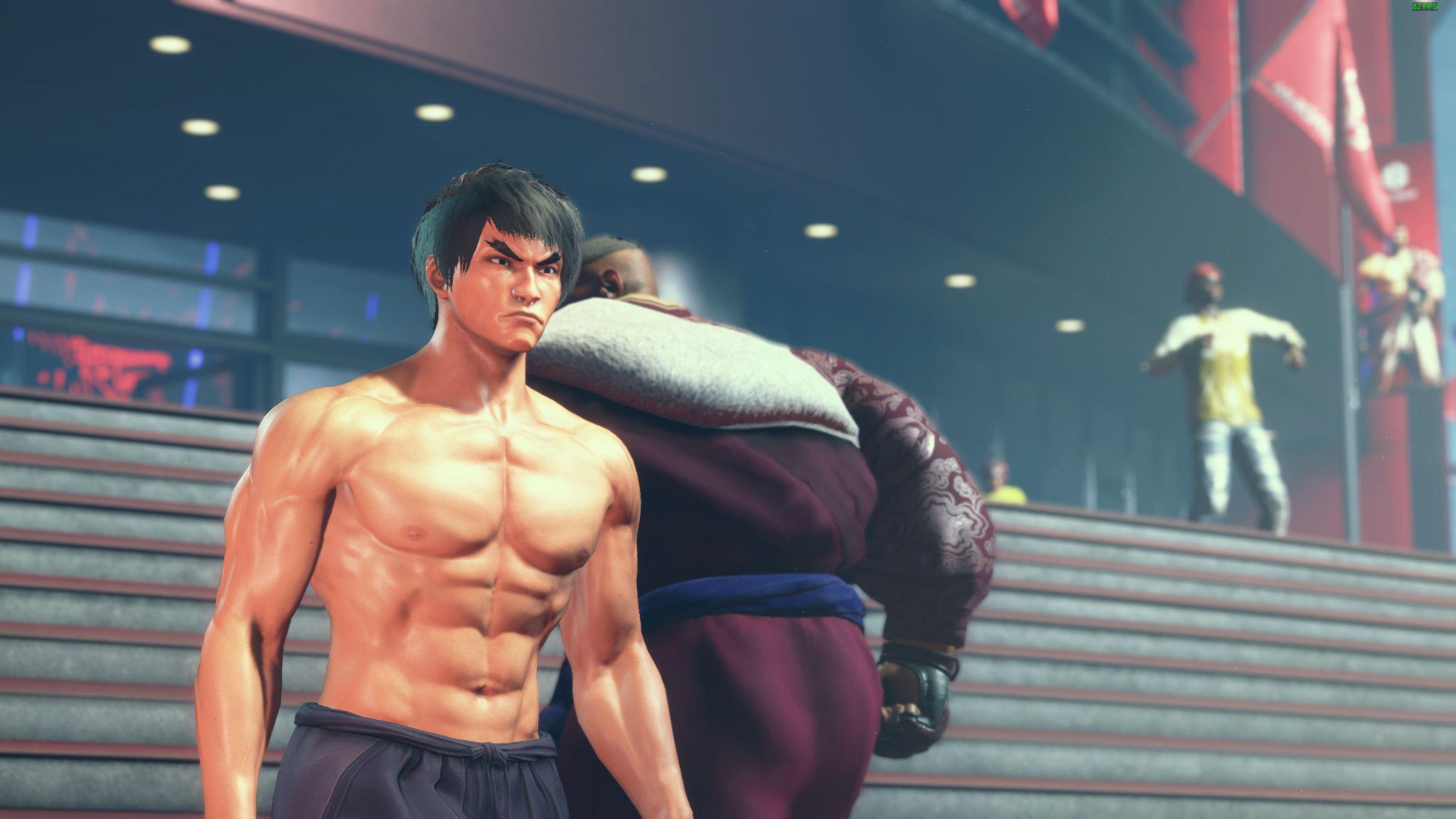
Capcom did it again here, just with a different flavor. Fei Long leans hard into Bruce Lee’s film persona, less quiet intimidation, more movie-set intensity, and it works because Street Fighter was never shy about wearing its influences out in the open.
King, Tekken
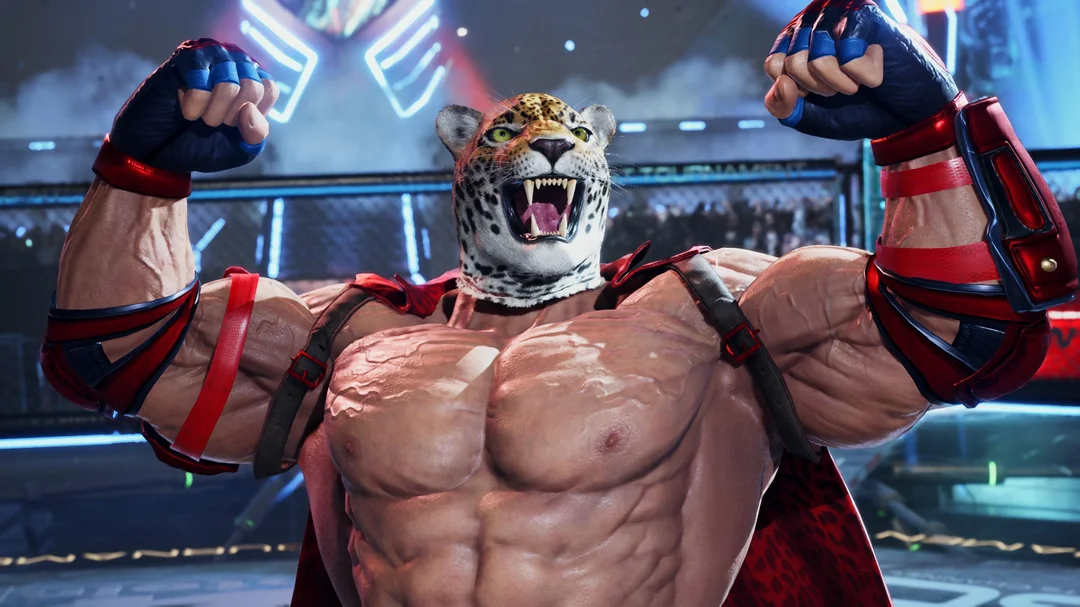
King is a little messier, in a good way. There is obvious inspiration from Tiger Mask, the Japanese wrestling identity tied closely to Satoru Sayama, but people also connect him to Fray Tormenta, the real masked priest who wrestled to support children. That strange mix of lucha drama and genuine kindness fits King better than a simple wrestling parody ever would.
Lara Croft, Tomb Raider
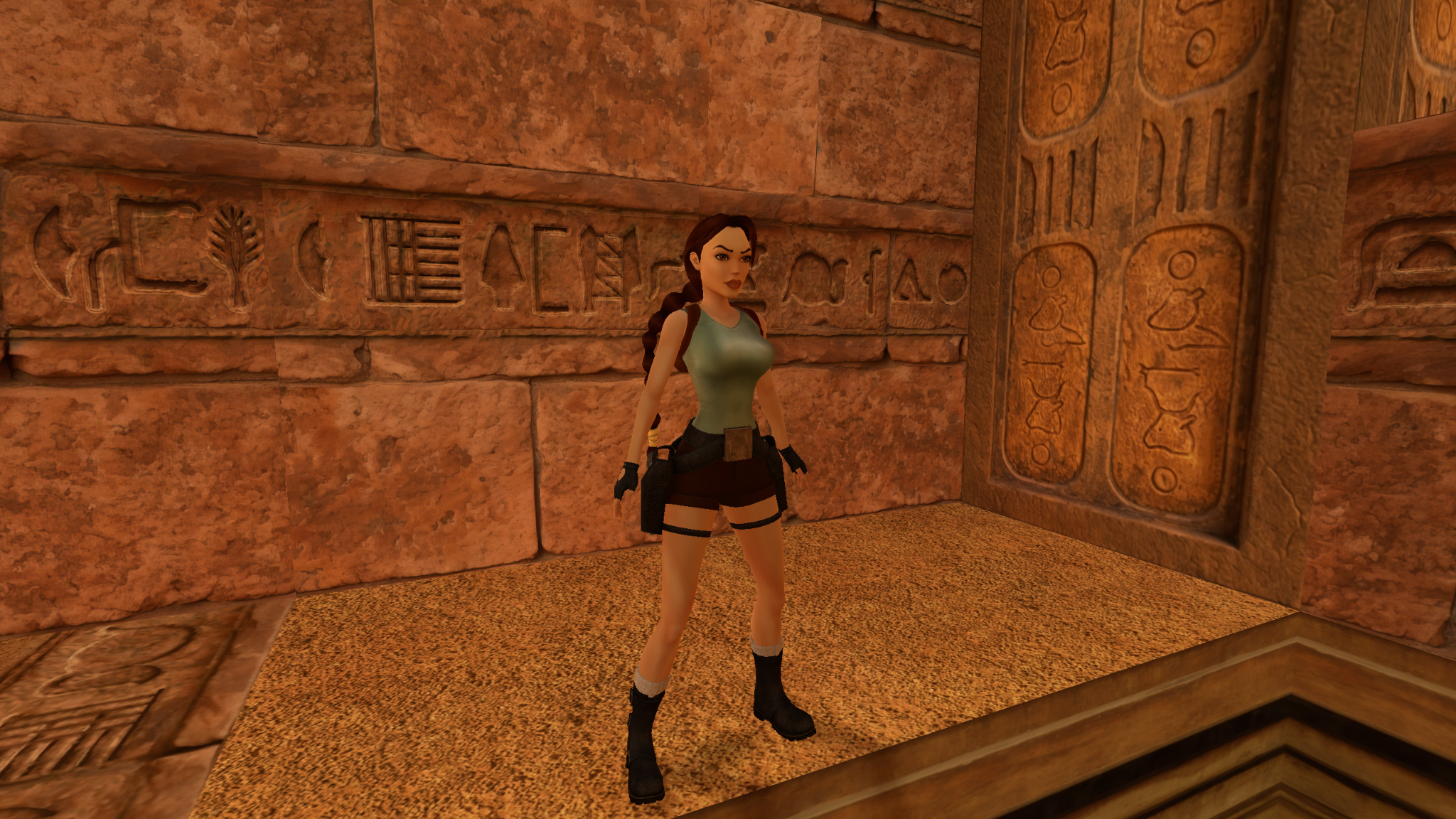
Early Lara had bits of several 1990s influences in her, and Toby Gard has mentioned names like Neneh Cherry. That tracks. The original version of Lara always felt less like a polished corporate mascot and more like somebody assembled from British pop culture, fashion, comics, and action movies all at once.
Max Payne, Max Payne
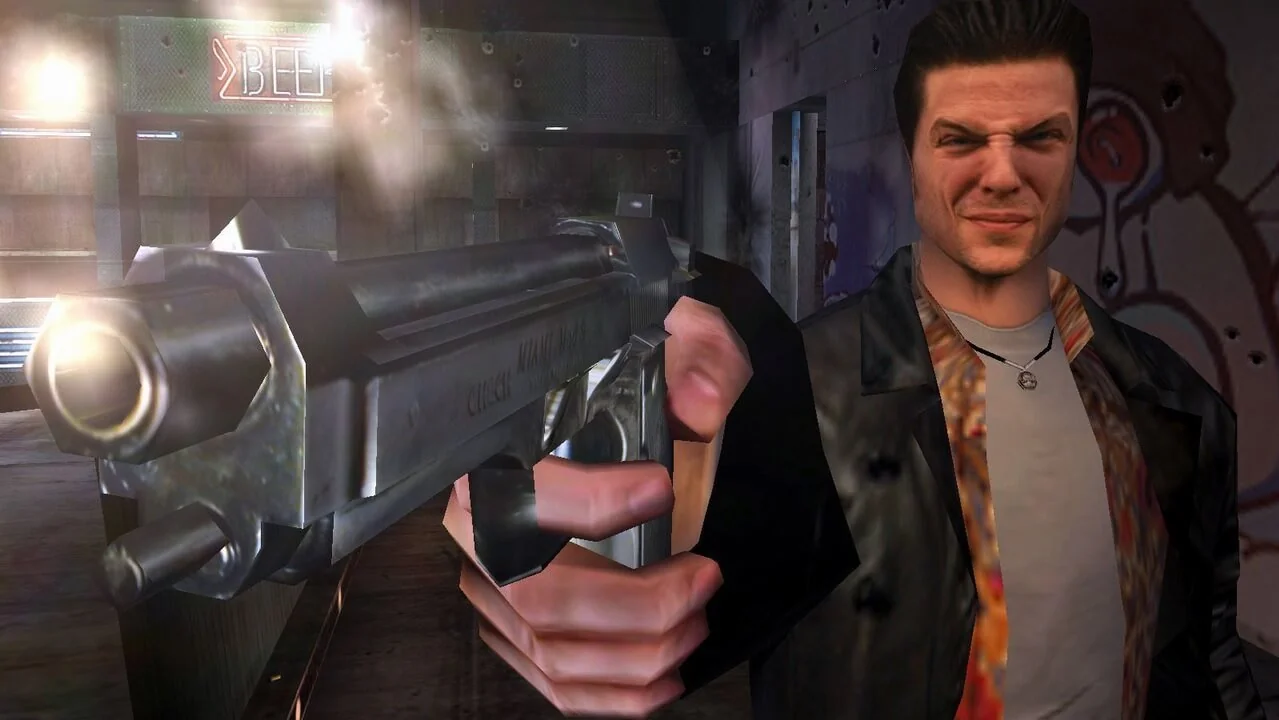
Remedy did not exactly have infinite resources when the first game was in production, so Sam Lake ended up becoming the face of Max. That famous expression on the original box art was his, which honestly makes the whole thing even more charming. A grim noir hero accidentally getting the face of his own writer is the kind of detail old PC game fans love.
Big Boss, Metal Gear
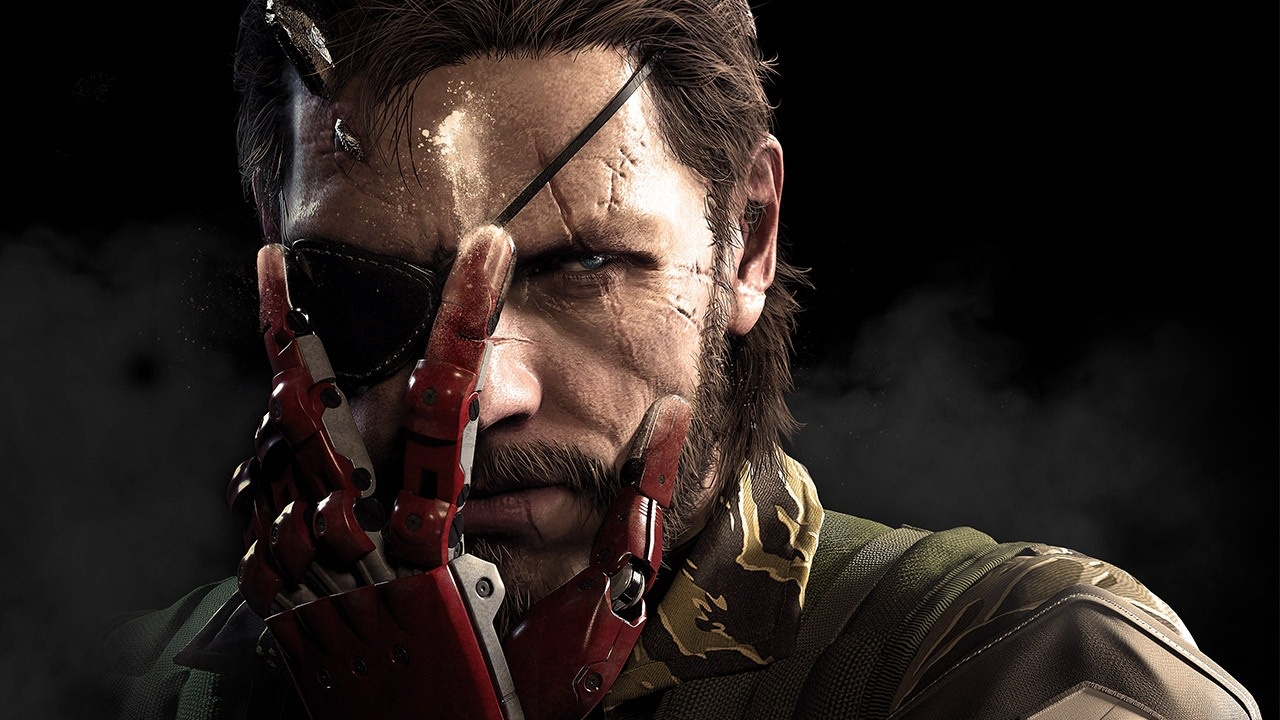
Kojima pulling from film actors was never unusual, so Big Boss taking visual cues from Sean Connery feels completely on brand. Connery had the right mix of authority and weariness for a character like that, especially in a series where military drama and spy cinema were always tangled together.
Agent 47, Hitman
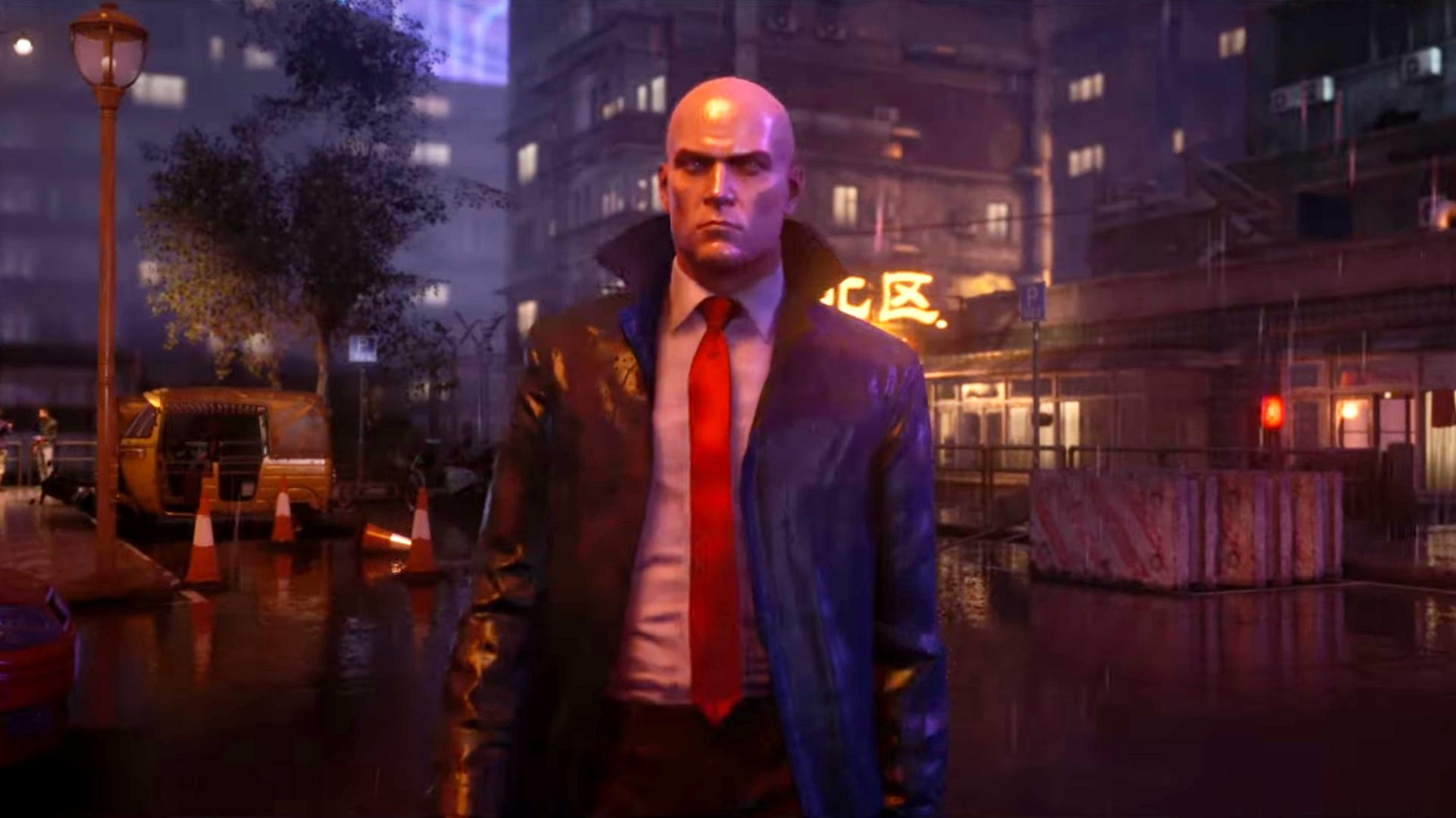
There is something very fitting about Agent 47 being based on David Bateson, the actor who voices him. The face and the voice ended up tied together, which helped make 47 feel weirdly complete as a character, even though he is supposed to be emotionally stripped down almost to the bone.
Commander Shepard, Mass Effect
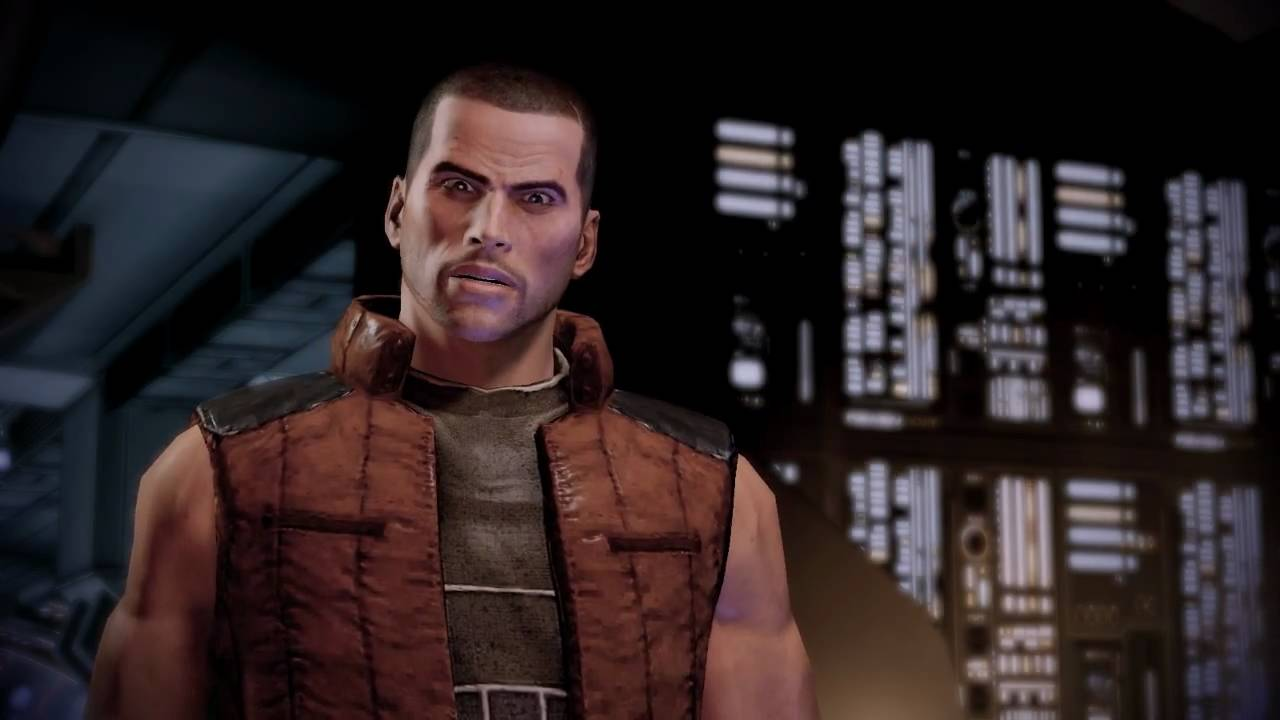
Default male Shepard was modeled on Mark Vanderloo, and once that was out there, it was hard not to notice. He has that clean, deliberate face you would expect from a model, which gave the default version of Shepard a very specific kind of polished sci-fi hero look.
Jill Valentine, Resident Evil
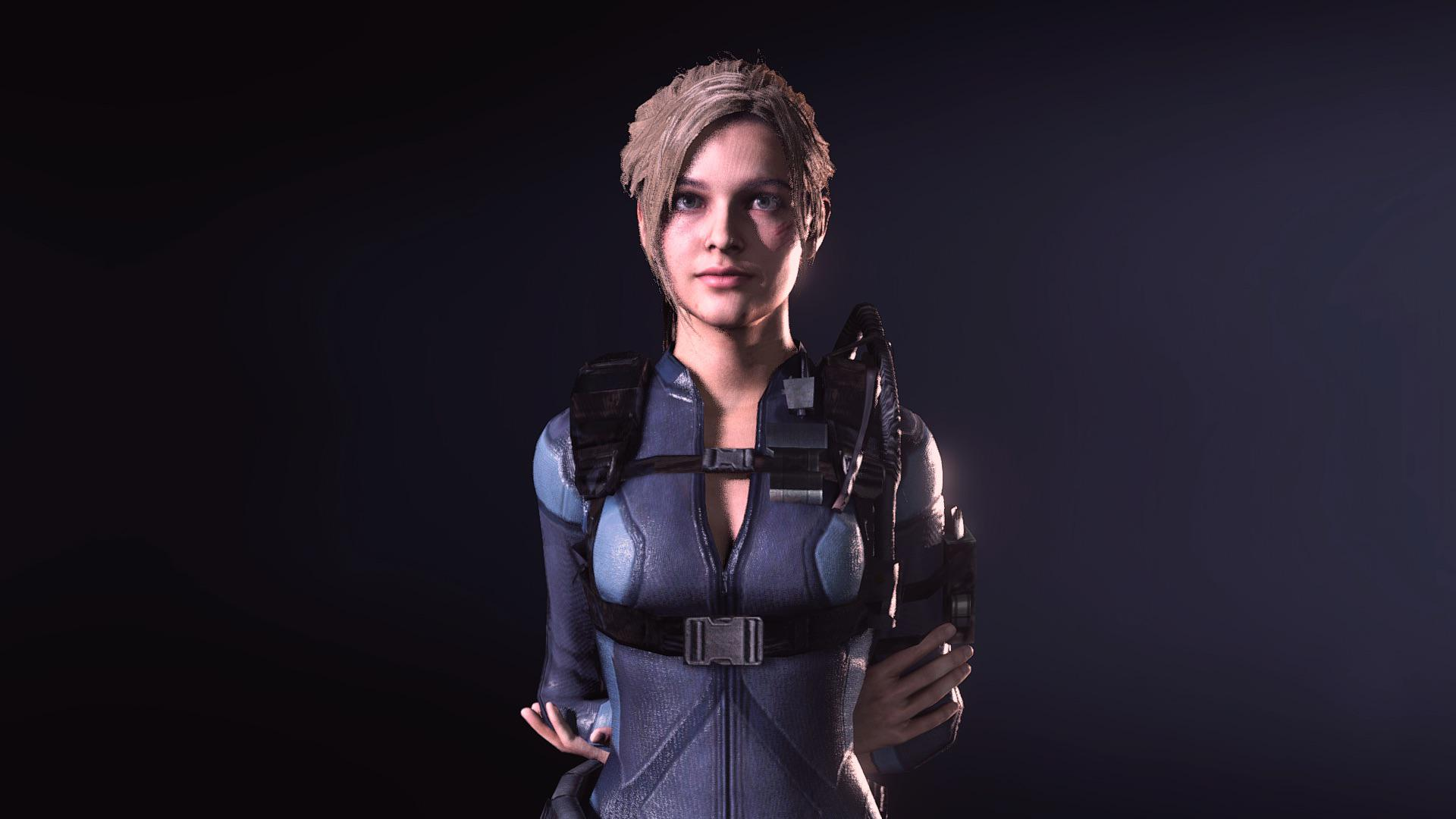
For a lot of fans, Jill’s most recognizable version is tied to Julia Voth. Her face model work helped define how Jill was remembered in the remake era, and that version stuck so well that plenty of players still picture Voth’s likeness first when the character comes up.
Princess Zelda, The Legend of Zelda
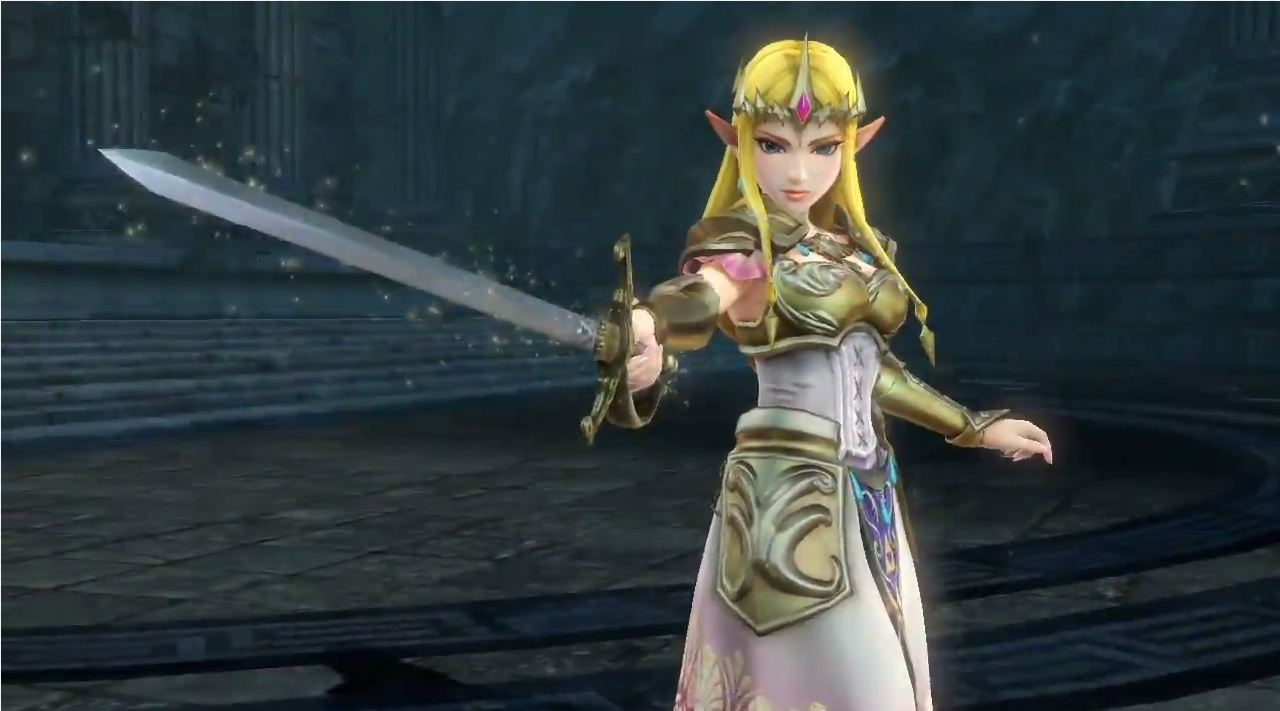
This one is less about appearance and more about the name. Shigeru Miyamoto named Zelda after Zelda Fitzgerald because he liked how the name sounded, and that choice ended up giving the series something a lot fantasy games never manage, a title character whose name feels elegant without sounding generic.
Vaas Montenegro, Far Cry 3
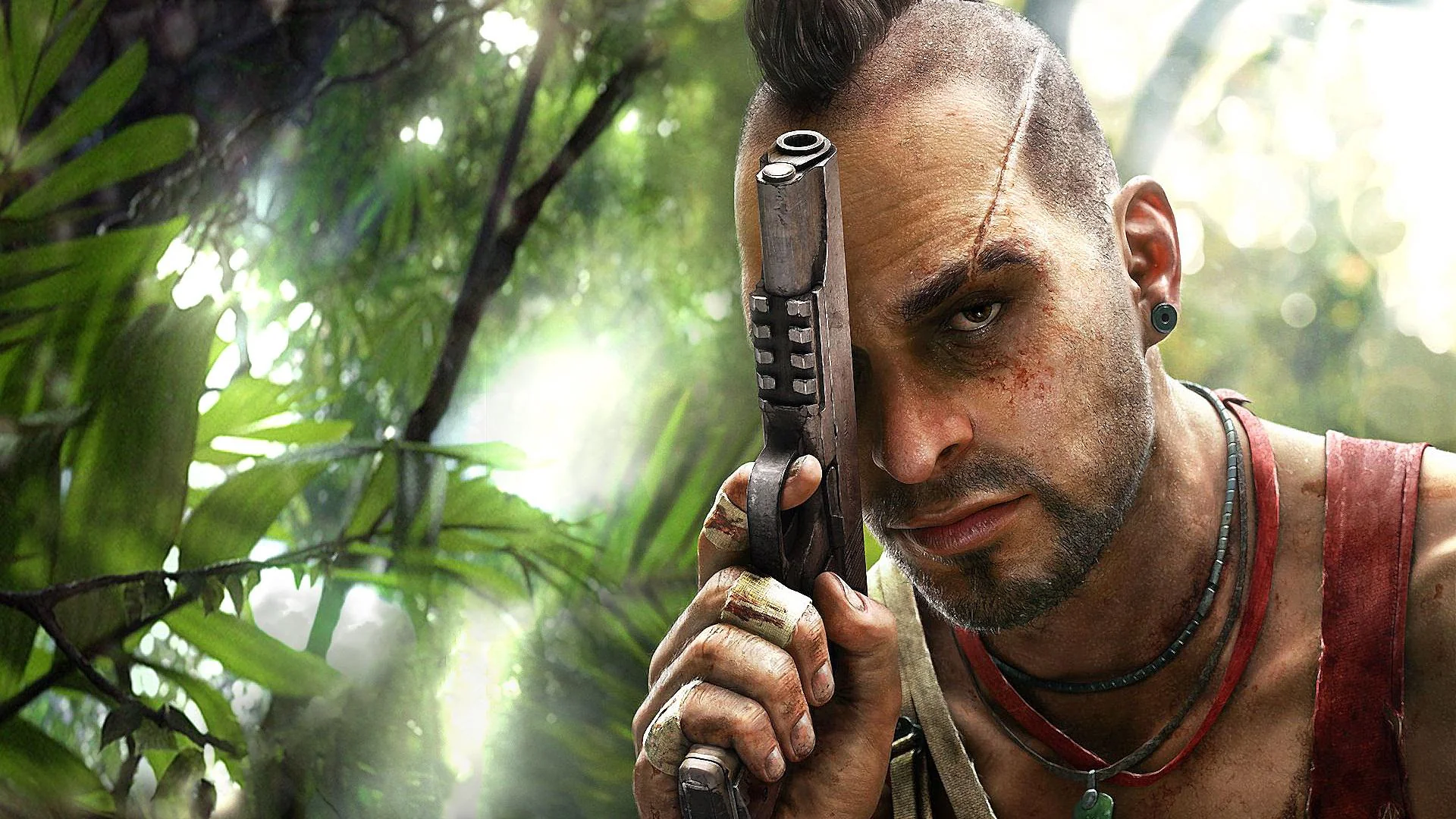
Vaas is one of those cases where the real person did more than inspire the look. Michael Mando’s performance had such a strong effect on the character that Vaas started feeling built around him, not the other way around. You can tell when that happens. The character stops reading like design work and starts feeling like somebody hijacked the script.
Gordon Freeman, Half-Life
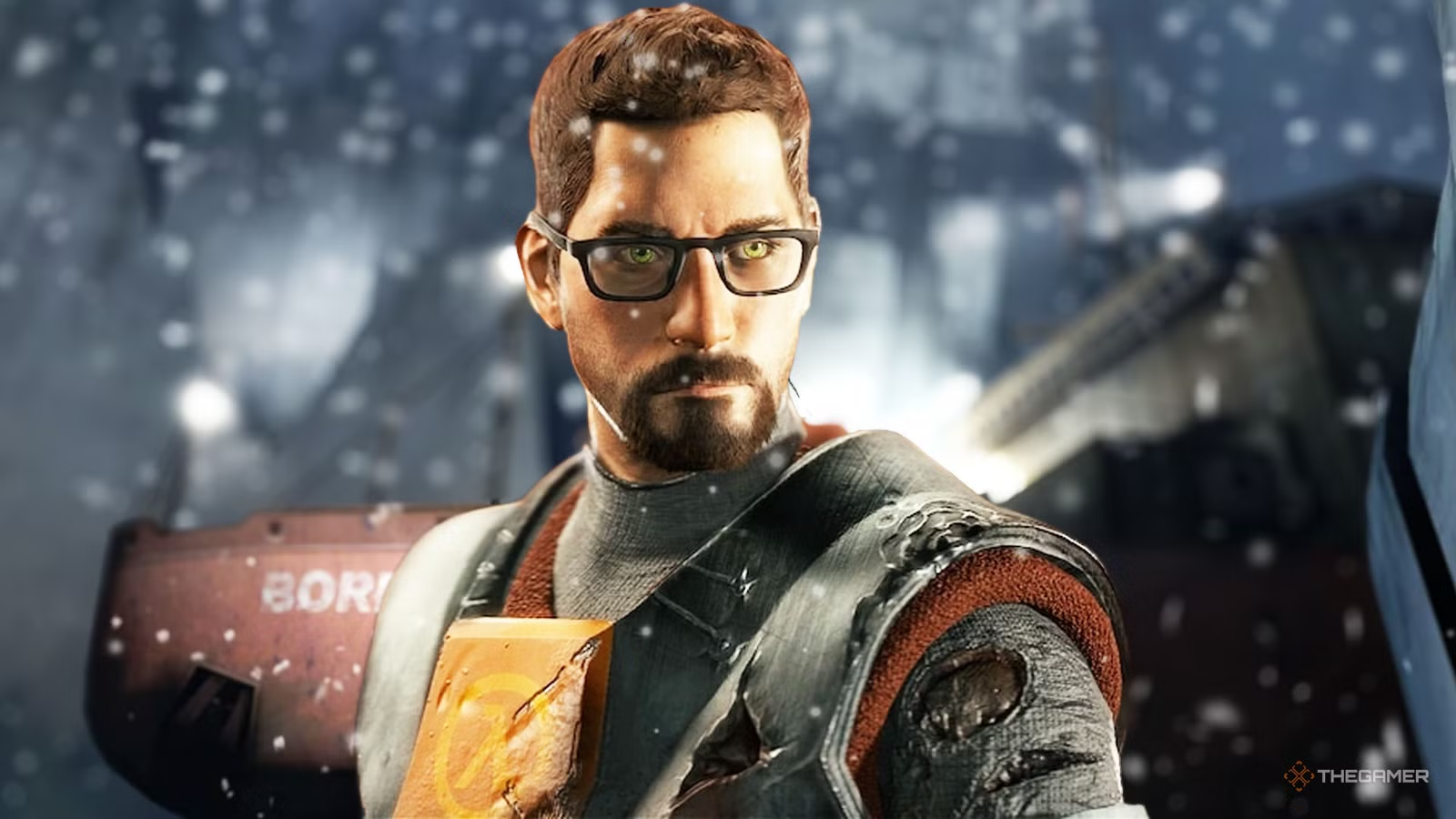
Gordon is a funny one because he was not based on one famous person at all. Valve reportedly built his look from features taken from several people at the studio, which means one of PC gaming’s most recognizable faces was basically assembled in-house.
That is probably the part I like most about examples like these. They show how messy character creation usually is. Not every game hero comes from some huge, pristine burst of originality, sometimes it is a martial arts star, sometimes it is a model, sometimes it is just the writer making do with the people around him, and honestly that is usually more interesting anyway.
Related: 15 Video Game Facts You Probably Didn’t Know (But Should)