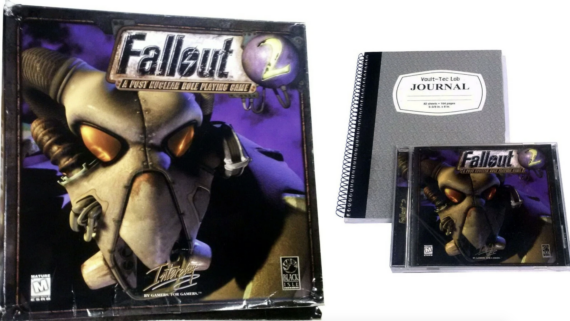
Glossy jewel cases and the hum of a high-speed drive once opened doors to cinematic worlds that felt limitless. This era of silver discs brought orchestral scores and live-action video to our home monitors for the first time. Below, we count down 15 legendary titles that pushed technical boundaries before vanishing into digital obscurity. These are the relics that changed everything, marking a turning point for every player who lived through the nineties.
1. Myst 1993 Surreal World That Became Our Reality
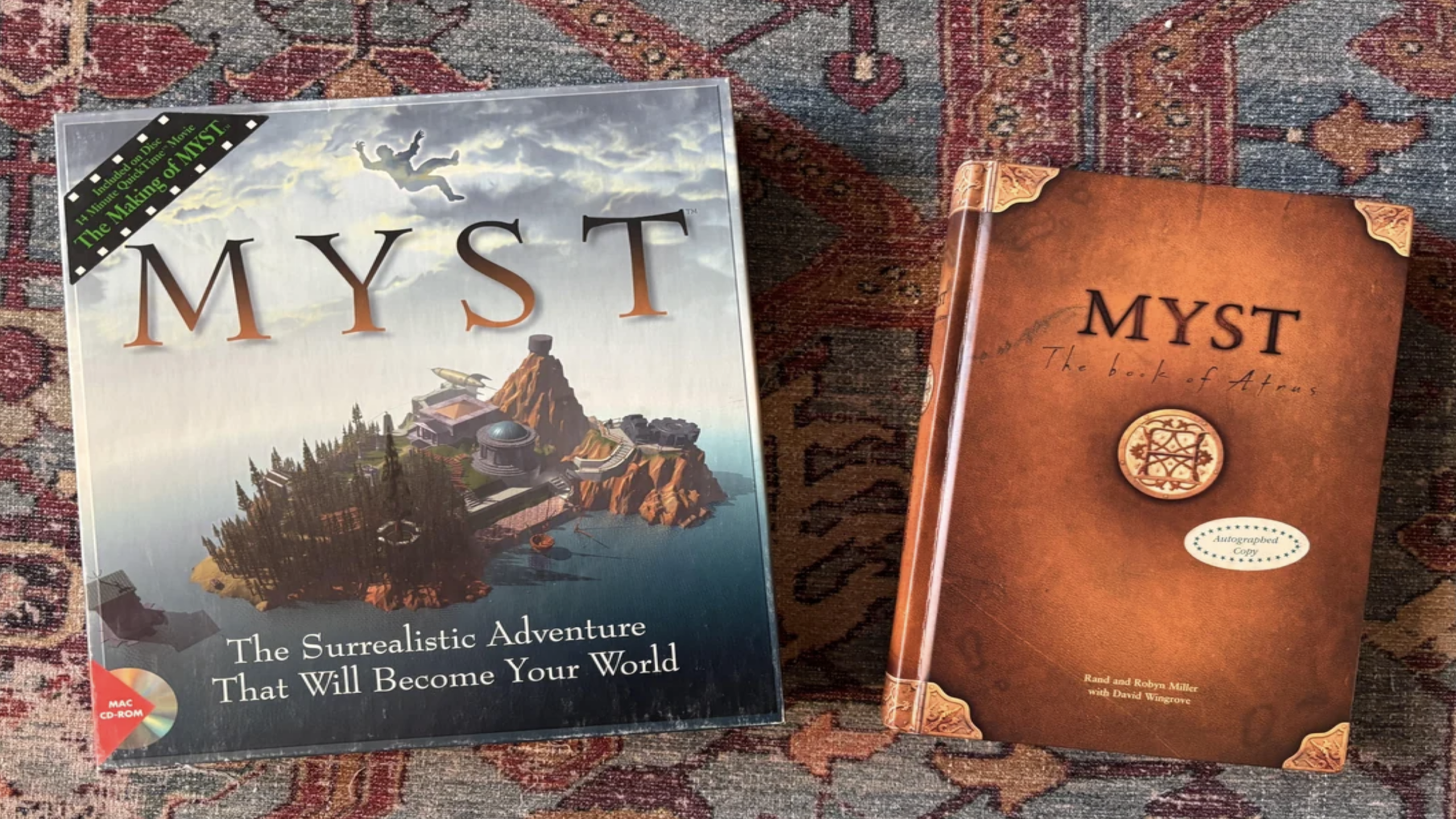
Eerie silence and atmospheric puzzles defined this masterpiece of the CD-ROM era, inviting millions to explore a mysterious island through pre-rendered beauty. This hauntingly calm adventure remains a legendary relic of the nineties, a visionary project that changed gaming forever before getting lost in time for many.
2. Stauf’s Manor 1993 Haunted Mansion
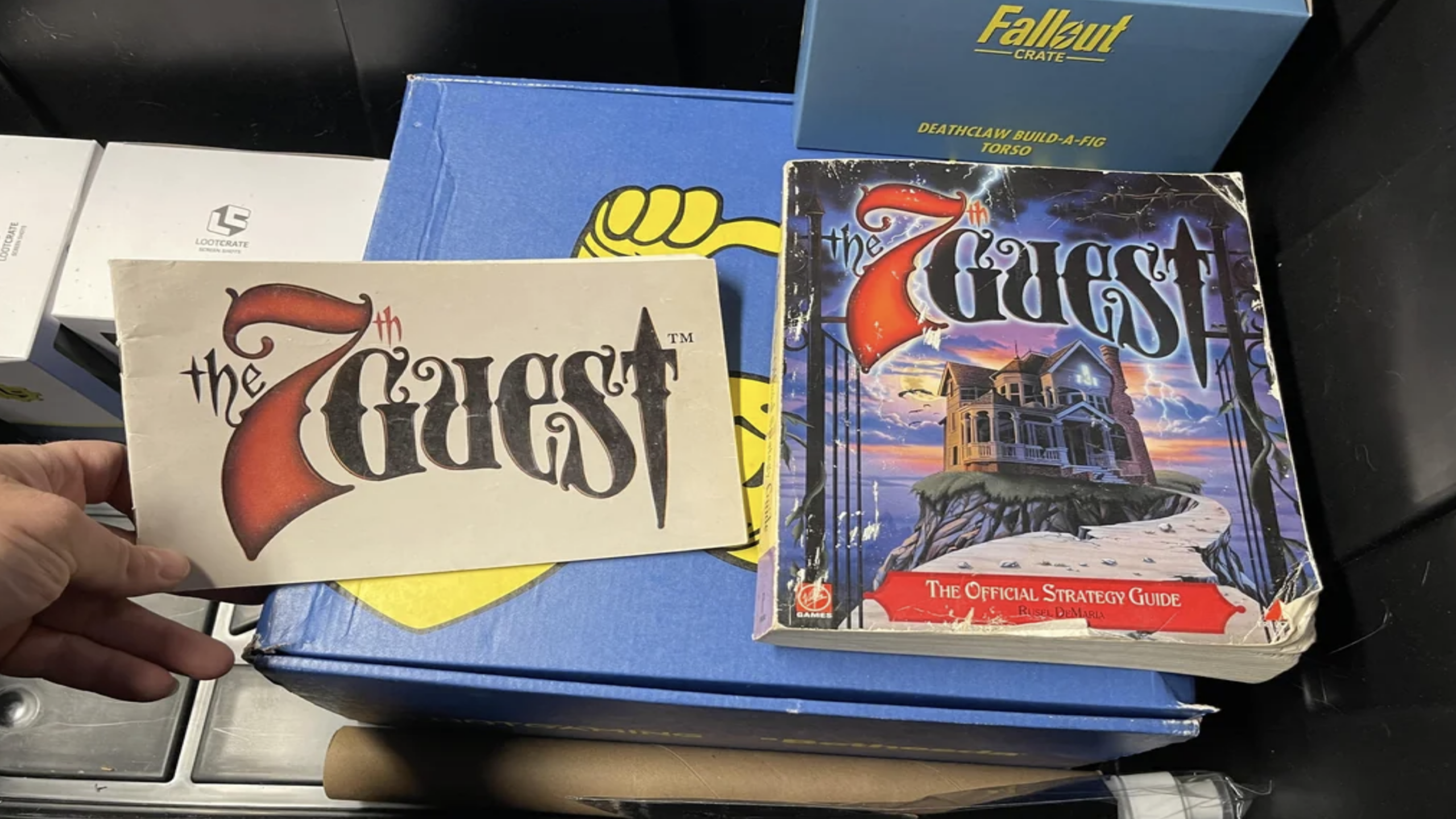
Live-action video actors and intricate logic puzzles terrified a generation within this landmark of interactive horror. Such pioneering CD-ROM technology turned simple PC monitors into cinematic nightmares, pushing the boundaries of what home gaming could achieve. Every dark corner of the Stauf mansion now stands as a digital ghost of the nineties, a groundbreaking experience that eventually got lost in time and is remembered by only a dedicated few today.
3. Phantasmagoria 1995 Seven-Disc Horror Epic
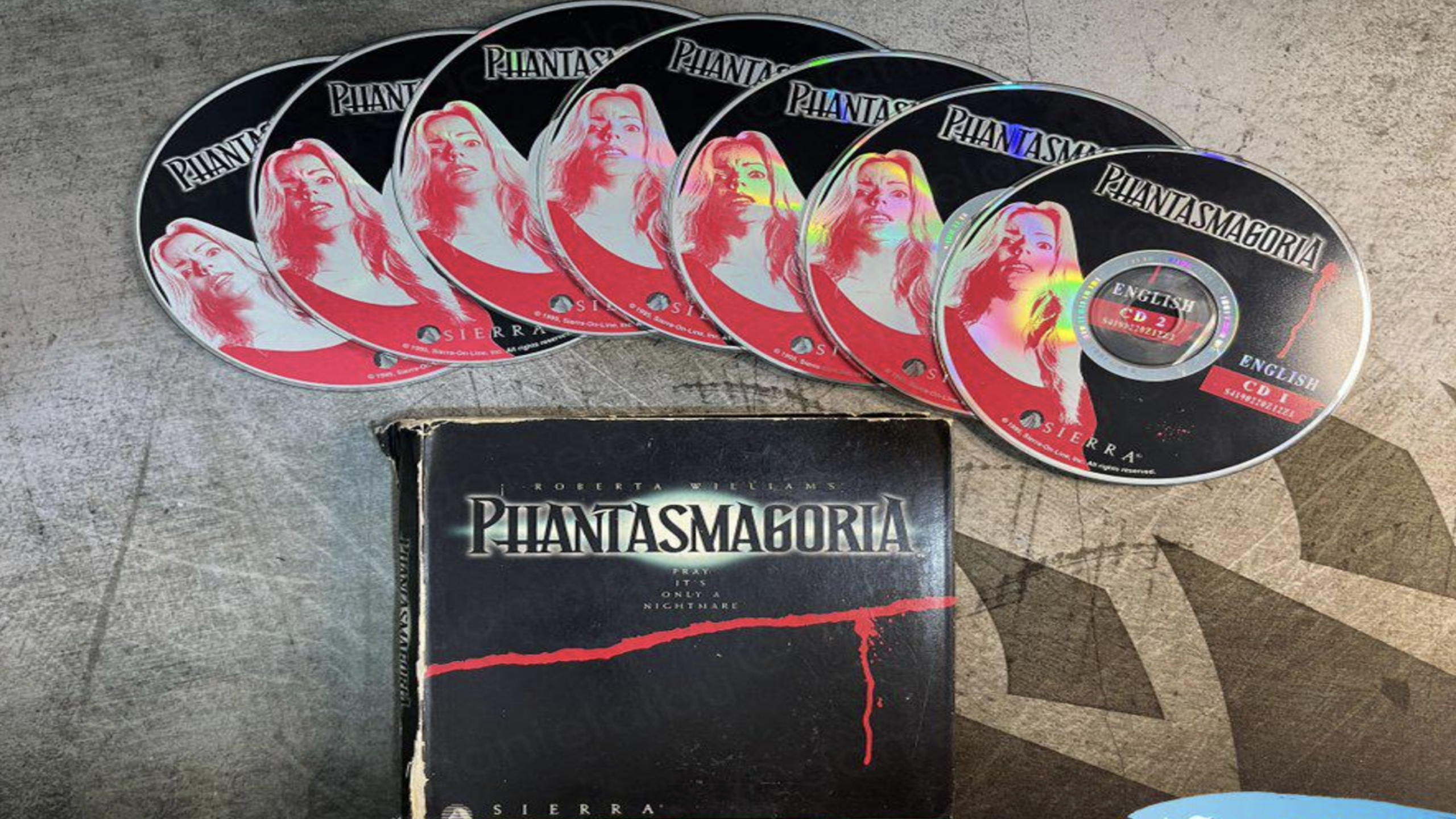
Seven discs of cinematic terror pushed the boundaries of nineties PC gaming with its dark, live-action storytelling. This massive experience remains a legendary relic of a golden era, a bold experiment whose sheer scale and mature content marked a turning point for interactive horror.
4. Doom First-Person Revolution
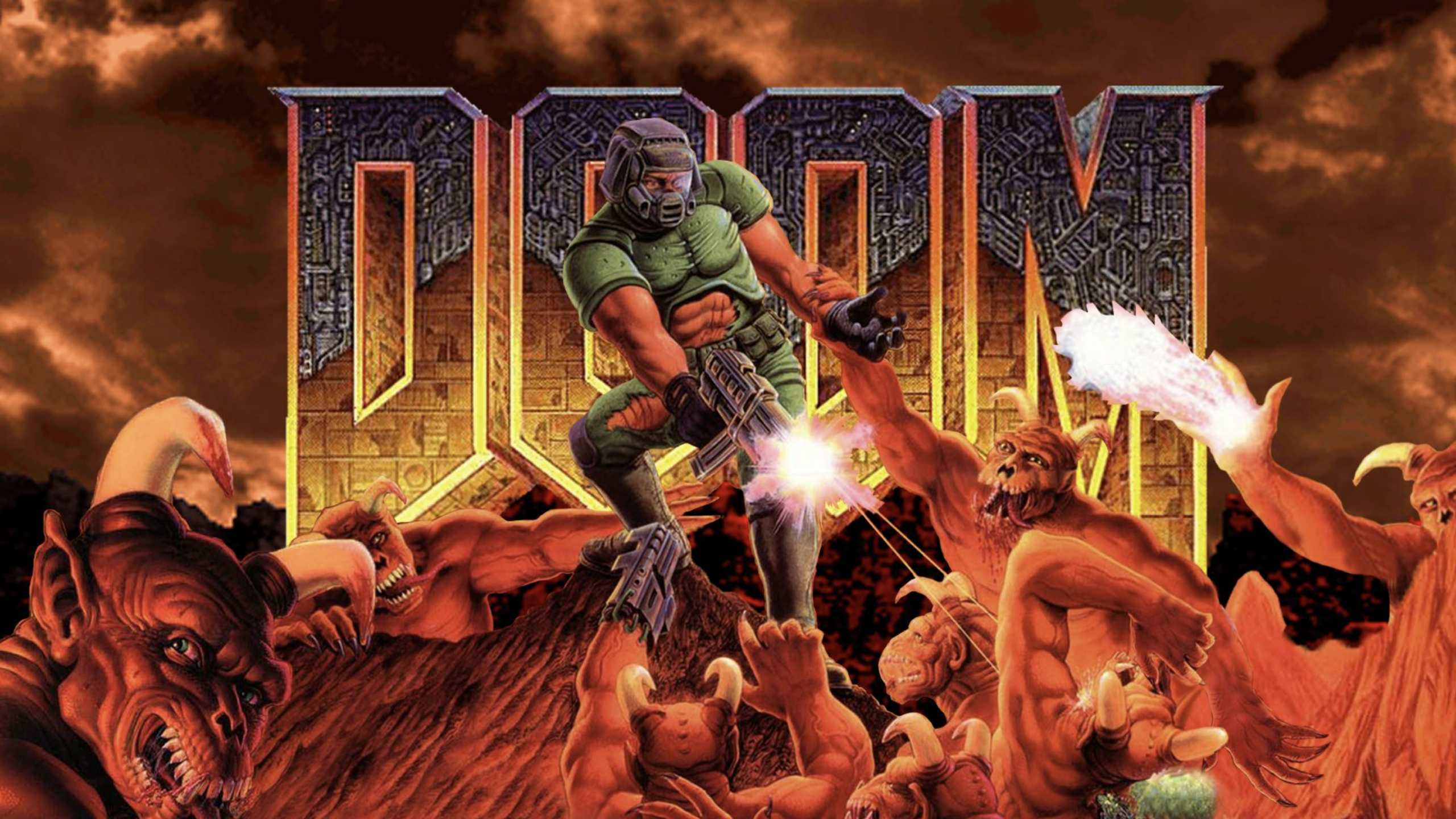
Fast-paced action and heavy metal energy redefined the PC landscape, plunging players into a pixelated hellscape that felt truly dangerous. This groundbreaking shooter remains the ultimate cornerstone of its era, a cultural phenomenon that pioneered the genre and changed gaming history forever. True veterans still feel the adrenaline of typing IDDQD or IDKFA just to survive the chaos, or the frustration of being told to “ask your parents” to unlock the gore settings in the setup menu.
5. Wolfenstein 3D The Grandfather of Shooters
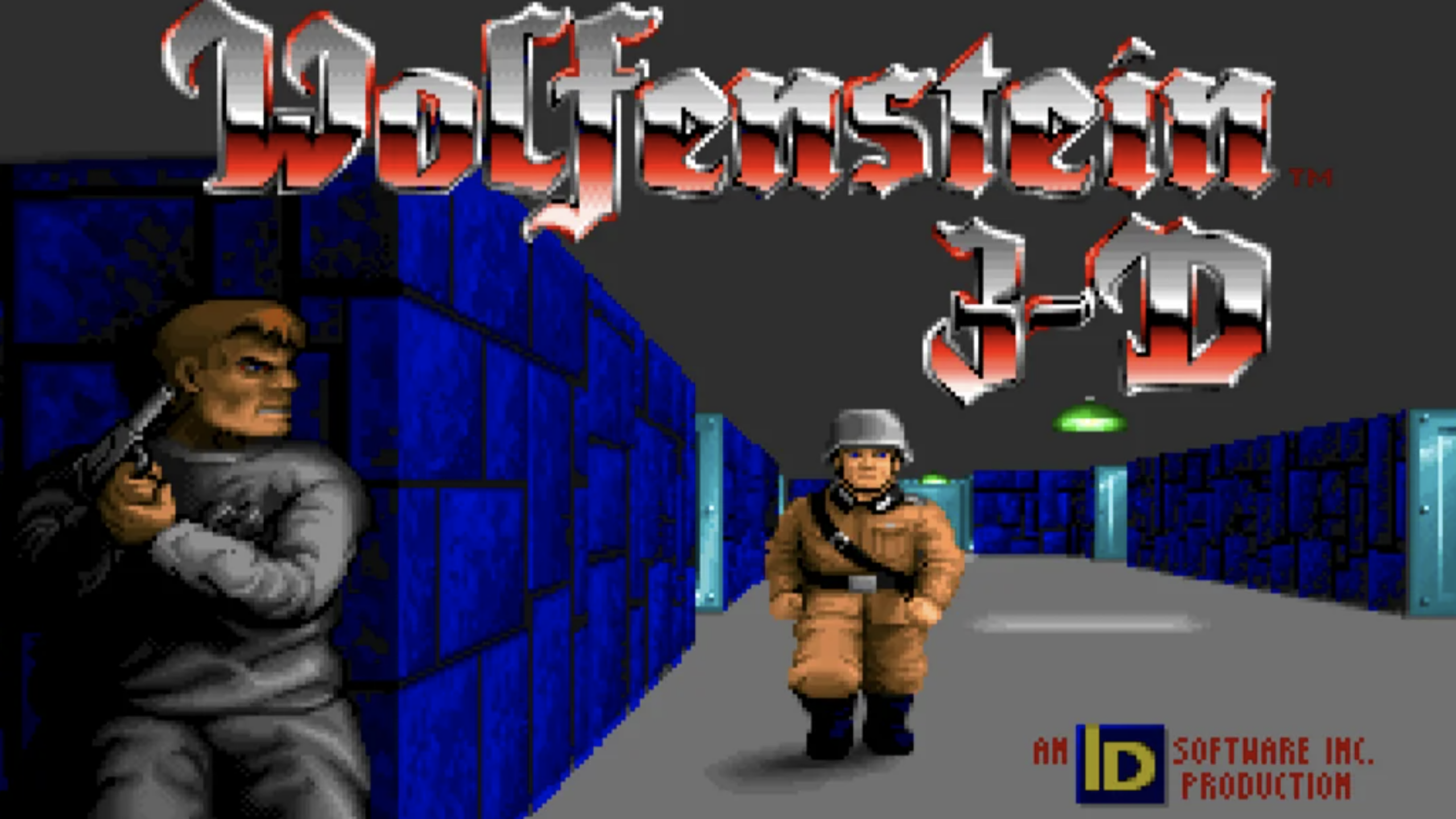
Blue brick corridors and secret walls hid a revolution in every digital corner of this 1992 escape mission. It transformed how we saw PC gaming, replacing flat screens with the visceral thrill of a three-dimensional perspective for the first time. Every player from the era still remembers the adrenaline of hearing “Mein Leben!” before a pixelated guard dropped, or the frantic search for that one hidden wall to replenish health with a plate of digital turkey.
6. Duke Nukem 3D King of Interactive Ego
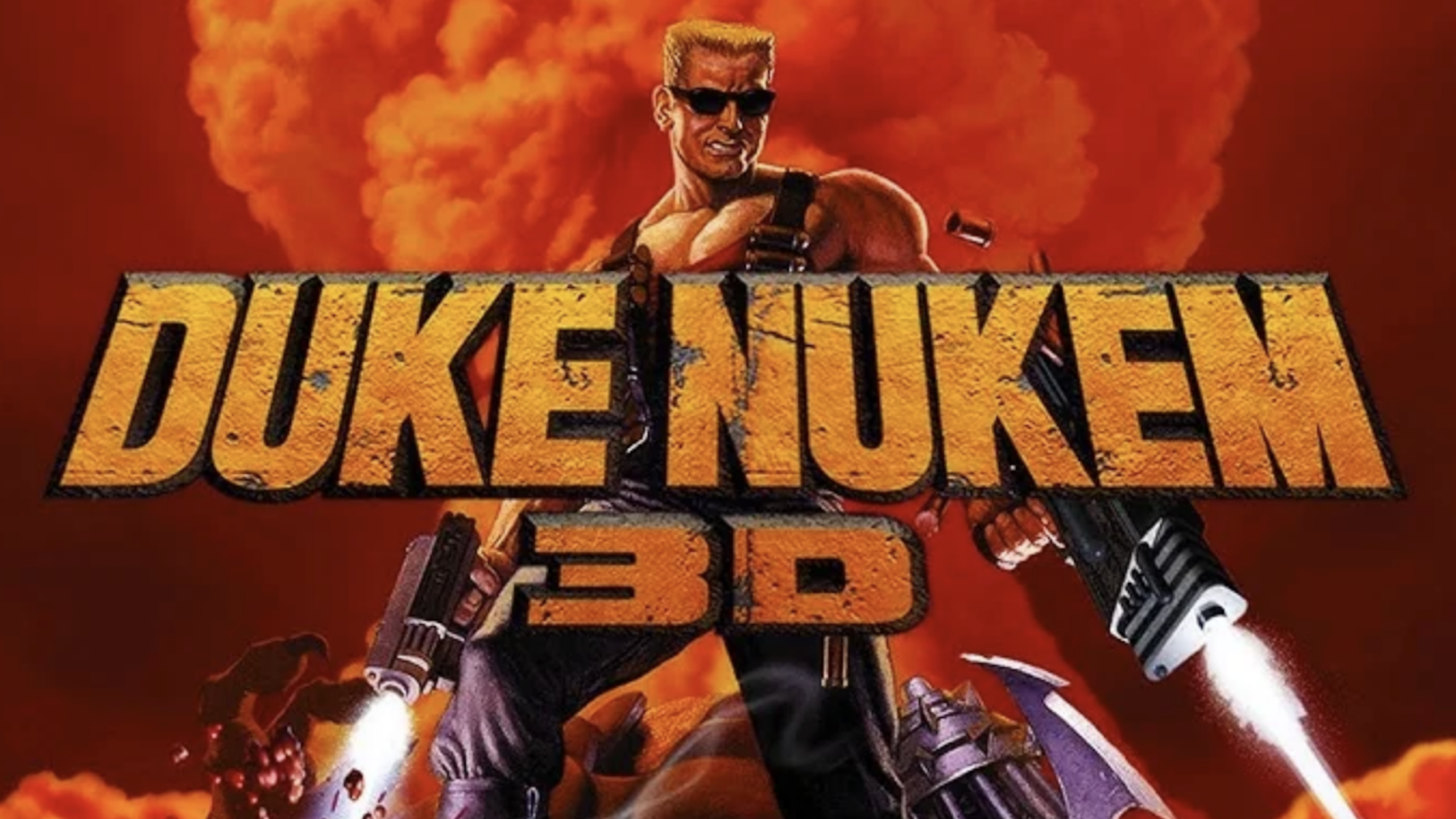
Chewing gum and kicking ass became the 1996 anthem for PC gamers who wanted more than just shooting demons. This irreverent masterpiece brought a living world to our screens, where you could finally blow up toilets, play pool, or tip pixels in a dark club. Only true fans remember the chaotic fun of the Mighty Foot bind or the “Shake it, baby!” lines that made this game a cultural lightning rod of the late nineties.
7. Warcraft: Orcs & Humans Origin of the RTS Legend
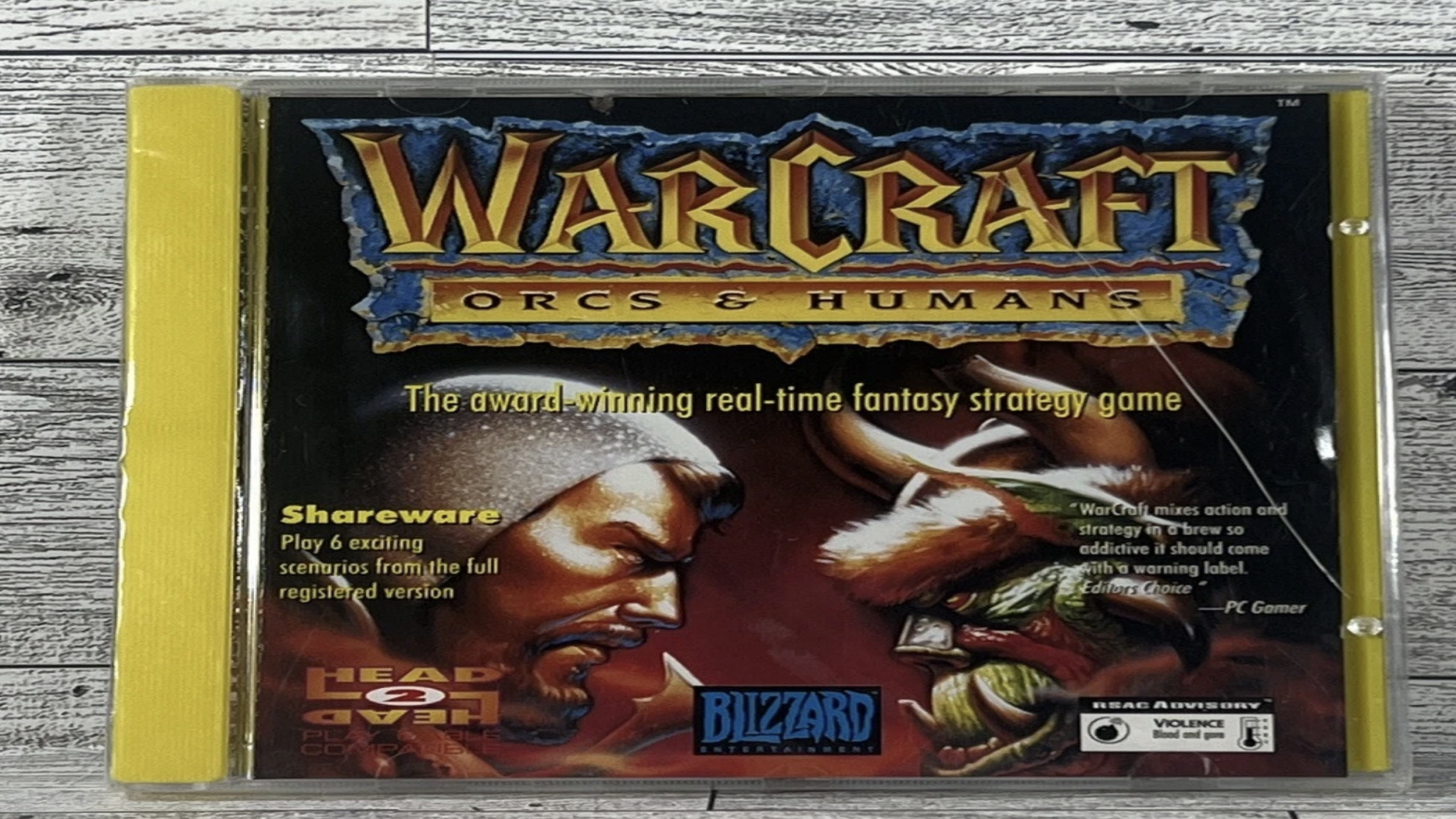
The clash of steel and the gathering of gold sparked a fantasy revolution in 1994, laying the foundations for a universe that would span decades. This title introduced us to the brutal struggle between Azeroth and the Horde, where every Peon and Footman counted towards a total victory.
8. Civilization II Empire Building
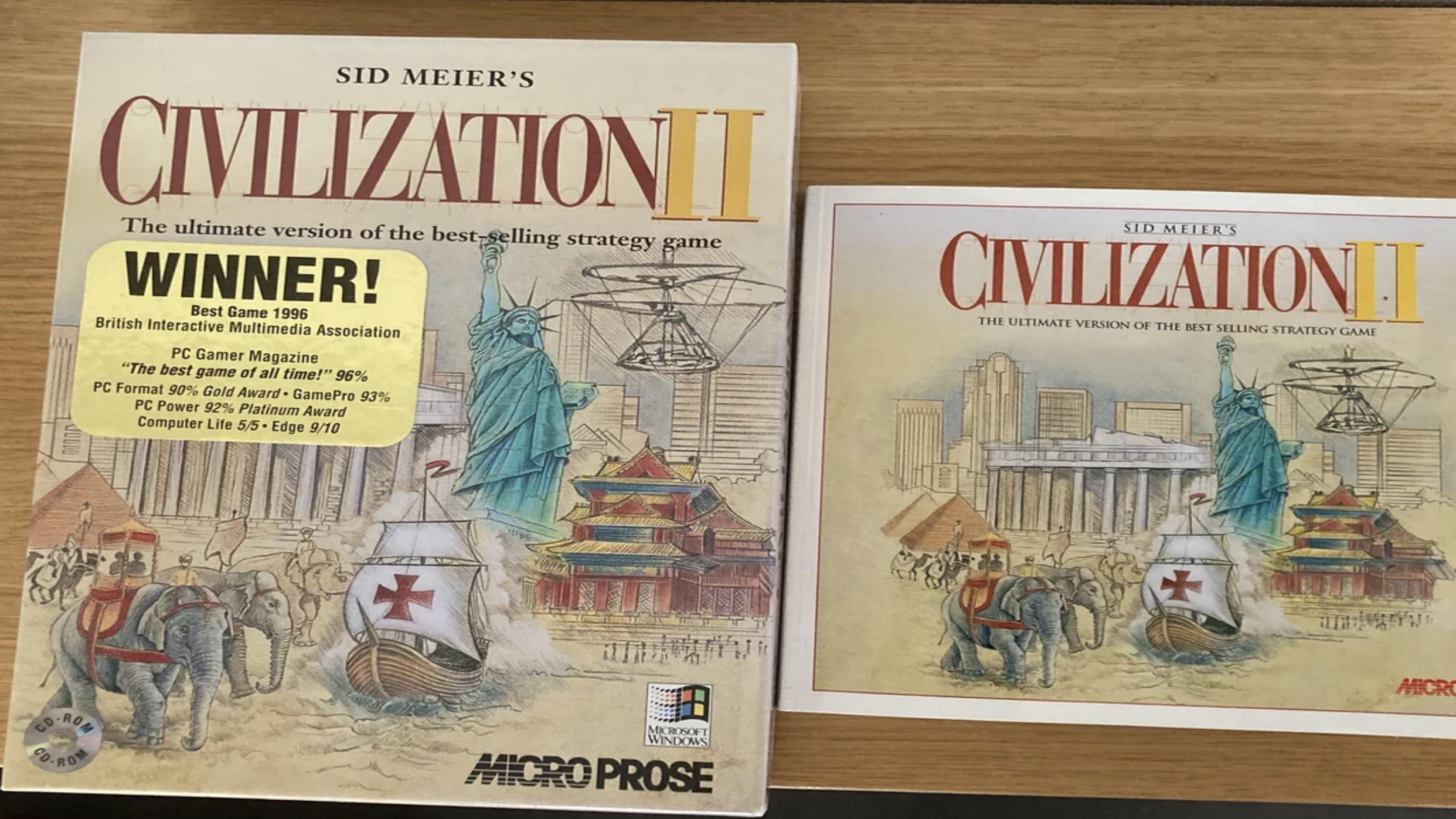
Forging a legacy across centuries became an obsession in 1996, where “just one more turn” often turned into sunrise. This isometric sequel perfected the art of global strategy, evolving your tribe from simple settlers into a space-age superpower. True fans still remember the bizarre thrill of the High Council videos with real actors, or the absolute nightmare of a primitive Spearman somehow managing to defeat your high-tech Battleship.
9. Betrayal at Krondor Fantasy Narrative Pioneer
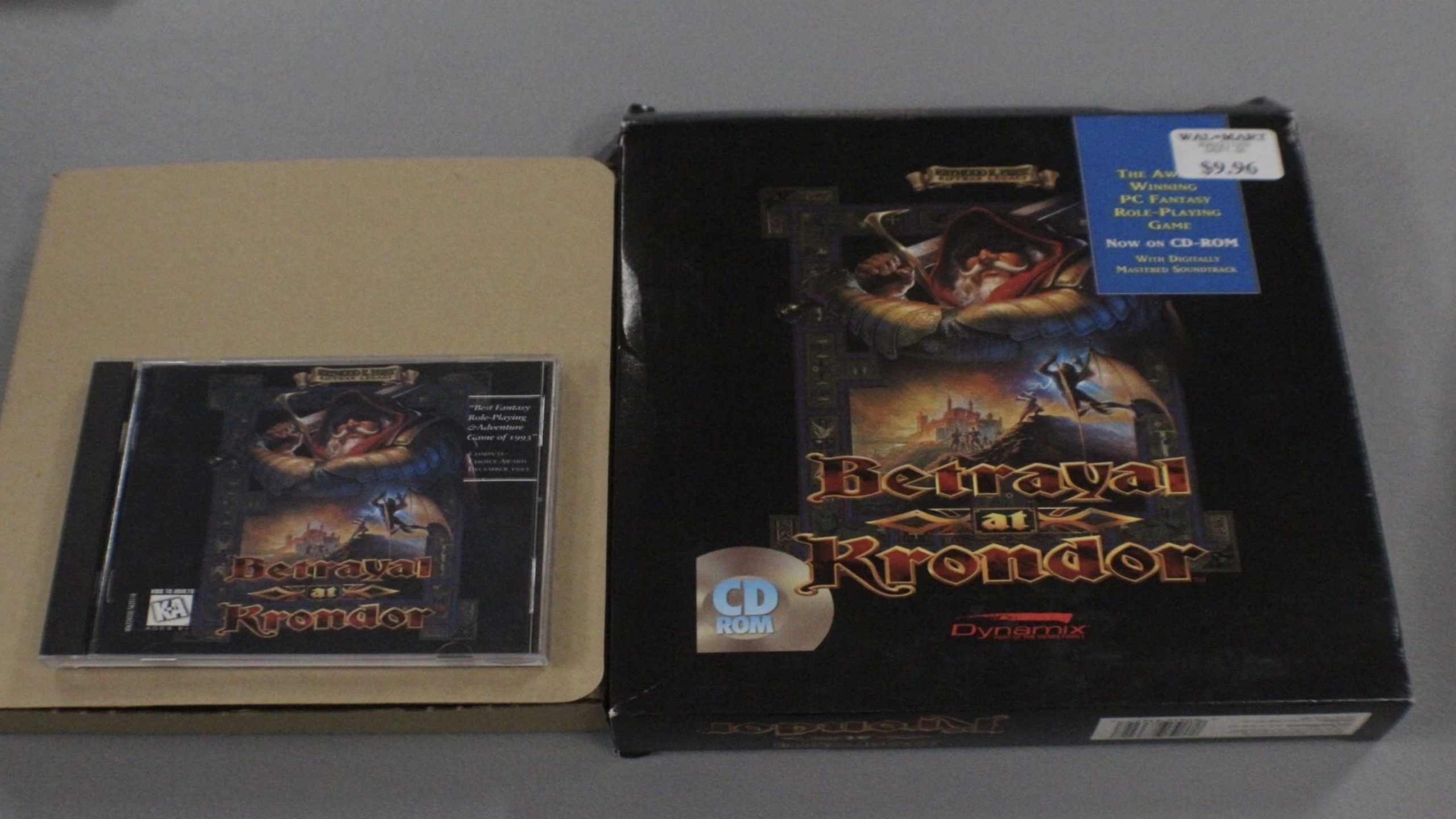
A sprawling world of prose and turn-based strategy set a new standard for RPGs in 1993, bringing Raymond E. Feist’s Midkemia to life with digitizers. This masterpiece prioritized deep storytelling and exploration over simple combat, rewarding players who took the time to read every word. Old-school adventurers still remember the satisfying “click” of solving the word-lock chests or the absolute necessity of keeping your party fed to avoid the dreaded “starving” status mid-quest.
10. Star Wars: X-Wing vs. TIE Fighter Space Combat Evolution
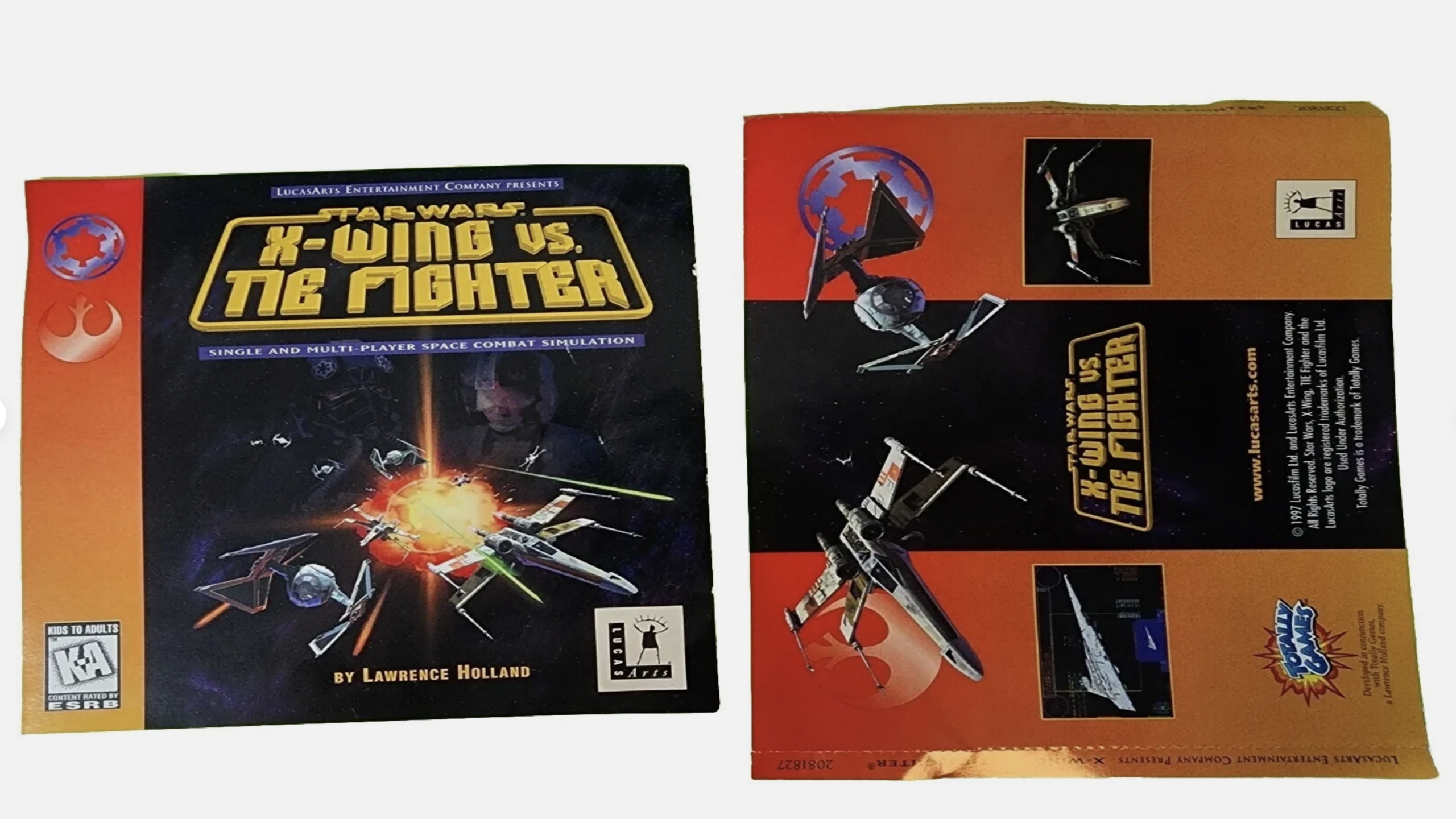
The high-speed dogfights of the galaxy reached a new frontier in 1997, trading traditional solo campaigns for the intense thrill of multiplayer space combat. This LucasArts classic pushed the limits of mid-nineties joystick technology, demanding pinpoint precision to survive a duel in the stars. Ace pilots still recall the steep learning curve of balancing shield and engine power on the fly, and the sheer audacity of a game that originally shipped without a single-player story mode.
11. The Neverhood Claymation Artistic Wonder
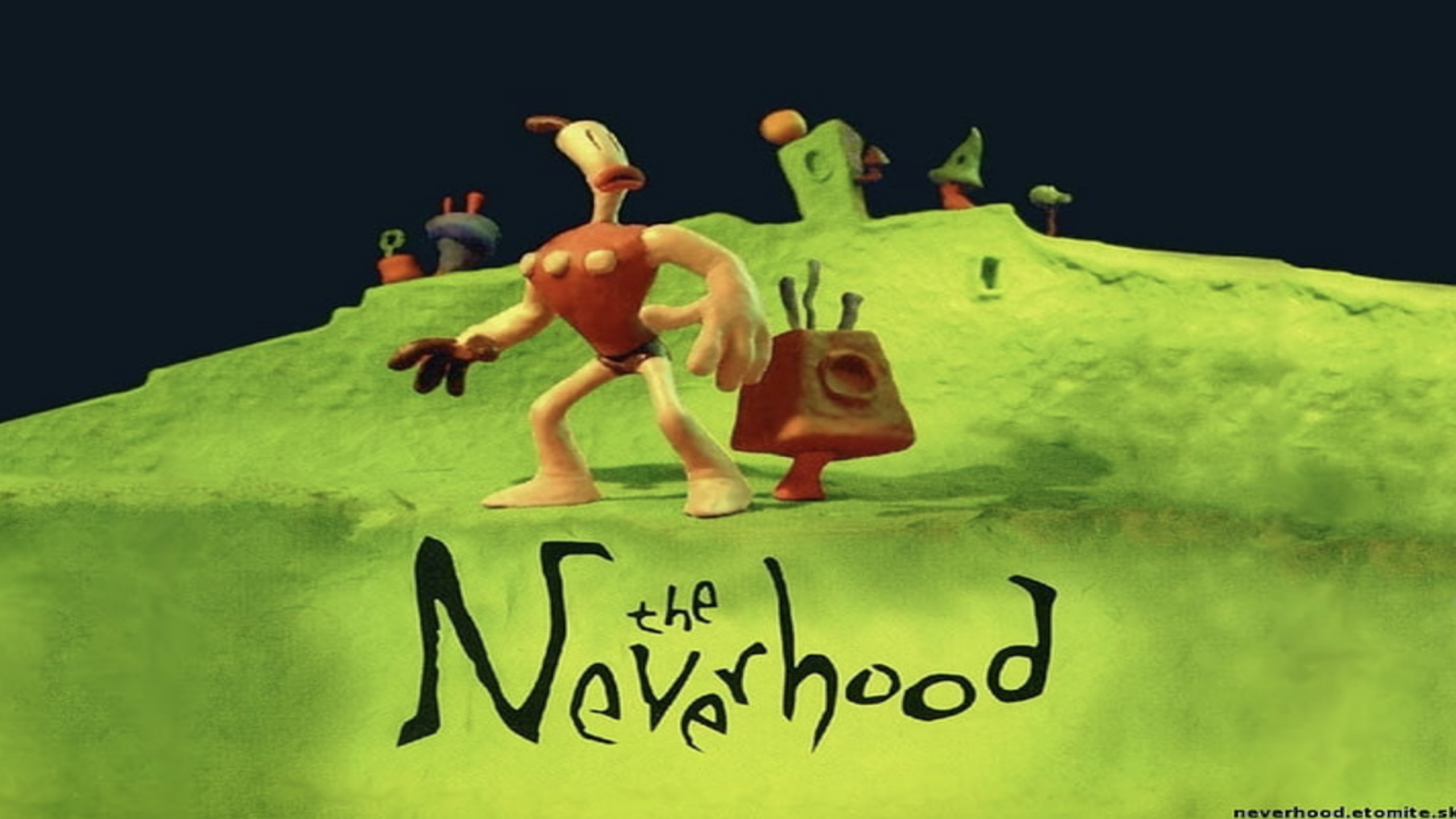
Three tons of actual clay were transformed into a surreal 1996 masterpiece that redefined the point-and-click adventure with its unique stop-motion aesthetic. Every hand-crafted world was paired with a bizarre atmosphere and a legendary soundtrack to create a purely hypnotic PC experience. Nineties adventurers still shudder at the memory of the “Hall of Records,” a literal 38-screen-long hallway of lore that tested the patience of anyone brave enough to walk its entire length.
12. Diablo The Birth of Action RPG
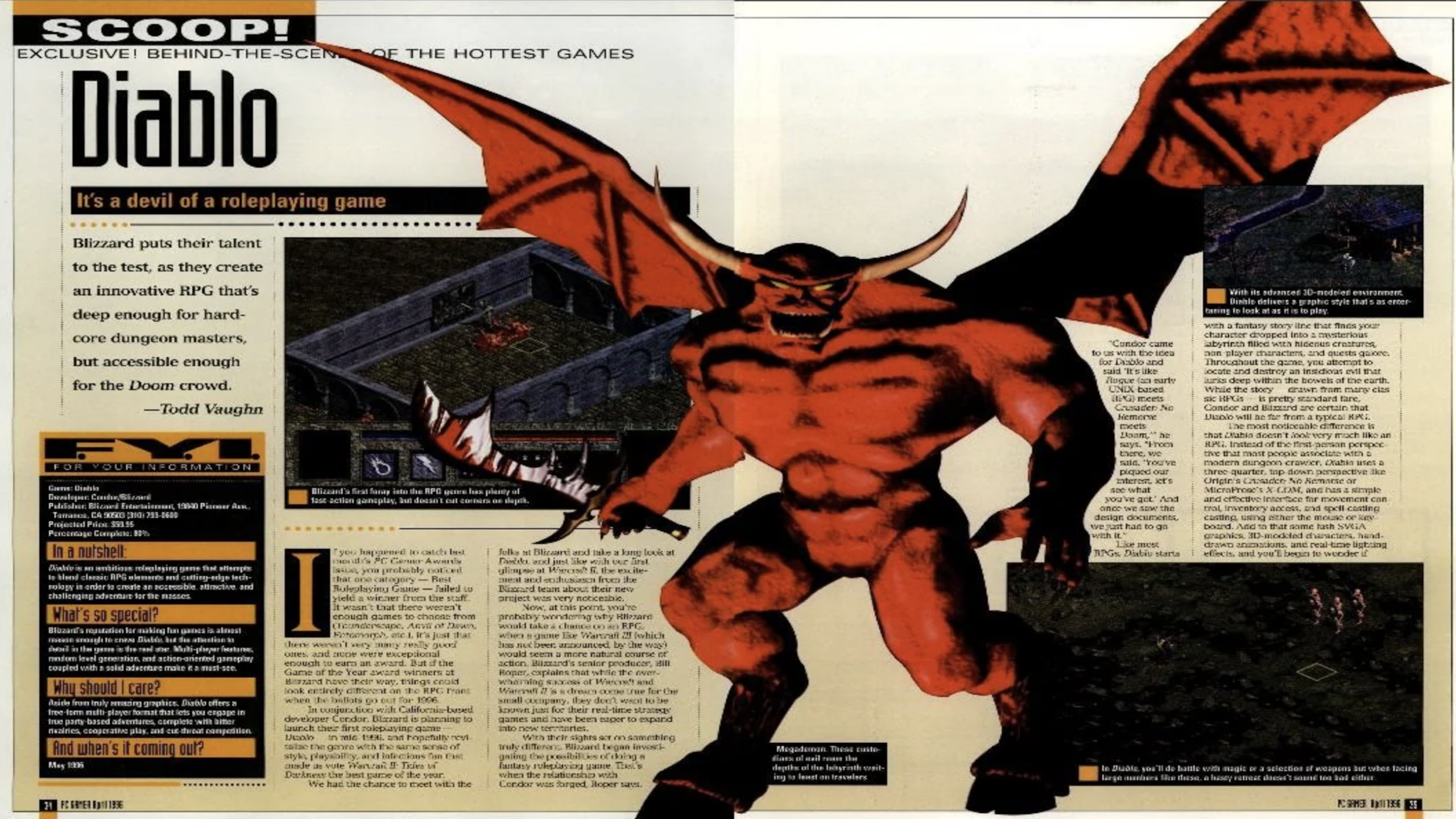
Dark catacombs and clicking frenzy defined the grim atmosphere of this 1996 classic, turning every descent into Tristram’s cathedral into a high-stakes gamble for loot. Such a gothic masterpiece introduced the world to the “click-to-kill” addiction, blending haunting music with a soul-crushing difficulty. Seasoned survivors still hear the butcher’s “Fresh meat!” in their nightmares.
13. TEXT
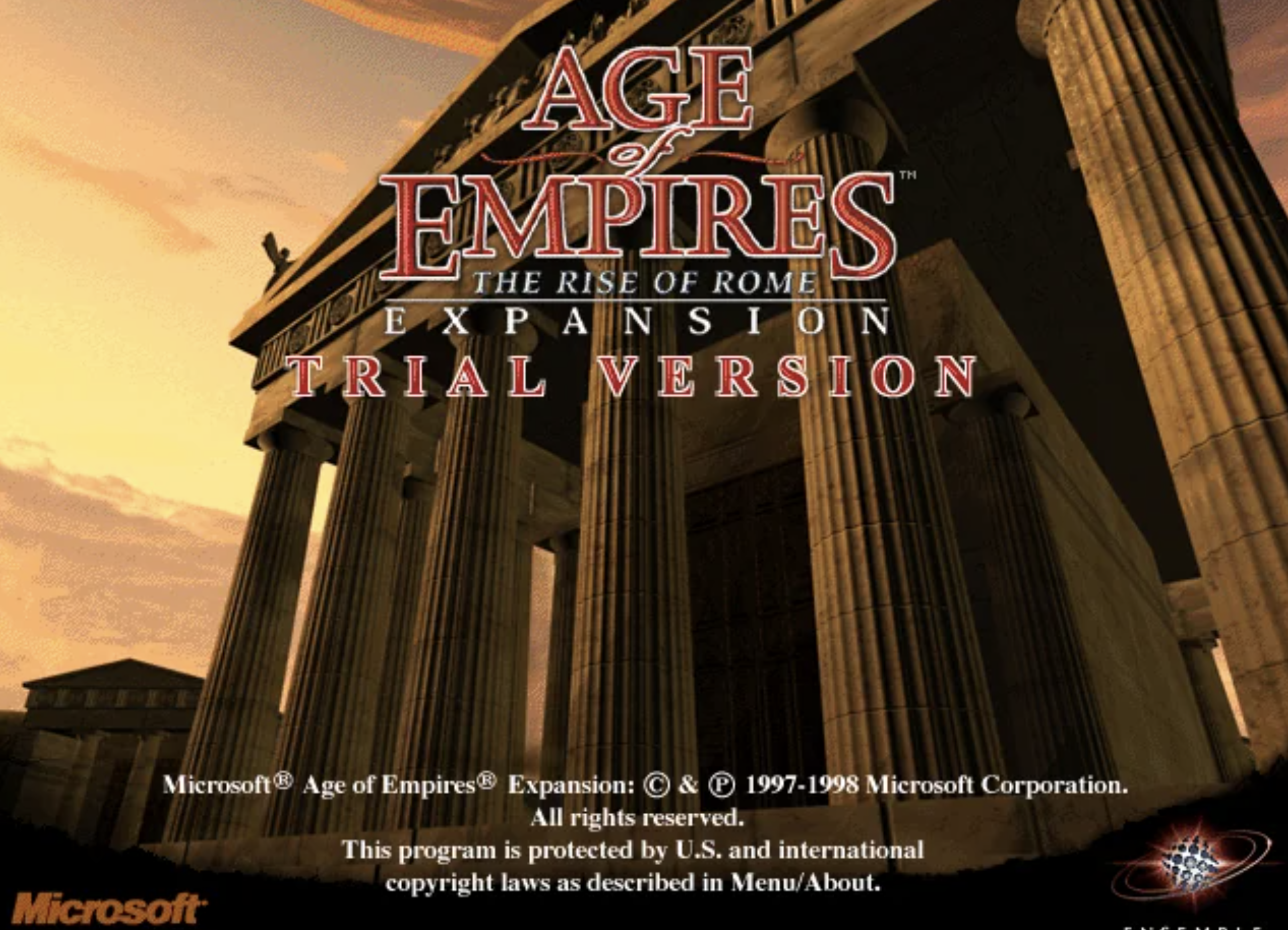
Stone Age foraging and Bronze Age conquests transformed the PC landscape in 1998, offering a window into the ancient world through the precision of real-time strategy. That expansion perfected the formula with faster gameplay and iconic Roman legions that dominated the early competitive scene. Original strategists can’t help but hear the “Wololo” of a Priest in their mind or recall the chaos of spawning a photon man with the pepperoni pizza cheat code when resources ran low.
14. True 3D Revolution
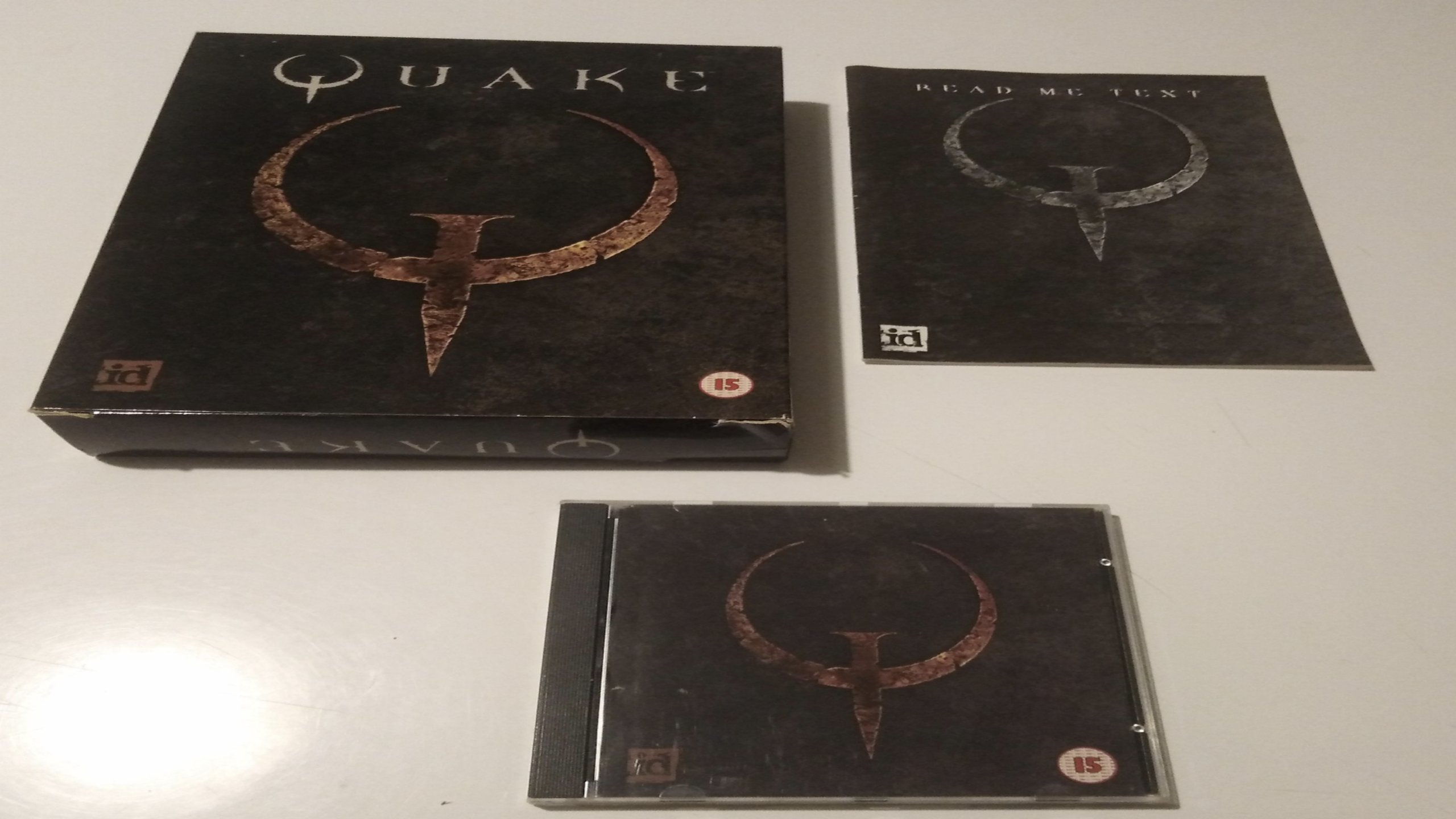
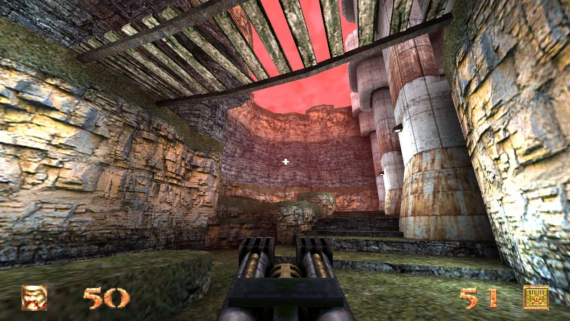
Such a technical marvel from id Software turned movement into an art form, featuring a dark atmosphere composed by Trent Reznor himself. Grim corridors and industrial metal echoes signaled a tectonic shift in 1996, introducing a world of polygons and real-time lighting that rendered flat shooters obsolete. Skilled players from the dial-up era mastered the physics of rocket jumping to reach hidden areas or felt the sheer power of the “Quad Damage” power-up turning every skirmish into a bloodbath.
15. Fallout 2 Post-Nuclear Masterpiece
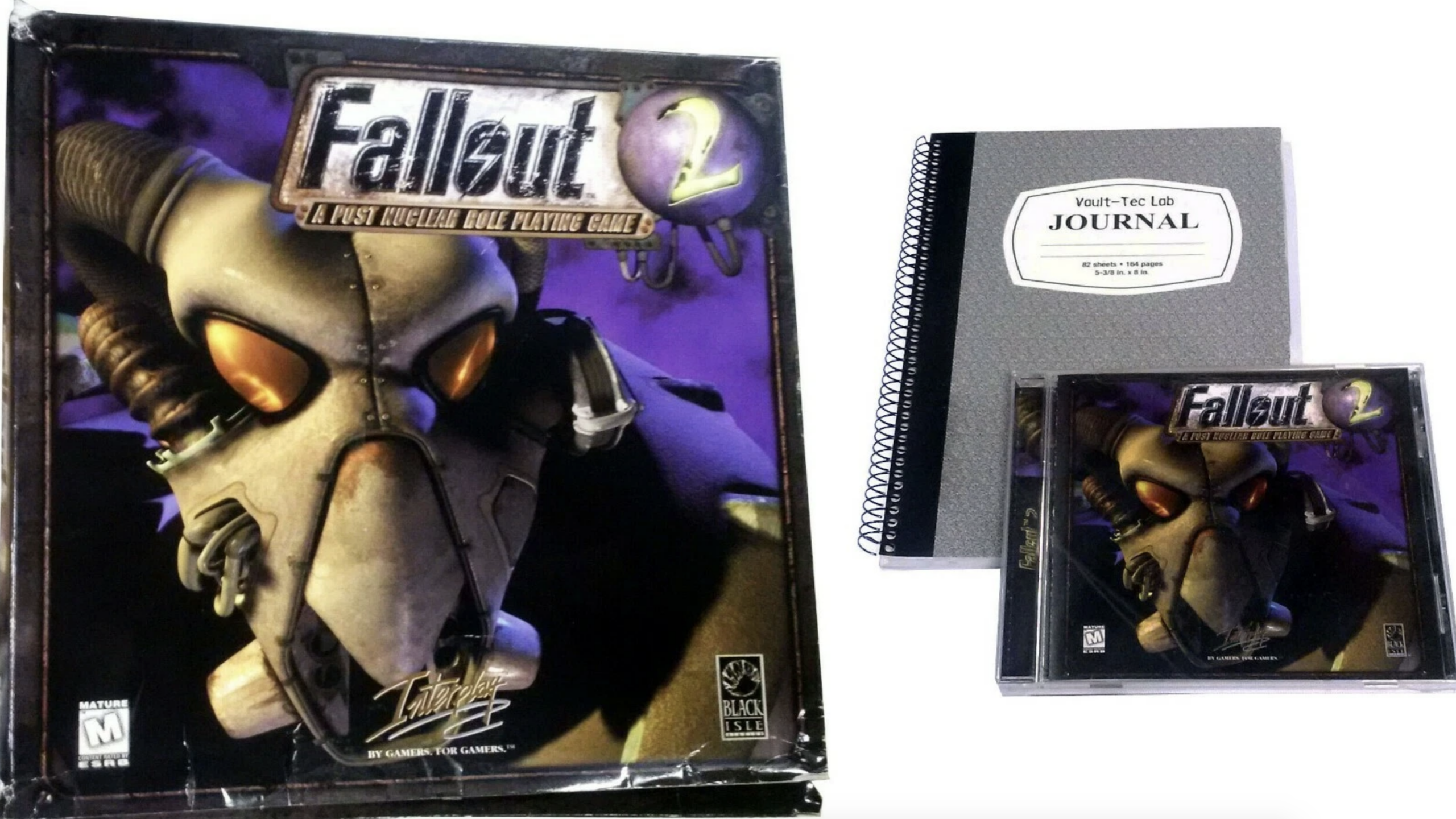
Desolate wastelands and cynical humor defined the peak of isometric RPGs in 1998, offering a brutal journey through a world recovering from total annihilation. Every choice carried weight in this sprawling sequel, where moral ambiguity met a retro-futuristic aesthetic. Early wastelanders often recall the absolute nightmare of losing their car, the Highwayman, to a random bug or the unique satisfaction of finding the rare Holy Hand Grenade in a random encounter.