Spend enough time around developers, analysts, or tournament organizers and you’ll notice something: nobody agrees on exactly where gaming is going, but they’re all watching the same signals. Some of those signals come from technology. Others come from players themselves. And a few come from unexpected corners of the industry, like modding communities or streaming culture.
What’s interesting is how uneven the shifts are. Some trends have been building quietly for years before suddenly becoming obvious. Others appear quickly, dominate headlines, and then settle into the background. Right now, these are some of the developments that people inside the industry keep bringing up.
1. AI Is Quietly Entering Game Development Pipelines
Developers have been experimenting with machine learning for years, but lately the tools are starting to appear in day-to-day production. Ubisoft, for example, has used an internal system called Ghostwriter to help generate small pieces of NPC dialogue, freeing writers from repetitive tasks. The interesting part isn’t that AI writes stories — it doesn’t, at least not in any meaningful way. It’s more about speeding up tedious steps like animation cleanup or environmental prototyping. Curiously, many developers say the technology is most useful during the earliest phases of development, when studios are still figuring out what the game should look like.
2. Creator-Led Studios Are Becoming a Thing
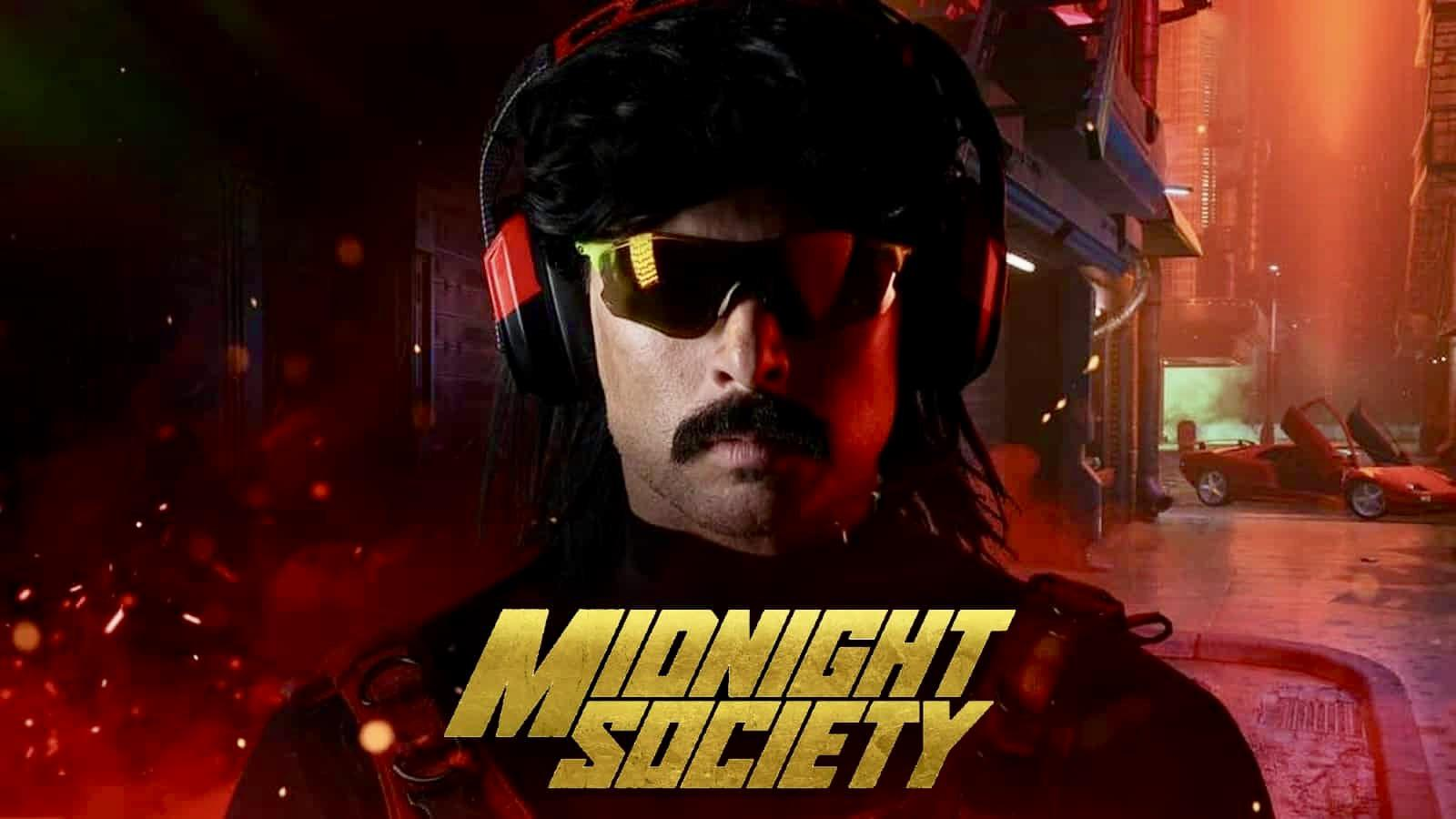
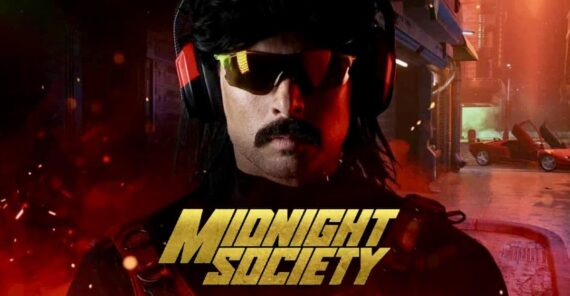
For a long time, gaming influencers mostly sold merchandise. That’s changed. Guy “Dr Disrespect” Beahm helped launch Midnight Society in 2021 alongside former Halo creative director Quinn DelHoyo and Call of Duty veteran Robert Bowling. Their game Deadrop was built in public with early “snapshot” builds available to community members. Another example: former OpTic Gaming pro Matthew “Nadeshot” Haag built 100 Thieves into a company that sells apparel collaborations with brands like Gucci and Adidas. A funny detail: the original 100 Thieves apparel drops sold out in minutes — before the company even had its own headquarters.
3. Cross-Play Has Gone From Bonus Feature to Expectation
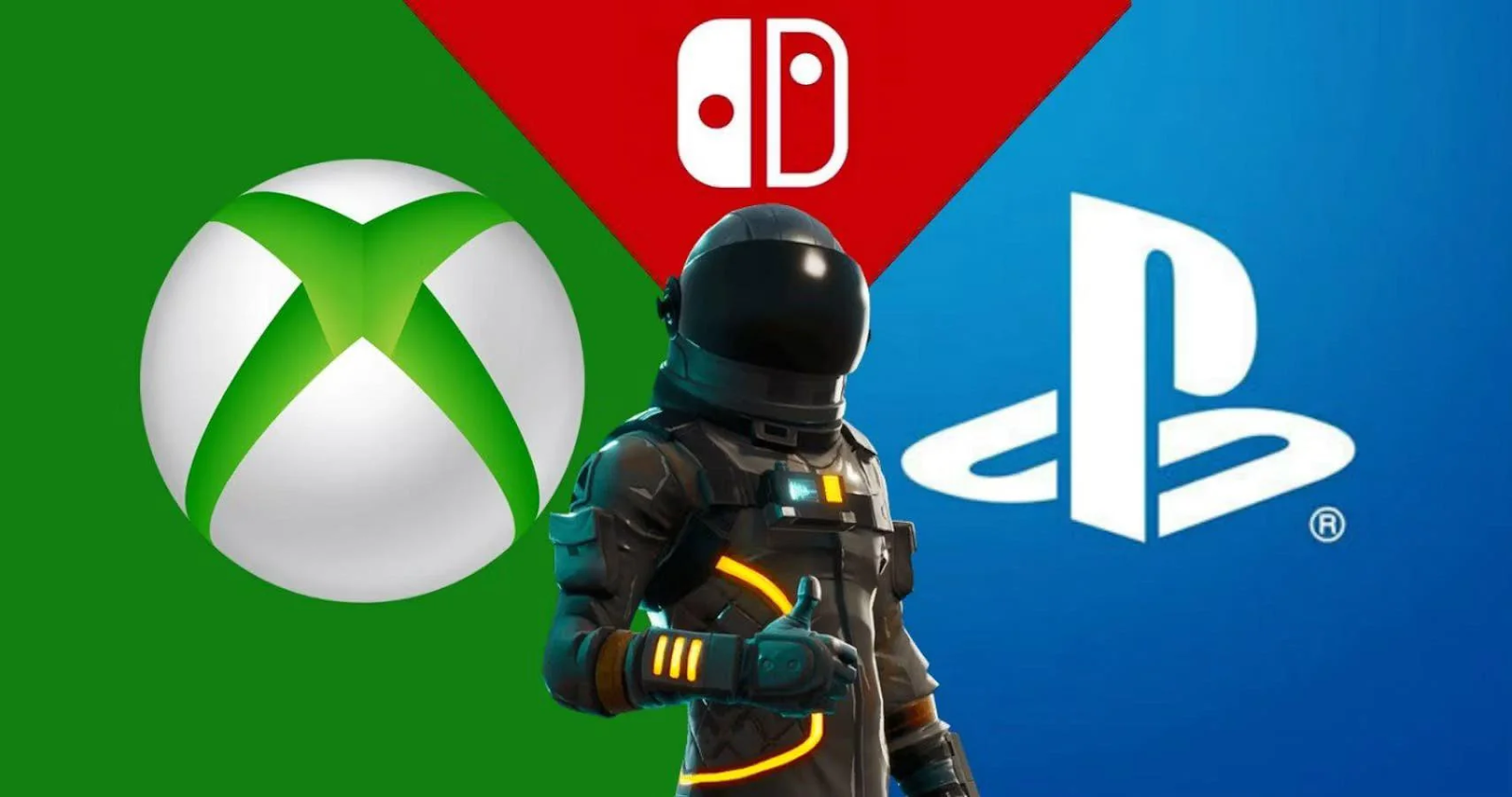
Not that long ago, console players couldn’t easily match with PC players. That barrier has mostly disappeared. Fortnite pushed the shift in 2018 when Epic Games enabled cross-platform matchmaking across consoles, PC, and mobile. Rocket League and Call of Duty soon followed. Now it feels strange when a new multiplayer game doesn’t include cross-play. A small but amusing side effect: console players sometimes blame PC users for every loss, even when matchmaking doesn’t actually mix the two pools.
4. The Franchise League Model Is Being Reconsidered
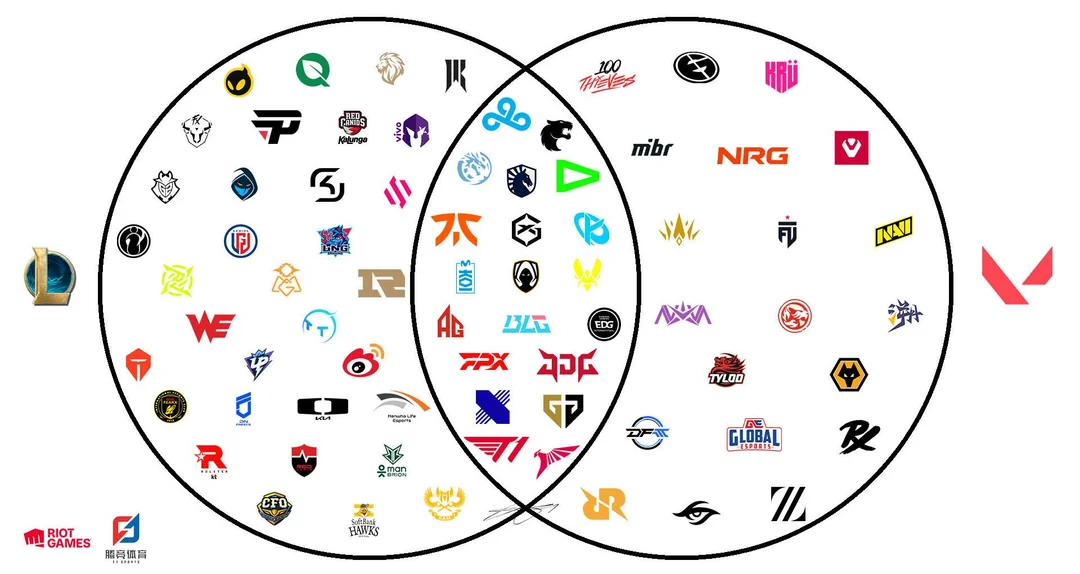
In the late 2010s, several esports leagues tried to mirror traditional sports. The Overwatch League launched in 2018 with permanent team slots reportedly costing around $20 million. The idea was stability. Investors liked the structure. But running those leagues turned out to be expensive, and not every organization could sustain it. Activision Blizzard later reworked parts of the system after teams struggled financially. Many tournaments today rely more on open circuits again, which feels closer to how early esports worked.
5. PC Gaming Is Expanding Worldwide
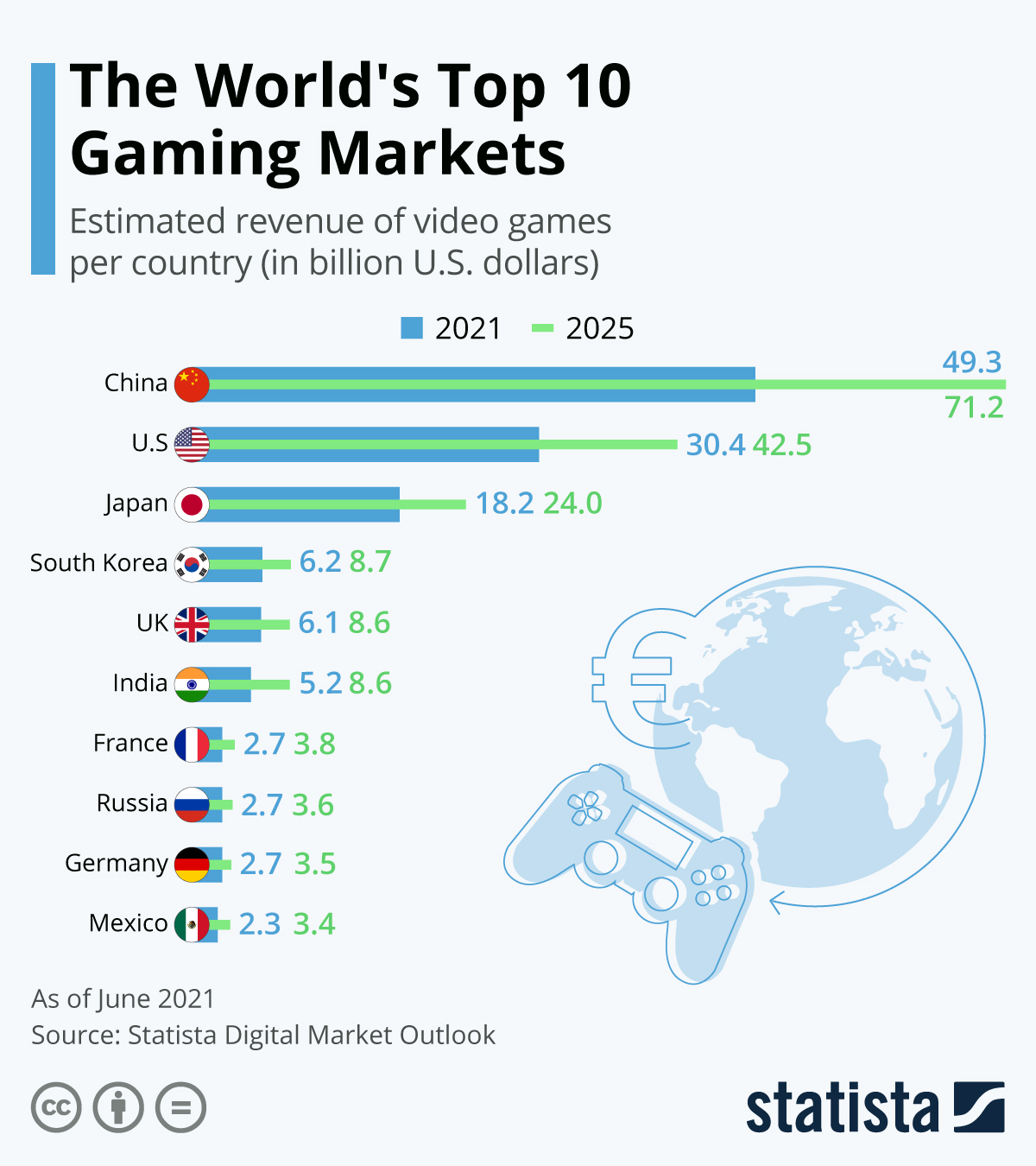
Consoles dominate marketing cycles, but the PC player base keeps growing quietly. According to industry research firm Newzoo, PC gaming remains one of the largest segments of the global games market. In regions like Southeast Asia, gaming cafés still play a huge role in introducing players to titles like Counter-Strike and Dota. One quirky fact: South Korea’s “PC bangs” sometimes offer in-game bonuses if you log in from inside the café. That incentive system helped keep certain games incredibly popular for years.
Trending on realmoneygamer.com
6. Subscription Services Are Changing How Players Discover Games
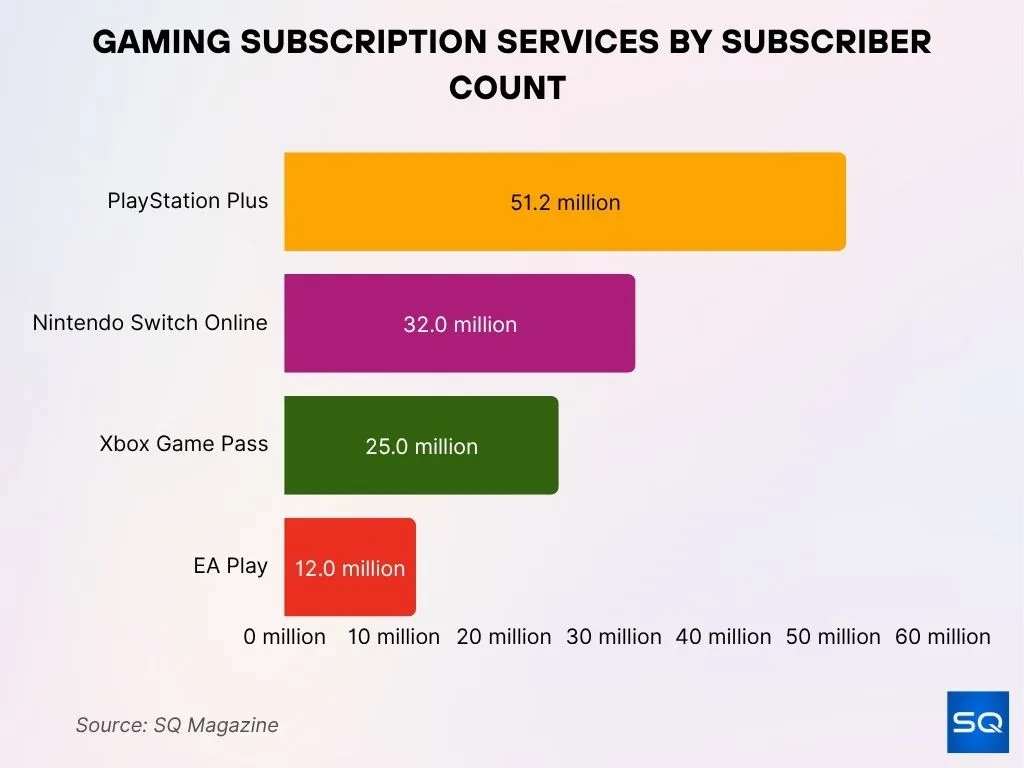
Xbox Game Pass is probably the clearest example of this shift. Instead of paying $60 or $70 for every new release, players can access a rotating catalog of games for a monthly fee. By early 2024, Microsoft said the service had surpassed 30 million subscribers. Developers sometimes report huge spikes in player numbers after joining the platform. In one interesting case, the indie game Vampire Survivors saw its popularity surge after appearing on Game Pass — even though it had already been successful on PC.
7. Mobile Esports Is Enormous Outside the West
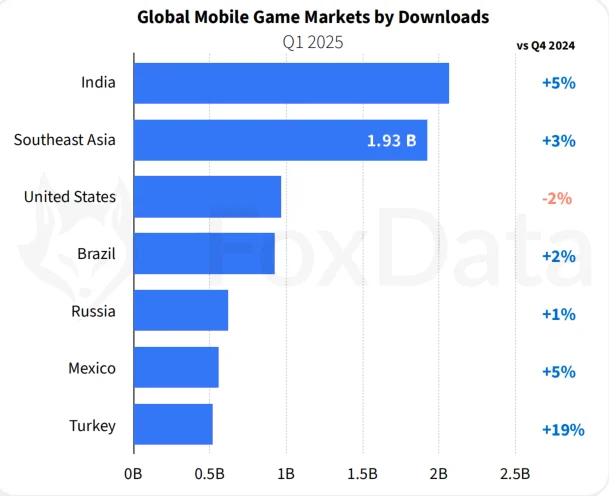
Ask someone in Europe about esports and they’ll likely mention Counter-Strike or League of Legends. In Southeast Asia, the conversation might start with Mobile Legends: Bang Bang. The game’s M-series world championships regularly draw millions of viewers online. PUBG Mobile tournaments also bring massive audiences across Asia and the Middle East. One unusual detail: some Mobile Legends pro players began their careers playing in internet cafés on phones provided by the venue. The barrier to entry was simply lower.
8. Old Competitive Games Refuse to Disappear
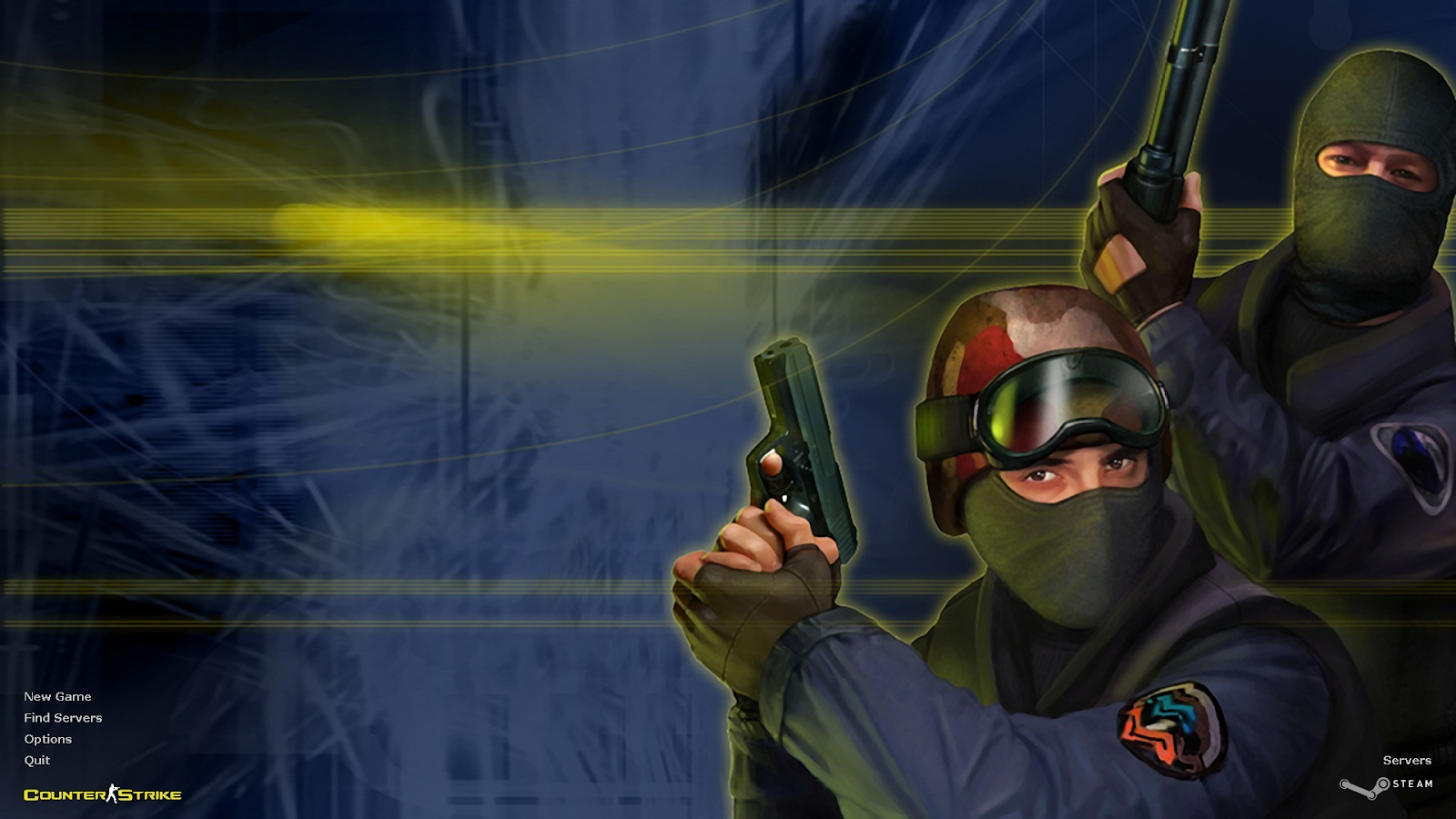
Counter-Strike is a strange example of longevity. The original mod appeared in 1999, yet the competitive scene remains active today through Counter-Strike 2. StarCraft: Brood War tells a similar story in South Korea, where televised matches were once so popular that pro players became national celebrities. One famous anecdote: during the early 2000s, some Korean StarCraft pros had fan clubs with thousands of members. Competitive gaming had its first stars long before Twitch existed.
9. User-Generated Game Platforms Are Exploding
Roblox has turned game development into something resembling a creator economy. Players can build their own games and monetize them inside the platform. Fortnite followed a similar path with Unreal Editor for Fortnite, released in 2023. It allows creators to design custom game modes using professional tools. Some Roblox developers have reportedly earned millions from their creations. What started as a kids’ platform is now producing full-time game designers.
10. Streaming Platforms Are Still Competing for Talent
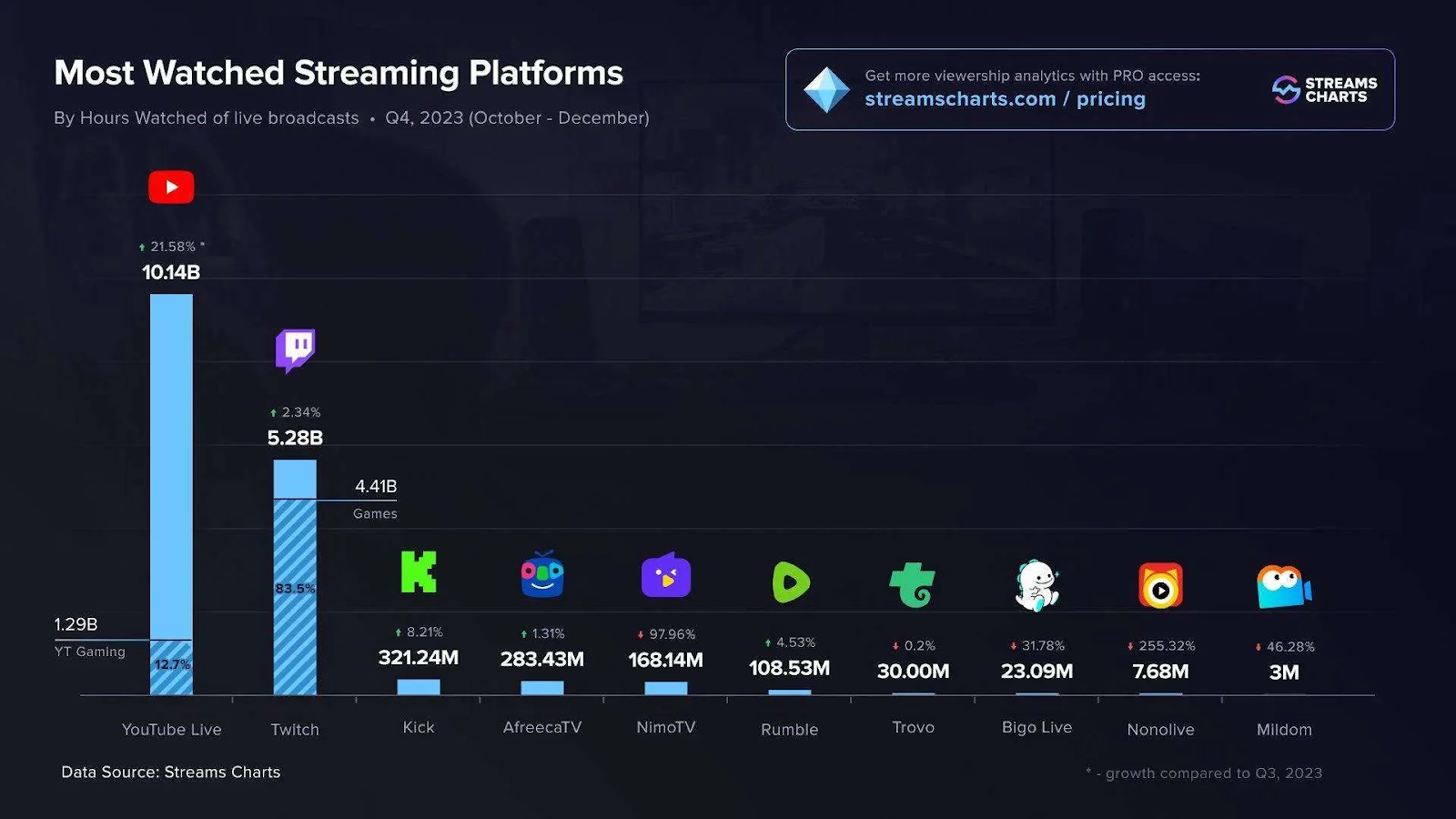
Twitch still dominates live gaming streams, but the rivalry with YouTube Gaming hasn’t disappeared. In 2019, Ninja famously signed an exclusive deal with Microsoft’s Mixer platform. When Mixer shut down in 2020, he returned to Twitch. The episode showed something important: viewers often follow creators more than platforms. It also proved that signing big personalities doesn’t guarantee long-term success.
11. Nostalgia Is Driving Remakes and Revivals
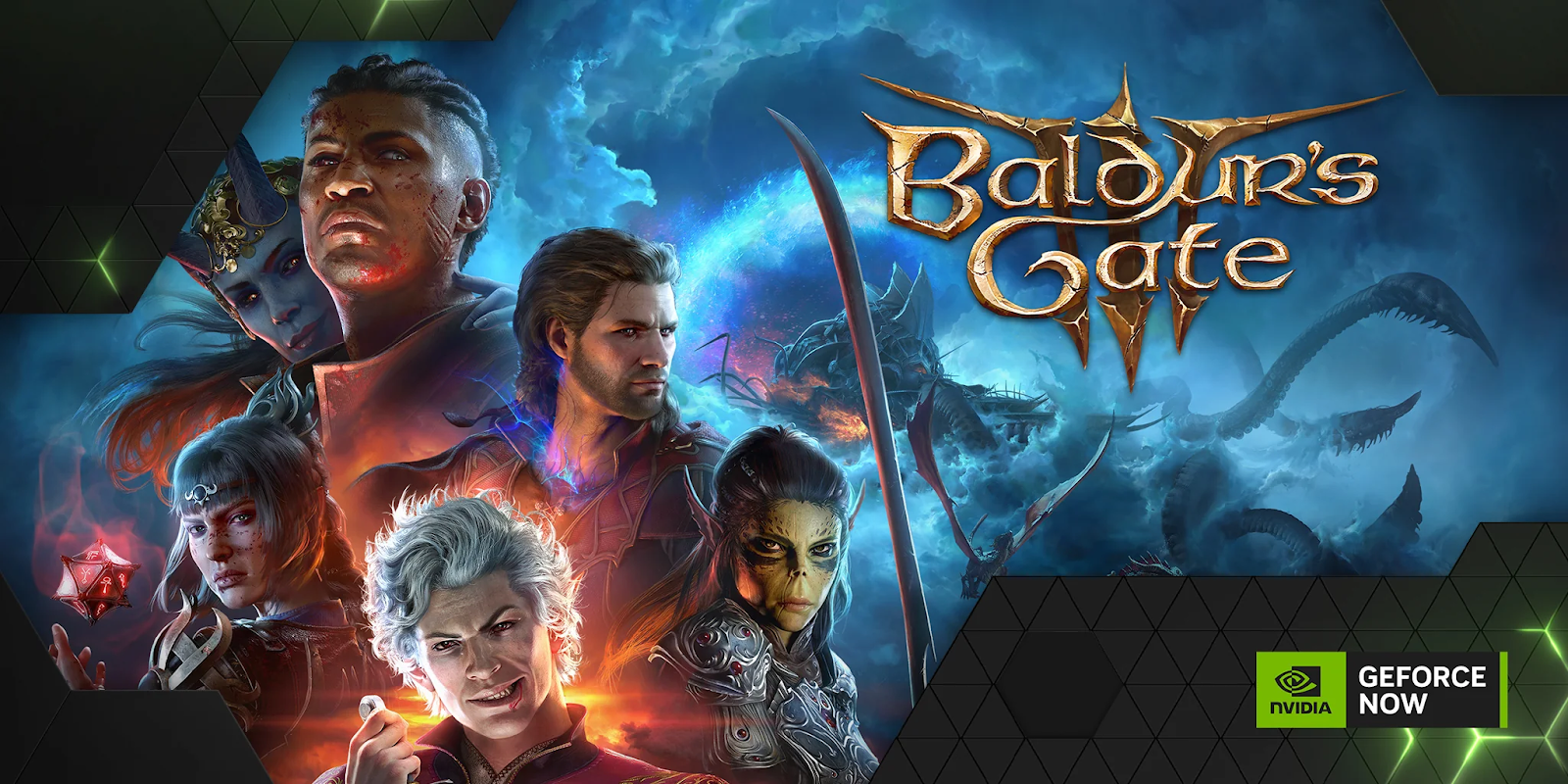
Game publishers keep revisiting older franchises, and audiences keep showing up. Capcom’s Resident Evil 4 remake in 2023 sold millions of copies within weeks. Meanwhile Baldur’s Gate 3 revived a series that hadn’t seen a main entry since 2000. A curious detail: the original Baldur’s Gate games ran on a heavily modified version of the Infinity Engine built in the late 1990s. Two decades later, players are still exploring the same fantasy world.
12. Cloud Gaming Is Moving Slower Than Predicted
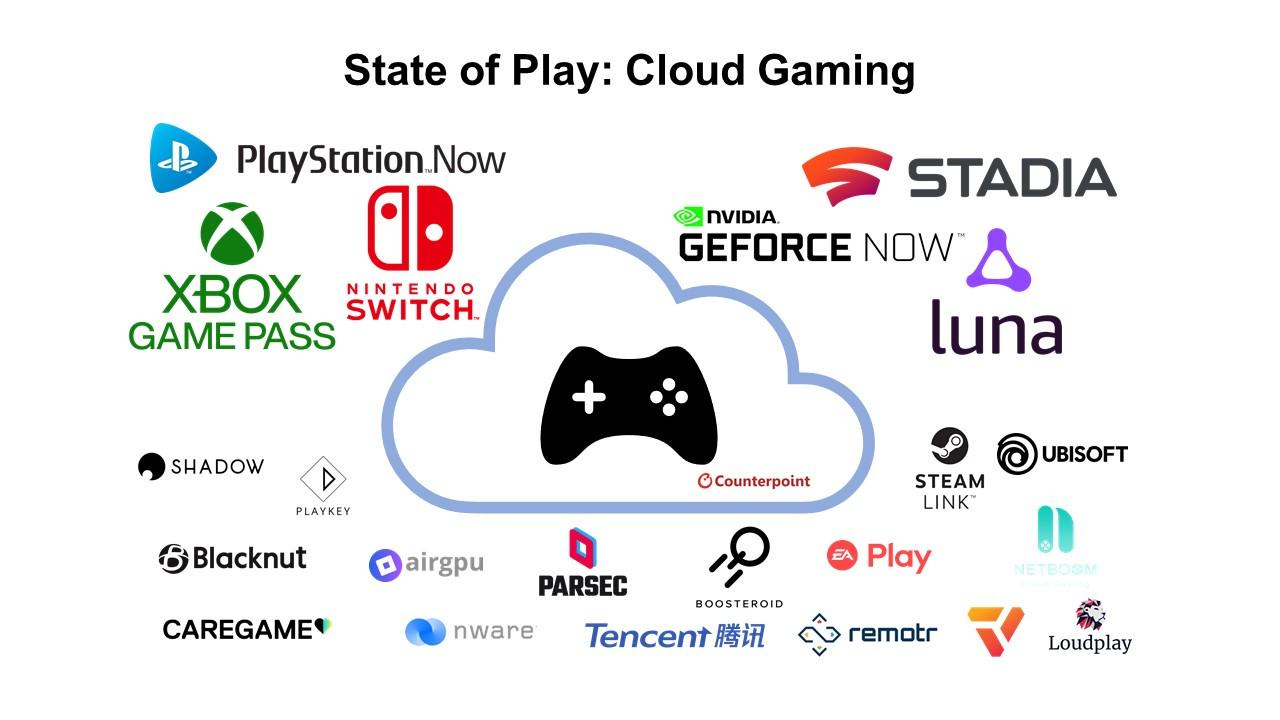
A few years ago, many analysts expected cloud gaming to replace consoles entirely. Google’s Stadia platform launched in 2019 but shut down in 2023 after failing to build a large user base. Other services like NVIDIA GeForce Now and Xbox Cloud Gaming remain active, though adoption is gradual. One practical problem is simple physics. Streaming games with low latency requires extremely stable internet connections — something many regions still lack.
13. Player Communities Have More Influence Than Ever
Gaming communities have always shaped games, but today the feedback cycle is much faster. Developers watch Discord servers, Reddit threads, and Twitch chats to gauge reactions. Balance patches in games like Helldivers 2 or League of Legends sometimes arrive quickly after player complaints. One amusing side effect: developers occasionally reference memes from their own communities in patch notes. Which means the players complaining online are sometimes shaping the game more than they realize.
Gaming trends rarely unfold in neat, predictable ways. Some ideas stall out. Others quietly become standard features before anyone notices the transition. Right now the industry seems to be shifting in several directions at once — technology, community influence, and entirely new business models all pulling at the same time. And that usually means the next few years will look a little different than anyone expects.