Games drive a multi billion dollar industry where success and failure can be measured in massive financial swings. Some titles generate record breaking revenue within days, while others struggle to recover development costs. Budgets have grown to rival Hollywood productions, increasing both risk and reward. Behind every major release, there are stories of unexpected profits or dramatic losses. Understanding these cases reveals how volatile the industry can be. These are the games that made and lost millions behind the scenes.
1. A Billion Dollar Mobile Hit – Clash of Clans
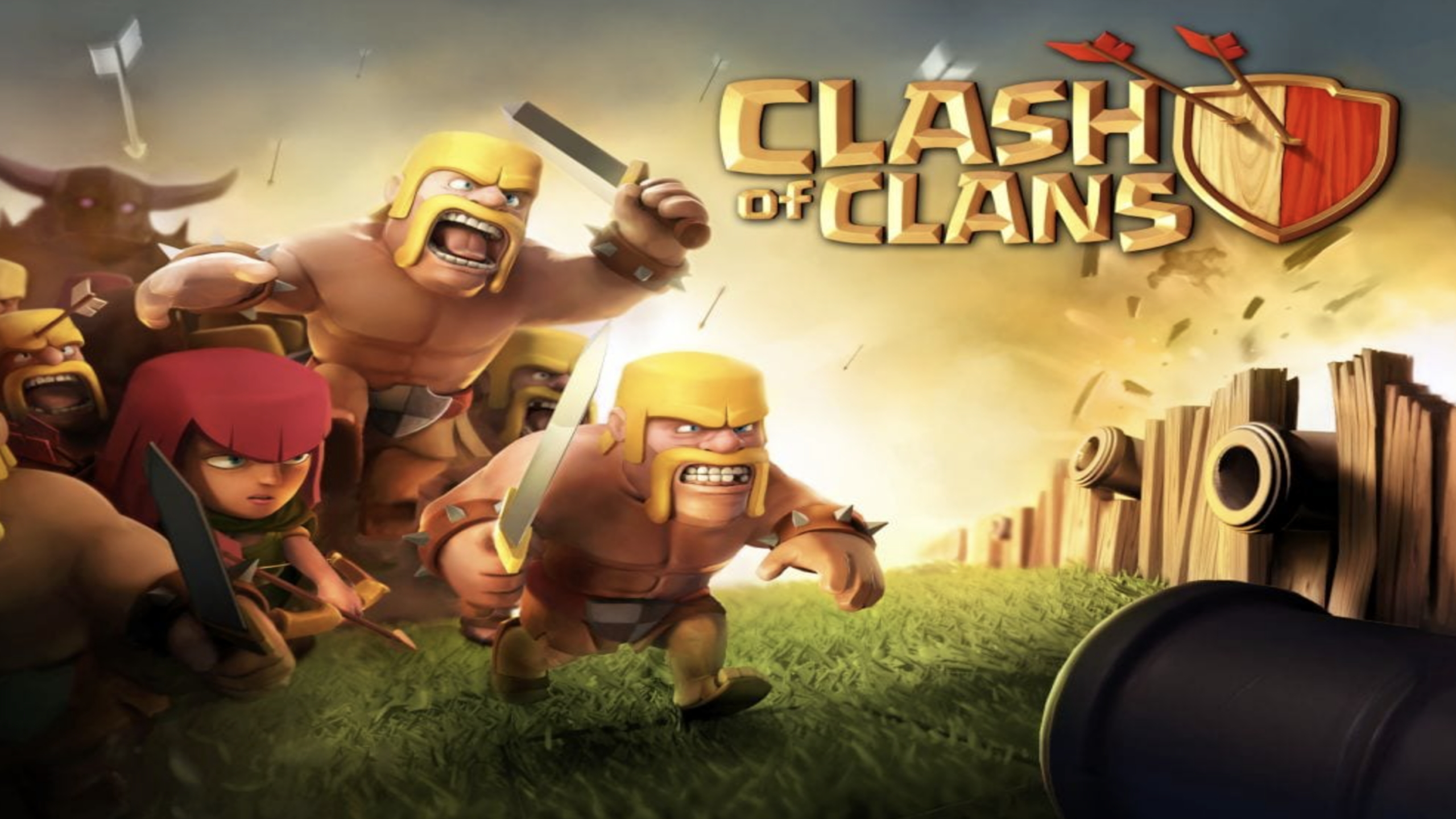
The game generated over 10 billion dollars in lifetime revenue. Its monetization relies on microtransactions and long term player retention. Mobile gaming proved to be one of the most profitable sectors. Developed by Supercell and released in 2012, it consistently ranked among the top grossing apps on both iOS and Android. At its peak, it was earning several million dollars per day through in game purchases
2. Record Breaking Success – Grand Theft Auto V
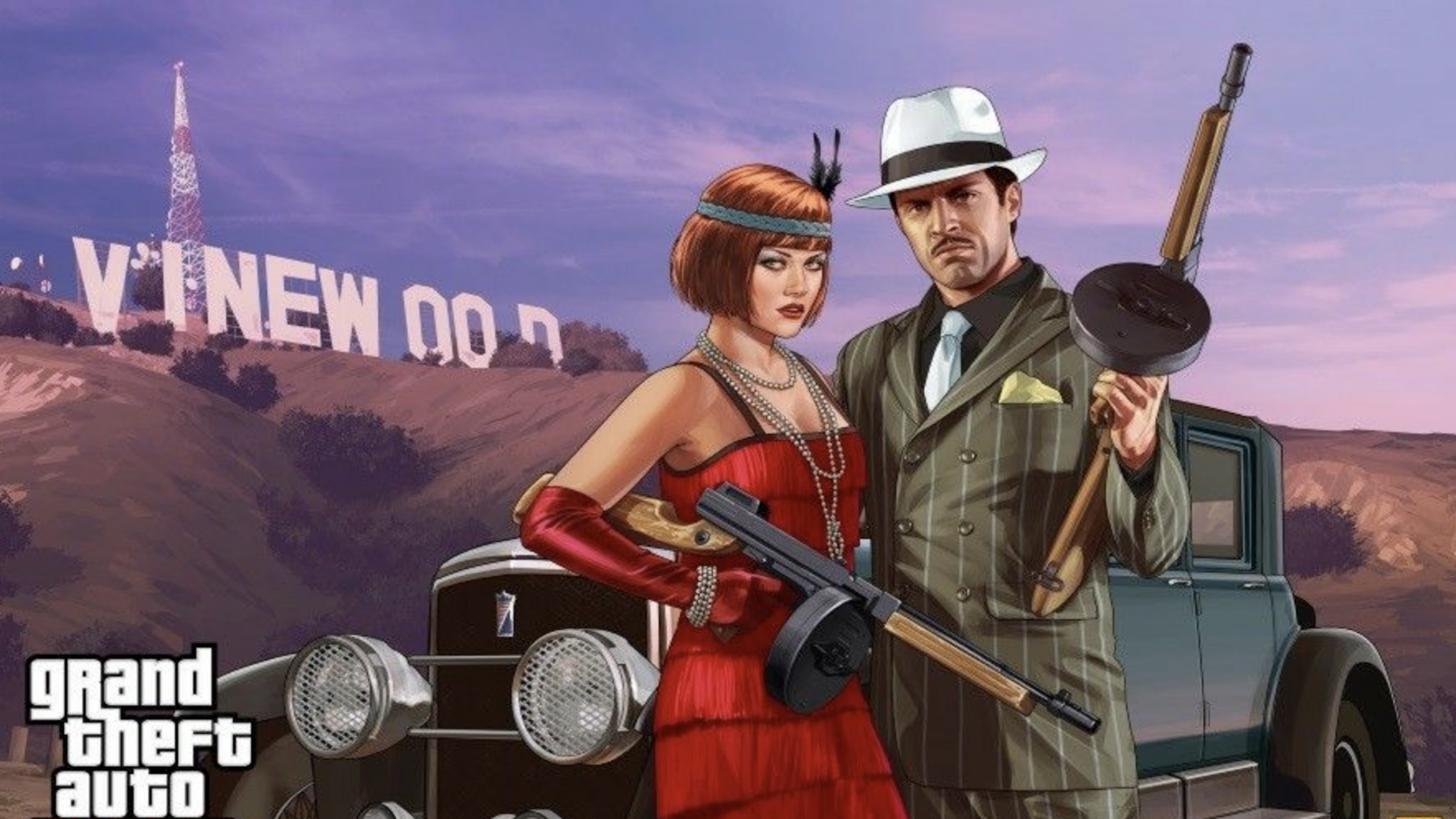
Released in 2013, the game generated over 1 billion dollars in just three days. With lifetime revenue surpassing 8 billion, it remains one of the most profitable entertainment products ever created. Continuous updates through GTA Online extended its financial success for over a decade. Development and marketing costs were estimated at around 265 million dollars, making it one of the most expensive games at the time. It has sold more than 190 million copies worldwide, consistently ranking among the top selling games each year.
3. Expensive Launch Disaster – Cyberpunk 2077
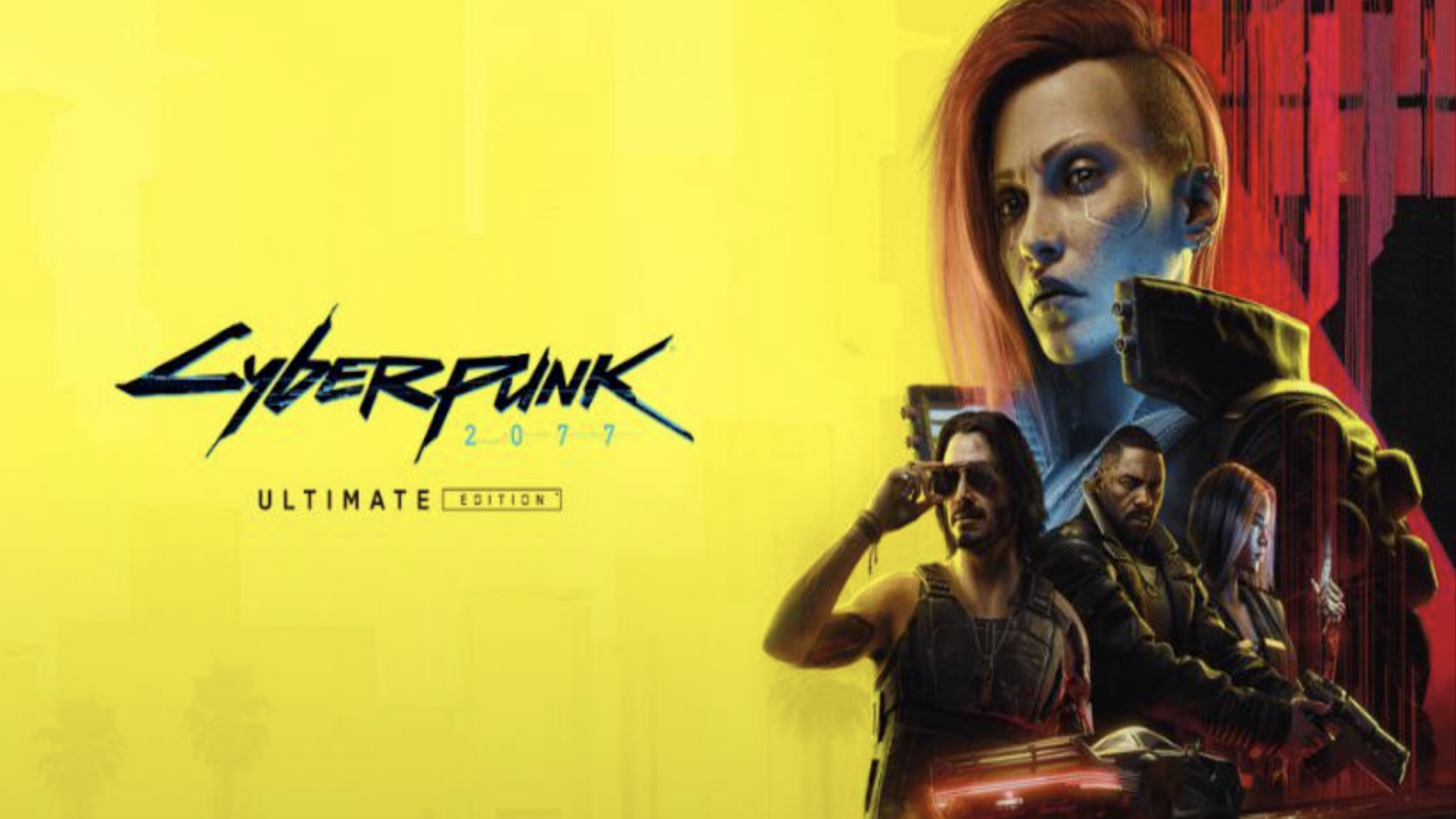
The game sold over 13 million copies at launch despite technical issues. CD Projekt lost millions in refunds and saw its stock drop nearly 30 percent. Long term updates helped recover its reputation and stabilize revenue.
4. A Costly Failure – Marvel’s Avengers
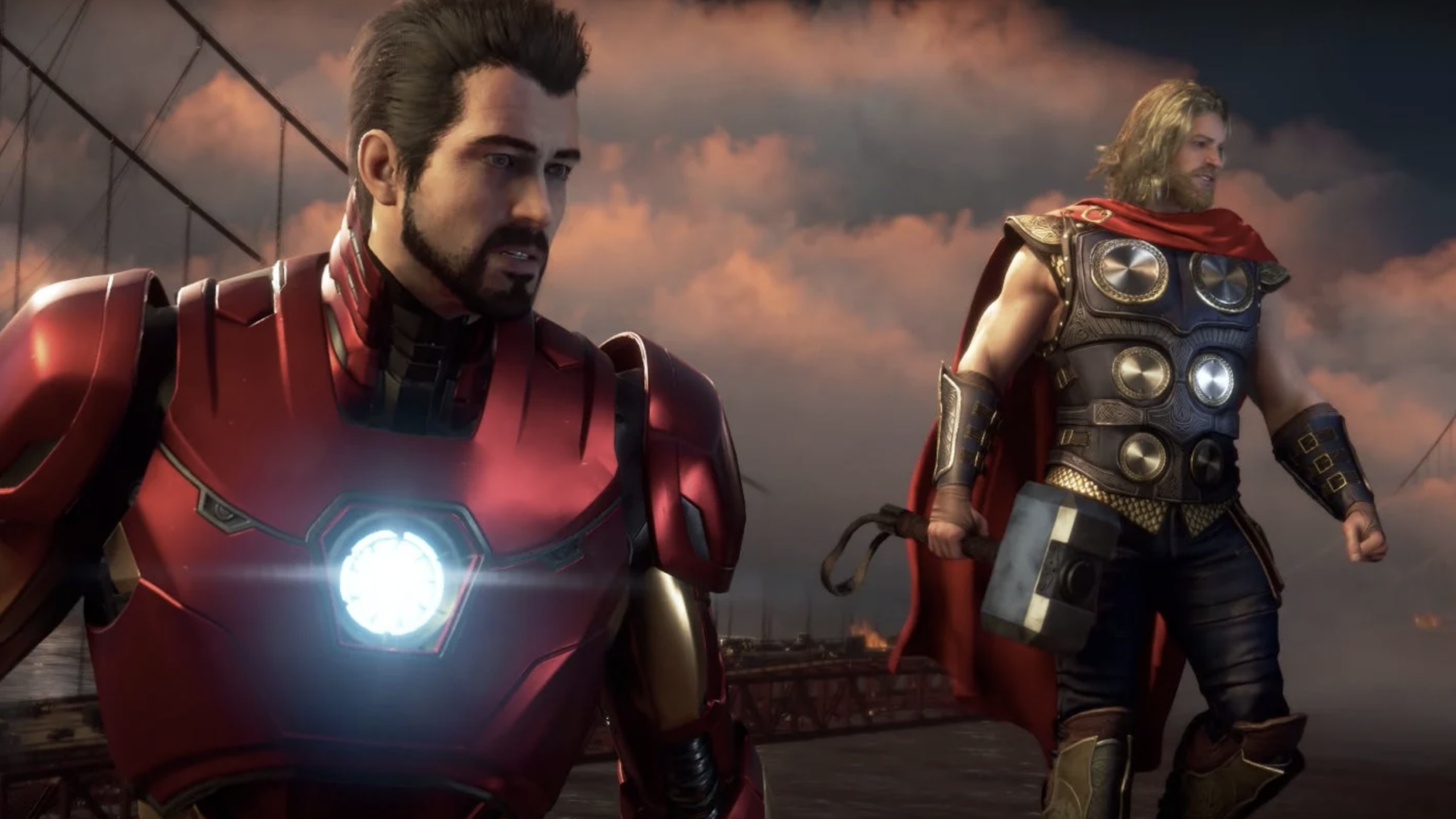
Developed with a budget estimated above 100 million dollars, the game failed to meet expectations. Square Enix reported losses of over 60 million dollars linked to the project. Weak player retention hurt long term monetization.
5. Free to Play Giant – Fortnite
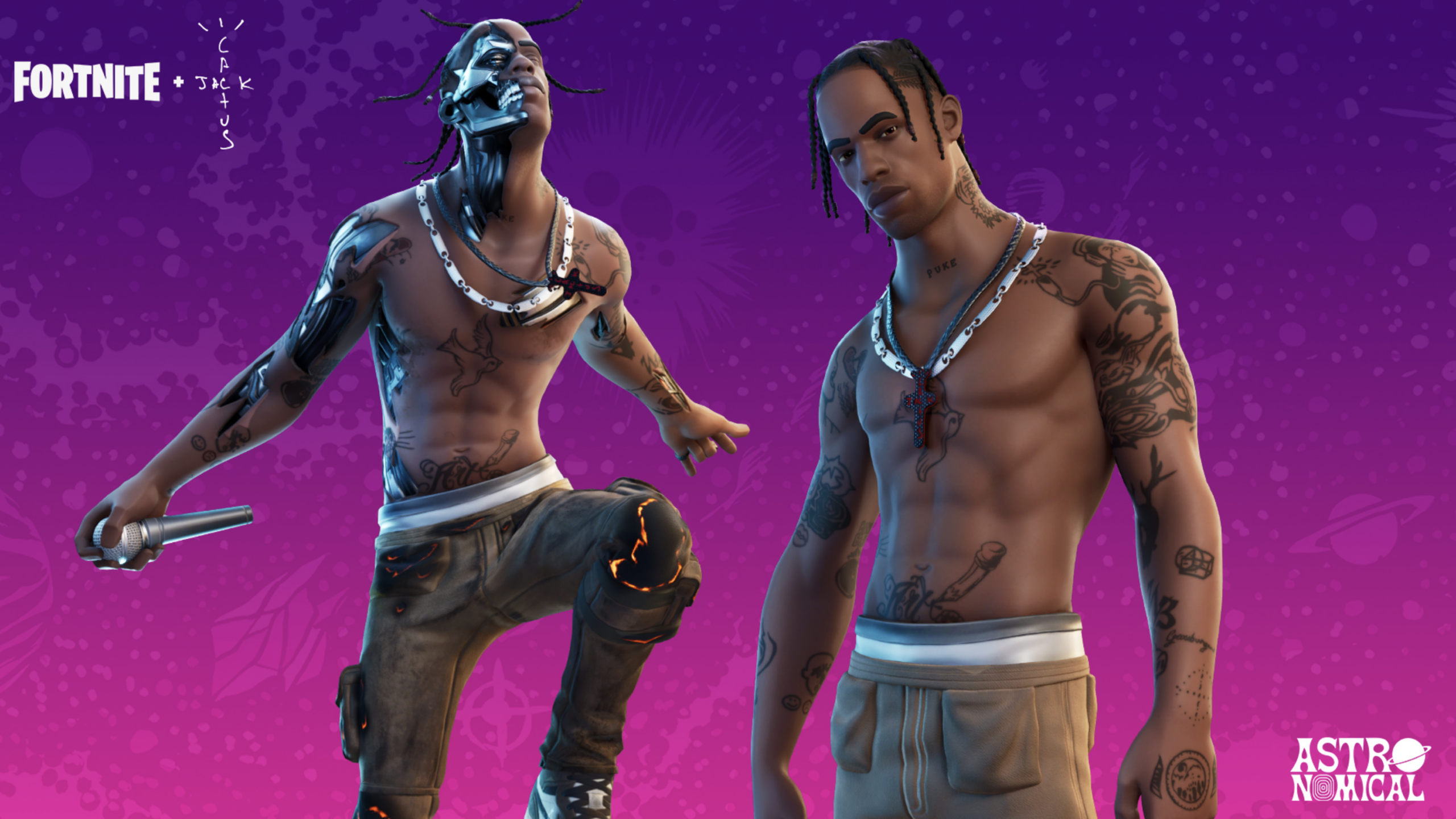
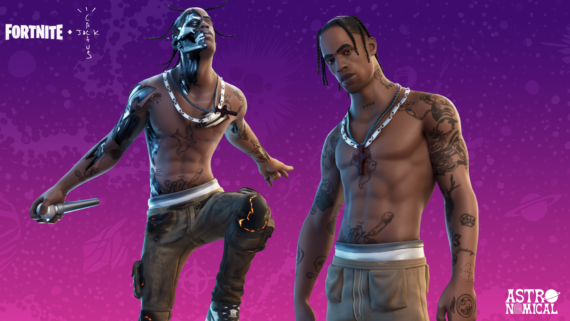
Within its first two years, Fortnite generated more than 9 billion dollars. Its free to play model combined with cosmetic purchases proved extremely profitable. Live events and collaborations kept engagement consistently high.
Trending on realmoneygamer.com


6. From Failure to Redemption – No Man’s Sky
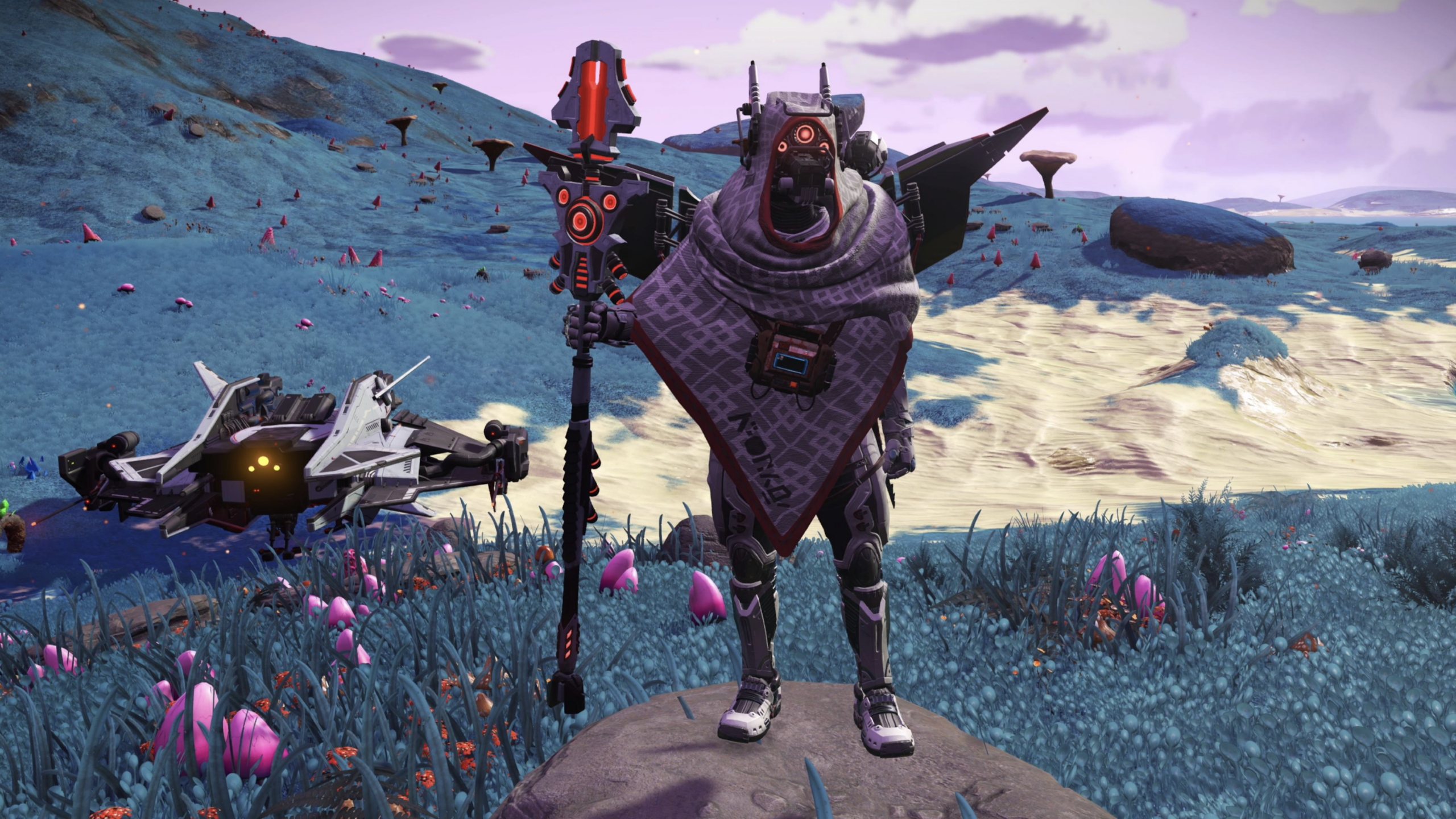
At launch in 2016, the game faced backlash due to missing features. Over time, free updates transformed it into a success story with millions of active players. Sales surged again years after release thanks to consistent improvements.
7. Massive Production Costs – Red Dead Redemption 2
The game reportedly cost between 370 and 540 million dollars to develop and market. It earned over 725 million dollars in its opening weekend. Its detailed world set new standards for AAA production.
8. One of the Biggest Failures – Anthem
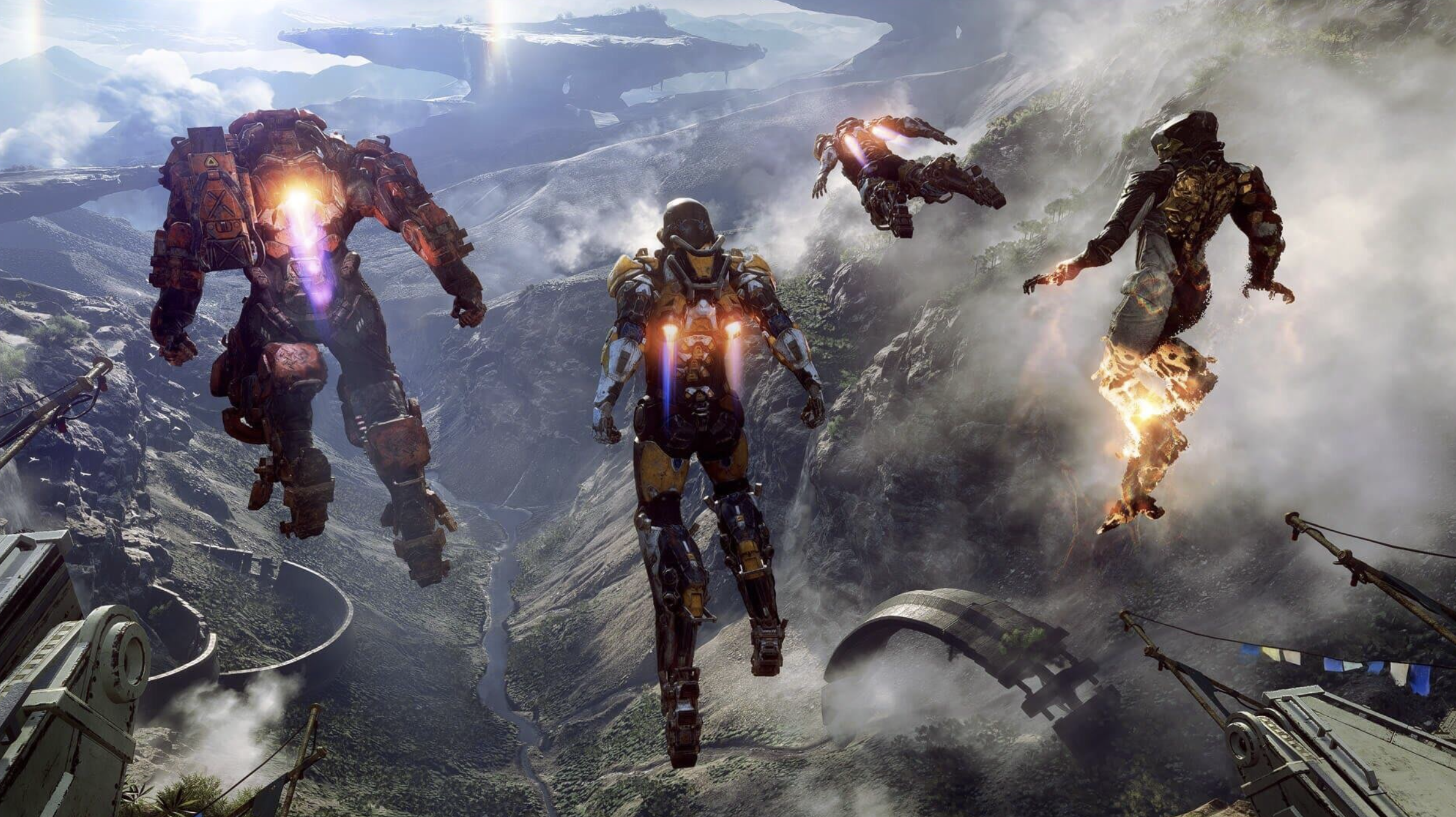
Despite a budget exceeding 100 million dollars, the game failed to maintain player interest. Electronic Arts canceled major updates after poor reception. The project is often cited as a major live service failure.
9. The Subscription Game Changer – Halo Infinite
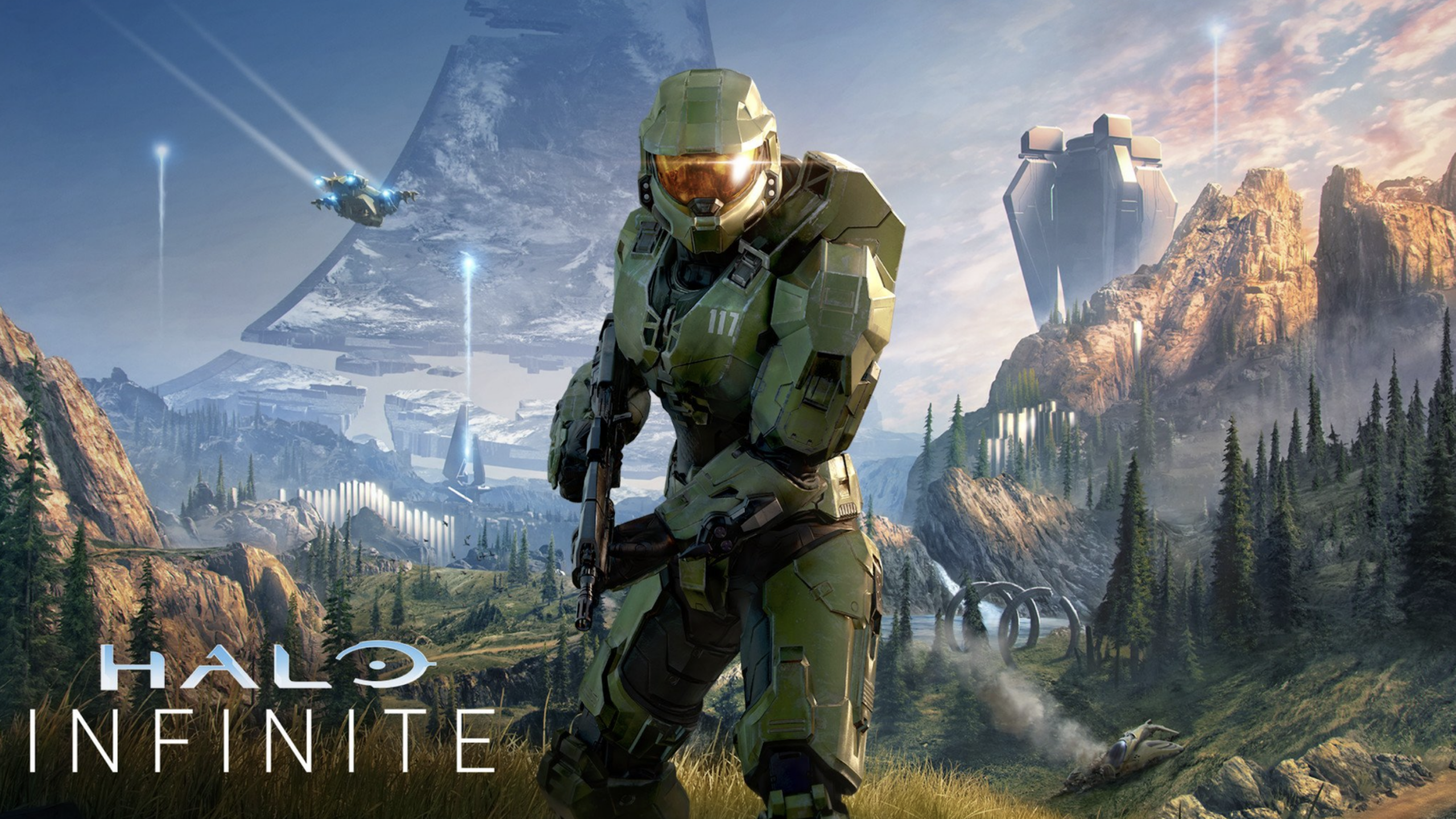
Released with a free multiplayer model, it relied heavily on monetization systems. The game boosted engagement within Xbox Game Pass services. This strategy reflects a shift from direct sales to ecosystem revenue.
10. The Comeback Story – Final Fantasy XIV
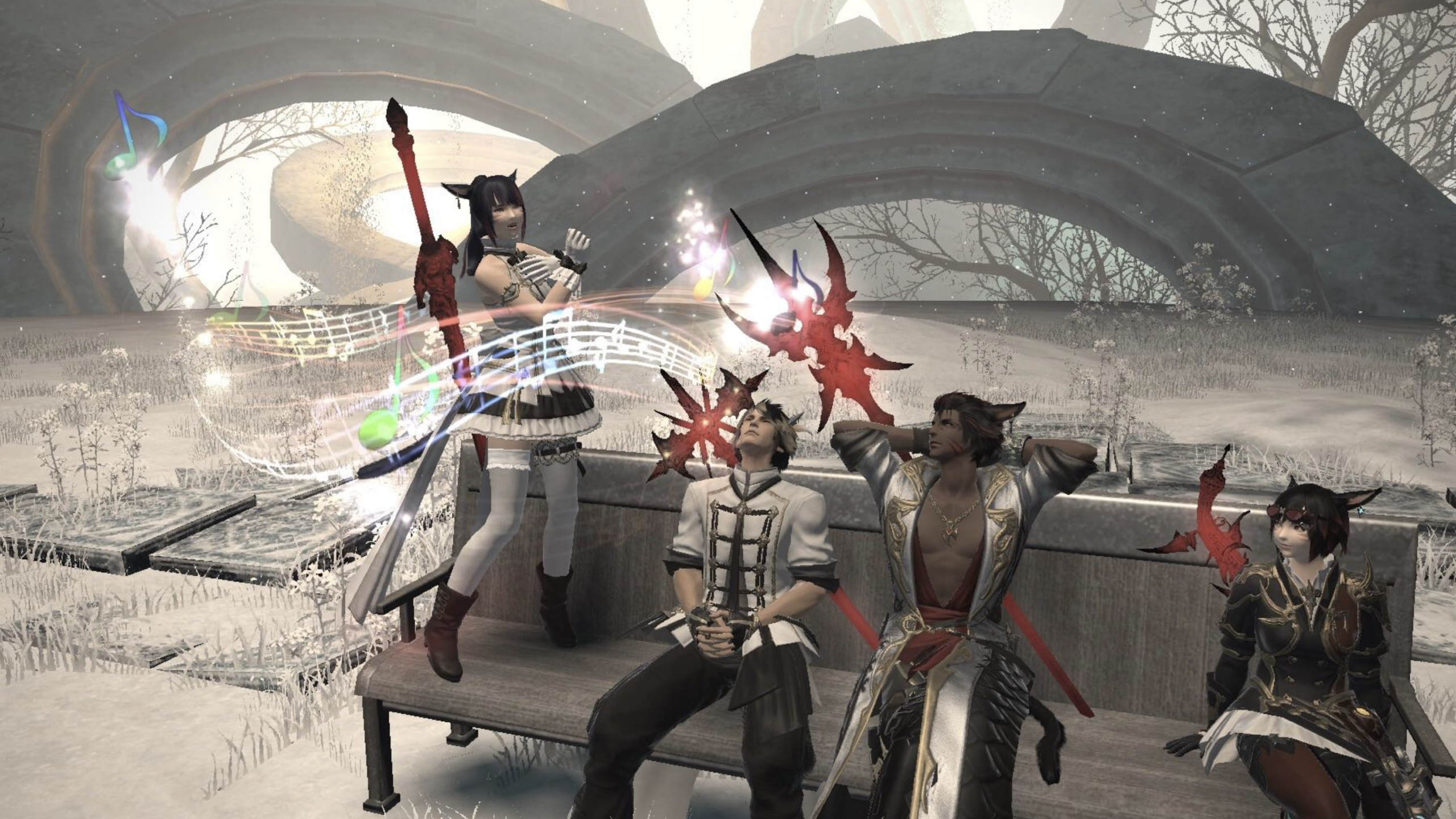
After a failed initial release in 2010, the game was rebuilt and relaunched in 2013. It became one of the most successful MMORPGs with millions of subscribers. This recovery saved the franchise financially.
11. Microtransactions Powerhouse – FIFA Ultimate Team
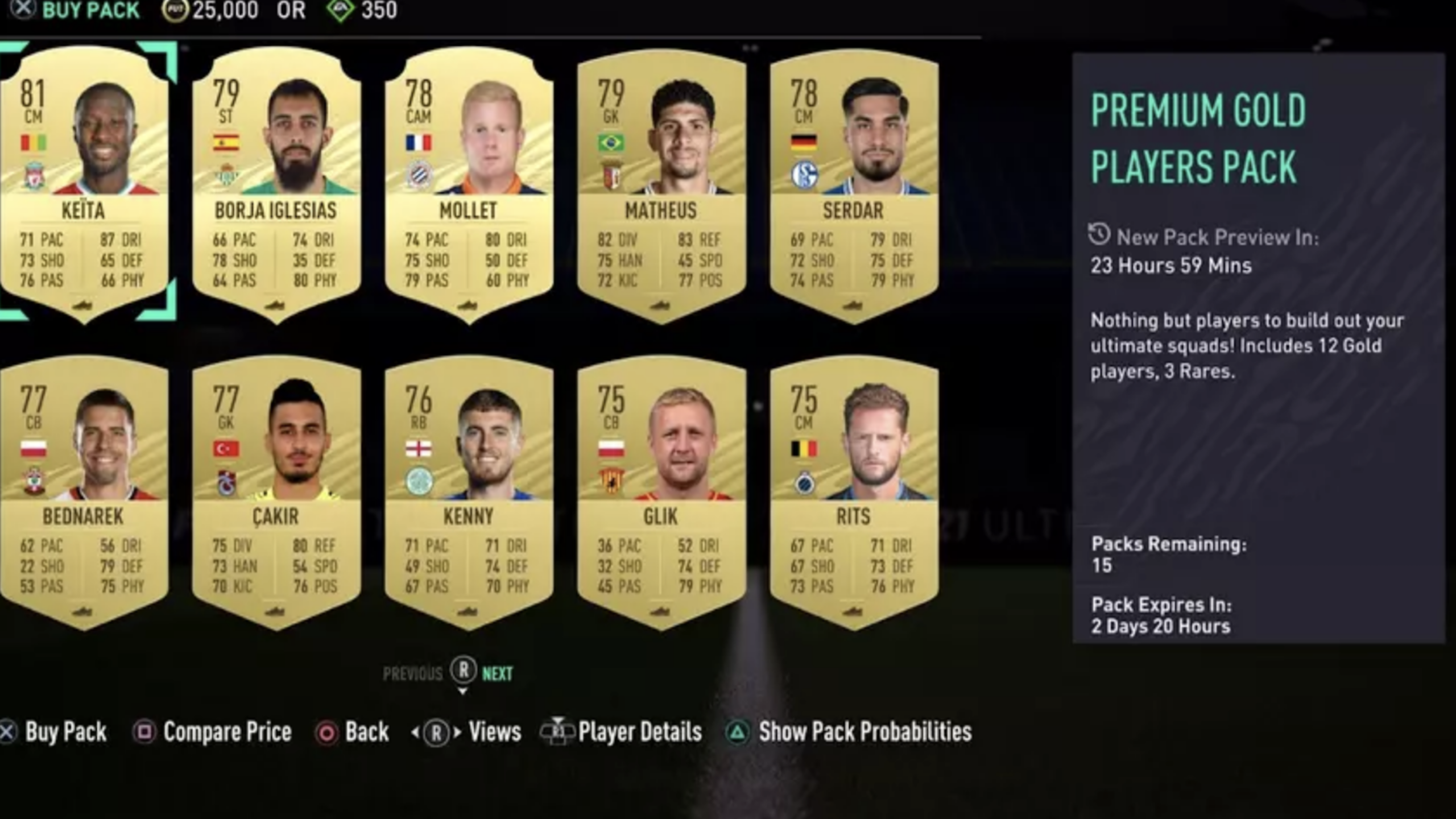
This mode generates over 1.5 billion dollars annually for Electronic Arts. Player card packs drive consistent revenue each year. It became one of the most profitable systems in sports gaming.
12. The Most Expensive Game Ever – Star Citizen
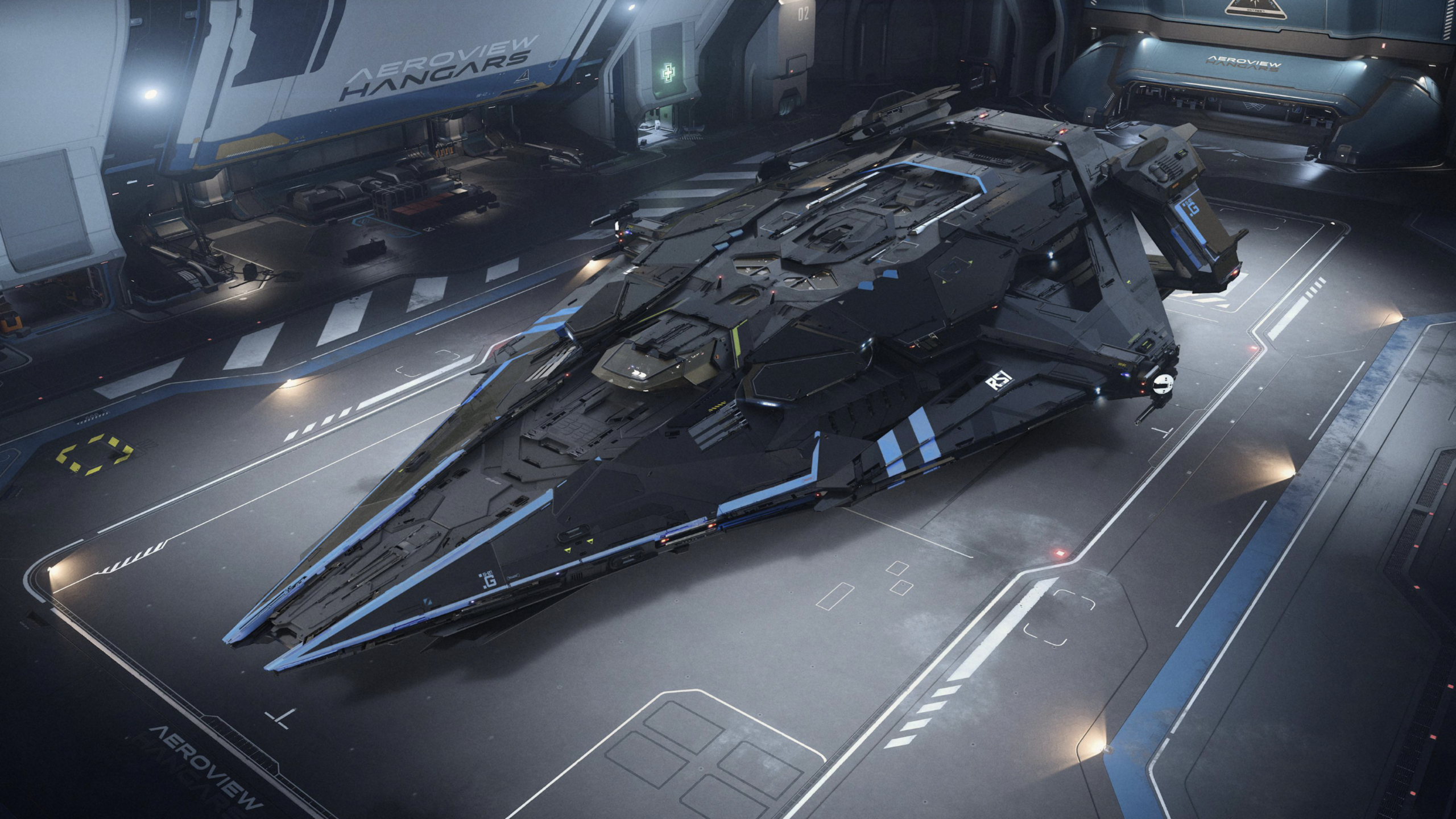
With crowdfunding surpassing 600 million dollars, it is the most expensive game ever developed. Despite years of development, it remains unfinished. Its funding model is unique in gaming history.