
Esports and gambling have been circling each other for years. Sometimes the overlap is obvious—betting markets around major tournaments, for example. Other times it shows up in smaller ways, like prediction games or in-client tournament wagering systems. The relationship is complicated, heavily regulated, and constantly evolving. Still, a few clear trends are starting to shape how competitive gaming and betting ecosystems might intersect over the next decade.
1. Esports Betting Markets Are Becoming More Structured

In the early 2010s, betting around esports was chaotic. Skin betting sites—using in-game cosmetic items as currency—operated in a gray area that regulators eventually cracked down on. Today the industry looks different. Licensed bookmakers such as Betway, GG.Bet, and Pinnacle now offer esports odds for titles like Counter-Strike, Dota 2, and League of Legends, with regulated markets in regions including the UK and parts of Europe. The shift mirrors what happened with traditional sports betting: regulation tends to replace informal systems once an audience grows large enough.
2. Counter-Strike Remains the Core of Esports Betting
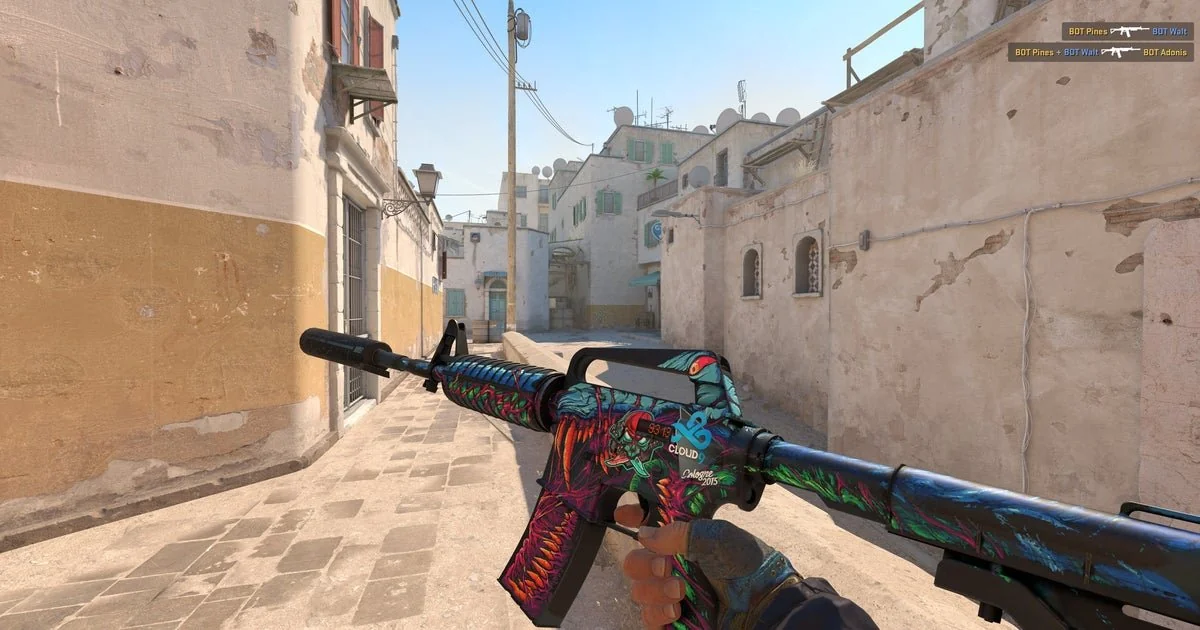
Among esports titles, Counter-Strike has consistently generated some of the highest betting volumes. The structure of the game—clear rounds, measurable stats, predictable tournament calendars—fits well with traditional sportsbook models. Tournaments run by ESL, BLAST, and PGL regularly draw betting interest across multiple regions, especially during Majors and large international events.
3. Fantasy Esports Is Quietly Expanding

Traditional fantasy sports platforms helped normalize the idea of strategic wagering on player performance. Esports has started developing similar systems. Platforms like DraftKings and Esports One have experimented with fantasy leagues built around professional players in games such as League of Legends and Counter-Strike. Instead of betting on match winners, players assemble rosters and score points based on in-game statistics.
4. In-Client Prediction Systems Are Appearing
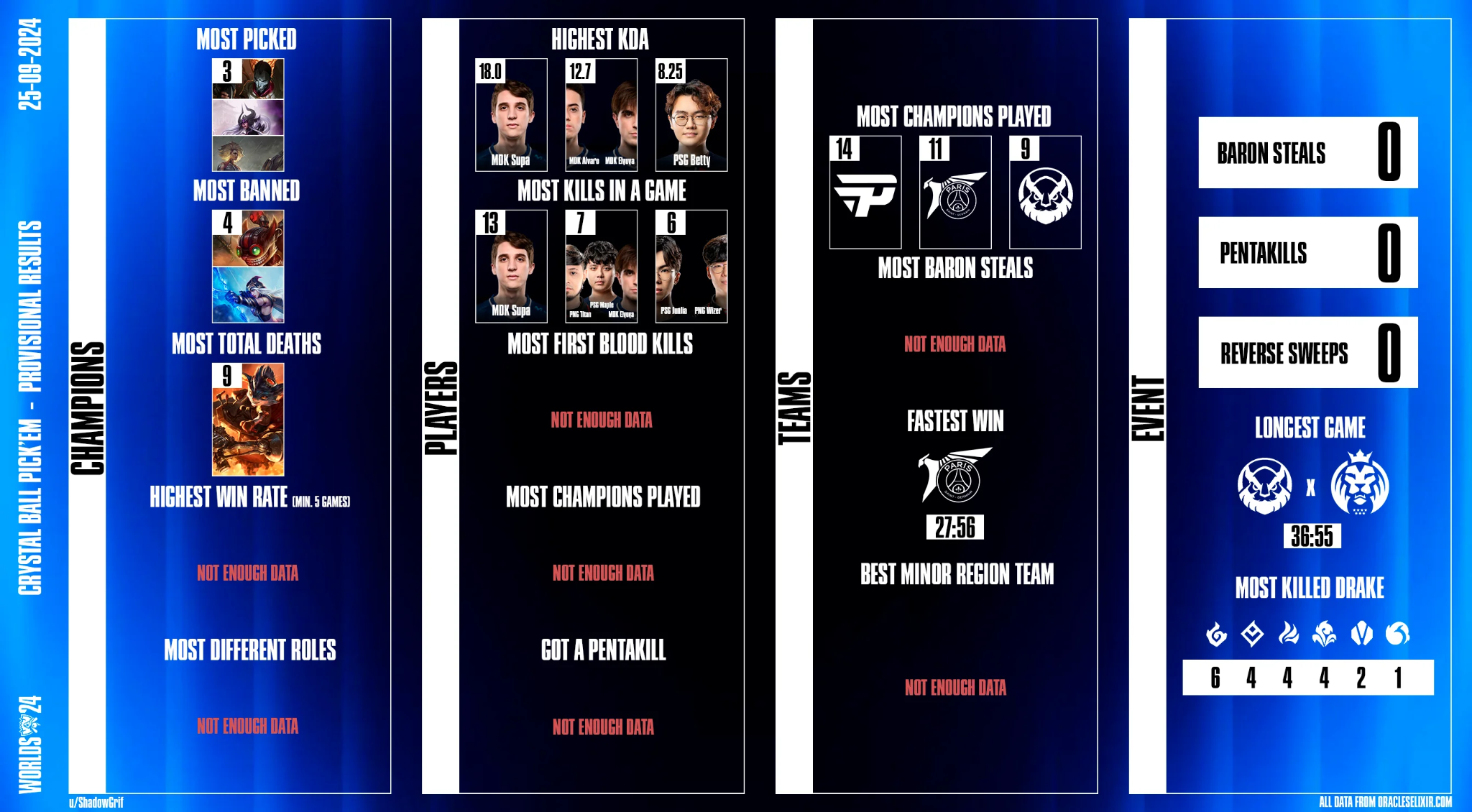
Some developers are experimenting with prediction features directly inside game clients. Riot Games, for example, introduced Crystal Ball and Pick’em prediction systems for the League of Legends World Championship. Fans forecast match results and earn rewards based on accuracy. It’s not gambling in the legal sense, but it borrows the same engagement mechanics.
5. Loot Boxes Triggered the First Major Gambling Debate

Few mechanics sparked as much controversy as loot boxes. In 2017, regulators in Belgium and the Netherlands concluded that certain loot box systems resembled gambling because players spent money for randomized rewards. Several publishers—including Blizzard and Valve—changed or removed these systems in affected markets after regulatory scrutiny.
Trending on realmoneygamer.com


6. Skins Still Function as Informal Betting Currency

Even after crackdowns on major skin-betting websites around 2016, cosmetic item economies still influence gambling ecosystems in some games. In Counter-Strike, skins can hold real-world value through marketplaces like the Steam Community Market. That value has historically made them attractive for third-party wagering platforms, though many operate under increasing regulatory pressure.
7. Tournament Data Is Becoming a Betting Product

One emerging trend involves official esports data partnerships. Companies like Sportradar and GRID Esports collect real-time match data from tournaments and distribute it to betting operators. That data infrastructure is similar to what sportsbooks rely on in traditional sports, where accurate live statistics are essential for in-play betting markets.
8. Live Betting on Individual Rounds
In games like Counter-Strike or Valorant, matches are divided into short rounds. That structure allows sportsbooks to offer micro-bets during the game: round winners, first kill, or total rounds played. The format resembles live betting in tennis or basketball, where odds change rapidly as the match unfolds.
9. Regulatory Oversight Is Increasing

Governments are paying closer attention to esports gambling. The UK Gambling Commission has published several reports on esports betting and skin gambling, particularly after investigations into underage betting risks tied to cosmetic item markets in games like Counter-Strike.
10. Integrity Monitoring Is Becoming Standard

Match-fixing has appeared in several esports scenes over the years. In response, tournament organizers and betting monitoring services have begun working together to track suspicious betting patterns. Groups such as the Esports Integrity Commission (ESIC) investigate potential corruption cases and enforce competitive bans when necessary.
11. Streaming Platforms Influence Betting Behavior
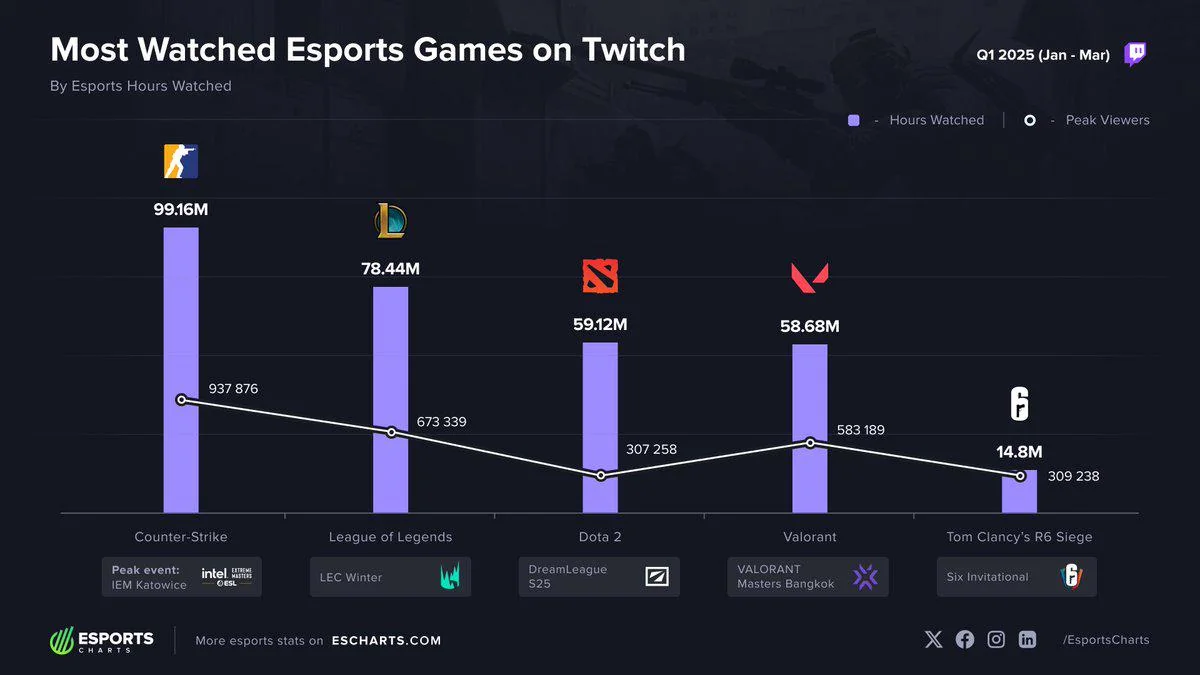
Esports audiences often watch matches through Twitch or YouTube streams. That viewing environment naturally overlaps with betting activity, since odds updates and prediction tools can be displayed in real time alongside broadcasts. Some betting companies have experimented with integrations that sync live odds with tournament streams.
12. Developers Are Still Deciding How Close They Want Gambling to Get
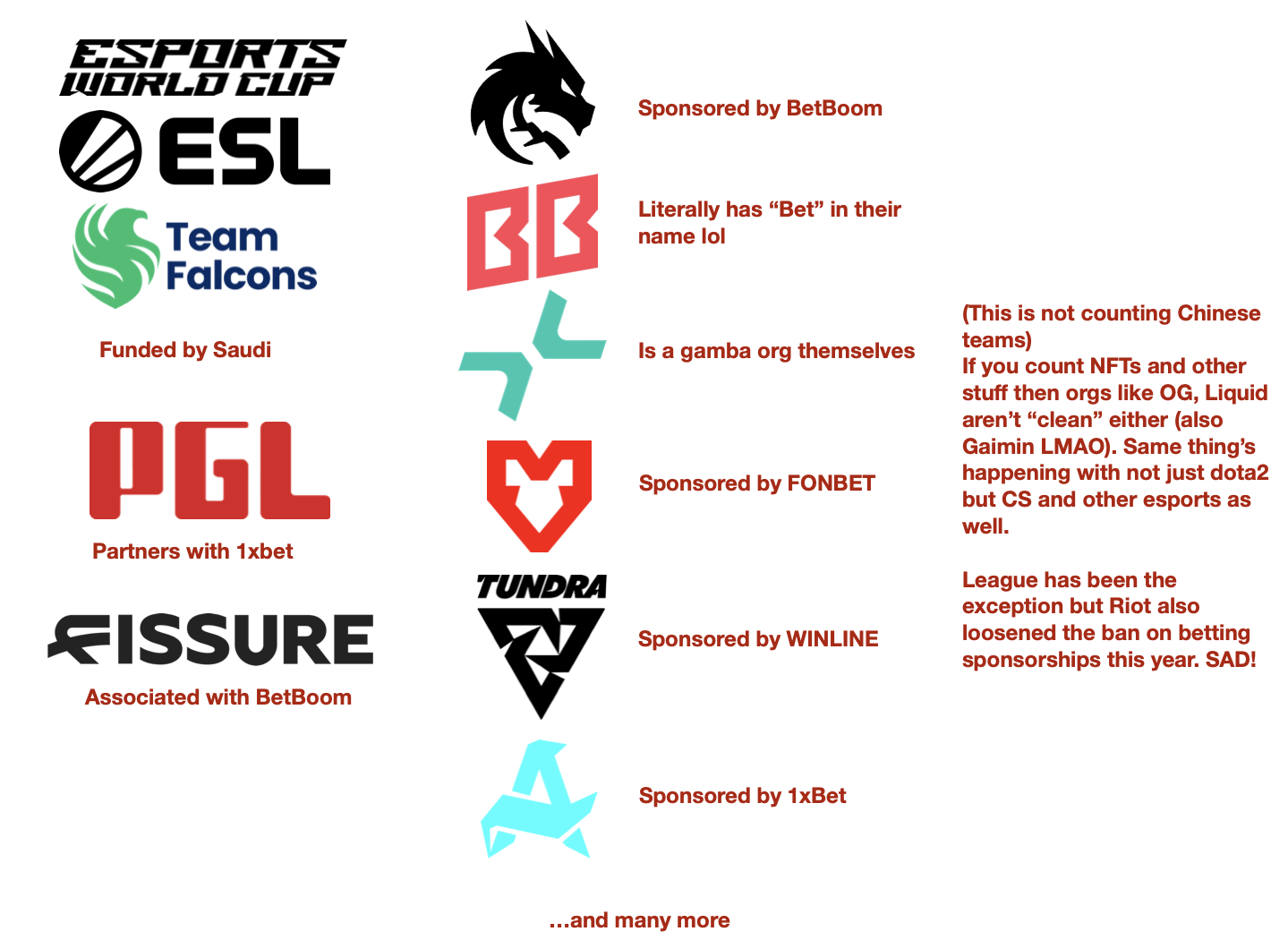
Perhaps the biggest trend is uncertainty. Some publishers maintain strict distance from gambling ecosystems, while others allow limited prediction games or fantasy systems. Riot Games, Valve, and Blizzard have each taken different approaches to how their games interact with betting markets.
The future likely won’t move in a single direction. Instead, esports and gambling will continue negotiating the boundary between competitive entertainment and wagering—sometimes cautiously, sometimes experimentally.
Continue Reading: 12 Most Successful Esports Teams of All Time