
Esports has never been bigger than this. What used to be small competitive tournaments has turned into global events backed by millions of dollars and massive audiences. Today, esports tournaments are not just competitions, they are full-scale international spectacles where players compete for life-changing money. Some of these events generate more revenue than traditional sports finals. The rise of esports prize pools has completely changed the gaming industry. And nothing proves that more than the tournaments you’re about to see.
1. Esports World Cup 2026 – The Biggest Prize Pool Ever

Held in Riyadh, Saudi Arabia, the Esports World Cup 2026 is currently the largest esports event ever created. It runs from July to August and gathers over 2,000 players and 200 clubs from more than 100 countries, turning the city into the global center of competitive gaming for weeks. The total prize pool reaches an insane $75 million, making it the richest esports competition in history, and what sets it apart is its structure, featuring 24 different esports titles across 25 tournaments, creating multiple champions and multiple million-dollar payouts. This isn’t just a tournament, it’s a statement, esports is no longer growing, it has already arrived at the top of global entertainment.
2. The International (Dota 2)
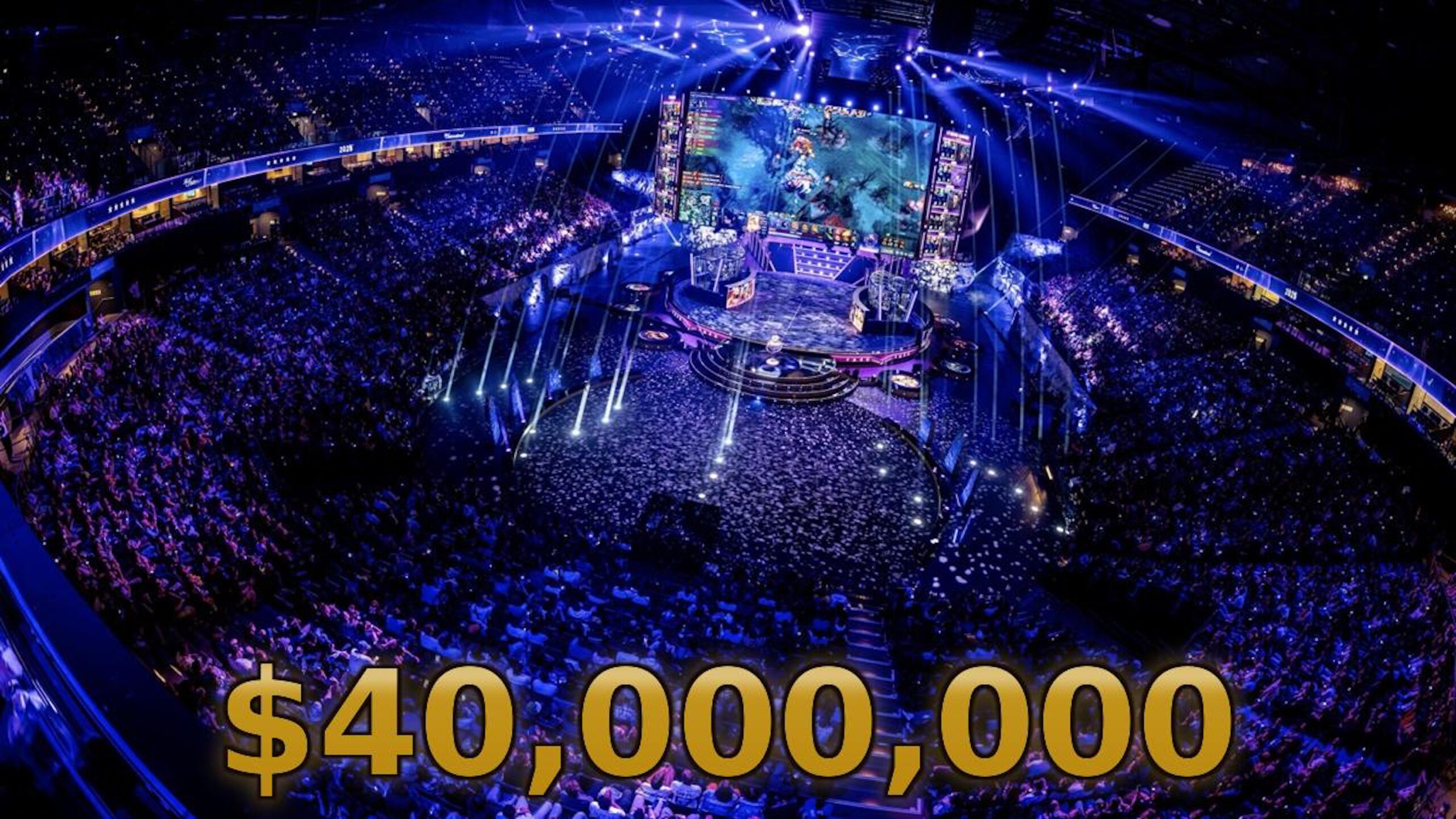
Hosted across cities like Seattle, Shanghai, and Bucharest depending on the year, The International remains one of the most prestigious esports events ever created, with prize pools historically ranging between $15 million and over $40 million at its peak, largely funded by players through in-game Battle Pass purchases, something that makes it unique in competitive gaming, where the community directly inflates the stakes.
3. Fortnite World Cup
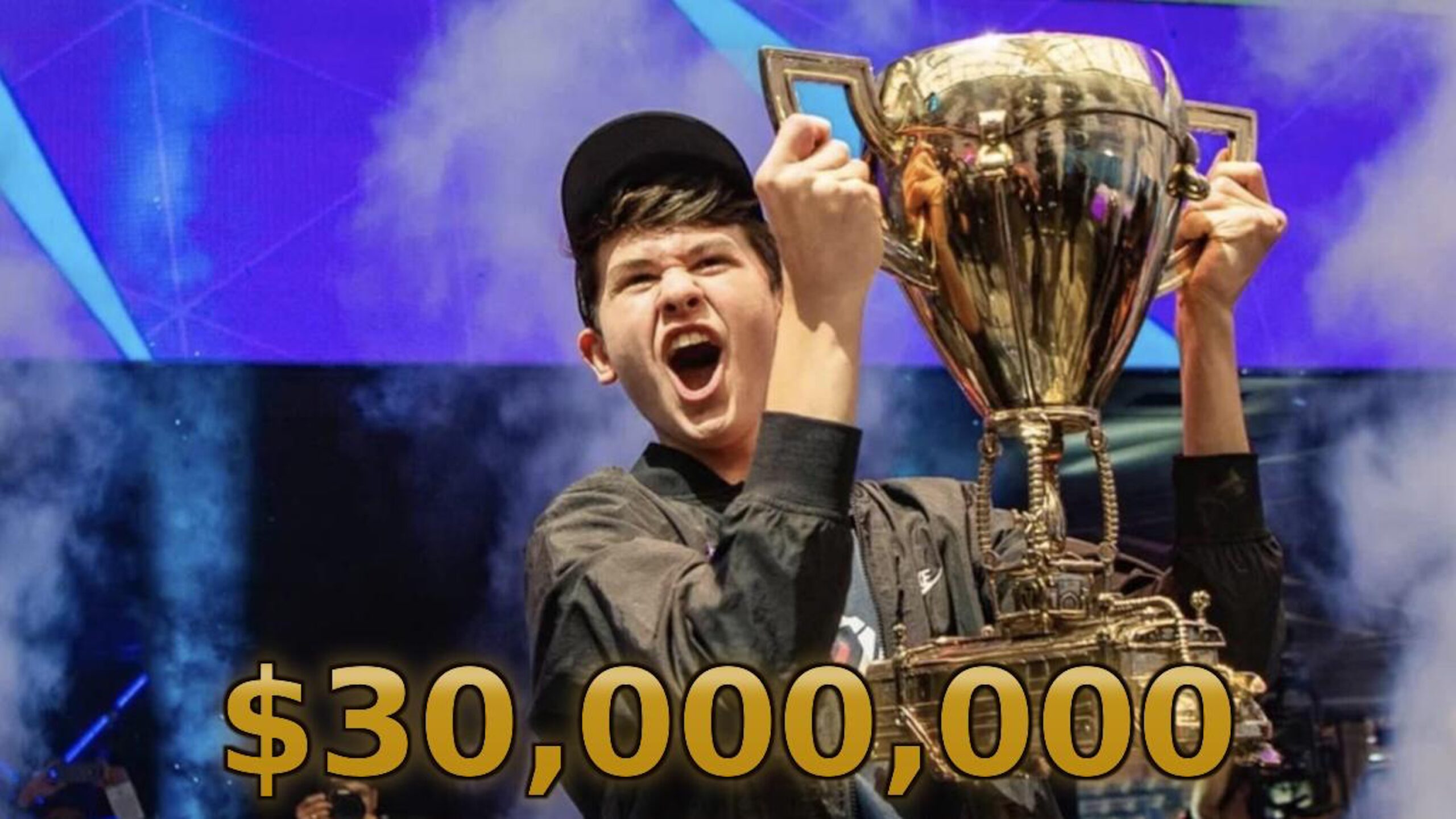
Held in New York’s Arthur Ashe Stadium, the Fortnite World Cup became a cultural phenomenon the moment it launched, featuring a $30 million prize pool where solo winner Bugha earned $3 million at just 16 years old, instantly turning into a global figure, but what many don’t realize is how Epic Games used the event as a marketing engine, combining entertainment, influencers, and live production at a scale closer to the Super Bowl than a traditional esports event, and although the tournament hasn’t returned in the same format every year, it remains one of the clearest examples of how fast gaming can generate overnight millionaires.
4. League of Legends World Championship
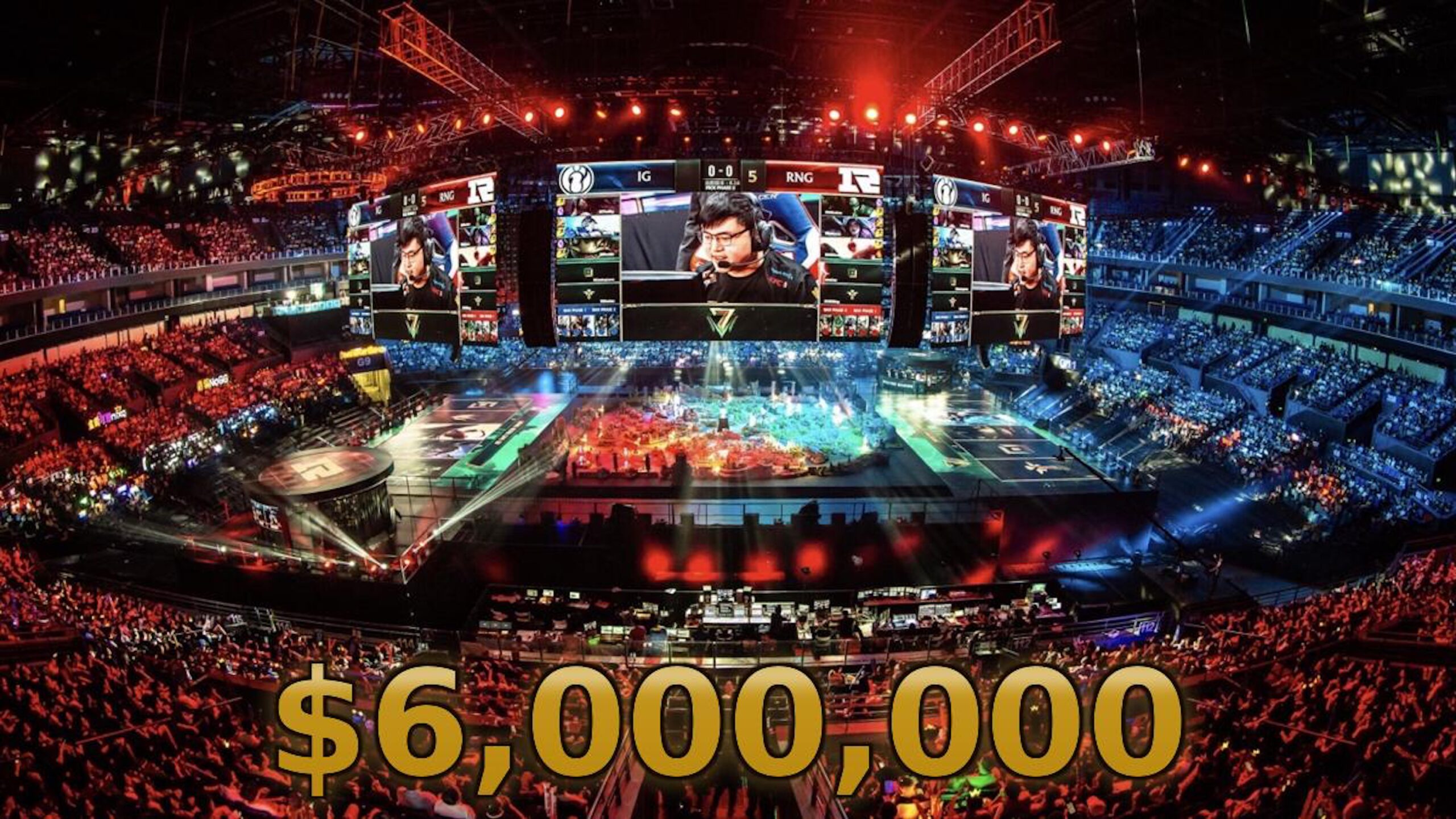
Taking place in rotating global cities like Seoul, Paris, and Los Angeles, the League of Legends World Championship may not always have the highest prize pool, usually sitting between $2 million and $6 million, but it dominates in viewership, often surpassing 100 million concurrent viewers, making it the most watched esports event on the planet, with Riot Games focusing more on long-term ecosystem revenue through skins and sponsorships rather than prize money, and for many pro players, winning Worlds is considered more valuable than higher-paying tournaments because of its legacy and exposure.
5. Valorant Champions
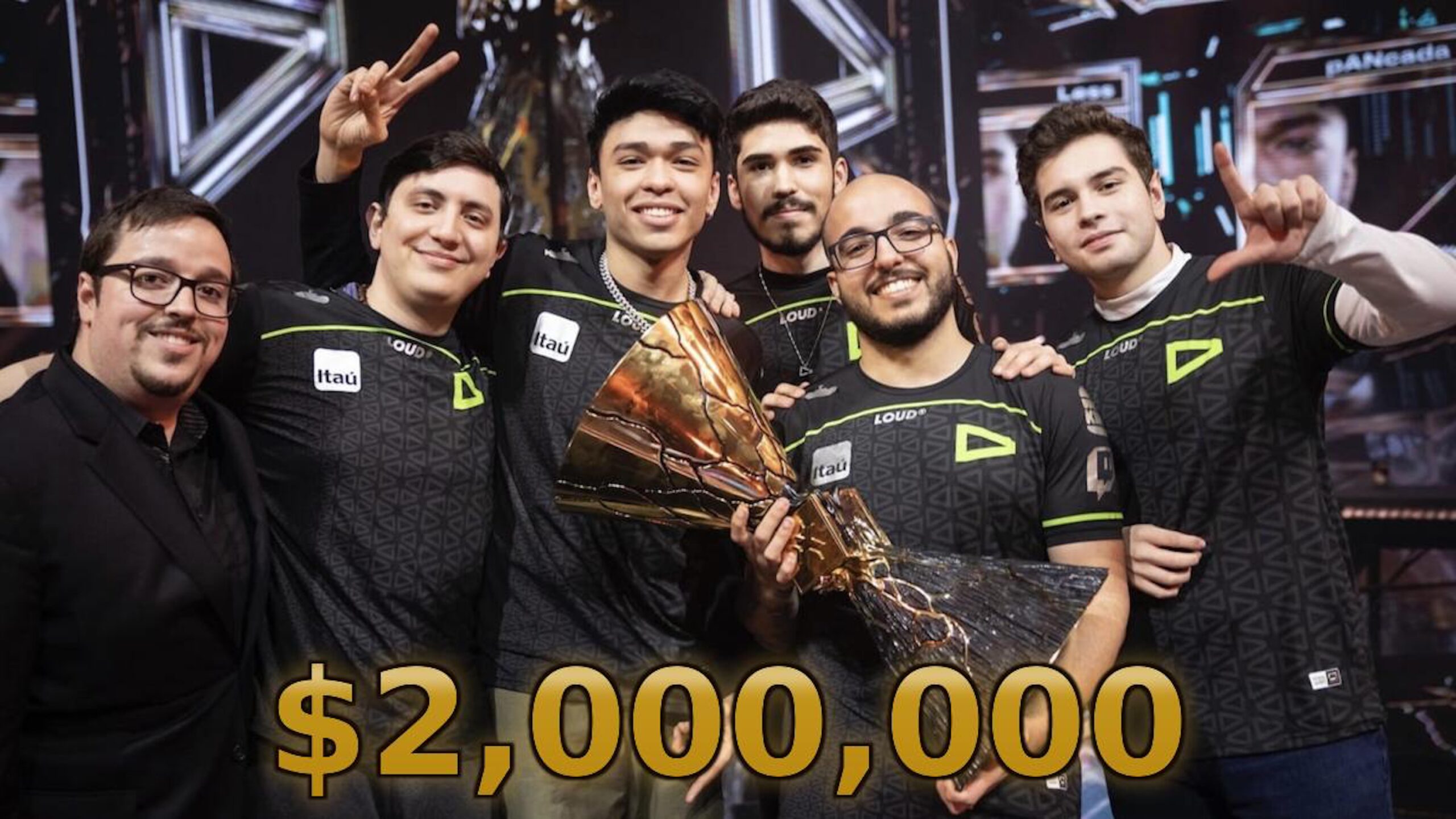
As Riot’s newer competitive title, Valorant Champions has quickly established itself as one of the fastest-growing esports circuits, with events hosted in cities like Istanbul and Los Angeles and prize pools exceeding $2 million, but what sets it apart is its franchised league system and heavy investment into regional competition, creating a stable financial ecosystem for players and teams, while also pushing high production value broadcasts that rival traditional sports, positioning Valorant as one of the most structured competitive FPS environments in modern esports.
6. Call of Duty League Championshipool
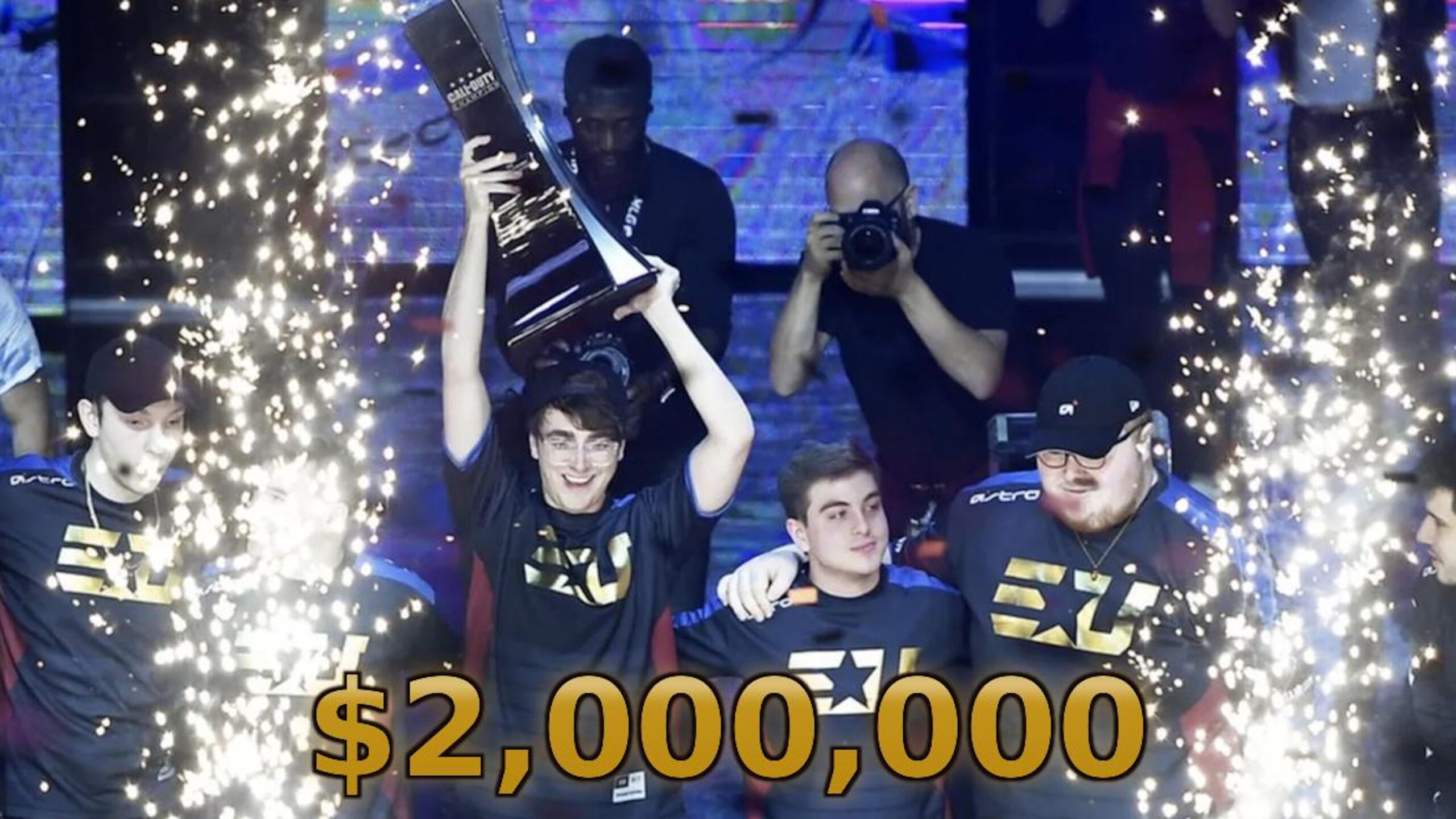
Primarily based in North America with finals rotating across major cities, the Call of Duty League Championship offers prize pools around $2.25 million, but its real value lies in its franchise model, where teams have paid upwards of $25 million to secure a spot in the league, making it one of the most expensive ecosystems to enter, and while the gameplay remains fast-paced and console-focused, the business side of the league reflects a long-term investment strategy similar to traditional sports organizations.
7. Apex Legends Global Series (ALGS)
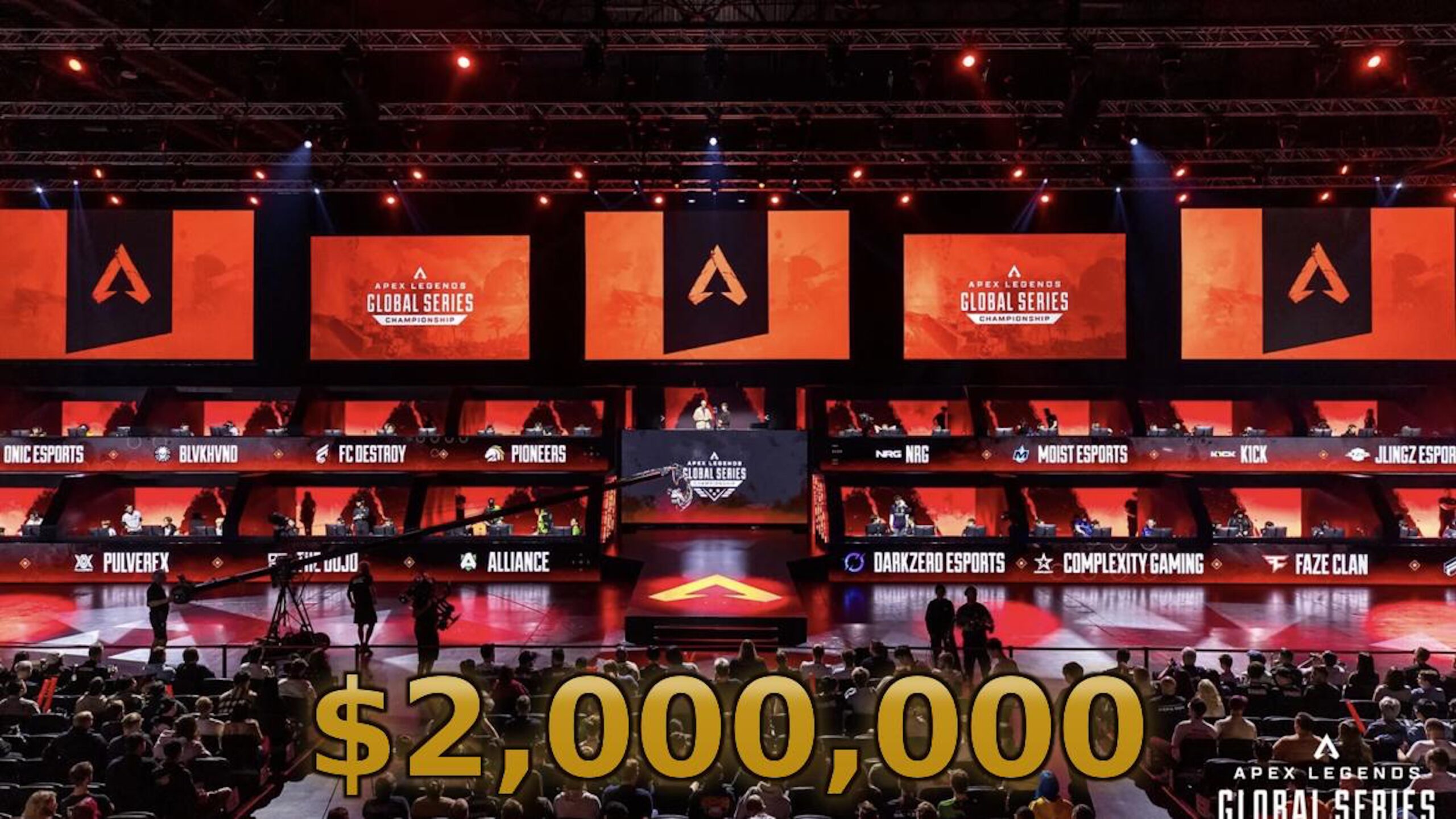
The ALGS has grown into one of the most competitive battle royale circuits, with finals held in global arenas like London and prize pools exceeding $2 million, featuring a unique format where 60 players compete simultaneously, forcing teams to balance survival strategy with aggressive playstyles, and unlike traditional esports, consistency across multiple matches matters more than a single win, making it one of the most unpredictable yet skill-intensive competitions in the scene.
8. Rocket League Championship Series (RLCS)
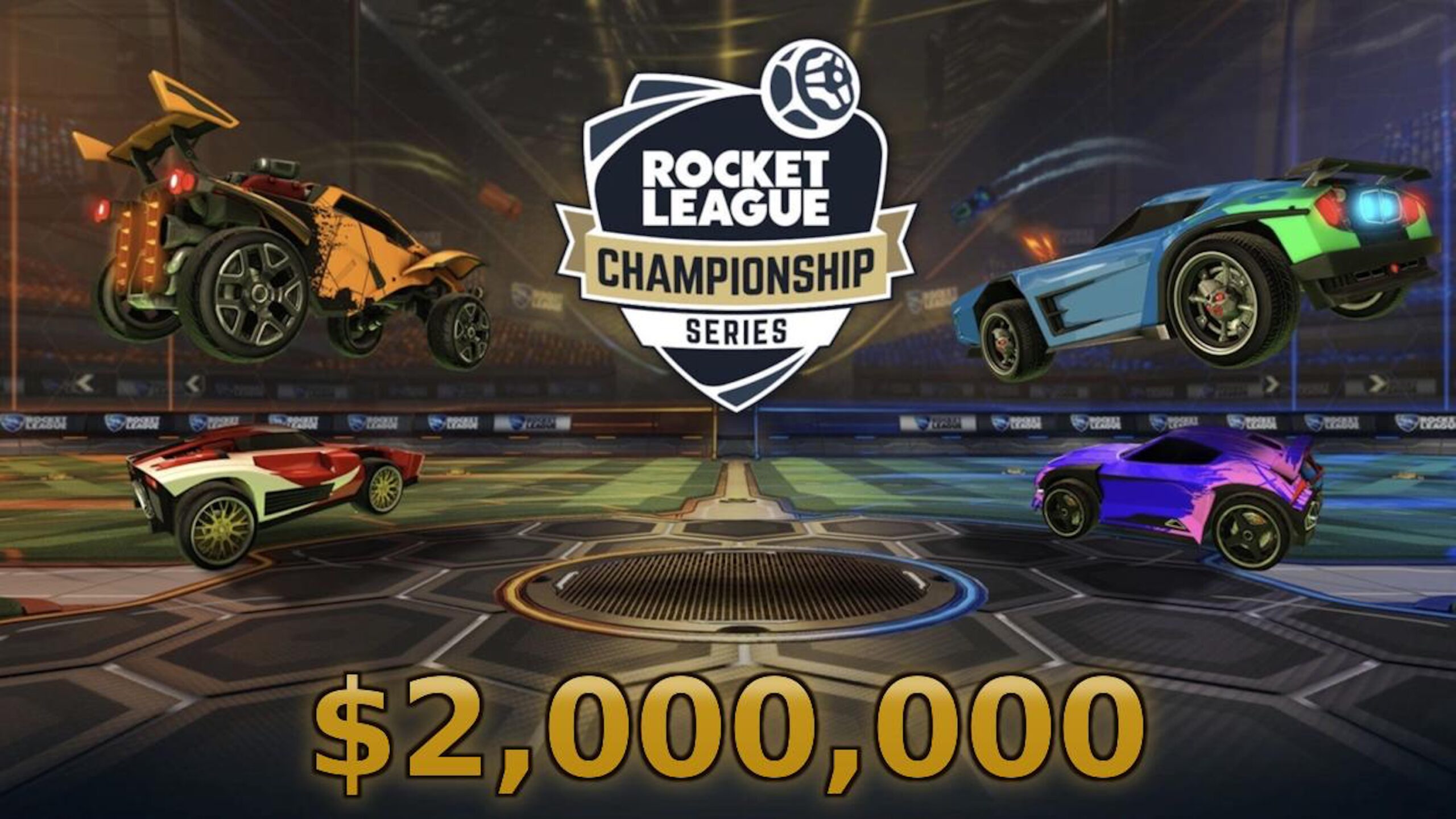
Combining accessibility with high-level competition, the RLCS features a seasonal prize pool exceeding $2 million, with finals hosted in arenas across the US and Europe, where teams compete in fast-paced matches that blend mechanical skill with team coordination, and despite its simple concept, the game’s physics-based gameplay creates one of the highest skill ceilings in esports, making it both easy to watch and extremely difficult to master.
9. Mobile Legends World Championship (M-Series)
Massive in Southeast Asia, the Mobile Legends World Championship regularly pulls in peak audiences in the tens of millions, with prize pools exceeding $1 million, and while it may fly under the radar in Western markets, its regional dominance makes it one of the most watched esports globally, with teams treated like celebrities and national pride playing a major role in competition, proving that mobile gaming is no longer secondary in the esports hierarchy.
10. Counter-Strike 2 Majors
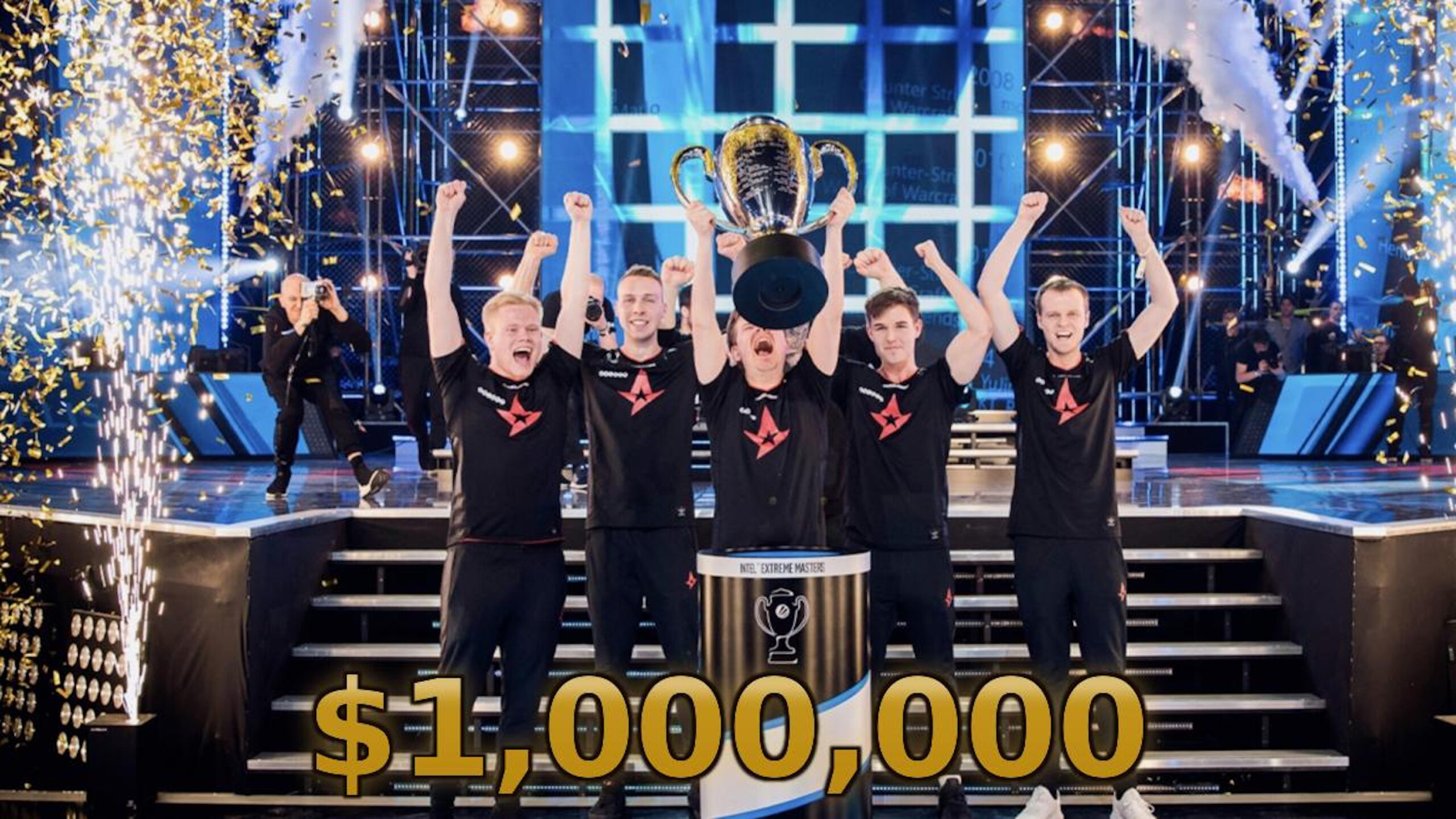
CS2 Majors continue the legacy of Counter-Strike esports, with tournaments hosted in cities like Copenhagen and Paris, offering prize pools between $1 million and $2 million, but what makes them unique is prestige over money, as winning a Major can define a player’s entire career, with legendary moments like underdog runs and clutch plays becoming part of esports history, and Valve’s hands-off approach allows tournament organizers to shape the competitive scene organically.