Esports contracts don’t always come with clean, official numbers, but over the years a handful of deals have broken through the usual silence. Some were reported through leaks, others confirmed by major outlets, and a few became talking points simply because of how unusual they were. What they share is scale, whether that means raw salary, buyouts, or the kind of money platforms were willing to spend to grab attention. The result is a patchwork of deals that say as much about the industry’s growing pains as its ambitions.
1. Ninja, Mixer exclusivity deal (2019)

When Ninja left Twitch for Mixer, it didn’t feel like a normal platform switch. CNN and Reuters placed the deal somewhere between $20 and $30 million, a number that instantly changed how people talked about streaming value.
2. Shroud, Mixer exclusivity deal (2019)

Not long after, Shroud followed. His deal was reported around $10 million, and while it didn’t carry the same shock factor, it confirmed that Ninja wasn’t a one-off experiment.
3. Perkz, Cloud9 transfer and contract (2020)
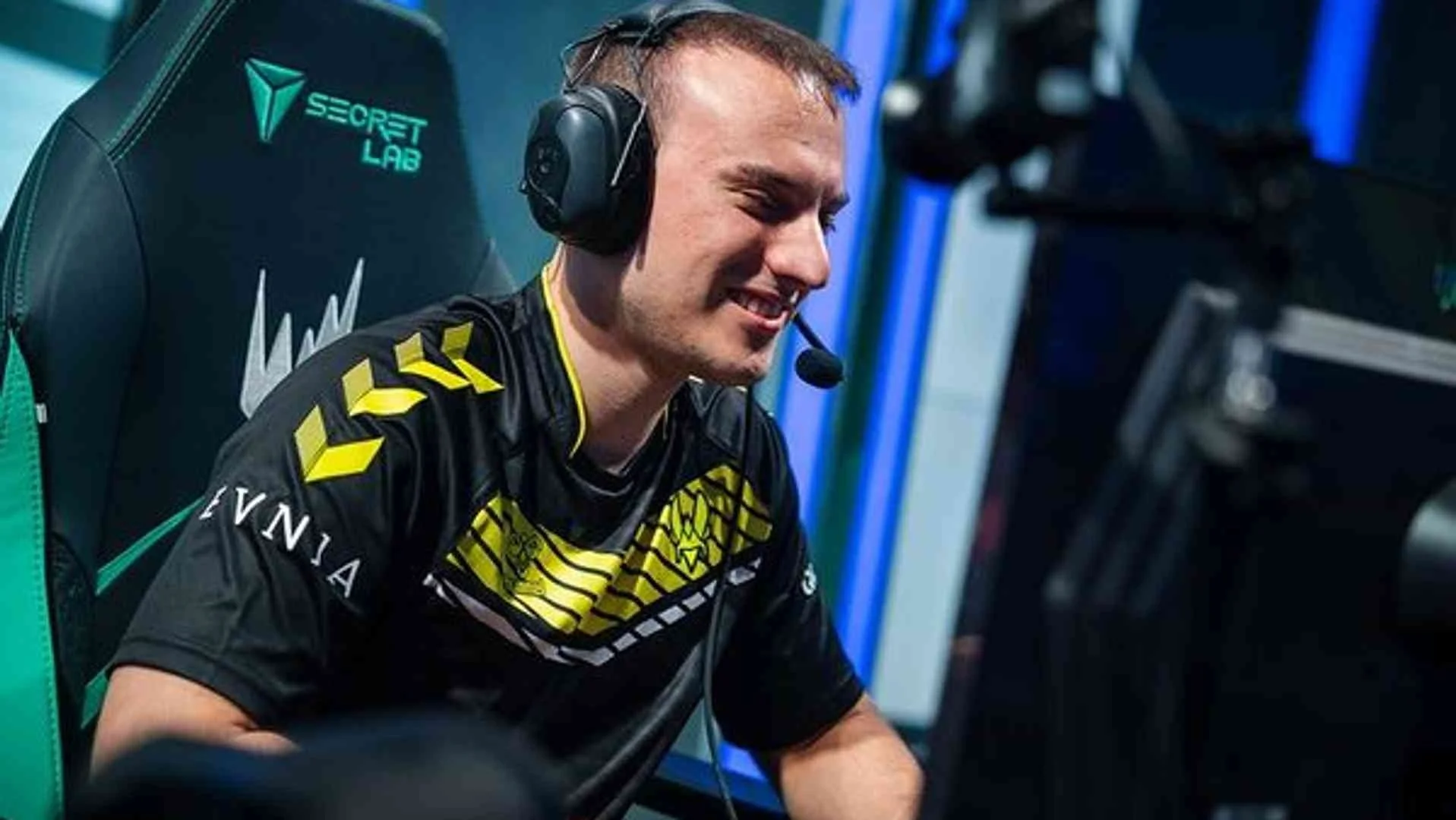
The buyout alone hovered around $5 million, but the full picture was bigger. With a multi-year salary reportedly above $2 million annually, Cloud9’s total investment pushed past $11 million.
4. SwordArt, TSM contract (2020)

TSM’s move for SwordArt came with a $6 million price tag over two years, as reported by ESPN. It was one of those deals that made people question just how far LCS salaries had stretched.
5. Faker, T1 annual earnings estimate (2020)
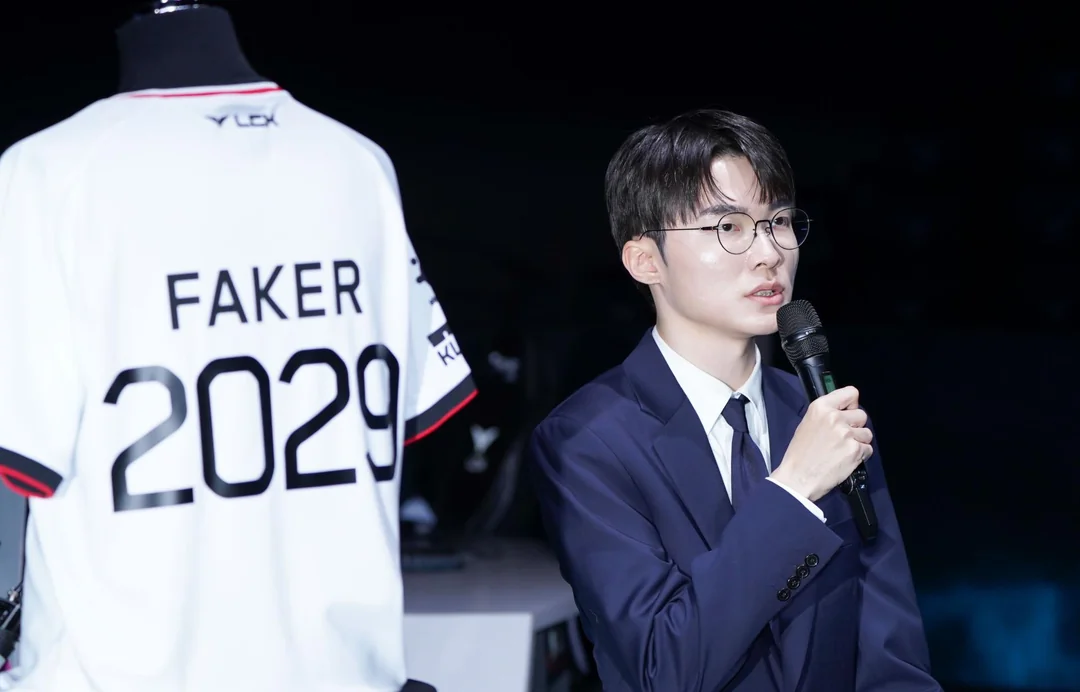
There’s no single contract number publicly confirmed, but a widely cited estimate from Olympics.com placed his yearly earnings just below $5 million. It reflects both salary and commercial ties during his T1 era.
Trending on realmoneygamer.com

6. Jensen, Team Liquid extension (2020)
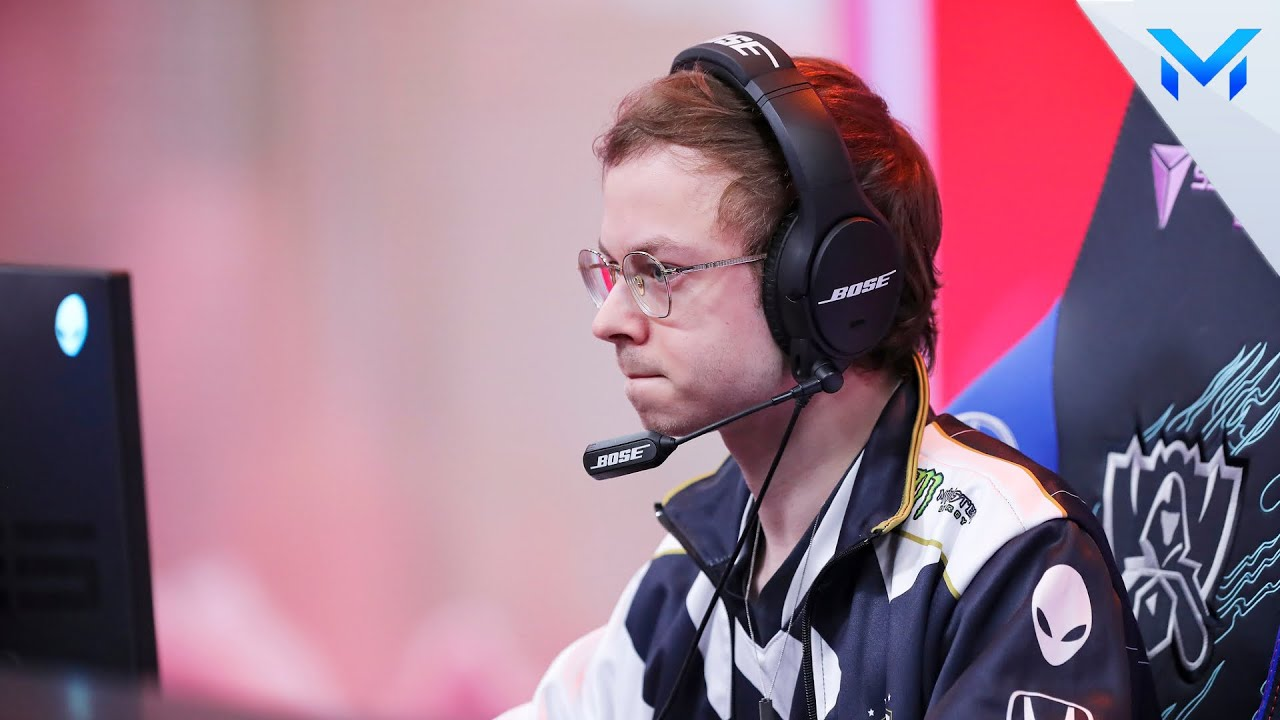
This one didn’t dominate headlines, but it mattered. A $4.2 million extension showed how valuable consistency in the mid lane had become for top LCS teams.
7. Impact, Team Liquid contract (2017)
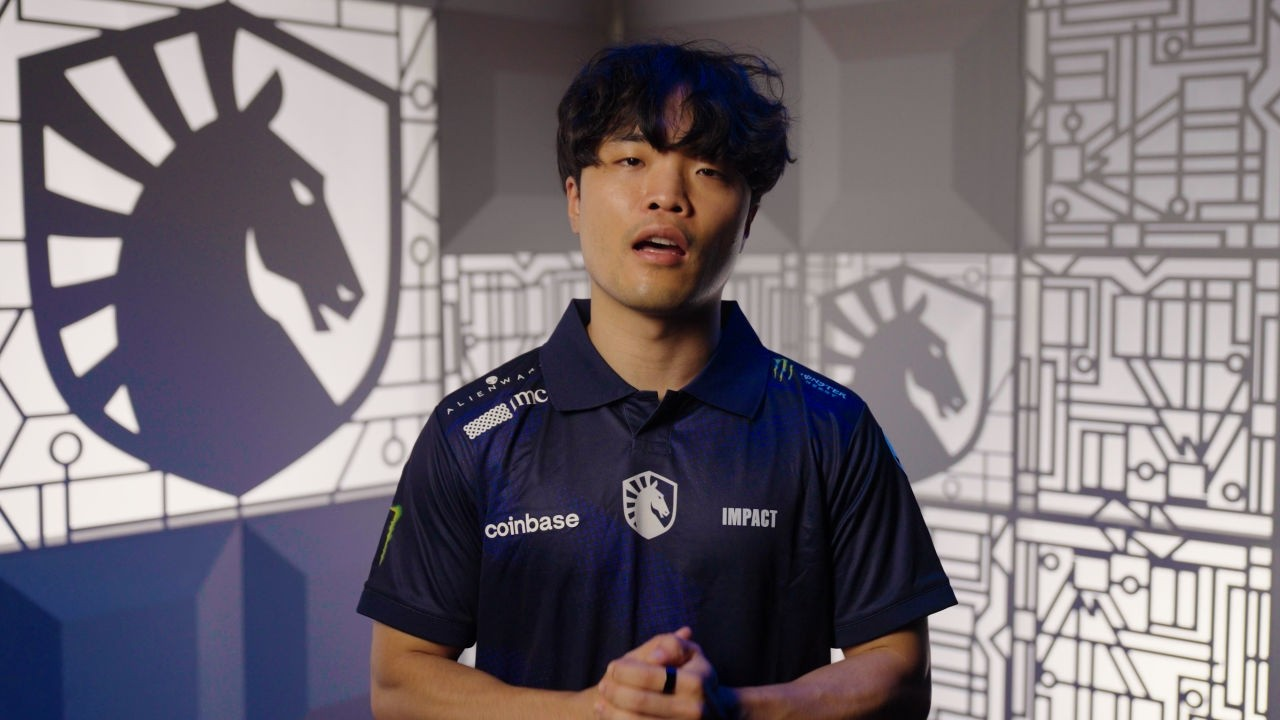
Before salaries really exploded, Impact’s deal was already pushing limits. ESPN later referenced the $3.4 million figure, which at the time felt unusually high for a top laner.
8. Huni, Dignitas extension (2019)

The reaction to this deal was mixed from day one. ESPN reported the $2.3 million figure, and while performance debates followed, the contract itself reflected how aggressively teams were spending.
9. Alphari, Team Liquid contract (2020)

ESPN confirmed Alphari was earning over $1 million per year. With a multi-year agreement, that comfortably puts the total value above $3 million, even without a precise final number.
10. Vulcan, Cloud9 buyout (2019)
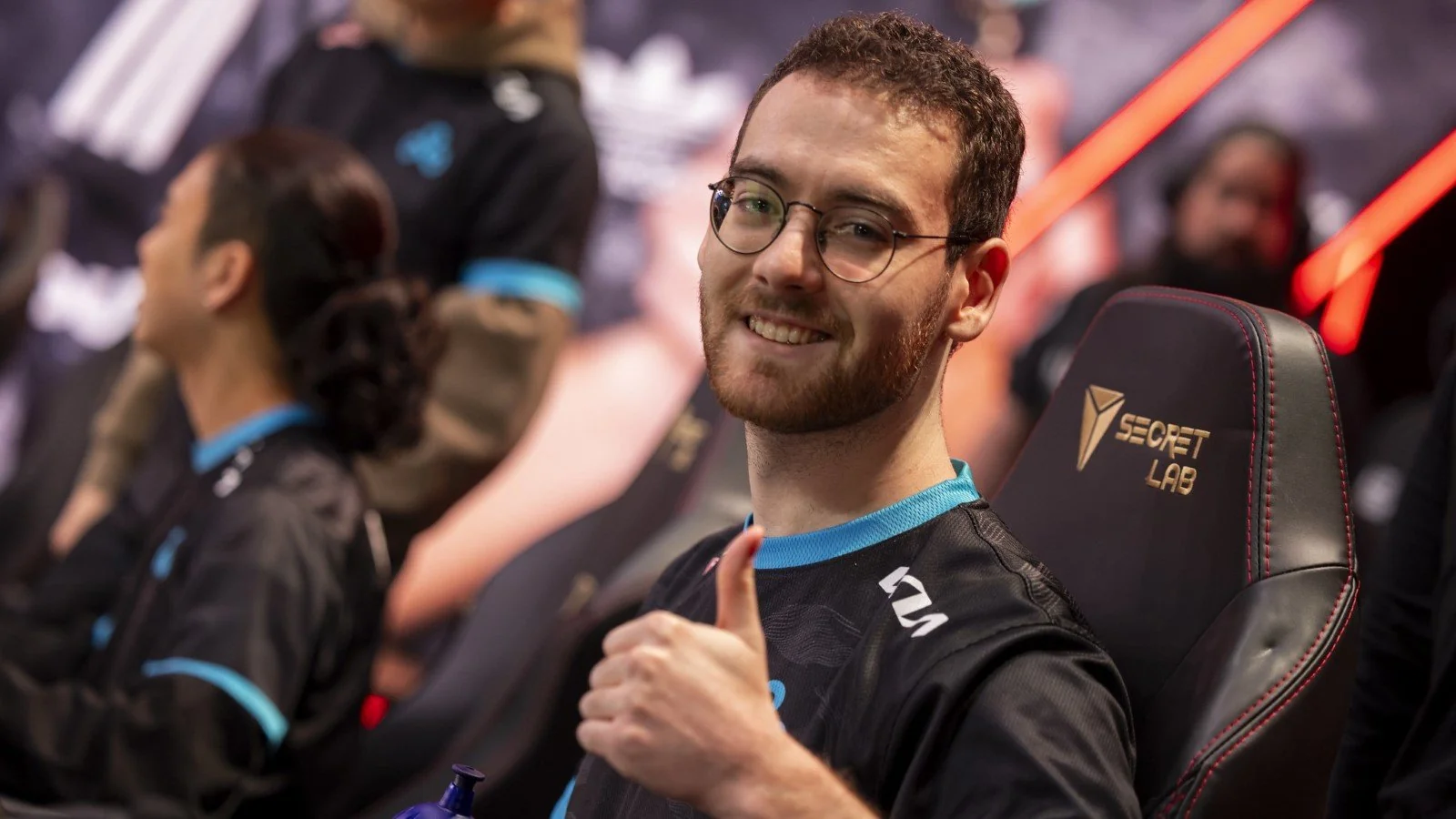
Support players don’t usually headline big transfers. That’s part of why this $1.5 million buyout stood out, quietly setting a new benchmark for the role.
11. TenZ, Sentinels buyout from Cloud9 (2021)
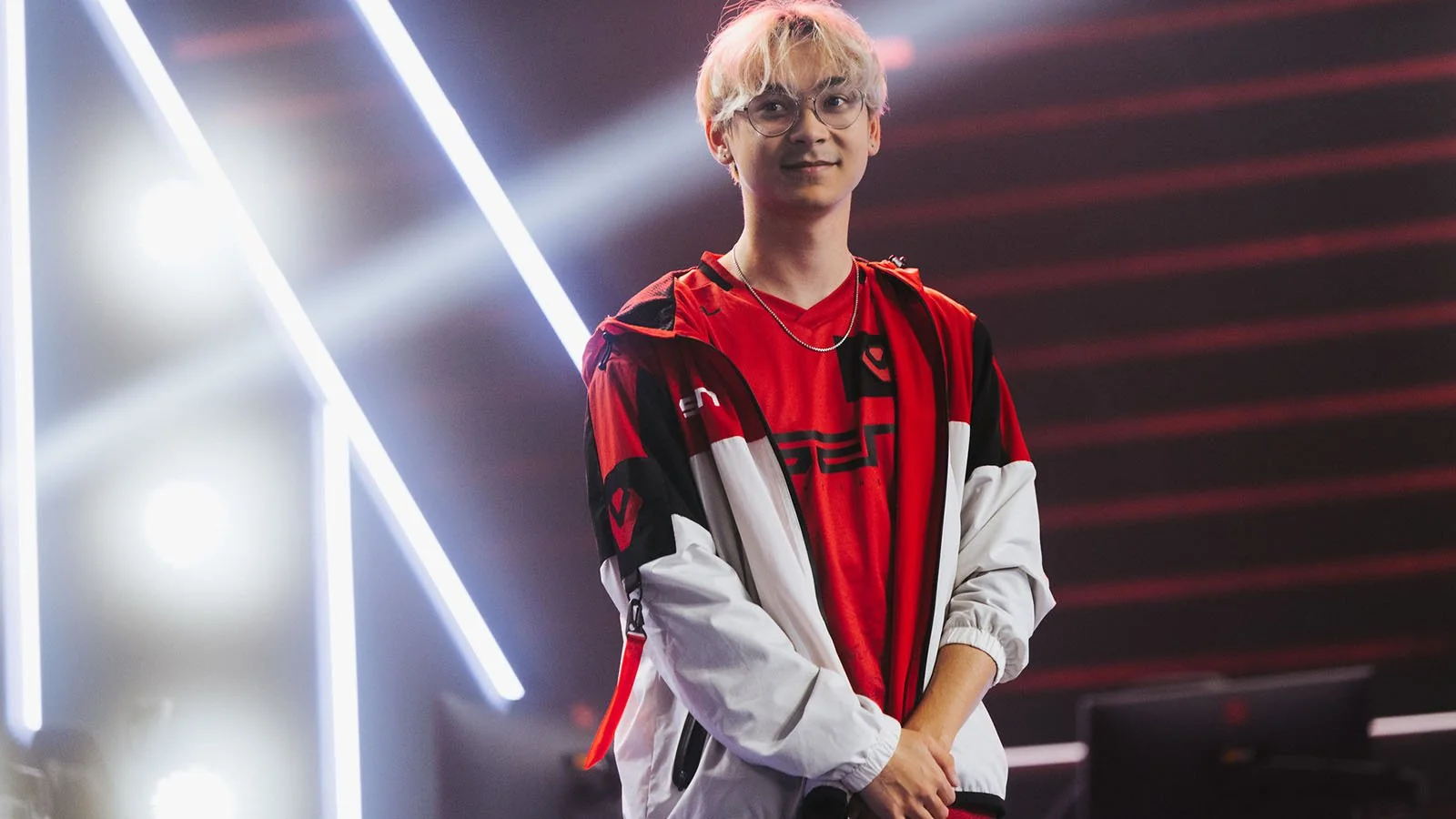
Valorant was still new, but this move made it clear the money was already there. Sentinels paid a reported $1.25 million to secure TenZ after his breakout performances.
12. s1mple, NAVI transfer from Team Liquid (2016)

The number comes from the player himself in later interviews. Around $1 million for a CS:GO transfer in 2016 felt unusually high at the time, especially considering what he would go on to become.
13. Doublelift, Team Liquid salary (2018)

ESPN reported Doublelift earning in the upper six figures per year. It doesn’t jump off the page today, but it helped set the stage for the salary inflation that followed.
14. Bjergsen, TSM contract and ownership deal (2019)

The interesting part here wasn’t just the salary. Reports around his transition to part-owner suggested compensation well into seven figures per year, blending player value with long-term equity.
15. Caps, G2 Esports extension (2019)
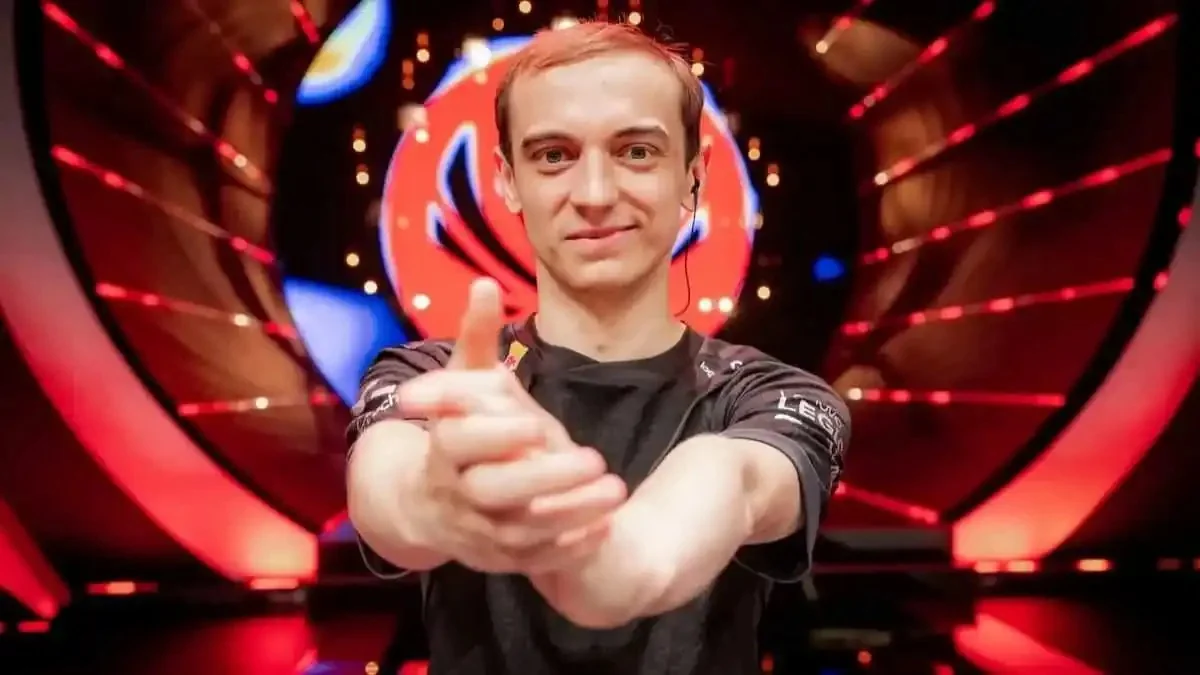
Exact numbers never surfaced, but consistent reporting placed Caps above the $1 million per year mark. For Europe, that was a clear shift in how top talent was being valued.
Looking across these deals, there isn’t a single pattern that explains them all. Some came from platform wars, others from regional spending spikes, and a few from teams simply trying not to fall behind. The numbers matter, but the context around them matters just as much, and that context keeps changing.