For a brief moment, it looked like dedicated handheld consoles were running out of time. Manufacturers started packing shoulder triggers, cooling systems, RGB lights, and even slide out controllers into smartphones, all chasing the same dream: putting a console in your pocket.
Some became cult classics, others disappeared almost overnight, but every one of them proved that mobile gaming could be far more ambitious than tapping on a touchscreen. Whether you remember the legendary N-Gage or the rise of the ROG Phone, these devices captured an era when phone makers were convinced the next great gaming platform would fit in your jeans.
1. The Nokia N-Gage Was a Phone That Wanted to Beat the Game Boy
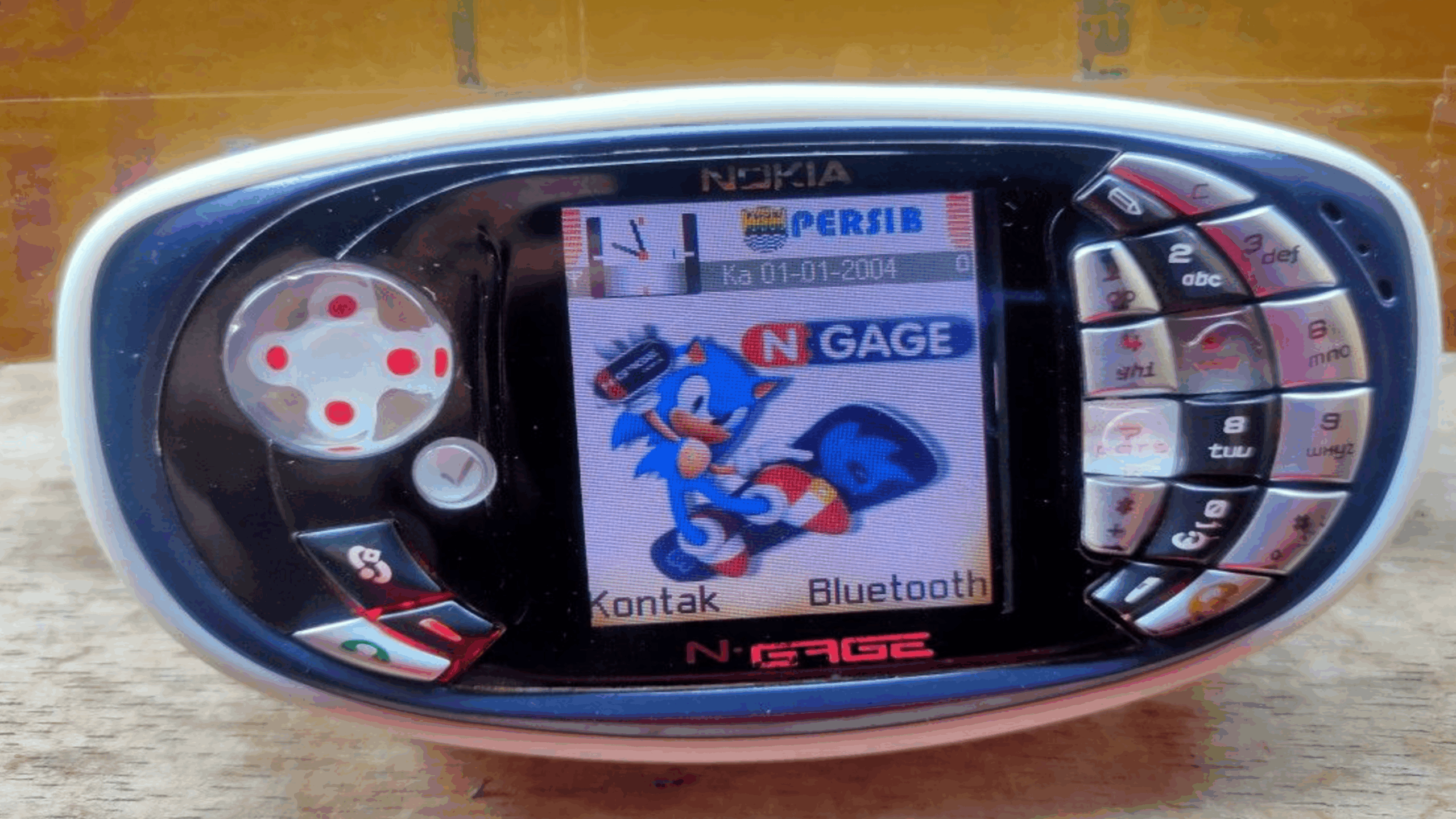
Released in 2003, the Nokia N-Gage was one of the first smartphones designed with gaming as its main focus. It featured dedicated gaming controls, support for multiplayer through N-Gage Arena, and games sold on physical MMC cards, making it one of the boldest attempts to combine a mobile phone and a handheld console years before mobile gaming became mainstream.
2. Sony Ericsson Turned a PlayStation Into a Smartphone
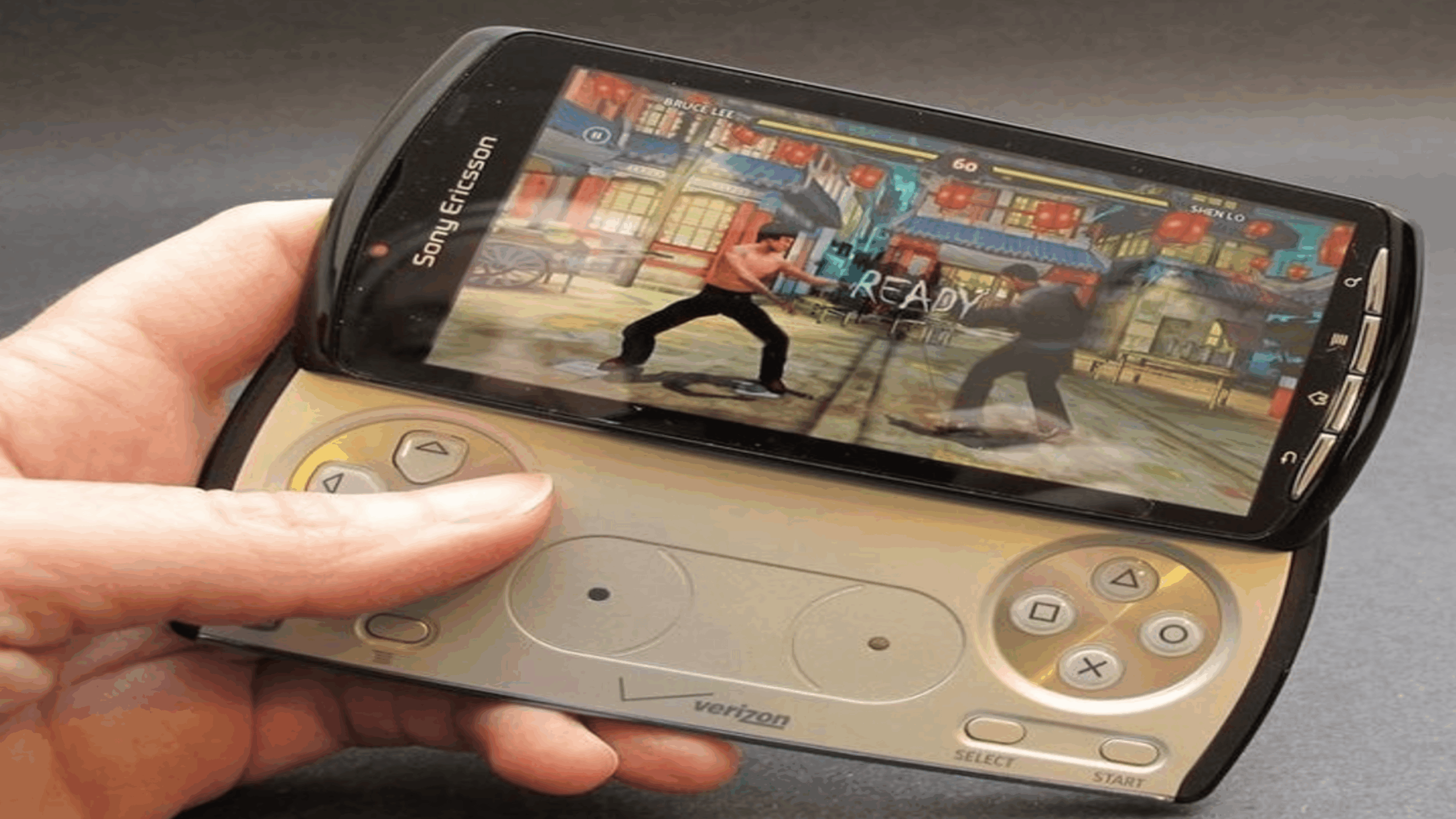
Released in 2011, the Xperia Play featured a slide out gamepad inspired by the PSP, making it one of the first smartphones built specifically for PlayStation style gaming.
3. Razer Built a Smartphone With PC Gamers in Mind
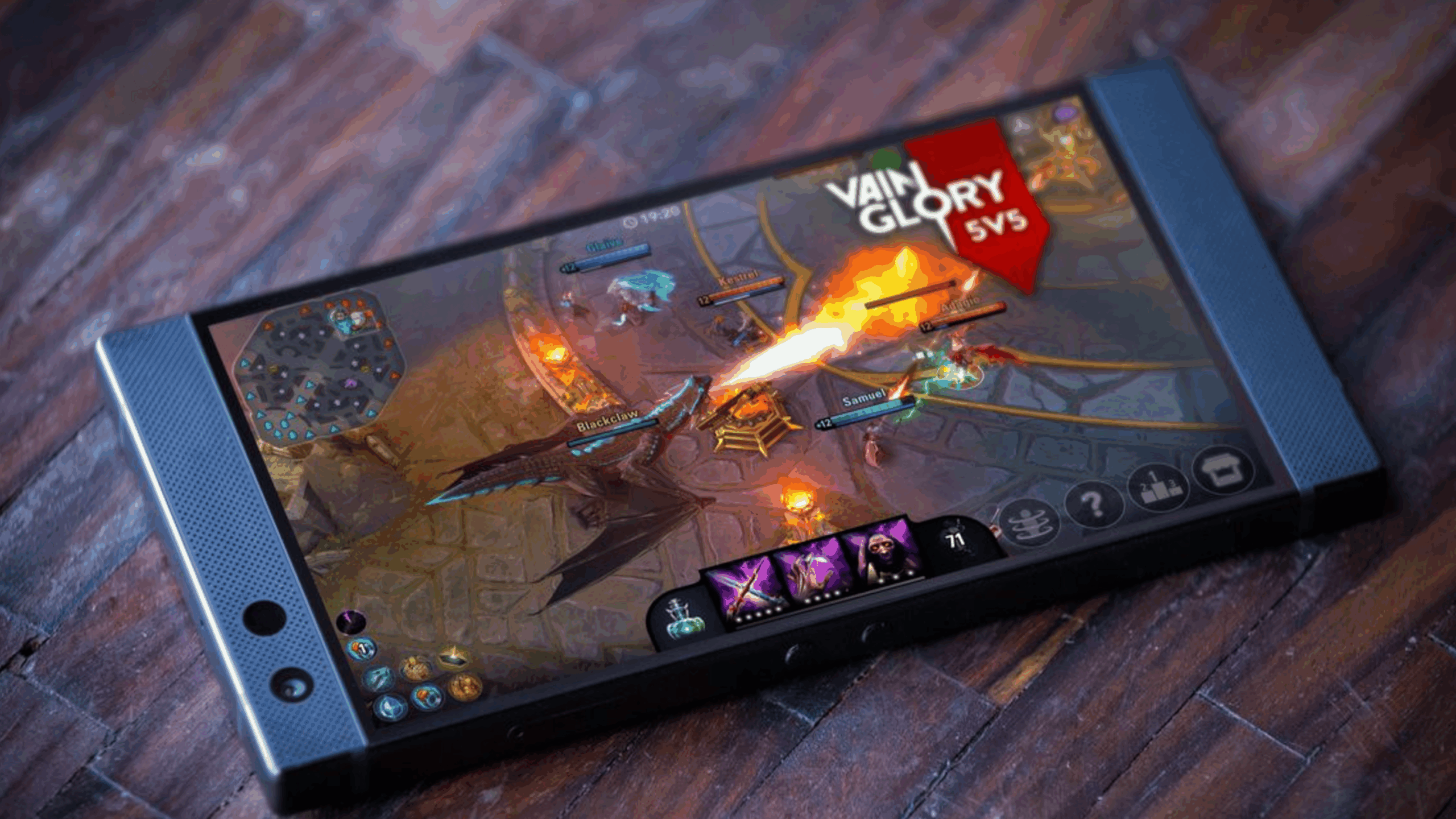
The Razer Phone debuted in 2017 with a 120 Hz display, dual front facing speakers, and flagship hardware, helping redefine what dedicated gaming smartphones could look like
4. Xiaomi Black Shark
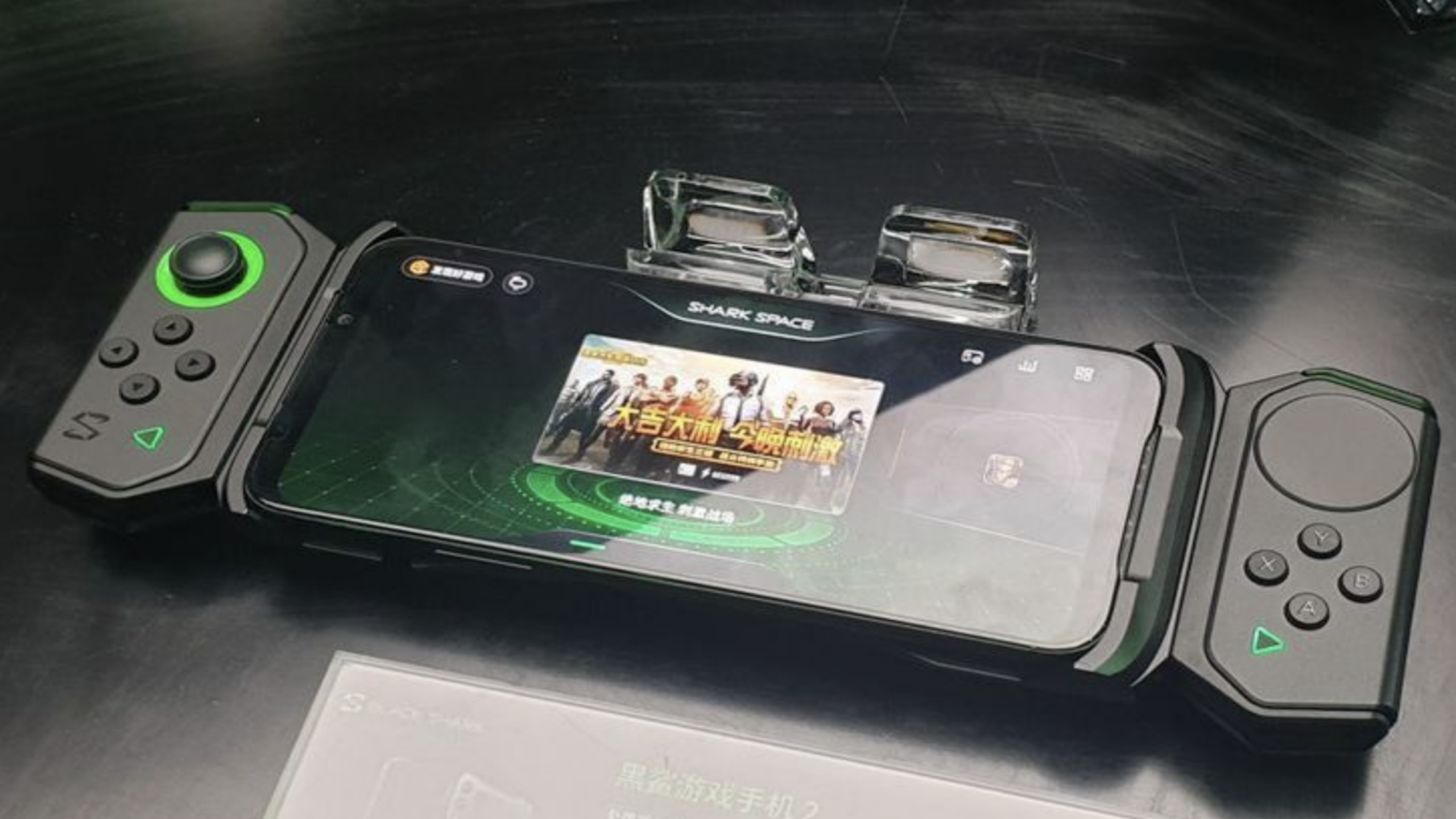
Launched in 2018, the Xiaomi Black Shark introduced physical gaming accessories, shoulder controls, and an aggressive design that helped push gaming smartphones into the esports era.
5. Nokia Fixed the Biggest Problems With the N-Gage
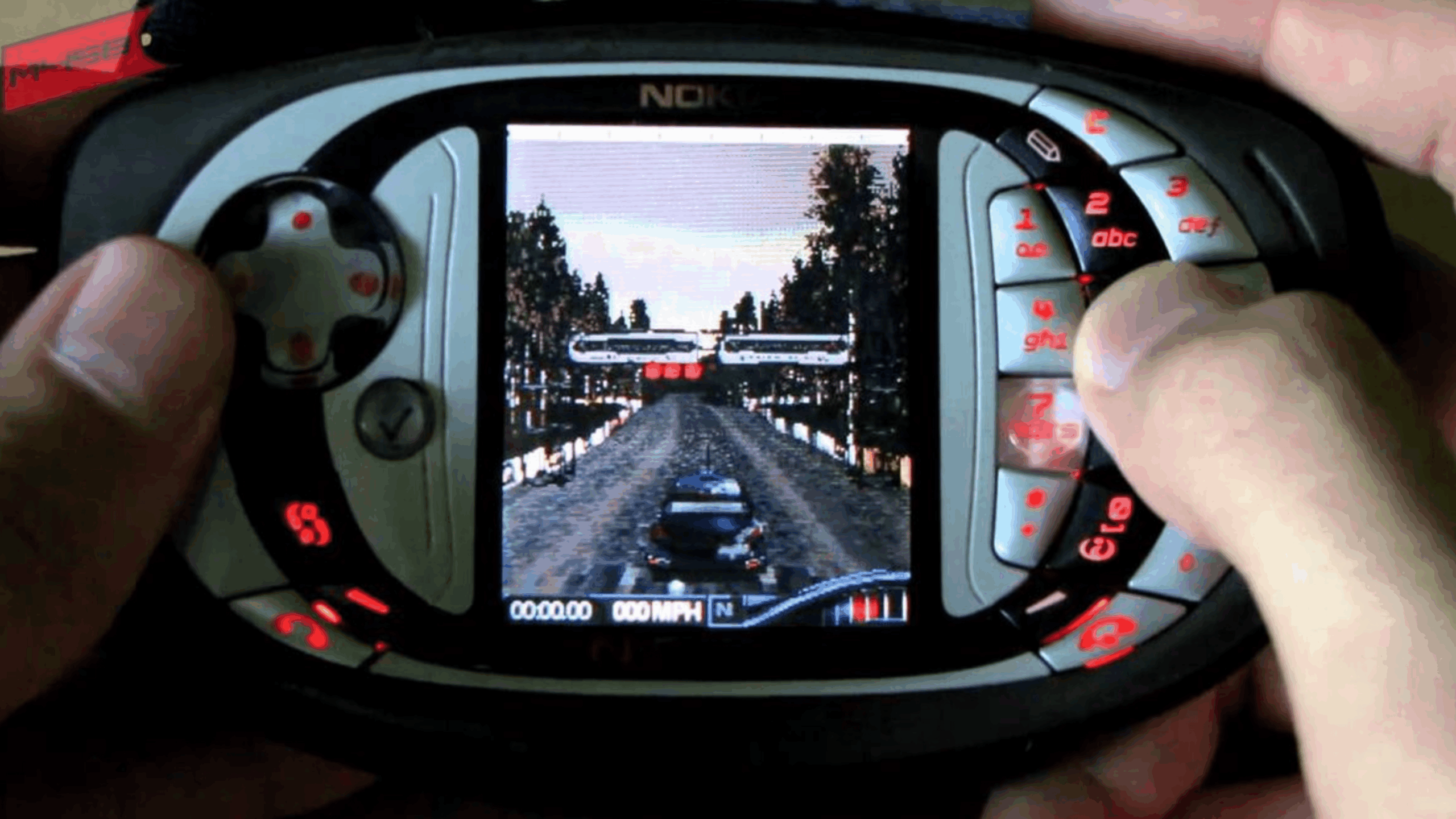
Released in 2004, the N-Gage QD improved the original with a more comfortable design and easier game swapping, making the gaming smartphone far more practical for everyday use.
Trending on realmoneygamer.com


6. ASUS Took Mobile Gaming to the Extreme
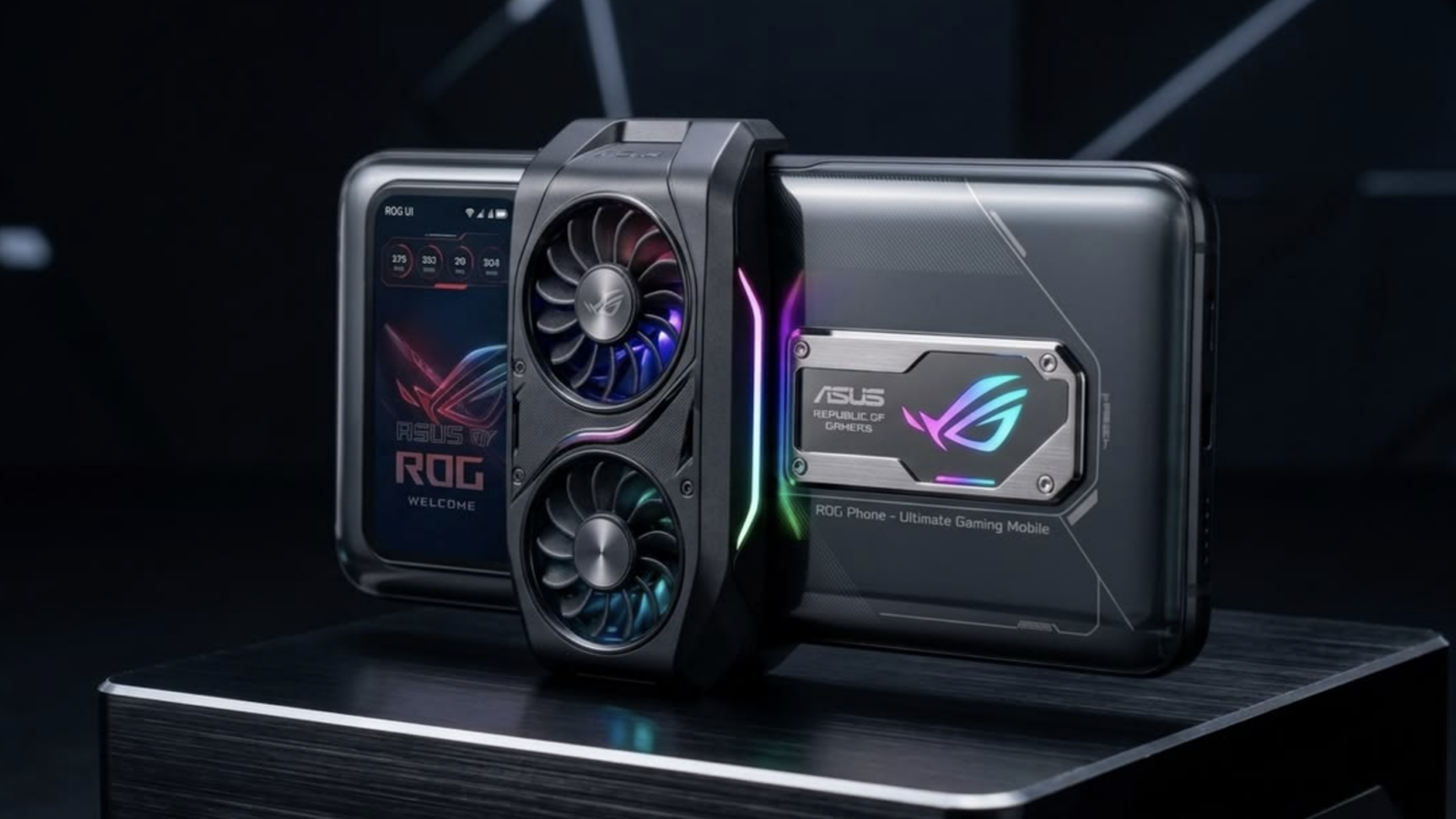
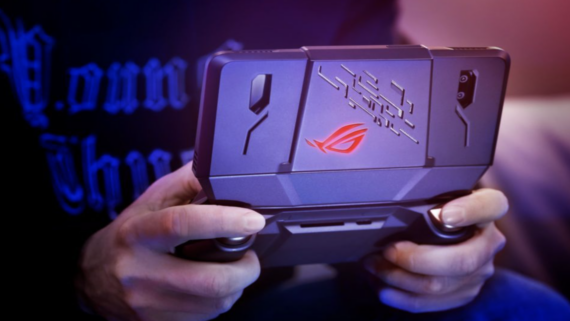
Introduced in 2018, the first ASUS ROG Phone featured ultrasonic AirTriggers, a high refresh rate display, and support for modular accessories, setting a new standard for dedicated gaming phones.
7. Lenovo Legion Phone Duel
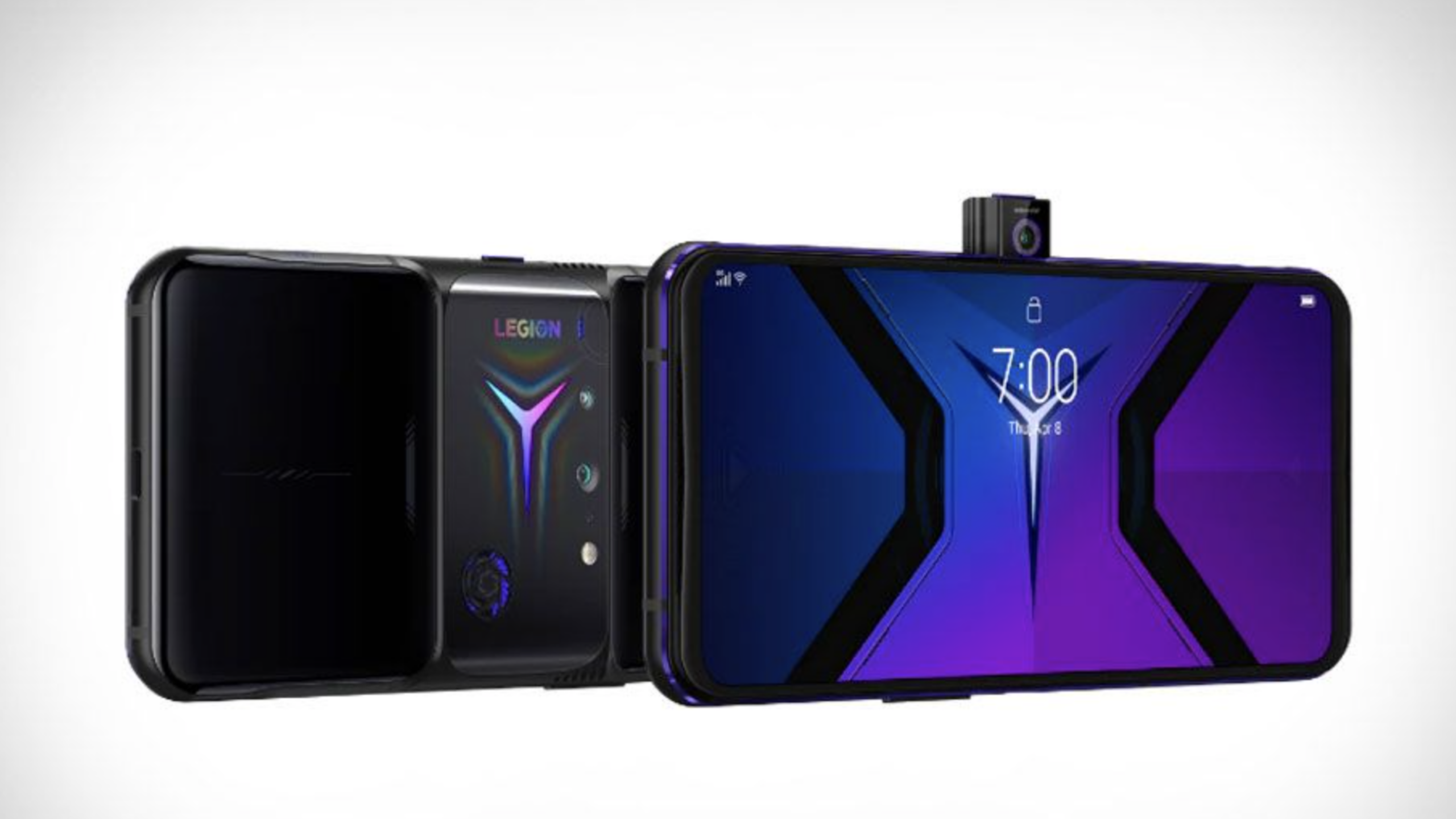
Released in 2020, the Lenovo Legion Phone Duel packed dual batteries, dual USB C ports, and a pop up side camera, all designed to make long gaming sessions more comfortable.
8. Razer Came Back With an Even Faster Sequel
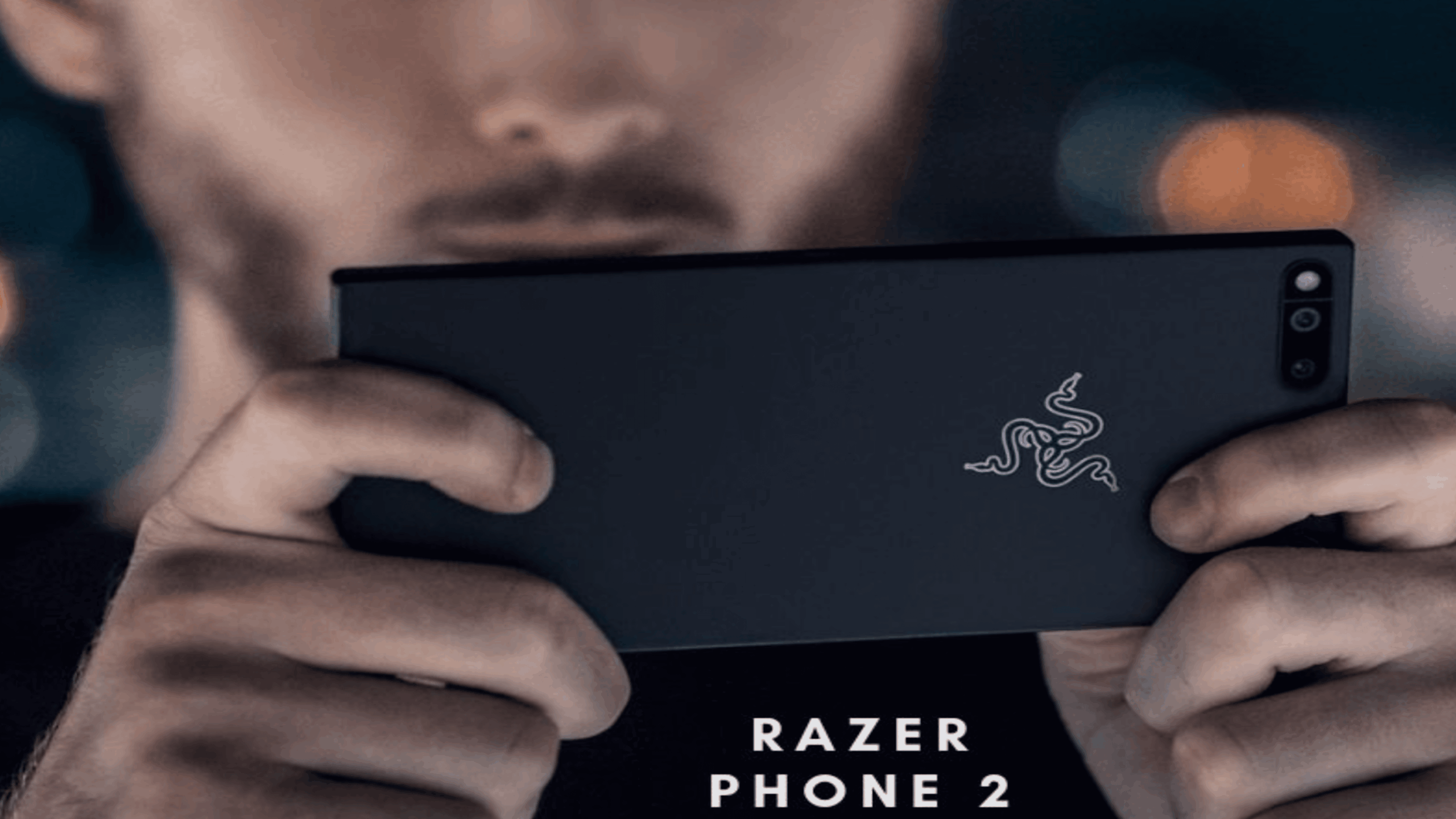
The Razer Phone 2 arrived in 2018 with wireless charging, RGB lighting, water resistance, and improved performance, refining the formula that made its predecessor a favorite among mobile gamers.
9. RedMagic Mars Pushed Smartphones Even Closer to PC Gaming
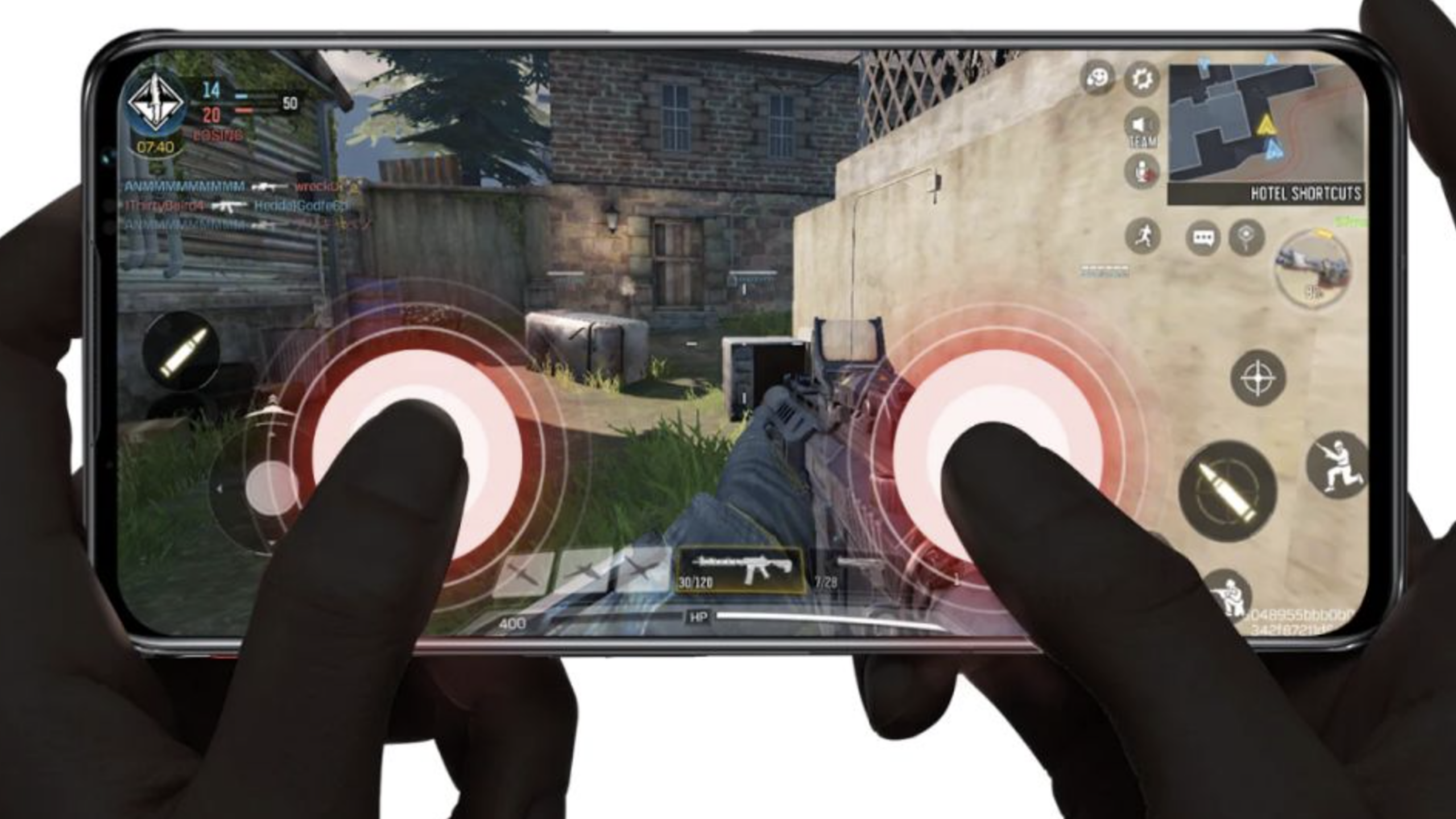
Launched in 2018, the RedMagic Mars featured liquid cooling, pressure sensitive shoulder triggers, and Snapdragon 845 performance, proving that gaming smartphones could compete with dedicated handheld devices.
10. Acer Imagined a Gaming Beast That Never Reached Stores
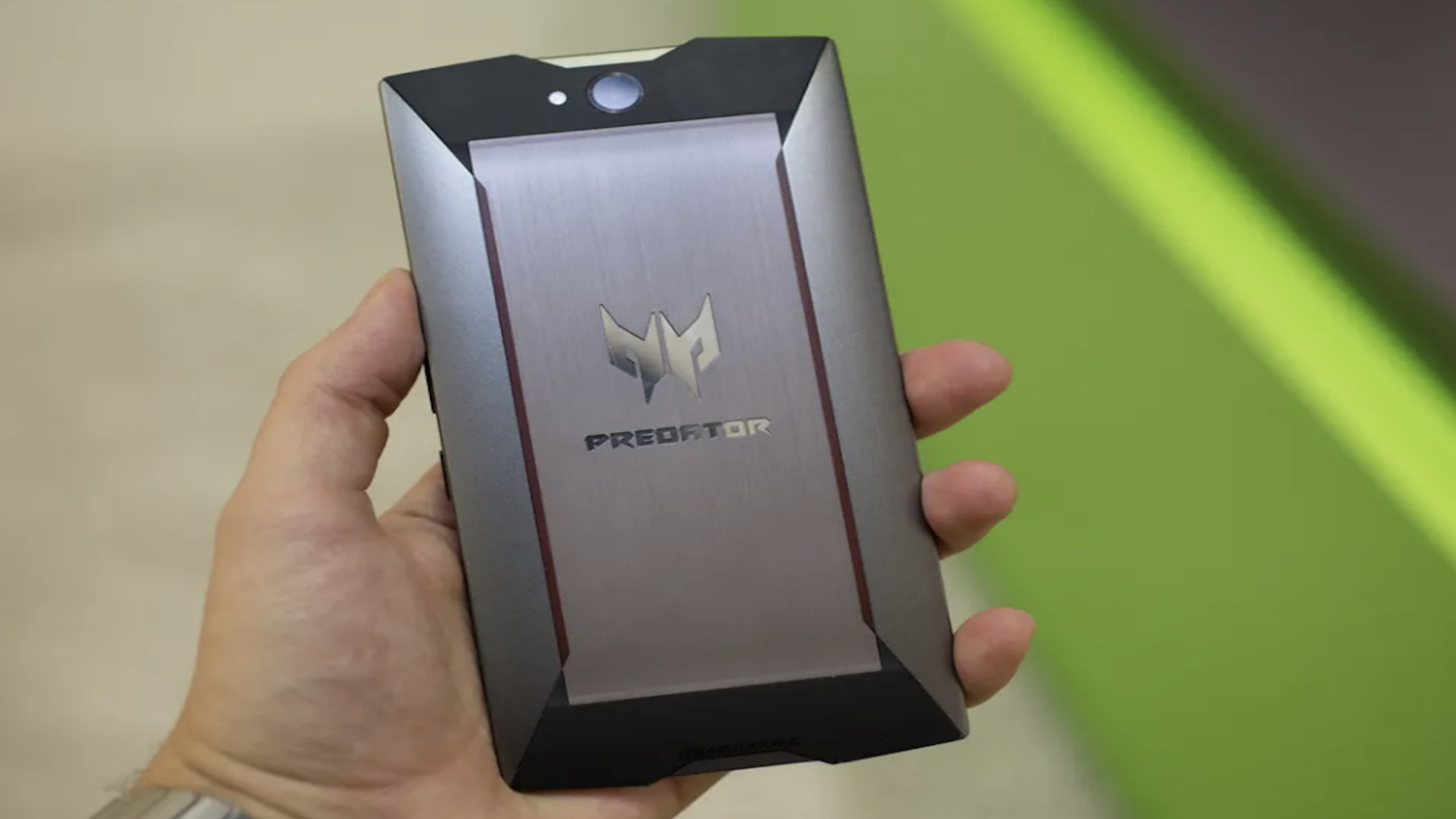
Unveiled at IFA 2015, the Acer Predator 6 prototype featured a six inch display, four front facing speakers, and an aggressive gamer design, but it was ultimately canceled before reaching the market.
11. Black Shark Raised the Bar With Its Fastest Model Yet
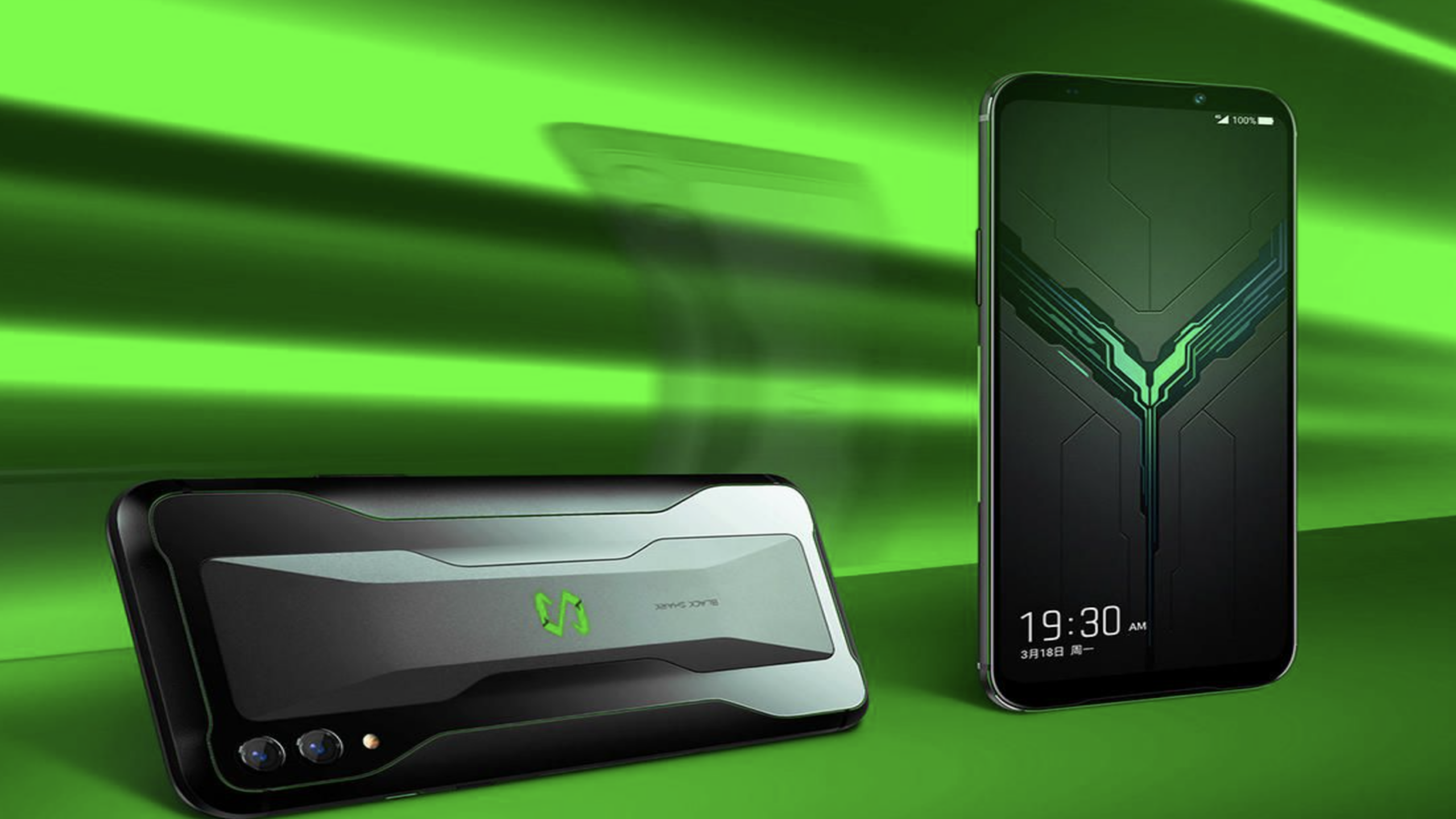
Released in 2019, the Black Shark 2 Pro paired a Snapdragon 855 Plus chip with a 240 Hz touch sampling rate, delivering one of the smoothest gaming experiences available on a phone at the time.
12. ASUS Packed Desktop Level Features Into a Pocket Device
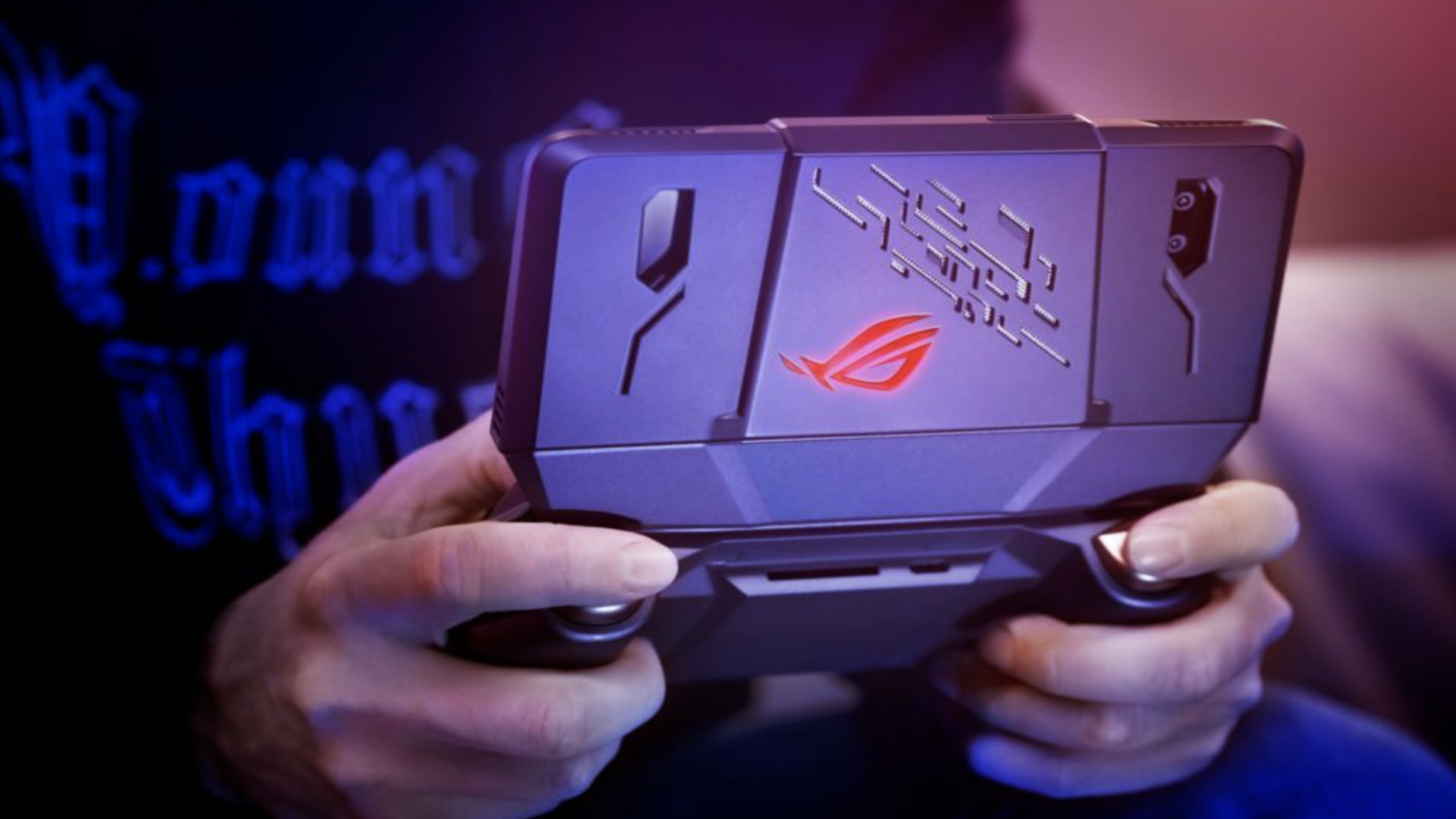
Debuting in 2020, the ASUS ROG Phone 3 offered a 144 Hz AMOLED display, AirTriggers, and support for external cooling accessories, making it one of the most powerful gaming phones of its generation.
13. Nubia Put Shoulder Triggers in Your Pocket
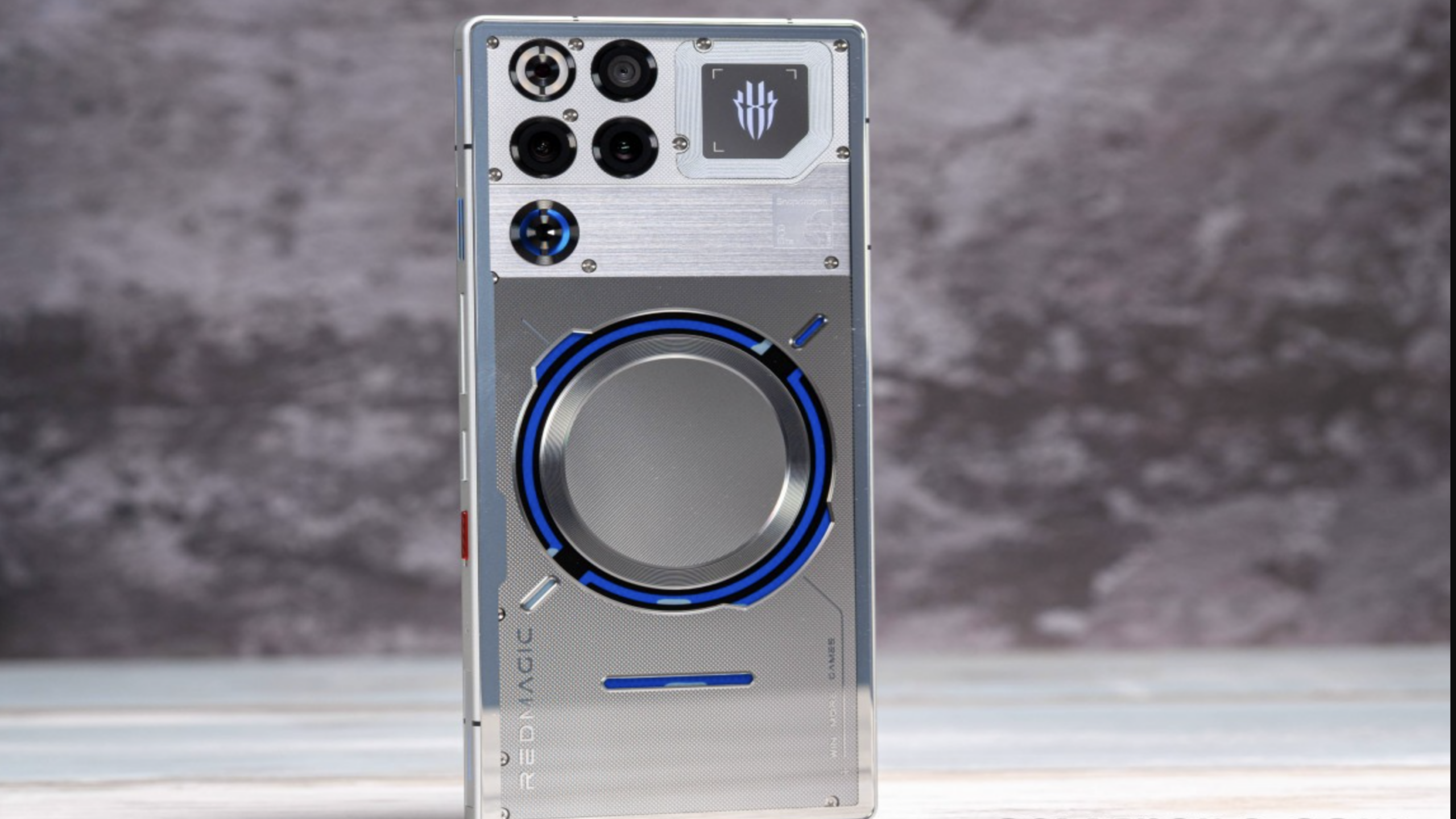
Introduced in 2018, the original Nubia RedMagic stood out with capacitive shoulder triggers, advanced cooling, and RGB lighting, bringing console style controls to mobile gaming.
14. Lenovo Put the Selfie Camera Exactly Where Gamers Needed It
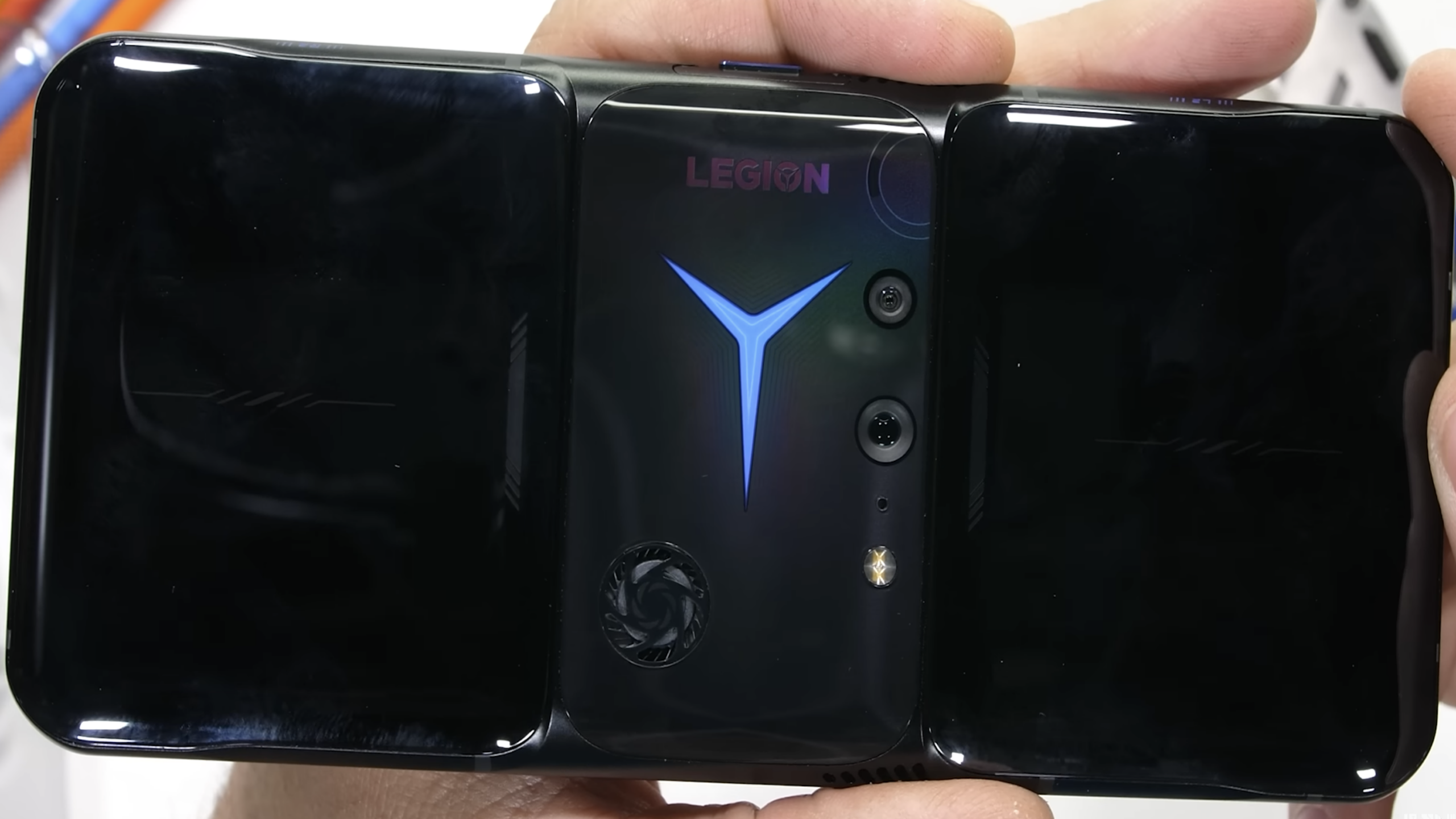
Released in 2021, the Lenovo Legion Phone Duel 2 featured a side pop up selfie camera, dual cooling fans, and a split battery design, making it one of the boldest gaming phones ever produced.
15. ASUS Perfected Its Winning Formula With the ROG Phone II
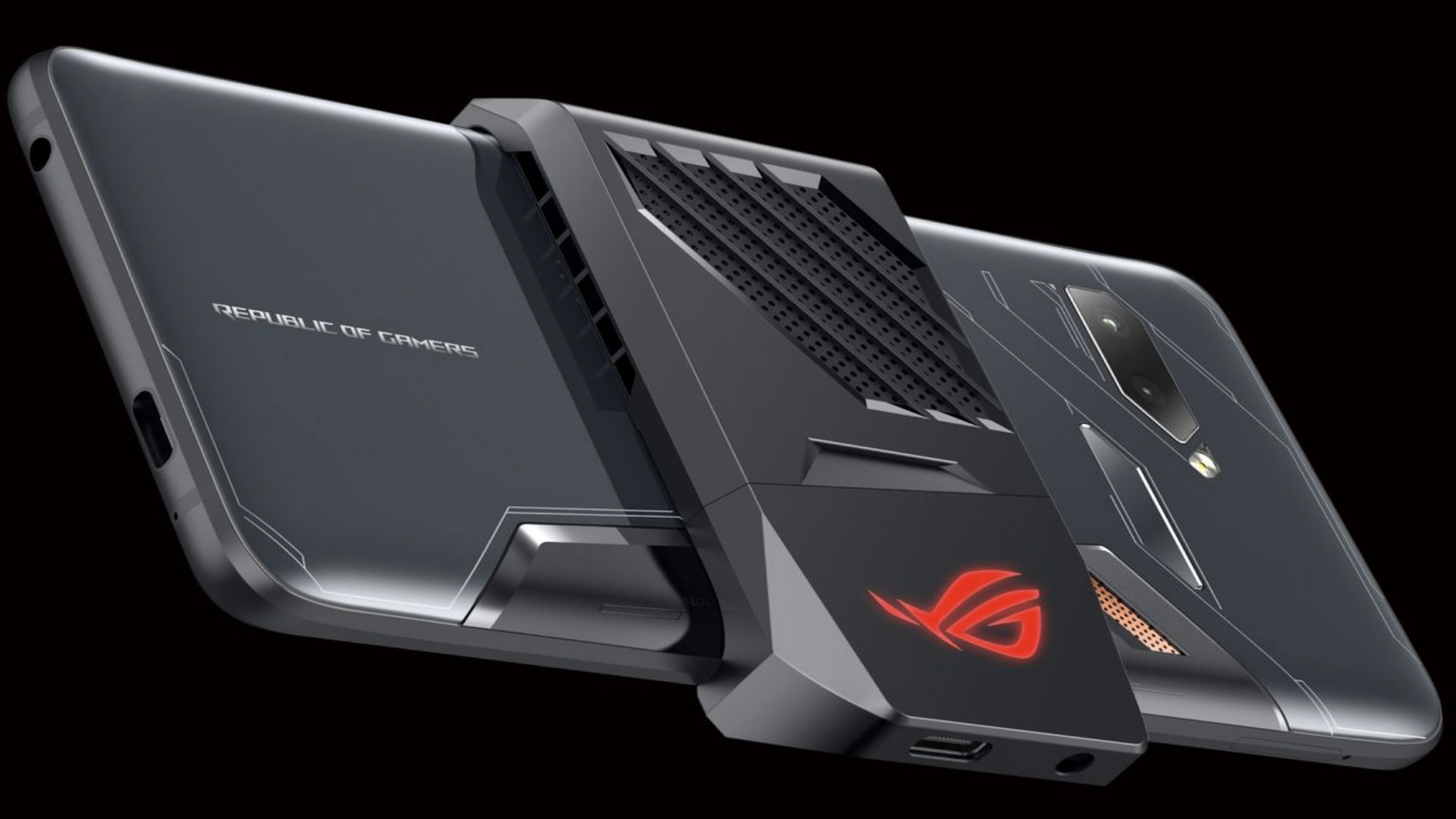
Launched in 2019, the ASUS ROG Phone II introduced a 120 Hz AMOLED display, a massive 6,000 mAh battery, and the Snapdragon 855 Plus, cementing its reputation as one of the most influential gaming smartphones of its era.