Graphics sell dreams. A jaw-dropping trailer drops during E3, social media loses its mind, and suddenly everyone is convinced the next visual masterpiece is right around the corner. Then release day arrives, and those breathtaking lighting effects, impossibly detailed worlds, and cinematic moments seem to have vanished somewhere along the way. While some of these games were still fun to play, they also became unforgettable reminders that first impressions can be a little too good to be true.
1. Watch Dogs
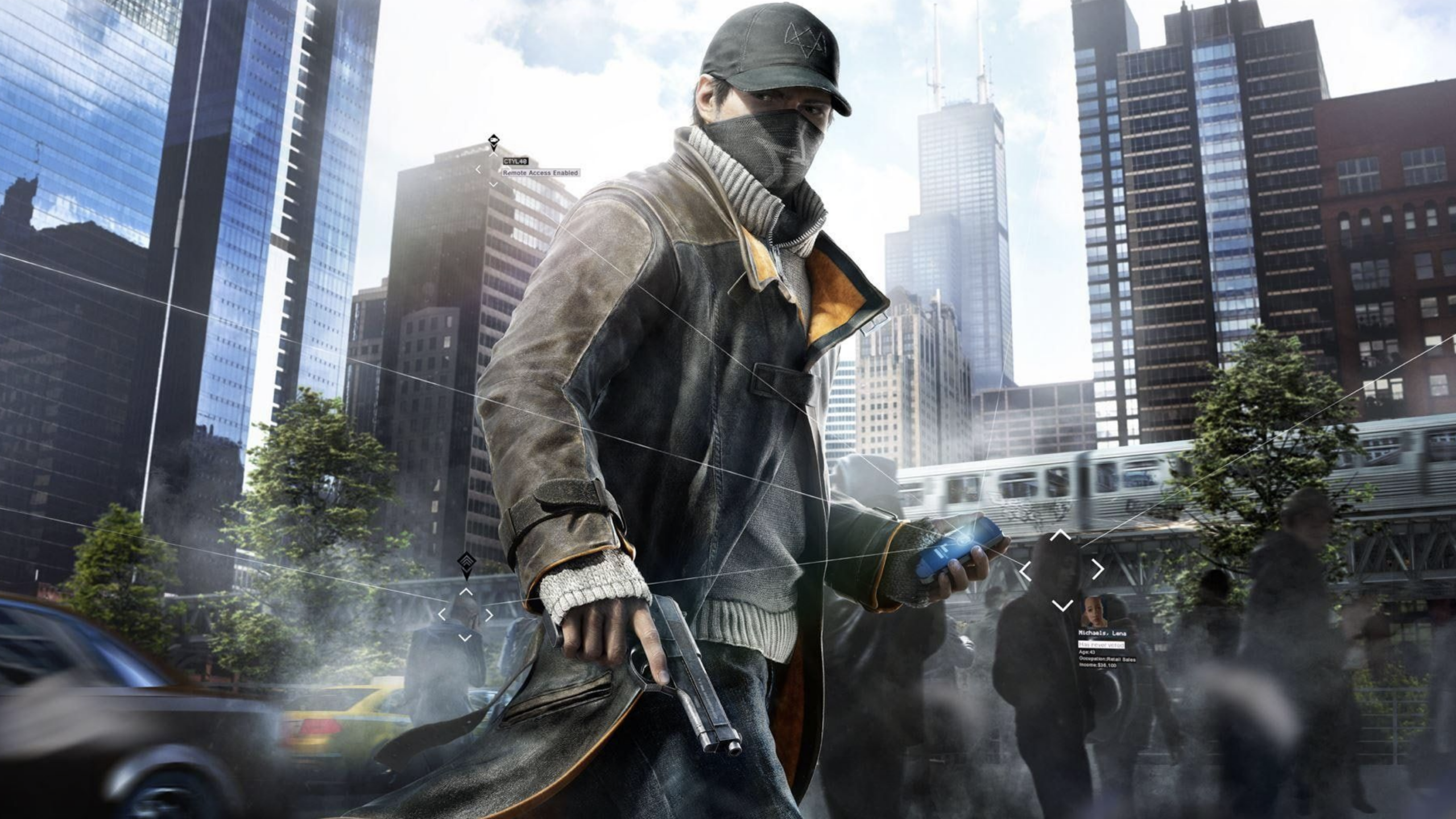
When Ubisoft unveiled Watch Dogs at E3 2012, it looked like the future of open-world gaming had arrived. Rain-soaked Chicago streets reflected every neon light, character models looked remarkably lifelike, and the advanced lighting system made the city feel almost cinematic. By the time the game launched in 2014, players quickly noticed that many of those visual effects had been scaled back across all platforms, sparking one of the biggest graphics downgrade debates in gaming history. Even years later, Watch Dogs remains the first game many fans mention whenever the conversation turns to trailers that promised more than the final release.
2. Aliens: Colonial Marines

Few games have ever faced as much backlash over their visuals as Aliens: Colonial Marines. Early gameplay demonstrations showcased detailed environments, dynamic lighting, cinematic Xenomorph encounters, and graphics that looked worthy of the iconic sci-fi franchise. When the game finally launched in 2013, players were met with noticeably lower-quality textures, simplified lighting, weaker animations, and AI that became infamous for all the wrong reasons. The gap between the promotional footage and the finished product was so significant that it even sparked lawsuits over alleged misleading marketing, cementing Aliens: Colonial Marines as one of gaming’s most infamous graphics disappointments.
3. Tom Clancy’s The Division
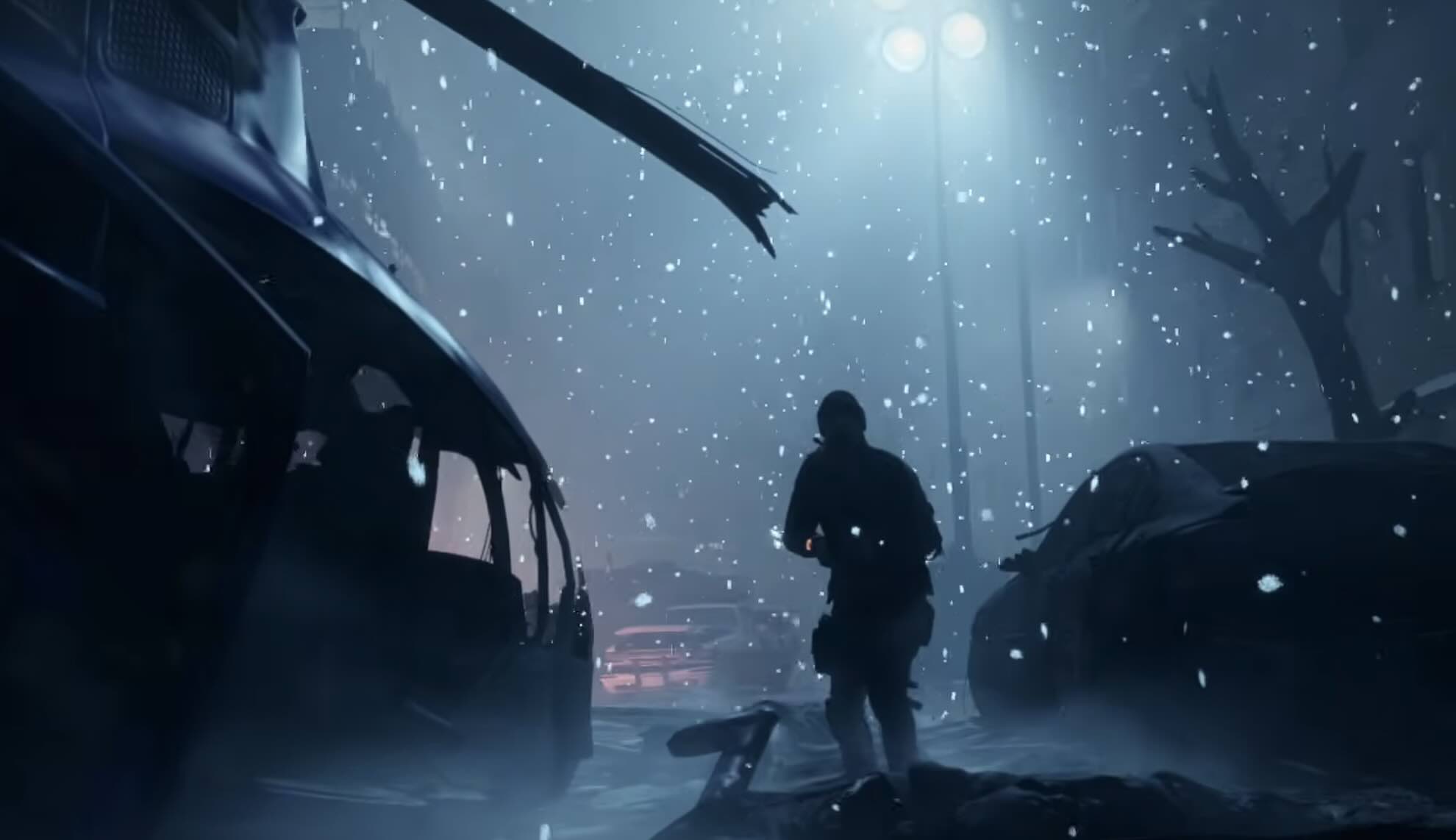
Ubisoft stole the show at E3 2013 by unveiling a version of New York that looked almost too good to be real. Snow piled naturally across abandoned streets, dynamic lighting transformed every alley, and the level of environmental detail made the game feel like the next leap for open-world shooters. By launch, players quickly noticed that several of those visual effects had been scaled back, fueling countless side-by-side comparisons with the original reveal. Although The Division remained a beautiful game, it also became one of the industry’s most recognizable examples of graphics that couldn’t quite live up to their first impression.
4. Rainbow Six Siege
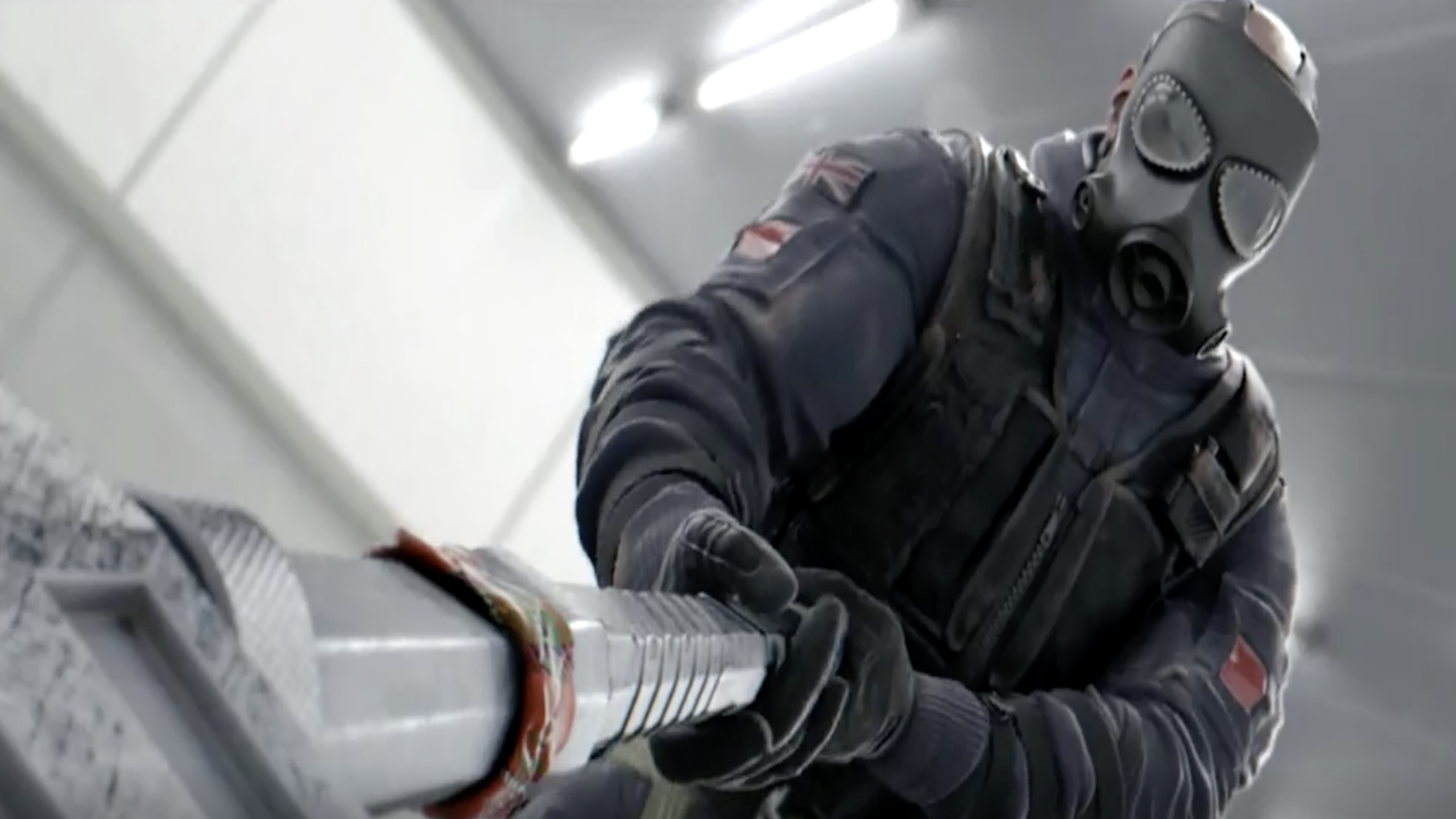
Destructible walls, cinematic lighting, dense smoke effects, and incredibly detailed environments helped turn Rainbow Six Siege into one of Ubisoft’s most talked-about E3 reveals in 2014. The final release kept its signature tactical gameplay, but longtime fans quickly noticed that several visual effects had been simplified, including lighting, environmental detail, particle effects, and overall scene density. Ubisoft explained that some changes were made to improve performance and maintain competitive balance across platforms, yet the comparisons between the reveal and the retail version continued for years. Even today, Rainbow Six Siege is frequently mentioned whenever players debate famous graphics downgrades.
5. Dark Souls II

Before Dark Souls II arrived in 2014, FromSoftware showcased gameplay filled with dramatic lighting, dynamic shadows, and atmospheric effects that made every corridor feel tense and unpredictable. Those early demonstrations suggested that light sources like torches would play a much bigger role throughout the adventure. As development progressed, many of those features were reduced or removed, and the retail version featured noticeably flatter lighting than what fans had seen in previews. Despite becoming one of the series’ most successful entries, the visual changes sparked plenty of discussion among players who had expected the darker, more technically ambitious experience first shown before launch.
Trending on realmoneygamer.com

6. BioShock Infinite
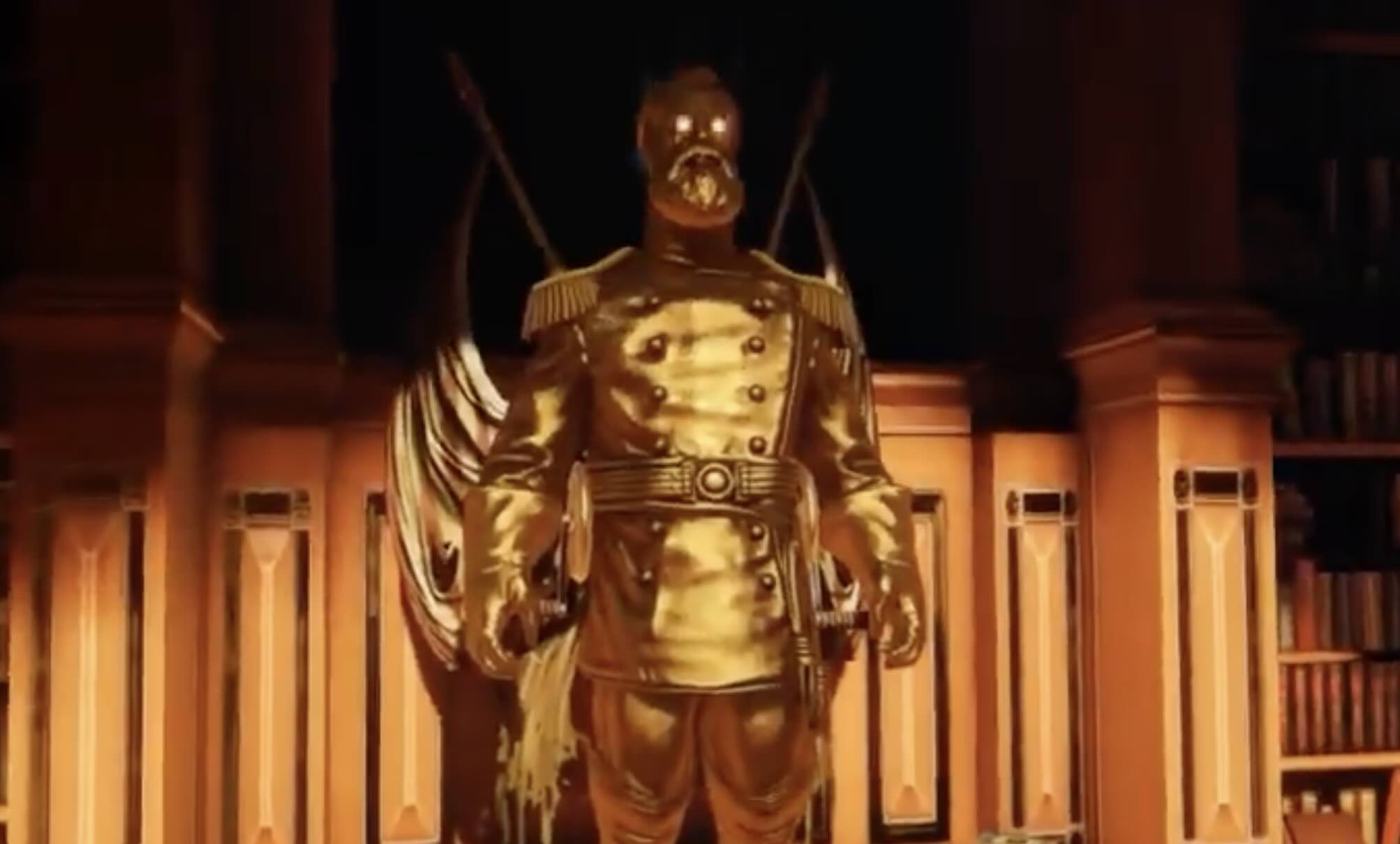
Few E3 presentations generated as much excitement as the extended gameplay demo for BioShock Infinite in 2011. Columbia felt alive, with bustling crowds, reactive NPCs, richer environmental detail, and cinematic sequences that flowed seamlessly into combat. When the game launched two years later, fans noticed that several locations had been simplified, crowd density was reduced, and many of the dynamic interactions shown in the demo were nowhere to be found. Even though BioShock Infinite earned widespread critical acclaim, its early reveal is still remembered as a classic example of how ambitious demonstrations don’t always survive the road to release.
7. The Witcher 3: Wild Hunt
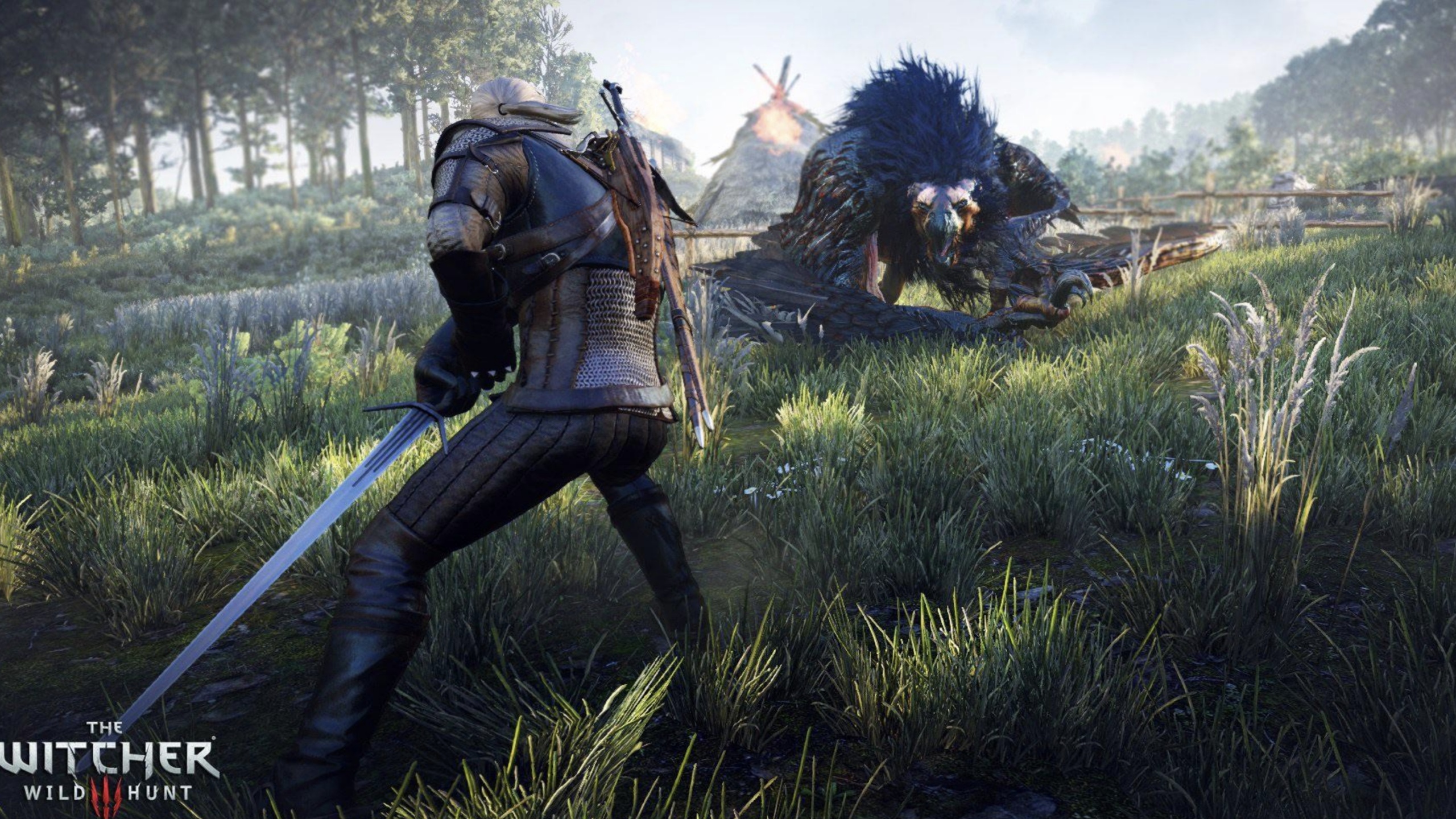
CD Projekt Red spent years building enormous anticipation for The Witcher 3: Wild Hunt, and its early gameplay presentations showcased dense forests, richer vegetation, dramatic lighting, volumetric fog, and more advanced visual effects than many players expected from an open-world RPG. As launch approached, comparison videos began highlighting noticeable differences between those demonstrations and the retail version, particularly in lighting, environmental detail, and post-processing effects. While the final game was still widely praised as one of the best-looking RPGs of its generation, the debate over its graphics became one of the industry’s most discussed examples of visual downgrades, with fans continuing to compare the pre-release footage to the finished product years later.
8. Cyberpunk 2077
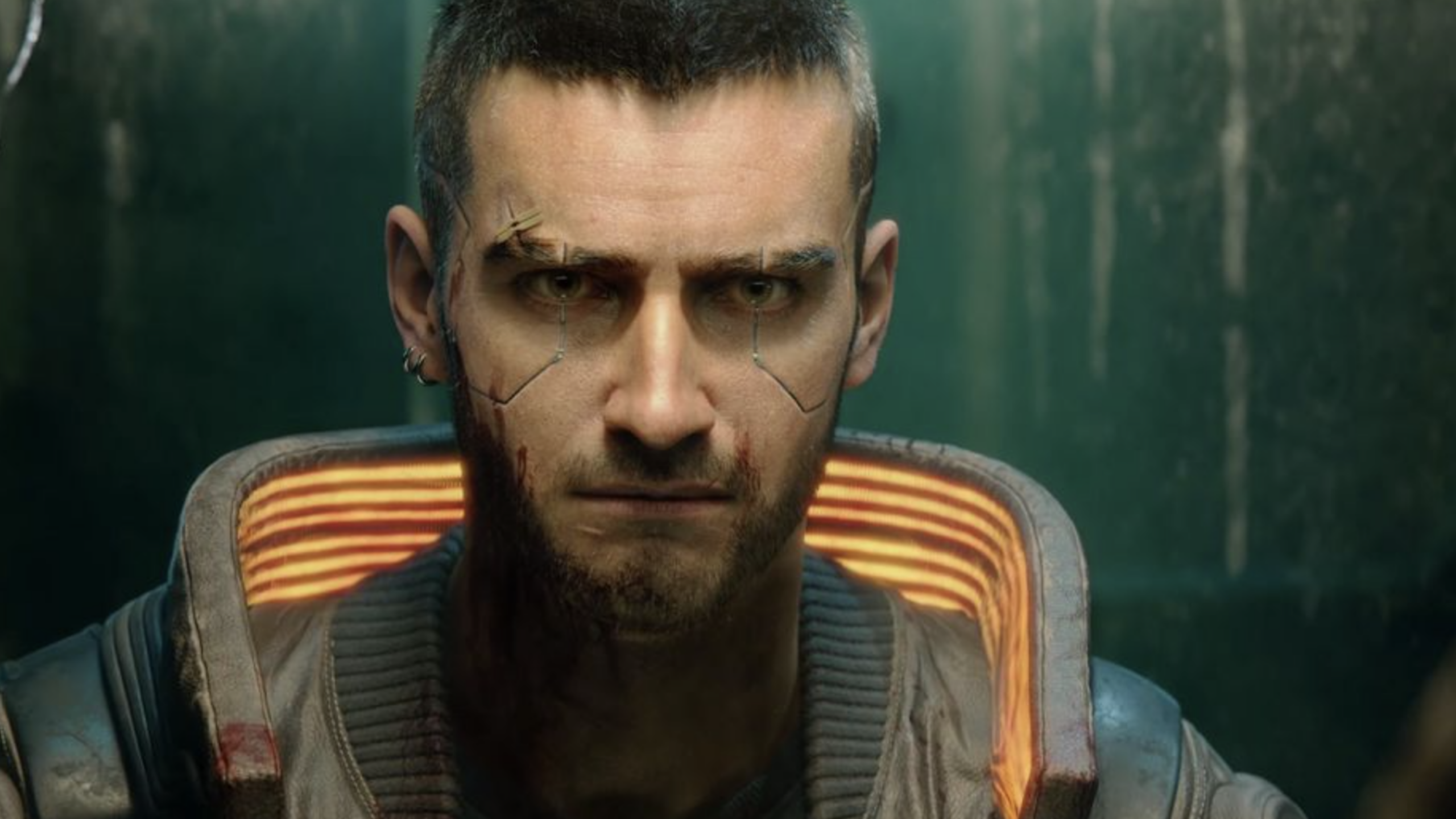
Expectations for Cyberpunk 2077 couldn’t have been higher after years of stunning gameplay presentations that showcased a vibrant Night City packed with detailed streets, lifelike crowds, and cutting-edge visual effects. While high-end PCs came remarkably close to that vision, the PlayStation 4 and Xbox One versions launched with muddy textures, inconsistent frame rates, and noticeably reduced visual fidelity. The contrast between the promotional footage and what many console players actually experienced quickly became one of the biggest controversies of 2020, turning Cyberpunk 2077 into one of the most infamous launches in modern gaming history.
9. Anthem
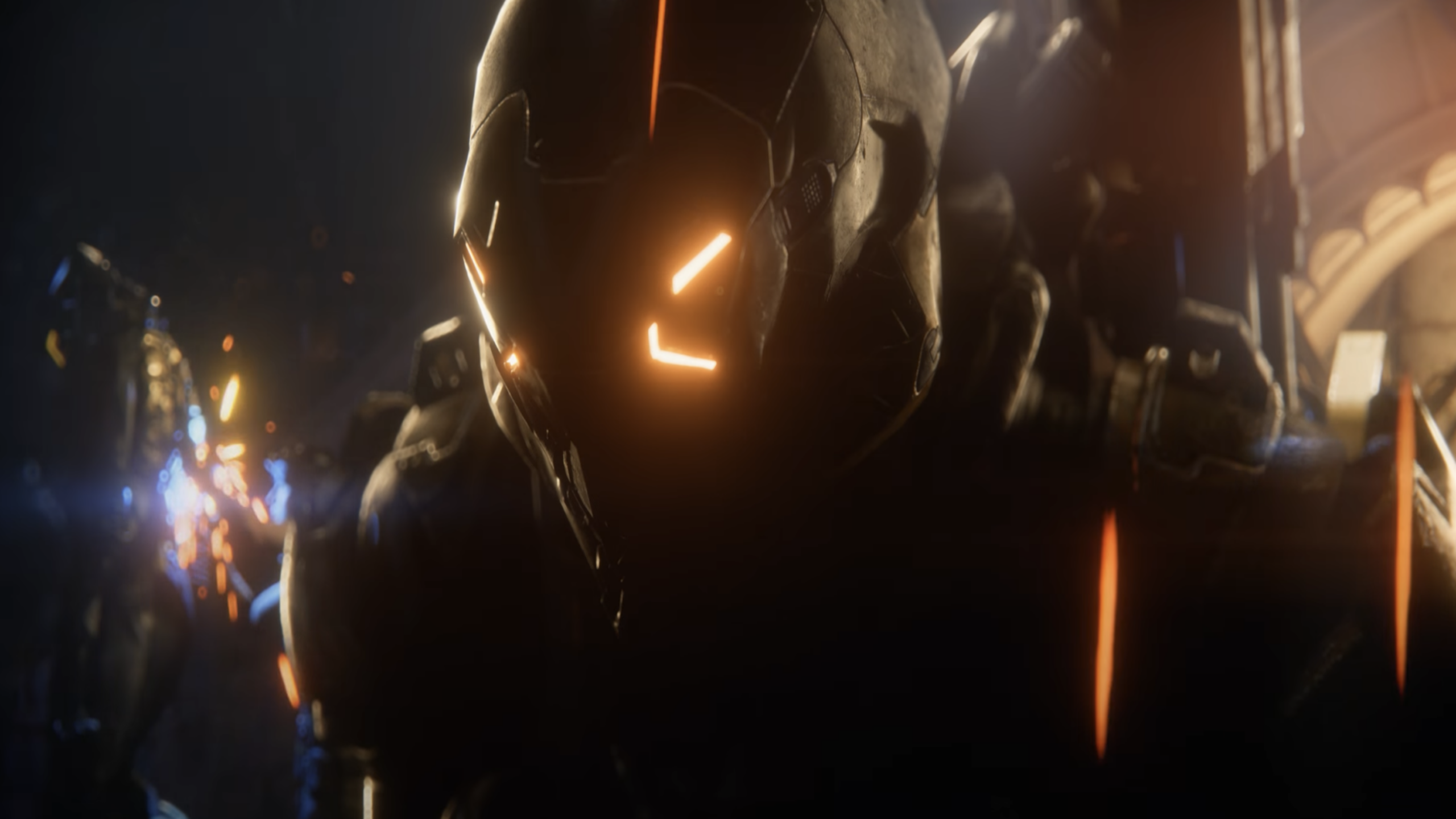
BioWare introduced Anthem with breathtaking gameplay demonstrations that made its massive sci-fi world feel alive. By the time the game arrived in 2019, players noticed that many of those visual flourishes had been scaled back, while certain environments appeared less detailed than what had been shown in the original presentations. Although its biggest problems ultimately came from repetitive gameplay and a lack of content, the noticeable differences between the reveal and the final release left many fans feeling that the game had lost some of its early visual magic.
10. Halo Infinite
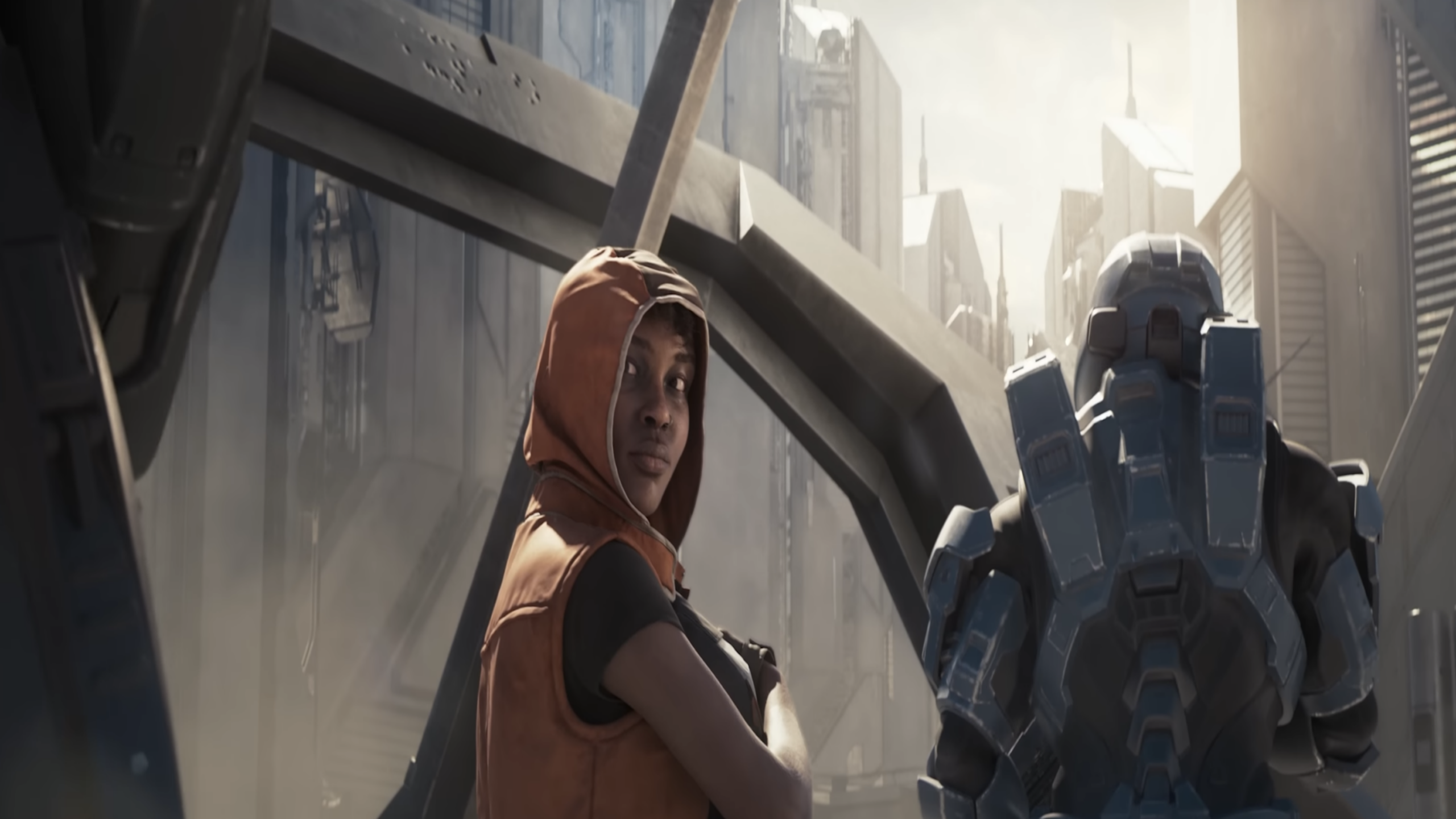
Instead of kicking off the next console generation with a technical showcase, Halo Infinite became an internet meme almost overnight. Its first gameplay reveal in 2020 drew criticism for flat lighting, low-detail textures, and character models that looked surprisingly dated for a flagship Xbox title. One Brute enemy, quickly nicknamed “Craig” by the community, became the face of that disappointment and spread across social media within hours. Although 343 Industries delayed the game and significantly improved its visuals before launch, the original presentation remains one of the clearest examples of how a highly anticipated reveal can instantly reshape public expectations.
11. No Man’s Sky
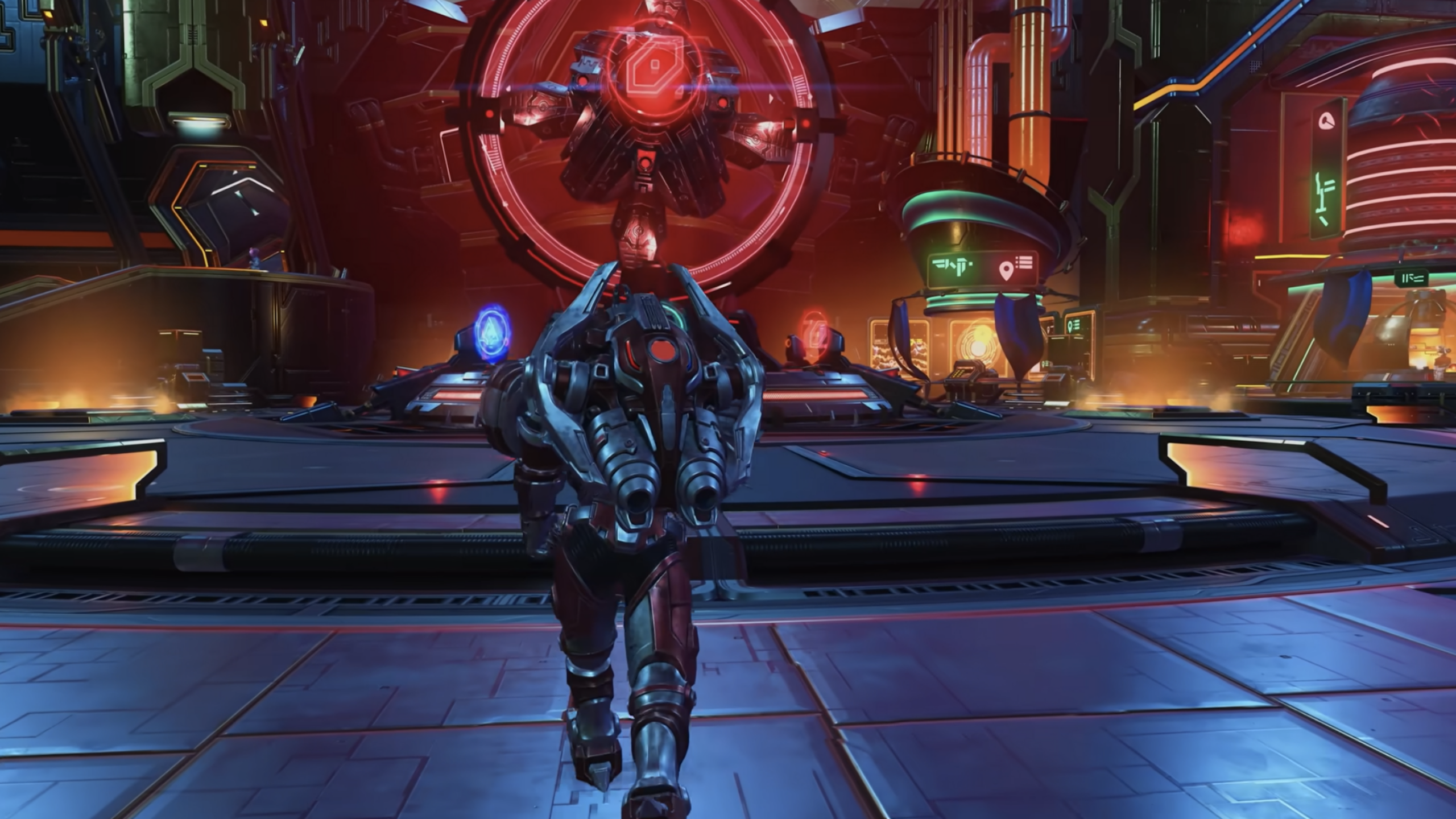
Years before No Man’s Sky finally landed, Hello Games captivated players with demonstrations of vibrant alien worlds filled with dense forests, giant creatures, dynamic space battles, and seamless exploration. The version that arrived in 2016 still featured an enormous procedurally generated universe, but many players felt it lacked the visual richness and variety showcased during the game’s early presentations. Combined with missing features and enormous pre-release expectations, those comparisons quickly became one of the biggest graphics controversies of the decade. Although years of free updates eventually transformed No Man’s Sky into a celebrated success story, its original release remains a classic example of how early demonstrations can create expectations that are incredibly difficult to meet.
12. Haze
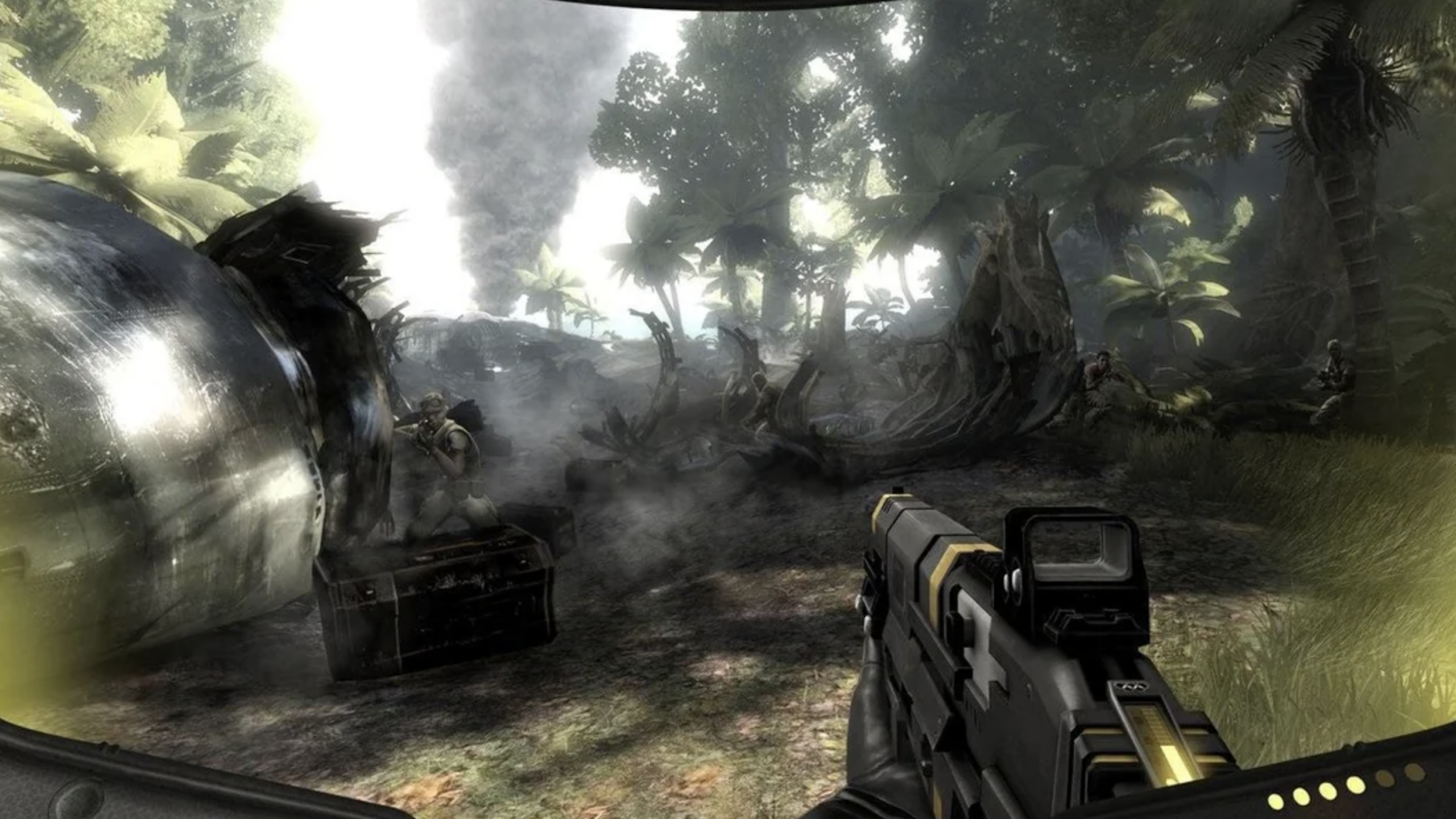
Marketed as the next great console shooter, Haze debuted with trailers that promised lush tropical environments, advanced lighting, cinematic effects, and visuals that looked ready to compete with the biggest first-person shooters of its generation. By the time it launched in 2008, however, players were greeted by muddy textures, stiff animations, and environments that felt far less detailed than the promotional footage had suggested. Mixed with repetitive gameplay and technical shortcomings, its underwhelming graphics quickly became another reason why Haze failed to live up to the enormous hype surrounding its release.
13. Lair’s Graphics Looked Ready for the Next Generation
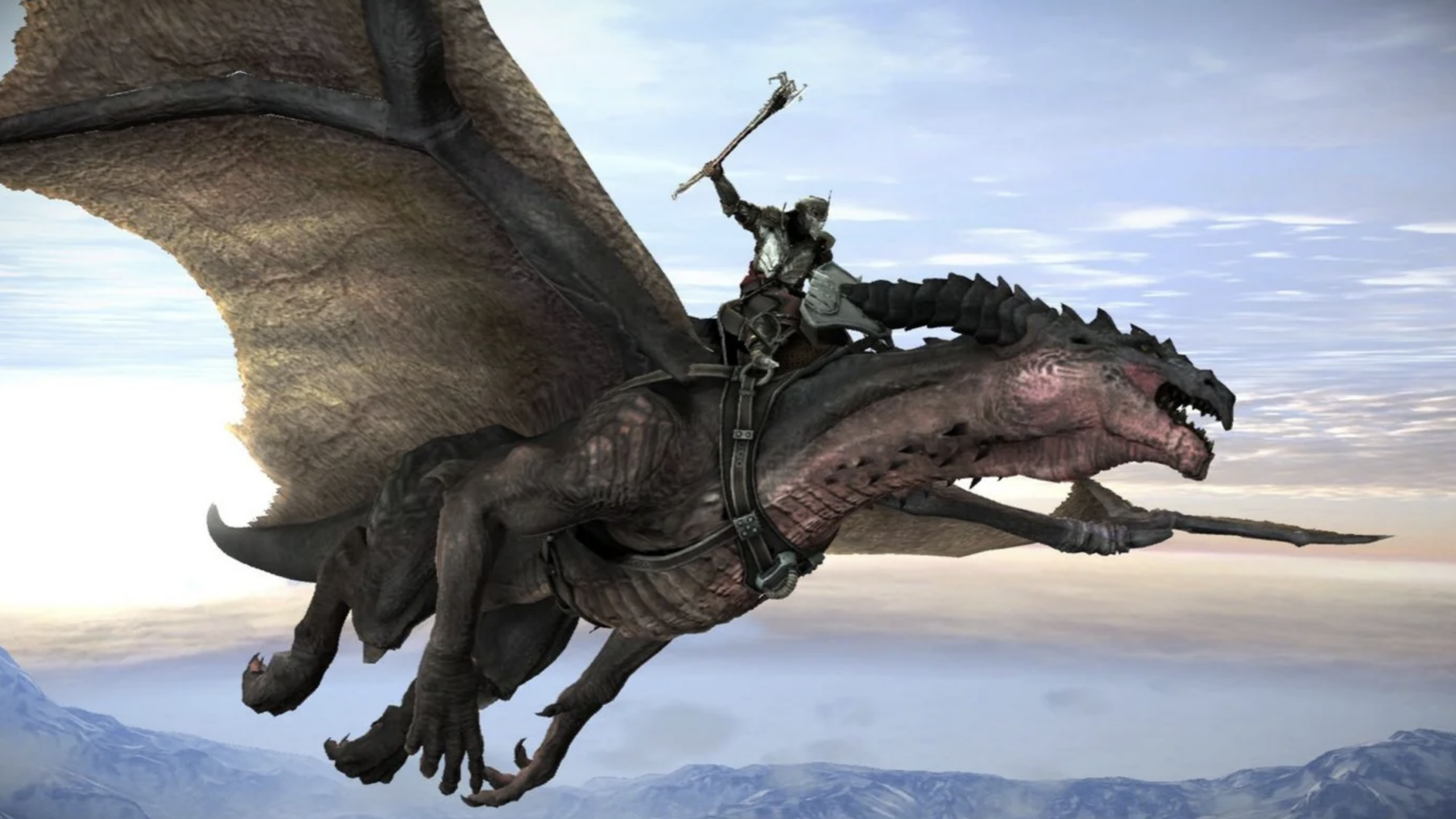
Built as one of the PlayStation 3’s earliest exclusives, Lair promised massive dragon battles, cinematic scale, and breathtaking visual effects that showcased the console’s power. Early trailers featured detailed environments, impressive lighting, and large-scale combat that generated enormous excitement before launch. When the game finally arrived in 2007, players found visuals that often fell short of those early demonstrations, while inconsistent performance and awkward motion controls overshadowed many of its technical ambitions. The gap between its promised graphics and the final release became one more reason why Lair never evolved into the PlayStation blockbuster Sony had hoped for.
14. Mass Effect: Andromeda
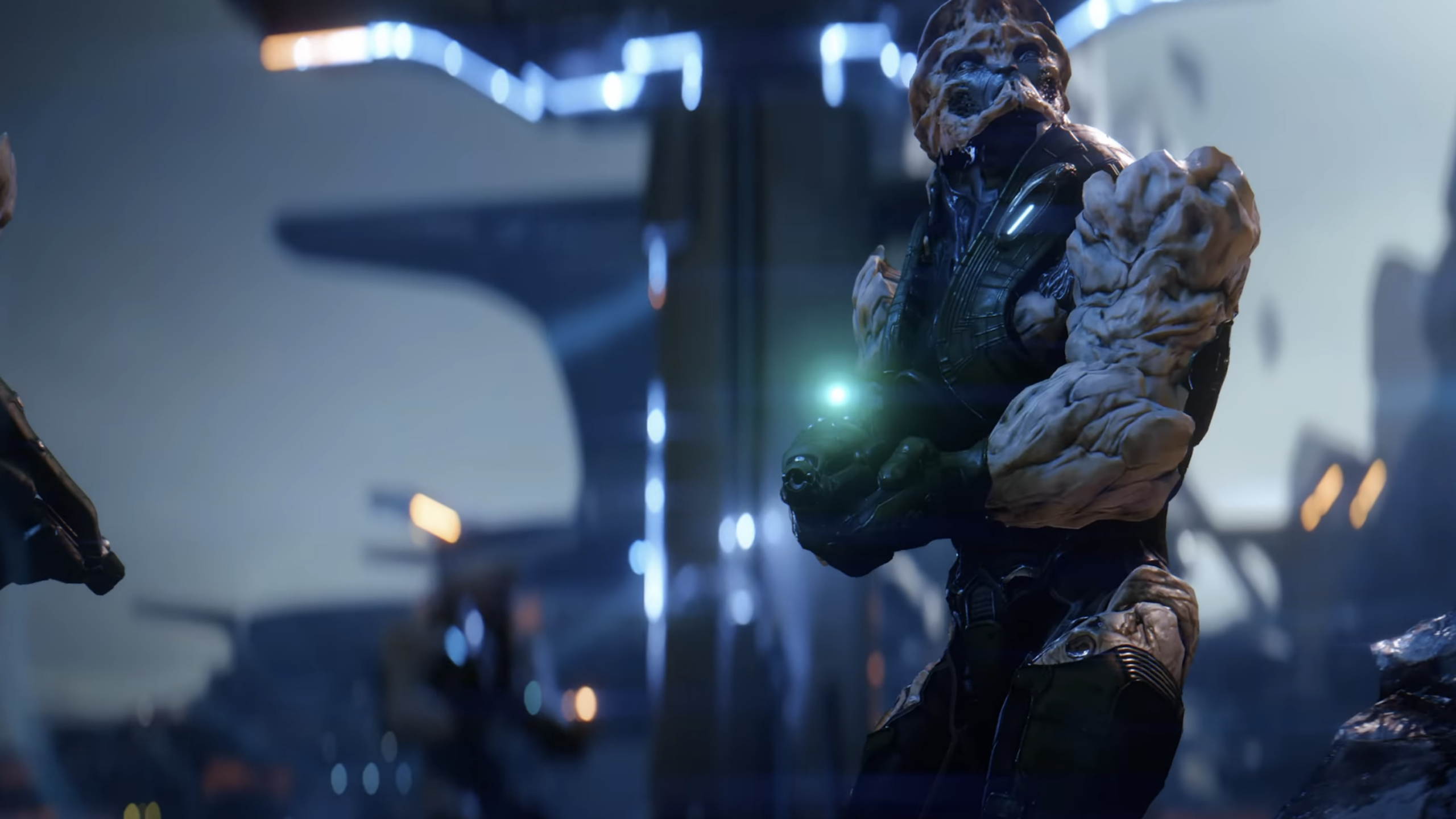
Following the enormous success of the original Mass Effect trilogy, fans expected Mass Effect: Andromeda to set a new visual benchmark for BioWare. Early trailers showcased breathtaking alien landscapes, detailed facial models, and cinematic presentation that hinted at another leap forward for the franchise. Once the game launched in 2017, however, awkward facial animations, stiff character expressions, and inconsistent visual polish quickly became the focus of online discussion. While patches improved many of its technical shortcomings, the game’s graphics and animation quality never fully matched the expectations created by its polished pre-release marketing.
15. Dead Island
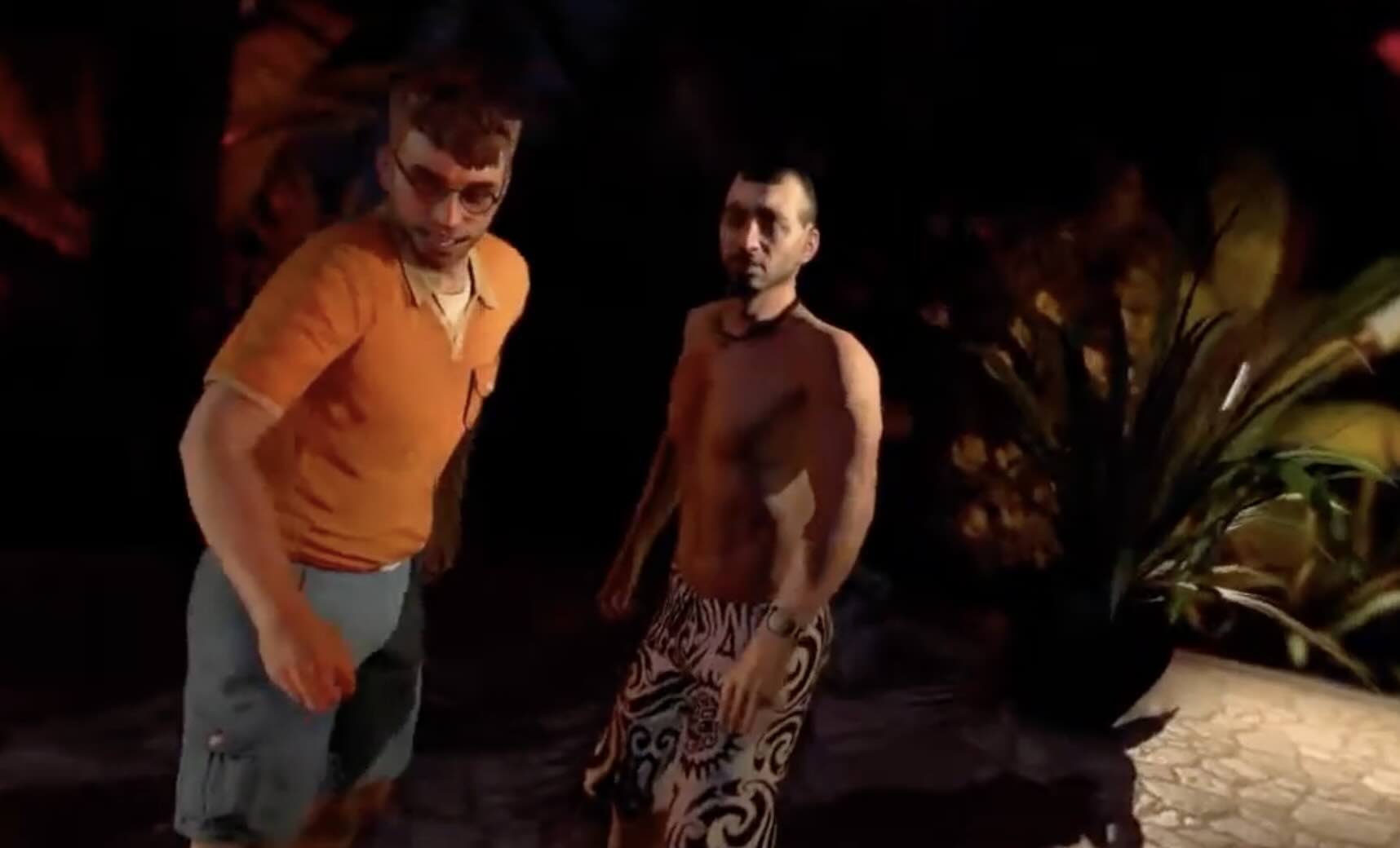
Almost everyone remembers the unforgettable debut trailer for Dead Island. Told in reverse, the cinematic video featured stunning visuals, emotional storytelling, and a level of polish that made it feel like the beginning of a completely different game. When Dead Island finally launched in 2011, players found a much more straightforward action RPG focused on zombie combat, loot, and cooperative gameplay. The Graphics weren’t necessarily poor, but they never captured the cinematic atmosphere or visual fidelity that made the original trailer one of the most celebrated game reveals of its era.