Corporate mascots are usually associated with cereal boxes, fast-food chains, or insurance companies. But the gaming industry created its own version decades ago. Some characters became so recognizable that they stopped being mere protagonists and started representing entire brands, consoles, and corporate identities.
In many cases, these icons were more powerful than logos. They appeared in advertisements, merchandise, television shows, and marketing campaigns, becoming the public face of billion-dollar companies. Here are 12 video game characters that evolved beyond their games and became true corporate symbols.
1. Crash Bandicoot Represented PlayStation’s Early Years
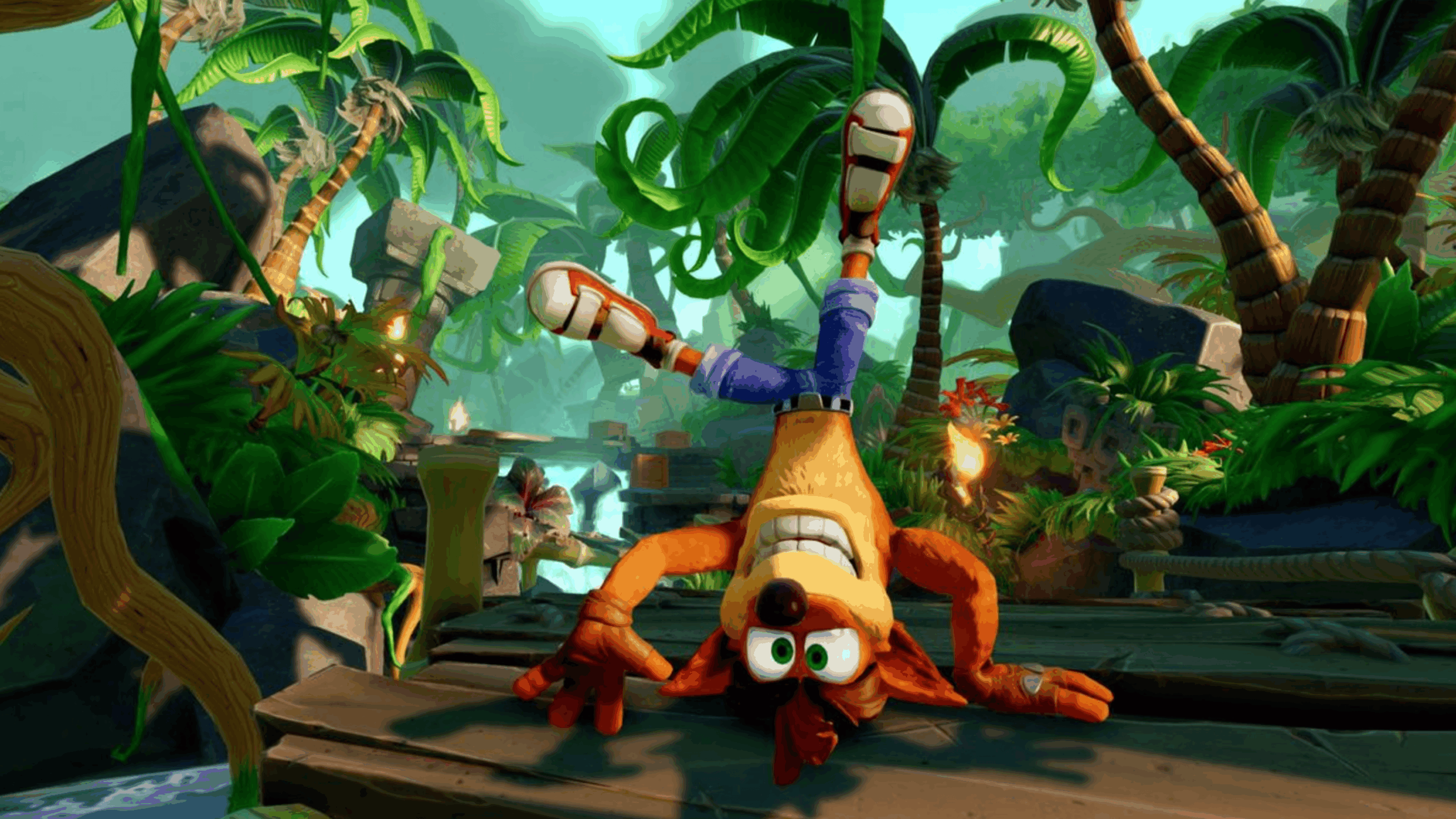
Before Sony had a stable roster of exclusive icons, Crash Bandicoot filled the role perfectly.
The character’s rebellious personality matched the company’s youthful image during the original PlayStation era and helped define Sony’s early marketing efforts.
2. Sonic the Hedgehog Turned Speed Into a Brand
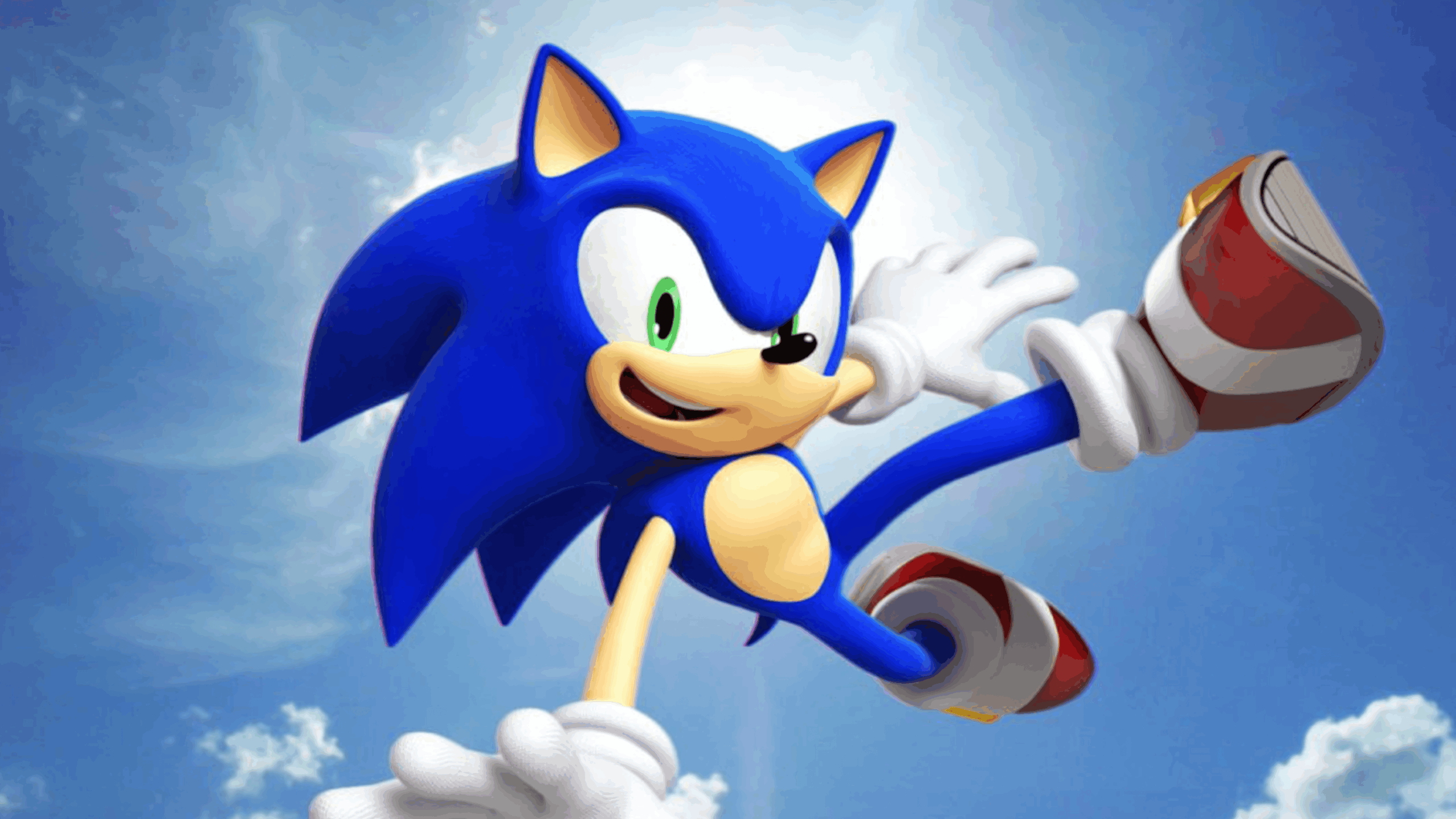
When Sega needed a rival to Mario, it created Sonic. The blue hedgehog wasn’t just another platform hero—he embodied Sega’s attitude during the 1990s.
Sonic quickly became one of gaming’s most successful corporate mascots, appearing on everything from cereal boxes to promotional aircraft and becoming inseparable from Sega’s identity.
3. Pikachu Escaped Pokémon and Conquered Pop Culture
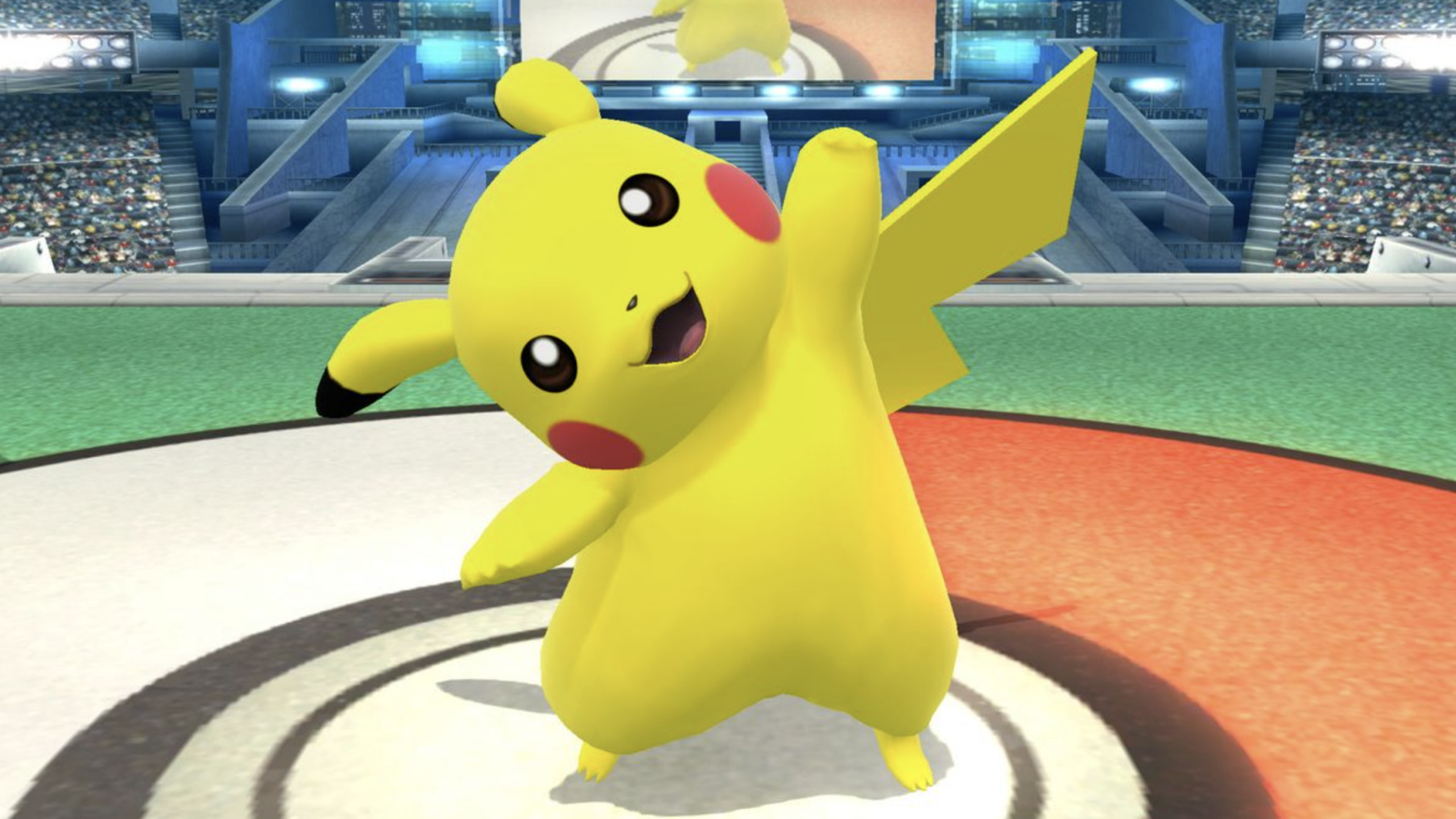
Technically, Pikachu isn’t the main protagonist of Pokémon, but it became the franchise’s undisputed representative.
The character’s appeal transformed it into one of gaming’s most valuable corporate mascots, serving as the face of Pokémon events, merchandise, and global marketing campaigns.
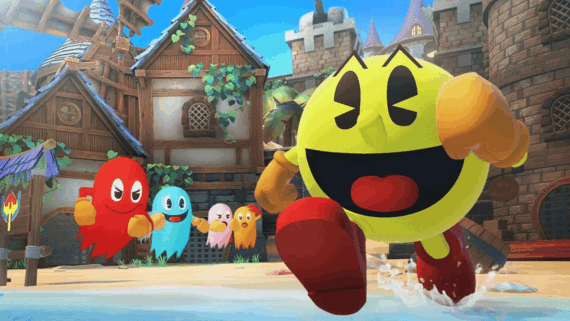
4. Pac-Man Became Bigger Than Arcades
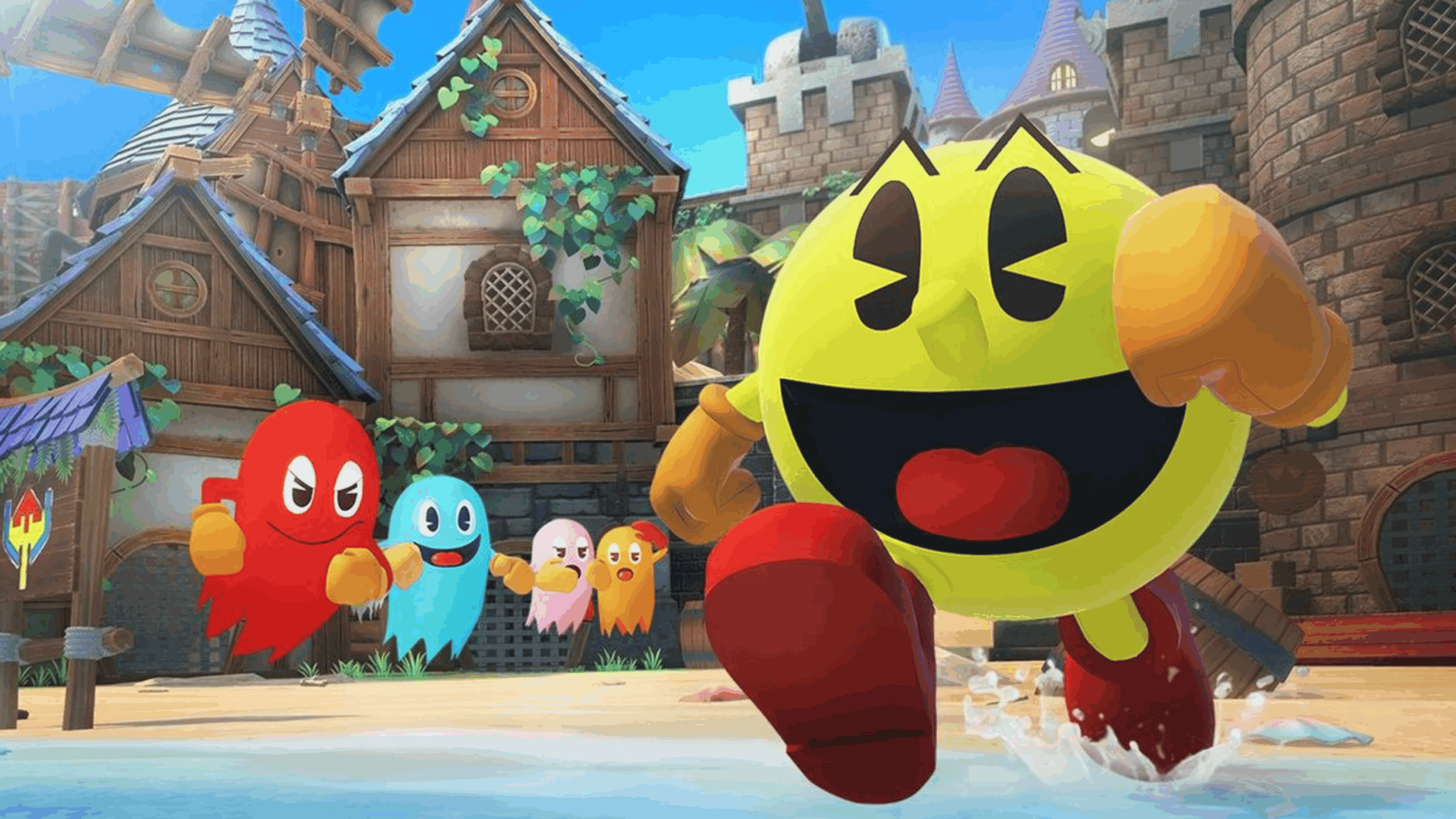
Pac-Man’s influence expanded far beyond gaming. The yellow circle became one of the most recognizable entertainment symbols ever created.
For Bandai Namco, Pac-Man functions as a living corporate emblem whose popularity has lasted for more than four decades.
5. Mario Became Nintendo’s Universal Ambassador
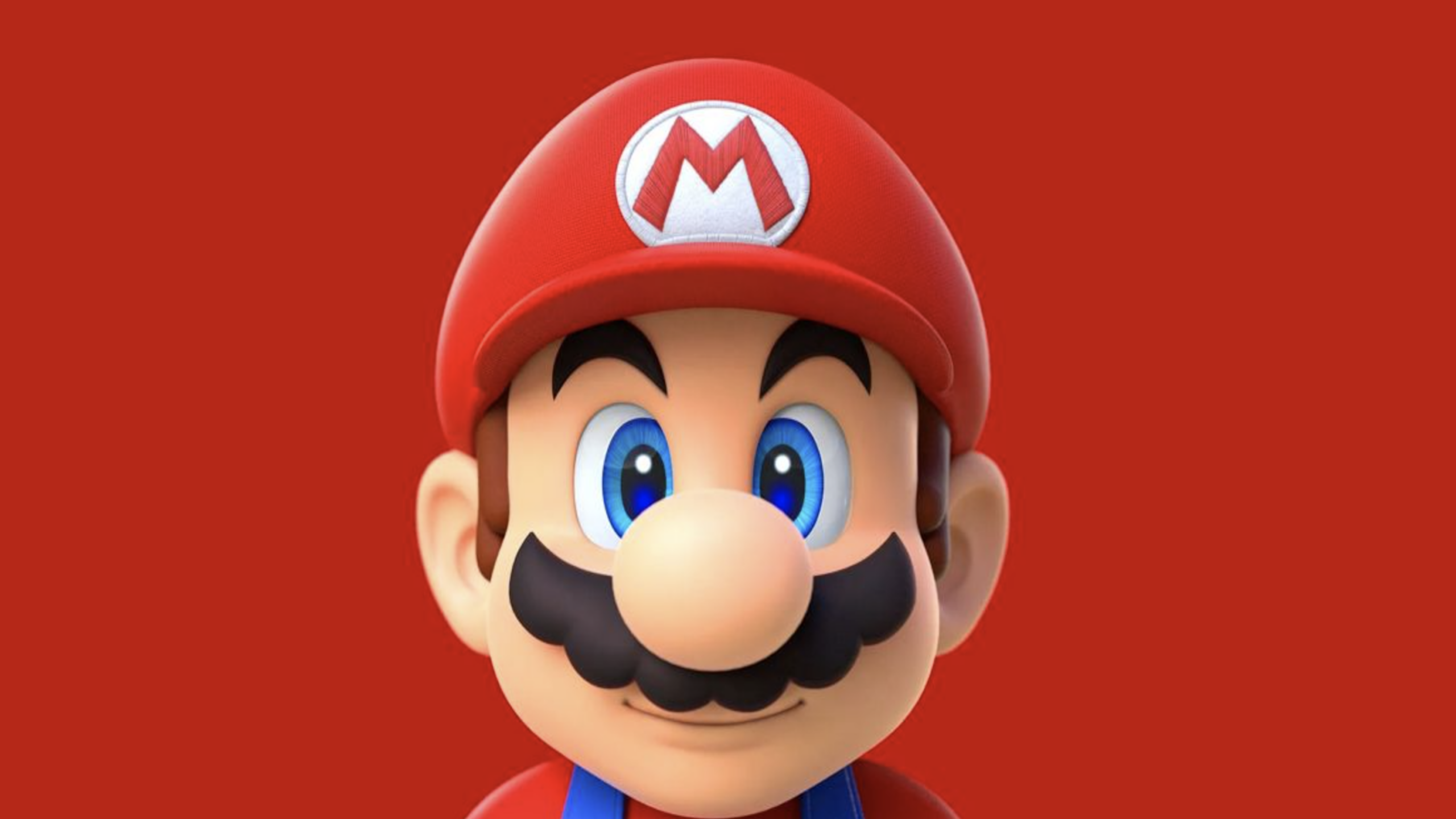
Few fictional characters have achieved the level of recognition Mario enjoys today. Originally int roduced as a carpenter in Donkey Kong, he eventually became the face of Nintendo itself.
For decades, Mario has represented the company’s family-friendly philosophy, appearing in everything from theme parks to movies. Even people who rarely play games instantly associate him with Nintendo.
Trending on realmoneygamer.com

6. Master Chief Became the Face of Xbox
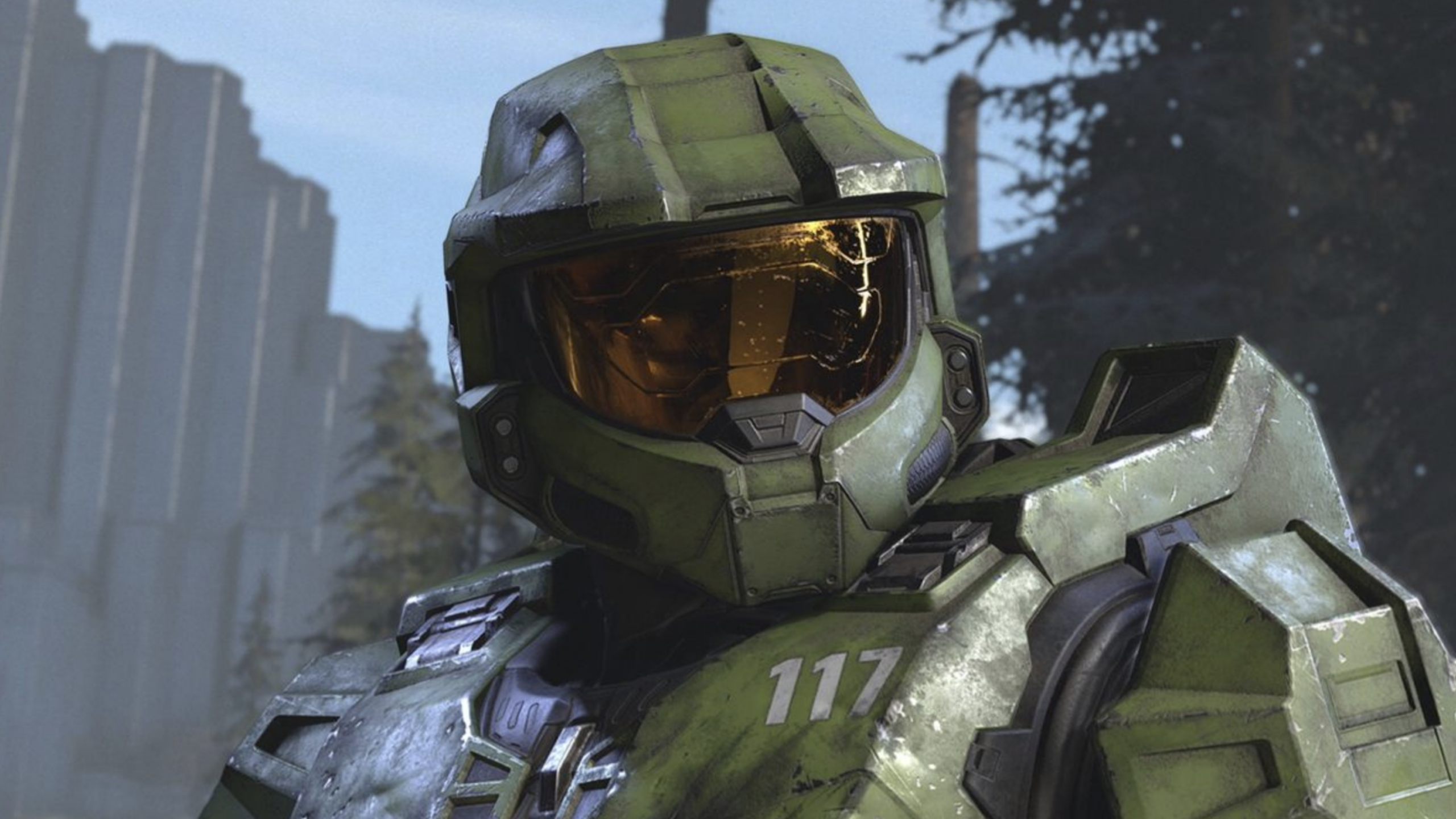
Microsoft launched the Xbox with ambitious goals, but Halo gave the console its defining icon.
Master Chief evolved into the character most associated with the Xbox brand. Even players unfamiliar with the series recognize the green armor and gold visor that helped establish Microsoft’s place in gaming.
7. Vault Boy Turned a Post-Apocalyptic World Into a Brand
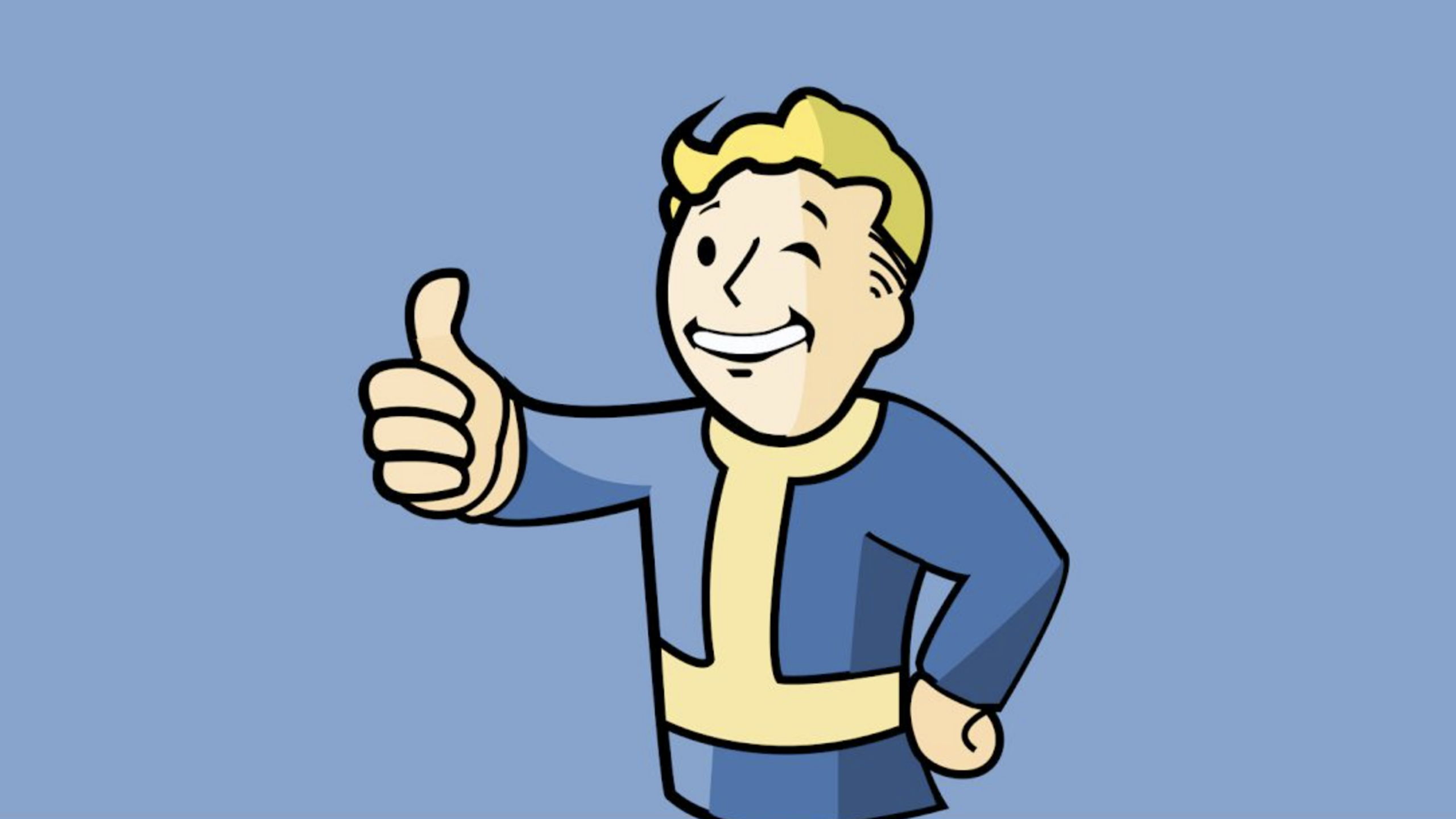
Despite not being a playable character, Vault Boy became the visual identity of the Fallout franchise.
His cheerful smile in the middle of nuclear devastation created an instantly recognizable image that continues to represent the series across games, merchandise, and promotional material.
8. Lara Croft Became Gaming’s First Global Celebrity
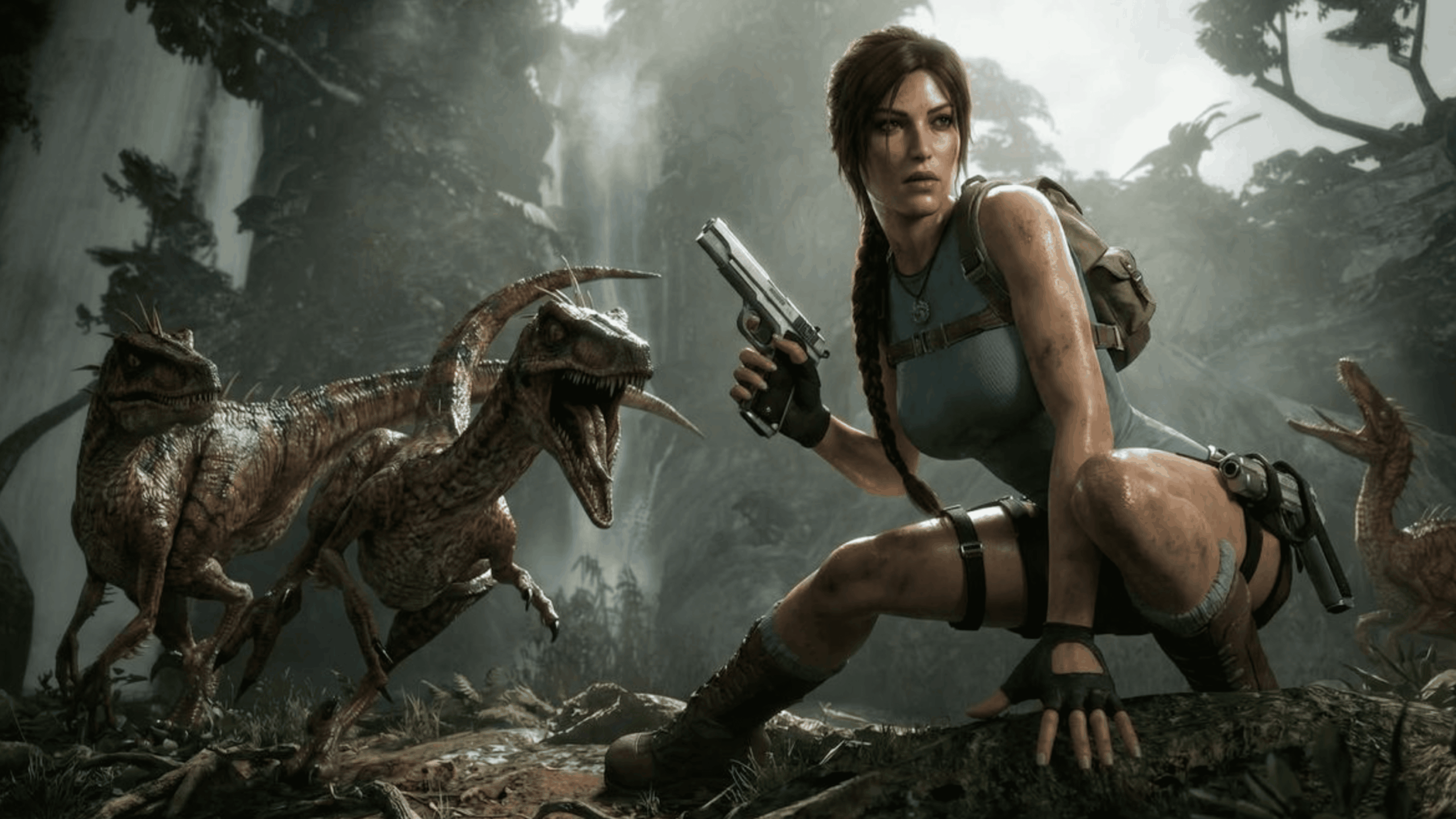
During the late 1990s, Lara Croft reached a level of fame rarely seen for a video game character.
She appeared on magazine covers, television commercials, and advertising campaigns, helping establish Tomb Raider as a household name. In the process, Lara became one of the earliest corporate mascots in gaming, proving that a video game character could represent an entire brand far beyond the console itself.
9. Doom Slayer Became Bethesda’s Symbol of Pure Action
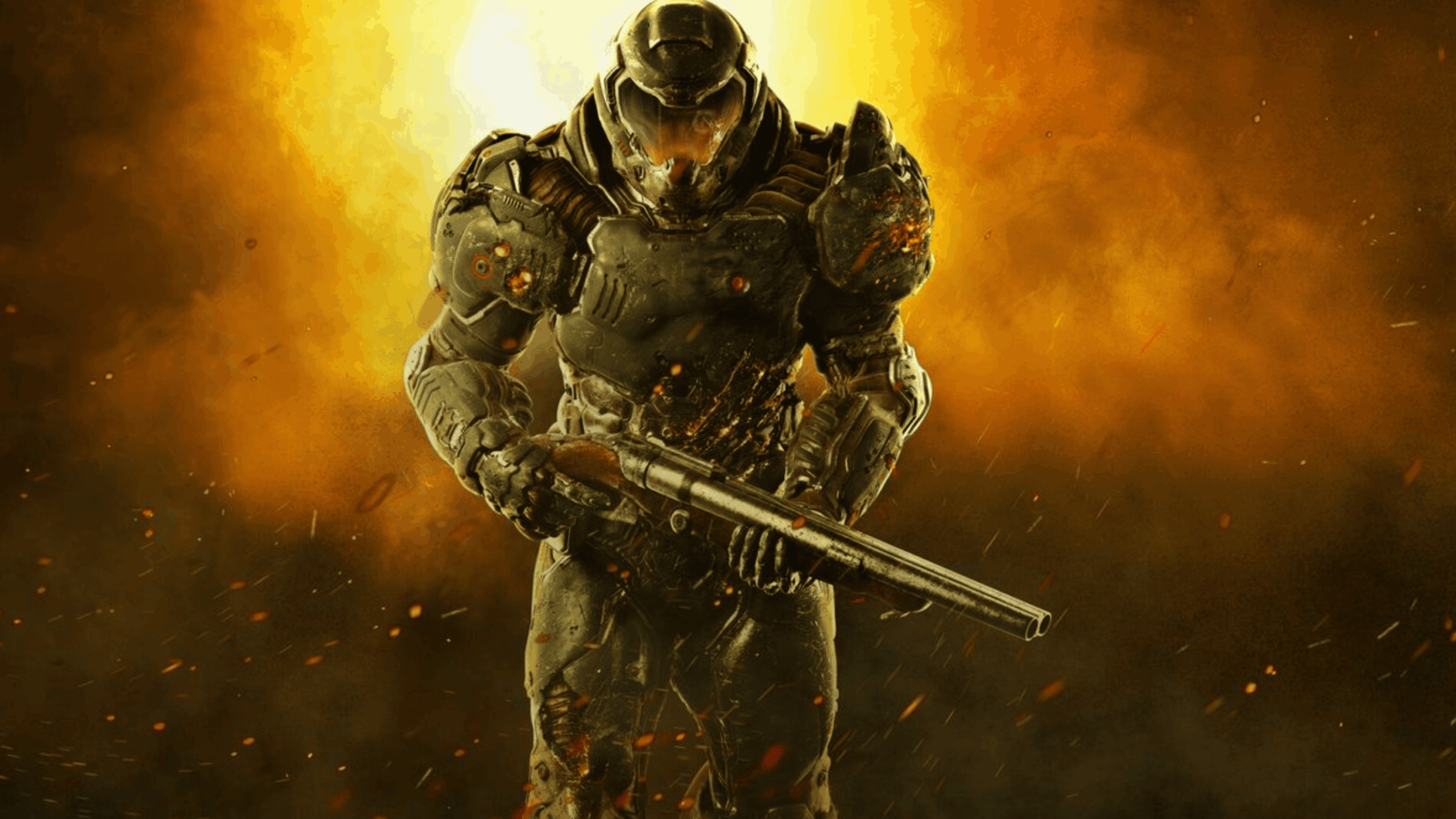
The Doom Slayer represents a straightforward philosophy: fast gameplay, overwhelming firepower, and relentless action.
His iconic helmet has become one of the most recognizable images in modern gaming and serves as a powerful marketing symbol for the franchise.
10. A Corporate Mascot That Never Needed Words
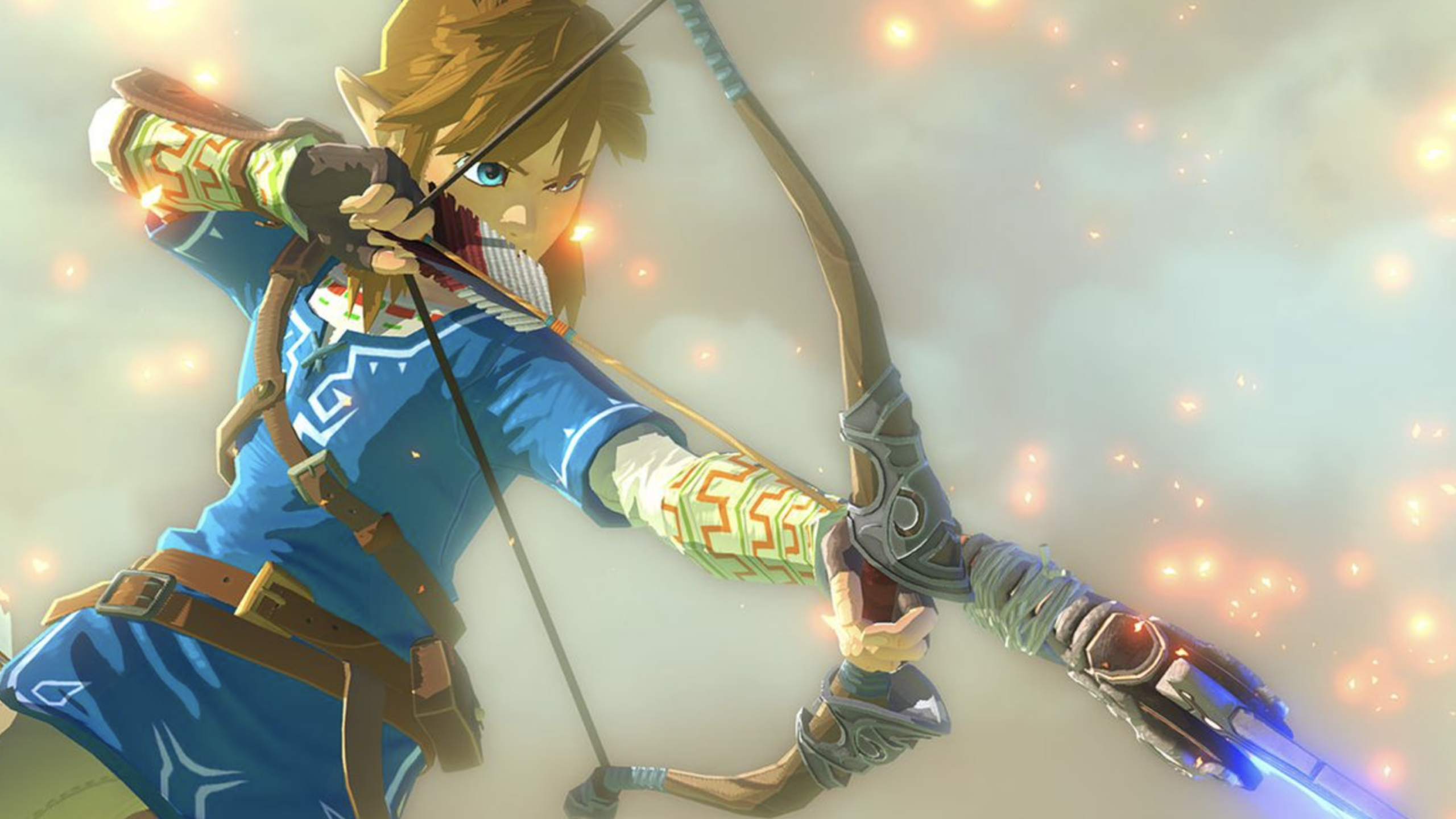
Link rarely speaks, yet he remains one of Nintendo’s most enduring corporate mascots.
Across multiple generations, his green tunic, sword, and shield have become visual shorthand for adventure itself, helping define one of the company’s most valuable franchises.
11. Spyro Helped Define an Entire Console Generation
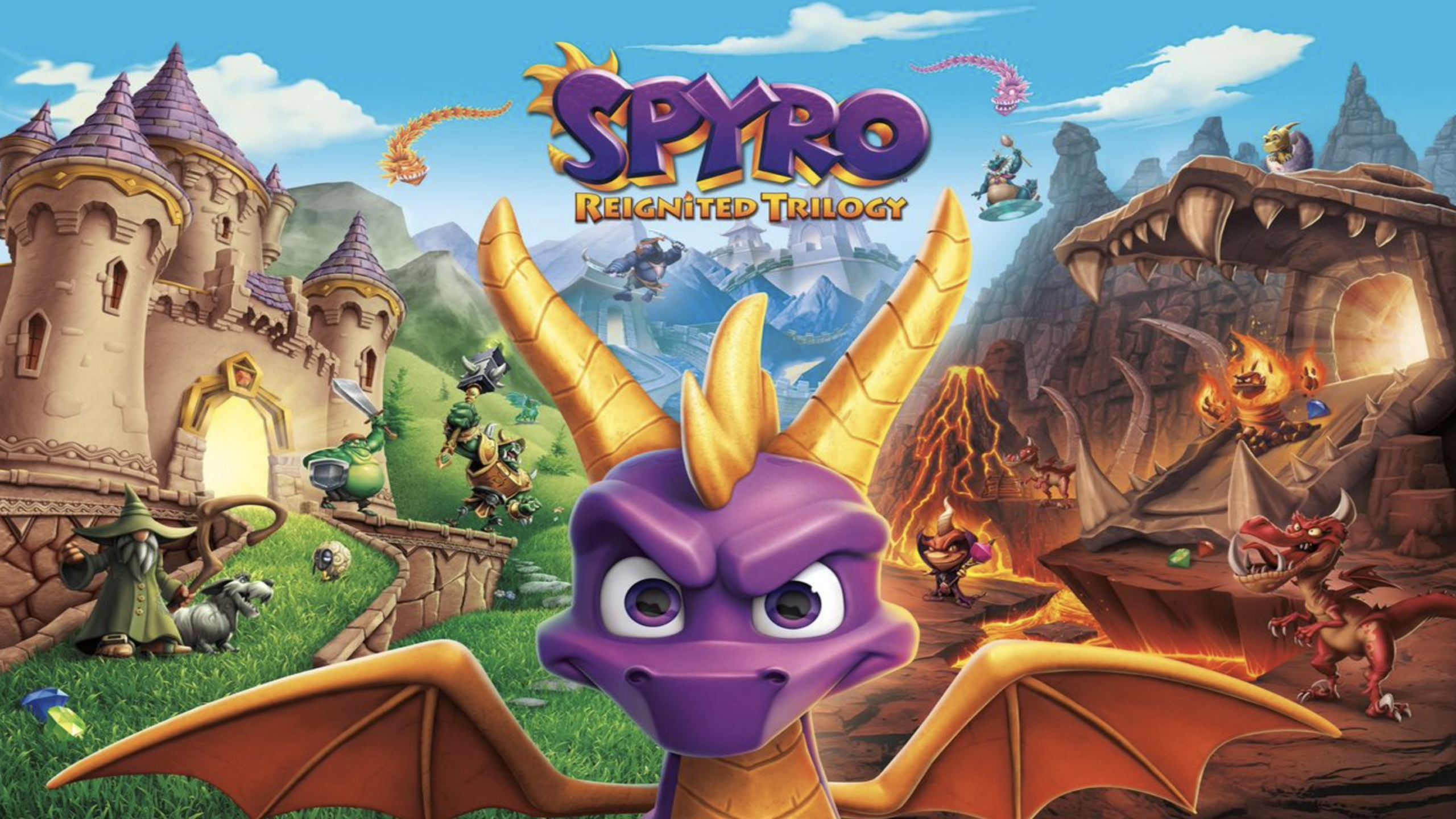
During the late 1990s, Spyro stood alongside Crash as one of PlayStation’s most recognizable characters.
The purple dragon eventually transcended his games and became one of the most beloved corporate mascots associated with Sony’s formative years in the gaming industry.
12. Sackboy Carried PlayStation’s Creative Identity
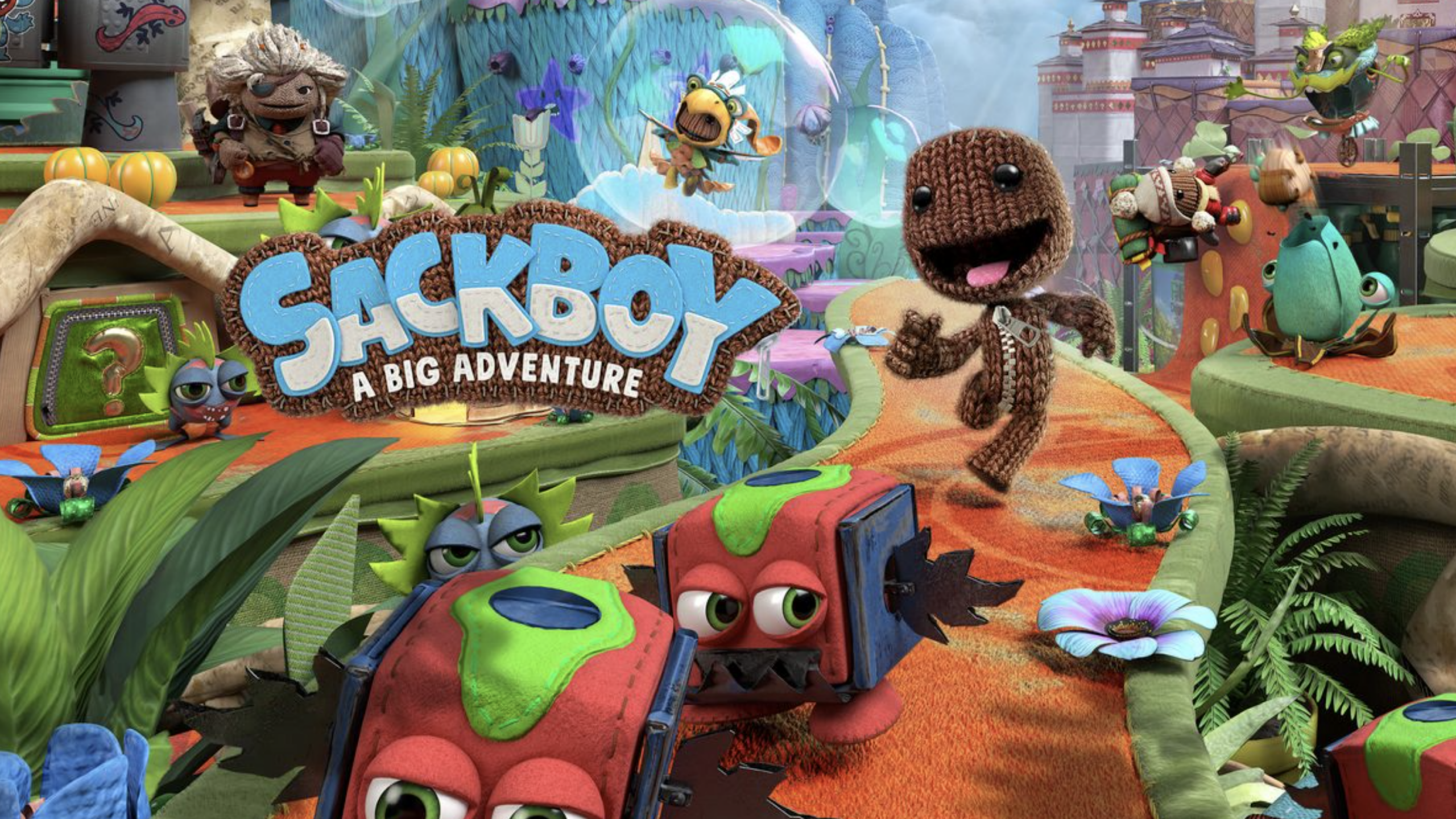
While not as famous as Mario or Sonic, Sackboy played a crucial role during the PlayStation 3 era.
The character reflected Sony’s emphasis on creativity and user-generated content, becoming the friendly face of the LittleBigPlanet brand.
The most successful gaming icons eventually outgrow the worlds they come from. At some point, they stop being protagonists and start becoming symbols. Mario represents Nintendo. Sonic represents SEGA. Pikachu represents an entire global phenomenon. These characters appear on toys, clothing, theme parks, movies, television shows, and countless products that generate billions of dollars in revenue every year.