Big video game marketing budgets are rarely clean numbers. Publishers fold promotion into development, distribution, licensing, retail partnerships, platform deals and, increasingly, years of post-launch repair work. That makes the biggest campaigns less like simple ad buys and more like financial bets on whether a game can become a franchise, a platform, or at least a cultural moment big enough to survive its own bill. Some of these bets paid back almost immediately. Others left behind a more uncomfortable lesson, attention is expensive, but expectation can be even more expensive.
Destiny
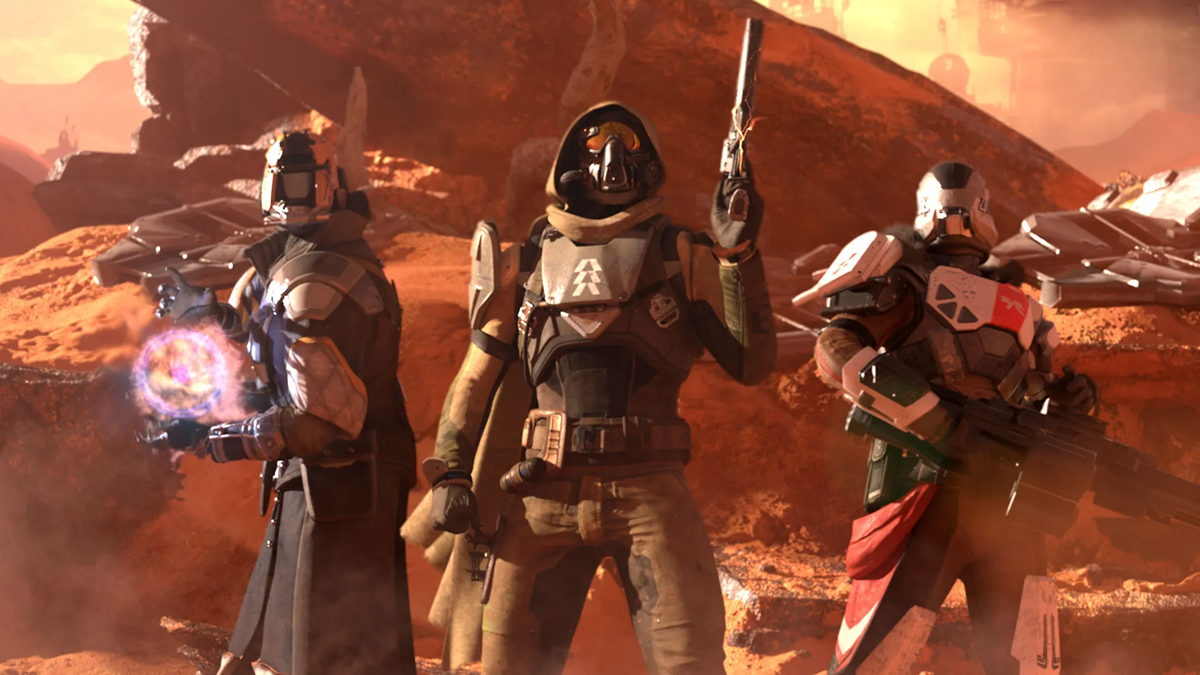
Activision did not introduce Destiny like a normal new IP. It was sold as the next long-term pillar from Bungie, the studio that had helped define Xbox with Halo, and Bobby Kotick’s widely reported $500 million figure covered far more than ads: development, marketing, packaging, infrastructure, royalties and other launch costs. Still, the promotional message was clear enough. Destiny was not being positioned as one game on a release calendar. It was being positioned as a decade-long service business. The launch made the bet look rational on paper, with Activision reporting $500 million sold into retail and first-party channels on day one, though that was not the same as consumer sell-through. The more important answer came later. Destiny survived its uneven first-year reception, built a huge live-service audience, generated major expansions, and eventually produced a sequel. The number was not justified by the first disc alone. It was justified by Activision’s ability to turn launch hype into recurring spending.
Grand Theft Auto V
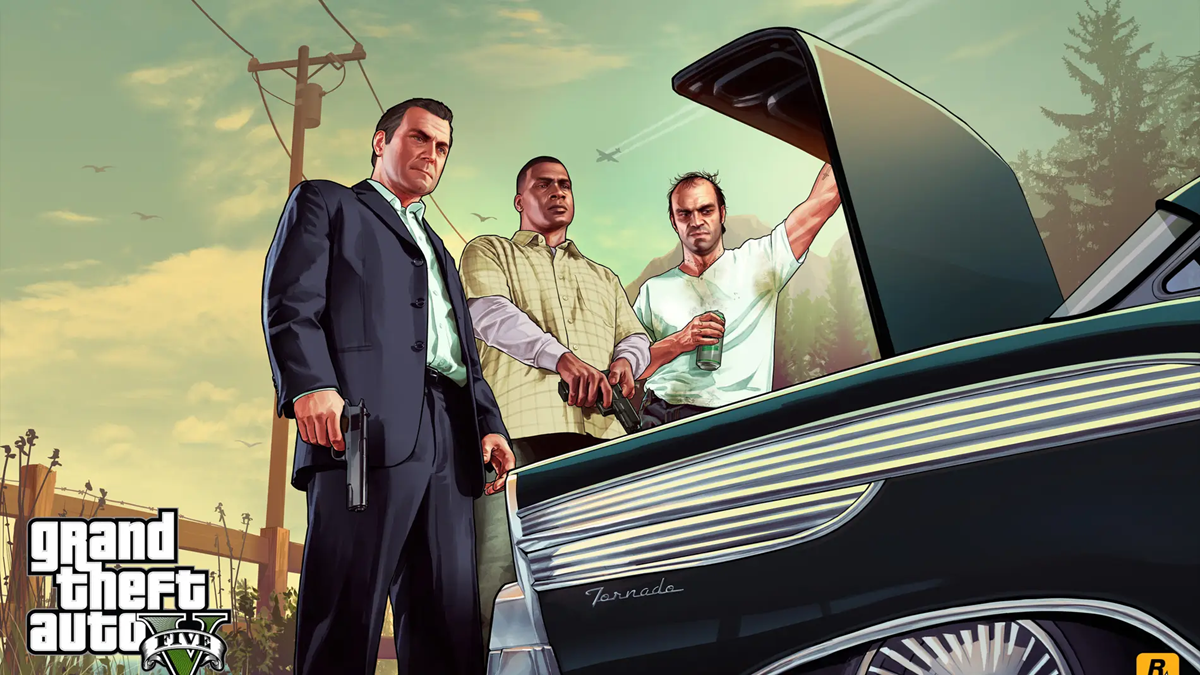
Rockstar did not need to explain Grand Theft Auto V too loudly. It teased, withheld, released carefully edited trailers, and let the audience do a lot of the unpaid distribution. That restraint can make the campaign feel smaller in memory than it really was. Reports put the game’s combined development and marketing budget around £170 million, or roughly $265 million at the time, with marketing often estimated in the low nine figures. The return was almost absurdly fast: about $800 million in first-day sales and $1 billion within three days. What made the campaign especially efficient was not just the launch. GTA Online turned the same brand machine into a years-long revenue engine, keeping GTA V visible across three console generations. If the question is whether the marketing spend paid for itself, this is one of the few cases where the answer feels almost too easy.
Call of Duty: Modern Warfare 2
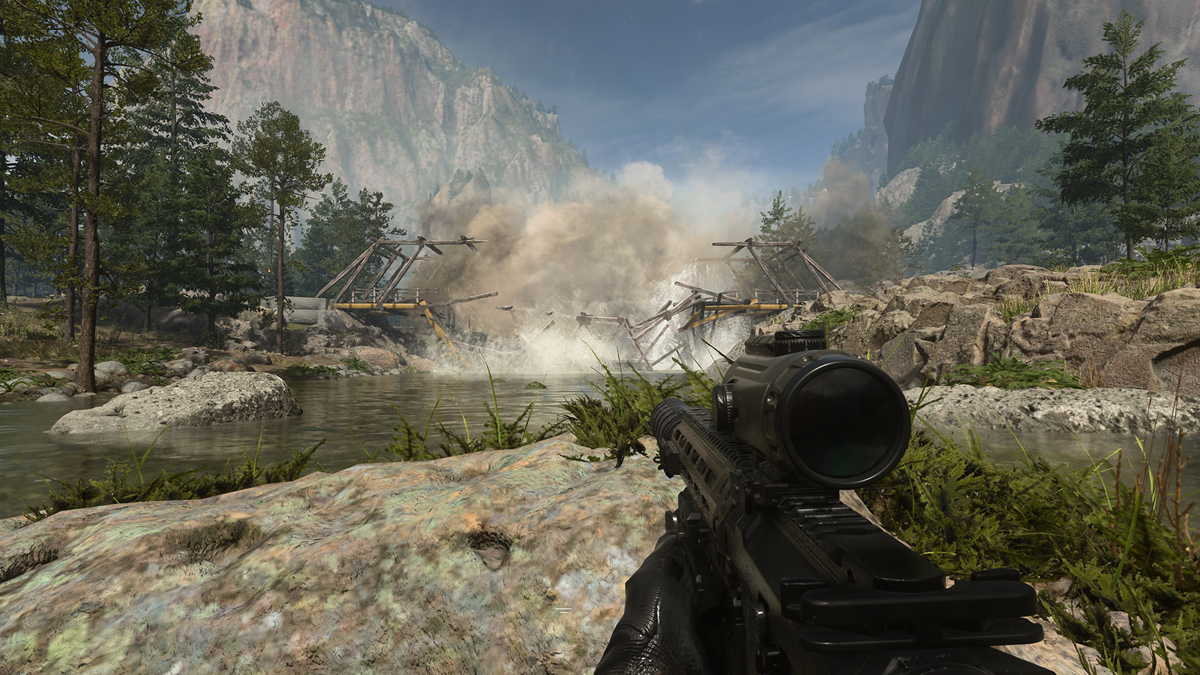
Modern Warfare 2 arrived in 2009 with the confidence of a blockbuster sequel that knew exactly where the audience was. The reported numbers were almost film-industry sized: around $40 million to $50 million to develop the game, and roughly $200 million more on marketing and launch costs. Activision bought saturation, but it also bought timing. The game became a social event in the old midnight-launch sense, back when retail lines still mattered and YouTube trailers were only part of the machine. It pulled in about $550 million in its first five days and later passed $1 billion in worldwide retail sales. There were controversies, especially around the “No Russian” mission, but commercially they did not derail the launch. In financial terms, the marketing did what it was designed to do: make the release feel unavoidable.
Cyberpunk 2077
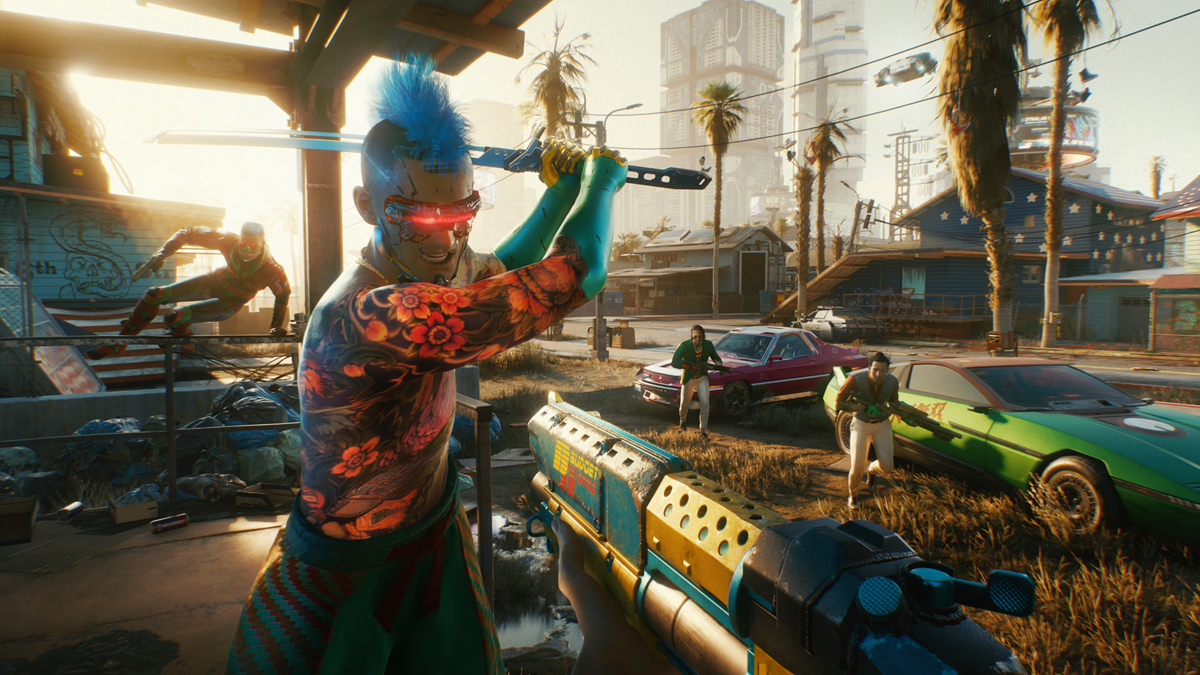
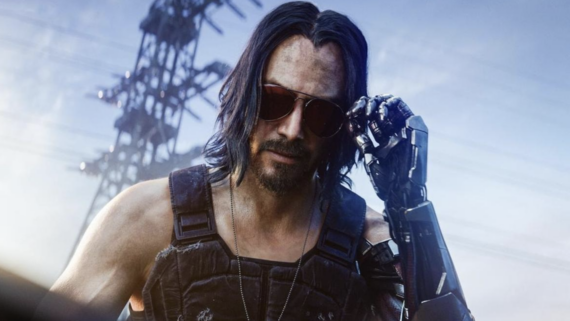
The Cyberpunk 2077 campaign had Keanu Reeves, E3 stagecraft, years of anticipation and the reputation CD Projekt Red had earned from The Witcher 3. That combination created a rare kind of pressure. CD Projekt later said the game sold 13.7 million copies by the end of 2020, even after refunds and the messy console launch, and the company had already signaled around release that digital pre-orders had covered development and marketing costs. In the short term, that looks like a yes. The campaign brought in the money. The harder question is whether it created expectations the product was not ready to meet. Cyberpunk eventually recovered through patches, next-gen versions, Phantom Liberty and a long reputational repair campaign. By late 2025, CD Projekt said the game had surpassed 35 million copies sold. So the numbers were justified, but not neatly. The launch marketing sold a dream before the game could fully support it, and the studio had to spend years making the financial win feel less hollow.
Red Dead Redemption 2
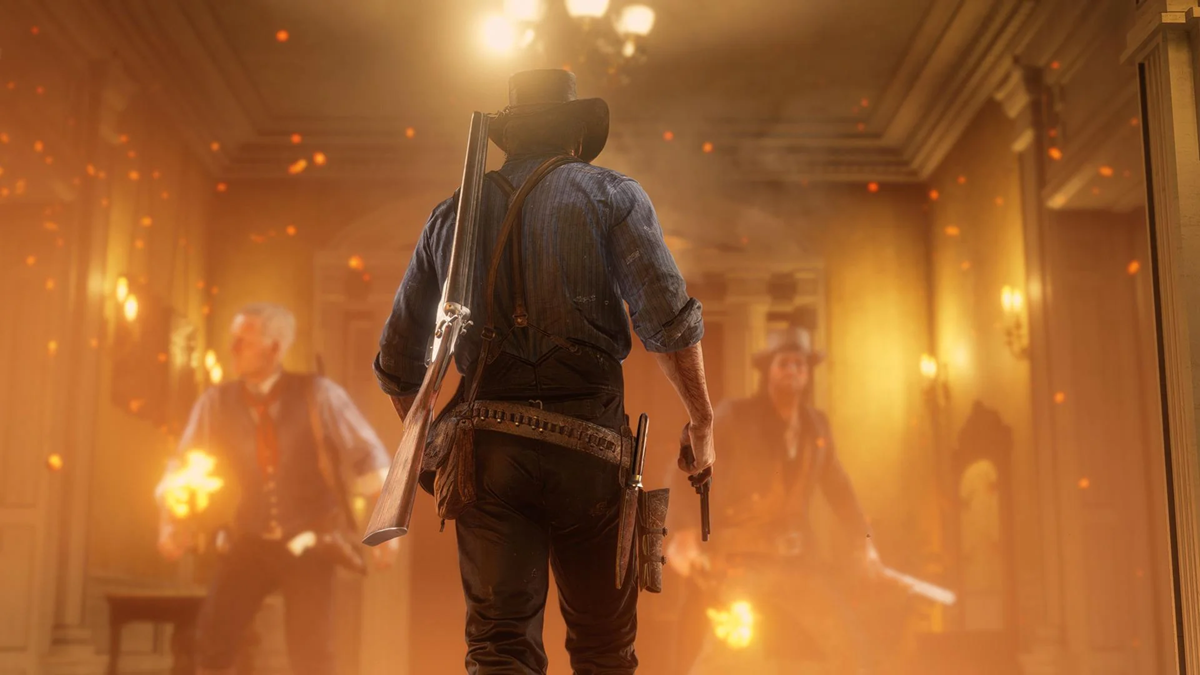
Red Dead Redemption 2 was marketed with patience, which sounds cheaper than it was. Rockstar leaned into trailers, environmental detail, critical prestige and the promise of a slow Western at blockbuster scale. Estimates for total development and marketing vary widely, often landing in the several-hundred-million-dollar range, with some analyst ranges putting the combined budget between about $370 million and $540 million. The opening weekend answered a lot of doubts: more than $725 million in worldwide retail sell-through during its first three days. That was not just a good start, it was a statement that a deliberately paced, single-player-heavy game could still compete at the very top of the entertainment market. The later sales curve made the picture stronger. Years after launch, the game kept moving tens of millions of copies. The campaign did not just sell a sequel. It sold the idea that Rockstar’s slower release rhythm could still command mass attention.
Trending on realmoneygamer.com
Final Fantasy VII
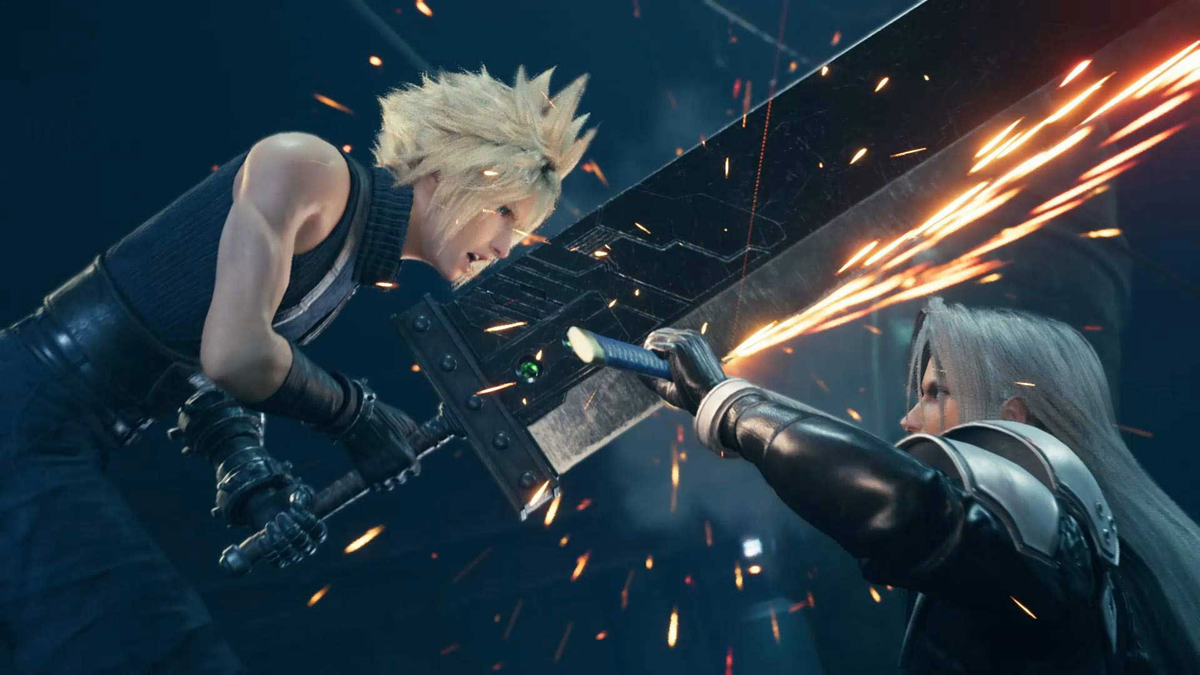
Before Final Fantasy VII, Japanese role-playing games were still a harder sell in the West than they are now. Sony and Square treated the problem like a mainstream advertising challenge, not a niche import problem. The reported production budget was about $45 million, while promotion has been reported as high as $100 million, including prime-time television spots around shows like Saturday Night Live and The Simpsons. The campaign made the PlayStation feel more mature and made Final Fantasy look less like a curiosity for RPG diehards. Financially, it worked. The game became one of the defining PlayStation releases and the wider Final Fantasy VII line later passed 13.9 million units worldwide. This was not just a campaign that sold a game. It helped expand the audience for a whole genre in North America and Europe.
Halo 3
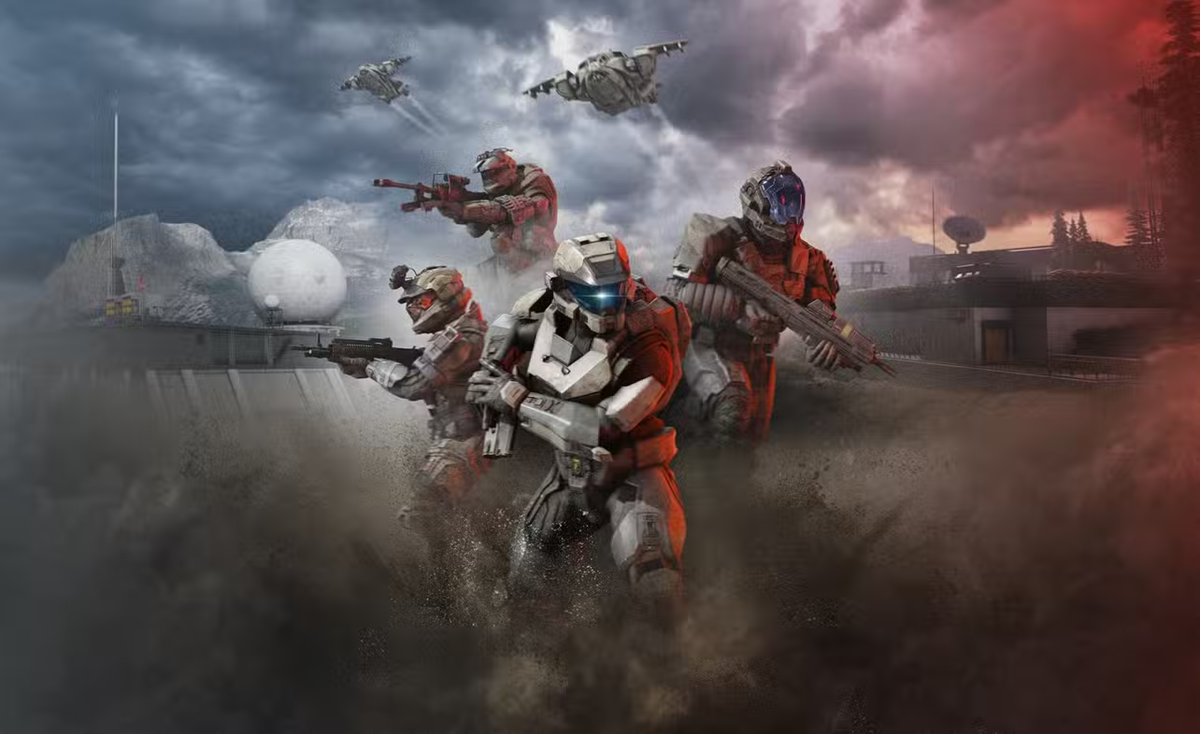
Halo 3’s marketing was not subtle, but it was unusually stylish for 2007. Microsoft used live-action shorts, the “Believe” museum-style ads, branded products and more than 40 licensing partners to make the launch feel bigger than a console exclusive. The campaign reportedly cost more than $40 million. That sounds modest beside later AAA numbers, but at the time it was a serious push, and the results came quickly: Microsoft said Halo 3 made more than $300 million in its first week. The spend was justified, especially because it also sold the Xbox 360 as the place where multiplayer culture was happening.
Star Wars: The Old Republic
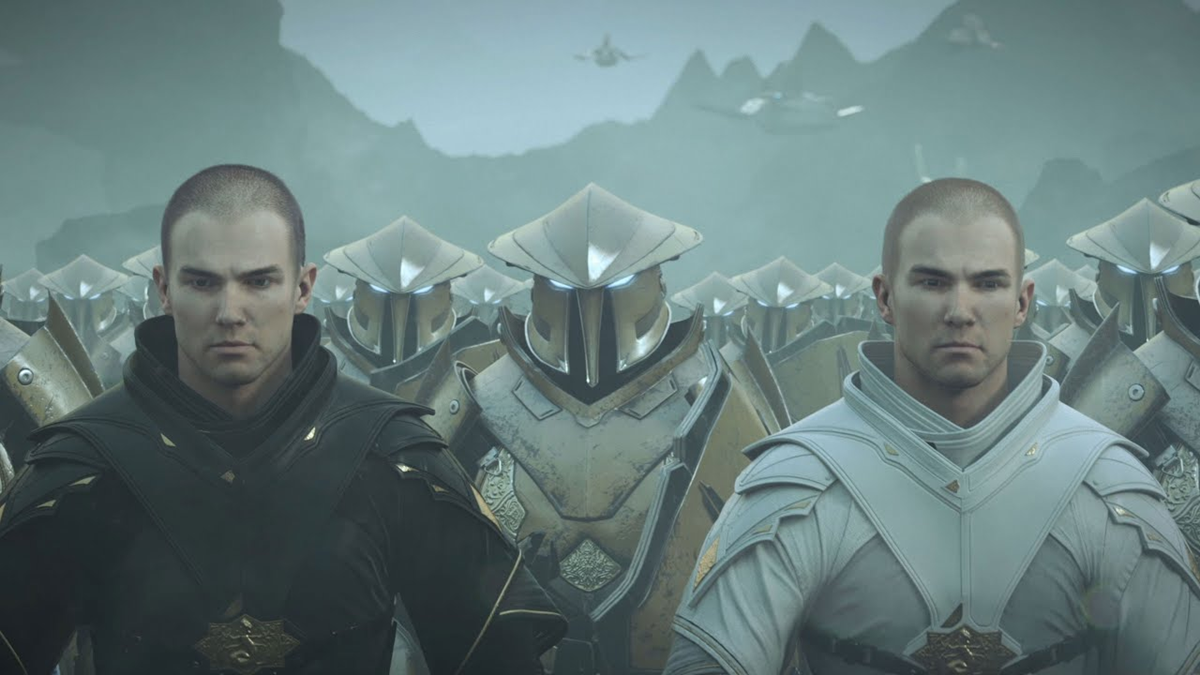
Star Wars: The Old Republic was not only selling a game. It was selling the idea that BioWare storytelling, Star Wars fandom and subscription MMO economics could all live inside the same very expensive product. Reports placed the budget around $200 million, and some estimates around the time speculated about much higher all-in investment when support and marketing were included. Early numbers looked strong, with more than 2 million copies sold and 1.7 million active subscribers reported soon after launch. But subscription MMOs are judged by retention, not opening applause. The game moved to a free-to-play option in 2012, less than a year after release. That does not make it a total failure, since it continued operating for years, but it does make the original financial logic look too optimistic. The campaign created a huge opening. The business model had trouble holding the room.
APB: All Points Bulletin
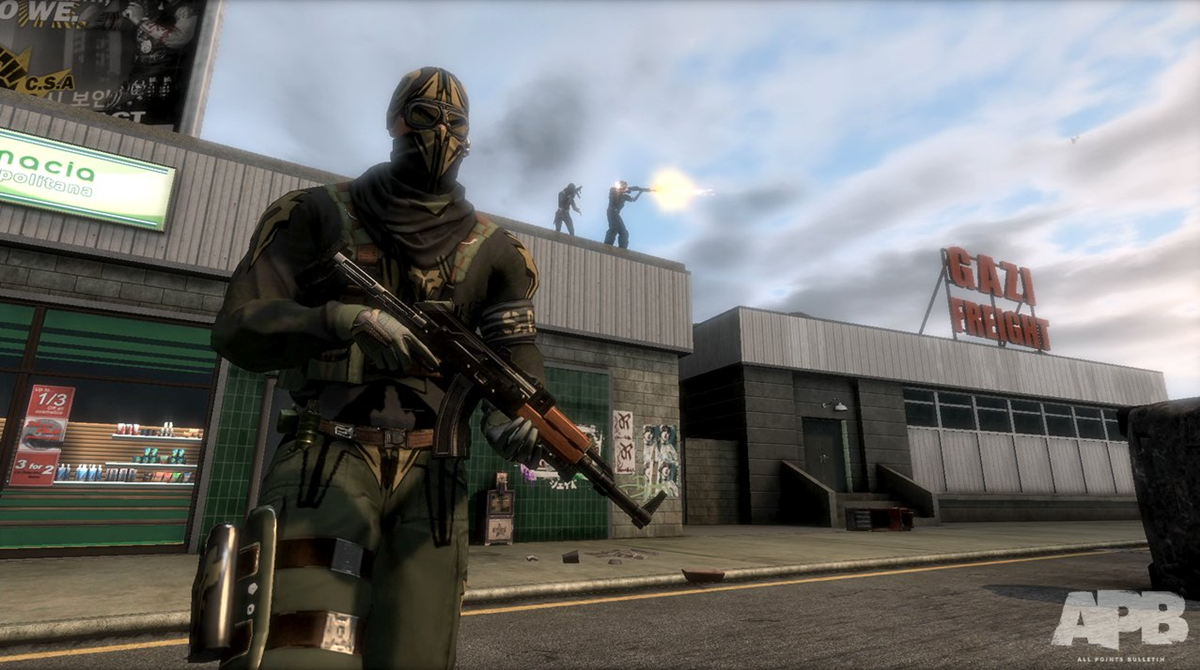
APB is what happens when money buys ambition but not clarity. Realtime Worlds spent more than $100 million developing the online crime game, a figure that made it one of the industry’s most expensive bets of its moment. The marketing challenge was brutal from the start, because APB had to explain whether it was GTA online, an MMO, a shooter, a social space, or all of those at once. Players and critics did not respond strongly enough, and Realtime Worlds entered administration only weeks after launch. The servers were later shut down, the game was sold cheaply, and APB: Reloaded eventually returned under a different model. This is one of the cleanest “no” answers on the list. The spend did not justify itself because the campaign could not solve the product’s identity problem.
L.A. Noire
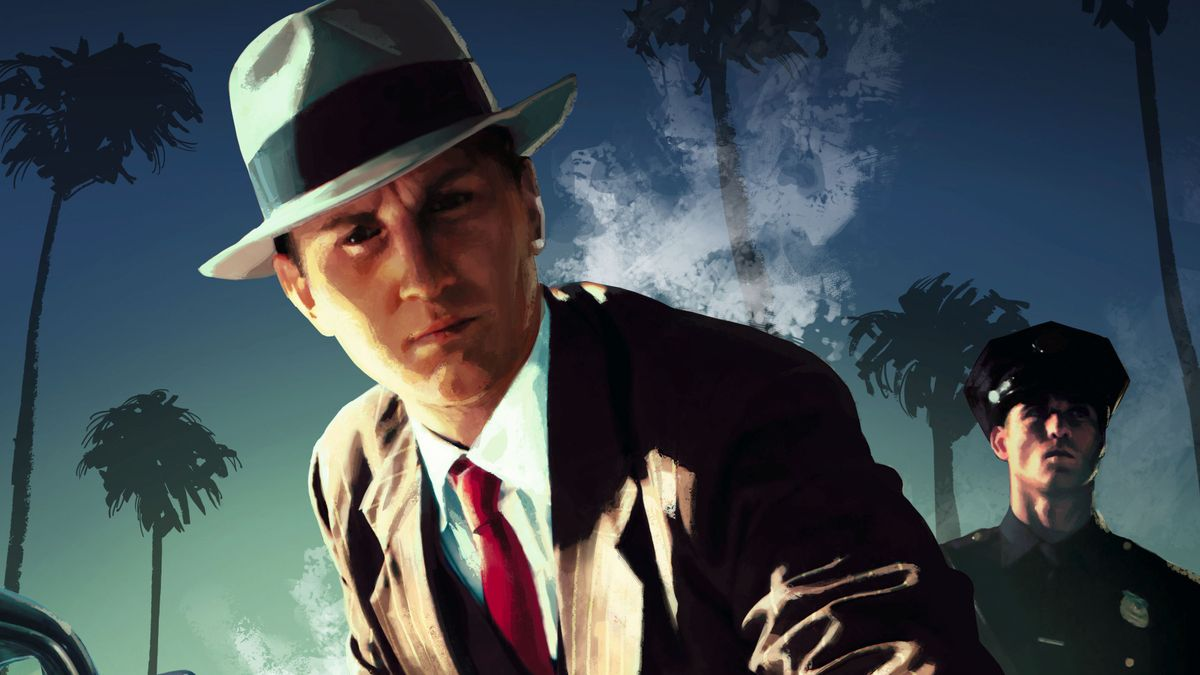
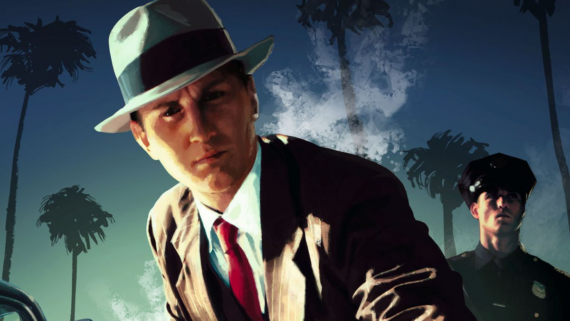
L.A. Noire had a glamorous pitch: detective fiction, 1940s Los Angeles, facial capture technology and Rockstar’s publishing muscle. Estimates put its combined development and marketing budget at more than $50 million, with years of production trouble behind it. The game sold well for an original property, with reports around 4 million to 5 million copies, but the financial history is awkward. Team Bondi closed after release, and the game’s technology did not become the industry-changing standard its campaign implied. The numbers were not disastrous for Take-Two, but they did not create a clean repeatable franchise either. Sometimes a campaign can successfully sell a game and still fail to justify the way the game was made.
The pattern is not simply that bigger marketing creates bigger hits. The safest campaigns had either a proven brand, like GTA, Call of Duty and Halo, or a long-term monetization plan, like Destiny. The riskier ones tried to use spending to invent certainty before the market had agreed. That can work, but only when the game underneath can keep absorbing attention after launch week.
ContinueReading: 10 Video Game Production Budgets So Massive They Shocked Even Industry Insiders