Old games do not always vanish in one dramatic moment. More often, they drift out of reach because the executable only behaves on aging hardware, the rights are tangled, the source code is unavailable, or the publisher simply stops caring. That is where reverse-engineering communities have done some of the quietest preservation work in games. They have rebuilt engines, replaced dead executables, documented strange file formats, and, in a few cases, turned a nearly unplayable relic into something that can live on modern PCs without losing its old texture.
Diablo, DevilutionX and the slow rebuilding of Tristram

Diablo never really disappeared from memory, but the original 1996 PC game became awkward in the way many old Windows games do, temperamental on modern systems, dependent on old data files, and boxed in by decisions made for another era of hardware. Devilution began as a painstaking reverse-engineering effort to reconstruct the game’s code, and DevilutionX pushed that work into a practical modern port for Diablo and Hellfire. The point was not to redesign Blizzard’s dungeon crawler into something smoother and safer. It was to make the old thing run cleanly, with bug fixes, controller support, widescreen options, multiplayer improvements, and enough respect for the original that players still had to bring their own legitimate game data. The result feels less like a remaster than a rescue operation with a programmer’s patience behind it.
OpenTTD brought Transport Tycoon Deluxe back from the abandonware fog
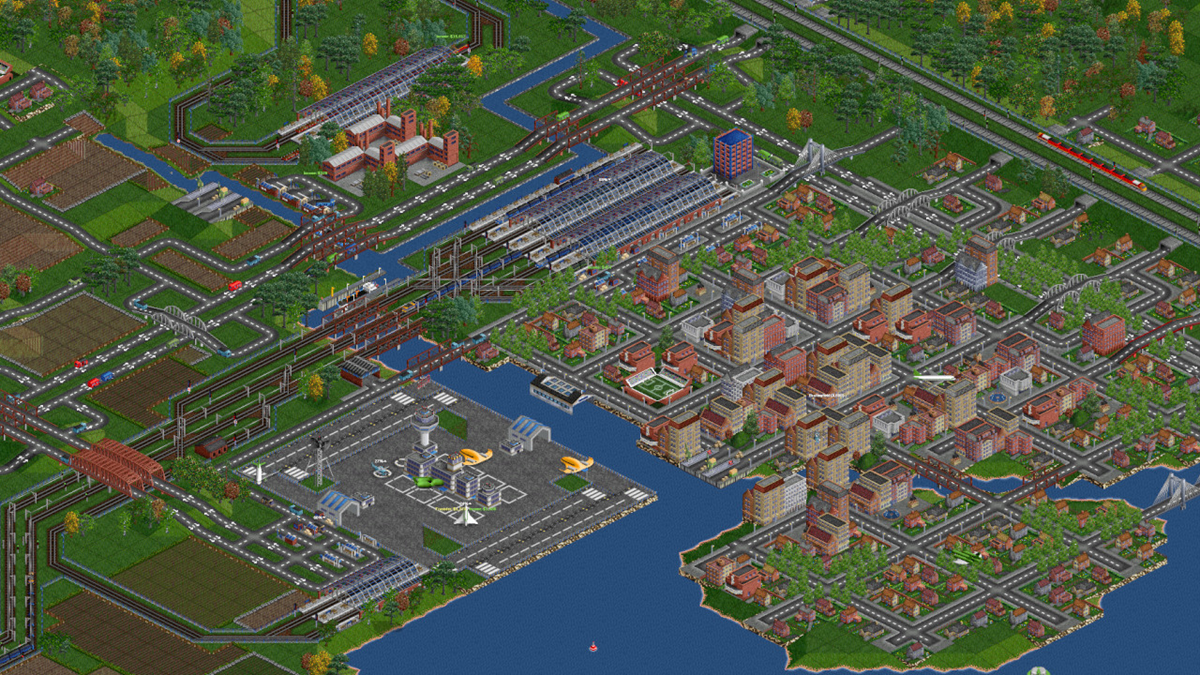
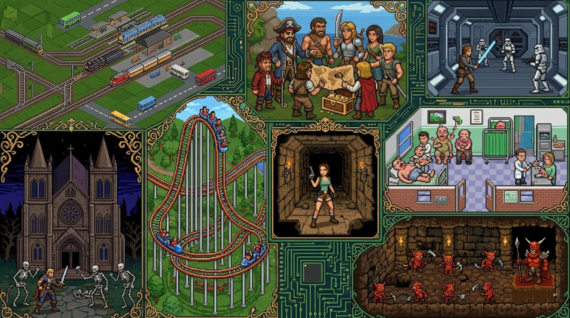
For years, Transport Tycoon Deluxe lived in a strange space, loved by transport-sim obsessives but not exactly easy for newcomers to access legally or comfortably. OpenTTD started by closely mimicking Chris Sawyer’s 1995 game and gradually became its own living platform, with online multiplayer, huge maps, new graphics sets, and years of community patching. What makes it interesting is how unflashy the restoration was. It did not try to sell nostalgia as a luxury product. It simply kept the logic of rail junctions, subsidies, little buses, and industrial supply chains alive long enough that the original game could matter again.
RollerCoaster Tycoon 2 survived through OpenRCT2’s practical obsession
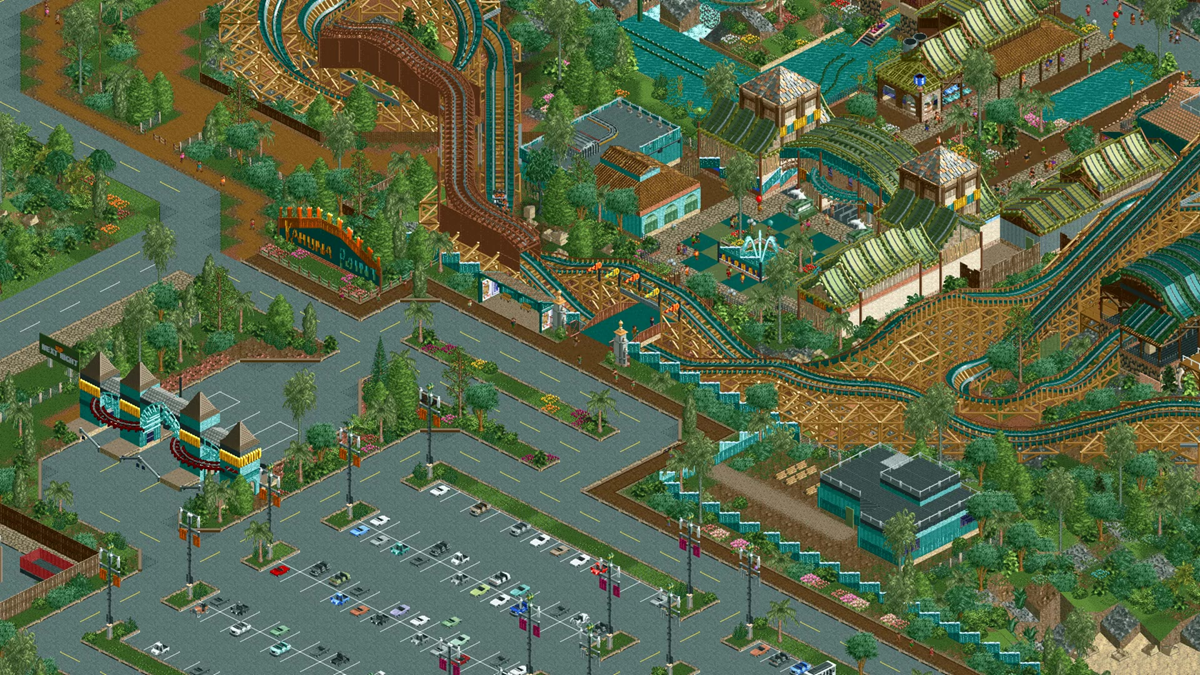
RollerCoaster Tycoon 2 is one of those games where the tiny details matter, the guest pathing, the ride ratings, the snack stalls, the strange thrill of building a coaster that should probably be illegal. OpenRCT2 reimplemented the game so it could run properly on modern systems while adding things the old executable was never built to handle, including multiplayer, plug-ins, better resolutions, and easier content management. It still asks for the original game files, which is part of the preservation bargain. The community did not replace Sawyer’s design so much as build a sturdier frame around it.
ScummVM replaced the executables that time kept breaking
Point-and-click adventures have always depended on very specific machinery, scripts, interpreters, audio systems, fonts, and timing quirks that can fall apart when the original platform disappears. ScummVM’s answer was direct and unusually elegant, replace the old executable and let the original data files do their work. It began with LucasArts adventure games, but grew into a broader home for dozens of engines and titles from different studios. For players, that means games that once required DOSBox juggling, old CDs, or fan-made patches can now run on everything from laptops to handhelds, often with fewer surprises than the original release.
GemRB gave the Infinity Engine a second skeleton

Baldur’s Gate, Icewind Dale, and Planescape: Torment never vanished from RPG history, but the engine underneath them was a product of late-1990s assumptions. GemRB set out to reimplement BioWare’s Infinity Engine in open source form, using the original game data while recreating the systems that made those pre-rendered worlds function. It is the kind of project that can look dry from the outside, until you remember how much is hidden inside an RPG engine, dialogue states, spell effects, party logic, pathfinding, save formats, interface behavior. Rebuilding that is less glamorous than painting new portraits, but it is the work that keeps old campaigns playable when the platform around them changes.
Trending on realmoneygamer.com

CorsixTH turned Theme Hospital into something you can actually run
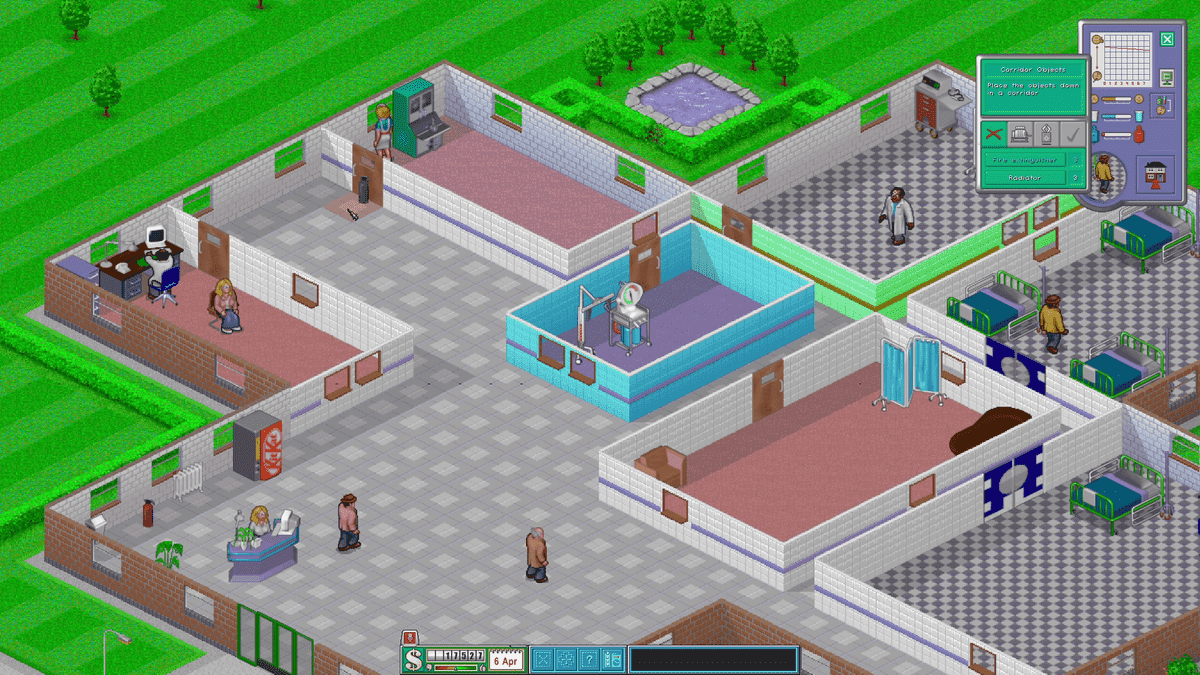
Theme Hospital was always a little unstable by design, full of bloaty heads, vomit trails, queue problems, and cheerful administrative cruelty. CorsixTH reimplemented Bullfrog’s 1997 hospital sim so modern players could load the original data files and play without wrestling an ancient executable. It also made room for modern resolutions and operating systems. That is not a small thing for a game whose humor still works but whose original technical shell had aged badly.
The Force Engine rebuilt the Jedi Engine for Dark Forces and Outlaws
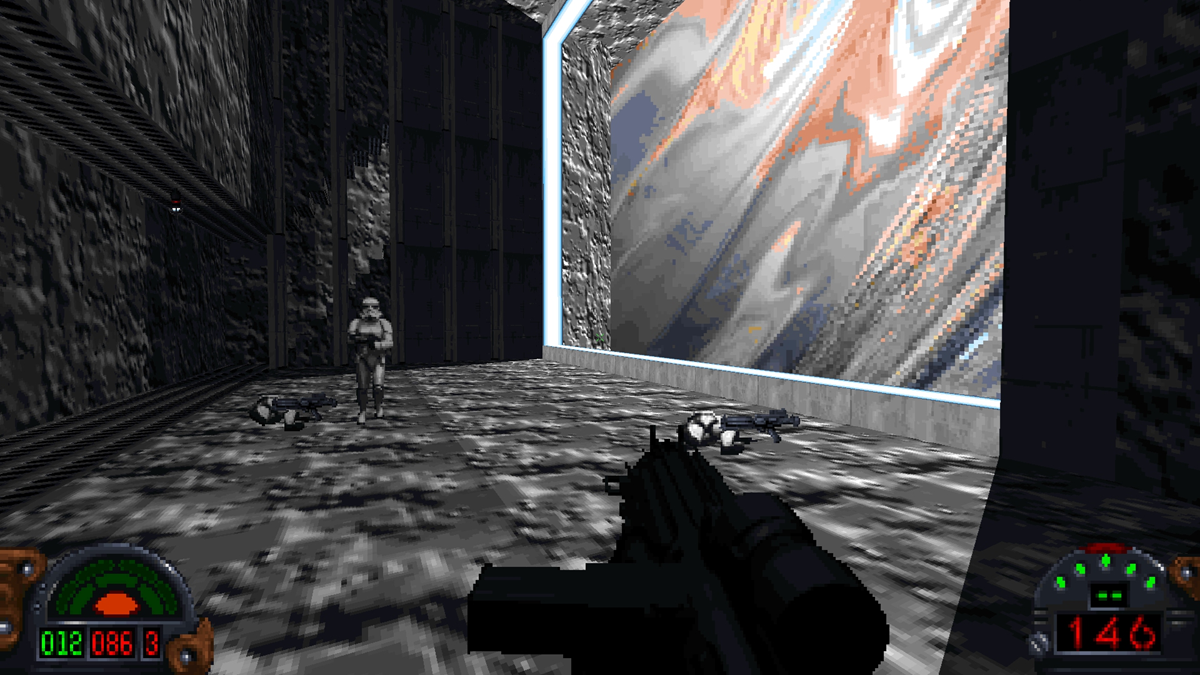
The Jedi Engine powered Star Wars: Dark Forces and later Outlaws, two shooters that sat in the awkward gap between early Doom-era design and more flexible 3D worlds. The Force Engine approached that problem by reverse-engineering and rebuilding the engine for modern systems, with Dark Forces support first and Outlaws as part of the broader goal. It is easy to forget how much of a game’s feel lives in the engine rather than the assets. The slippery movement, sector tricks, weapon timing, and level behavior all had to be understood closely enough that the replacement did not just run the data, it behaved like the game people remembered.
KeeperFX dug Dungeon Keeper out of its own dungeon
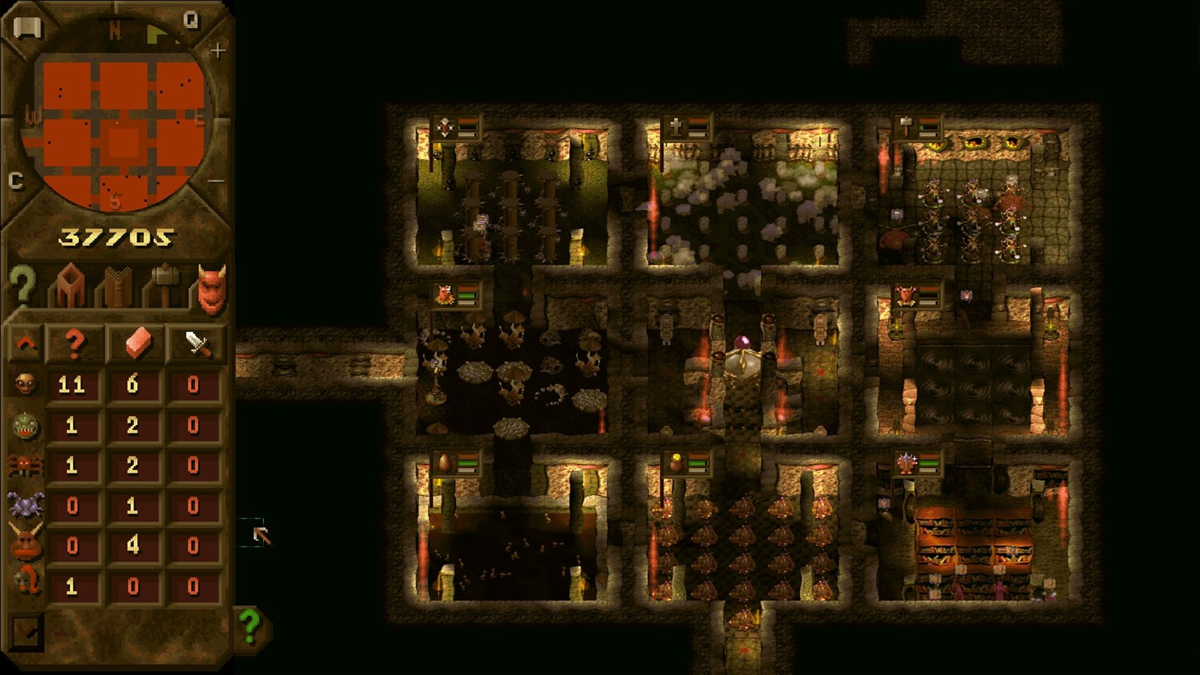
Dungeon Keeper had the bad luck of being brilliant, weird, and trapped in the long shadow of Bullfrog’s collapse. KeeperFX started as a decompilation project, turning the original executable back into usable code before the codebase was eventually rewritten. The newer project goes beyond preservation, with higher resolutions, improved controls, new campaigns, better multiplayer, and a pile of fixes, but its heart is still the same old premise, build underground, slap imps, and treat heroism as an infestation problem. Few restorations feel more fitting for the game they saved.
REminiscence kept Flashback moving after its platforms aged out
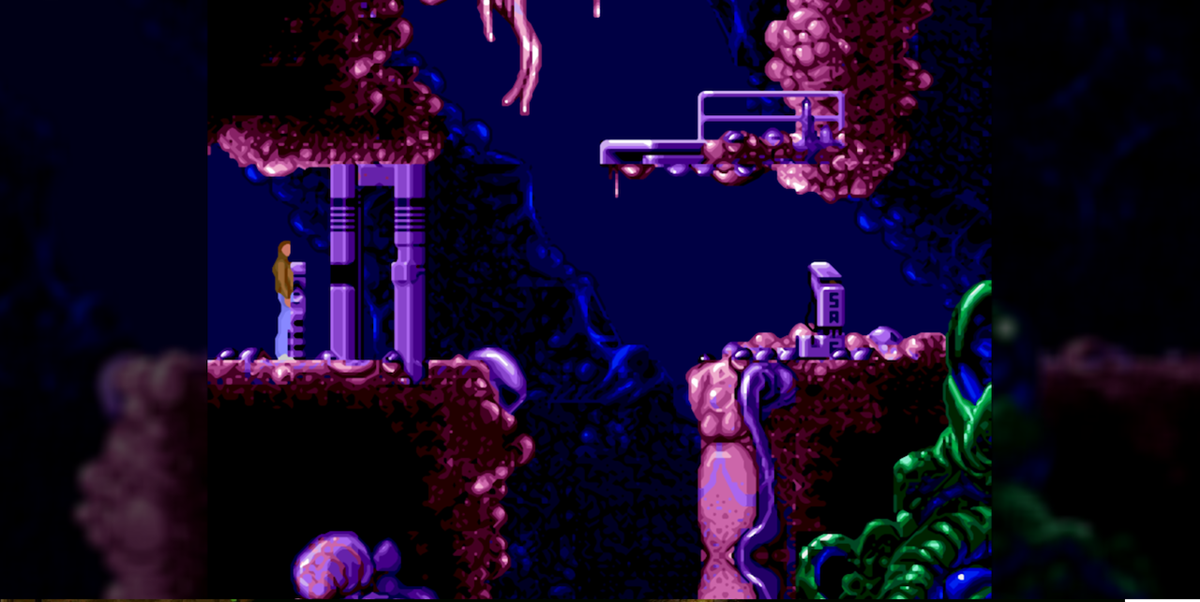
Flashback was cinematic in a very early-1990s way, rotoscoped movement, careful animation, and a mood that sat somewhere between action game and sci-fi thriller. REminiscence reimplemented the engine so the original DOS, Amiga, Macintosh, and CD data could be used on modern systems. It is a modest project compared with some larger community engines, but that modesty suits Flashback. The game depends on timing and atmosphere more than feature lists.
RigelEngine gave Duke Nukem II a modern executable without sanding it down
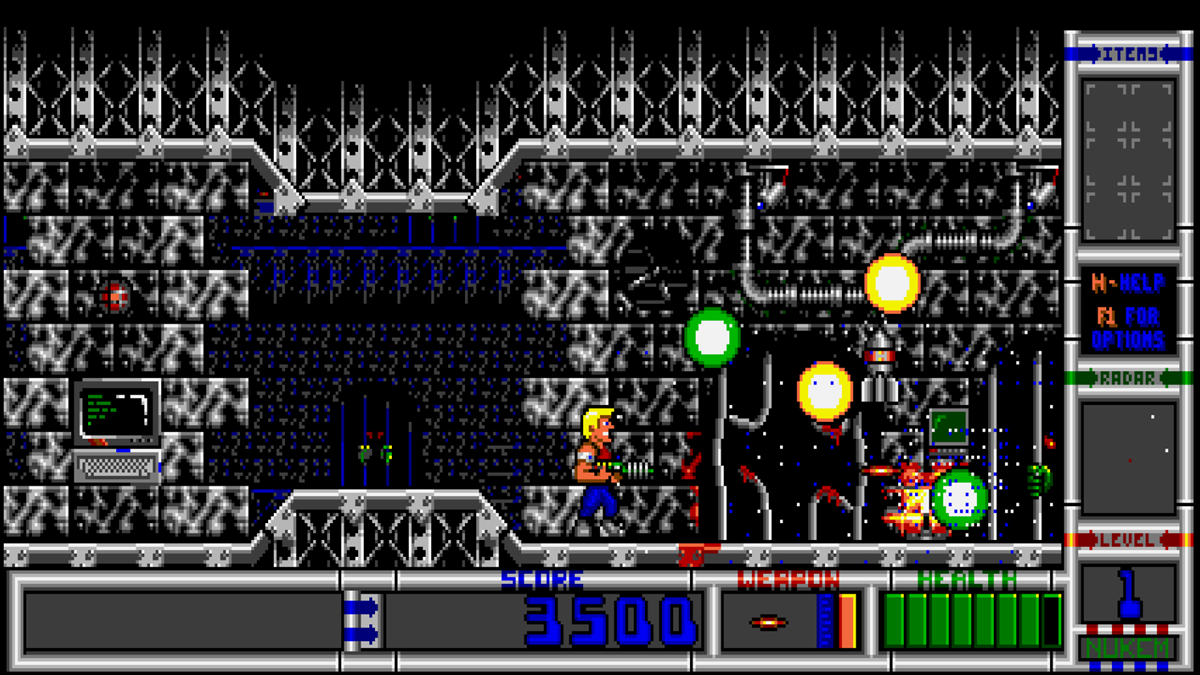
Before Duke Nukem became a 3D shooter mascot, Duke Nukem II was a fast, chunky DOS platformer with Apogee energy all over it. RigelEngine works as a drop-in replacement for the original executable, reading the game’s data files and running natively on modern systems in modern C++ code. The important part is that it does not need to pretend Duke Nukem II was more sophisticated than it was. It just makes the old shareware-era rhythm accessible again, which is often what preservation needs most.
OpenLara made the first Tomb Raider portable in a very literal sense
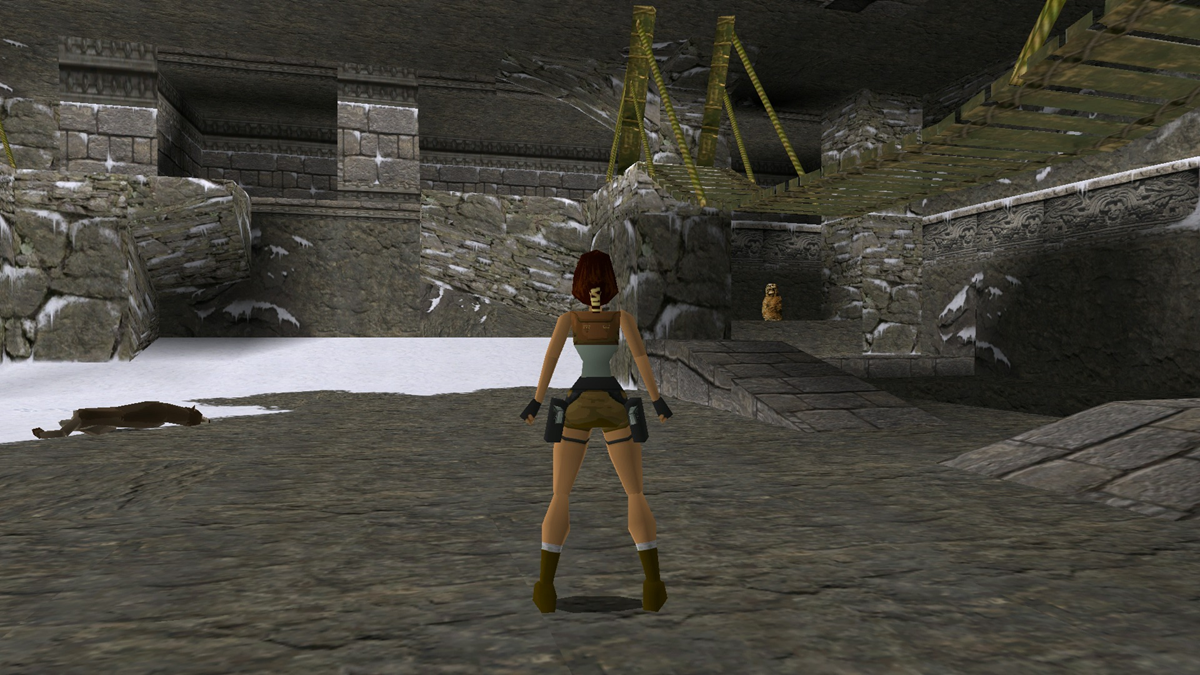
The original Tomb Raider has been reissued and repackaged enough times that it never fully disappeared, but the original engine’s limitations still left fans wanting something cleaner, more portable, and easier to study. OpenLara reimplemented the classic Tomb Raider engine and became famous partly because it could run in places the 1996 game was never meant to go, including browsers and unusual hardware. That portability matters. It turns Lara Croft’s first caves and tombs from a fixed old PC or console experience into a preserved technical object that can be examined, moved, and kept alive by people outside the original studio.
The strange thing about these projects is how unsentimental many of them are. They are built from bug reports, file parsers, disassembly notes, forum posts, and years of small corrections. The end result can feel like magic, but the method is mostly persistence. A game disappears, then somebody starts asking what the executable was really doing.
Continue Reading: 12 Games Never Officially Released Leaked and Played by Millions