Sometimes a sequel does not just disappoint players, it sends them back to the tools. PC gaming history is full of communities that looked at an official follow-up, decided it had missed the point, and built the version they actually wanted. These projects were not always polished at first, and some were never meant to compete with commercial releases. Still, in a few stubborn corners of gaming culture, the fan-made version became the one people actually recommend.
RollerCoaster Tycoon World Made OpenRCT2 Feel Like the Real Continuation
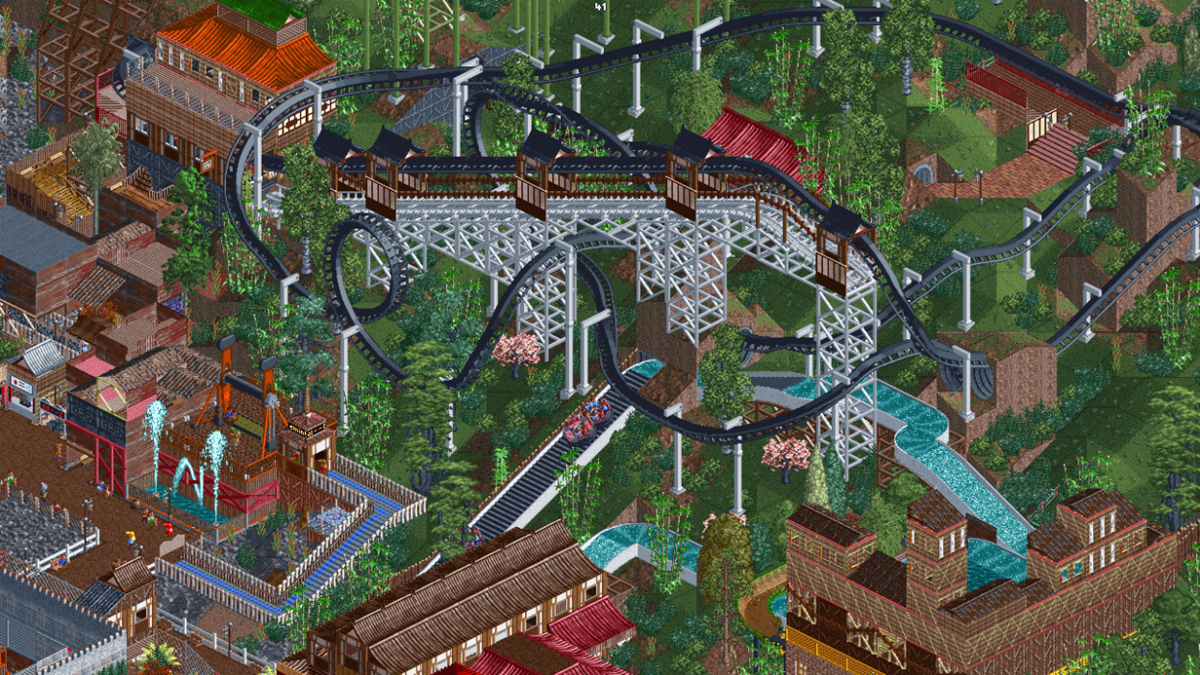
RollerCoaster Tycoon World arrived in 2016 with a name that still meant something to simulation fans, but the reaction was rough almost immediately. It was not just that people disliked the sequel, it was that it seemed to misunderstand the appeal of RollerCoaster Tycoon’s tight systems and readable chaos. OpenRCT2 had already started before World fully landed, yet Atari’s troubled release gave the project new importance. The open-source rebuild of RollerCoaster Tycoon 2 added modern resolutions, multiplayer, fixes and quality-of-life features while keeping the old design intact. For many players, “play RCT2” now basically means “install OpenRCT2.”
Sonic ’06 Became Project ’06 in the Hands of One Very Patient Fan
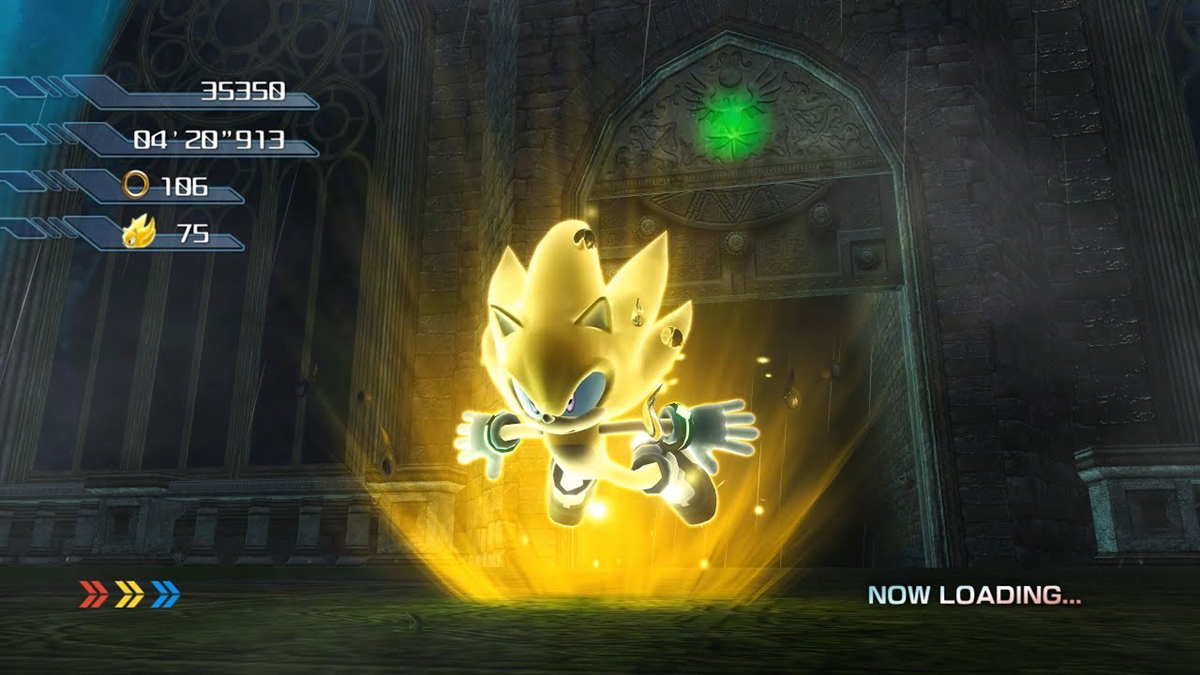
Sonic the Hedgehog from 2006 is not just remembered as a bad sequel. It is remembered as a game people use as shorthand for a production gone wrong. Project ’06, led by Ian “ChaosX” Moris, takes the strange position that something worthwhile was buried under the glitches, camera problems and half-finished ideas. By rebuilding stages in Unity and tightening the movement, it turned a famous failure into something people can actually play out of curiosity rather than punishment.
Command & Conquer 4 Pushed Fans Back Toward OpenRA

Command & Conquer 4: Tiberian Twilight was meant to close the Tiberium story, but many fans mostly remember what it removed. The familiar base-building rhythm was pushed aside, and the online structure made the game feel even farther from Westwood’s old design language. OpenRA went in the opposite direction. It rebuilt the feel of early Command & Conquer and Red Alert with modern networking, cleaner controls and a community that clearly understood why harvesters, build queues and base layouts mattered. The official finale moved away. The fan engine stayed with the parts people missed.
Thief’s Later Years Left Room for The Dark Mod
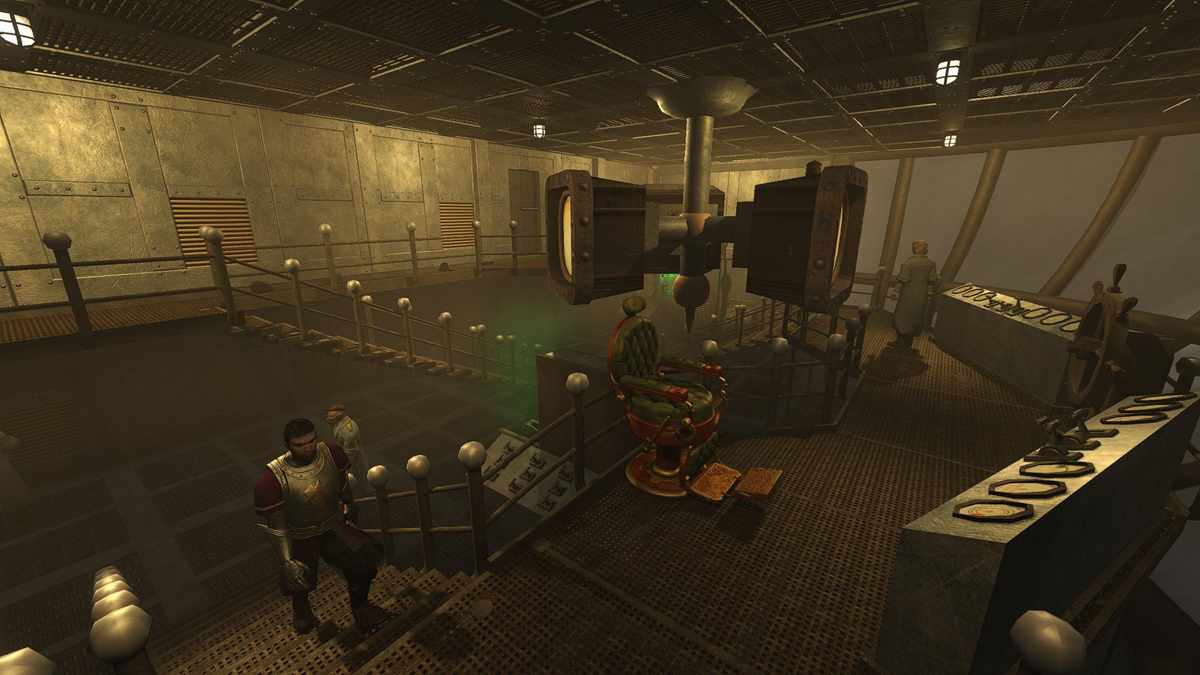
The 2014 Thief reboot had defenders, but it never fully captured the nervous, candlelit stealth of the Looking Glass games. The Dark Mod, which began as a Doom 3 total conversion and later became standalone, gave that older style somewhere to keep living. Its fan-made missions lean into light, sound, patrol routes and slow improvisation. It is not Garrett, legally or narratively, but it often feels closer to the old Thief mood than the licensed revival did.
Jagged Alliance: Back in Action Could Not Bury Jagged Alliance 2 1.13
Jagged Alliance is hard to modernize because so much of its appeal sits in awkward, crunchy places: mercenary personalities, interruptions, inventory friction and campaigns that feel like they might collapse. Back in Action tried to relaunch the name in 2012, but its Plan & Go system divided the same tactical crowd it needed most. Fans did not rebuild that sequel. They kept expanding Jagged Alliance 2 through the 1.13 mod, adding weapons, systems, interface options and enough customization to turn the old game into the living version of the series for years.
Trending on realmoneygamer.com
Dungeon Keeper Mobile Helped War for the Overworld Look Like the Sensible Option
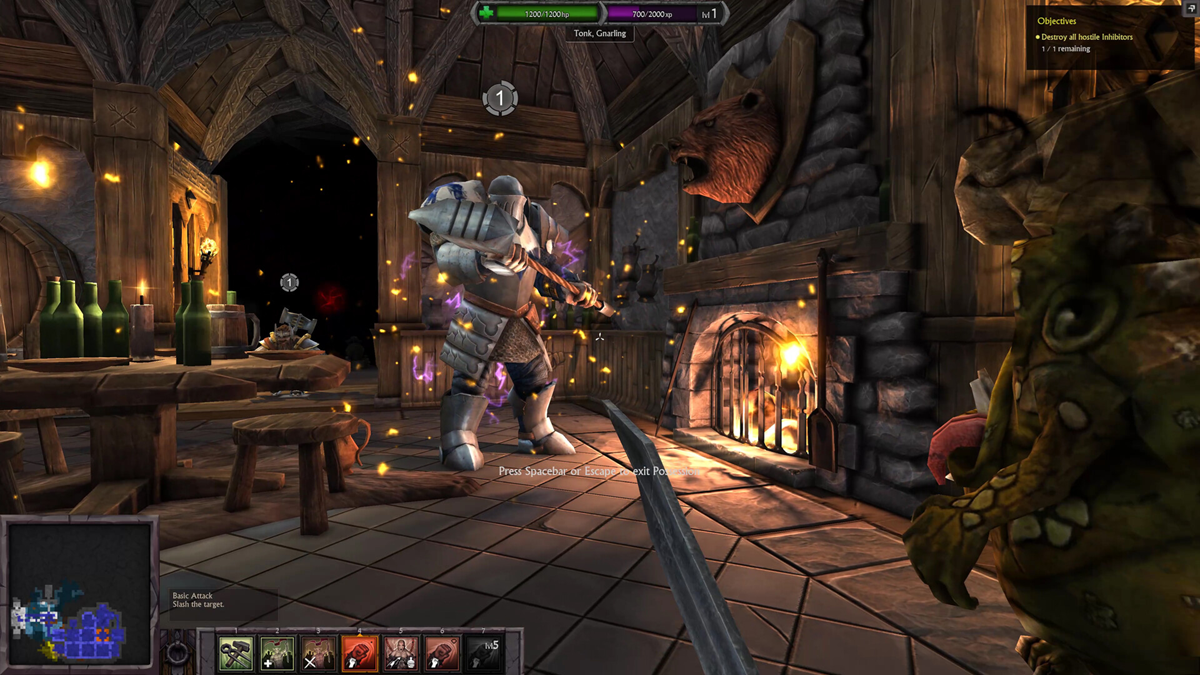
The licensed Dungeon Keeper Mobile drew heavy criticism for its free-to-play timers and structure. War for the Overworld, made by fans of Bullfrog’s dungeon-building formula, felt more in tune with what players had actually wanted from a continuation. It kept the underground management fantasy, the nasty humor and the idea that being evil should still involve interesting systems.
Heroes of Might and Magic IV Sent Many Players Back to Heroes III, Then Horn of the Abyss Kept Them There
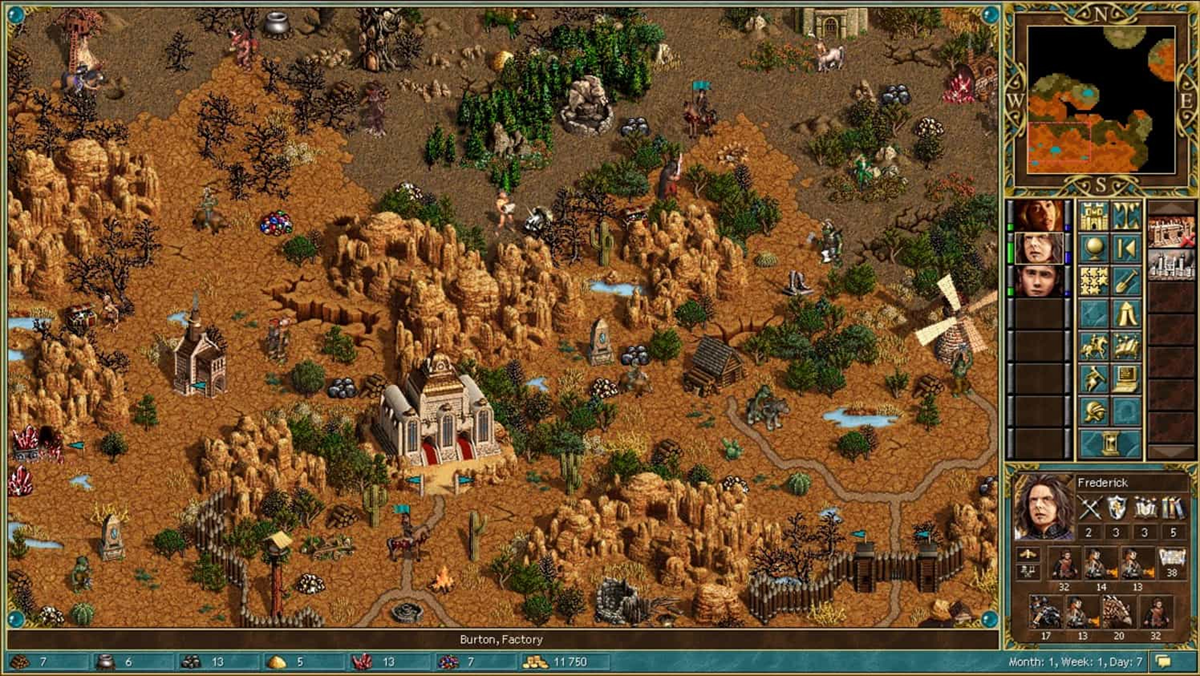
Heroes of Might and Magic IV was not simply hated, and some of its ideas still have supporters. But it changed enough, especially by moving heroes directly into combat, that a large part of the community stayed loyal to Heroes III. Horn of the Abyss turned that loyalty into a working standard. The fan expansion added towns, campaigns, balance changes and competitive refinements while trying to feel like a lost official add-on rather than a random mod pack. In many Heroes III circles, HotA is just the version you install.
Worms Went 3D, but Worms Armageddon’s Community Updates Won the Long Game
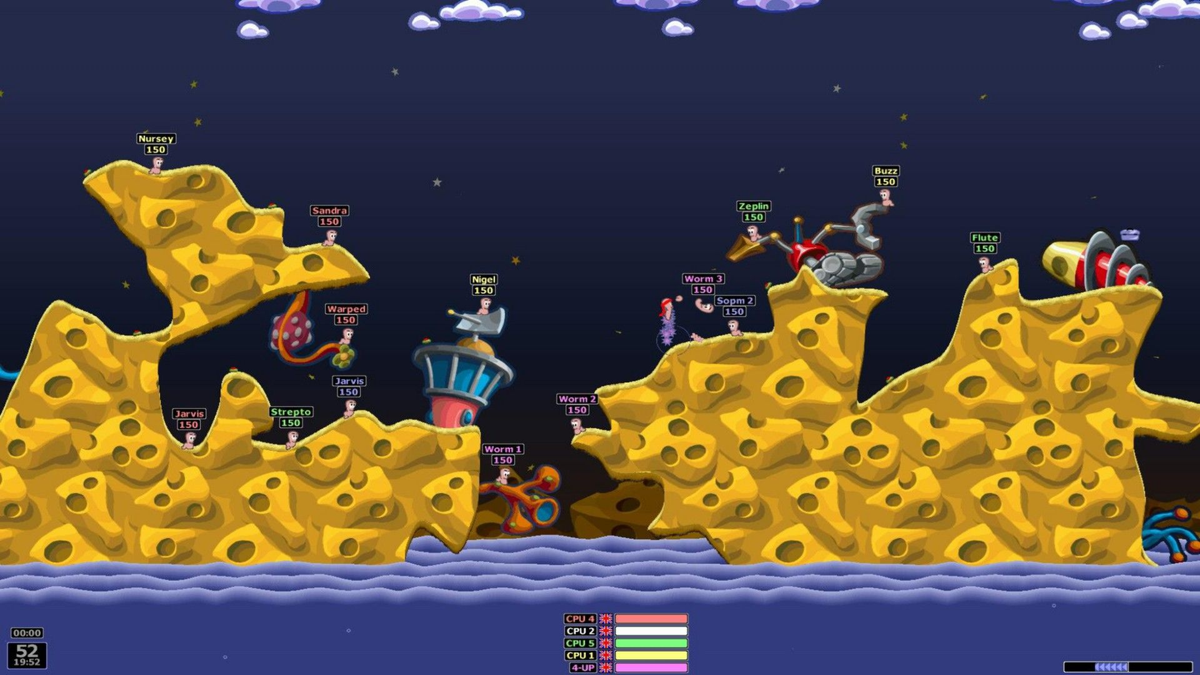
Worms 3D had curiosity on its side, but it never displaced the timing and precision of the 2D games. Worms Armageddon survived because fans and independent programmers kept maintaining it long after release. Those updates later became part of the versions sold on Steam and GOG, which says plenty about where the real standard ended up.
X-COM’s Messy Sequel Era Made OpenXcom Feel Necessary
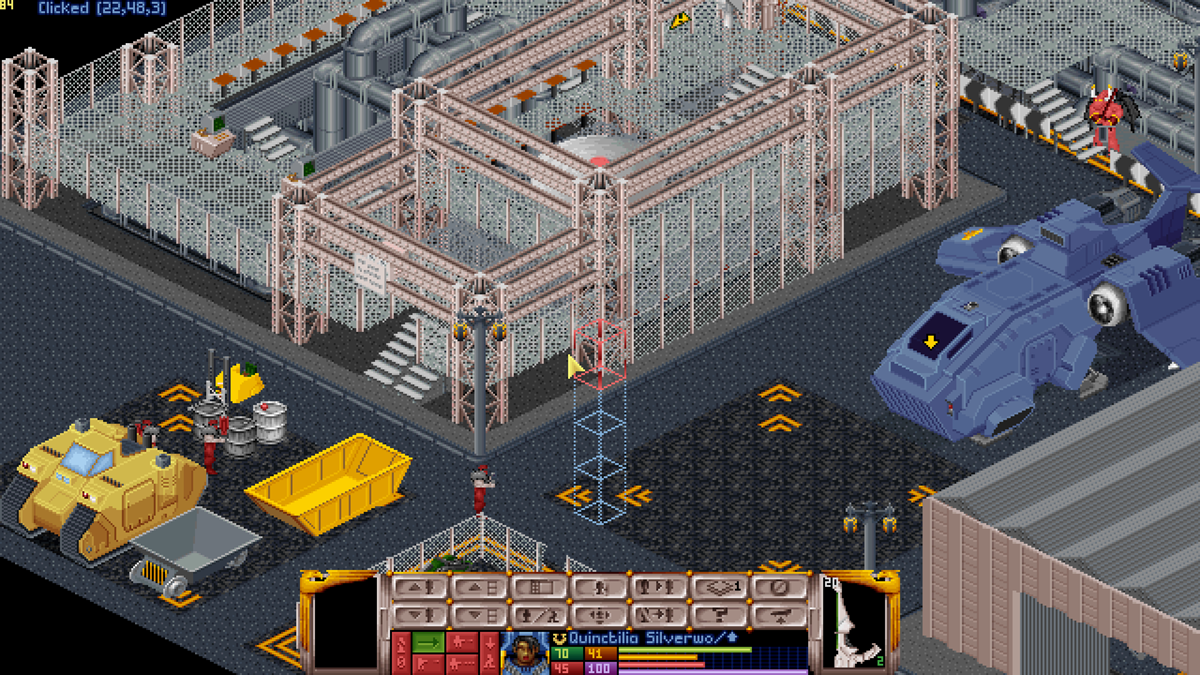
Before Firaxis revived XCOM in 2012, the series spent years drifting through uneven experiments and genre shifts. Interceptor and Enforcer were not what many players wanted from the name, and even the better follow-ups lived under the shadow of UFO: Enemy Unknown. OpenXcom recreated the original as an open-source project, fixed technical problems and made modding easier. Later, OpenXcom Extended became the preferred branch for many players who still wanted time units, night missions and soldiers panicking at the worst possible moment.
Duke Nukem Forever Made EDuke32 Look Even More Important
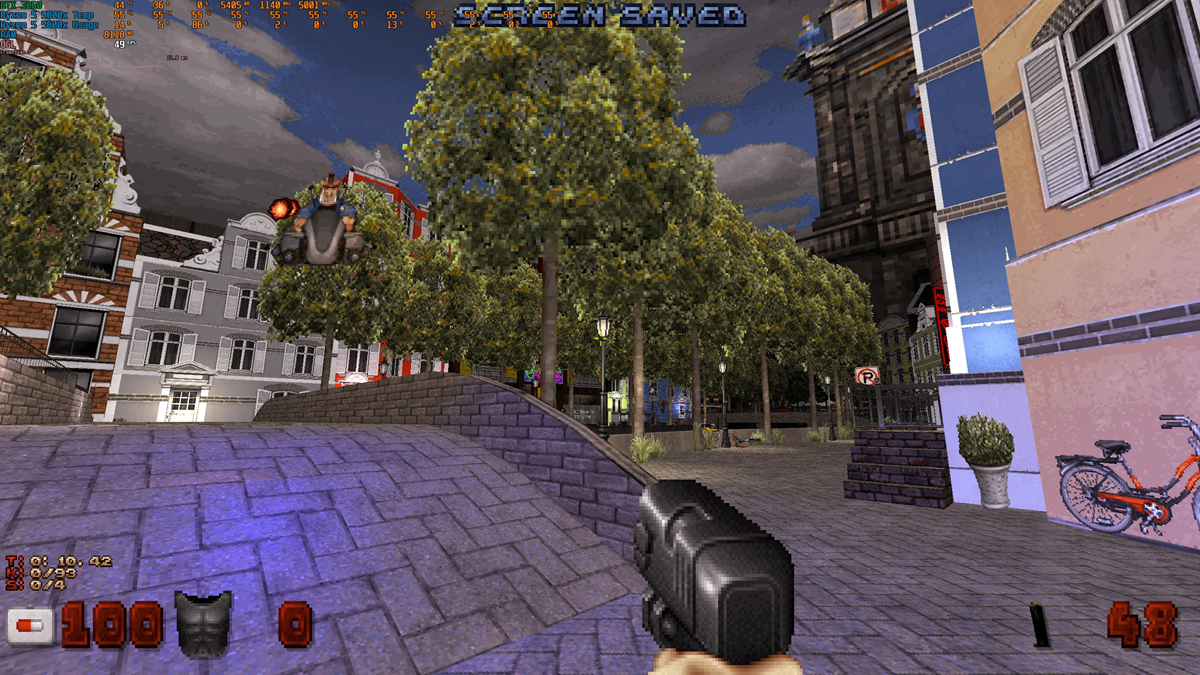
Duke Nukem Forever finally came out in 2011, after years of delays, and still somehow felt unfinished in spirit. EDuke32 had already become central to keeping Duke Nukem 3D playable and moddable on modern PCs. After Forever, the contrast was hard to ignore. If someone wanted Duke with better controls, widescreen support, ambitious mods and actual pace, the fan-maintained route was usually the smarter recommendation.
Master of Orion III Left Space for FreeOrion
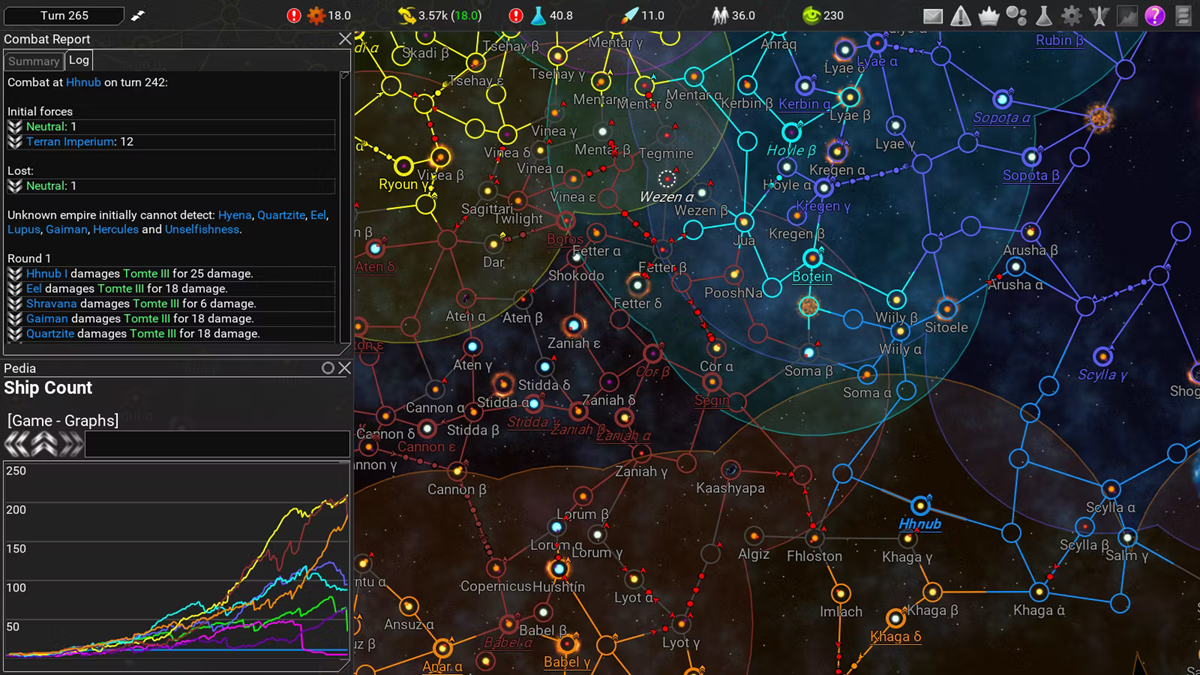
Master of Orion III had scale and ambition, but many strategy fans found it distant from the cleaner tension of Master of Orion II. FreeOrion did not present itself as a direct clone, which is important, but it clearly grew from the same 4X tradition and from a community still interested in space empire management done with patience. It became less a replacement for one sequel than a refuge for an idea the official series had made harder to trust.
The pattern is not perfectly neat. Some of these projects began before the disappointing sequel, some became semi-official, and a few are really spiritual continuations rather than direct remakes. But that is also why they lasted. Fans were not just asking for nostalgia, they were figuring out which pieces still worked and rebuilding around them.
Continue Reading: 10 Times Players Organized and Actually Forced a Game Company to Change Course