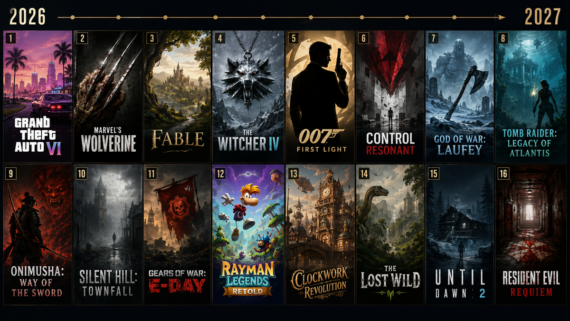
The next stretch of gaming does not look quiet. After years of delayed projects, cautious reveals and platform holders trying to recalibrate their first-party schedules, 2026 and 2027 are shaping up as a crowded, slightly chaotic window. Some of these games already carry the weight of franchises that can change an entire release calendar by themselves, while others are interesting because they feel less predictable. That mix, the obvious blockbusters sitting next to stranger, riskier projects, is what makes the period worth watching.
Grand Theft Auto VI
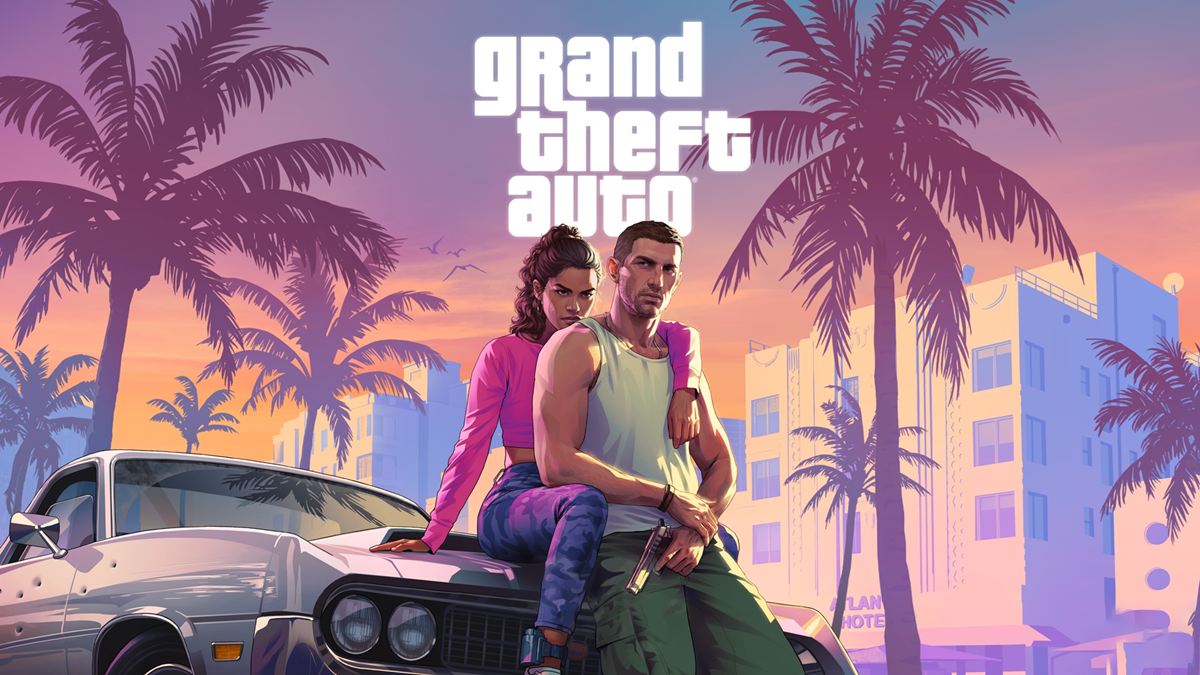
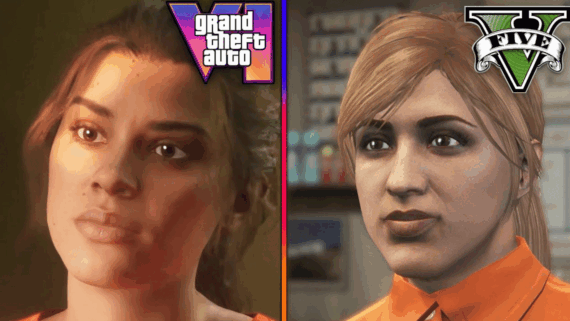
There is no clean way to talk about the next two years in games without starting in Leonida. Grand Theft Auto VI has become less like a normal release and more like an industry weather system, something publishers quietly plan around, analysts circle in earnings calls and players discuss even when Rockstar says very little. The return to Vice City gives the game an immediate cultural hook, but the bigger question is what Rockstar does with modern America after more than a decade of GTA V living across three console generations. Jason and Lucia already feel like the center of a messier, more intimate crime story than the three-protagonist sprawl of the last game. Whether it lands perfectly or simply dominates by force, GTA VI is the rare title that can make everything else in its window feel like counterprogramming.
Marvel’s Wolverine
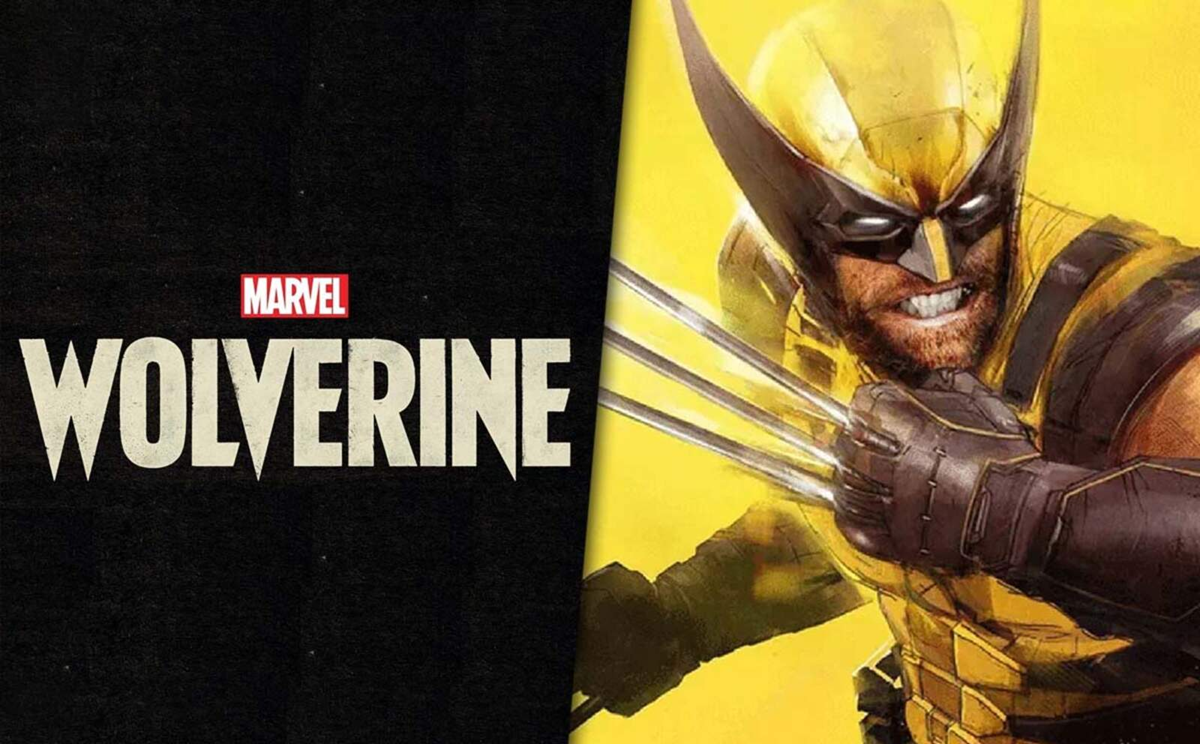
Insomniac has earned a particular kind of trust with Marvel games, not because its Spider-Man titles were flawless, but because they understood the character first and the open-world checklist second. Wolverine asks for a different temperature. Logan is uglier, rougher and harder to sand down into clean superhero spectacle, which is exactly why the project has held attention since its early tease. The appeal is not just claws and violence, though the combat has to feel sharp. It is seeing whether Insomniac can make a superhero game that feels heavier in the hands, smaller in its emotional focus and less interested in quips echoing between skyscrapers. If it works, it could become the studio’s most distinctive Marvel game rather than simply its darkest one.
Fable
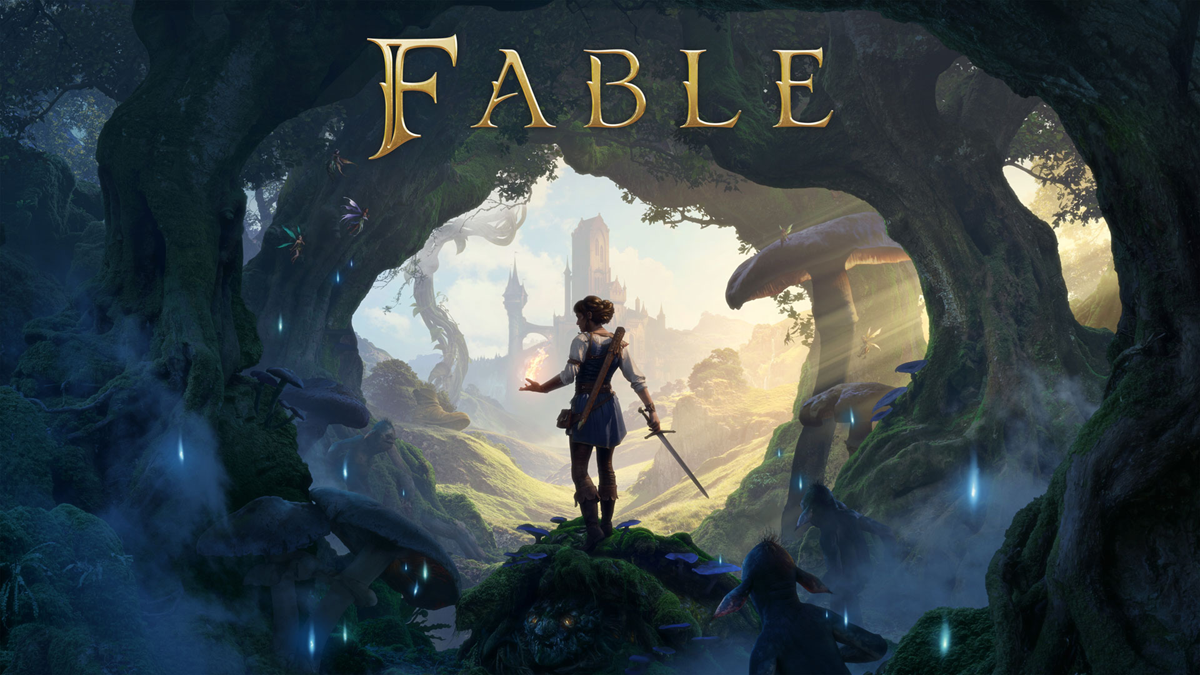
Fable has always lived in the gap between the game you played and the game you imagined it might become. That is both the charm and the problem. Playground Games inherits a series remembered for chickens, absurd British humor, moral choices, real estate, bad haircuts and promises that became part of its mythology. A reboot has to bring Albion back without treating nostalgia like a museum display. The early footage has leaned into fairy-tale grotesquery and dry comic timing, which is encouraging, because Fable should feel a little rude and a little warm at the same time. The delay into 2027 may actually help it. This is not a game that benefits from being rushed into the shadow of louder releases.
The Witcher IV
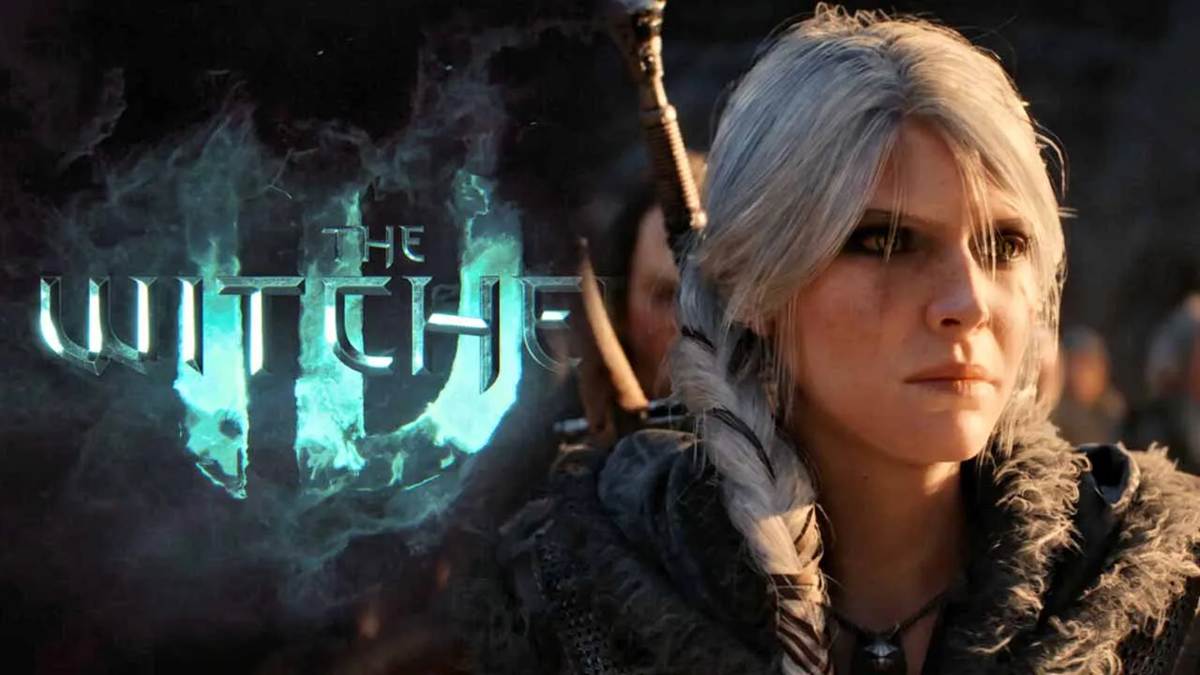
Ciri taking the lead changes the conversation immediately. The Witcher IV is not simply “more Witcher” after the long life of The Witcher 3, it is CD Projekt Red trying to start a new saga while carrying the expectations of one of the most beloved RPGs of the last decade. Ciri gives the team a protagonist who is familiar but not fixed in the same way Geralt was. She can move differently, fight differently and, more importantly, make the world feel less settled. The studio has described the game as a single-player, open-world RPG, and the move to Unreal Engine 5 raises the usual questions about scale, performance and production ambition. Still, the real pressure is narrative. Players will forgive a lot in a Witcher game if the contracts are strange, the towns feel lived in and the choices linger after the quest log clears.
007 First Light
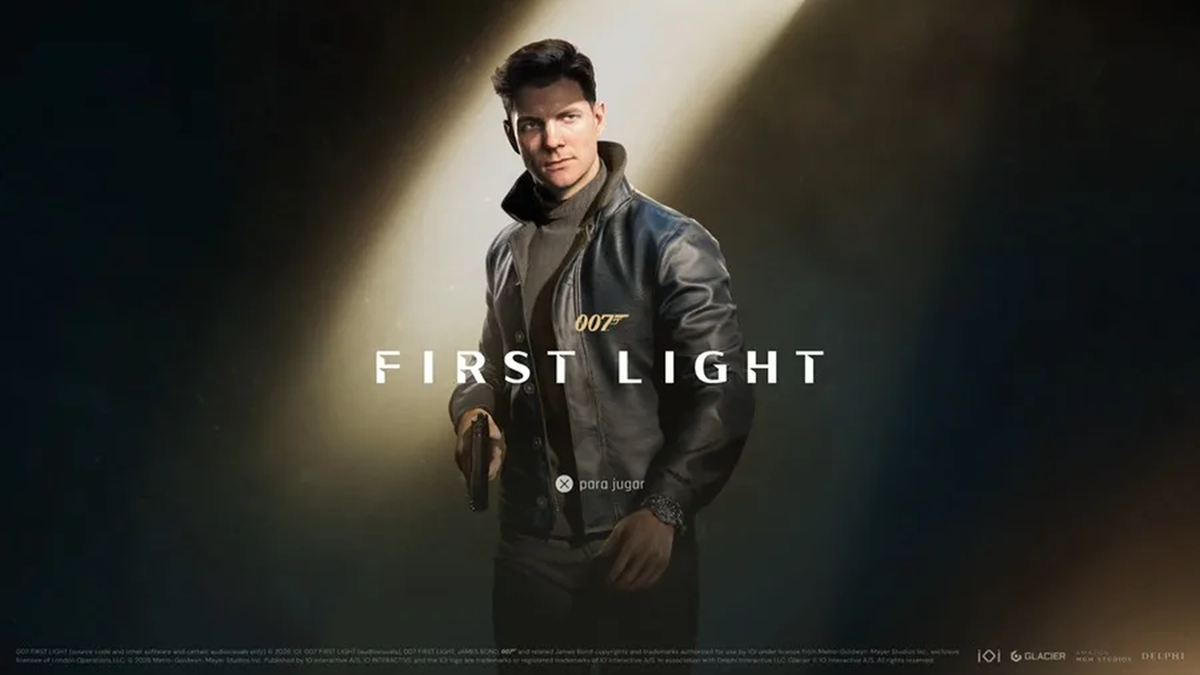
A Bond game from IO Interactive almost sounds too obvious once you say it out loud. The Hitman studio has spent years building clockwork locations where disguise, timing and improvisation matter, which is basically half of the fantasy people want from James Bond. 007 First Light is more interesting because it is not tied to a specific film actor or a familiar movie plot. A younger, less polished Bond gives the game room to be scrappier, to let mistakes and ego show before the tuxedo becomes armor. The danger is that Bond games can fall back into generic shooting very quickly. The hope is that IO remembers the best Bond moments are often about entering a room, reading it and finding the one ridiculous way out that still looks stylish.
Trending on realmoneygamer.com
Control Resonant
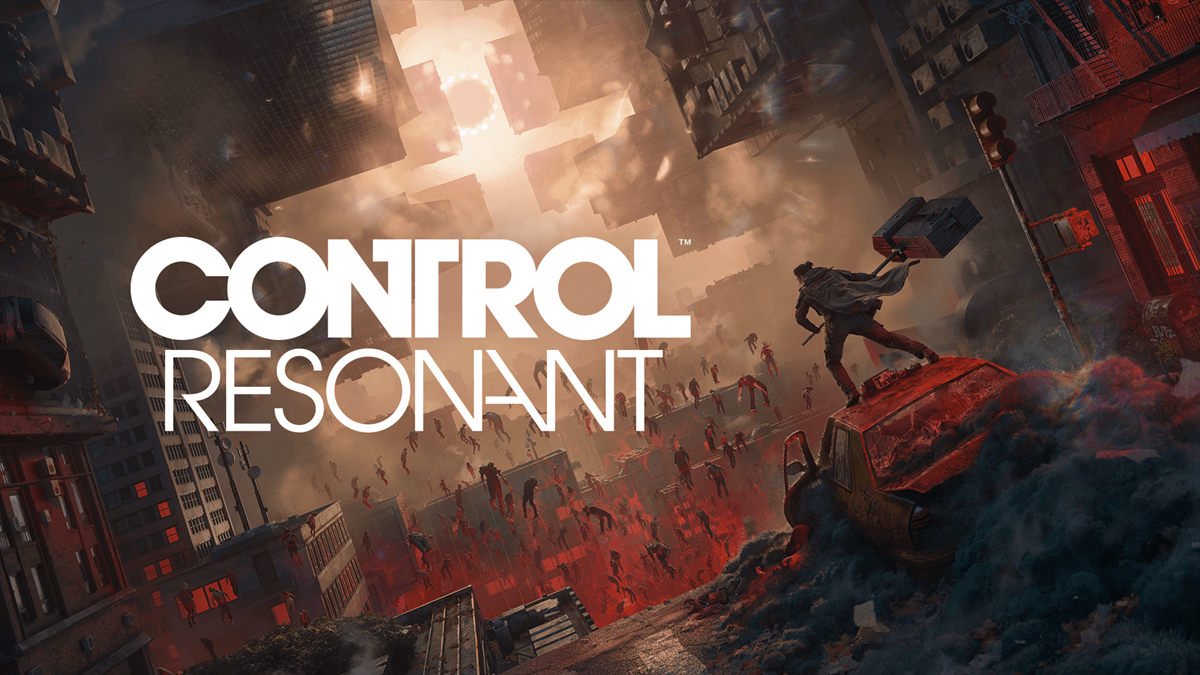
Remedy’s worlds tend to feel as if they are held together by bad fluorescent lighting, government paperwork and dreams you should not admit to having. That is why a new Control is so easy to be curious about. The Oldest House gave the original game a setting that was both office building and haunted myth machine, and there is plenty of space left in that universe without turning everything into simple lore delivery. Control Resonant has the advantage of arriving after Alan Wake 2, when Remedy’s taste for mixed media, unreliable realities and strange tonal swerves has become even more central to its identity. The challenge is mechanical as much as narrative. The first Control felt terrific once Jesse’s powers opened up, so the sequel needs to avoid making players wait too long to feel dangerous again.
God of War: Laufey
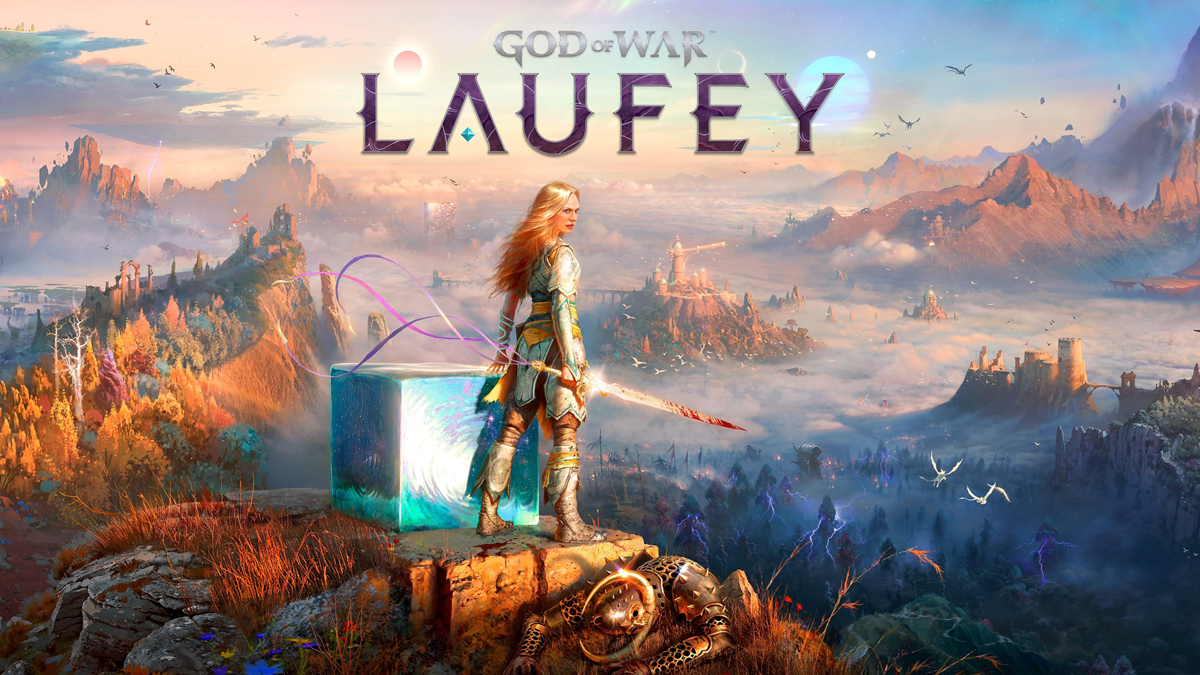
Shifting attention toward Laufey is a clever move because it gives God of War a way to expand without immediately asking what Kratos does next. Faye was the absence around which much of the Norse saga moved, a person whose choices shaped the journey before players truly understood her. Making her playable, or at least placing her at the center, could turn familiar mythology from a different angle. The risk is obvious, too. Mystery can be more powerful than explanation. But if Santa Monica Studio treats her as a person rather than a lore answer, Laufey could make the series feel newly intimate instead of merely larger.
Tomb Raider: Legacy of Atlantis
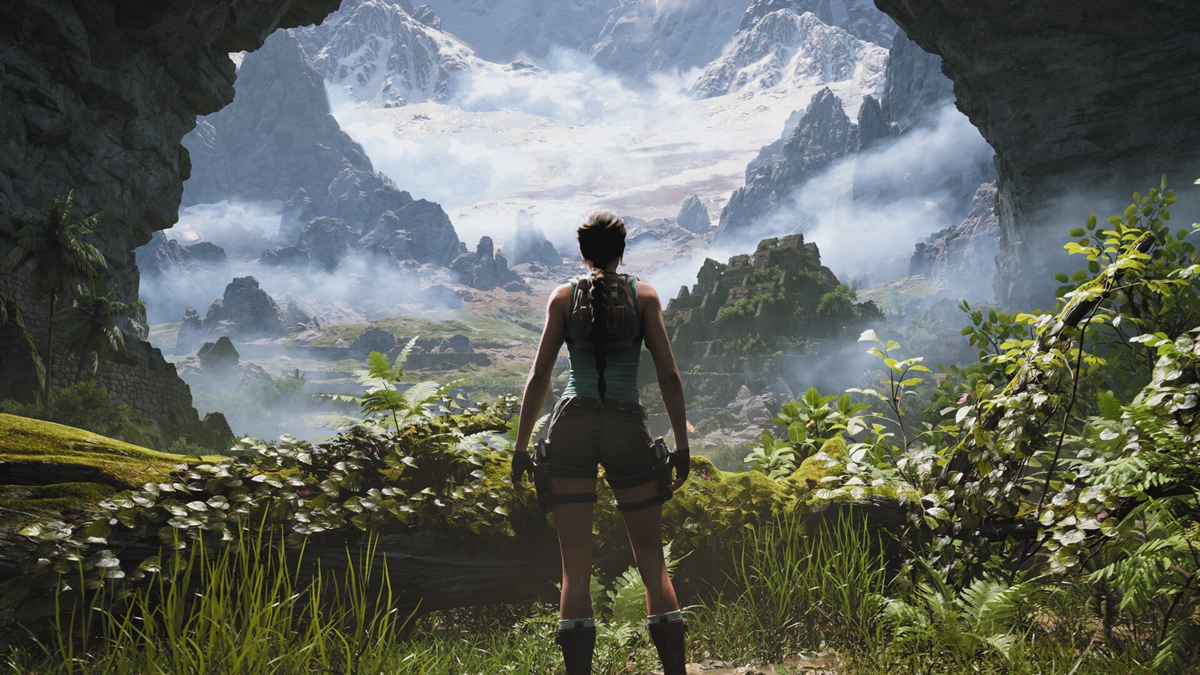
Lara Croft has survived so many reinventions that every new Tomb Raider comes with a small identity debate attached. Should it be survival grit, globe-trotting puzzle adventure, acrobatic pulp or something in between? Legacy of Atlantis sounds like it is leaning into the grander end of the character’s history, and that might not be a bad thing. The series has spent years proving Lara can bleed, fall and suffer. Now there is room to remember that Tomb Raider also works when it feels glamorous, dangerous and slightly impossible. A high-end remake or reimagining tied to Atlantis has an easy nostalgic pull, but the more interesting test is whether it can make tombs feel physical again, not just pretty corridors between combat arenas.
Onimusha: Way of the Sword
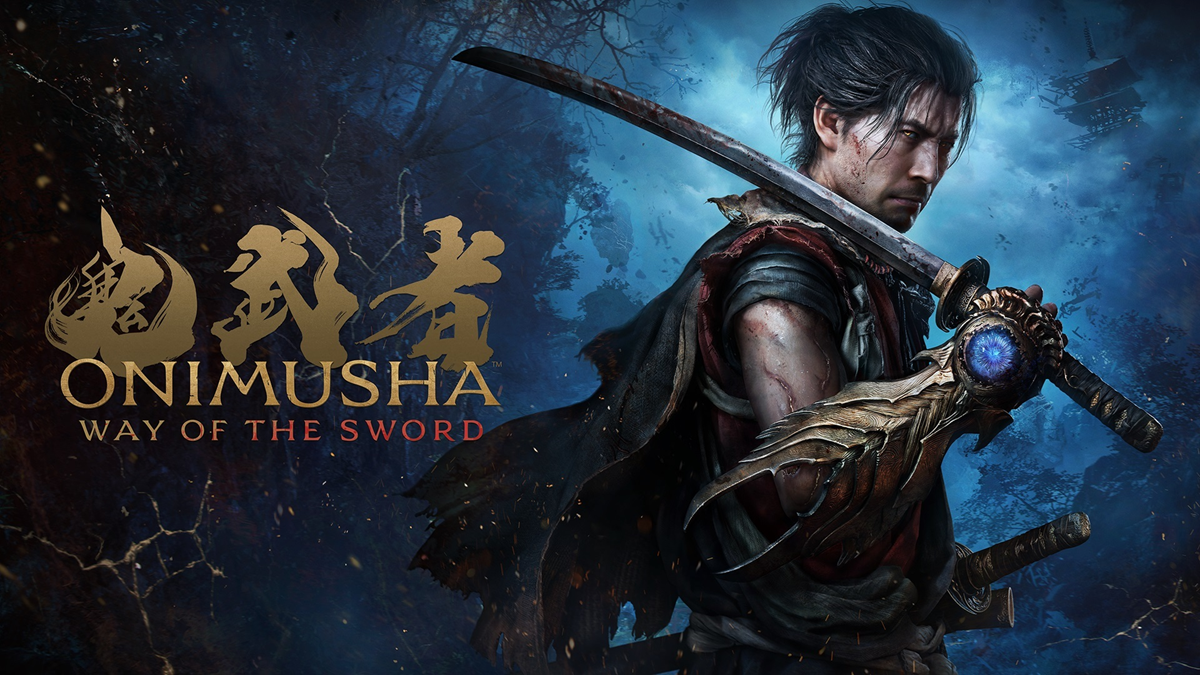
Capcom has been unusually good at understanding which old names still have energy left in them. Onimusha is one of the stranger cases, a series many players remember fondly but not always precisely. Samurai horror, demonic possession, fixed-camera tension, stylish combat, it occupied a space that modern action games mostly abandoned. Way of the Sword arrives at a time when Capcom’s action design is sharper than it has been in years, and that alone makes the revival worth attention. The trick will be resisting the urge to sand off everything odd about Onimusha in pursuit of a broader audience. If the demons are grotesque, the swordplay has bite and the atmosphere stays a little theatrical, it could feel less like a comeback tour and more like a missing branch of Capcom history returning at the right moment.
Silent Hill: Townfall
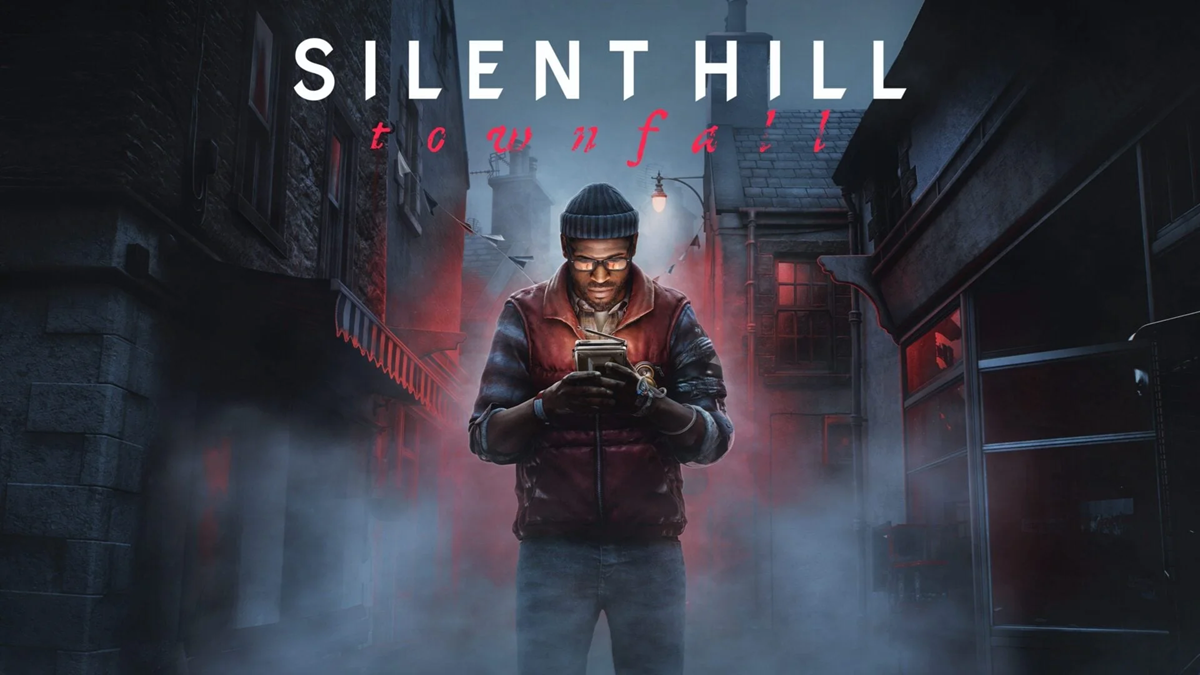
Silent Hill does not need to be big. In fact, it often works better when it feels trapped, personal and uncomfortably quiet. Townfall has stayed intriguing partly because it has not been overexplained. The name carries pressure after years of uneven revivals and false starts, but this is the sort of horror project that benefits from restraint. If it understands suggestion better than exposition, it could be one of the more interesting entries in the series’ modern return.
Gears of War: E-Day
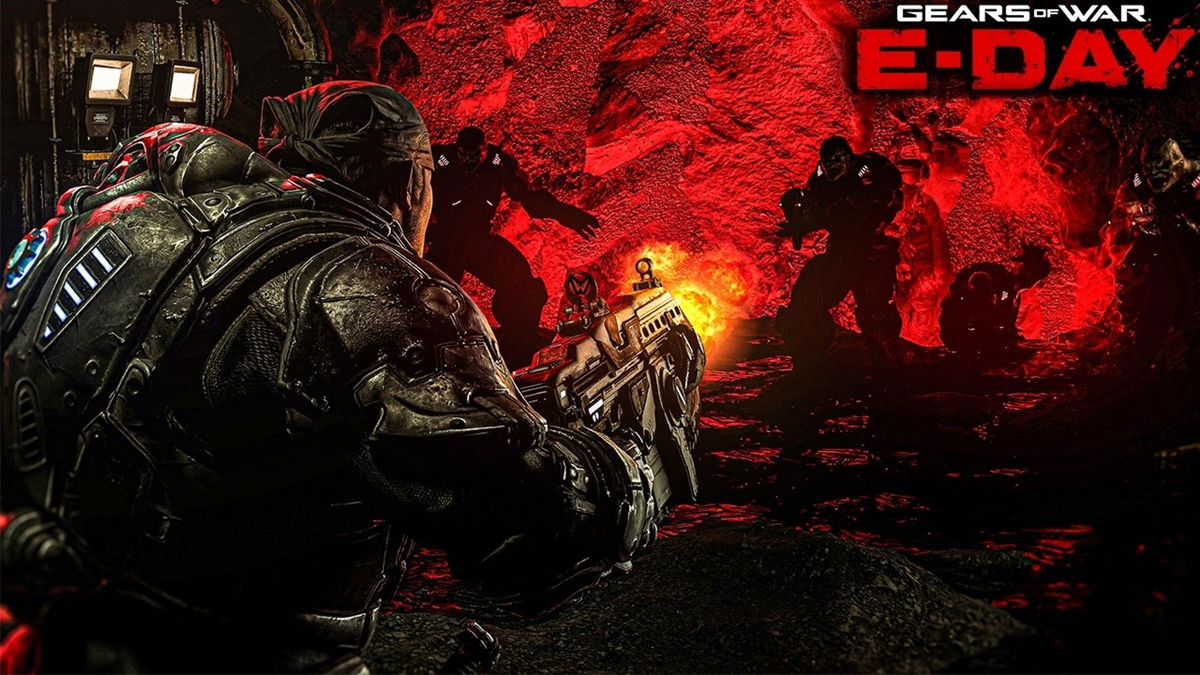
Going back to Emergence Day is not subtle, but Gears of War was never really built on subtlety. The appeal here is emotional and tactile. Marcus Fenix and Dom Santiago before the years of war, the Locust invasion as fresh catastrophe rather than established mythology, the chainsaw bayonet before it became a franchise logo, all of that has a directness the series could use. E-Day also has to answer a practical question, which is what Gears combat should feel like now. Cover shooters are no longer the center of the action genre. If The Coalition can keep the weight of the old games while making the pacing feel less boxed in, this prequel could be more than a nostalgia play. It might remind people why the original hit so hard in the first place.
Rayman Legends Retold
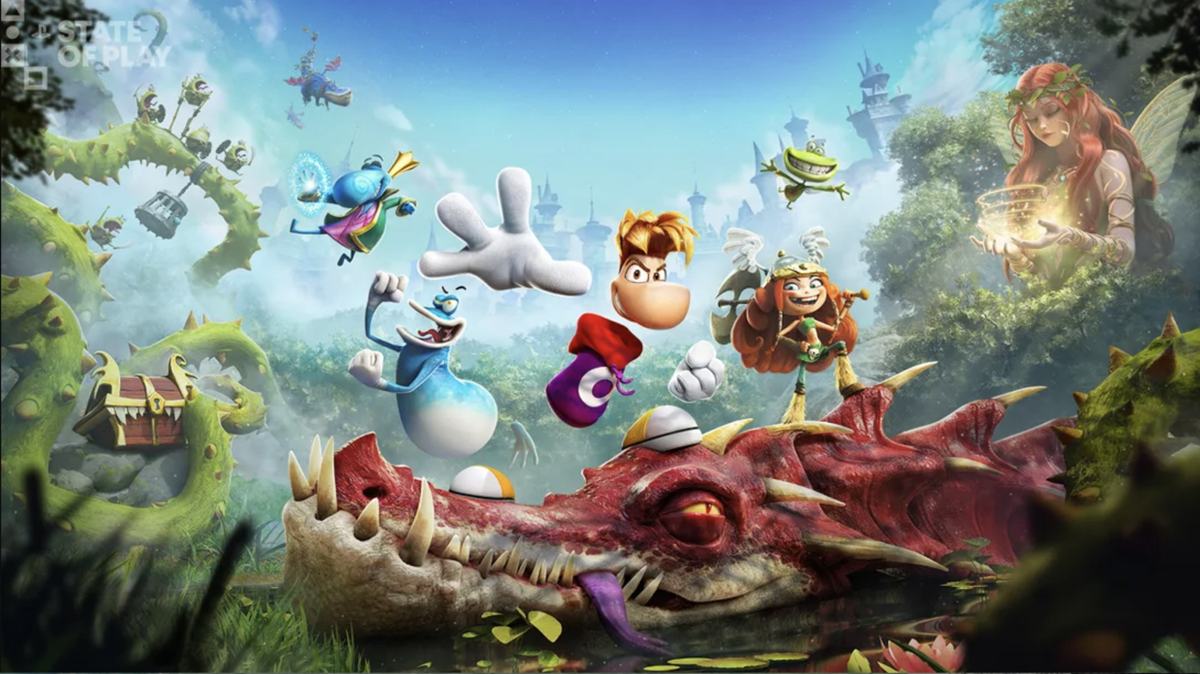
Rayman Legends has aged better than many bigger games because it never chased realism. Its animation, rhythm and elastic sense of movement still feel alive. A retelling or remake only makes sense if it preserves that looseness instead of overdecorating it. The promise of a broader, refreshed version is nice, but the real hope is simple, do not ruin the jump, the music levels or the weird little joy of sprinting through a stage that feels hand-painted and half-mad.
Clockwork Revolution
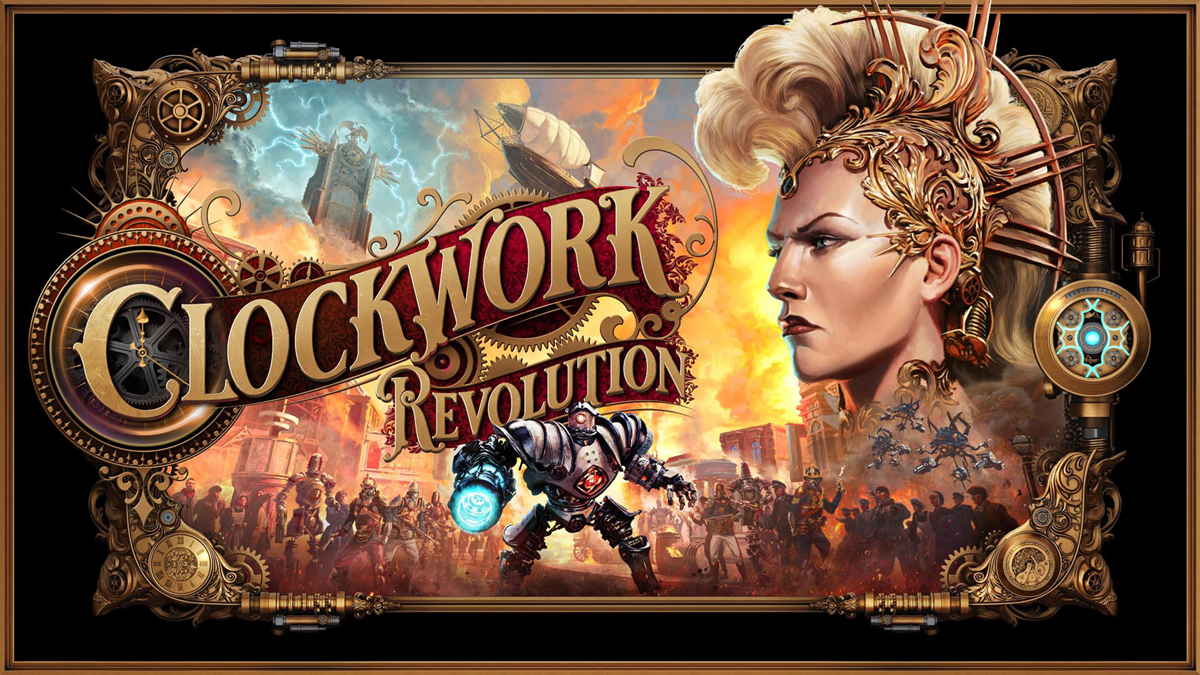
Clockwork Revolution remains one of those games where the concept is doing a lot of early heavy lifting. A first-person RPG built around steampunk politics, class tension and time manipulation is exactly the kind of pitch that makes people start comparing it to BioShock before anyone has played it. That comparison is probably unfair, but it also shows why the game is being watched closely. InXile has RPG history behind it, and Xbox could use a big, authored single-player world that does not feel like another fantasy or sci-fi template. The important thing will be consequence. If altering the past becomes more than a flashy mission gimmick, Clockwork Revolution could have real personality.
The Lost Wild
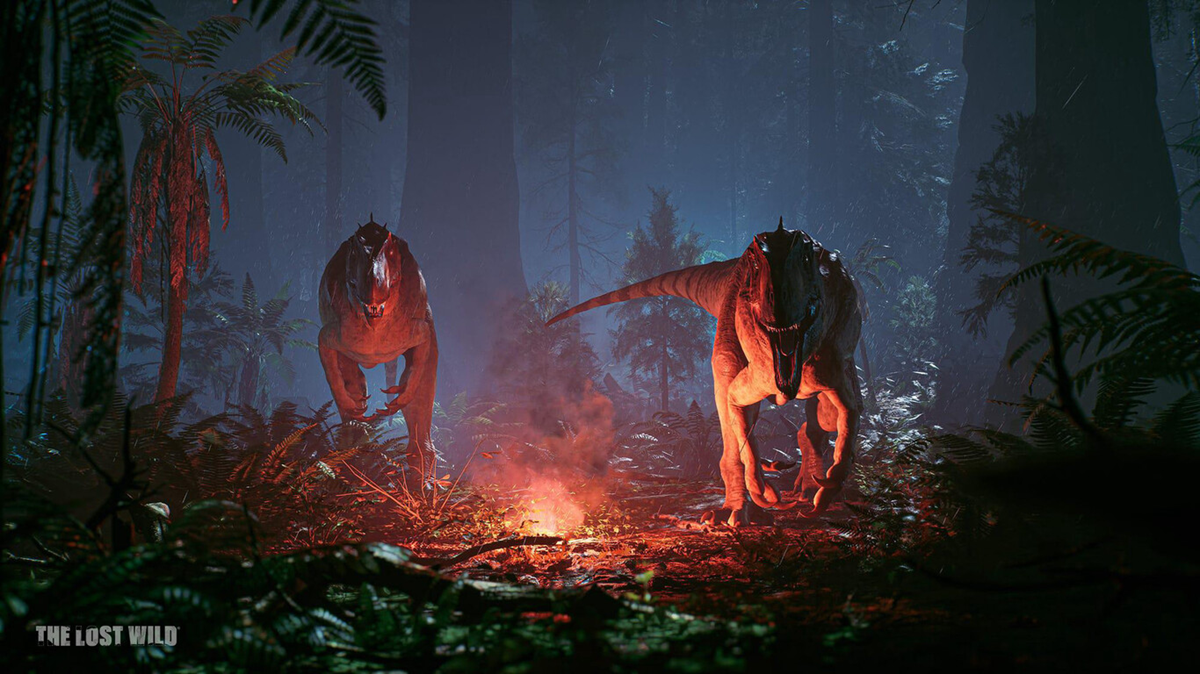
Dinosaurs in games often end up as either target practice or theme-park decoration. The Lost Wild has stood out because it appears more interested in vulnerability. Its jungle spaces, improvised survival and emphasis on reading animal behavior suggest something closer to a thriller than a power fantasy. That distinction matters. Being hunted is more memorable than simply unloading magazines into another roaring creature.
Until Dawn 2
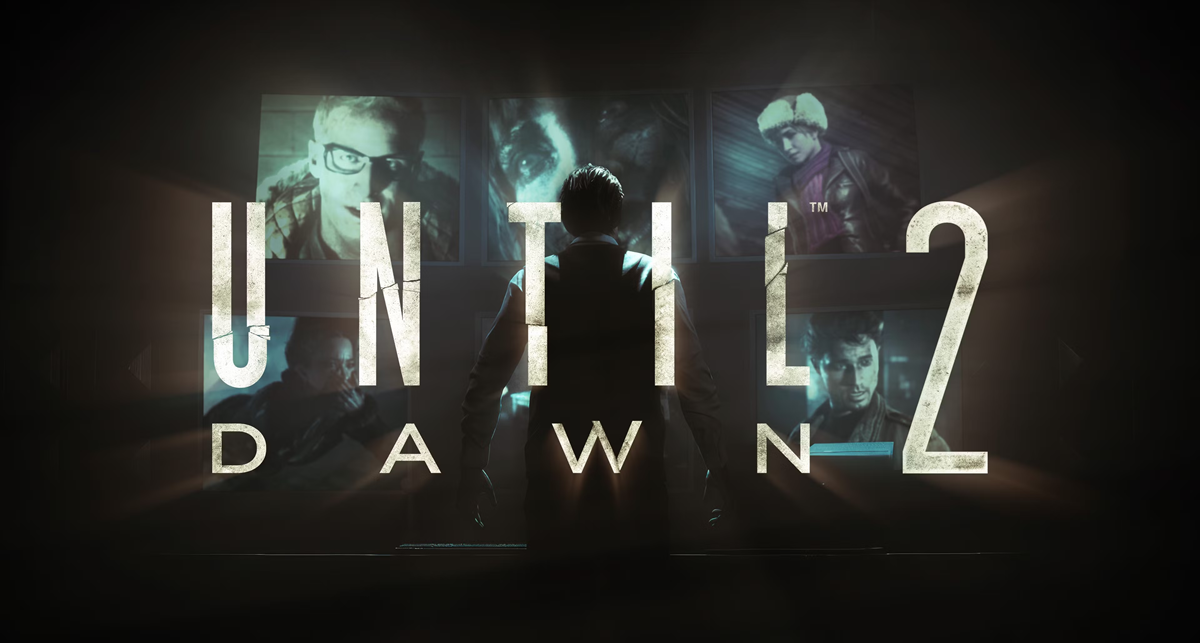
The first Until Dawn worked because it understood the pleasure of watching attractive, foolish people make terrible decisions in the woods. It was interactive horror, yes, but it was also a knowingly trashy teen slasher with better timing than expected. A sequel has to be careful not to overcomplicate that formula. Players want branching consequences, ugly deaths and the uneasy feeling that a minor choice from an hour ago has quietly sharpened the knife. If Until Dawn 2 can find a new cast with the same messy chemistry, it does not need to reinvent horror. It just needs to make the living room noisy again.
Resident Evil Requiem
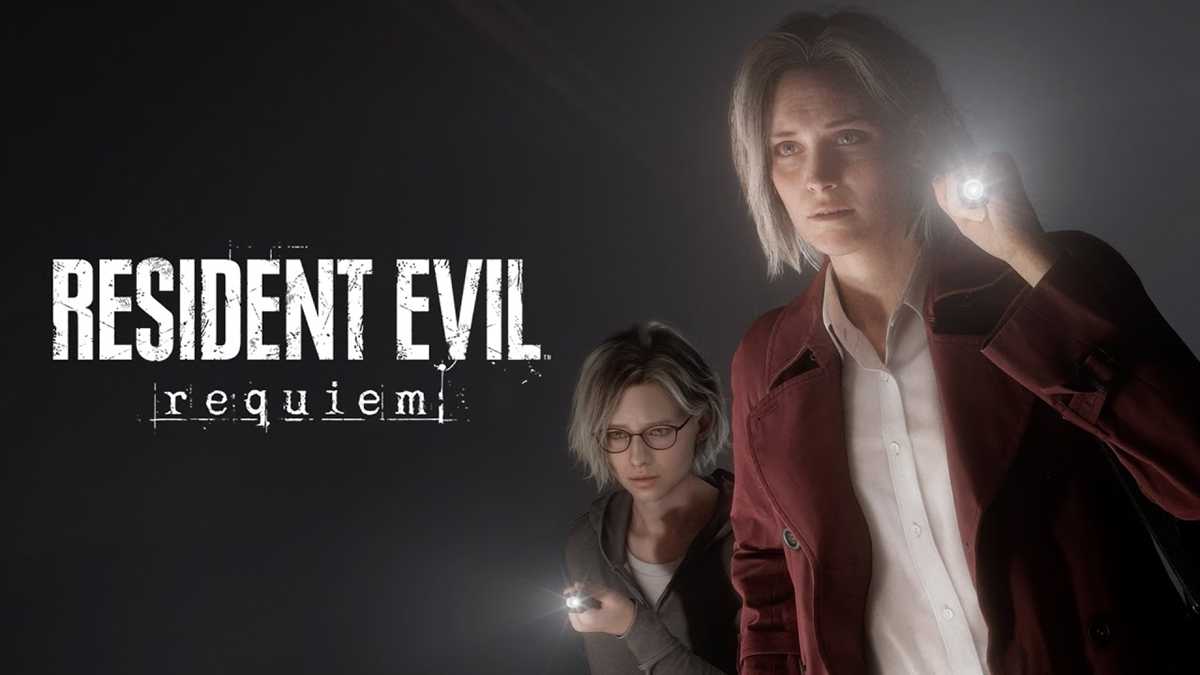
Resident Evil is in one of those rare phases where both its remakes and new entries feel relevant, which makes Requiem a major marker for where Capcom wants the mainline series to go. The ninth numbered-style entry carries the franchise back toward Raccoon City imagery while introducing Grace Ashcroft, a choice that signals a mix of legacy and fresh perspective. That balance is always delicate with Resident Evil. Too much nostalgia and the horror becomes theme-park familiar, too much reinvention and fans start asking where the strange old DNA went. Requiem’s appeal sits right there, in the possibility that Capcom can fold modern cinematic polish, survival tension and series history into something that feels current without pretending the past is not watching from the corner.
The next couple of years look expensive, crowded and a little unstable, which is often when games become interesting. Some of these titles will move, some will disappoint and a few smaller releases will probably steal attention from the obvious giants. For now, though, this is the slate people are circling, arguing about and quietly making room for.
Continue Reading: 13 New Video Games Scoring Big With Critics Right Now