
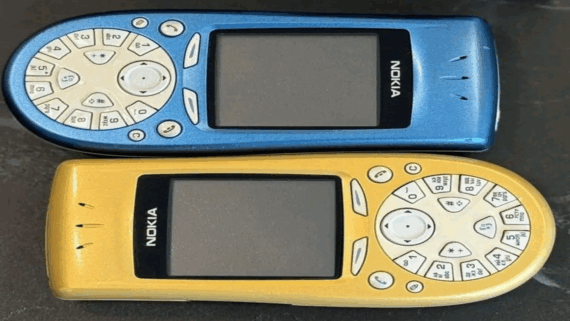
Futuristic phones were everywhere in the 2000s. It was a brief moment when manufacturers seemed convinced that the future wouldn’t be made of identical black rectangles. Instead, they experimented with spinning bodies, hidden keypads, touch sensitive surfaces, and shapes that looked borrowed from sci fi movies rather than engineering meetings. Some designs were impractical. Others were genuinely ahead of their time. But all of them shared one thing: they made the future feel just a little closer. These are 15 Futuristic Phones from the 2000s that still look like props from a science fiction set.
1. The Flip Phone From Another Timeline
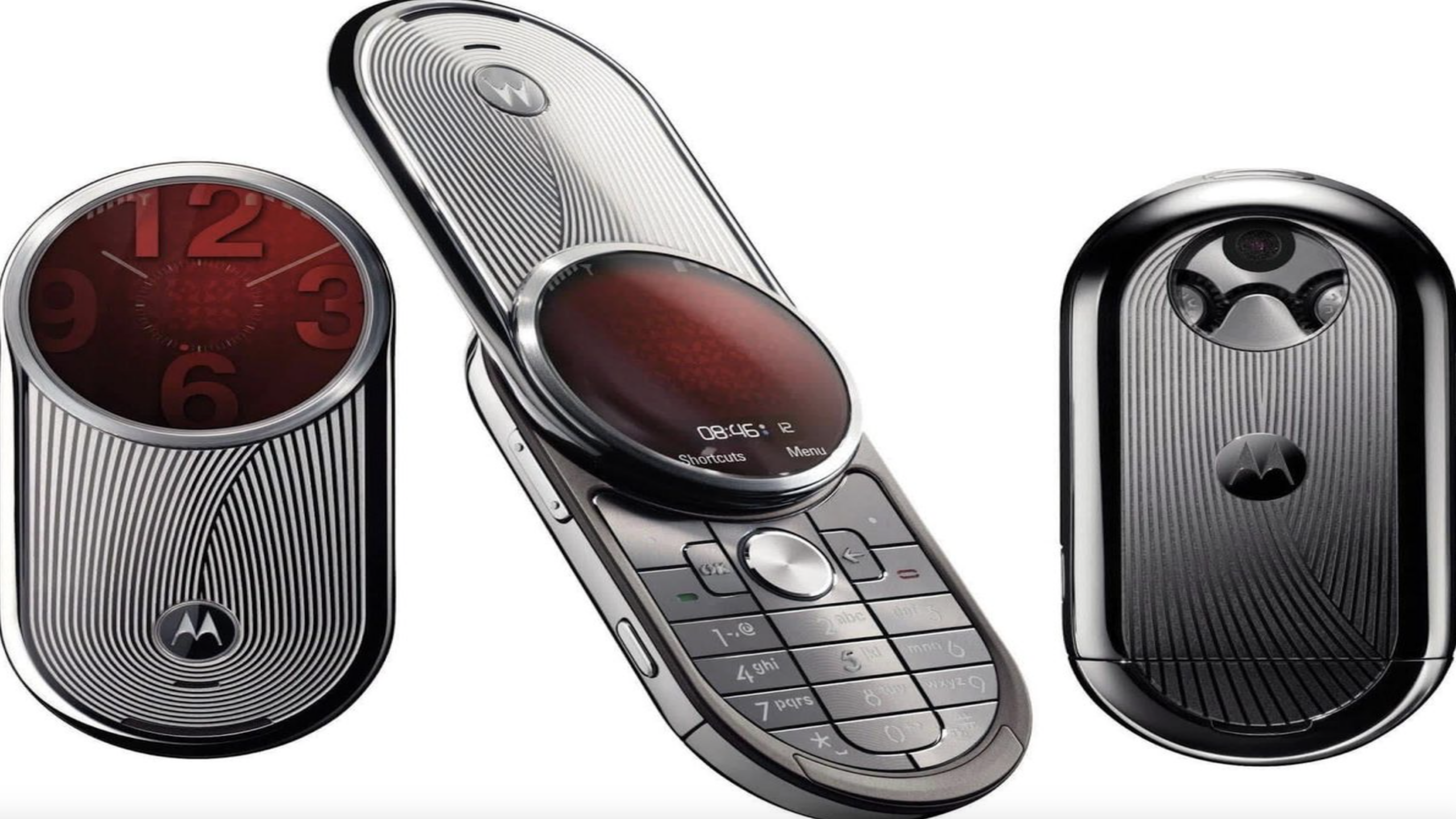
Luxury gadgets often end up looking dated, but that’s not the case with the Motorola Aura. Its circular display, exposed mechanical rotation system, and watch-inspired construction gave it an identity unlike anything else on the market. Even now, it feels less like a phone and more like a collector’s sci-fi artifact.
2. Futuristic Phones Before the Smartphone Era
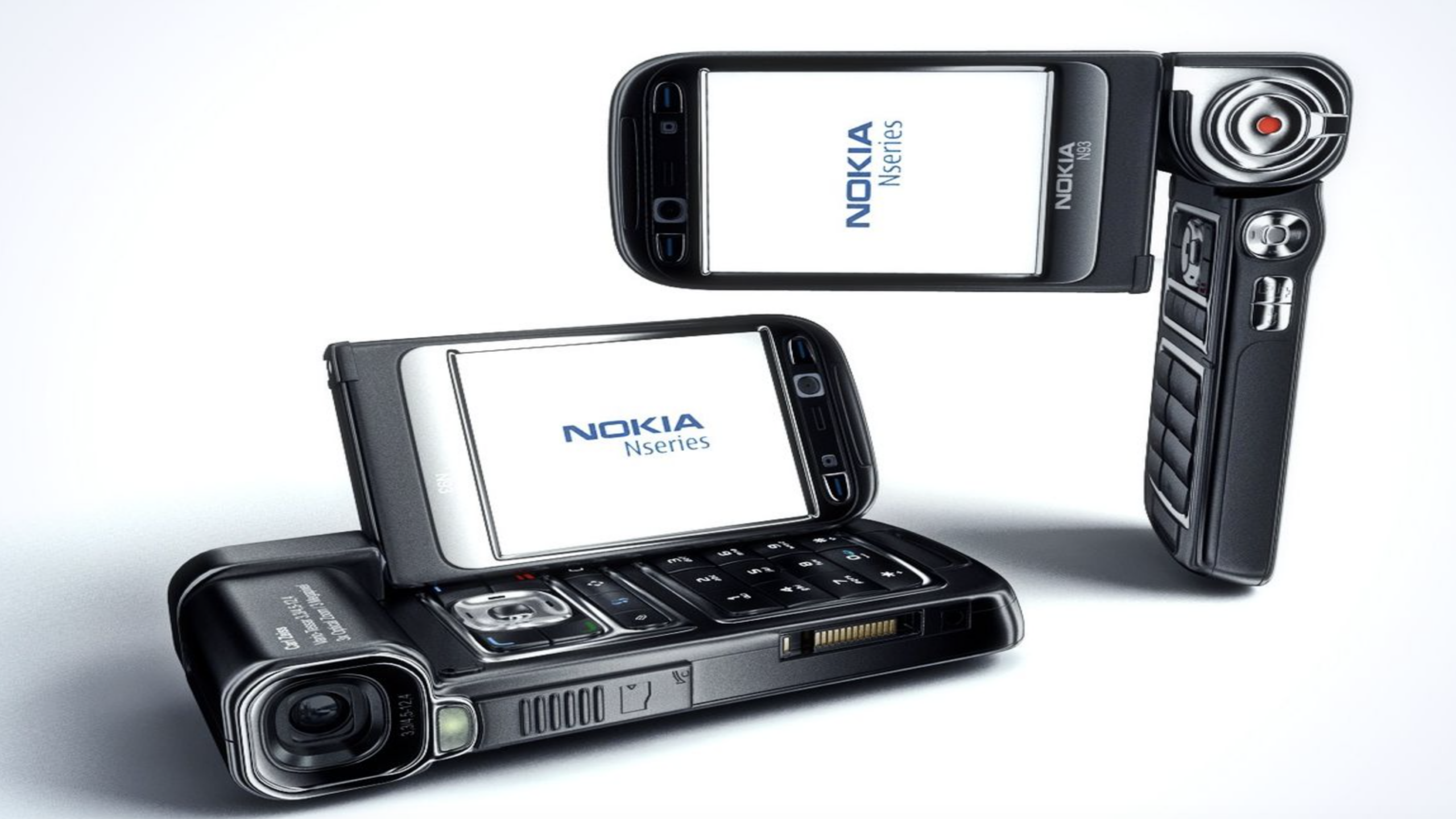
Long before manufacturers settled on the black rectangle formula, devices like the Nokia N93 explored wildly different ideas. Rotating hinges, multiple viewing modes, and camera-first engineering helped make it one of the standout futuristic phones of the 2000s, and one that still feels strangely ahead of its time.
3. Two Keyboards Are Better Than One
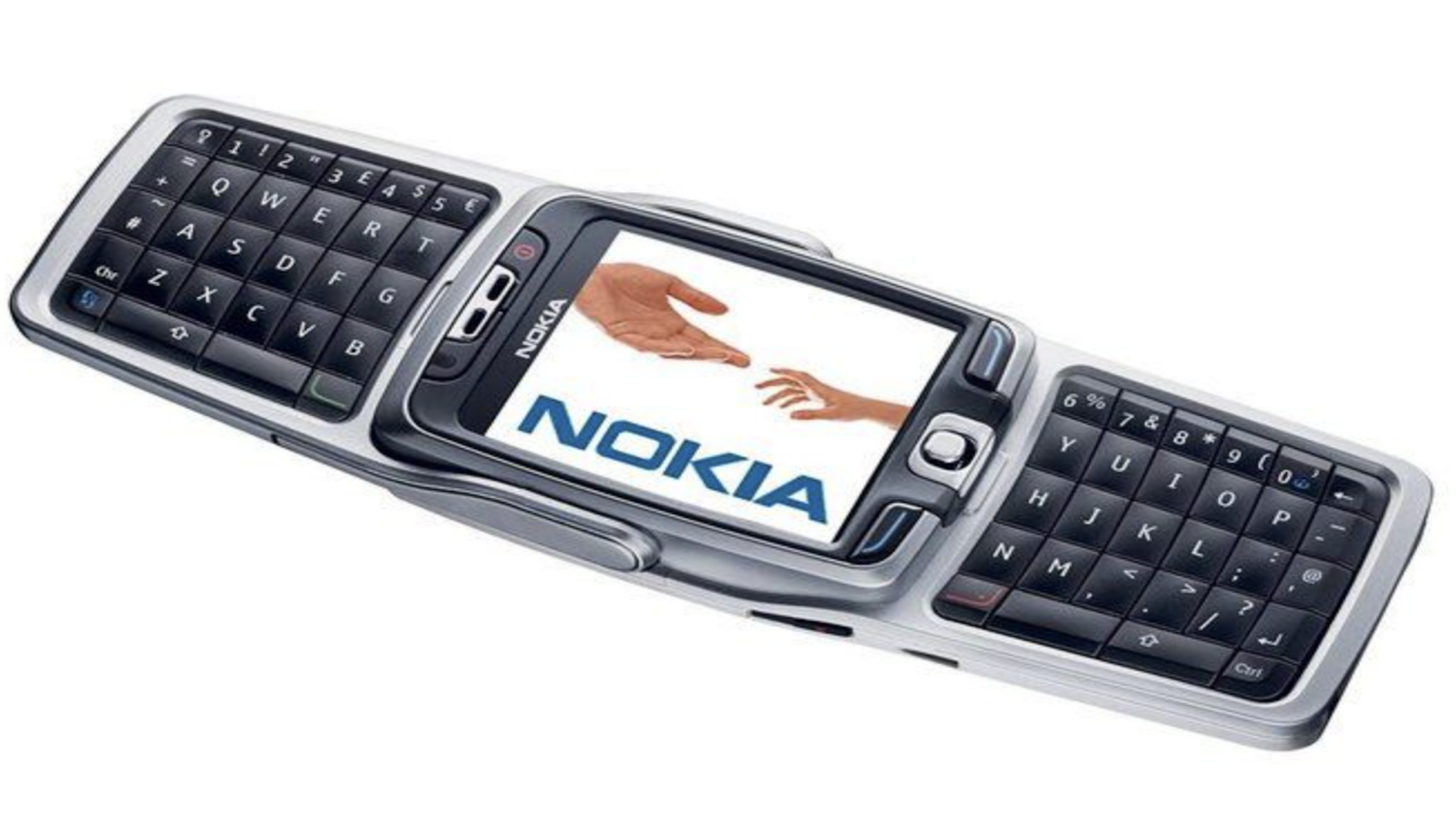
Closed, the Nokia E70 looked relatively conventional. Open it, however, and a full keyboard unfolded like something from a secret agent toolkit. The design reflected a moment when phone makers believed mobile productivity would define the future long before app stores entered the picture.
4. Fashion Accessory or Communication Device?
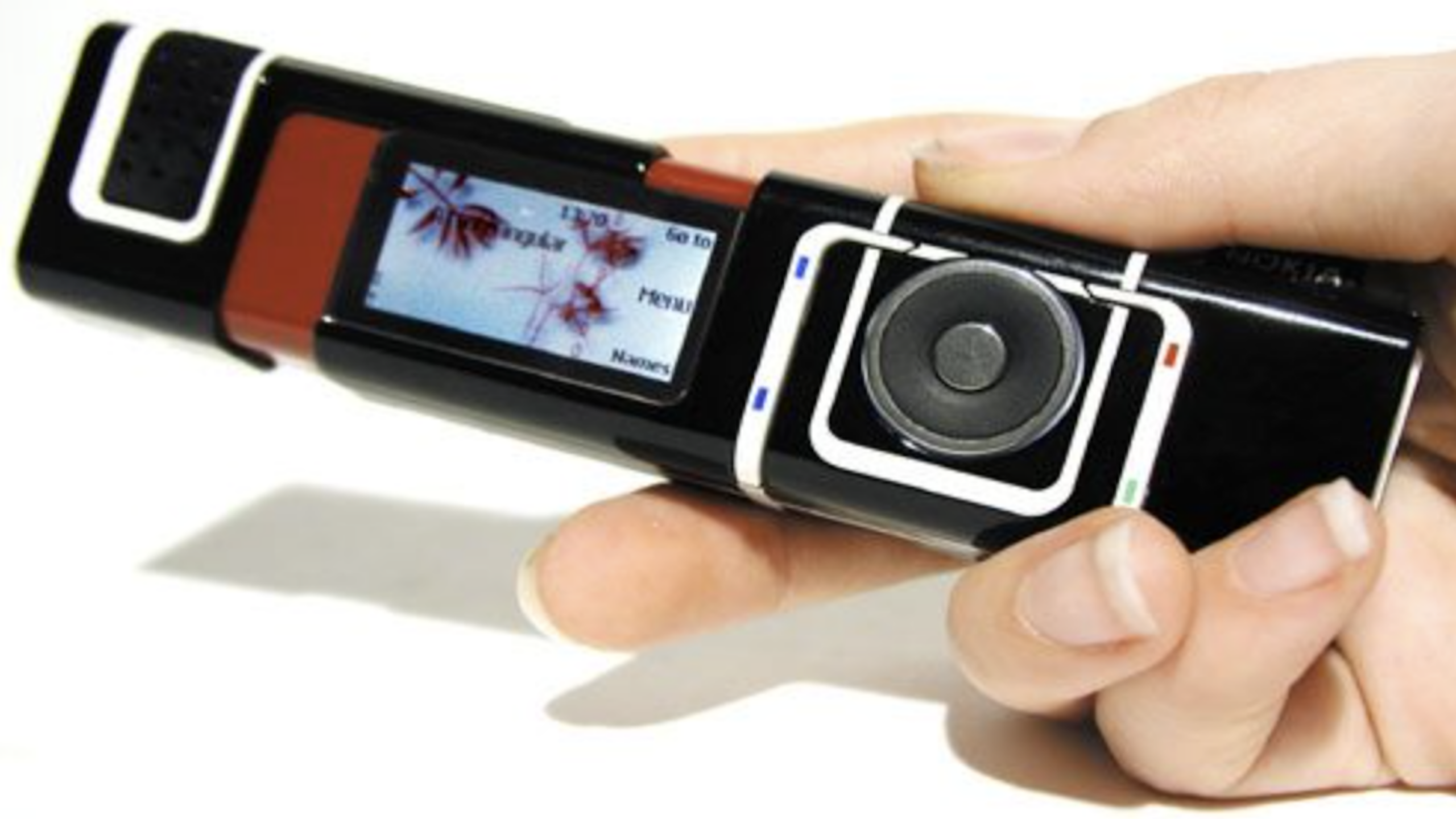
The Nokia 7280 became famous for breaking almost every phone design rule. Part of Nokia’s Fashion Collection, it replaced the traditional keypad with a rotating navigation wheel, making it resemble a luxury cosmetic accessory more than a mobile phone. Even today, it looks like something from an alternate future.
5. A Messenger Built for the Internet Generation
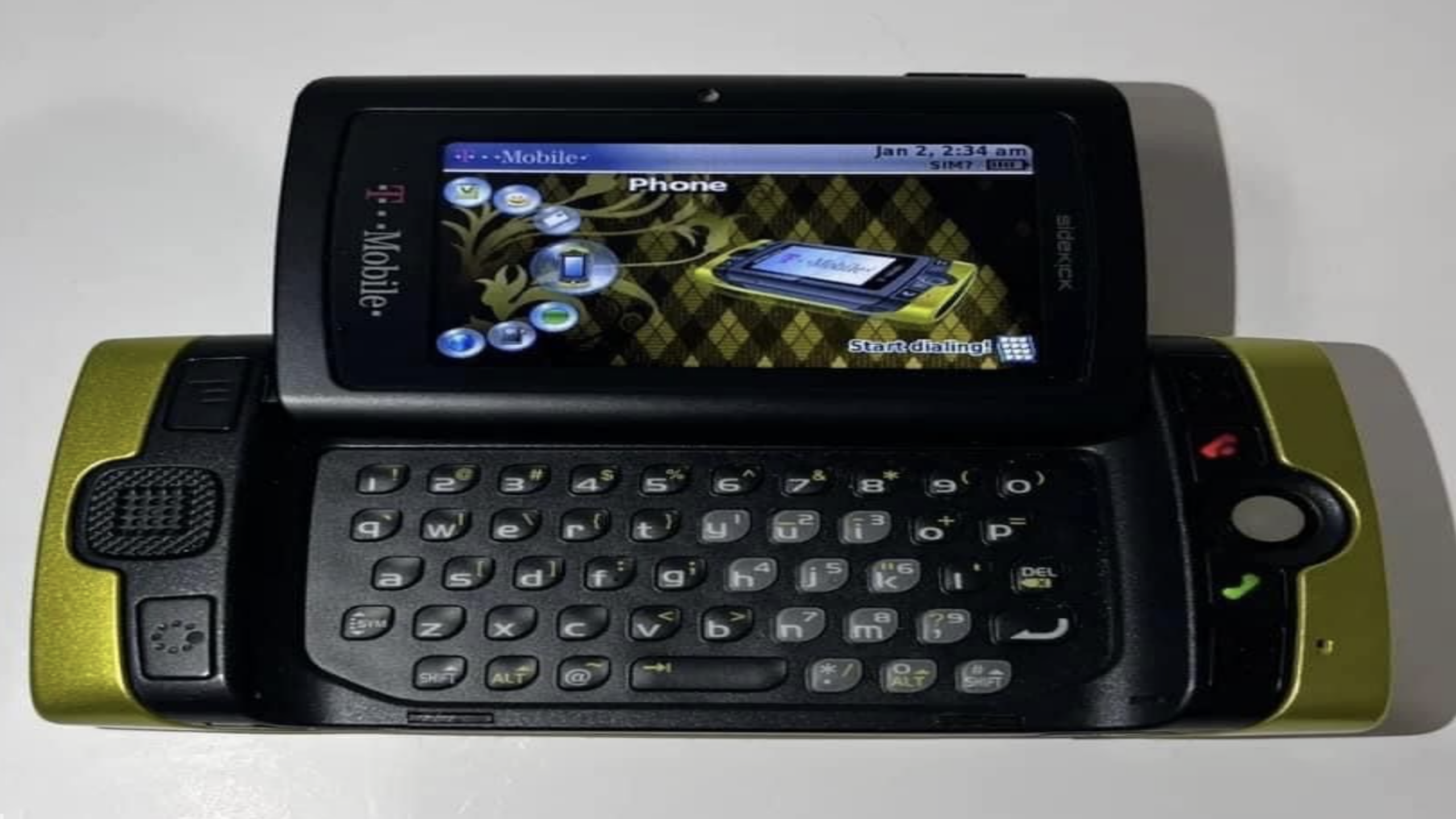
With its pop-up display and hidden keyboard, the Sidekick LX was designed around constant communication. Social media wasn’t mainstream yet, but this device already anticipated a world centered on messaging, online communities, and mobile connectivity.
Trending on realmoneygamer.com
6. The Phone That Looked Like a Space Remote
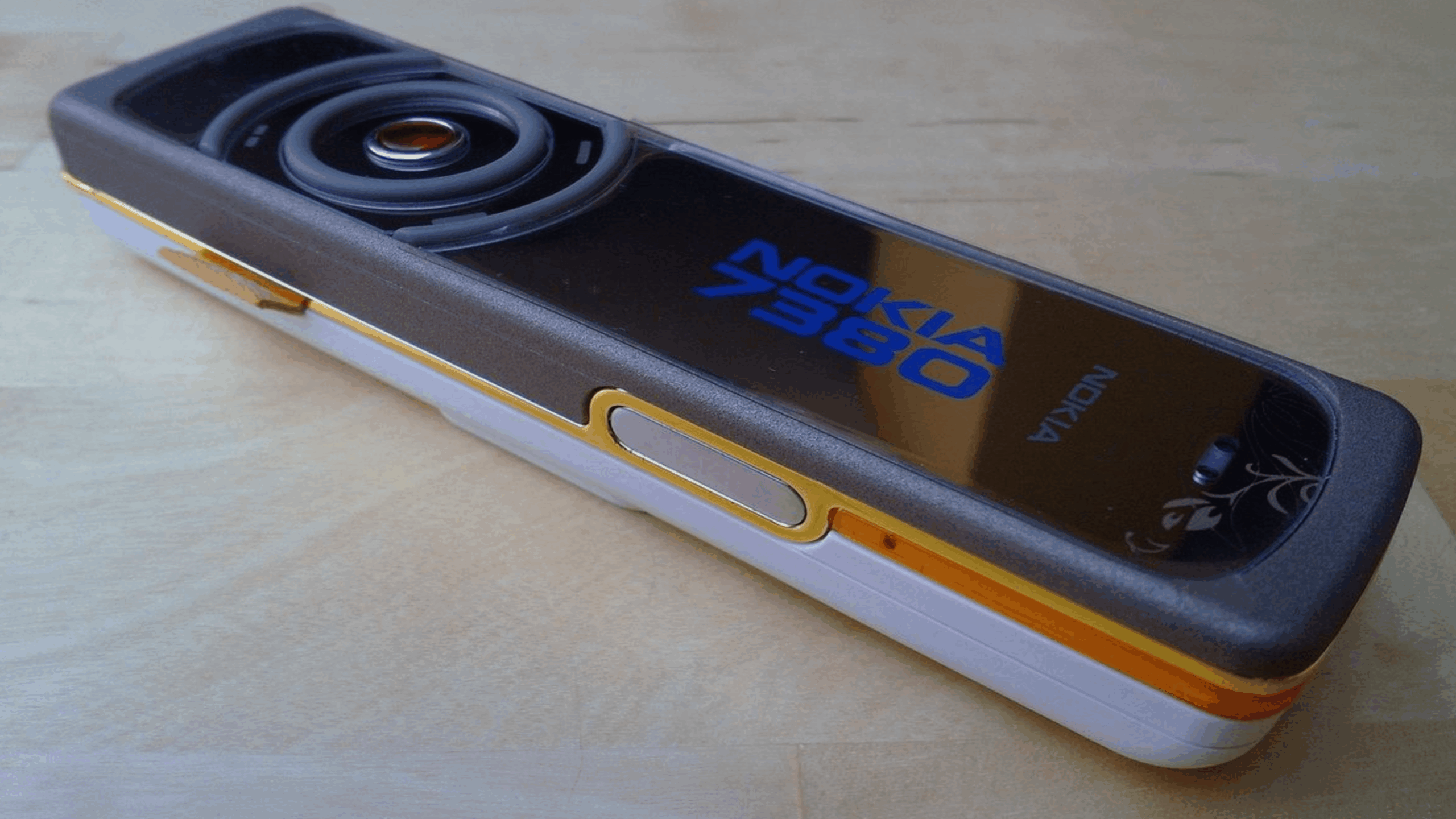
Minimalism wasn’t supposed to look this futuristic in 2005. With its mirrored finish, touch-sensitive controls, and unusual shape, the Nokia 7380 seemed determined to erase every visual cue associated with mobile phones. Among the most memorable futuristic phones ever released, it still looks surprisingly modern.
7. When Nokia Experimented With Geometry
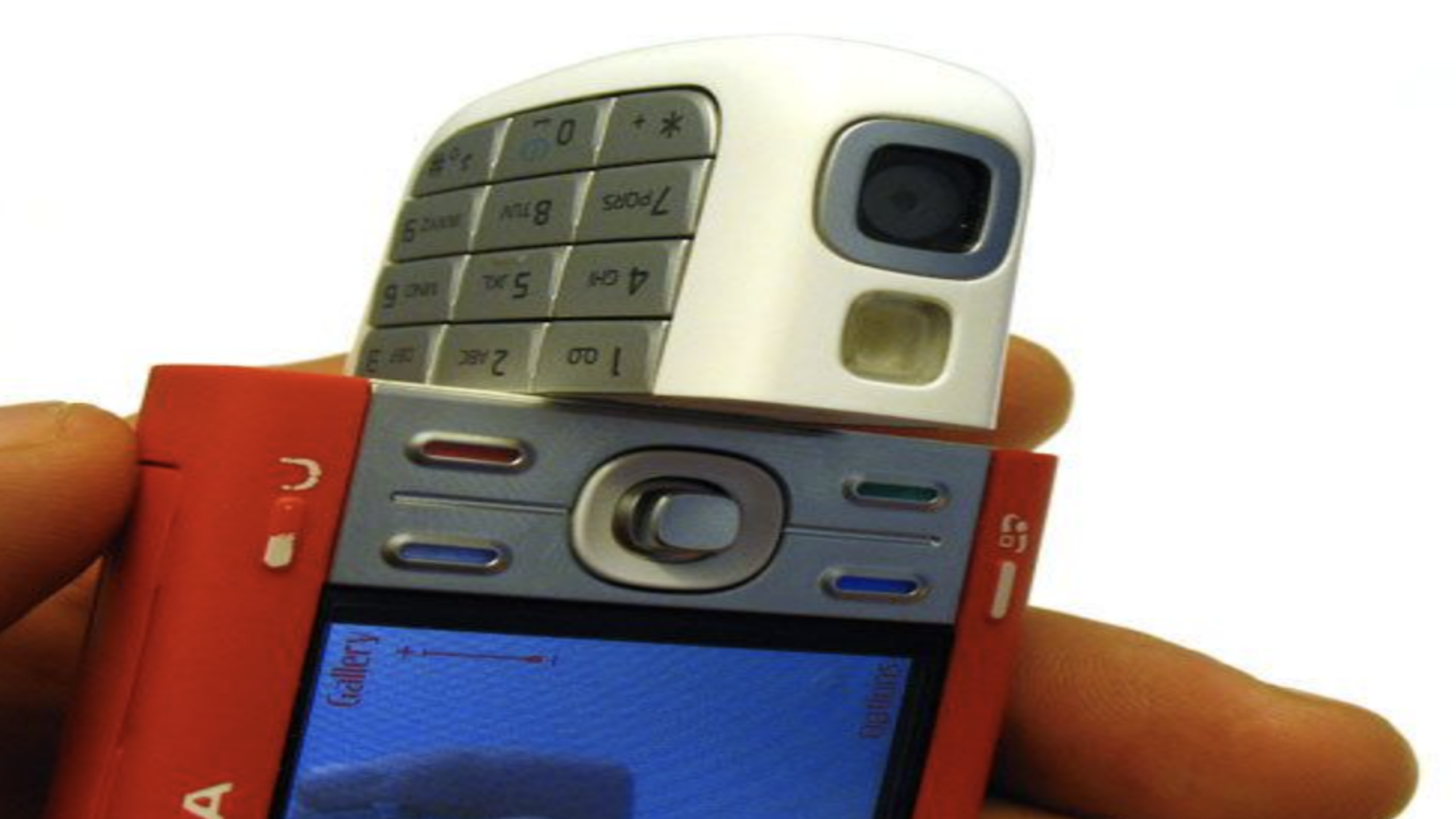
Most phones of the era opened, folded, or slid. The Nokia 3250 twisted. Its rotating lower section transformed the device from a standard phone into a dedicated music player, creating a mechanical experience that felt more like operating a gadget from a sci-fi movie than using a handset.
8. A Tiny Computer Disguised as a Phone
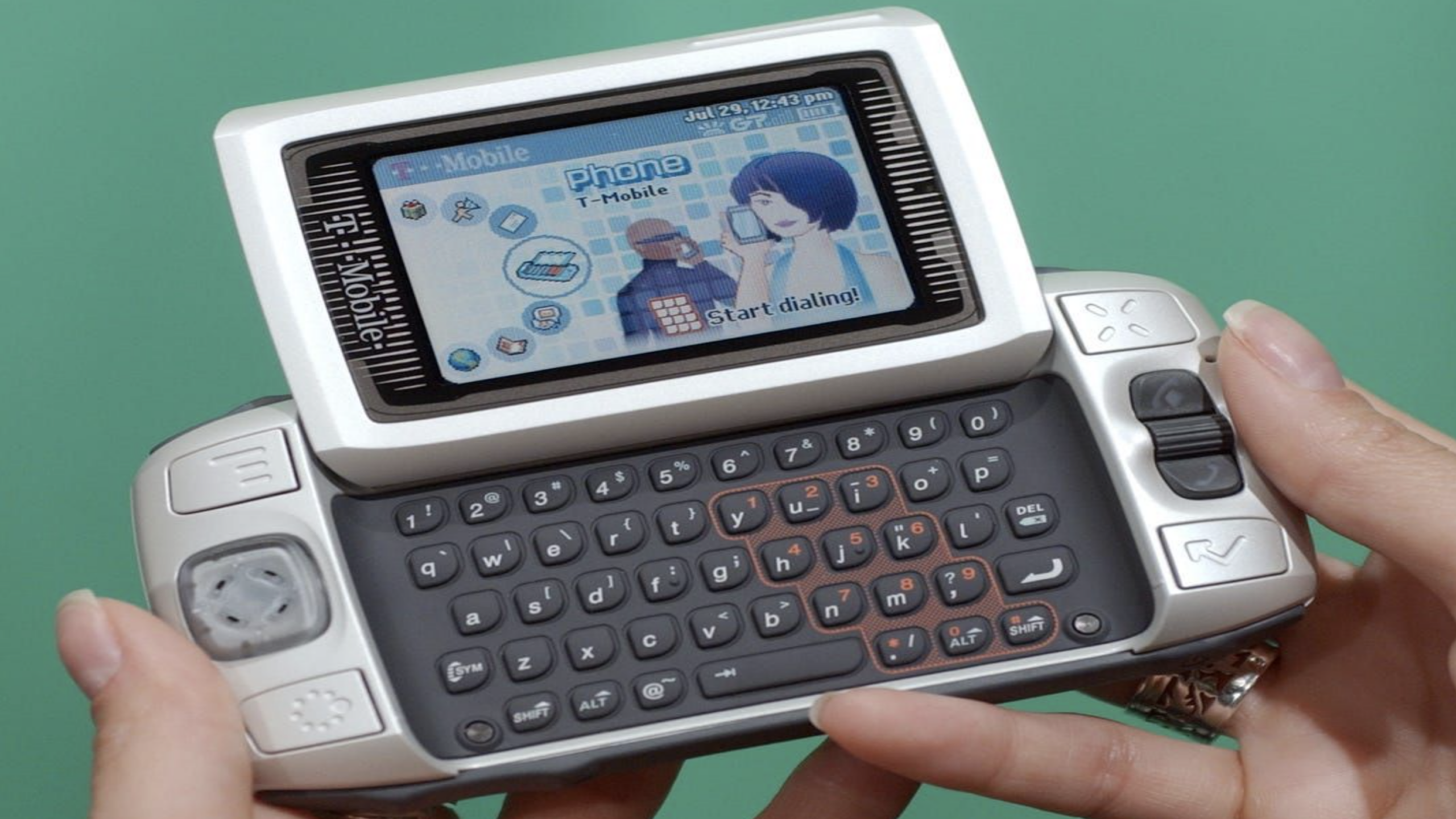
Before touchscreens took over, the Sidekick 3 offered a completely different vision of the future. Its swiveling display revealed a full keyboard underneath, turning the device into a portable messaging machine. For many early adopters, this was what tomorrow looked like.
9. The Smartwatch That Arrived Too Early
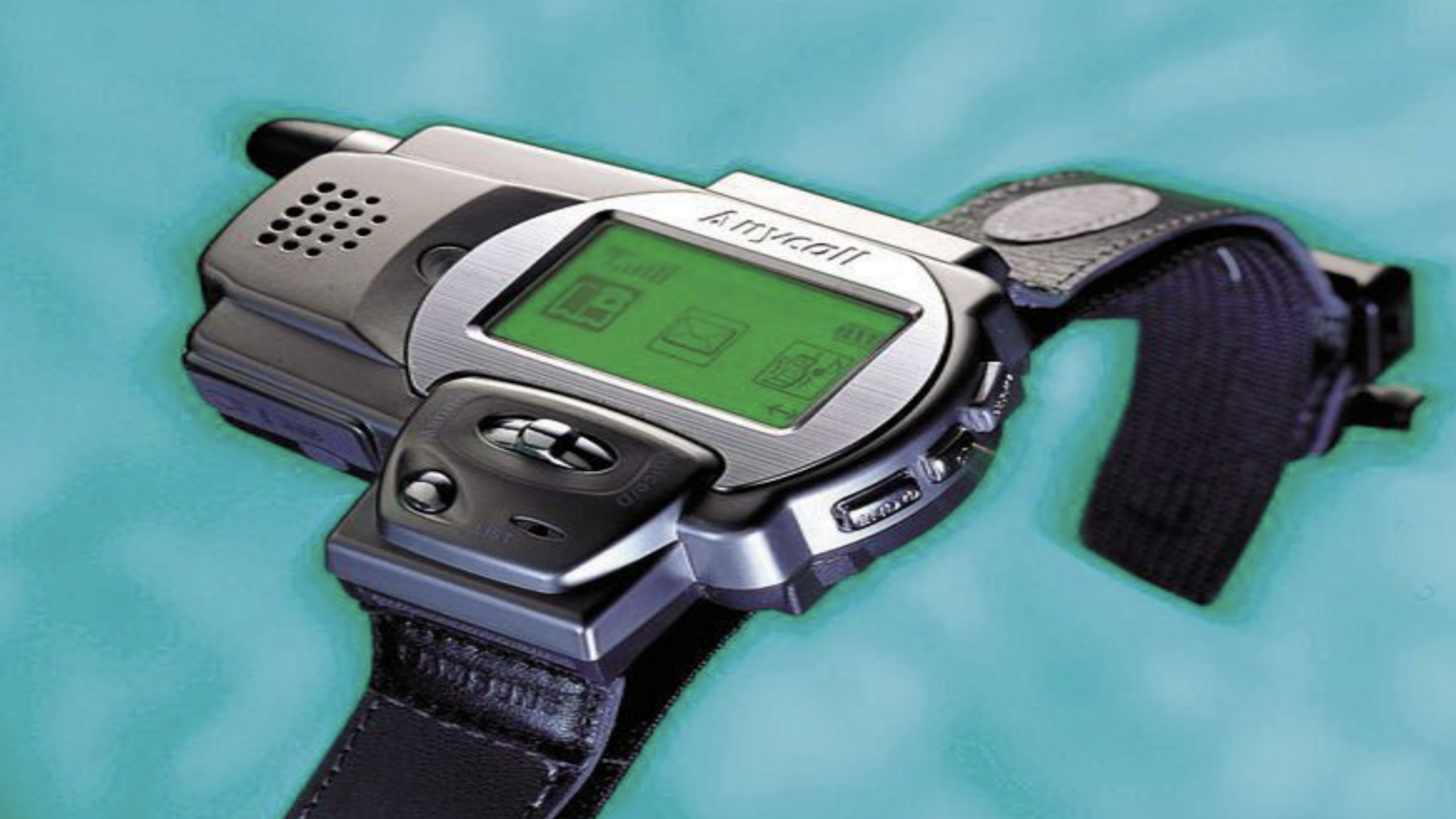
Decades before smartwatches became mainstream, companies were already trying to shrink phones down to wrist size. The Samsung SPH-WP10 looked remarkably similar to devices that wouldn’t become common until years later, making it one of the most prophetic mobile designs ever released.
10. The Keyboard That Refused to Fit
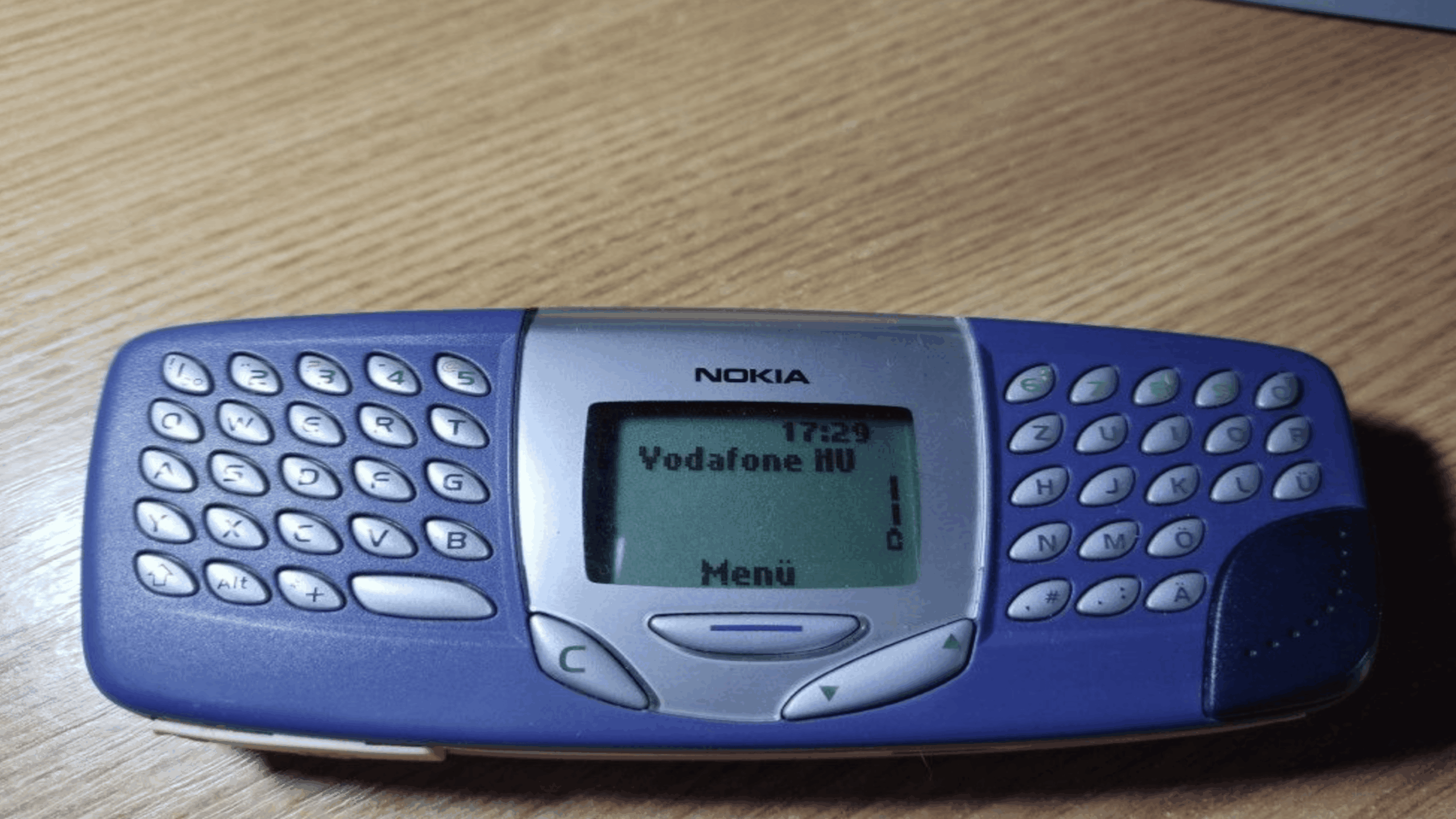
Text messaging was exploding in popularity when Nokia decided a standard keypad simply wasn’t enough. The Nokia 5510 split a full keyboard across both sides of the display, creating a layout that looked bizarre but offered a glimpse into how manufacturers imagined future communication might evolve. Few futuristic phones took bigger risks.
11. The Circular Keypad That Looked Like Alien Technology
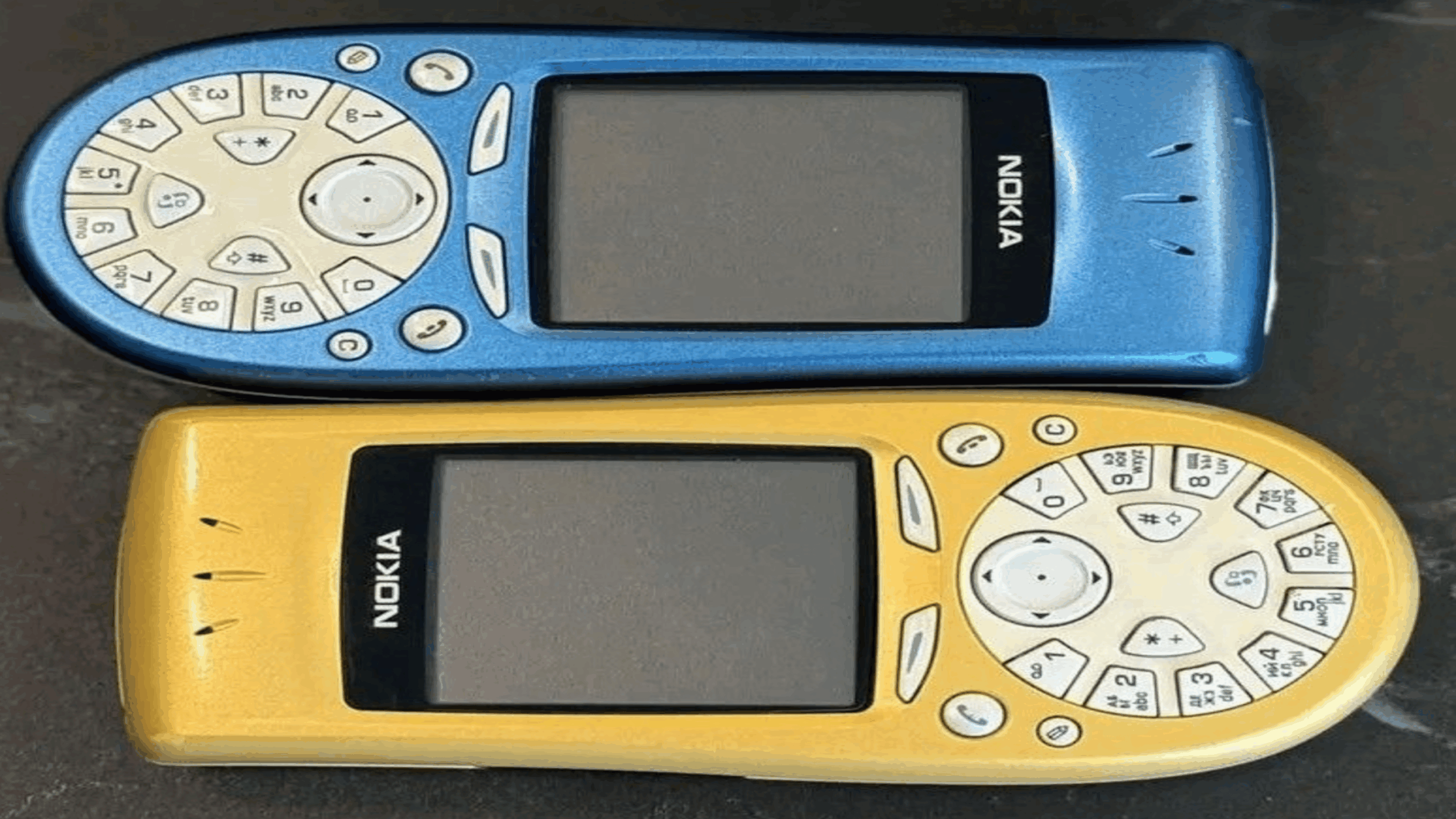
Unlike the rectangular layouts dominating the market, the Nokia 3650 introduced a circular keypad that seemed completely detached from conventional phone design. Its unusual arrangement made texting a challenge, but it also turned the device into one of the most recognizable futuristic phones of the early 2000s.
12. The Mini Laptop You Could Fold Shut
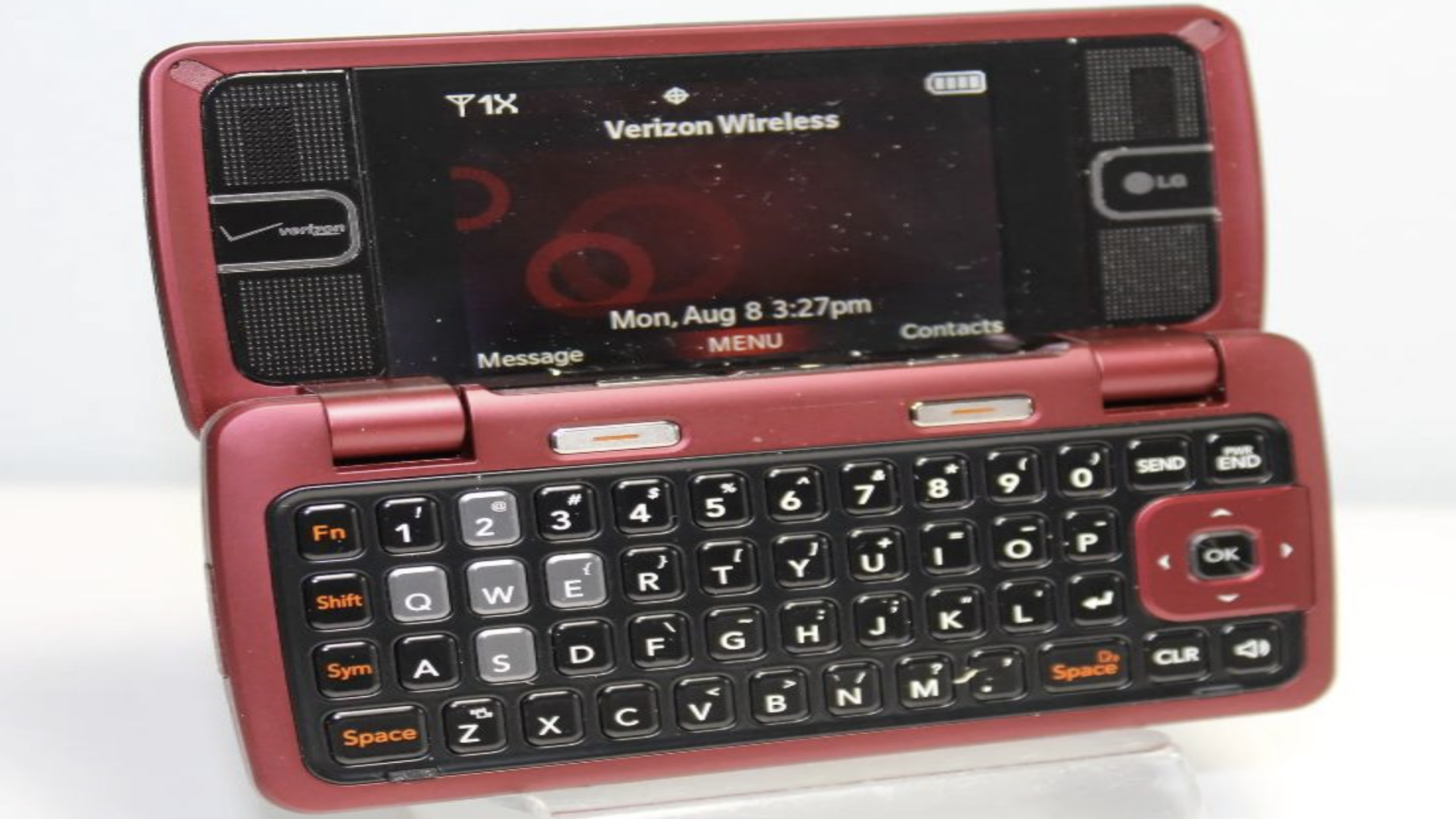
The LG VX9800, also known as the V, blended a traditional phone with a miniature laptop experience. Opening the device revealed a full QWERTY keyboard and a landscape display, making it feel years ahead of the texting-focused handsets that surrounded it.
13. More Spaceship Than Smartphone
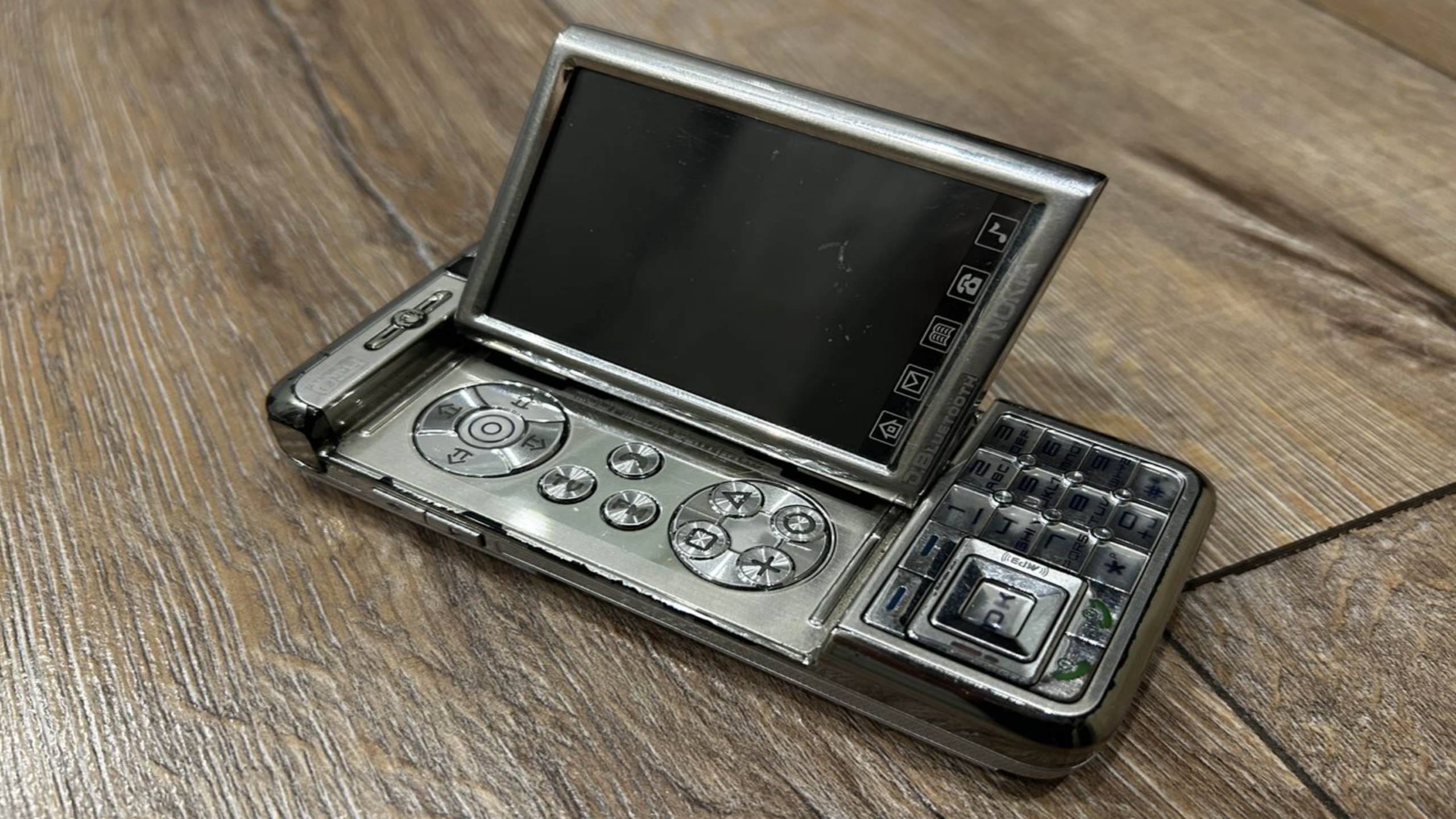
Few devices embraced futuristic aesthetics as aggressively as the Nokia 7600. Its teardrop-shaped body and unconventional button placement made it look like a prop from a science-fiction film rather than a consumer gadget. Even among other futuristic phones, it stood out as something truly unusual.
14. The Gaming Handheld That Happened to Make Calls
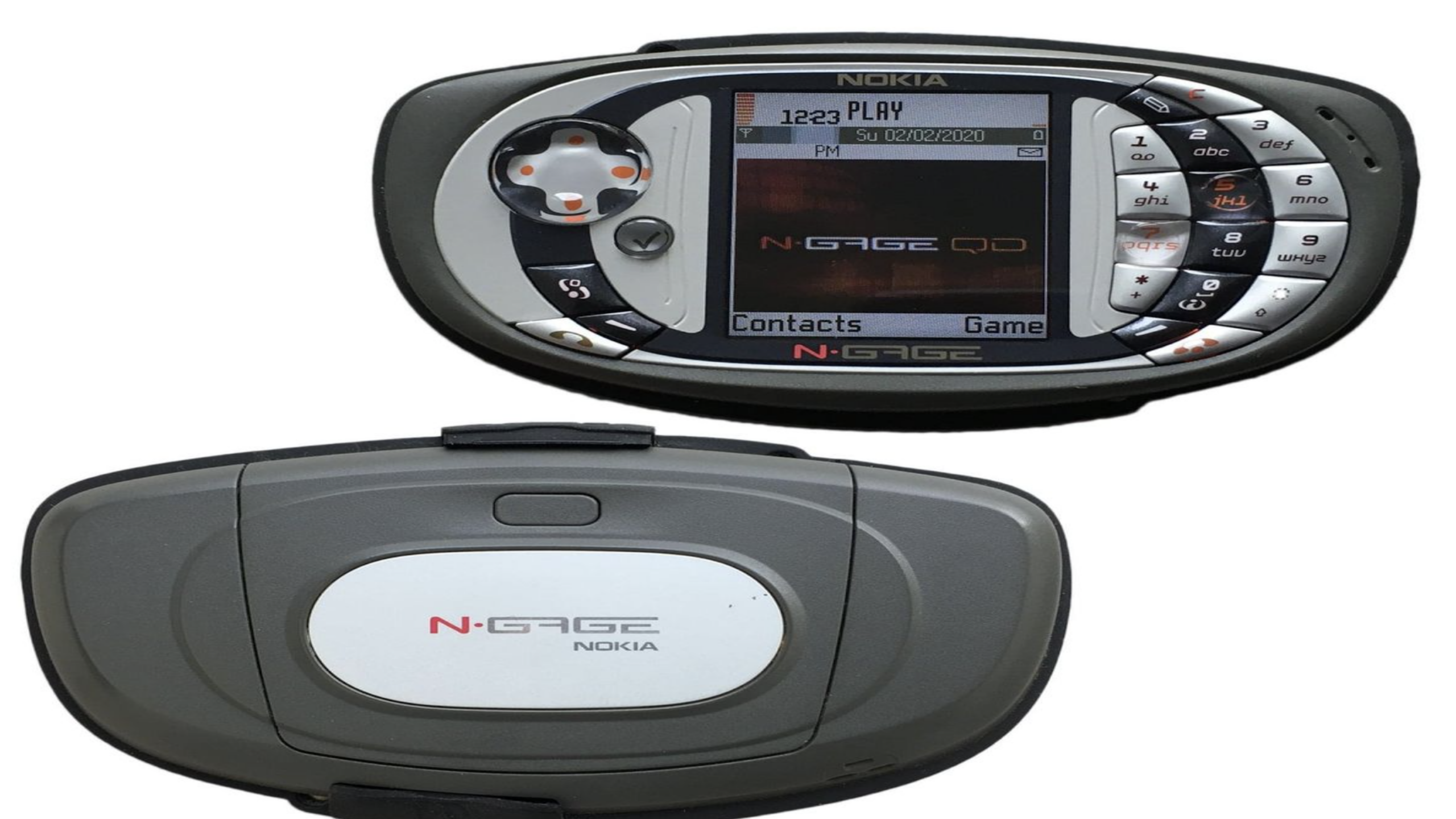
Instead of competing directly with standard mobile phones, the Nokia N-Gage QD blurred the line between handheld console and communication device. Built around gaming controls and multiplayer functionality, it represented Nokia’s ambitious attempt to create a completely new category.
15. A Pocket Computer Before That Was Normal
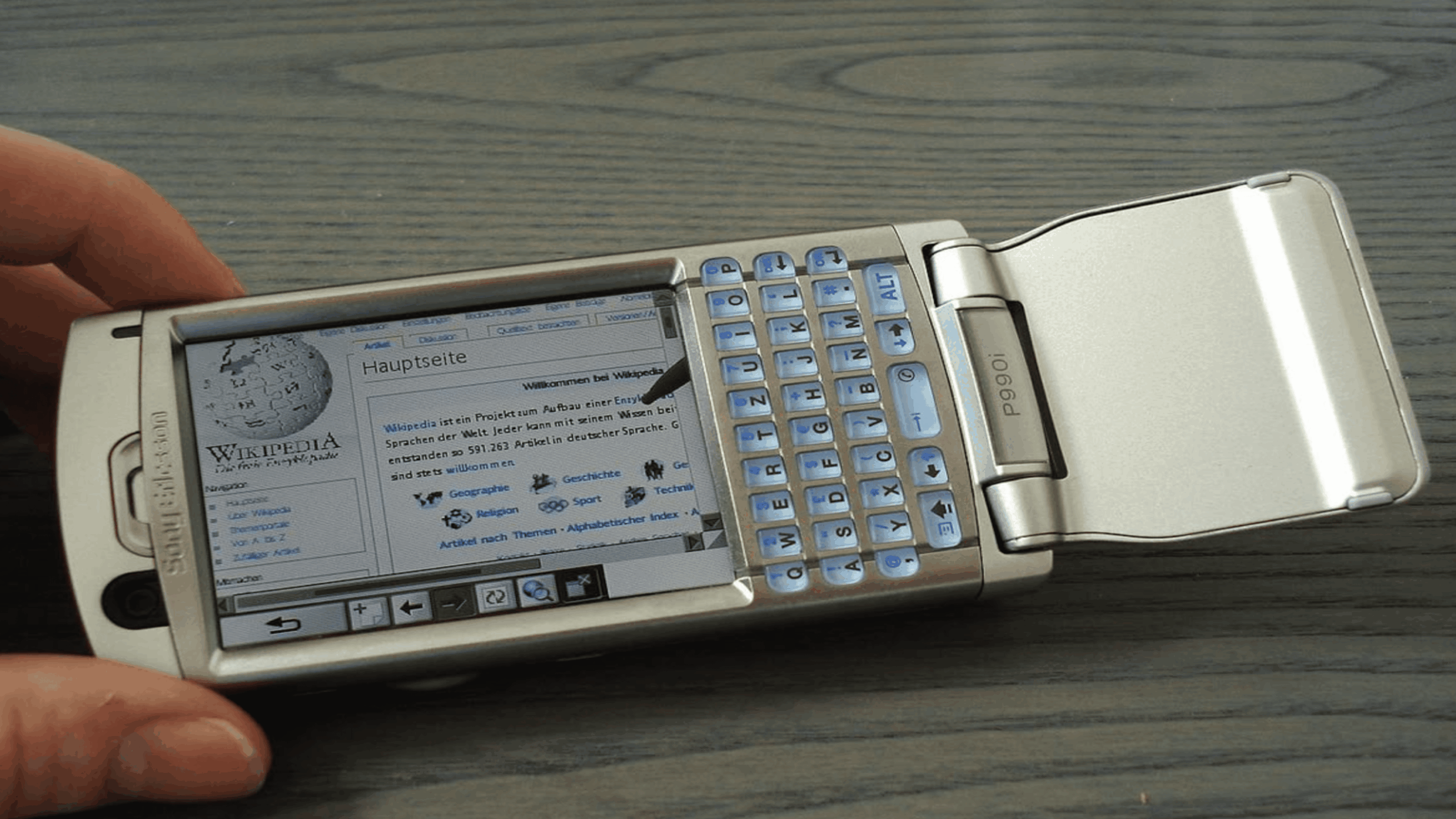
Years before modern foldables and productivity phones emerged, the Sony Ericsson P990i packed a touchscreen, stylus support, web browsing, and a physical keyboard into a single device. It wasn’t just ahead of its time—it practically predicted the future of mobile computing.
