A lot of great games come from relationships that look solid from the outside and far more fragile up close. Studios need publishers, publishers need talent, and everyone tends to get along better before the rights, royalties, credit, and sequel plans become valuable. Some breakups are quiet, but these were not. Each partnership helped shape a genre, then ended in a way players, journalists, lawyers, and former employees could all see.
Valve and Sierra/Vivendi
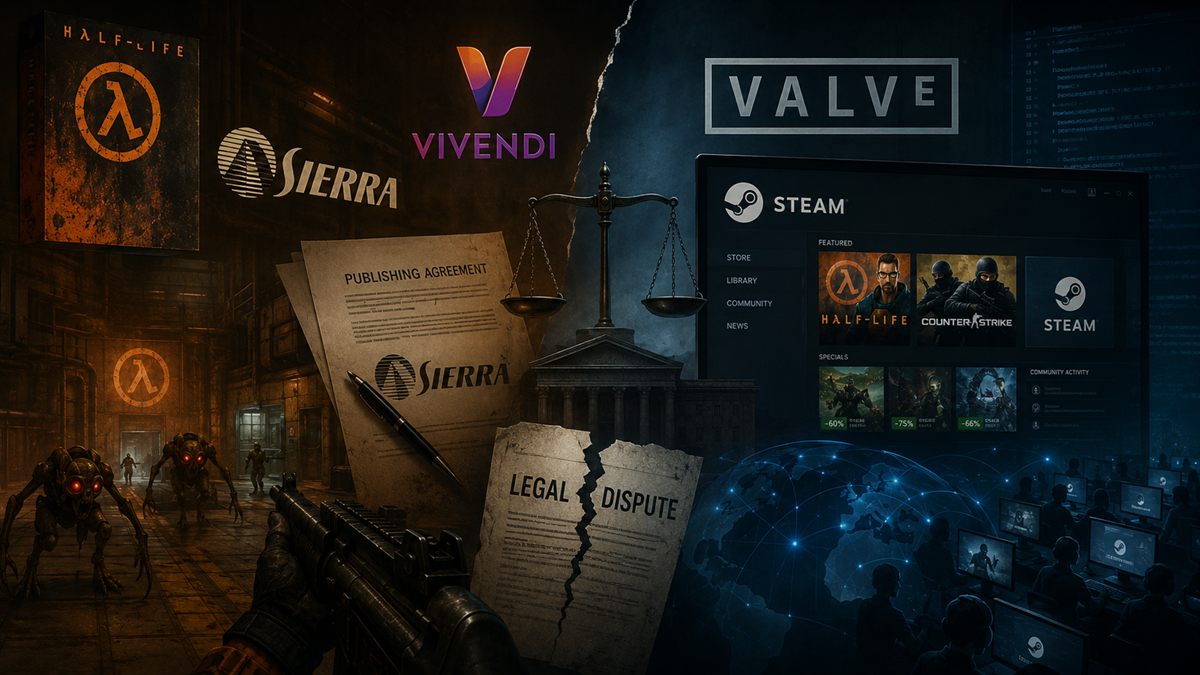
Half-Life reached players in 1998 through Sierra, long before Valve became almost synonymous with PC distribution. The game changed what first-person shooters could feel like, less like a string of levels and more like a place already falling apart around you. But Valve’s relationship with Sierra’s corporate parent, Vivendi, turned into a legal fight over distribution rights, royalties, cyber cafés, Counter-Strike, and Steam. In hindsight, the dispute feels almost strange, because Valve was not only protecting Half-Life. It was also fighting for the model that would later define the PC games market.
Infinity Ward and Activision
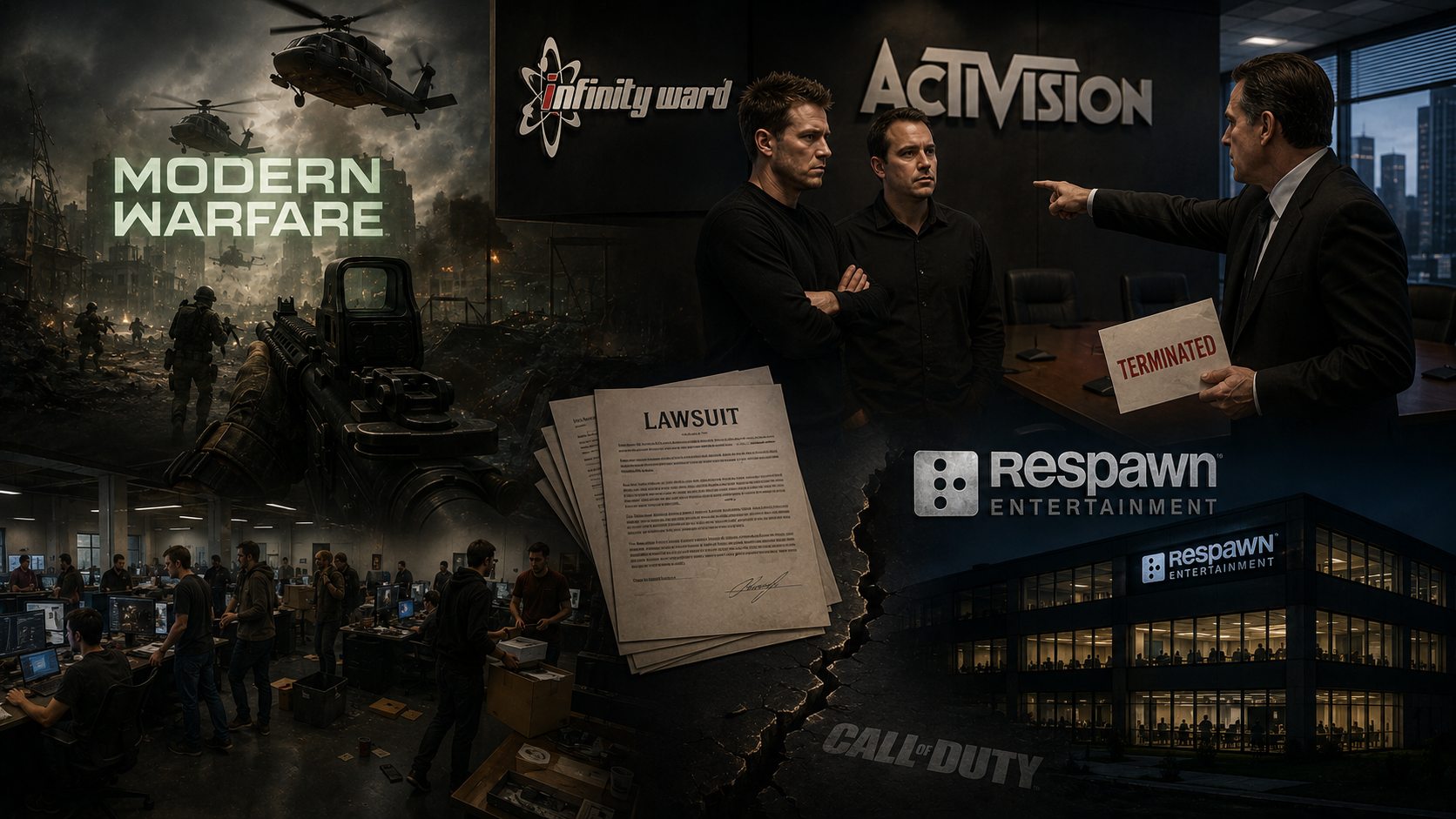
Modern Warfare did more than move Call of Duty out of World War II. It gave the military shooter a new rhythm, big scripted shocks, fast multiplayer progression, and a tone that half the industry tried to copy. Then Activision fired Infinity Ward heads Jason West and Vince Zampella in 2010, and the fallout quickly became public and ugly. Lawsuits followed, employees left, Respawn Entertainment was born, and Call of Duty kept going without the people most closely associated with its biggest creative leap.
Konami and Kojima Productions
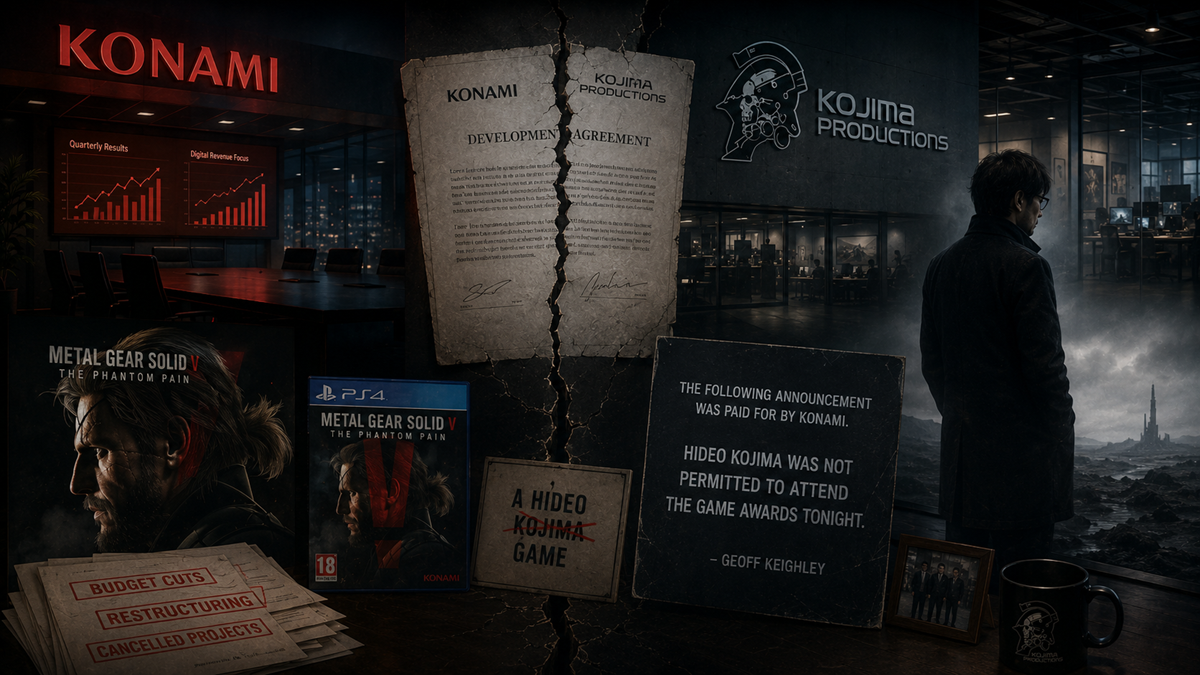
By the time Metal Gear Solid V came out, fans already knew something was wrong. Kojima’s name had vanished from some promotional material, Konami was changing direction, and every corporate silence felt loaded. The split became impossible to ignore at The Game Awards in 2015, when Geoff Keighley said Hideo Kojima had been legally prevented from attending. For a series so obsessed with control, authorship, and institutional betrayal, the ending felt almost too on the nose.
Blizzard North and Vivendi
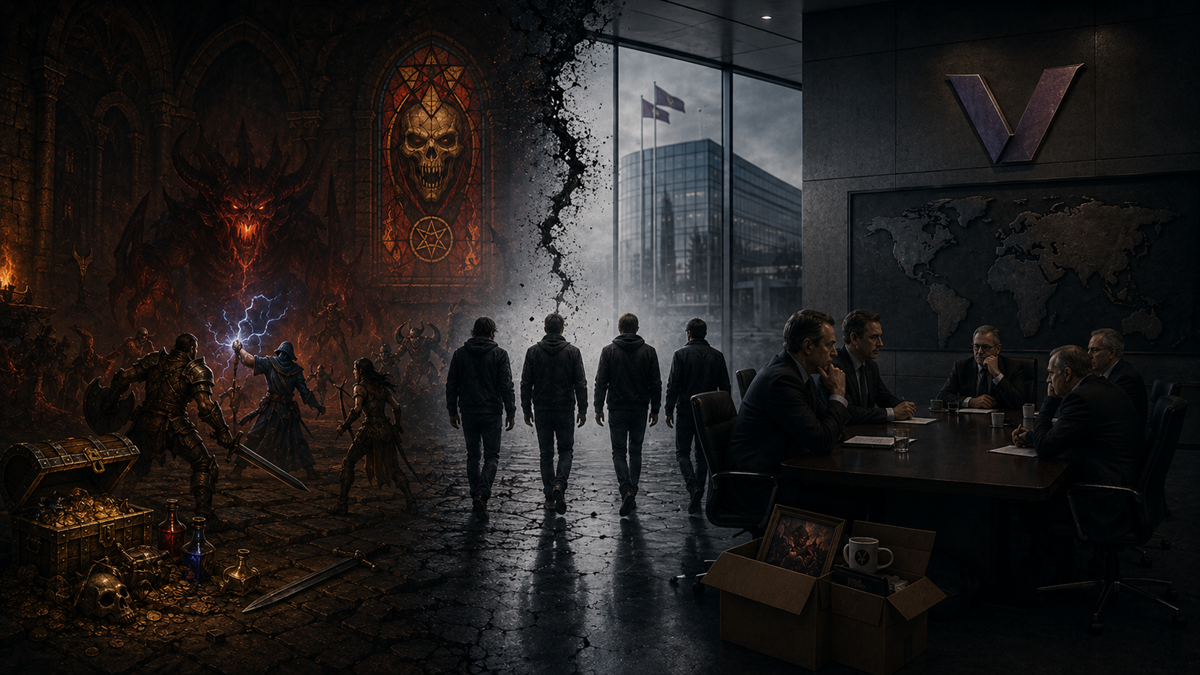
Diablo gave action RPGs a faster pulse. Blizzard North built a loop of loot, clicks, dungeons, and dread that countless games later chased. The relationship with Vivendi soured in 2003, when key studio leaders reportedly wanted more security and clearer direction while Vivendi explored options around its games business. Bill Roper, David Brevik, Max Schaefer, and Erich Schaefer resigned, and one of Blizzard’s most important creative groups was never the same.
Harmonix and Viacom
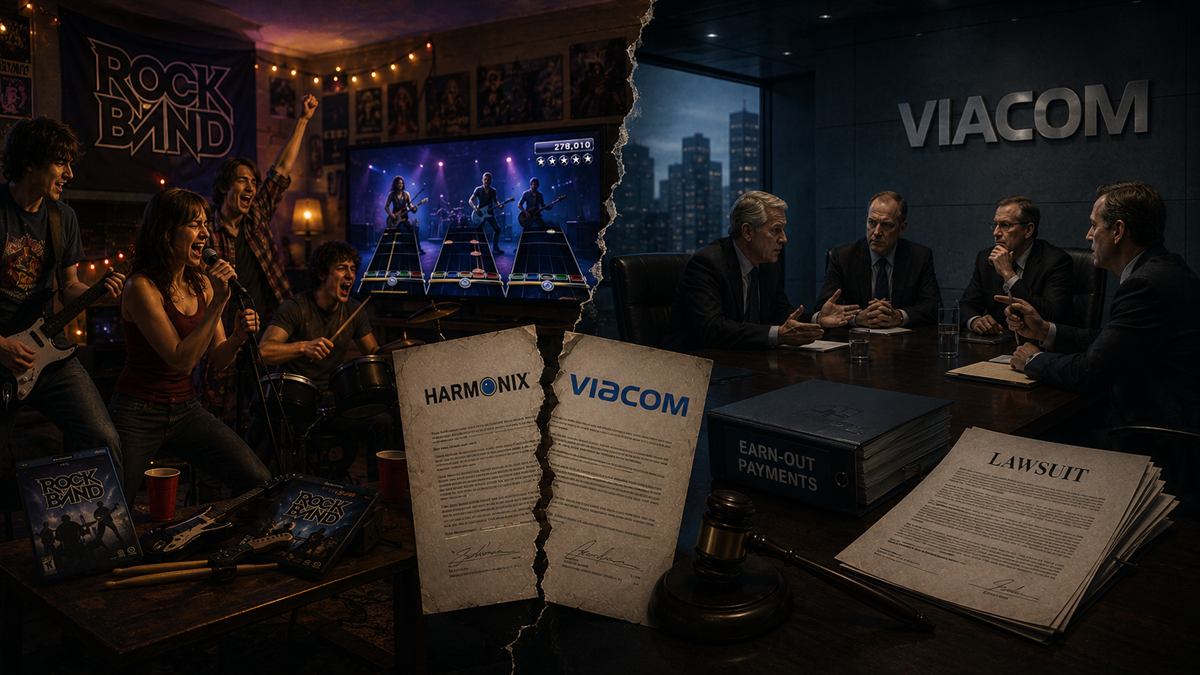
Rock Band looked like pure fun from the outside, plastic guitars, drum kits, group vocals, and living rooms full of people pretending badly and happily. Viacom bought Harmonix in 2006, just before the rhythm-game boom reached its wildest point. When the market cooled, the relationship became a fight over money. Former Harmonix shareholders sued Viacom over earn-out payments tied to Rock Band’s success, turning one of gaming’s most social party games into a very dry, very bitter corporate argument.
Trending on realmoneygamer.com

Team Bondi and Rockstar
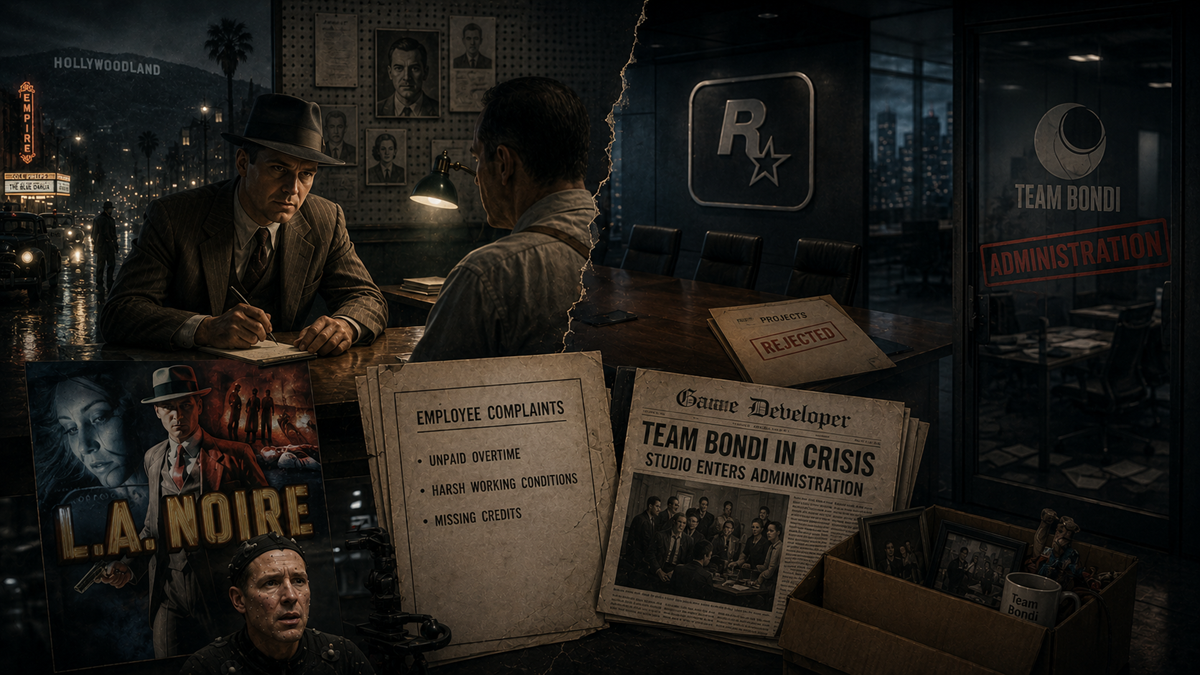
L.A. Noire was unusual even by Rockstar-adjacent standards. Team Bondi built a detective game around faces, hesitation, and pressure rather than constant chaos, and for a while that made it feel like games might be heading somewhere stranger. After release, though, the story shifted to allegations of harsh working conditions, unpaid overtime, missing credits, and Rockstar’s reported unwillingness to work with Team Bondi again. The studio entered administration in 2011, leaving the game with a reputation as both a technical experiment and a production warning sign.
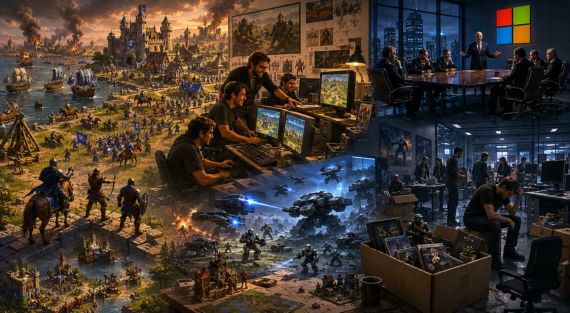
Ensemble Studios and Microsoft
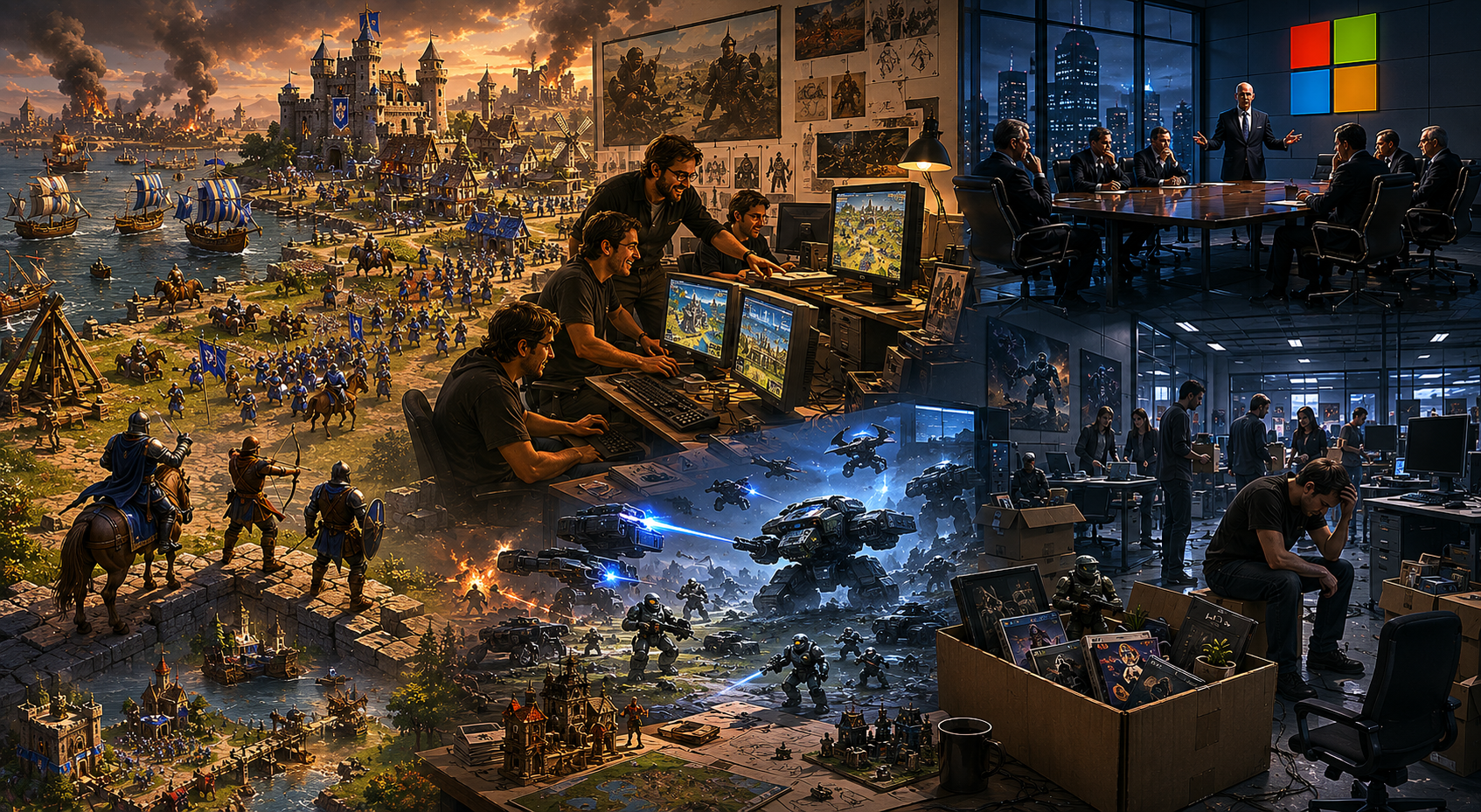
Age of Empires made real-time strategy feel approachable without flattening it. Ensemble Studios gave Microsoft one of its most recognizable PC series, then later made Halo Wars, a console RTS that worked better than many people expected. Microsoft closed the studio afterward. There was no explosive courtroom spectacle, but Bruce Shelley said the team was shocked, and the decision still feels needlessly harsh to many strategy fans.
Obsidian and Bethesda
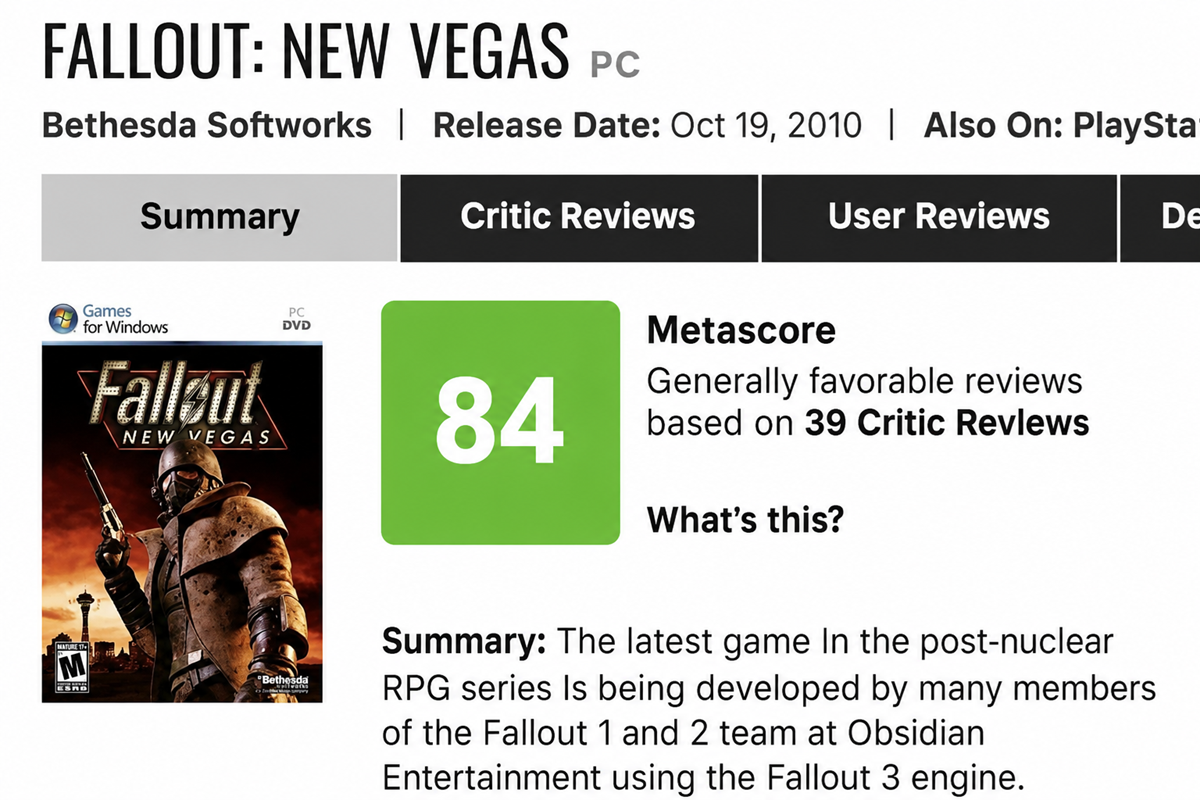
Fallout: New Vegas always seemed a little bruised, even when people loved it. It was buggy, sharp, funny, reactive, and built on a schedule that did not leave much room for polish. The bad blood came from a reported bonus clause tied to an 85 Metacritic score, which the game missed by one point. That single point became a symbol for how strange outsourced development can be when a studio makes a beloved game but does not fully control the reward.
Bethesda and Interplay
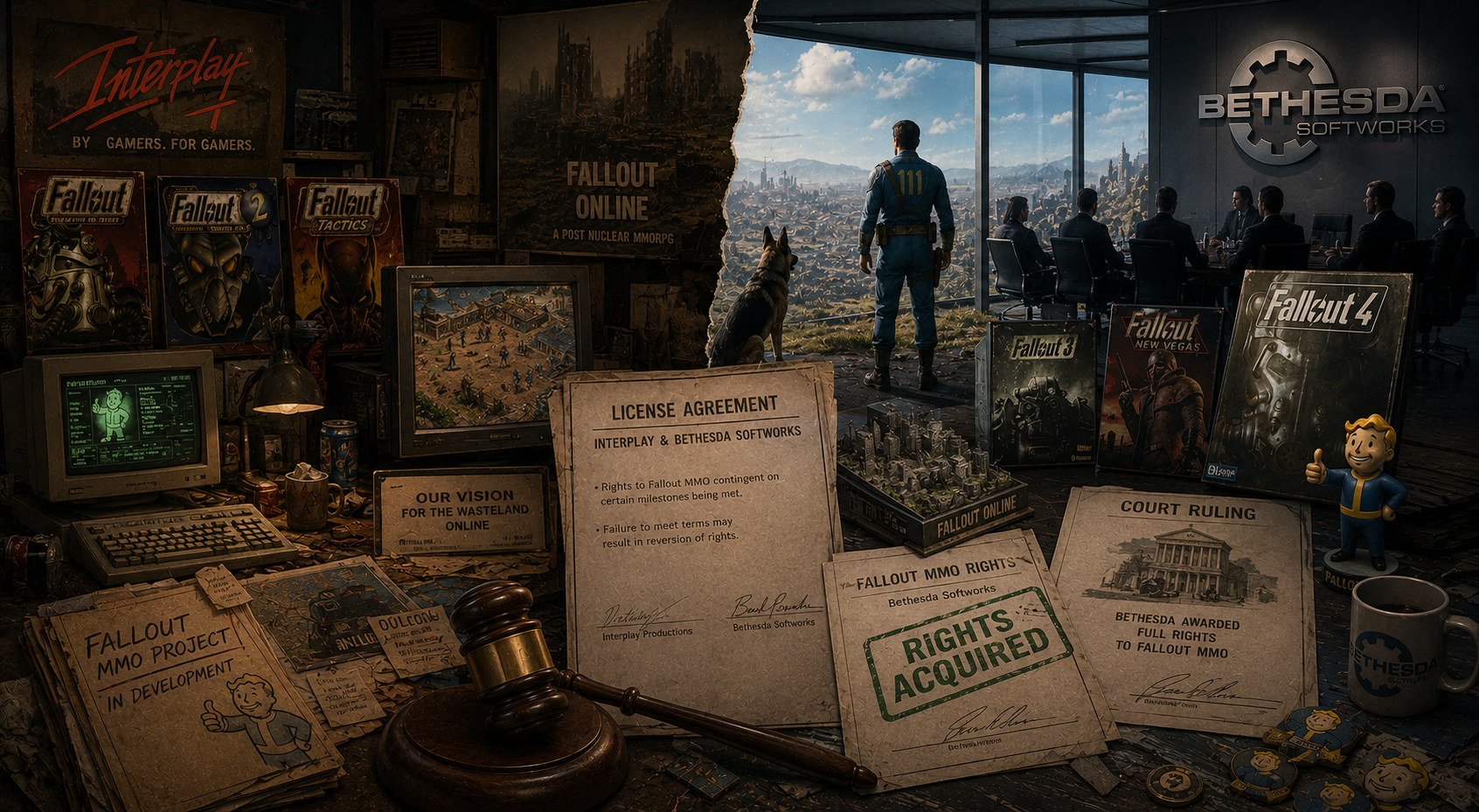
Fallout changed hands before it changed genres. Interplay created the original bleak, oddball RPGs, then Bethesda bought the franchise and turned it into a huge first-person open-world series. Interplay still had a route toward a Fallout MMO, but Bethesda argued the terms had not been met. The legal fight ended with Bethesda taking full control of the disputed MMO rights, and Fallout Online remained one of those alternate futures fans still talk about.
Silicon Knights and Epic Games
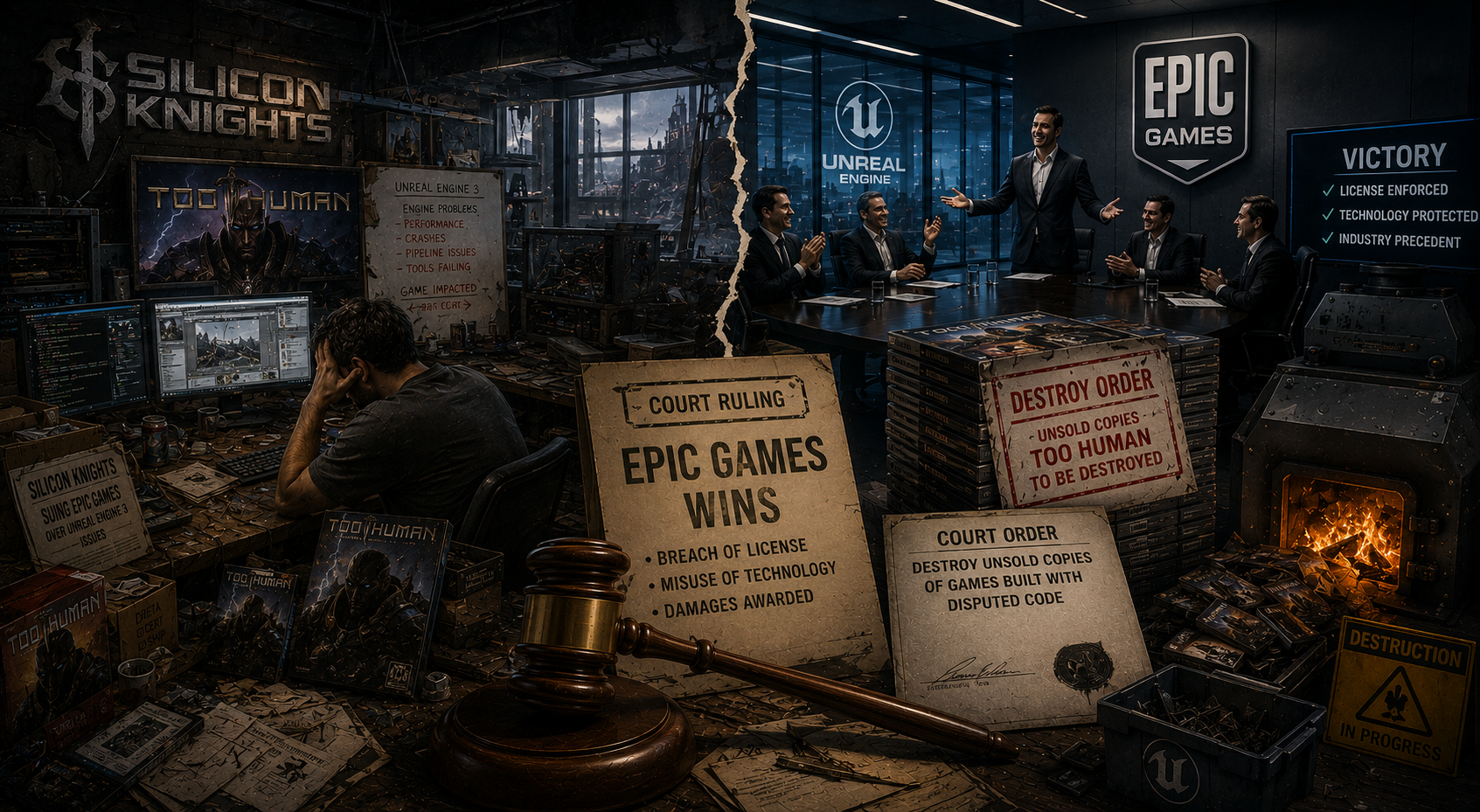
Silicon Knights and Epic started with an engine dispute and ended somewhere much stranger. Silicon Knights claimed Unreal Engine 3 problems hurt Too Human, while Epic countersued over misuse of its technology and breach of license. Epic won, and Silicon Knights was ordered to pay damages and destroy unsold copies of games built with the disputed code. For a fight about middleware, it had an unusually dramatic ending.
3D Realms, Take-Two, and Gearbox
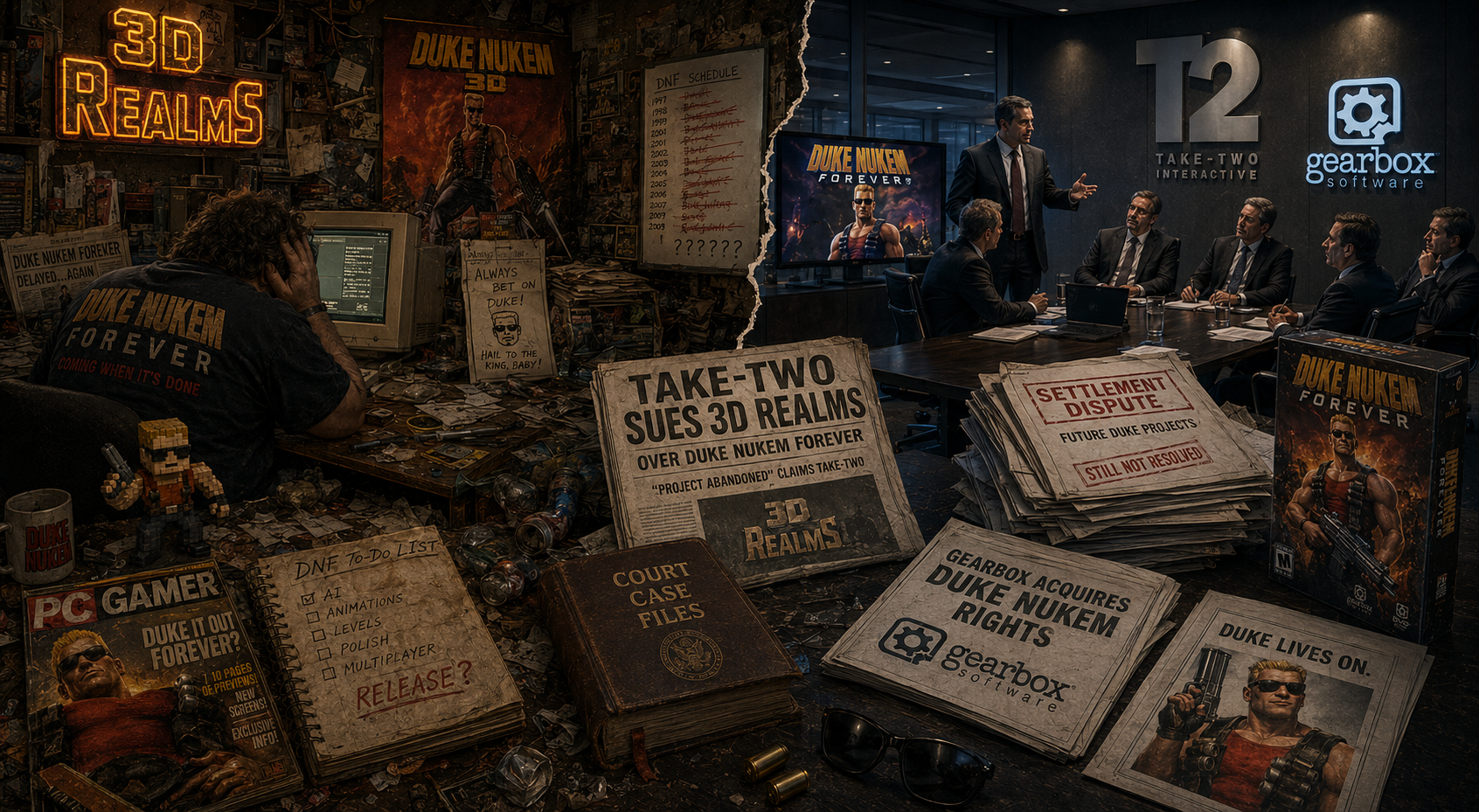
Duke Nukem 3D helped define a loud, crude, very specific branch of the 1990s shooter. Duke Nukem Forever then became famous for not coming out, which is never the kind of fame a studio wants. Take-Two sued 3D Realms after the project appeared to collapse in 2009, Gearbox later acquired the rights and finished the game, and further disputes followed over later Duke projects. The character was all swagger, but the business history became oddly miserable.
Atari and Activision
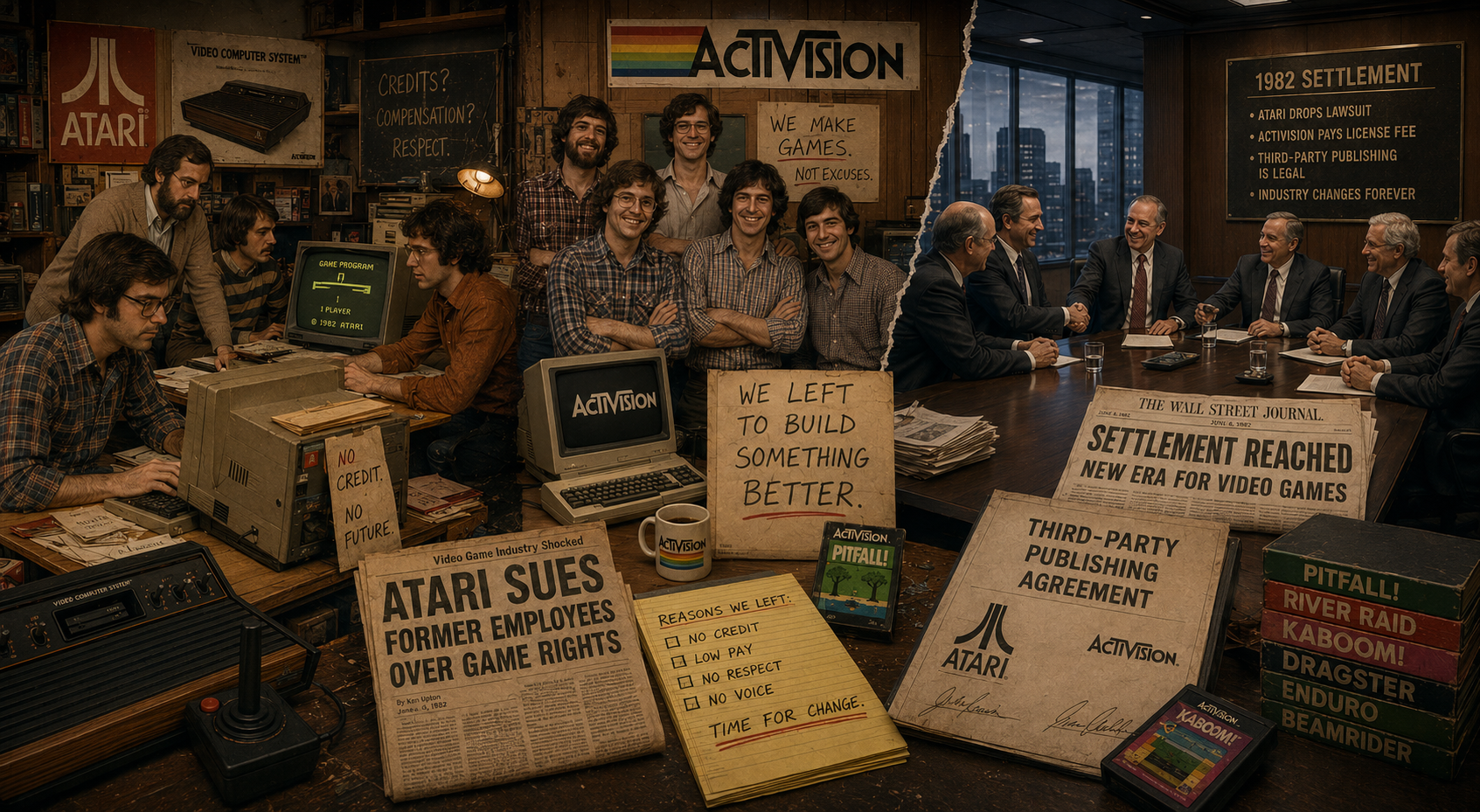
The Atari and Activision split happened when the console business was still inventing its own rules. Several Atari programmers left after frustration over credit and compensation, then formed Activision and made games for Atari hardware. Atari sued, Activision survived, and the 1982 settlement helped clear the way for third-party console publishing. It started as a workplace dispute and ended as a new industry model.
Nintendo and Tengen
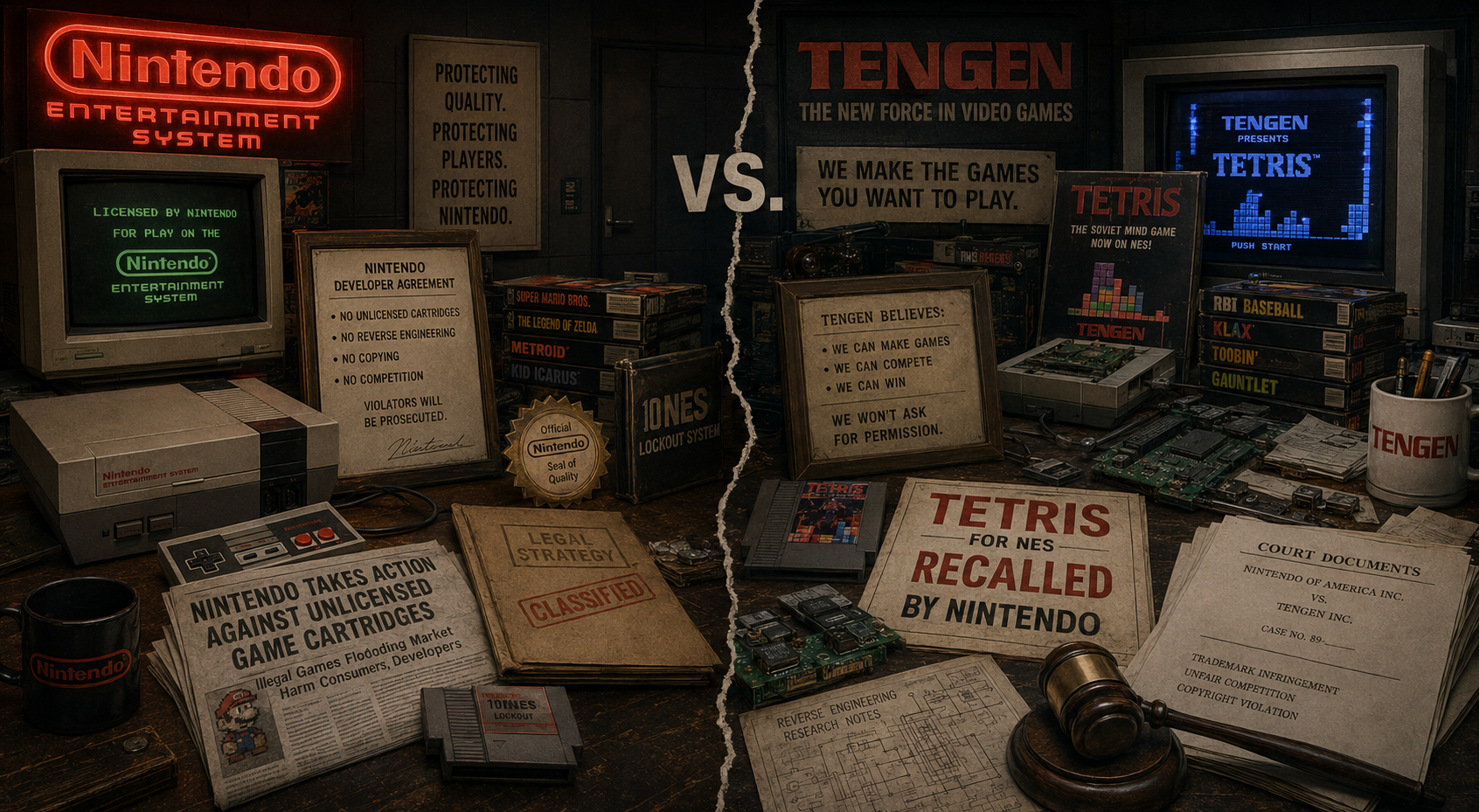
Nintendo’s grip on the NES market was tight, and Tengen wanted around it. The fight involved unlicensed cartridges, the 10NES lockout system, reverse engineering, and Tetris, which somehow made one of the simplest games ever part of a nasty rights battle. Tengen’s NES version of Tetris was pulled, and Nintendo’s broader legal fight showed just how fiercely platform holders would defend control. It was business strategy disguised as cartridge warfare.
Not every breakup here had the same stakes, and not every side came out looking equally bad. Still, the pattern is hard to miss. Creative partnerships can produce games that reshape a genre, but once those games become valuable enough, the contracts start speaking louder than the work. Sometimes the game survives the breakup better than the people who made it.
Continue Reading:
–11 Cases Gaming Companies Use Patents to Block Competitors
–11 Gaming Franchises Sold Between Studios So Many Times Nobody Remembers the Original Owner