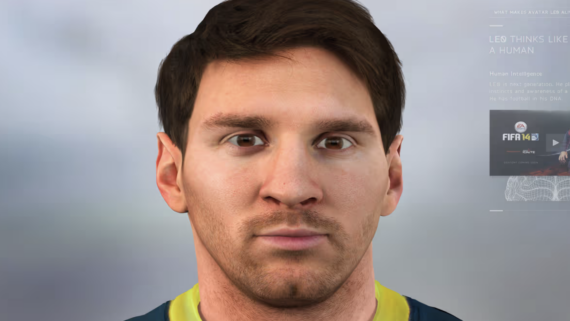
Lionel Messi video games almost feel like their own alternate football timeline at this point. One version of Messi looks like a PS2 side character generated in seven minutes, another looks so realistic you can practically see the disappointment after missing a chance in front of goal. Watching his digital evolution over the years is basically watching football games grow up alongside football culture itself.
What makes it even more interesting is how every era captured a completely different version of Messi. The shy Barcelona teenager. The untouchable Guardiola-era monster. The exhausted Argentina captain carrying an entire nation on his shoulders. Somehow, every console generation found a new way to redesign the same player, and honestly, some versions aged way better than others.
1. Pro Evolution Soccer 4 Introduced a Tiny Baby Face Messi
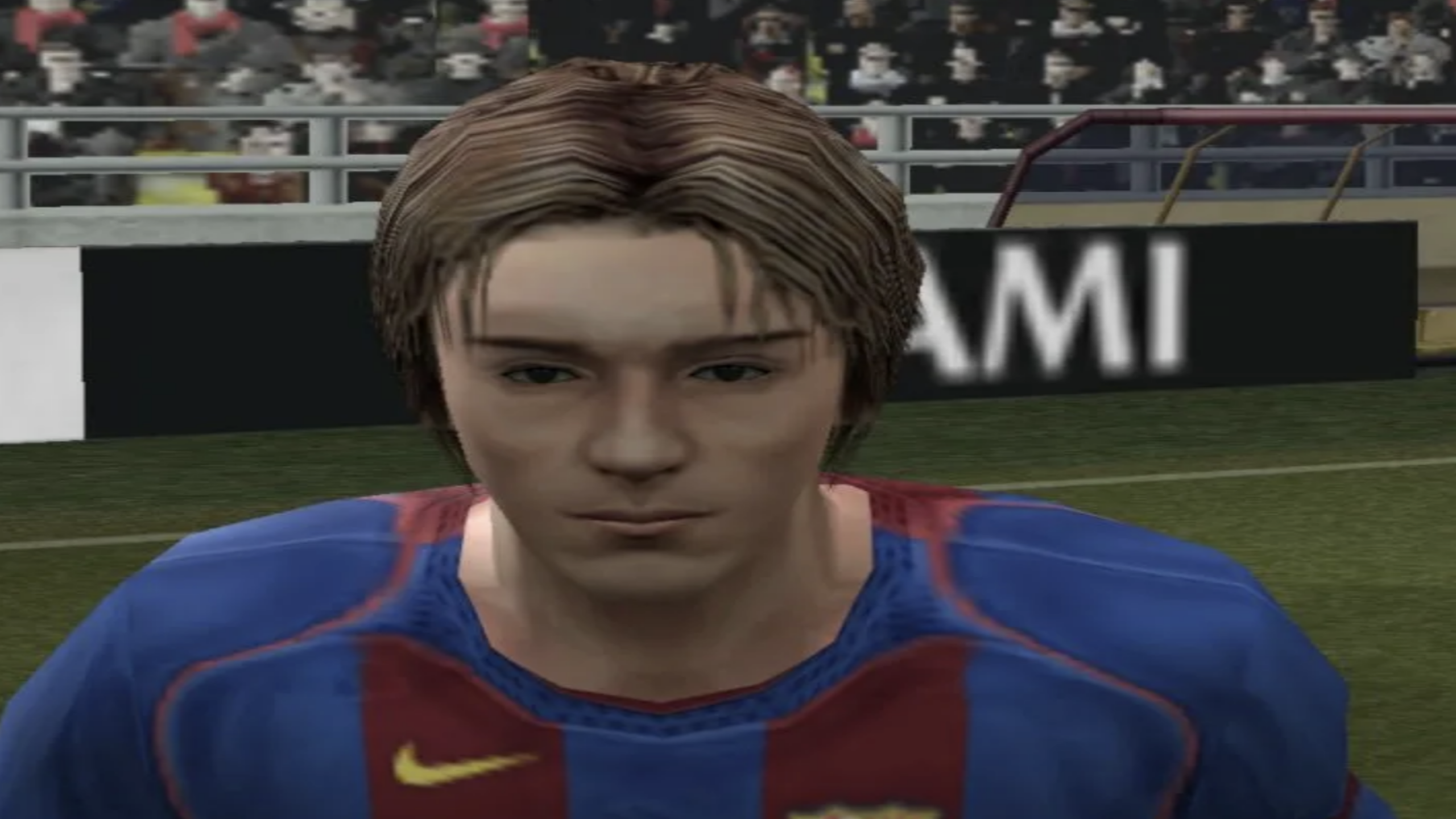
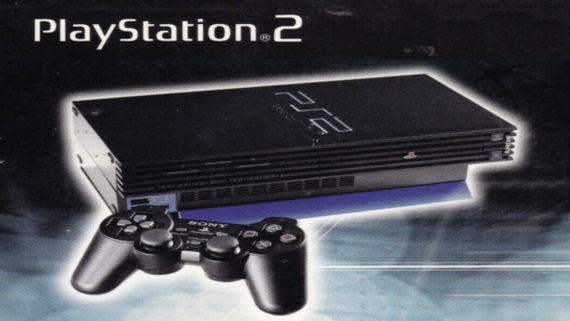
Released in 2004, PES 4 included one of the earliest playable versions of Messi back when he was still just a teenage prospect inside Barcelona’s system. The model looked rough even for PS2 standards, but there’s something weirdly fascinating about seeing a version of Messi before the world fully understood what he would become.
2. FIFA 09 Was When Lionel Messi Video Games Started Feeling Broken
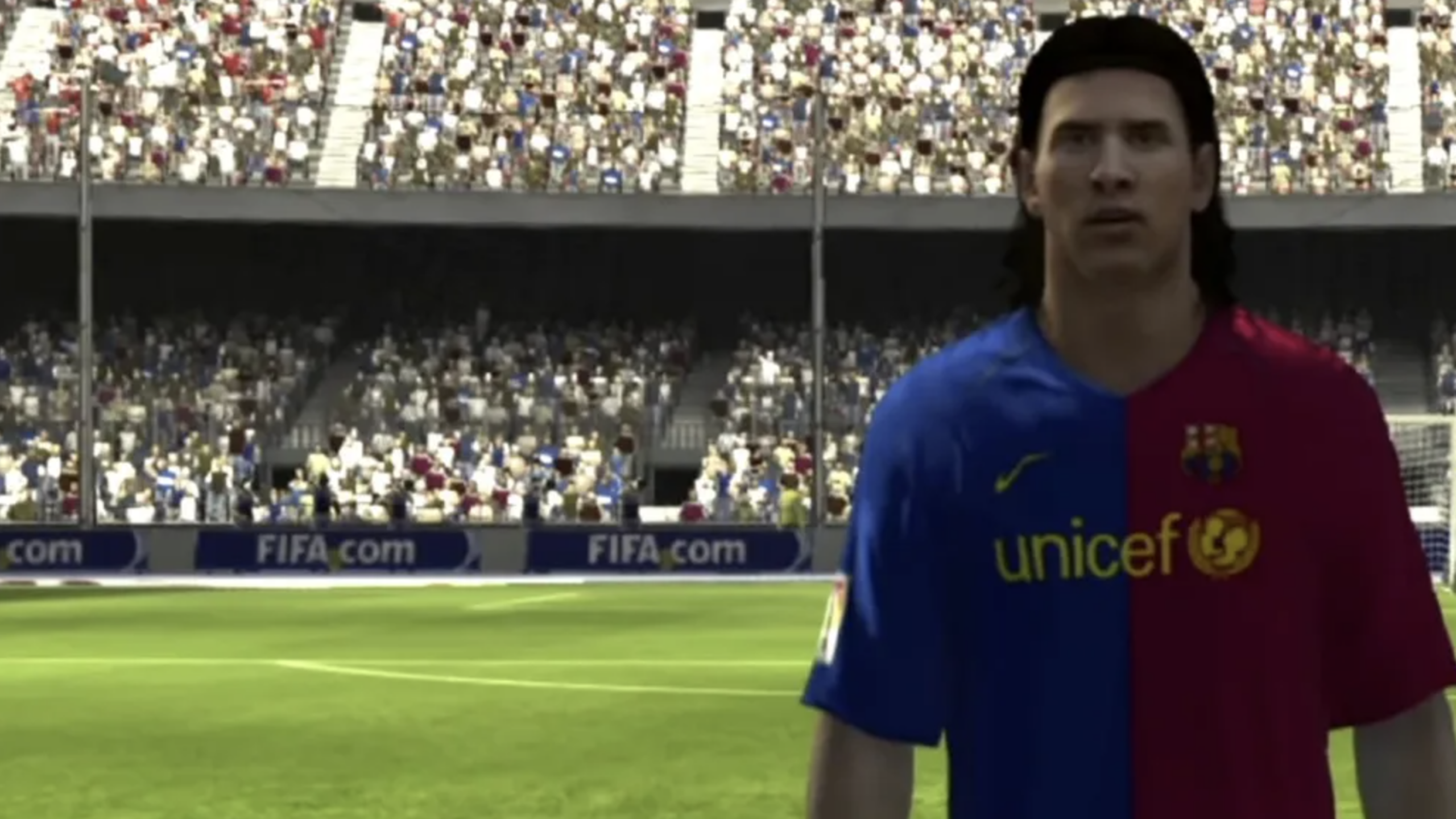
By 2008, Messi had already become one of the most exciting players on the planet, and FIFA 09 reflected that perfectly. This was around the era of Guardiola’s Barcelona dominance, and suddenly Messi moved differently from everyone else in the game. Faster dribbling, impossible turns, ridiculous acceleration, kids immediately realized he was basically a cheat code.
3. Winning Eleven Messi Somehow Looked Angry All the Time
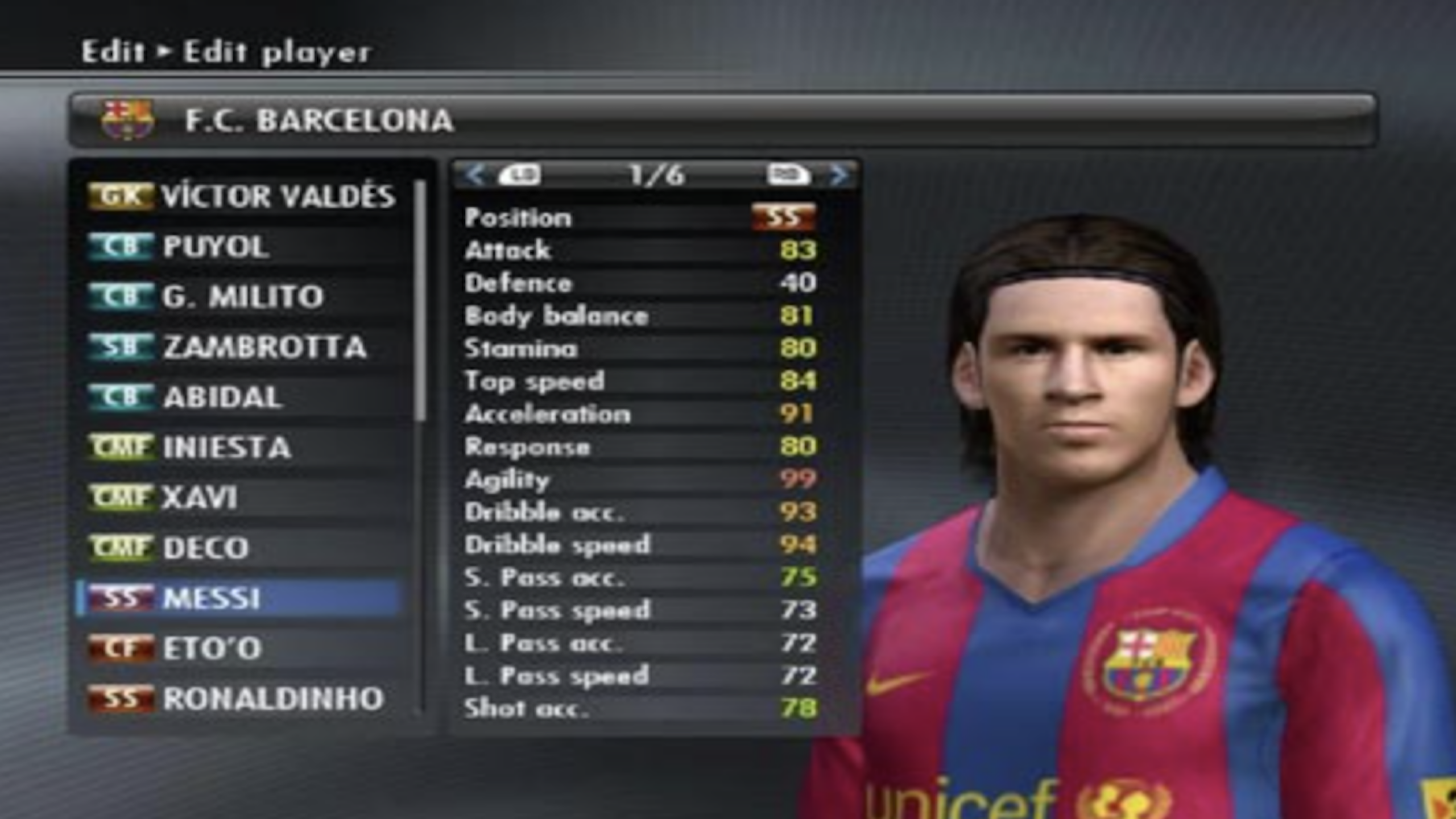
During the mid 2000s Winning Eleven era, Messi’s digital face somehow always looked slightly annoyed. These games captured his early Barcelona years, before the tattoos, beard, and captain era. The graphics were limited, but longtime football fans still remember this version instantly.
4. FIFA Street Turned Messi Into a Football Superhero
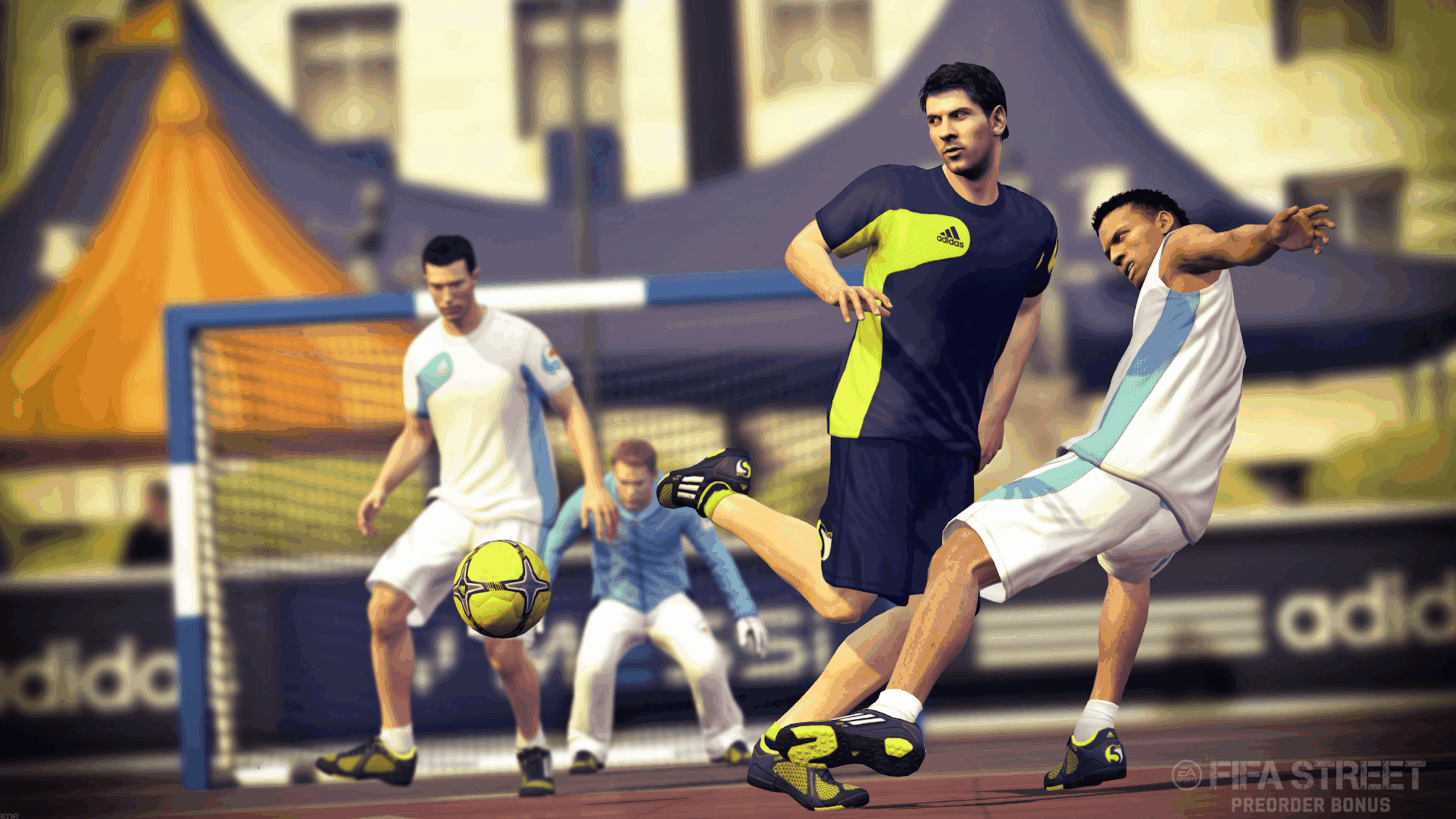
Released in 2012, FIFA Street arrived during peak Barcelona Messi madness. At that point he was scoring impossible goals every weekend in real life, so EA decided realism no longer mattered. Lionel Messi Video Games suddenly became flashier, louder, and way more exaggerated, with Messi pulling freestyle tricks that looked straight out of a Nike commercial.
5. PES 2013 Captured Peak Barcelona Messi
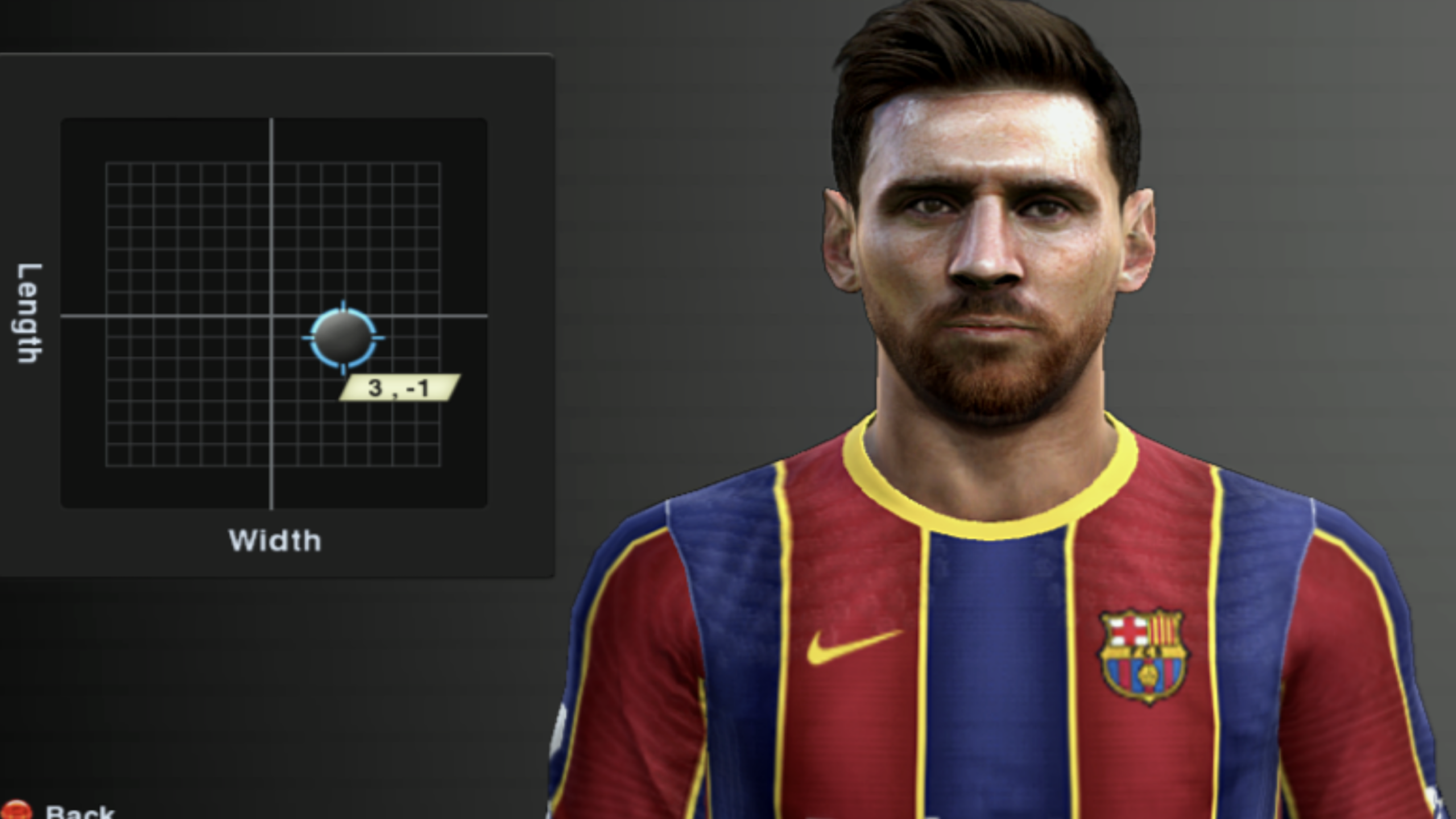
Released right after Messi’s absurd 2012 calendar year where he scored 91 goals, PES 2013 might still be the closest a football game has ever come to recreating his real life dominance. Every touch felt smooth, defenders couldn’t stop him, and cutting inside from the right side felt almost unfair.
Trending on realmoneygamer.com
6. Lionel Messi Video Games Entered the Hyper Realistic Era With FIFA 14
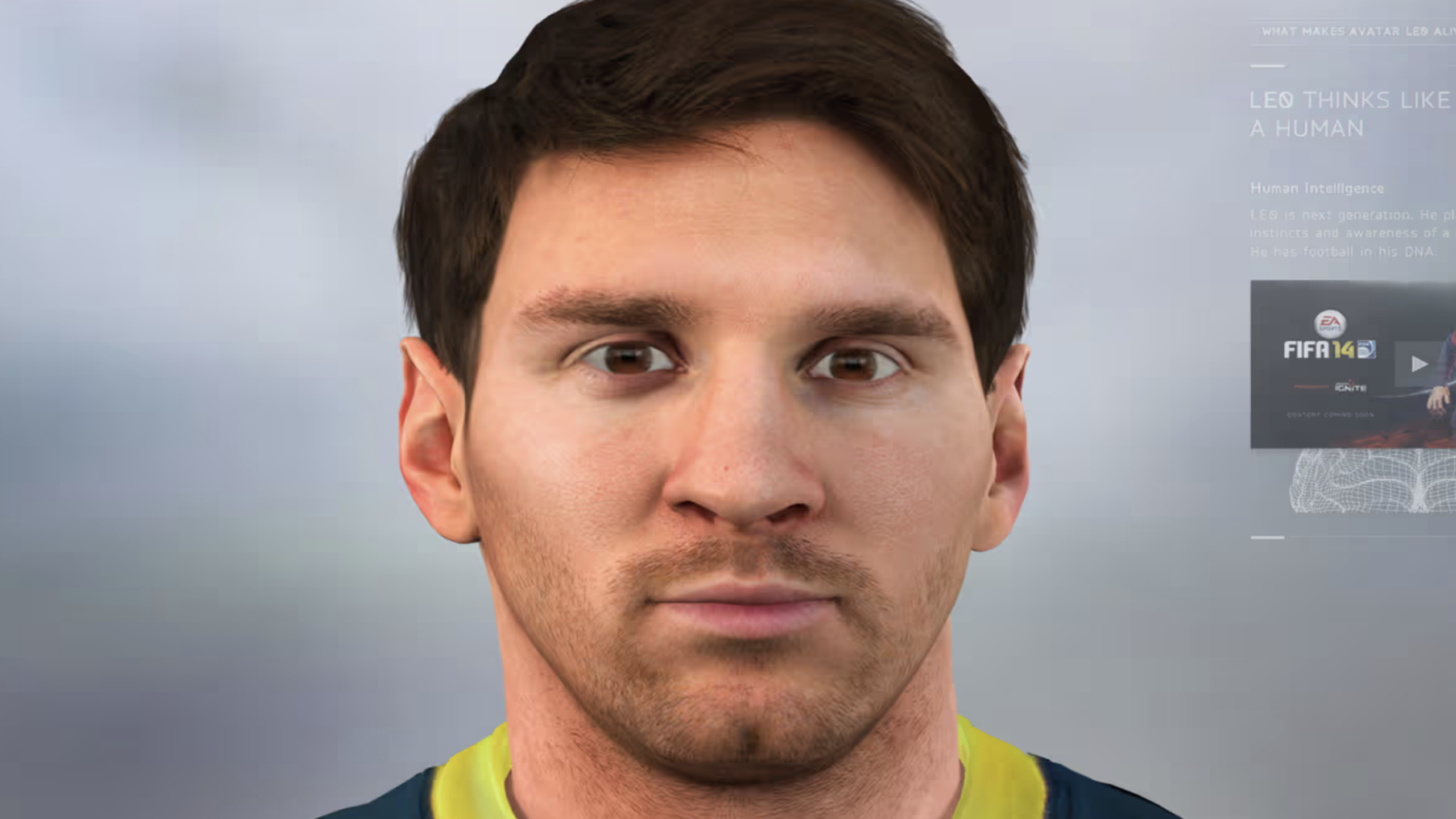
By 2013, football games started shifting heavily toward realism. FIFA 14 improved facial scans massively, and Messi’s digital version suddenly looked much closer to the real player fans watched every weekend. This was also around the final years before his appearance changed dramatically with the beard era.
7. FIFA 17 Made Messi Look Like a Netflix Documentary Character
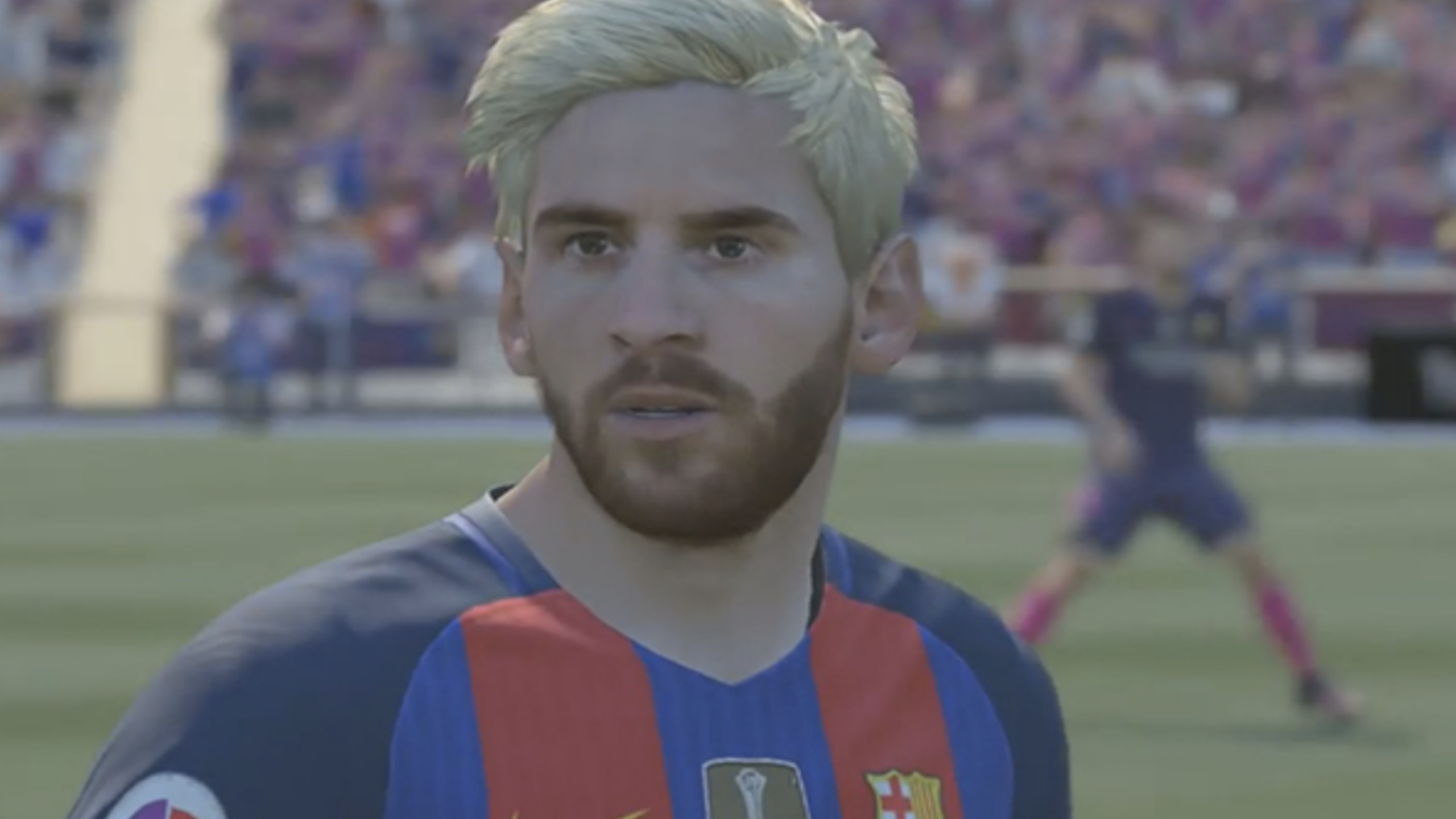
Released in 2016 using the Frostbite engine, FIFA 17 pushed visual realism much further. This was around the mature Messi era, with the beard, tattoos, and more experienced Argentina captain look becoming fully recognizable inside the game.
8. eFootball Somehow Made Messi Look Younger Again
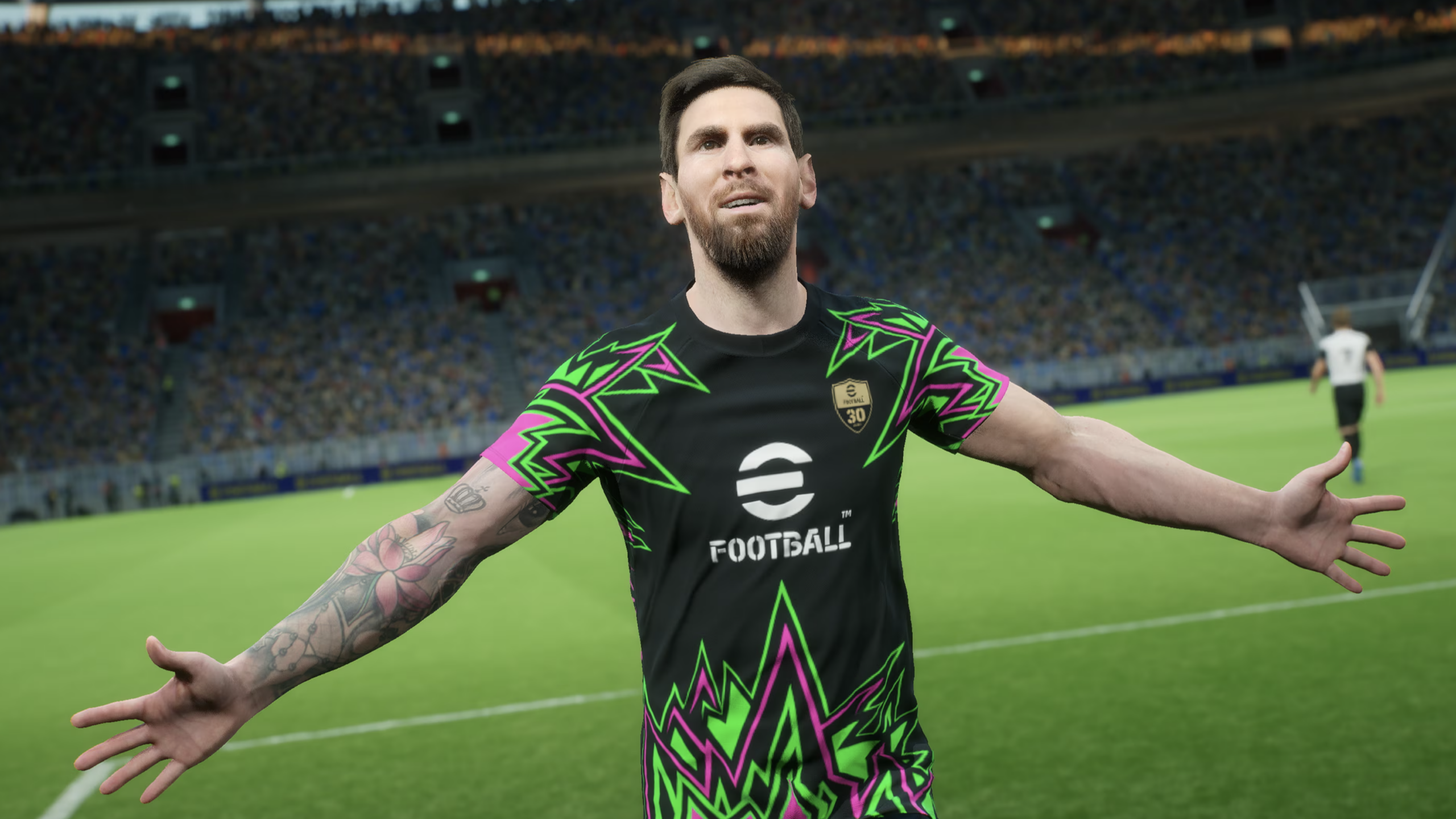
When Konami transitioned from PES into eFootball in 2021, the graphical results became wildly inconsistent. Some moments captured older PSG-era Messi perfectly, while others somehow made him look younger than he did ten years earlier.
9. FIFA Mobile Turned Messi Into a Digital Mythology Card
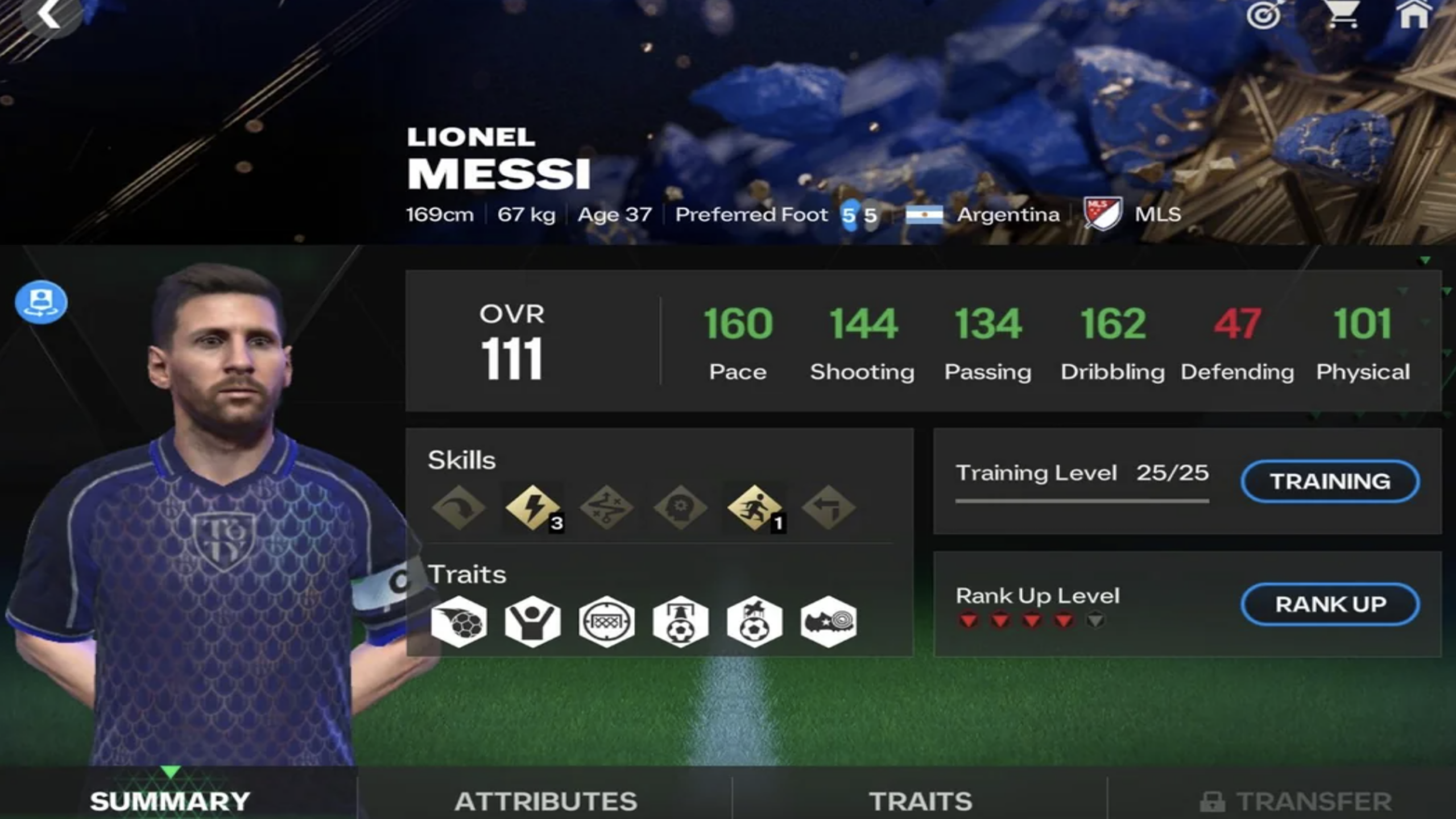
By the late 2010s, Messi stopped feeling like just a football player inside games. In FIFA Mobile and Ultimate Team culture, he became one of those legendary cards everybody wanted but few could afford early on. For younger fans, this version of Messi became just as iconic as watching him on television.
10. Modern Lionel Messi Video Games Barely Look Like Games Anymore
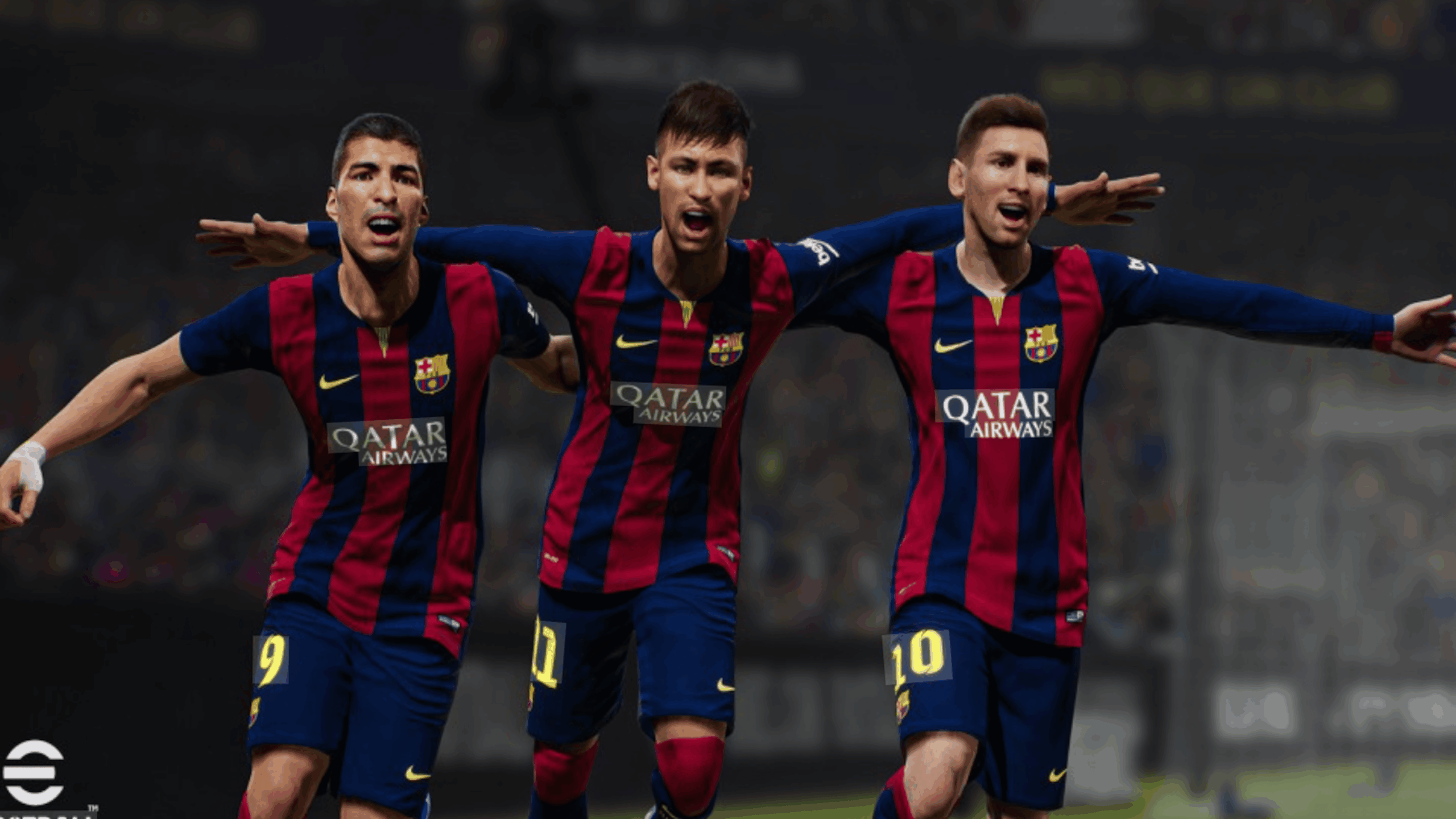
Modern EA Sports FC titles have almost erased the line between gaming and real broadcasts entirely. The Inter Miami era Messi now includes detailed facial animations, realistic beard textures, tattoos, and body movement accurate enough to make old PS2 football games feel prehistoric.
Looking back at all these versions now, Lionel Messi video games feel less like simple sports titles and more like a digital timeline of football history itself. Every console generation captured a different version of Messi, from the skinny teenage wonderkid at Barcelona to the world champion carrying Argentina on his shoulders. Some models looked awkward, some looked ridiculously realistic, but that’s exactly what makes Lionel Messi video games so fascinating to revisit years later.