Scouting in esports is rarely as simple as spotting a flashy clip and sending an offer. Most teams build a picture slowly, through ranked ladders, small tournaments, scrim reports, VOD review, and conversations with people inside the scene. Amateur and semi-pro leagues can be uneven, but they are often where future pros first show the habits that matter. The trick is knowing which signals are real and which ones only look good from a distance.
Watching Ranked Ladders With A Skeptical Eye
Ranked play is still one of the first places scouts look. In games like Valorant, League of Legends, Counter-Strike 2, Rocket League, and Dota 2, a high ladder position can point to strong mechanics, discipline, and serious time investment. But teams know ranked success does not always translate cleanly into organized play. A player might climb by taking constant risks, ignoring team structure, or relying on raw aim against less coordinated opponents. Scouts pay closer attention to how the player wins, not just how often.
Following Amateur Tournament Results

Small tournaments are easy to overlook from the outside, but teams often treat them as useful testing grounds. A player who repeatedly performs well in weekly cups, open qualifiers, or local circuits gives scouts something more reliable than one good ranked session. These events show how someone handles drafts, pressure, rematches, and opponents who may have prepared for them. The prize pool might be modest, but the footage can be valuable.
Reviewing VODs Beyond The Highlight Reel
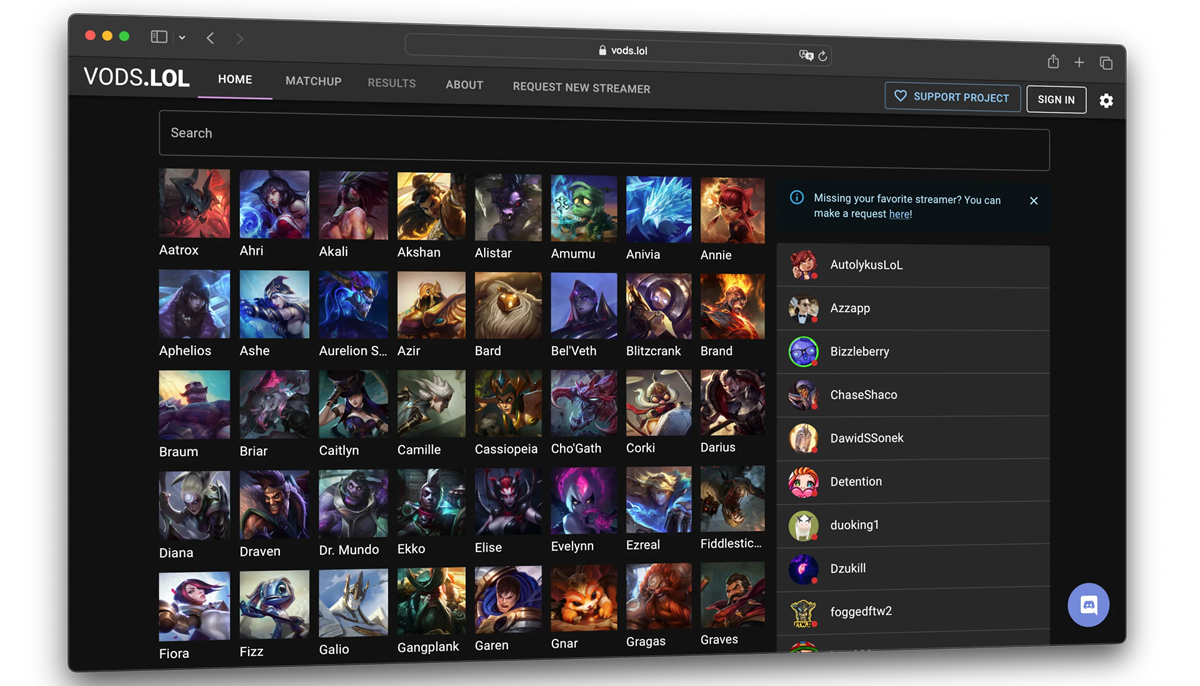
A clean montage can get a player noticed, but it rarely answers the real questions. Coaches want to see full matches, including quiet rounds, bad starts, slow rotations, and awkward mid-game decisions. In Valorant, one impressive ace may matter less than how a player uses utility across ten ordinary rounds. In League of Legends, a flashy outplay is useful, but wave control, recall timing, and map awareness usually tell a deeper story.
Looking For Players Who Improve Quickly
Some recruits are not the finished version yet, and teams know that. What matters is whether they respond to coaching. During trials or academy scrims, staff may give a player specific feedback and then watch how quickly it shows up in the next block. A prospect who fixes a spacing issue in two days can be more attractive than a stronger player who keeps repeating the same mistake.
Using Semi-Pro Leagues As A Filter
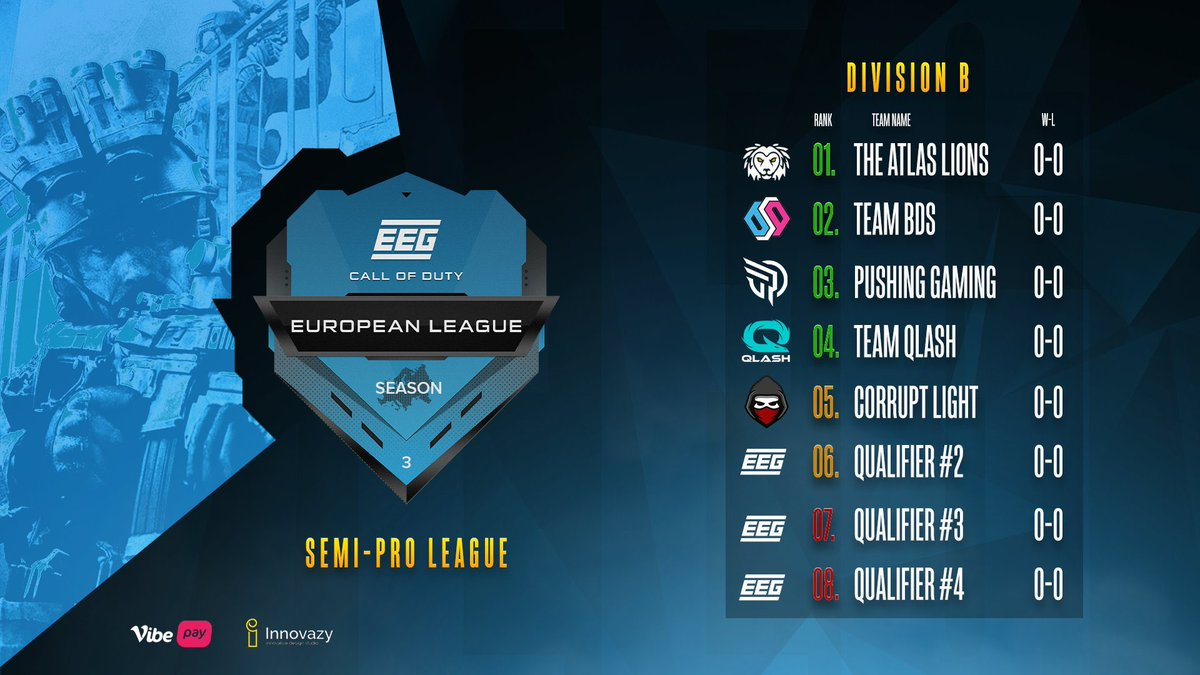
Semi-pro leagues give organizations a cleaner read than ranked ladders. Players are usually working within team structures, preparing for opponents, and playing matches with more pressure attached. In League of Legends, regional leagues have often served as a stepping stone toward bigger competitions. In other titles, collegiate leagues, academy systems, and third-party circuits play a similar role. The level varies, but the environment is closer to what teams need to evaluate.
Trending on realmoneygamer.com


Asking Around In Discord Servers And Scrim Circles
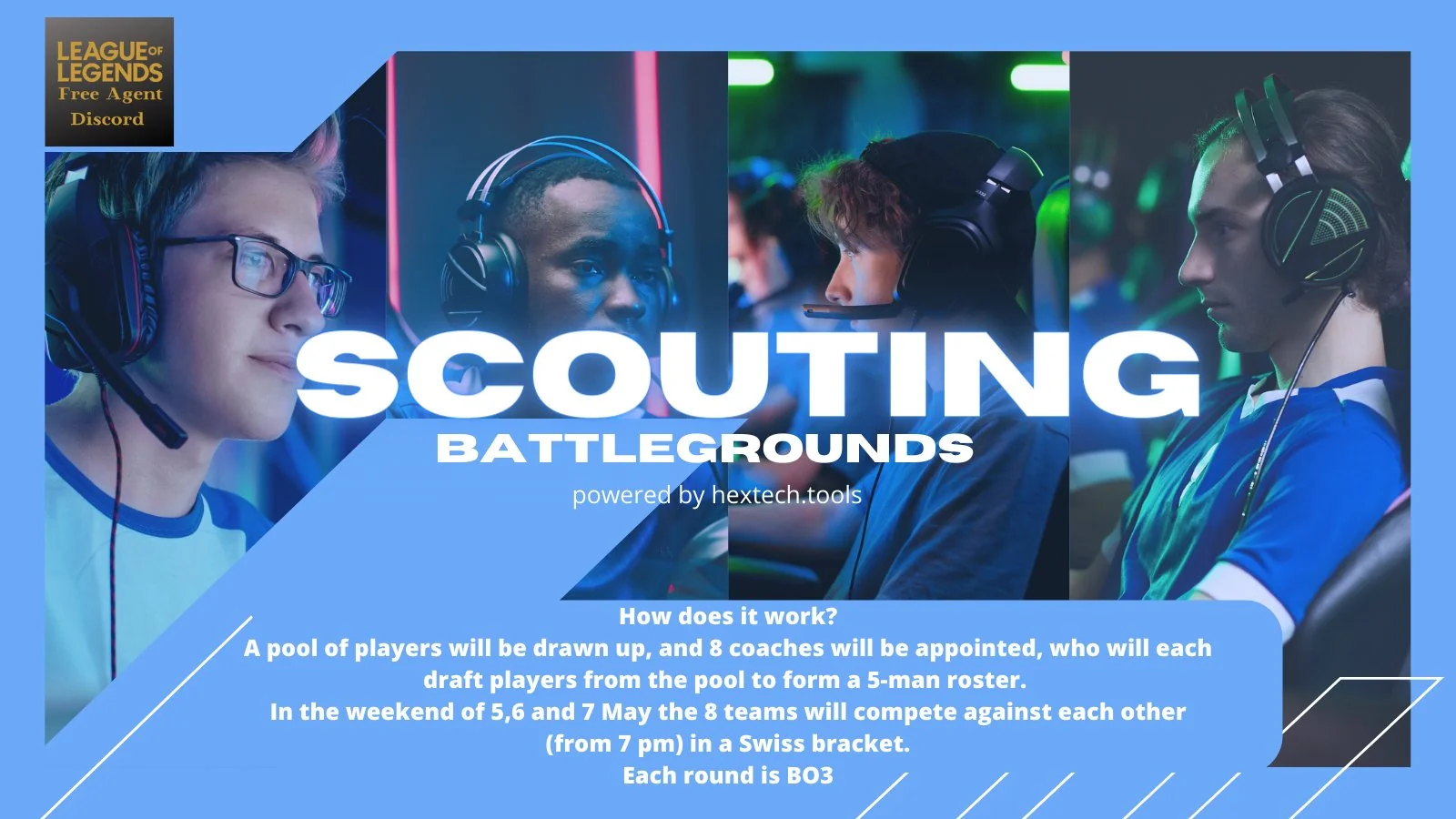
A lot of esports scouting still runs through informal networks. Coaches, analysts, managers, and players talk in Discord servers, scrim groups, free-agent hubs, and private communities. Someone may mention that a young controller player is impossible to play against, or that a promising jungler has great mechanics but poor practice habits. Scouts do not take every rumor seriously, but repeated comments from different people can push a player onto a shortlist.
Studying How Players Communicate

Mechanical skill is easier to spot than communication, but teams care about both. In tryouts, coaches listen for clear calls, useful information, emotional control, and whether the player talks at the right moments. Some amateurs overcommunicate because they are nervous. Others go silent when the match gets difficult. A player does not need to sound like a veteran shot-caller, but they do need to show they can function inside a team.
Testing Role Flexibility
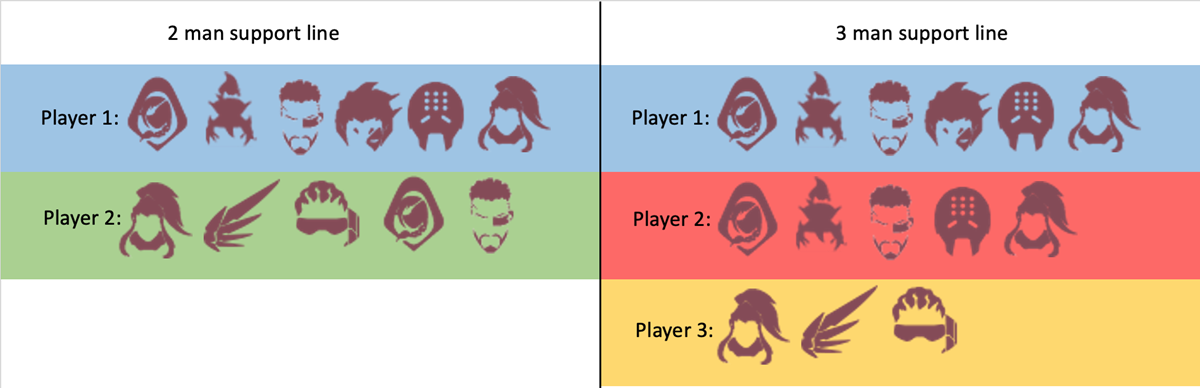
A talented player with only one comfort zone can be risky. Teams often want to know whether a recruit can adjust to new agents, champions, maps, positions, or tactical responsibilities. That does not mean every player has to become a generalist. Sometimes a specialist is exactly what a roster needs. Still, the ability to adapt tells coaches how much room they have to build around someone.
Checking The Numbers, Then Checking The Context
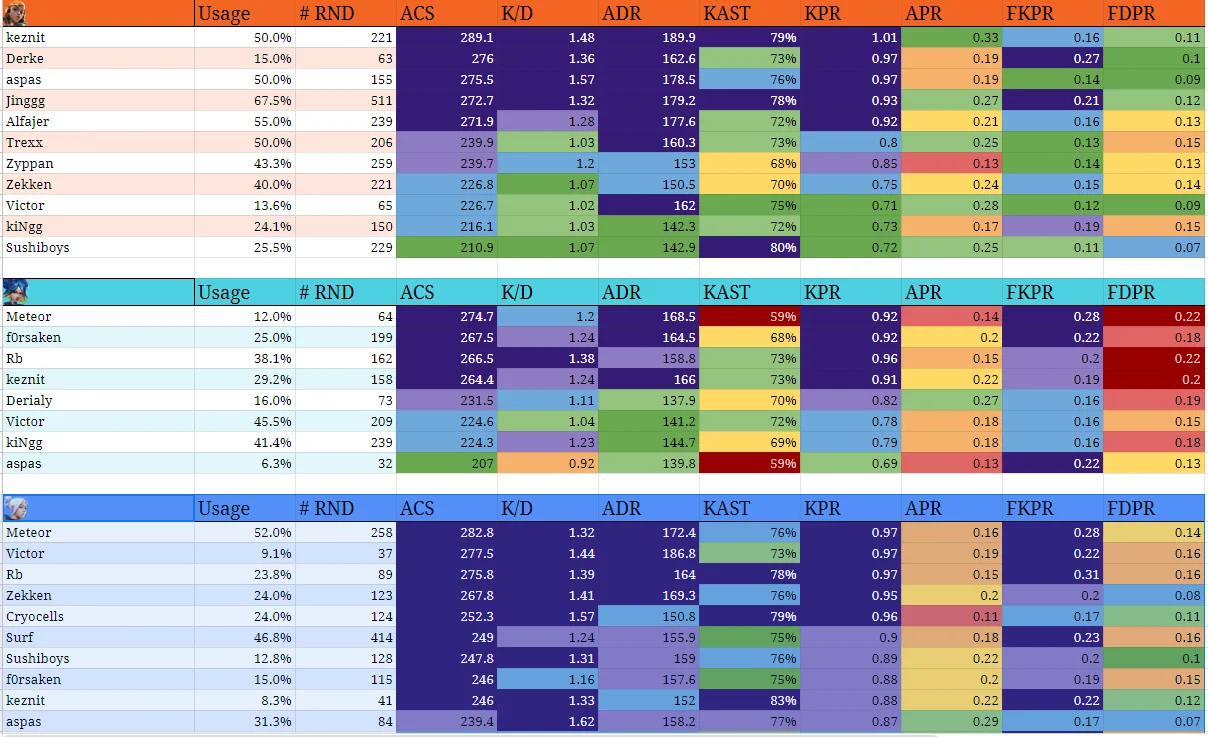
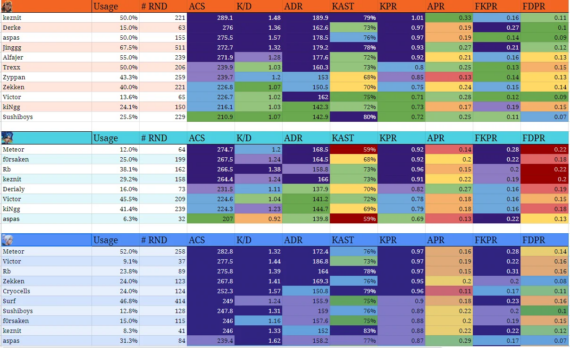
Stats have become a bigger part of scouting. Teams may look at first-kill rates, damage numbers, objective control, laning data, clutch percentage, utility usage, or champion pools, depending on the game. But numbers can be misleading without context. A player on a weak team may take difficult fights because nobody else can create space. Another player may have great stats because their entire roster is built to support them. Good scouts use data as a starting point, not a final answer.
Watching How Players Lose
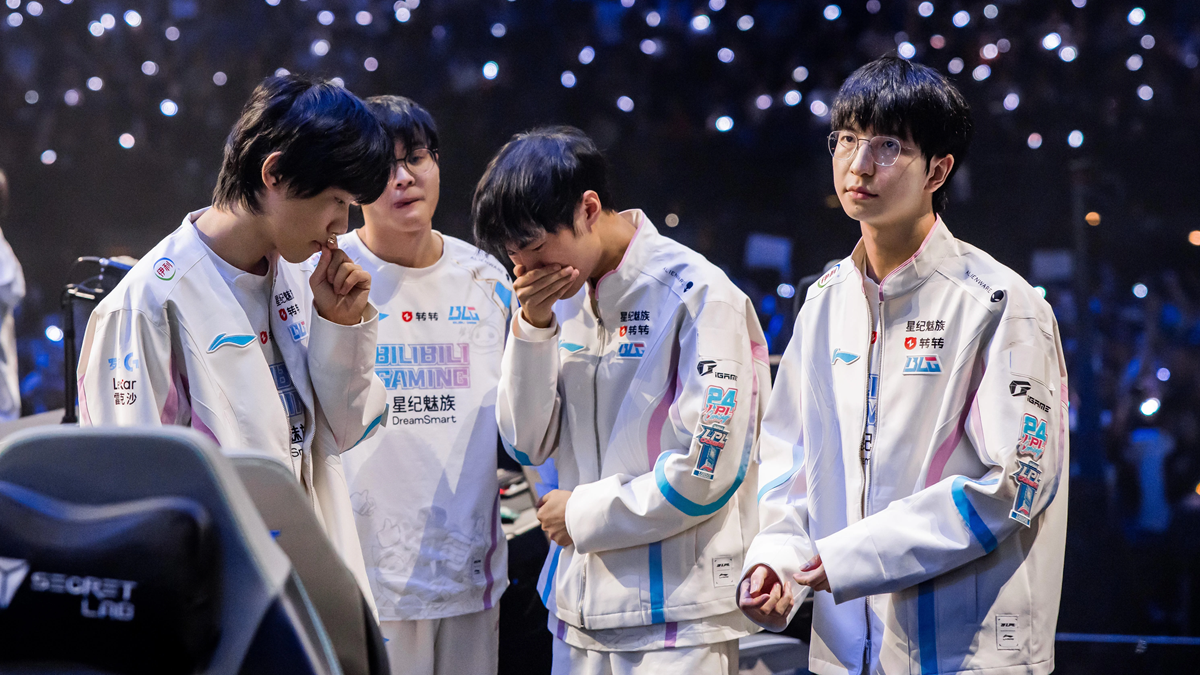
Losses can be more revealing than wins. Some players vanish when a map turns against them, while others keep searching for small advantages, cleaner trades, better resets, or safer ways back into the game. Teams notice whether a player tilts, blames teammates, or keeps the structure intact. Nobody expects amateurs to look calm in every bad situation, but losing well is a real skill.
Running Trials In Real Scrim Environments
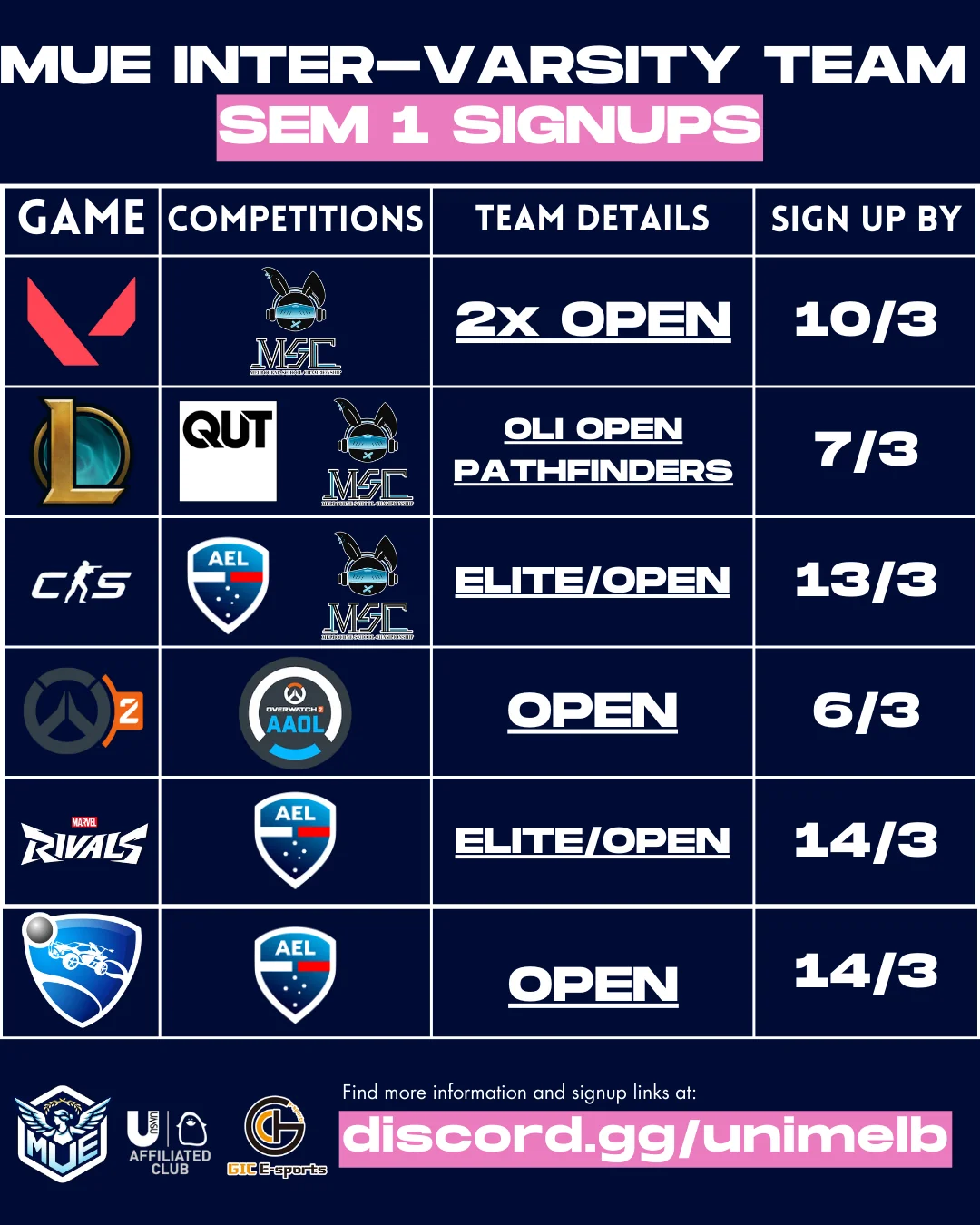
Tryouts are not always dramatic. Often, a player is brought into scrims for a few days or weeks and asked to play within a system they barely know. Coaches watch how they handle mistakes, feedback, tempo changes, and unfamiliar teammates. A trial can reveal whether a player’s talent survives outside their usual environment. Sometimes the answer is obvious quickly, and sometimes the staff needs several sessions before deciding.
Weighing Personality And Professional Habits
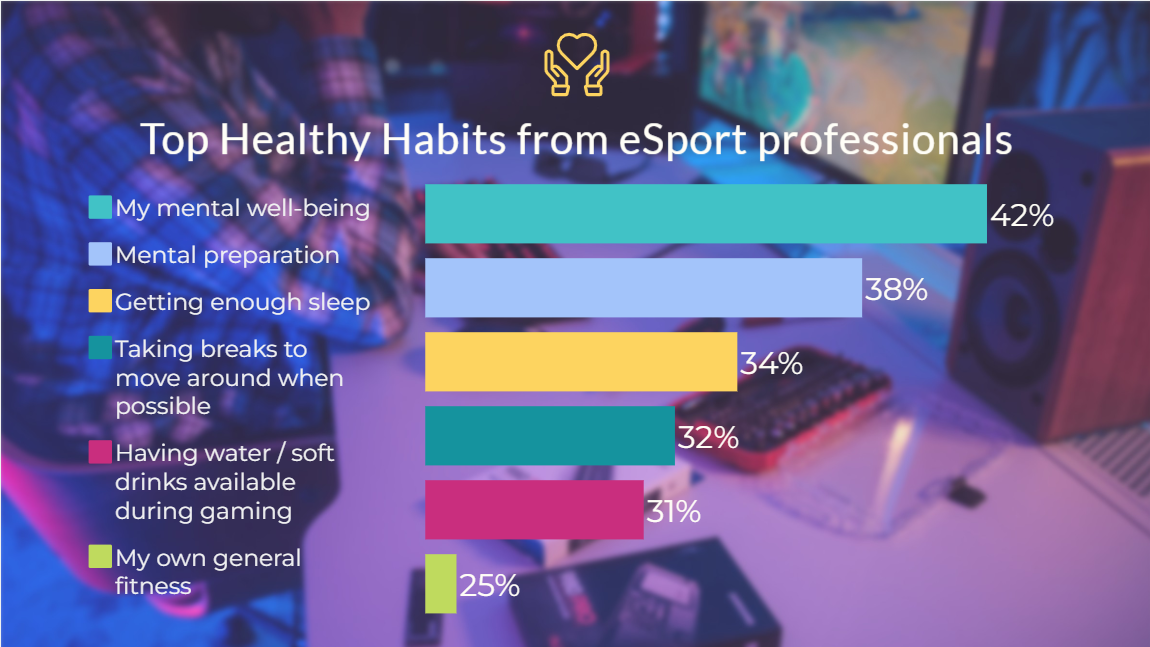
Teams are not only signing aim, hands, or game sense. They are signing someone who has to practice, review, travel, communicate, and lose with the same group for months. Punctuality, attitude, work ethic, and basic maturity can matter as much as a strong trial map. A player who takes notes, asks useful questions, and stays level during review often leaves a better impression than one who only looks good when everything is going their way.
Tracking Reputation Across The Scene
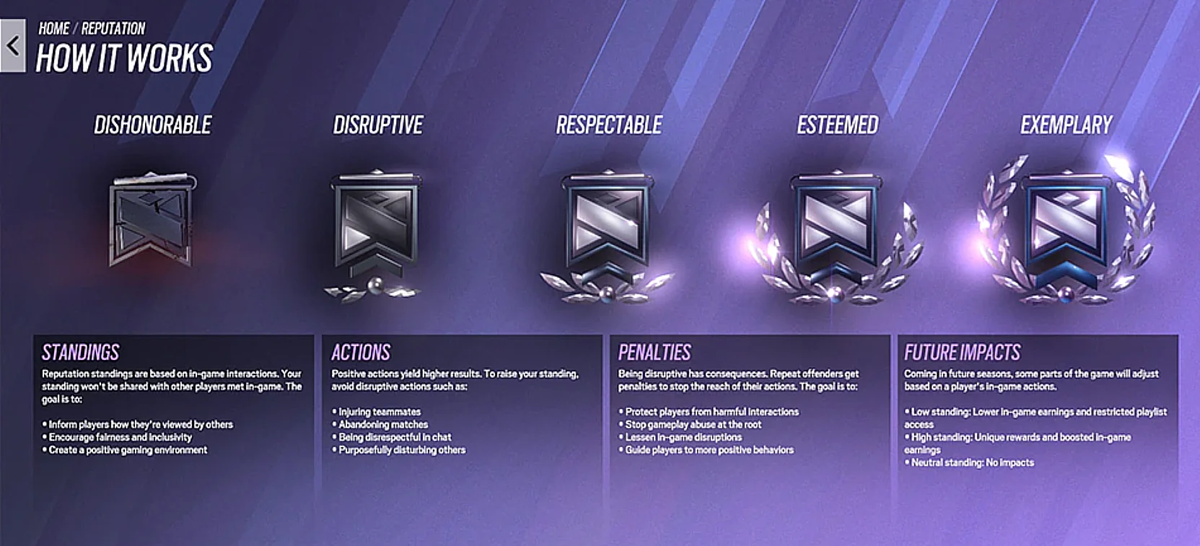
In smaller scenes, names travel fast. If several coaches, opponents, analysts, and former teammates keep mentioning the same player, that starts to matter. Reputation can be unfair at times, but repeated praise from separate sources is hard to ignore. For amateur players, visibility often comes from being consistently difficult to play against before a wider audience knows their name.
Looking For Marketability, But Not Overvaluing It
Streaming and social media can help a player get noticed. A strong Twitch presence, smart clips, or a funny online personality may put someone in front of scouts earlier than tournament results alone. Still, competitive teams usually separate visibility from readiness. A player with a large following still has to survive scrims, review, pressure, and the habits of professional practice.
The hardest part of scouting is timing. Wait too long, and the player becomes expensive or signs elsewhere. Move too early, and the team may be betting on talent that is not ready. That is why organizations spend so much time watching small matches, asking around, and reviewing ordinary rounds that most fans never see. The next strong recruit is often already visible somewhere in the amateur scene, just not obvious enough for everyone to agree yet.
Continue Reading: 15 of Biggest Contracts Ever Signed by Esports Players