Game franchises do not always age in the hands that made them. Sometimes they get passed from studio to publisher, from publisher to holding company, from holding company to another publisher with a cleaner balance sheet. That is how a series can feel familiar while its ownership trail starts to look like a corporate family tree drawn after midnight. These are the franchises whose names survived, even when almost nobody talks about who held the keys first.
Tomb Raider
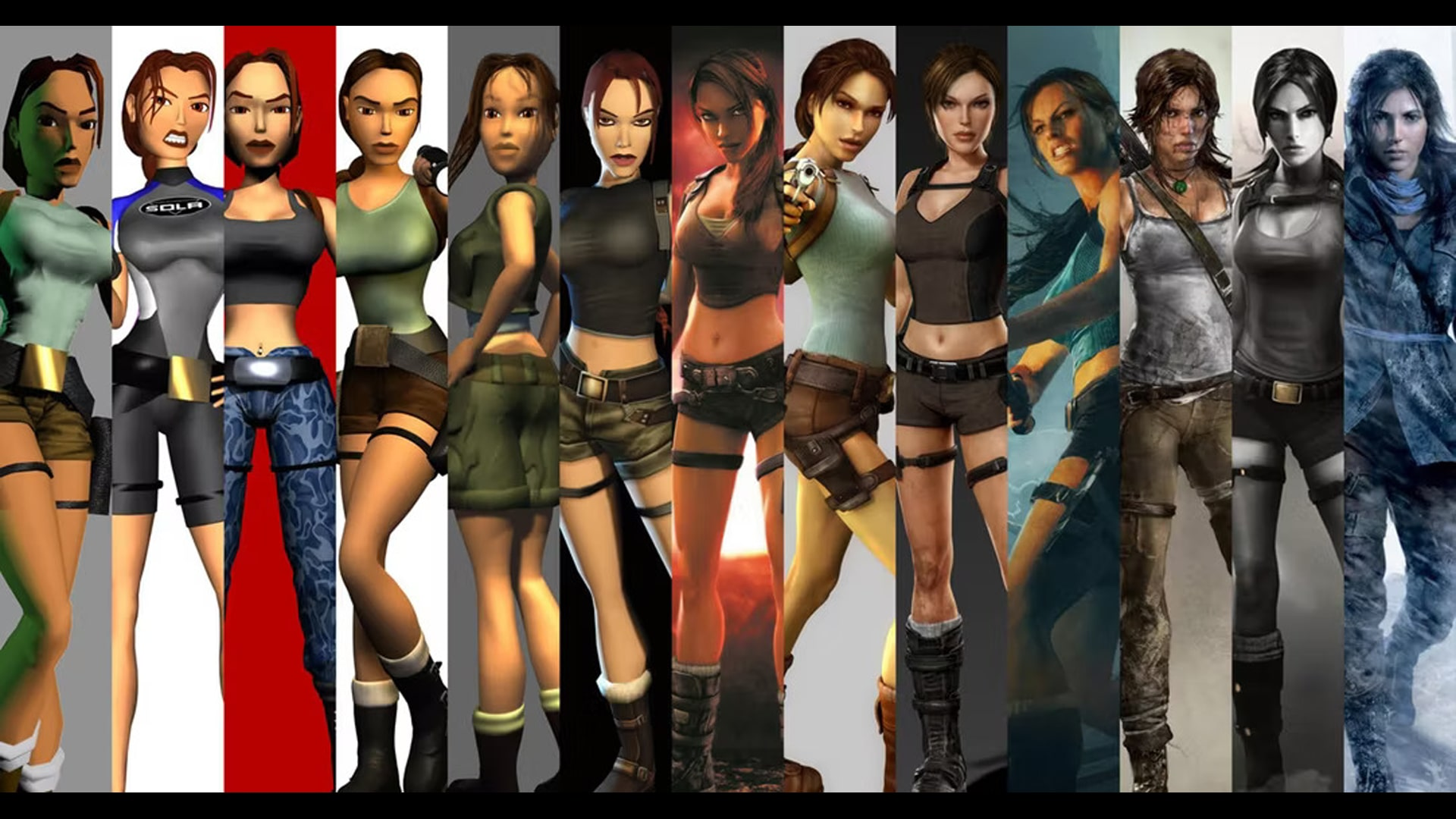
Tomb Raider feels inseparable from Lara Croft, and Lara Croft feels inseparable from Crystal Dynamics now, but that was not where the series began. Core Design created the original 1996 game under Eidos, then the franchise moved through Eidos’ acquisition by Square Enix in 2009, before Square Enix sold Crystal Dynamics, Eidos-Montréal, Square Enix Montréal, and IP including Tomb Raider to Embracer Group in a 2022 deal valued at $300 million. By the time Amazon Games was attached to publish the next Tomb Raider, the old Core Design era had become something closer to archaeology than recent memory.
Deus Ex
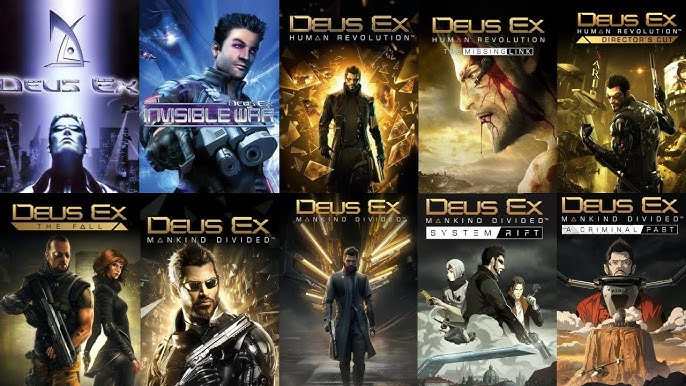
Deus Ex is one of those series where the studio name still matters to older PC players. Ion Storm made the 2000 original, Eidos published it, and then Eidos-Montréal effectively became the modern caretaker with Human Revolution and Mankind Divided. After Square Enix bought Eidos in 2009, the franchise sat there for years, admired more than actively used, until the 2022 Embracer purchase bundled Deus Ex with Eidos-Montréal and other Western Square Enix assets. It is a strange fate for a game about conspiracies, the IP did not disappear, it just got filed under another corporate owner.
Fallout
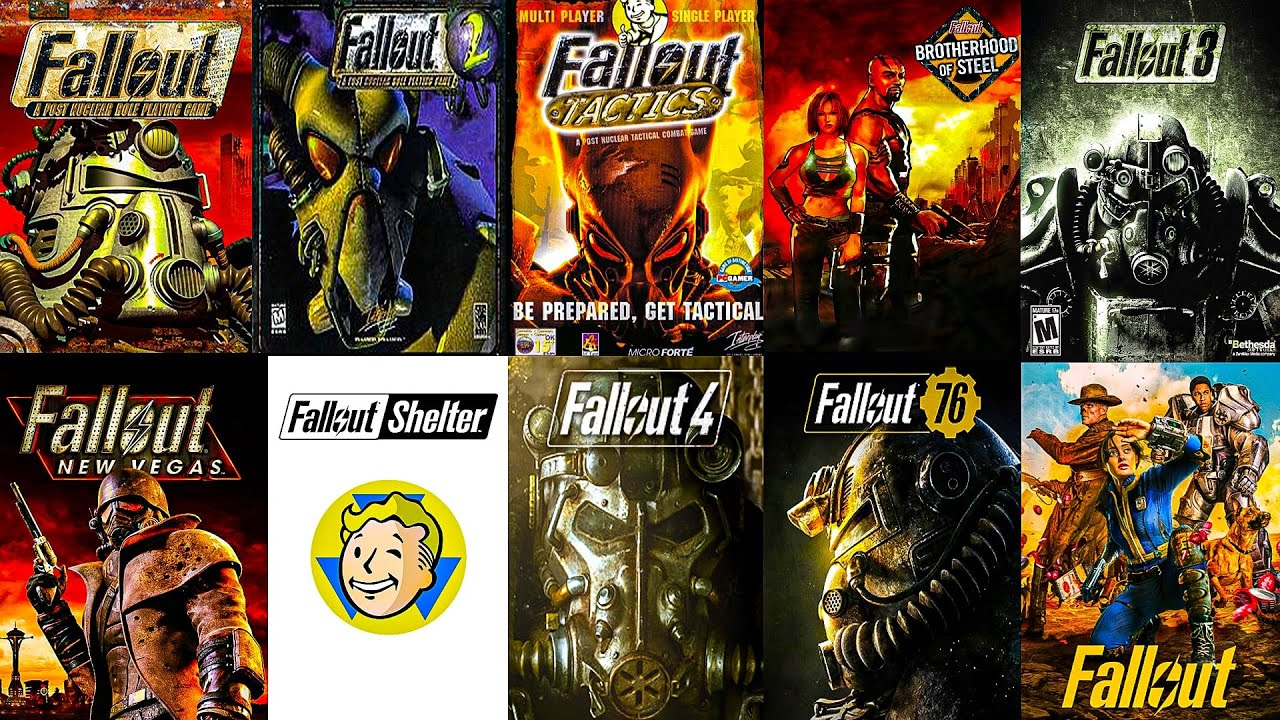
For a lot of younger players, Fallout starts with Bethesda. That is understandable, Fallout 3 reshaped the series for a much larger console audience, and Bethesda later became part of Microsoft through the ZeniMax acquisition completed in March 2021. But Fallout began with Interplay, with Black Isle tied closely to its early identity, before Bethesda purchased the franchise IP from Interplay in 2007 for $5.75 million. The messy leftover MMO rights dispute kept Interplay’s ghost in the room until a 2012 settlement, which is a very Fallout way for ownership history to drag on after the bombs have already fallen.
Duke Nukem
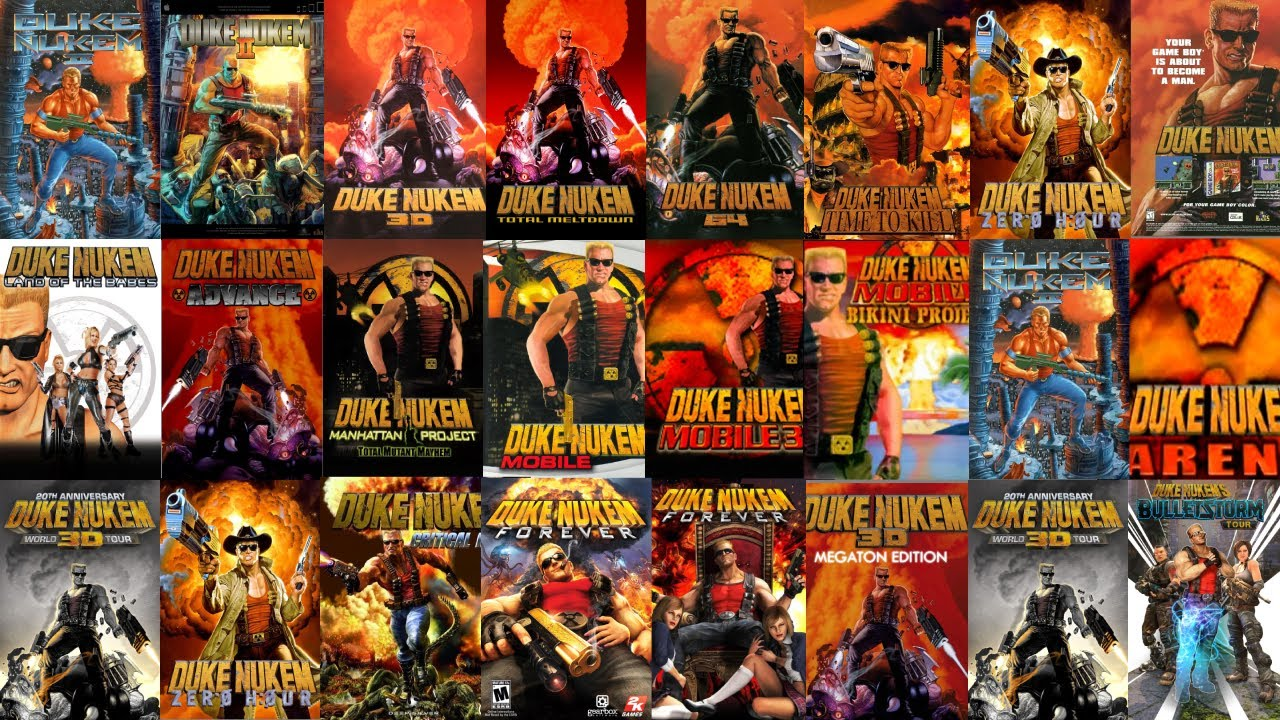
Duke Nukem did not just change hands, it dragged a whole era of PC gaming with it. Apogee and 3D Realms built the character, Gearbox took control of the IP after the long Duke Nukem Forever saga and related legal fights, then Gearbox itself was bought by Embracer in 2021 and sold to Take-Two in 2024. Somewhere in that trail, Duke went from shareware smart-mouth to a franchise people mostly discuss in terms of lawsuits, delayed projects, and “who even owns this now?”
Crash Bandicoot
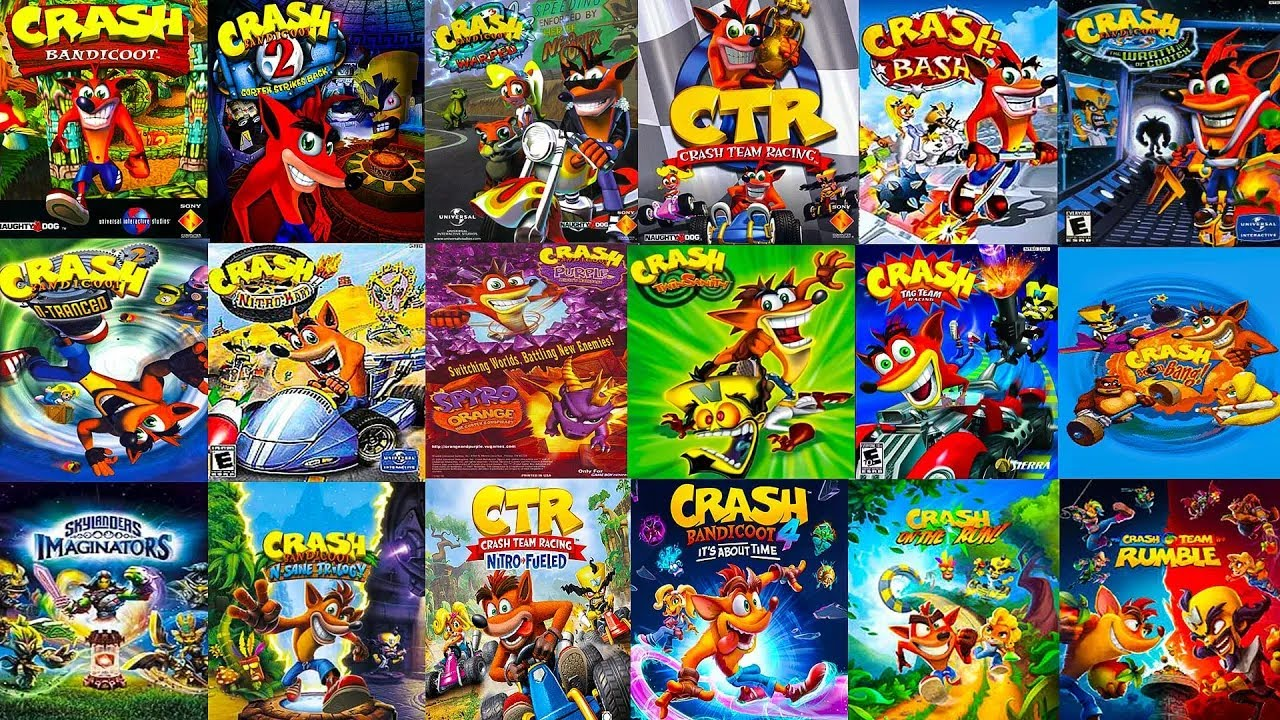
Crash Bandicoot is still treated emotionally like a PlayStation mascot, which makes the ownership story funnier. Naughty Dog developed the early games, Sony marketed them hard, but Universal Interactive held the rights, which later moved through Vivendi and then Activision. Microsoft completed its acquisition of Activision Blizzard on October 13, 2023, meaning Crash now lives inside the same broader gaming empire as Xbox, Call of Duty, and Blizzard. That is a long trip for a marsupial once used to sell the original PlayStation.
Trending on realmoneygamer.com
Spyro the Dragon
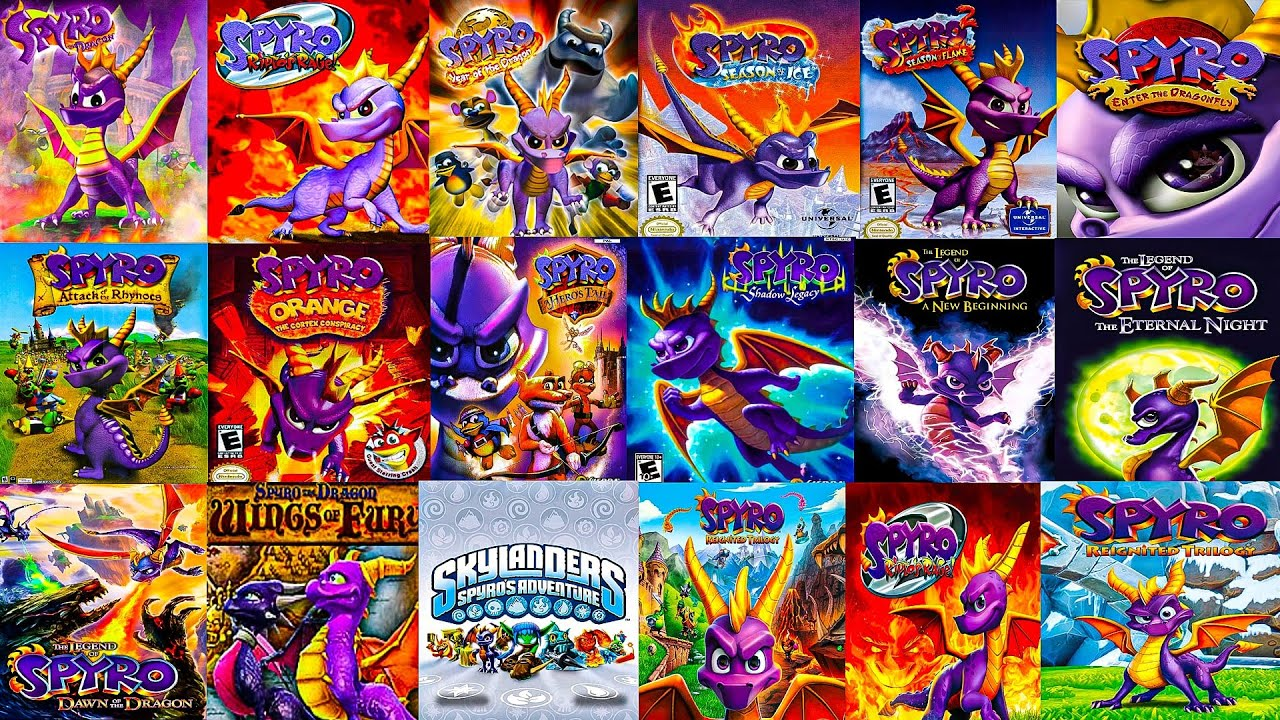
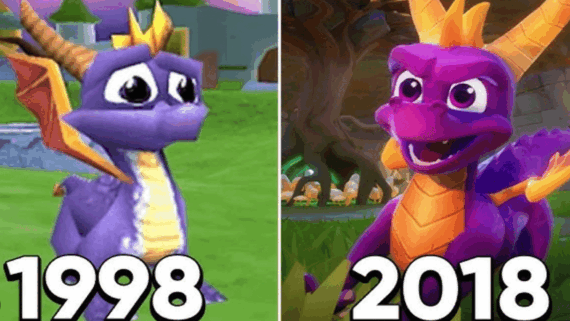
Spyro followed a similar route, though his public image was not quite as tied to one console after the early Insomniac games. The original PlayStation trilogy was developed by Insomniac, but the rights sat with Universal Interactive, then Vivendi, then Activision, then Microsoft after the Activision Blizzard deal closed in 2023. The odd part is that Spyro’s longest commercial second life arguably came through Skylanders, a series far removed from the quiet, gem-collecting platformers people first remember.
System Shock
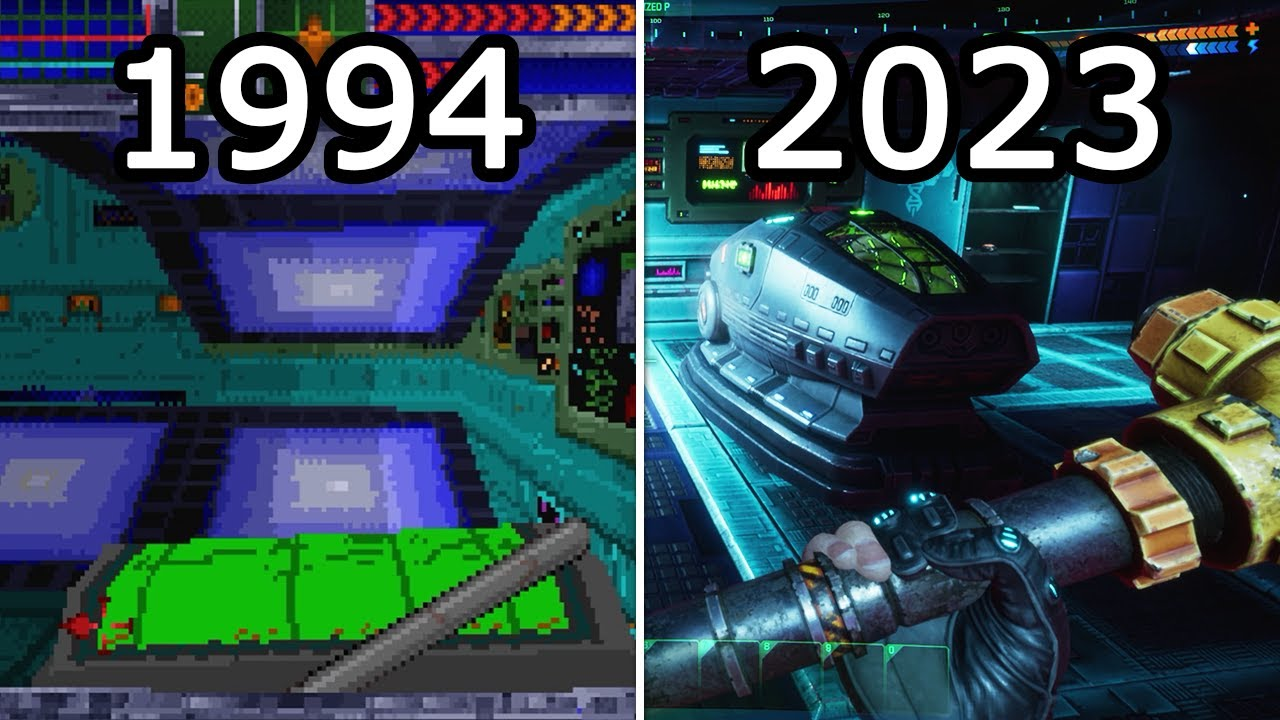
System Shock’s ownership trail sounds like something written into System Shock. Looking Glass Studios created the original, Electronic Arts published it, and after Looking Glass collapsed, the rights were tangled enough that an insurance company, Star Insurance, ended up involved before Nightdive acquired the IP in 2015. Nightdive then licensed System Shock 3 to OtherSide, rights around that project later shifted toward Tencent, and Atari acquired Nightdive in 2023. Few franchises better capture how a game can be revered culturally while its legal path becomes almost comically difficult to explain.
Homeworld
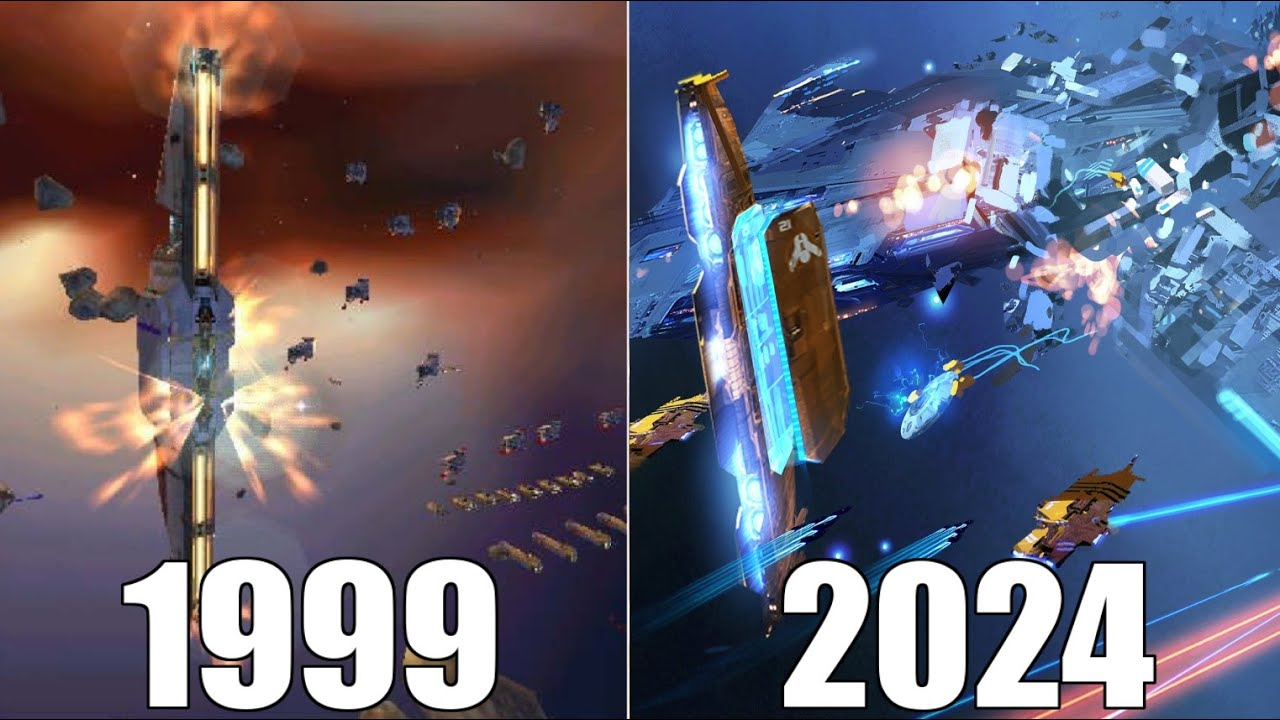
Homeworld began at Relic, published by Sierra, and for years it seemed like the kind of PC series that would simply stay frozen in late-1990s amber. THQ acquired the rights from Sierra, then THQ’s collapse sent the IP to auction, where Gearbox bought it in 2013 for $1.35 million. Gearbox later moved from Embracer to Take-Two in 2024, which means Homeworld has now passed through enough owners that even fans usually talk about eras rather than a single steward.
Saints Row
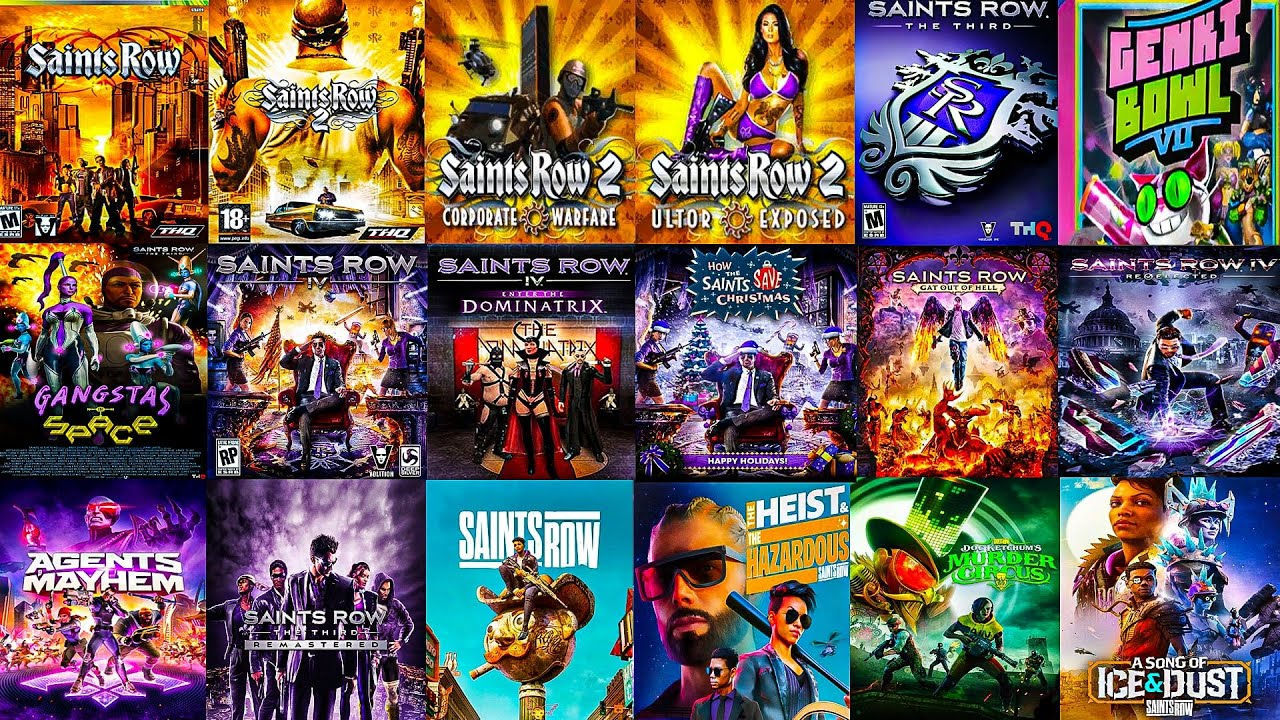
Saints Row began with Volition under THQ, then THQ’s bankruptcy scattered its assets across the industry. Koch Media bought Volition and Saints Row, placed the series under Deep Silver, and Koch itself was later acquired by THQ Nordic, now part of Embracer. The 2023 closure of Volition made the chain feel especially grim, because the studio that gave Saints Row its personality was gone while the brand remained somewhere in the larger group structure.
Darksiders
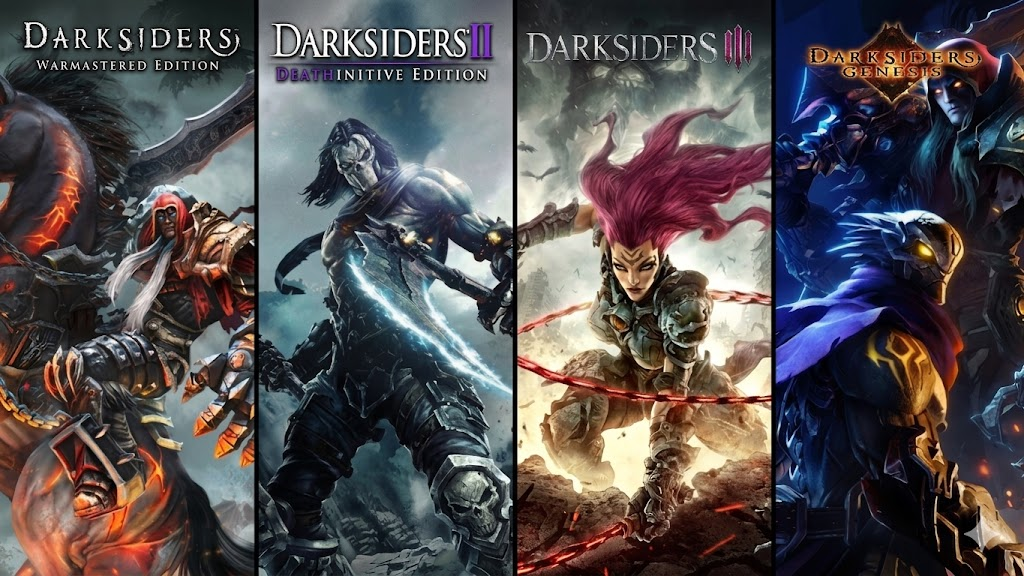
Darksiders was born at Vigil Games and published by THQ, which made its post-bankruptcy fate especially awkward. Nordic Games bought Darksiders and other leftover THQ properties in 2013 for $4.9 million, then later adopted the THQ Nordic name, turning the old publisher’s collapse into part of its own identity. The series kept going, but the original studio did not come along for the ride.
Alone in the Dark
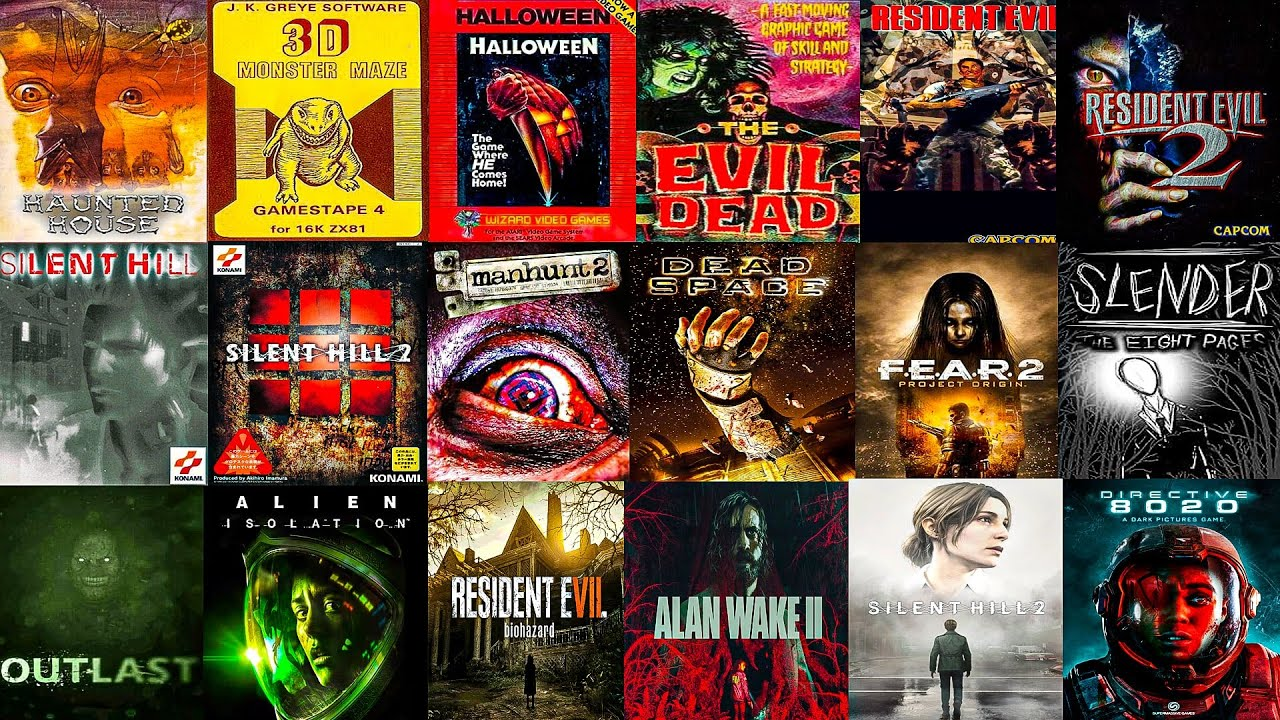
Alone in the Dark started with Infogrames in 1992, long before “survival horror” became a tidy genre label. The franchise later lived under Atari, then THQ Nordic acquired the IP from Atari Europe in 2018, including its assets, intellectual property, and publishing rights. That history is partly why new Alone in the Dark projects can feel like revivals of a revival, the name is old enough that every owner is working with someone else’s haunted house.
Command & Conquer
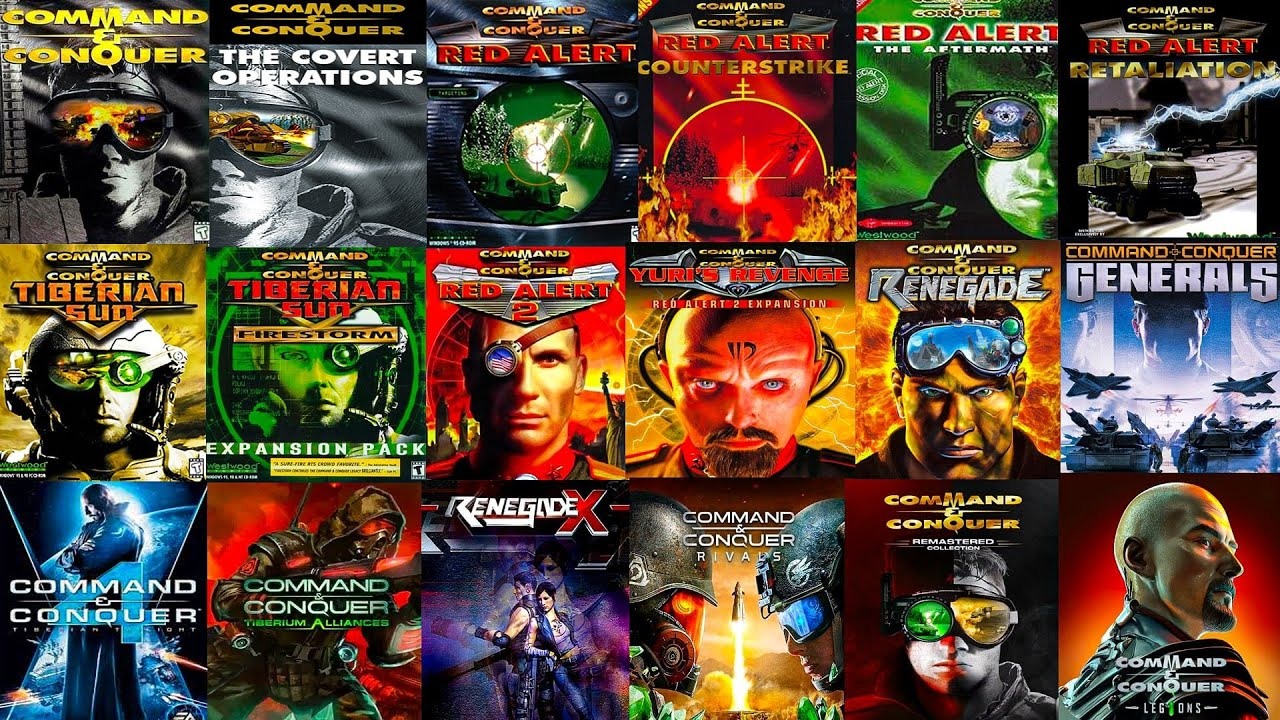
Command & Conquer is remembered as Westwood’s game, and for once the memory is mostly right. Westwood was bought by Virgin Interactive in 1992, then Electronic Arts acquired Westwood and related Virgin Interactive assets in 1998 for about $122.5 million, before closing Westwood in 2003 and folding what remained into EA Los Angeles. The brand stayed recognizable, but the original studio identity became the part fans kept mourning.
Ownership does not erase authorship, at least not for players who remember credits, box logos, and the feel of a studio’s design habits. Still, game IP has a way of outliving the people and teams that shaped it. Sometimes that leads to a careful revival. Sometimes it just leaves a familiar name sitting in a portfolio, waiting for someone else to decide what it means next.
Continue Reading: 13 Famous Game Studios That Shaped Online Gaming Trends