Streaming is supposed to be about the thing on the screen, but that has never really been how the internet works. A streamer can spend years building an audience around games, then suddenly be remembered by millions for a dance, a bad decision, a catchphrase, or one strange live moment that had nothing to do with a controller. That is part of the appeal, and part of the risk. Live platforms reward personality, timing, and accidents almost as much as skill.
IShowSpeed and the Firework That Absolutely Should Not Have Been Indoors
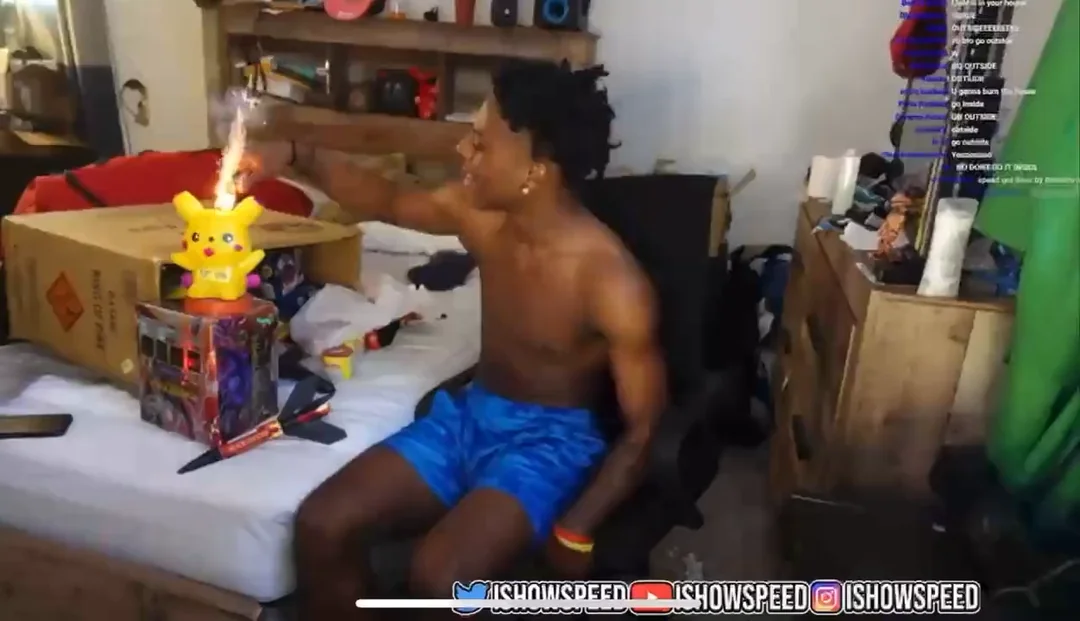
IShowSpeed has never exactly been a quiet streamer, so it takes a lot for one of his clips to feel unusually chaotic. Still, the July 2022 Pikachu firework incident managed it. During a stream, he lit the firework inside his room, apparently expecting something much smaller and more manageable, only for sparks to shoot across the space while he screamed and tried to get away from it. The clip spread because it was simple, stupid, and instantly understandable. You did not need to know anything about his gaming content, his football fandom, or his usual style to understand the panic of a person realizing he had made a very bad indoor decision.
Kai Cenat and the Giveaway That Took Over Union Square

Kai Cenat’s Union Square giveaway in August 2023 was not a gaming moment, but it showed just how far streamer fame had moved into the real world. He promoted a giveaway involving prizes like PlayStation 5s and gift cards, and thousands of people crowded into the Manhattan area. The situation got out of control quickly, with police moving in as the gathering turned chaotic. Cenat was later charged, though the case was dropped after he agreed to pay restitution and apologize. What made the story stick was not the giveaway itself, really. It was the sight of online influence suddenly becoming a public order problem in the middle of New York.
Ninja and the Times Square Floss
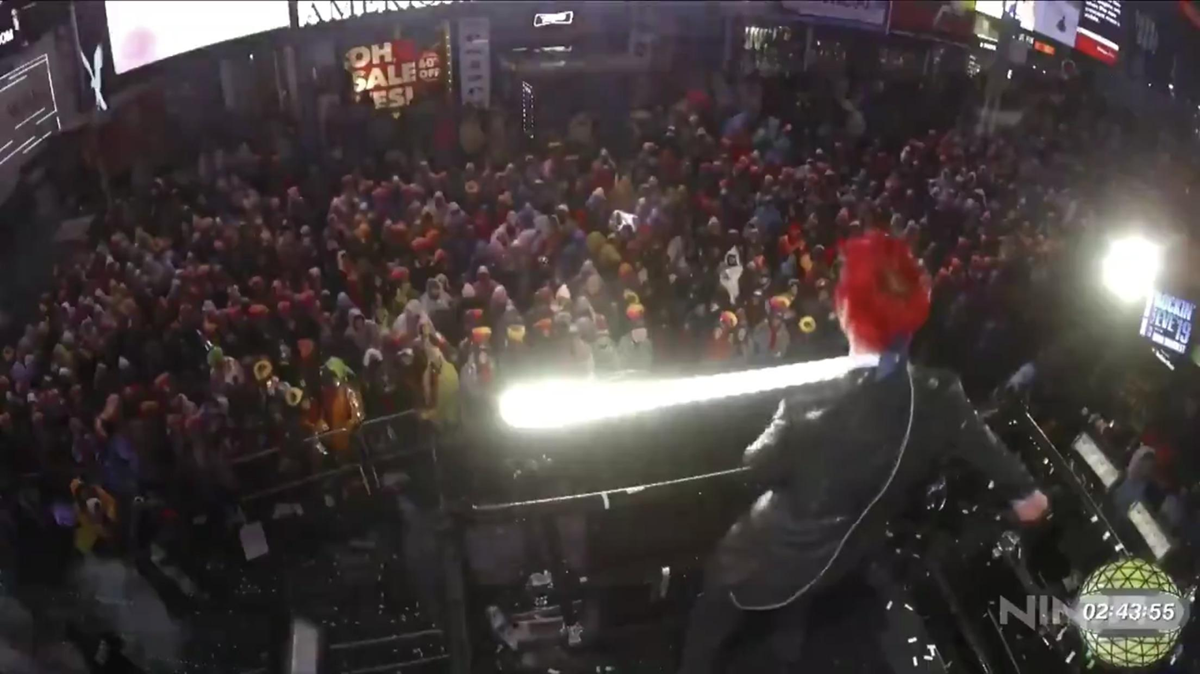
Ninja did not go viral that night because he was bad at Fortnite. He went viral because, on New Year’s Eve 2018, he tried to get a wet, tired Times Square crowd to do the Floss dance with him, and almost nobody seemed interested. The clip was awkward in a very human way. It captured the exact second where internet culture met a freezing real-life crowd and did not quite translate.
Dr Disrespect and the E3 Bathroom Stream
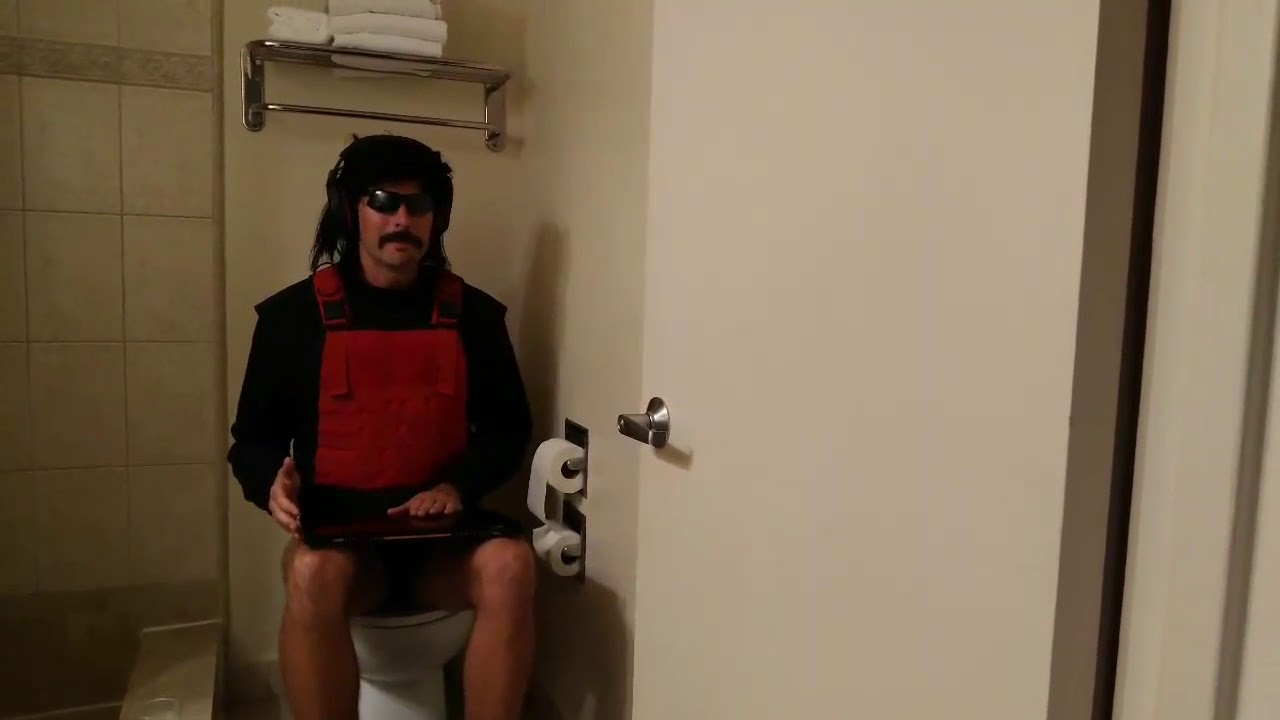
Dr Disrespect’s E3 2019 controversy was one of those incidents where the mistake was obvious the second people heard what happened. During an IRL stream at the Los Angeles Convention Center, his camera crew entered a public bathroom while the broadcast was still live. Twitch suspended him, and his E3 badge was revoked. The clip had nothing to do with games, even though it happened at one of gaming’s biggest events. It was more about the growing pains of IRL streaming, where carrying a camera everywhere can make some creators forget that not every space is content.
Ludwig and the Month-Long Stream Where Sleeping Counted
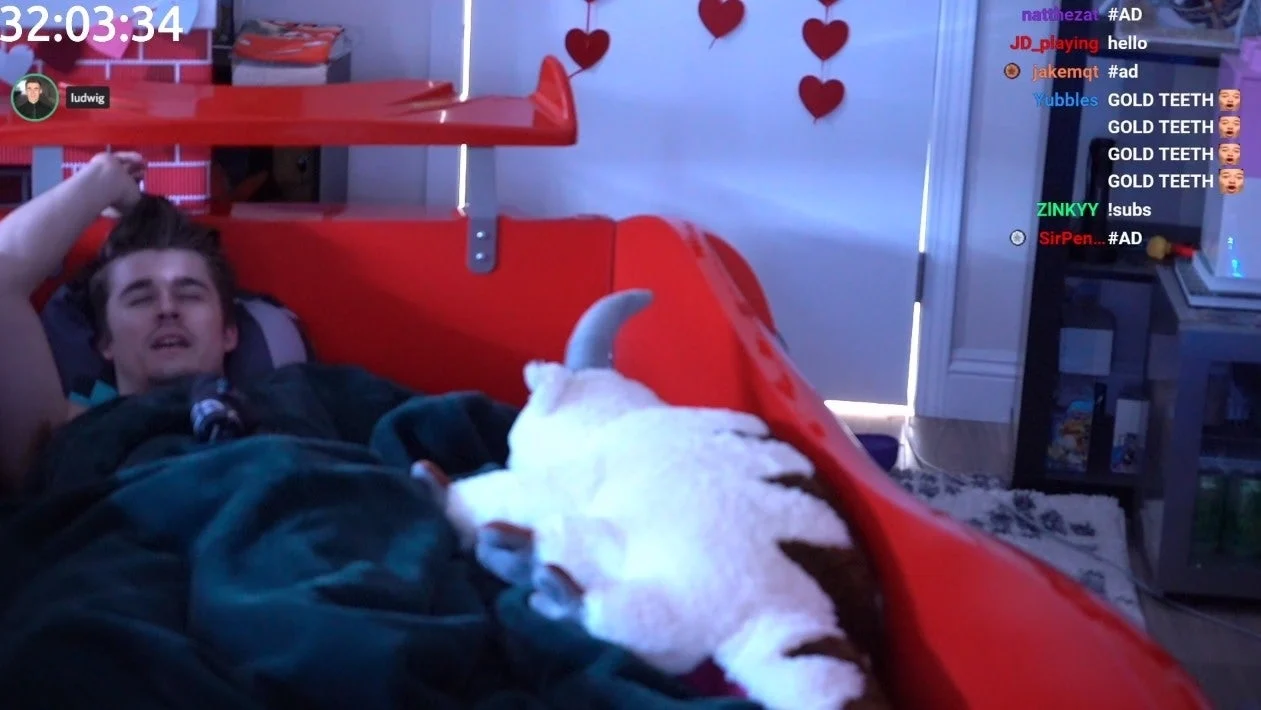
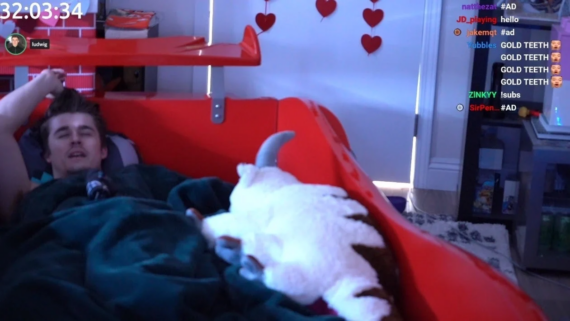
Ludwig Ahgren’s 2021 subathon technically included plenty of gaming, but that is not why it became a wider story. The stream ran for 31 days, and a lot of the attention came from the ordinary parts, sleeping, eating, chatting, letting the timer keep going while the stream became a kind of shared routine. He eventually broke Ninja’s Twitch subscriber record, ending with more than 280,000 subscribers. The odd thing was how normal much of it felt. Viewers were not always watching for a highlight. Sometimes they were just checking in on a room.
Trending on realmoneygamer.com
Amouranth and the Strange Business of Sleep Streaming
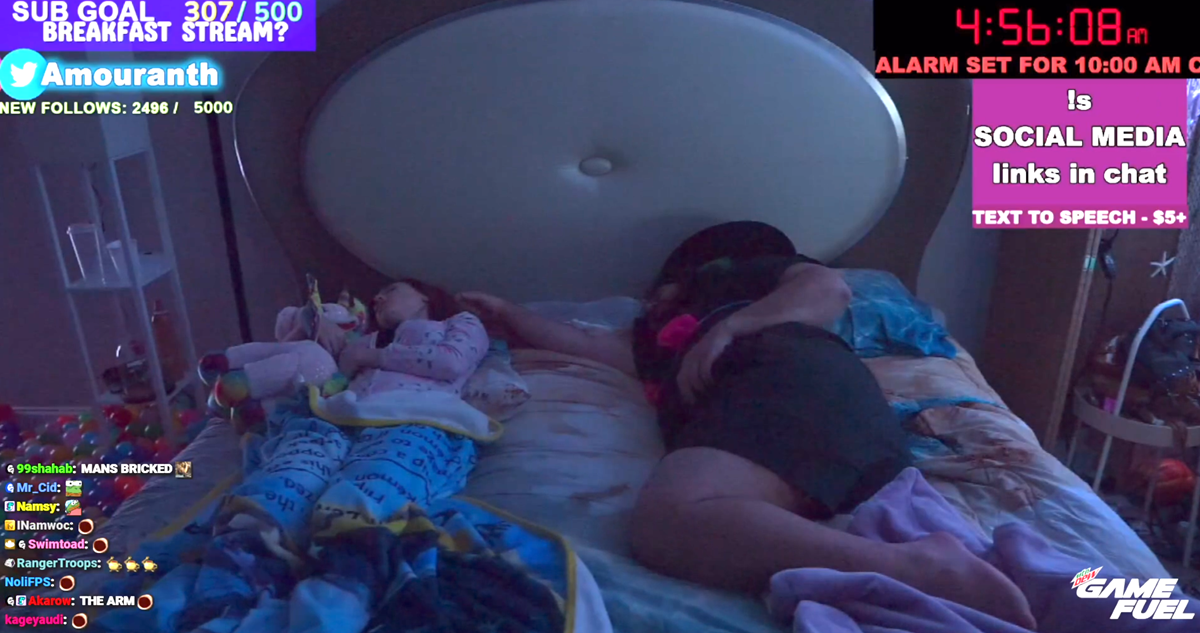
Amouranth became one of the names most often attached to sleep streaming, a genre that still sounds fake if you explain it too quickly. Viewers would donate, trigger alerts, talk in chat, or simply watch while a streamer slept. The appeal was not really gameplay, or even performance in the usual sense. It was presence, which has always been one of streaming’s more quietly powerful currencies.
Fandy and the Livestreamed Birth
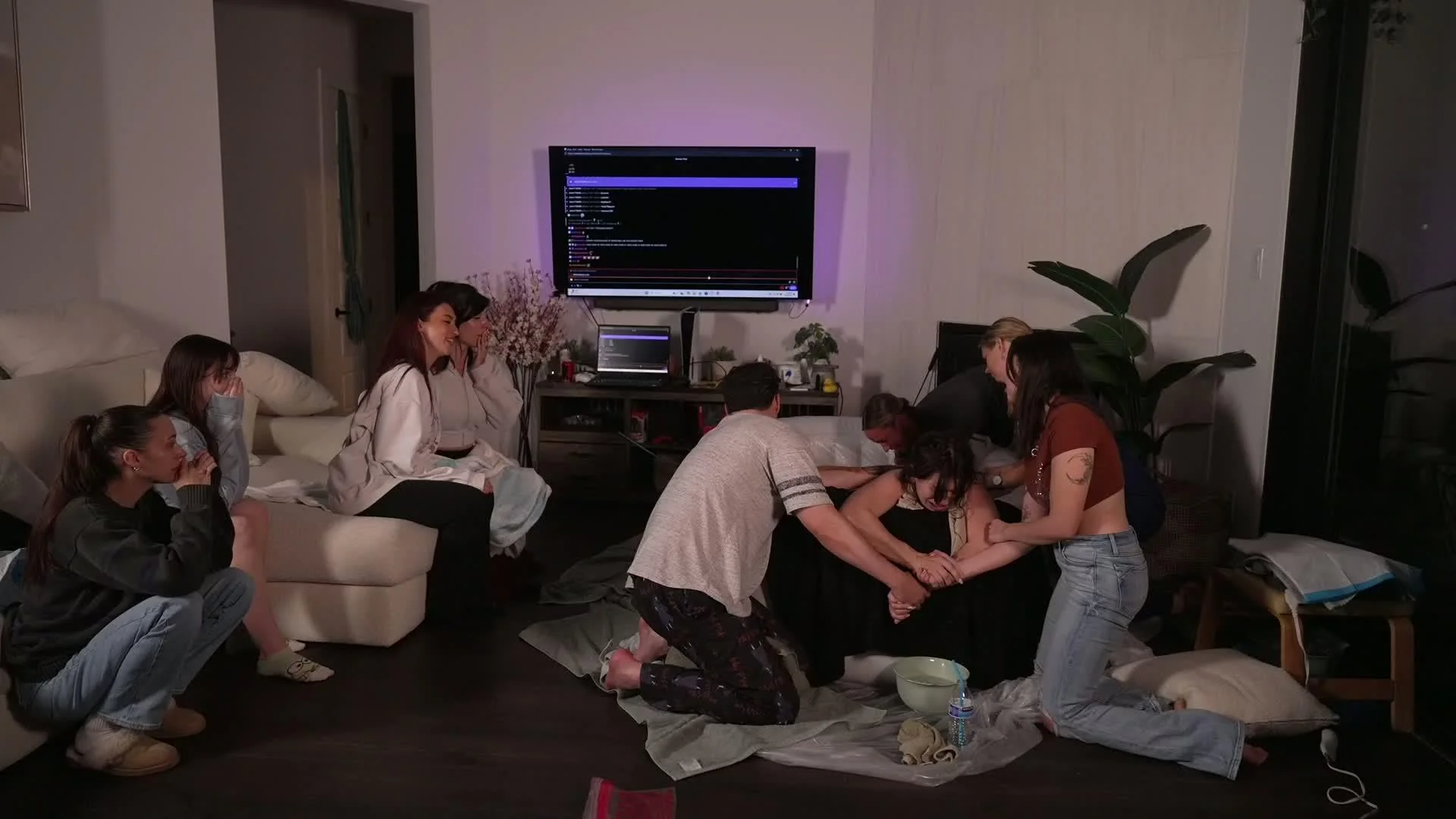
Fandy’s October 2025 livestream was about as far from a normal gaming broadcast as Twitch can get. The World of Warcraft streamer livestreamed the birth of her daughter, Luna, during an at-home water birth that lasted for hours and drew a large audience. Some viewers found it moving, others found it uncomfortable, and plenty probably clicked because they could not believe it was really happening. It was one of those moments that made people ask what livestreaming is actually for now.
Sketch and “What’s Up, Brother?”
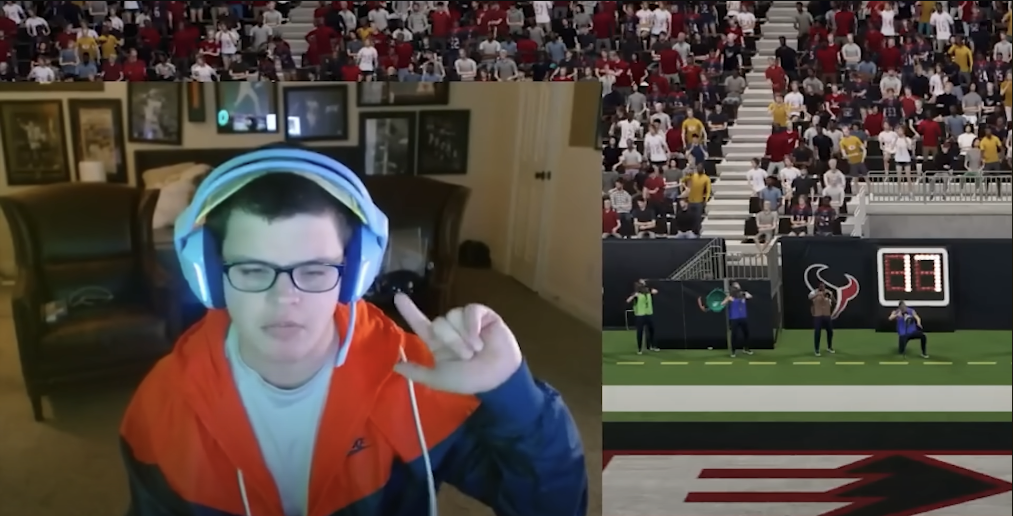
Sketch was already known in Madden circles, but “What’s up, brother?” traveled much farther than that. The greeting, with the finger raised and the strange little rhythm of the delivery, became a TikTok test, a sports celebration, and a phrase people repeated without necessarily knowing where it came from. It is funny how small the original ingredient was. Not a stunt, not a scandal, not a record-breaking stream, just a greeting that sounded weirdly perfect for copying.
Jerma985 and the Face That Became “Sus”

Jerma985 has been clipped and remixed so many times that some people know the memes better than the streamer. The “Sus Jerma” image, an edited version of his face with an exaggerated grin, became tied to Among Us jokes and spread far beyond his own audience. A lot of people who used it probably had no idea what Jerma actually streamed. That may be the strangest kind of streamer virality, becoming famous through a distorted version of your own face.
Pokimane and the Cookie Backlash

Pokimane’s Myna Snacks launch in 2023 probably would have drawn criticism no matter what, because creator products always get picked apart online. But the moment that really spread was her “broke boy” comment to a chatter during the backlash over pricing. She later said it was meant as a joke toward one person, not a broad insult, though the internet rarely keeps that kind of context intact. The cookies became part of the story, but the phrase became the part people repeated.
Maya Higa and the Animal Sanctuary Era
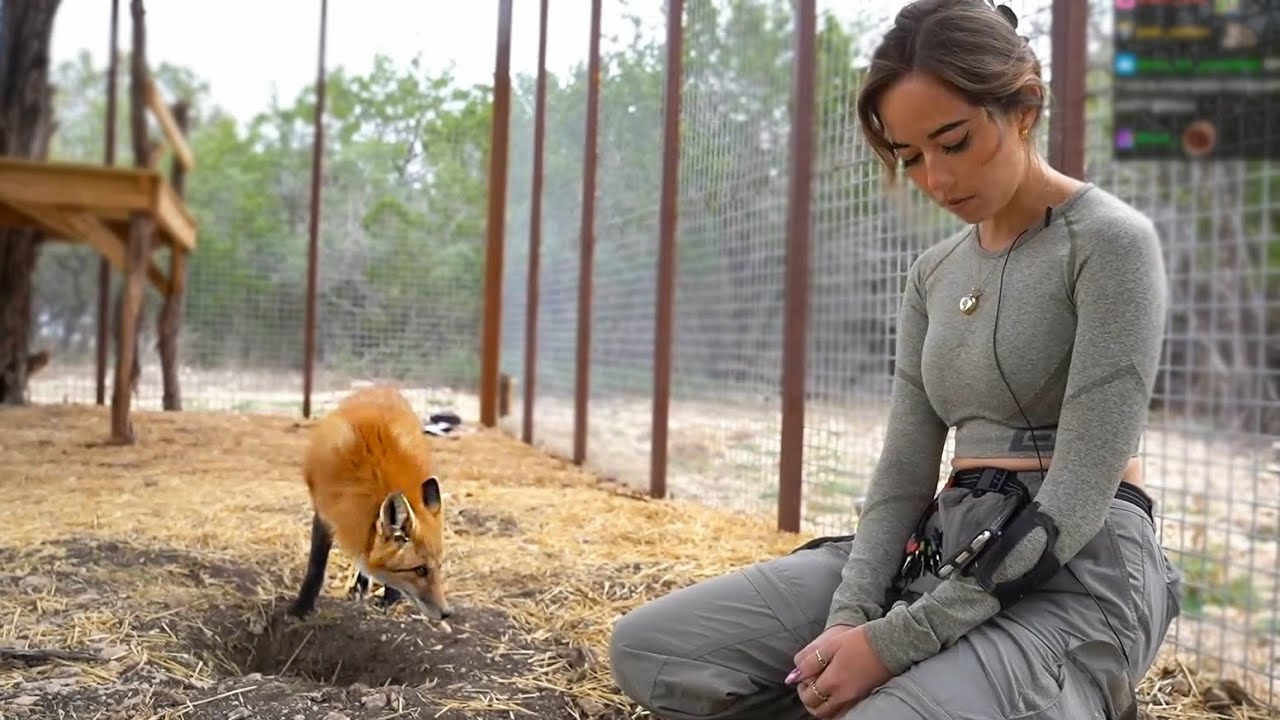
Maya Higa’s most interesting viral turn was quieter than most of the others on this list. She became known for animal education and conservation content, then helped build Alveus Sanctuary, which uses livestreaming as a way to teach viewers about animals. It is still Twitch, still chat-driven, still shaped by creator culture, but the point is not beating a boss or reacting to drama. It is watching animals and learning something in between the jokes.
Streaming keeps proving that the game is often just the starting point. The moments that escape into wider culture tend to be messier, smaller, or stranger than anything a creator could plan cleanly. Sometimes that is a catchphrase. Sometimes it is a mistake. Sometimes it is just the camera being on when something else happens.
Continue Reading: 12 Streaming Scandals That Shook the Entire Gaming Community to Its Core