Gaming ads from the 90s and early 2000s played a key role in how people discovered new consoles and games. Before digital platforms, these campaigns were designed to capture attention quickly and stay in your head. Brands used bold visuals and simple messaging to make their products stand out. For many players, these ads were the first contact with a new release. They helped build interest and set expectations around each console. In this list, we look at 10 examples that left a clear mark on that era.
1. Try It, Rent It, Regret It: The Virtual Boy Experience
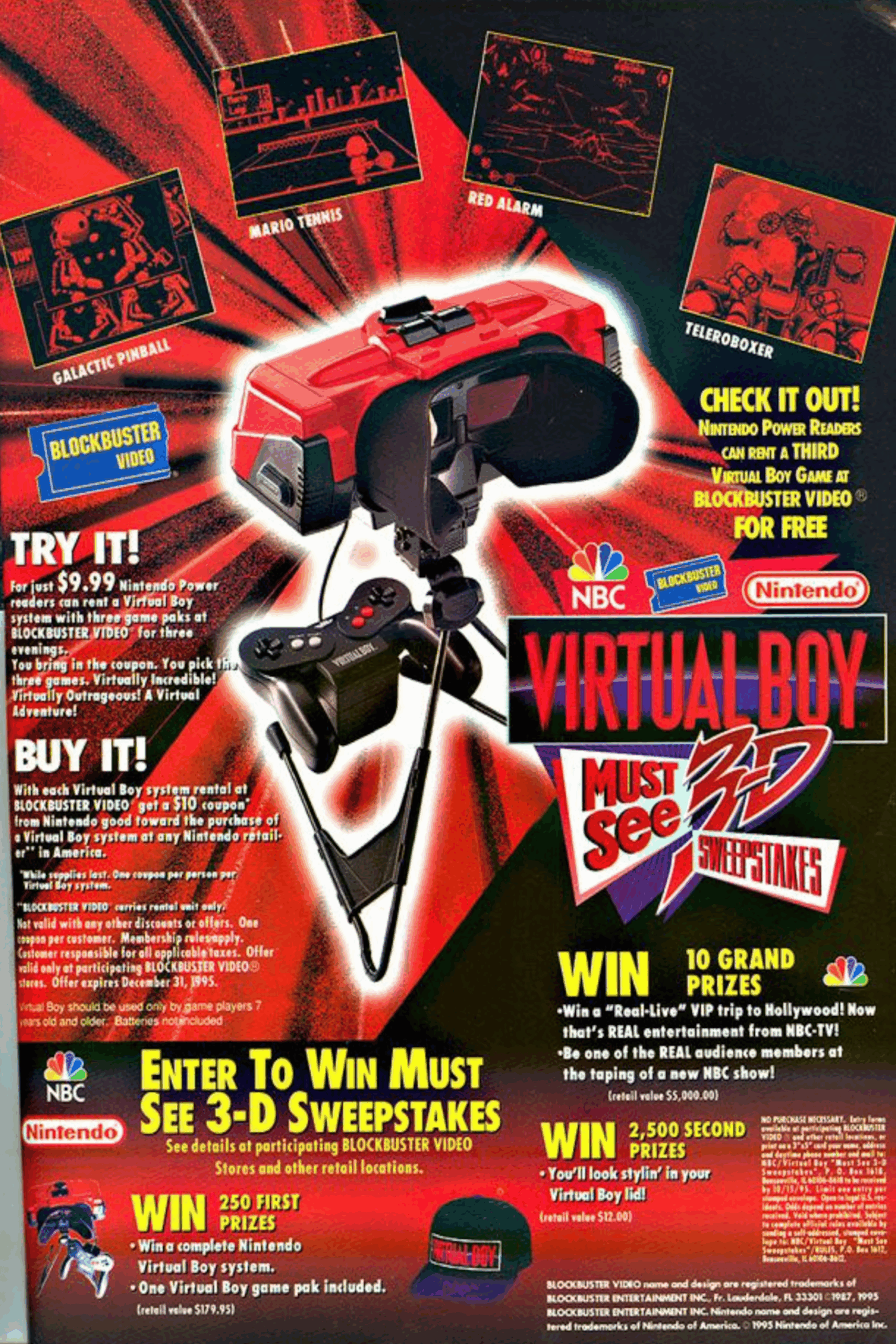
The Virtual Boy campaign pushed rentals heavily, hinting that even Nintendo knew it needed to be experienced before anyone would commit to buying it.
2. Gaming Ads That Tried to Sell You 64 Bits Like It Was Magic
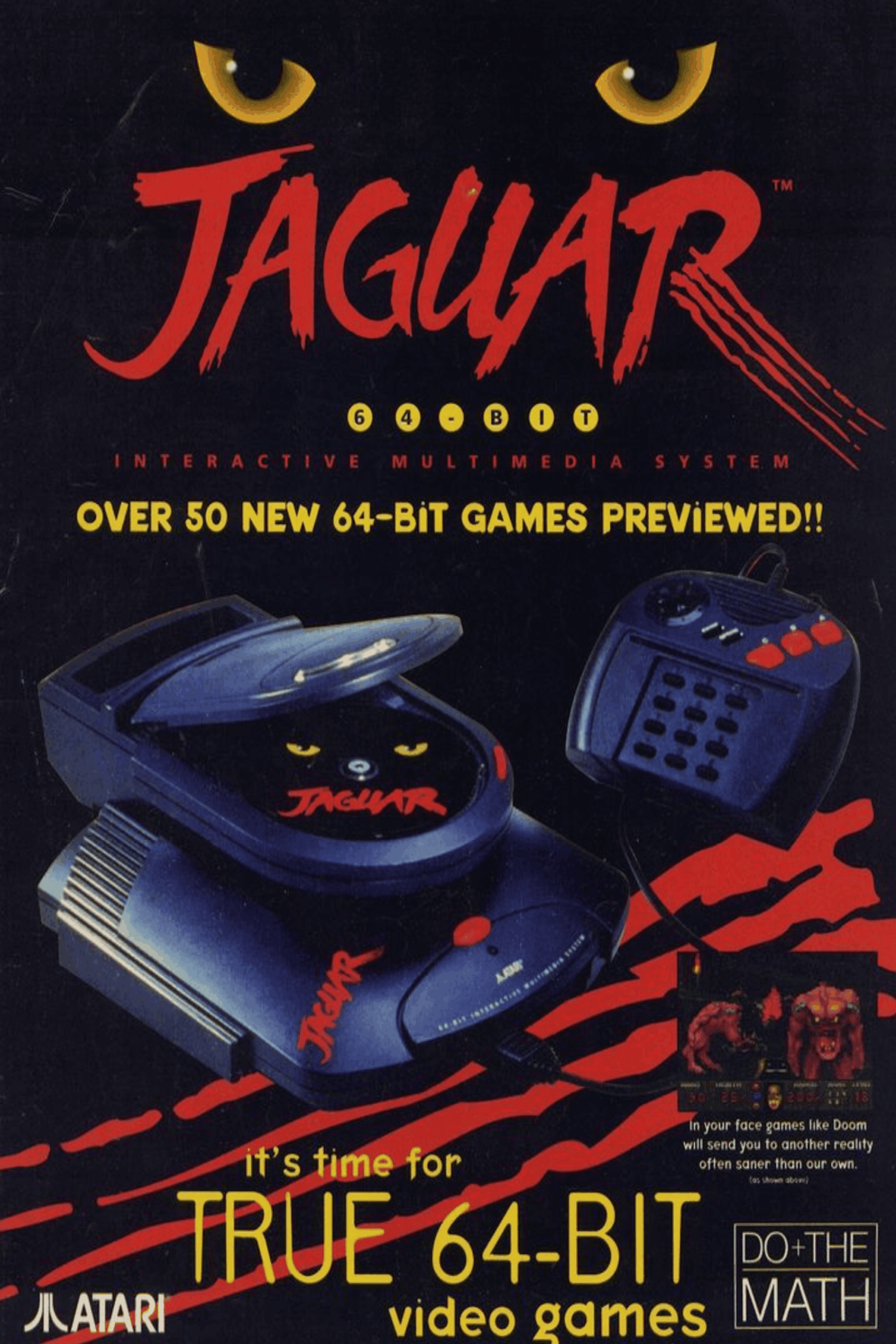
Atari Jaguar campaigns leaned heavily on specs, pushing the “64-bit” label as a symbol of superiority. These Gaming Ads often focused more on numbers than actual gameplay.
3. This Is Your Brain on Super Nintendo
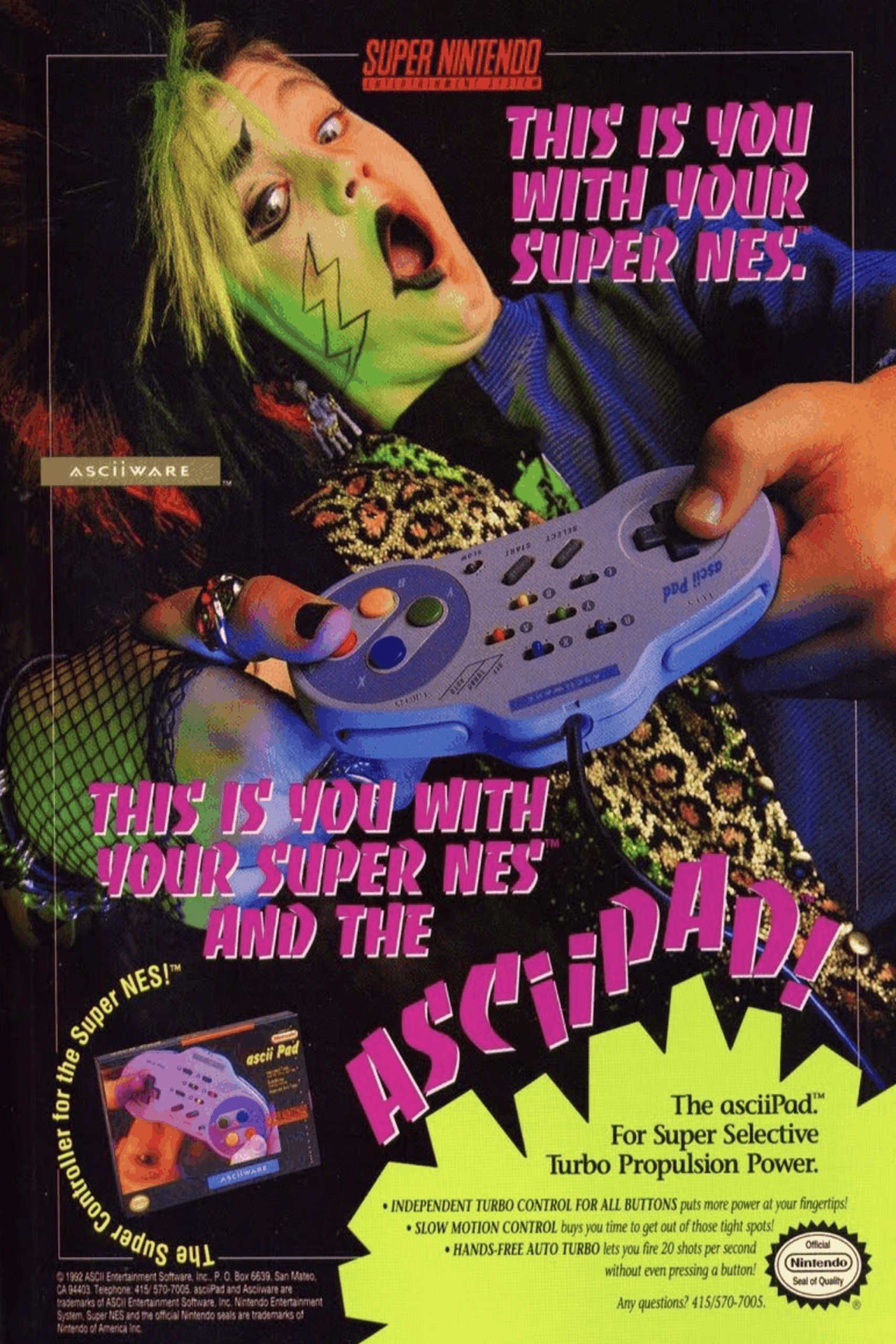
This chaotic SNES ad uses exaggerated visuals and attitude to make gaming feel intense and almost rebellious, tapping directly into 90s counterculture energy.
4. Pocket Power That Tried to Punch Above Nintendo’s Weight
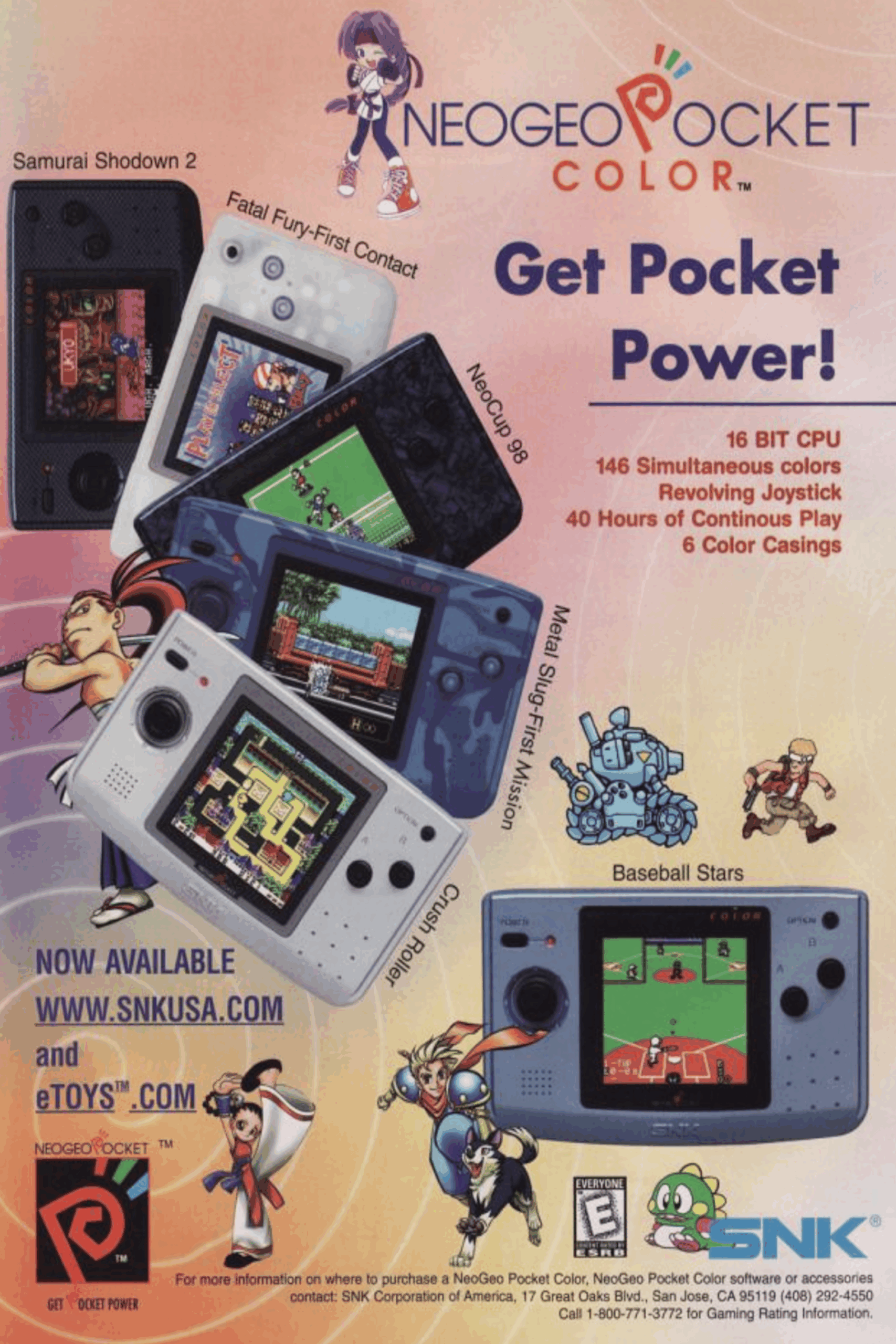
The Neo Geo Pocket Color positioned itself as a serious handheld with strong specs and arcade-style games. It was one of the few challengers that actually had a shot, even if it didn’t last.
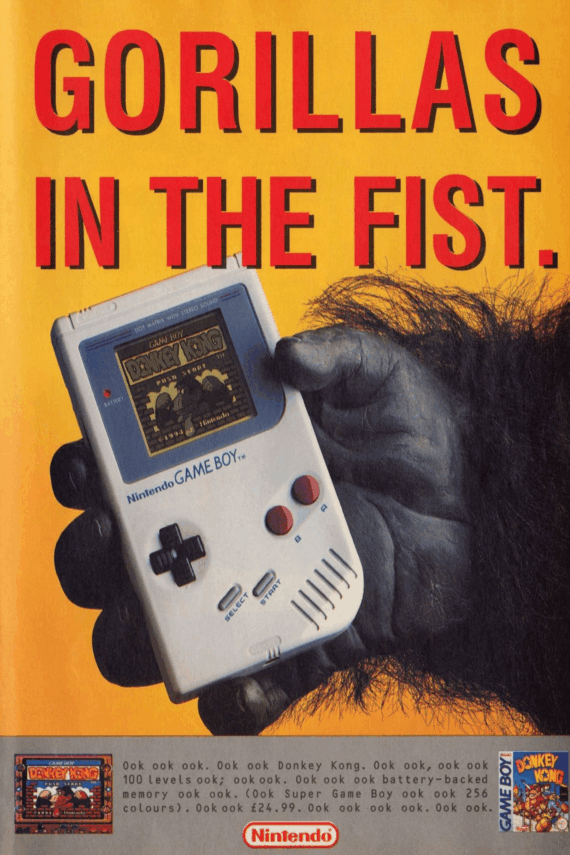
5. Gorillas in the Fist: When Marketing Went Full Primal
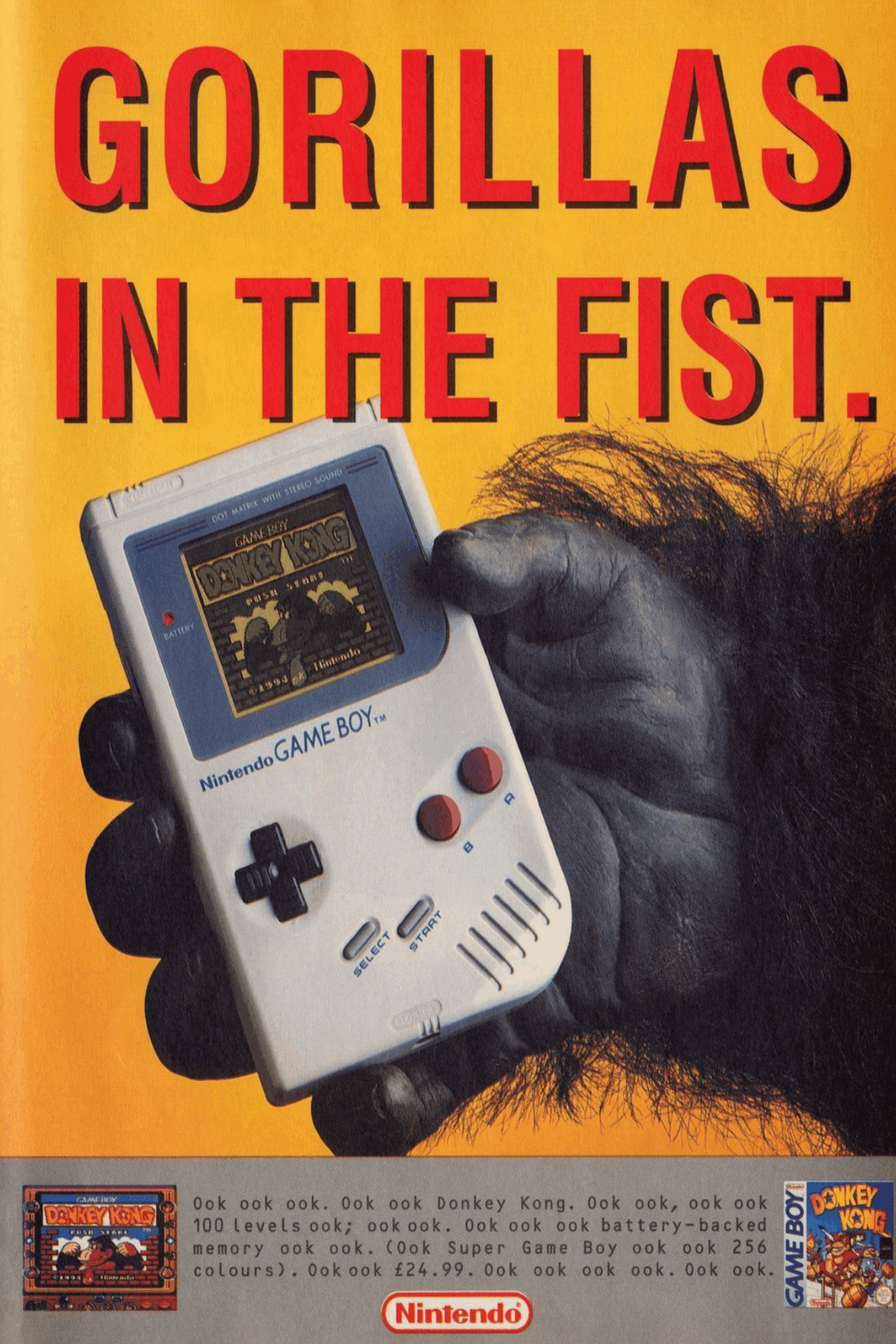
Nintendo leaned into exaggerated strength and instinct, making the Game Boy feel powerful despite its small size. It’s weird, loud, and unforgettable.
Trending on realmoneygamer.com


6. Way Cool… or Stay Frozen in the Past
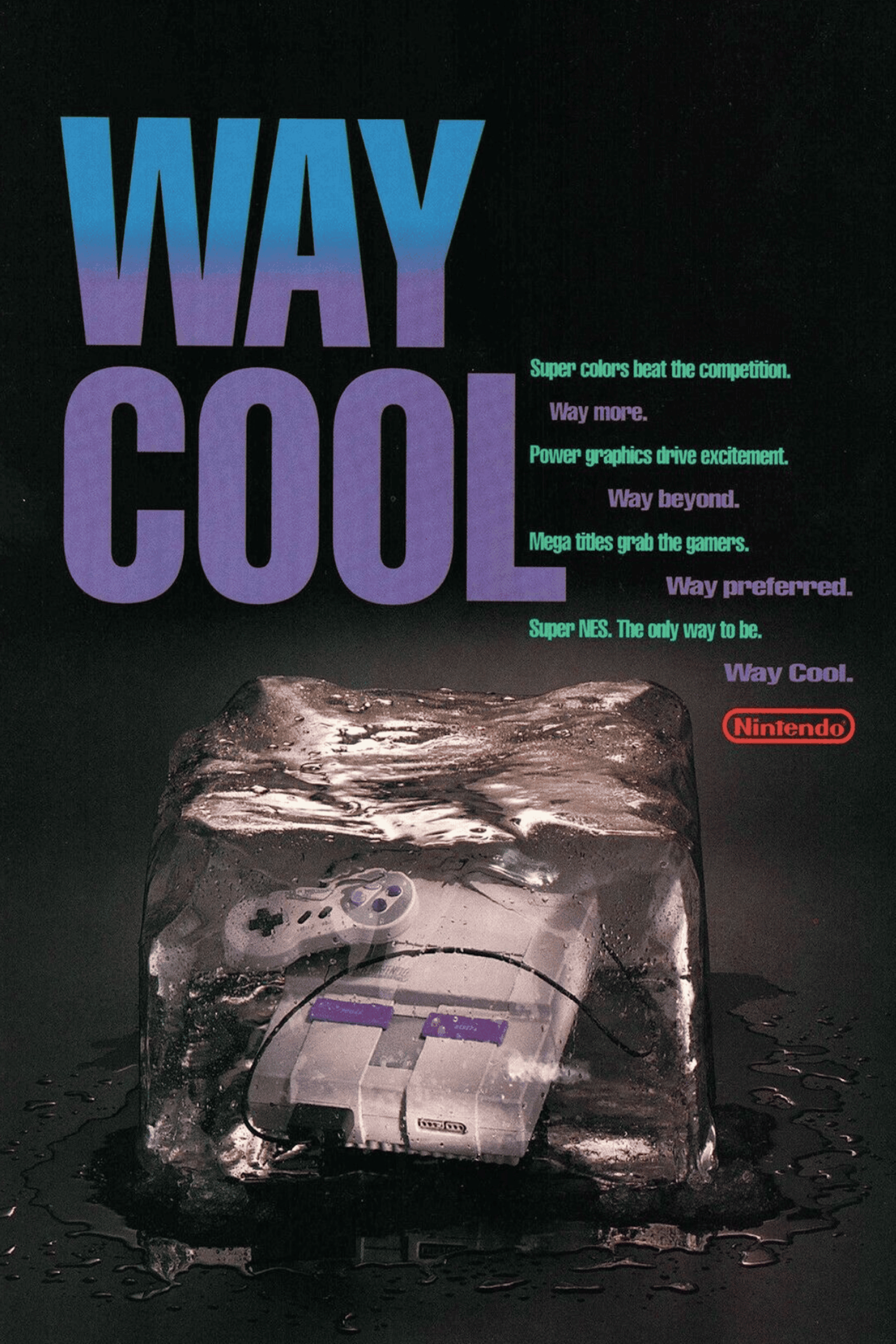
Nintendo’s SNES ad literally freezes the competition, turning the console into a block of ice to suggest everything else is obsolete. It’s pure 90s attitude: bold colors, minimal visuals, and a message that screams dominance without overexplaining.
7. Sleepless Nights Sold Separately
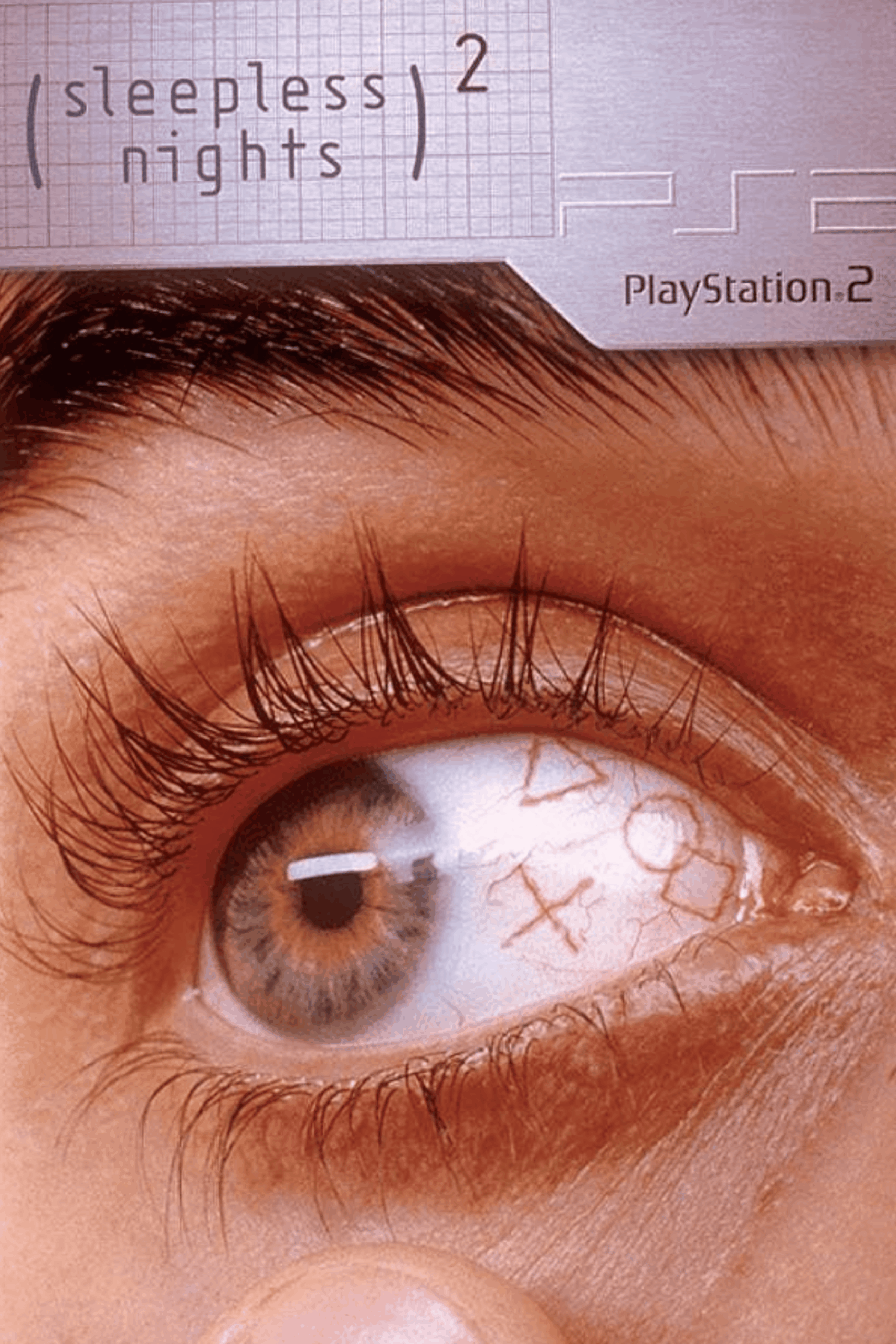
This PlayStation 2 ad leans into obsession, showing a bloodshot eye after endless gaming sessions. It sells the idea that gaming isn’t casual anymore, it’s something that takes over your routine.
8. Nintendo’s Robot That Promised the Future… and Delivered Curiosity
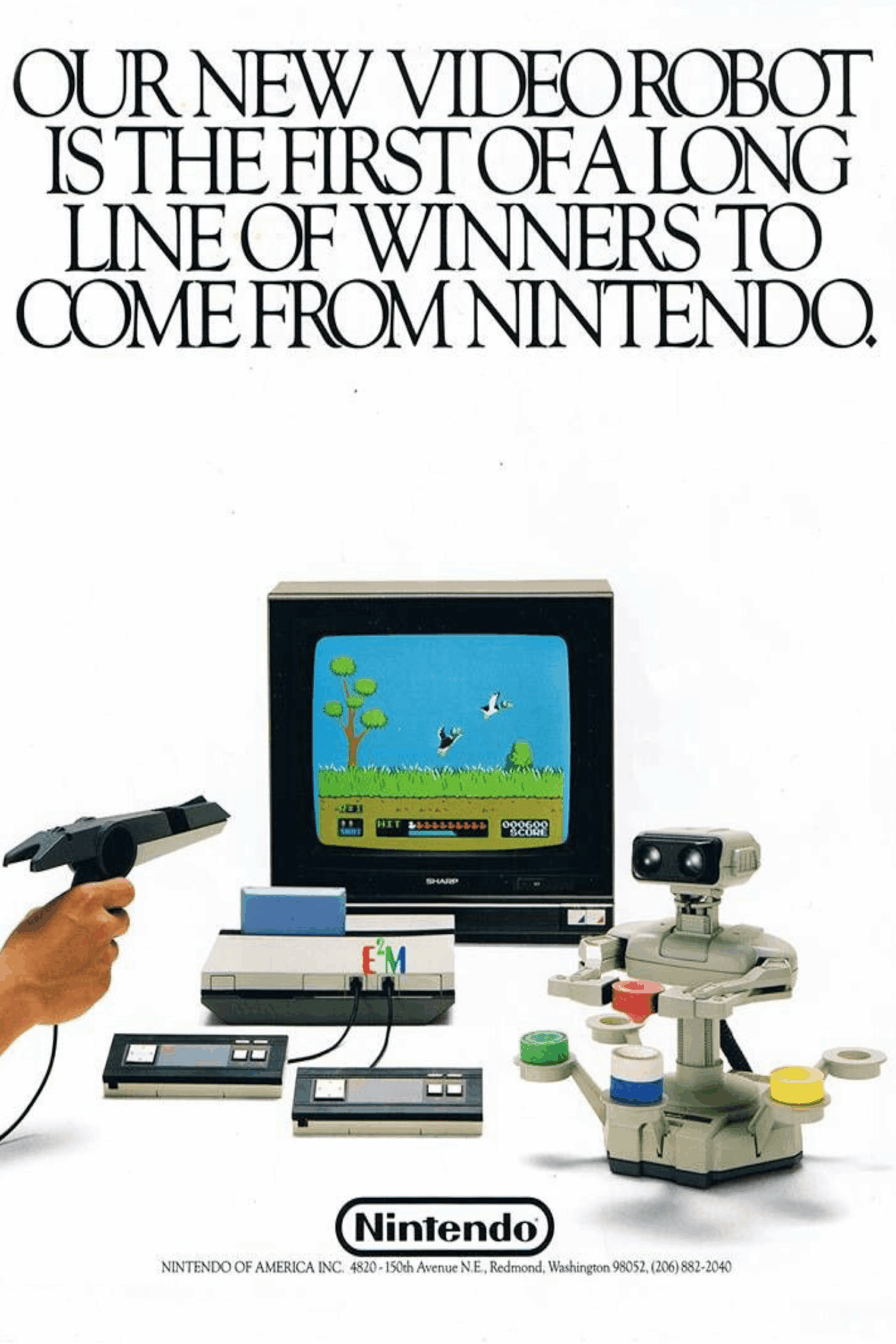
R.O.B. was marketed as a futuristic companion rather than just an accessory. It helped Nintendo re-enter a broken market by making the NES feel like something entirely new.
9. America’s New Grip on Gaming… Literally
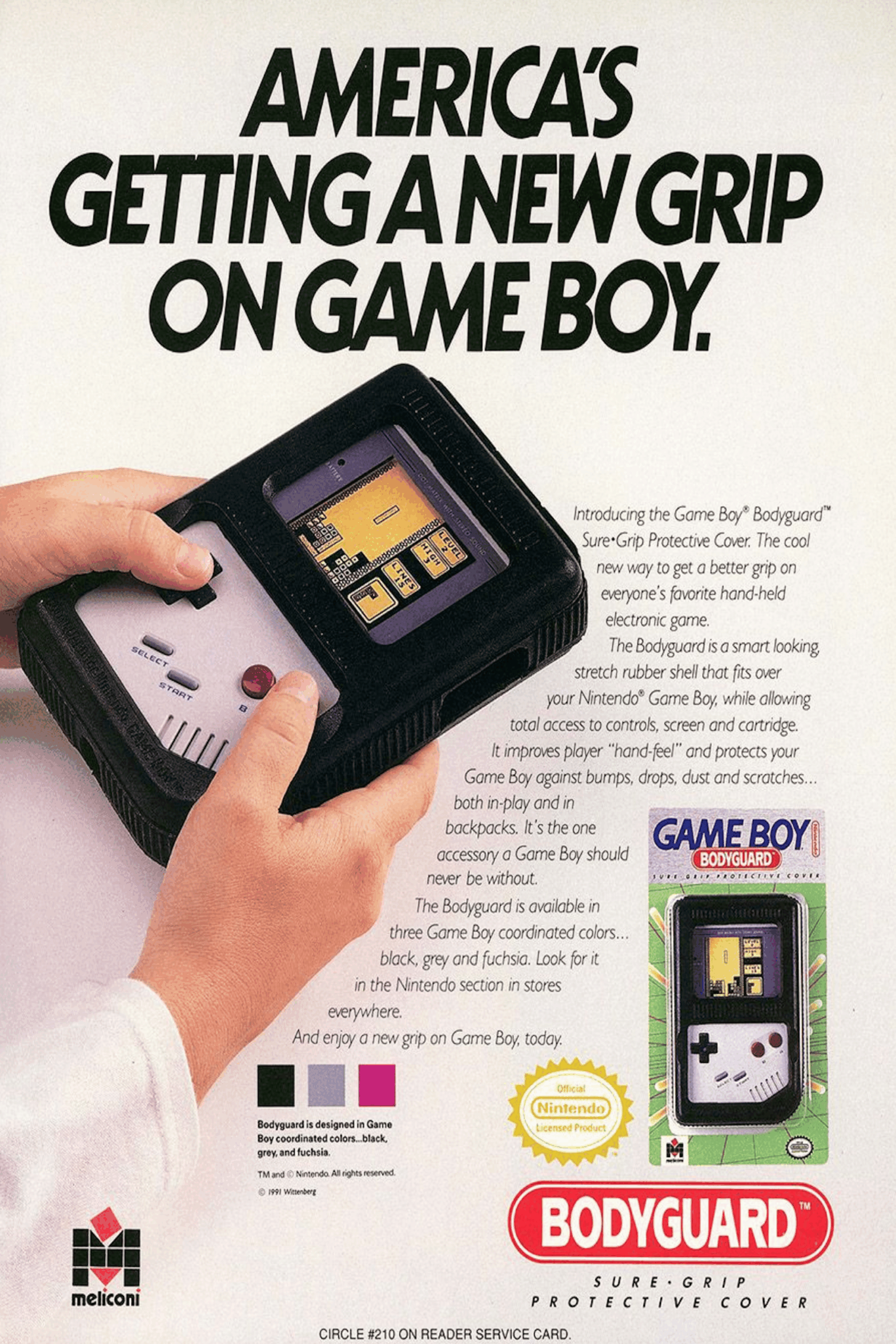
This Game Boy accessory ad focused on comfort and protection, showing how early handheld gaming already had a growing ecosystem of add-ons.
10. The Camera Never Lies… Except When Nintendo Wants It To
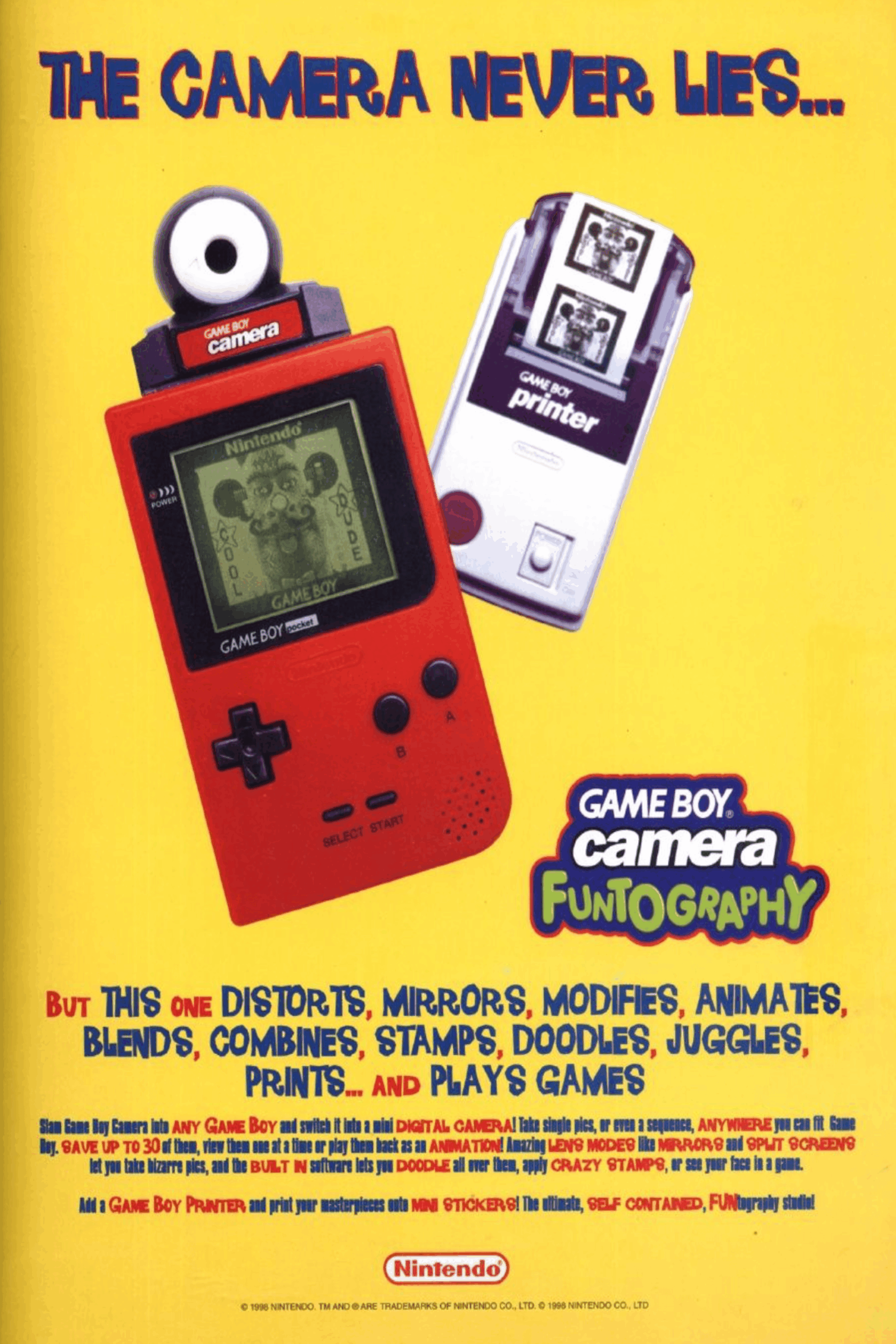
The Game Boy Camera ad leans into creativity over realism, turning a basic accessory into a playful tool for selfies, edits, and weird filters long before smartphones. These gaming ads showed how Nintendo sold imagination instead of raw power, making even a tiny camera feel like a full creative studio.
11. Say Hello to Atari VR… and Goodbye to Reality (Almost)
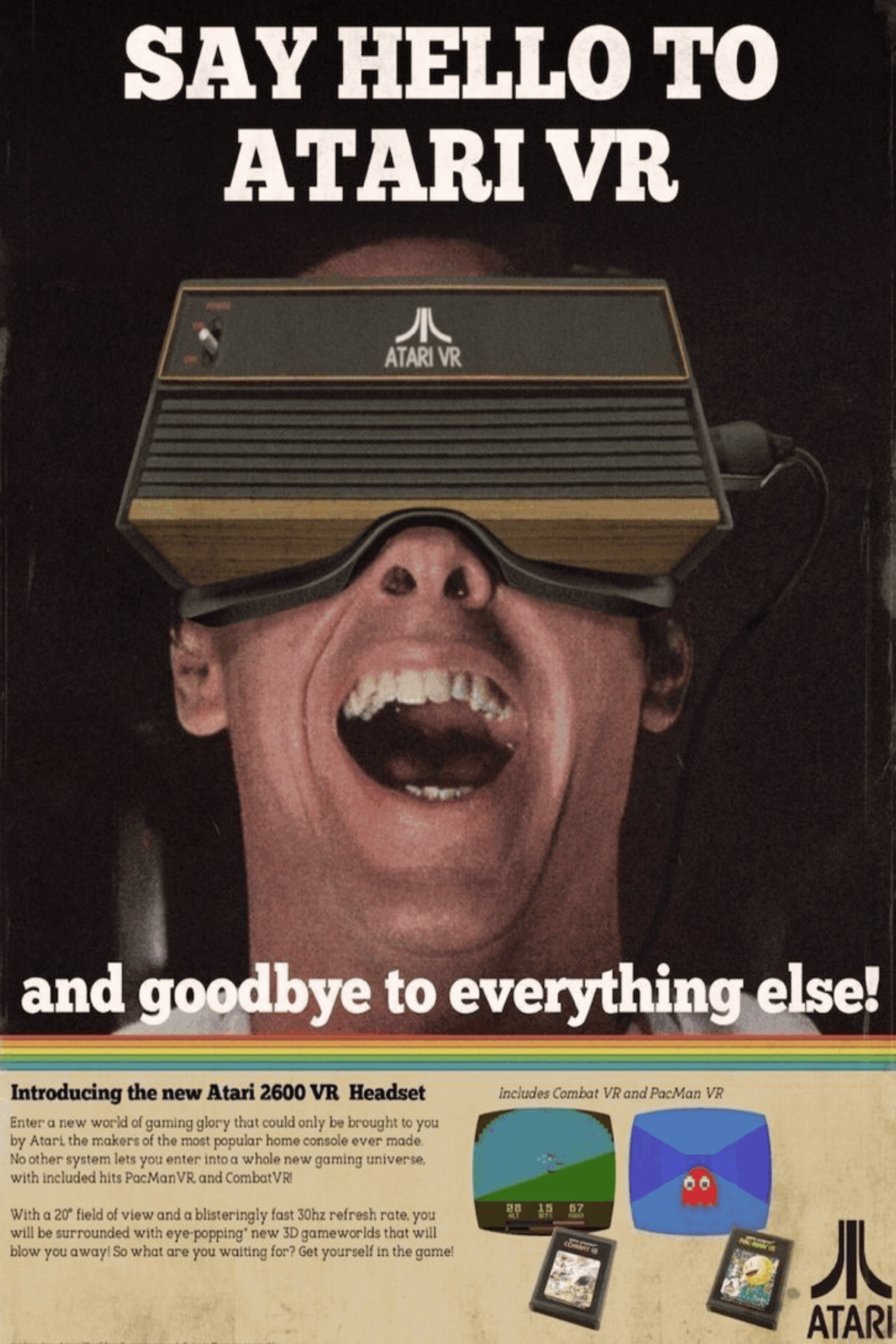
This Atari VR concept ad sells a futuristic dream that never fully materialized, promising immersion way ahead of its time. Like many experimental campaigns, these gaming ads focused more on the fantasy of next-gen tech than what players would actually experience.
12. SEGA CD: Stop Waiting and Start Flexing Your Future
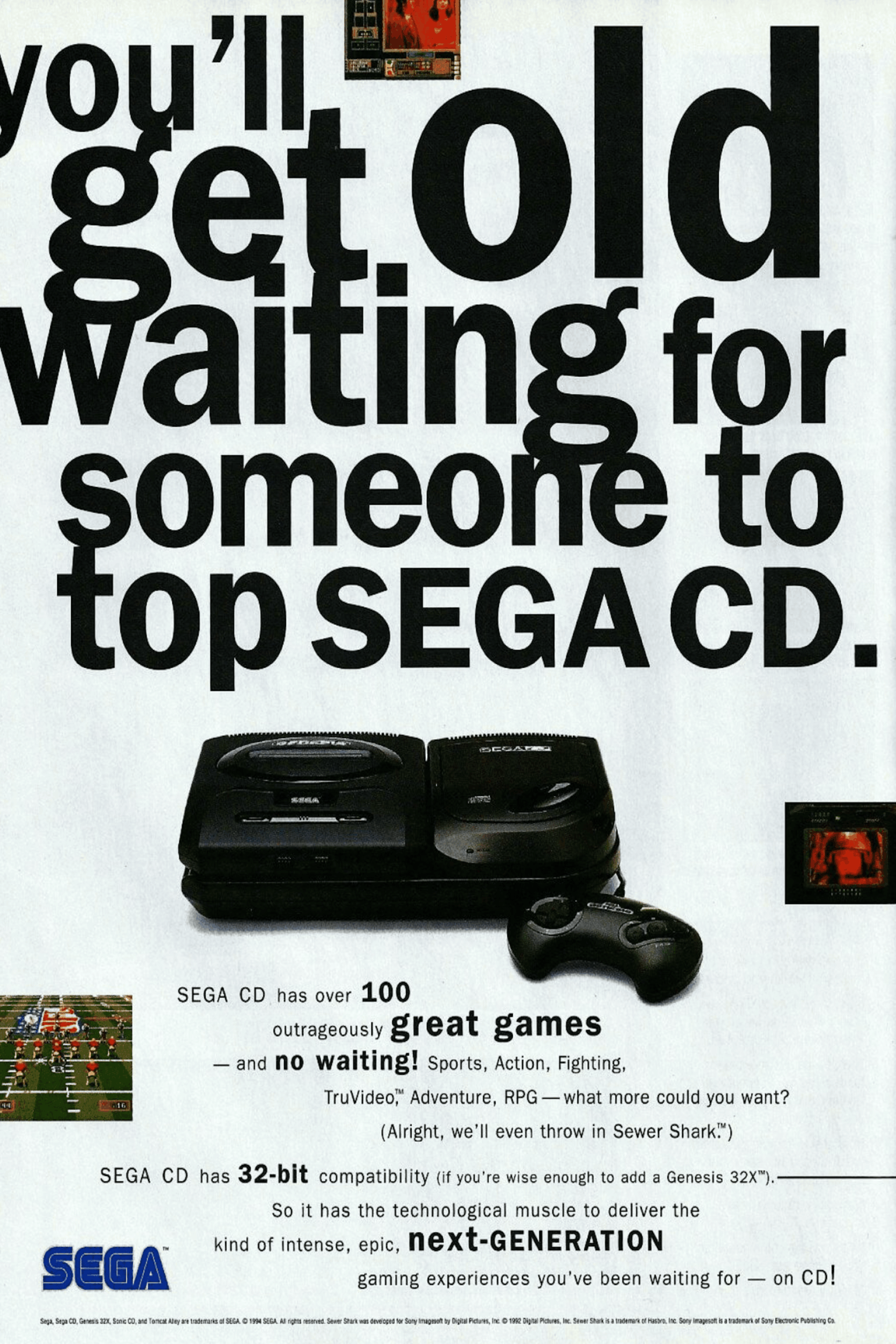
This ad goes straight for impatience, framing the SEGA CD as the upgrade you shouldn’t be waiting on while everyone else catches up. Instead of subtlety, it pushes volume more games more power more next gen before that term was even fully defined. In many ways, gaming ads like this weren’t just selling hardware, they were selling urgency buy now or feel left behind.