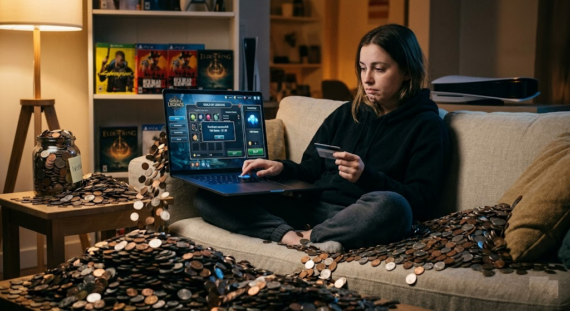
For a long time, buying a game was simple. You paid once, took it home, and that was that, unless you wanted an expansion pack later. That version of the business still exists, but it is no longer the whole story, and in some corners it barely feels like the story at all. These days, the money often comes in through smaller doors, the kind players stop noticing because they are built into the flow of play.
Battle passes make people feel like they already paid with their time
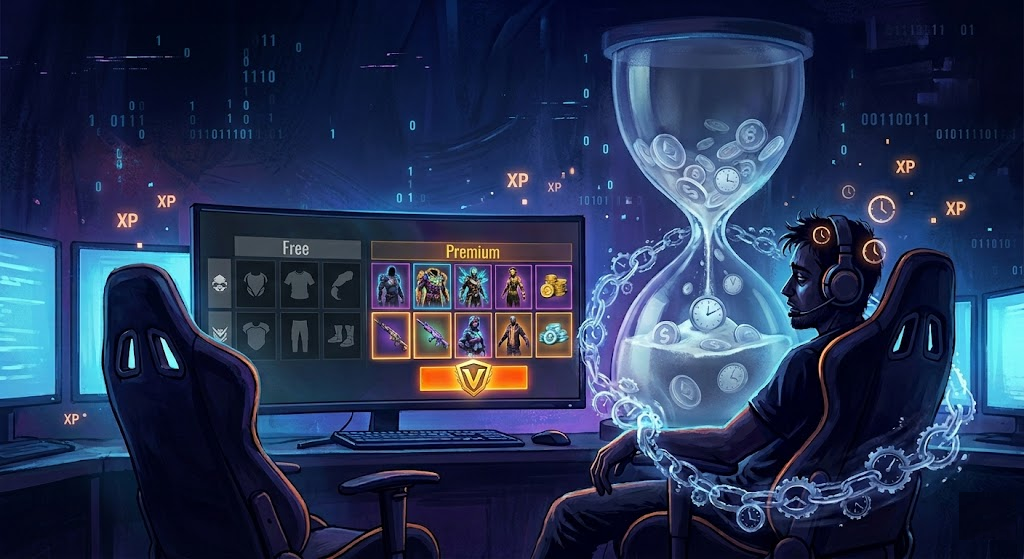
One of the sharpest tricks in modern gaming is selling progression twice. First, players put in the hours, match after match, challenge after challenge, and then somewhere along the way the game suggests that all that effort would count for more if they just unlocked the premium track. By then it no longer feels like buying extra stuff, it feels like collecting rewards that should not go to waste. That is why battle passes work so well, they turn time into pressure.
Premium currency makes prices feel softer than they are
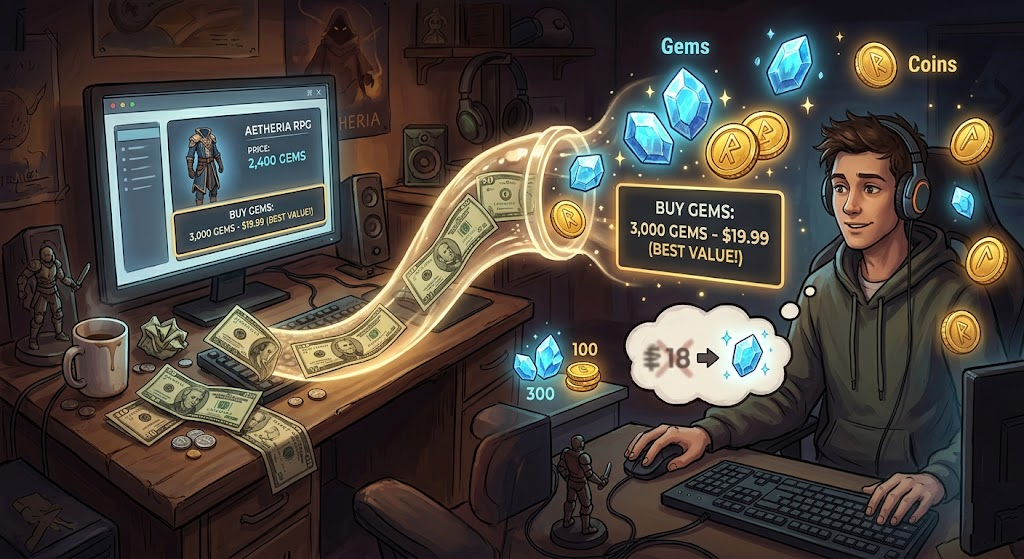
A costume does not cost $18, it costs 2,400 gems, or 1,800 coins, or whatever fictional currency the game invented for its store. That layer matters more than publishers like to admit. Once real money is converted into tokens, the connection gets fuzzier, and spending becomes easier to shrug off. It also helps that the bundles are usually awkward on purpose, so players buy more currency than they need and end up sitting on leftovers that make the next purchase easier.
Limited-time shops turn hesitation into panic
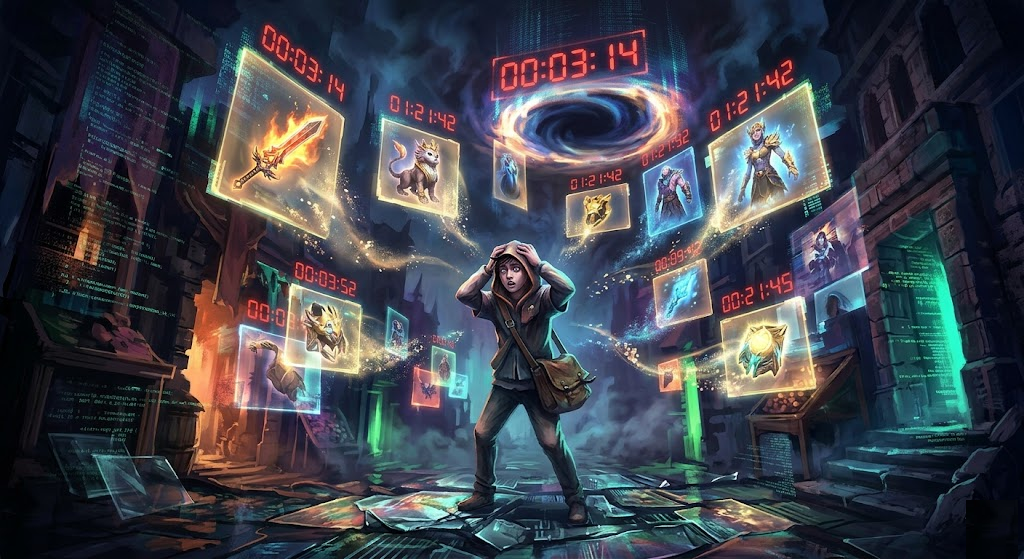
There is a reason so many in-game stores come with timers. If an item is only around for one day, or one weekend, or until the end of the event, the question changes. Players stop asking whether they actually want it and start asking whether they will regret missing it. Digital goods are perfect for this because there is no real shortage, just a manufactured sense of one, which is often enough.
Games sell convenience after creating the inconvenience first
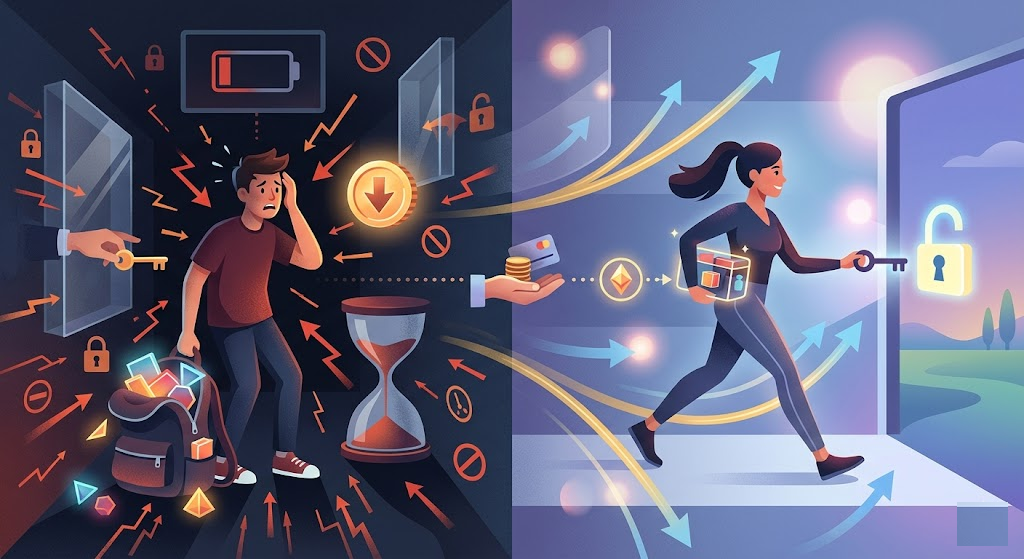
A lot of monetization does not begin with desire. It begins with annoyance. Your inventory fills up too fast, upgrades take too long, stamina runs dry, travel is slow, or some small piece of friction keeps nudging at you until the paid shortcut starts to look reasonable. In that setup, the game is not really selling a luxury item, it is selling relief.
Cosmetic items stopped being trivial once games became social hangouts
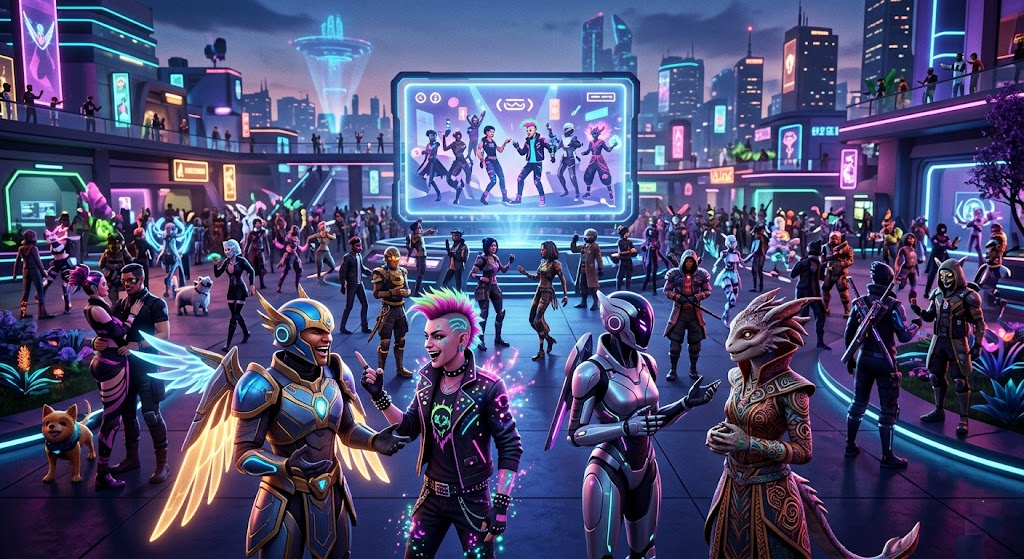
There was a point when skins were genuinely optional fluff, something nice to have but easy to ignore. That changed once games started functioning like social spaces where people spend hours being seen by friends, strangers, or an audience. In Fortnite, Roblox, GTA Online, Destiny and plenty of others, how you look is part of the experience. A cosmetic purchase can feel less like buying decoration and more like buying presence.
Trending on realmoneygamer.com
Starter bundles are built to break the seal
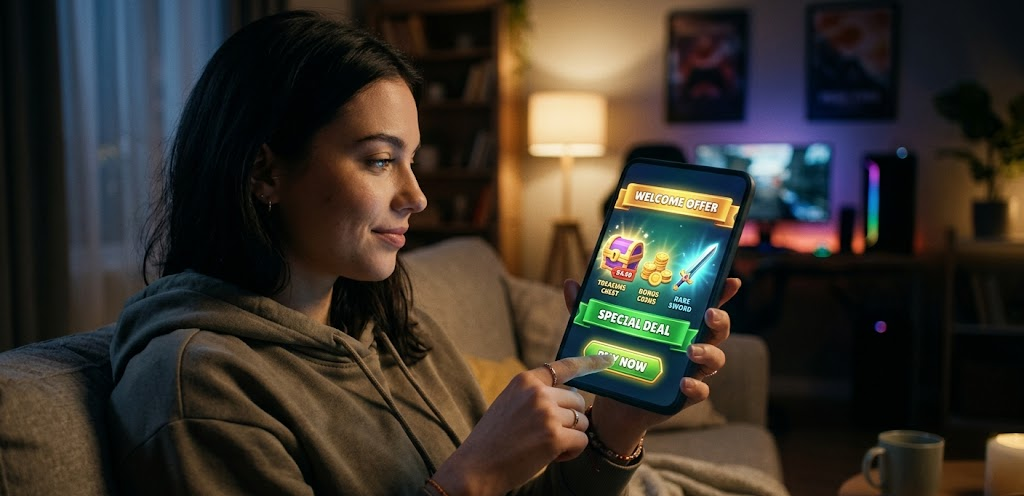
The first purchase is the one companies really want. That is why so many games roll out a cheap welcome offer early on, something framed as a good deal, low risk, maybe even generous. Five dollars here, a few bonus items there, enough to make the player think, fine, why not. After that, spending no longer feels like crossing a line, because the line is already behind them.
Crossovers are not really selling the item, they are selling recognition
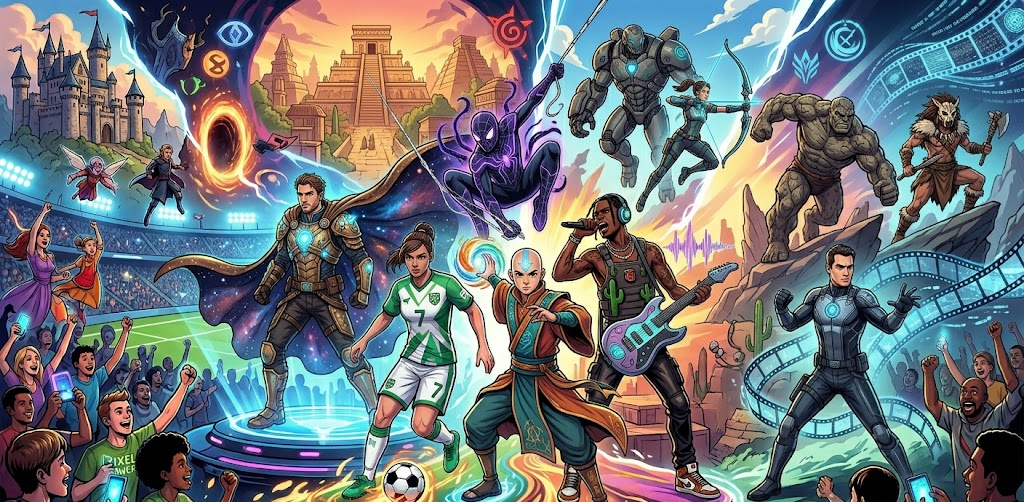
Sometimes a skin is not just a skin. It is Batman, Messi, Naruto, Travis Scott, some Marvel character, a horror villain, a movie hero from twenty years ago. At that point the purchase slips out of the normal logic of game spending and into fandom, and fandom has always been one of the easiest things to monetize. People who would never buy a random outfit might buy one tied to something they already care about outside the game.
“Just a small purchase” is where the real money hides
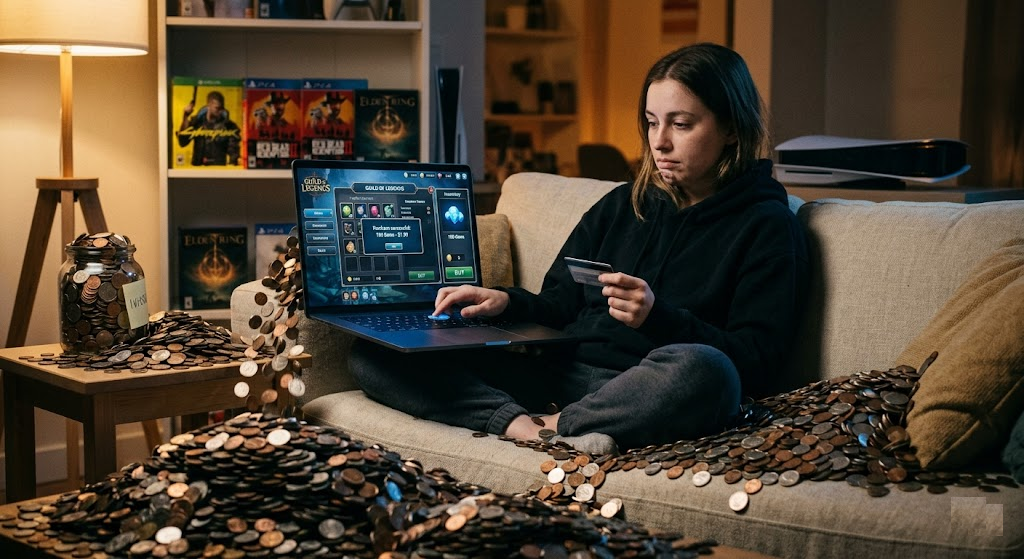
Big single purchases are easy to remember. What people forget are the smaller ones that barely register at the time, a bundle here, a few skips there, some extra currency because they are short by a little bit. None of it feels serious in isolation. Over a few months, though, it often adds up to more than the price of several full games.
Personalization makes spending feel intimate
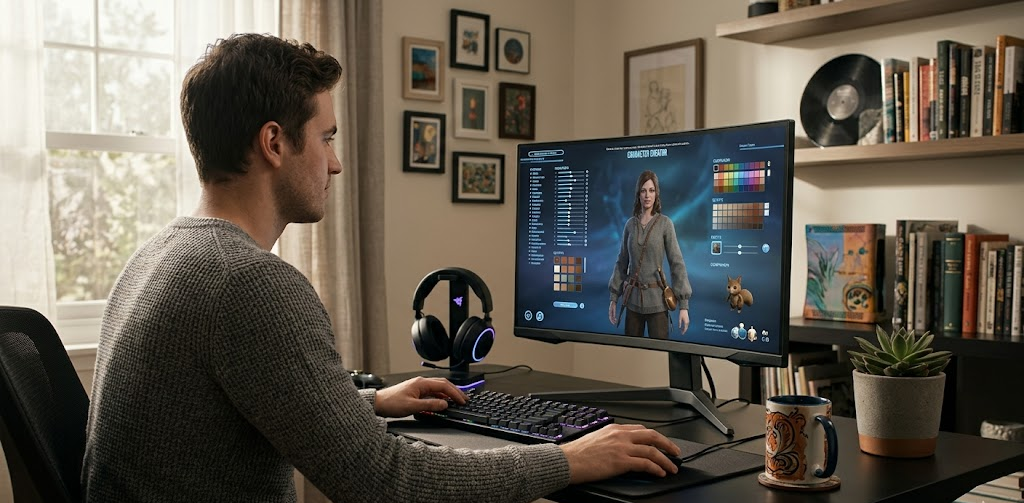
The more a game lets players shape a character, a home base, a profile, or even a little corner of the screen, the easier it becomes to sell add-ons that feel personal. That is the key. A purchase does not feel like money disappearing into a company’s system if it feels tied to self-expression. It feels closer to decorating a room, changing clothes, or tweaking a space that belongs to you.
Discounts are designed to make skipping the deal feel dumb
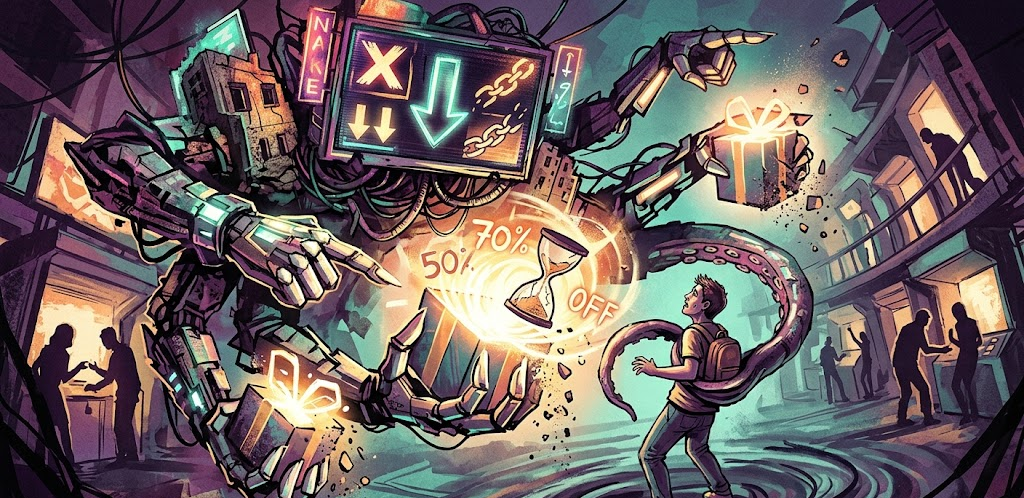
A store page will tell players they are getting extra value, bonus value, a huge markdown, or a special event offer that disappears soon. Even when the original price was inflated or the bundle includes things nobody was planning to buy, the framing still works. The game is no longer asking, do you want this, it is asking, are you really going to pass up a deal this good. That is a different kind of pressure.
Subscription models quietly normalize ongoing spending
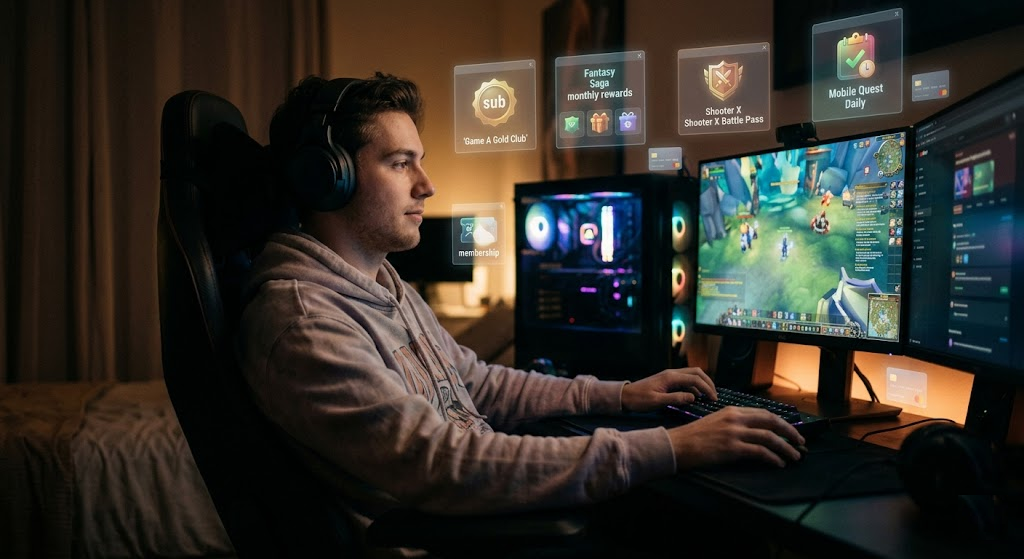
This does not just apply to console services or large content libraries. Individual games now have their own monthly memberships too, with bonus rewards, daily claims, exclusive items, faster progression, or other little perks that make the subscription feel practical. The amount is usually low enough to seem harmless, which is exactly why it blends into the background so easily.
Free-to-play is not free in the way people mean it
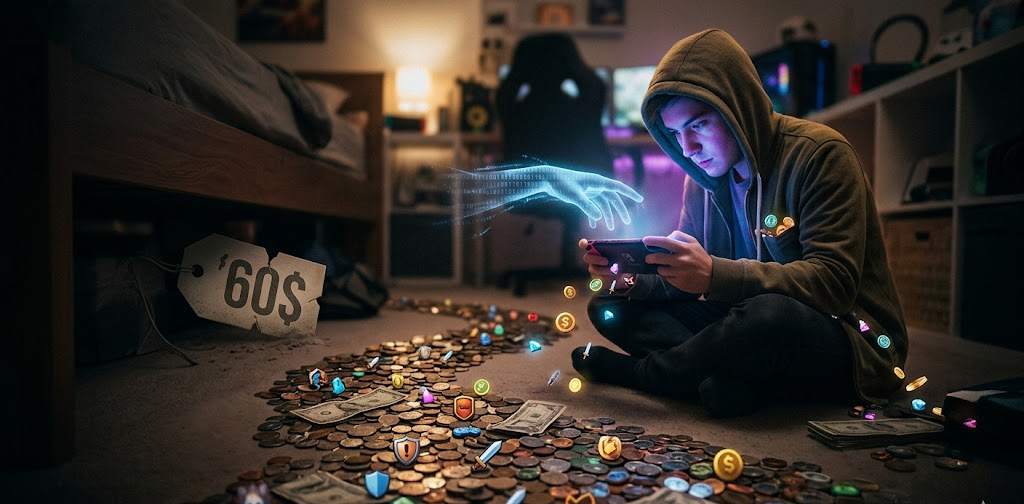
That label lowers defenses. When someone gets into a game without paying upfront, every later purchase feels smaller by comparison, even when the total eventually climbs well past the old sixty-dollar model. Because the spending is broken up into pieces, it rarely lands with the weight of one big purchase. It just becomes part of playing, little by little, almost before the player notices.
None of this works because players are naive. It works because the systems are good at dressing up spending as momentum, self-expression, convenience, or fear of missing out. The purchase rarely arrives with a dramatic sales pitch. More often it shows up looking like part of the game.
Continue Reading: 20 Games That Quietly Encourage Gambling Behavior