Lawsuits are usually background noise in gaming, right up until they are not. Every now and then, some ugly fight over code, characters, storefronts, or player rights ends up changing how the whole business works. Not always overnight, and not always in a clean way. But if you look at the industry now, a lot of the rules people take for granted were shaped in courtrooms.
Universal City Studios v. Nintendo
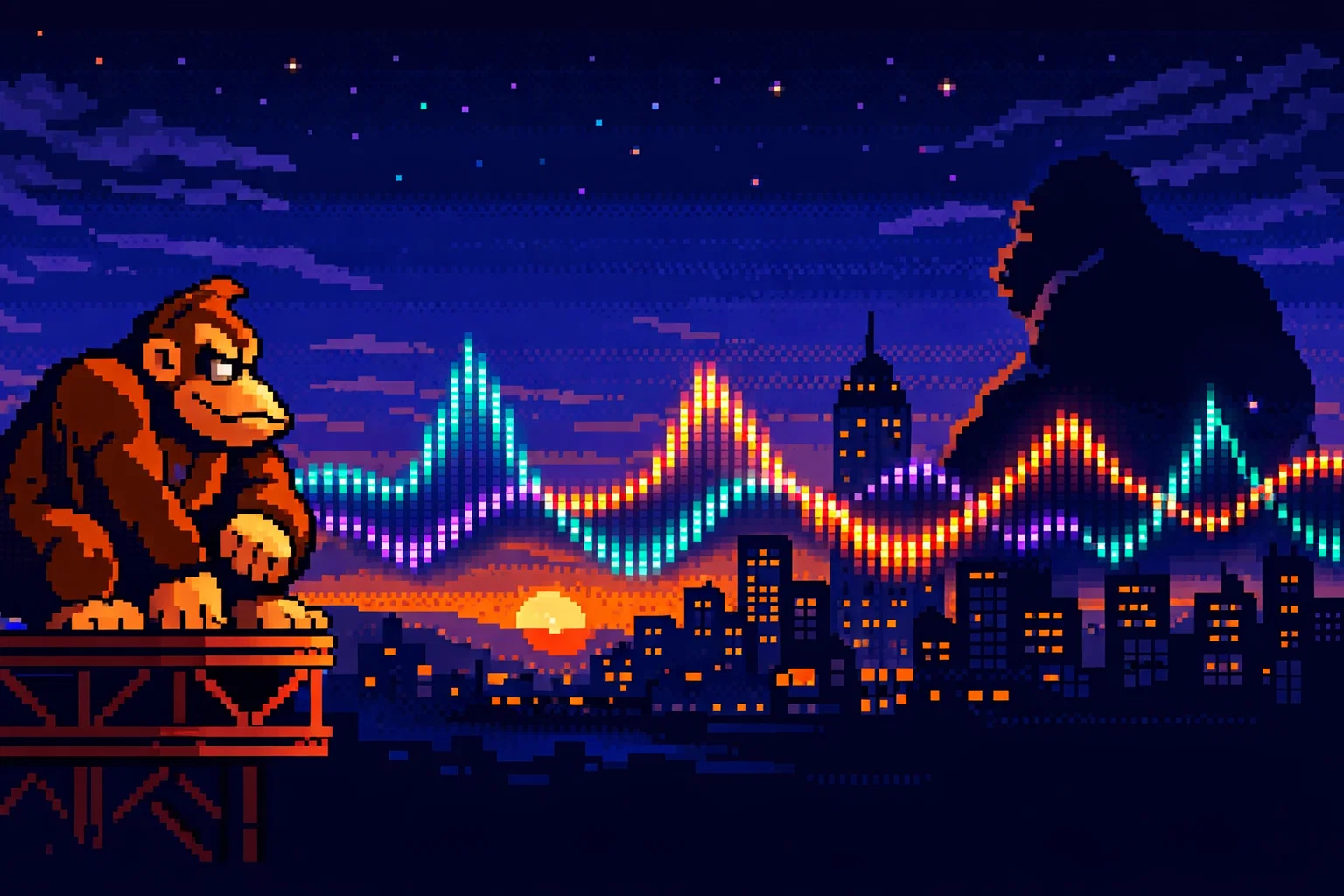
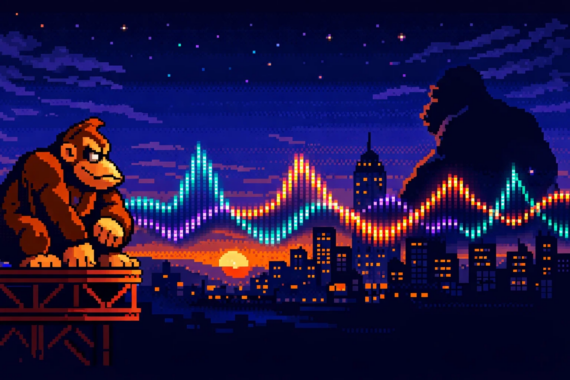
It is still funny to think that one of Nintendo’s early defining wins in the US came from a gorilla. Universal argued that Donkey Kong stepped too close to King Kong, and for a while that was a real threat hanging over Nintendo’s arcade success. Nintendo won, and the case did more than save one game, it gave the company room to grow in a market where it still had something to prove.
Capcom v. Data East
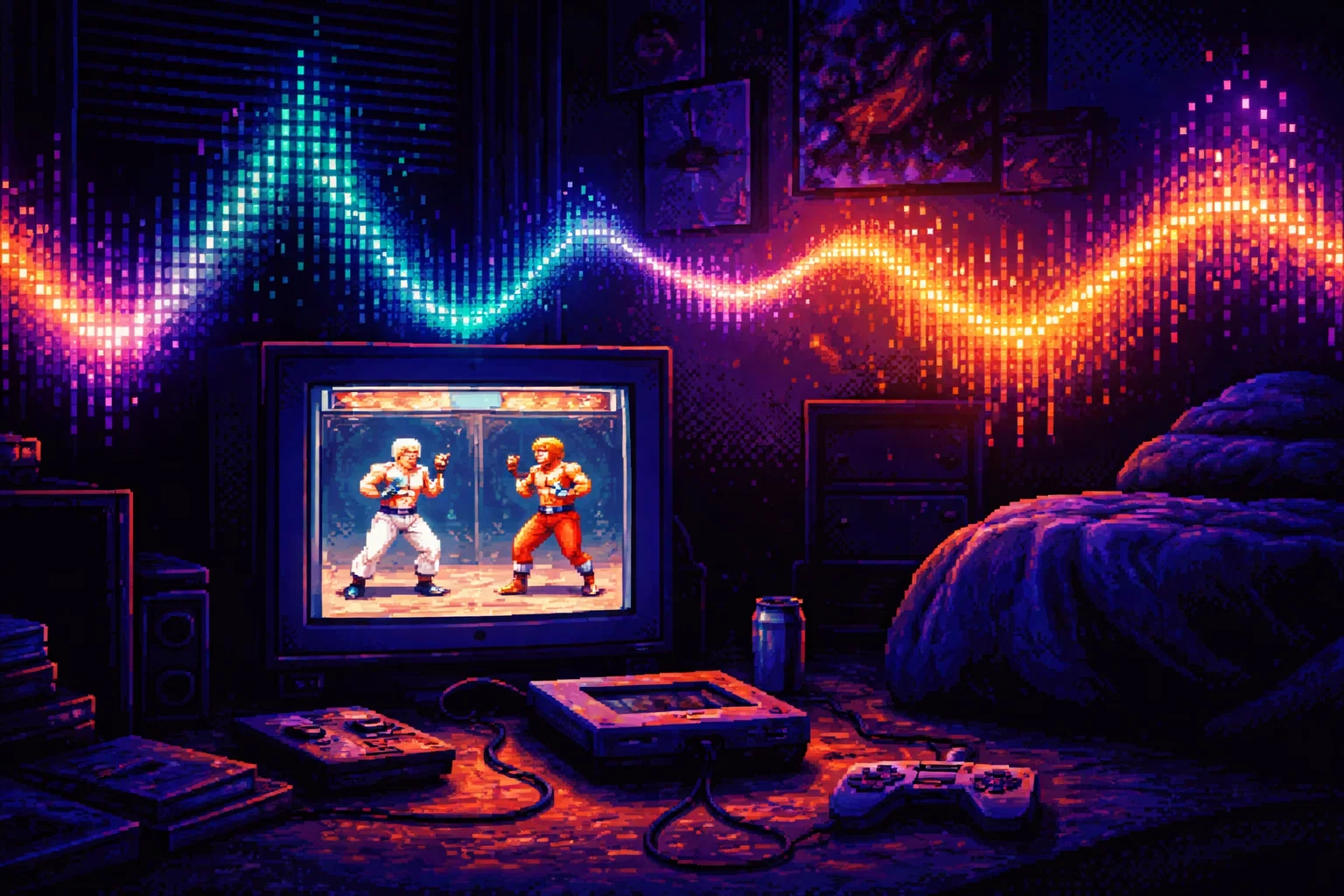
Fighting game fans still argue about clones now, so imagine how heated this looked in the 1990s. Capcom went after Data East over Fighter’s History, saying it borrowed too much from Street Fighter II, the character types, the moves, the overall feel. The court did not buy enough of that argument, and that mattered because it helped confirm something developers already suspected, you cannot lock down an entire genre just because you got there first.
Sega v. Accolade

This one comes up all the time when people talk about reverse engineering, and for good reason. Accolade studied Sega’s Genesis system so it could make compatible games without going through Sega’s licensing gate, and Sega sued in 1992. The ruling gave Accolade a big fair use win, especially around intermediate copying during the reverse engineering process. Strip away the console war branding and what you have is one of the most important software cases gaming ever produced.
Sony v. Connectix
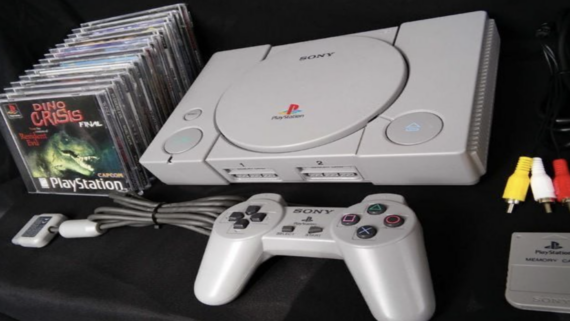
Emulation was never going to get a warm welcome from console makers. Sony tried to stop Connectix from selling Virtual Game Station, a PlayStation emulator that let people run PS1 games on Mac and later PC, and framed the whole thing as unlawful copying. Connectix came out of it with a major fair use victory, which did not settle every argument around emulation, but definitely made it harder to dismiss the entire space as automatically illegal.
Lewis Galoob Toys v. Nintendo
The Game Genie case feels almost quaint now, mostly because modern players are used to far stranger ways of modifying games. Back then, Nintendo saw the device as a threat because it changed gameplay in ways the company did not authorize. The court sided with Galoob, saying those temporary alterations were not the same thing as creating a new infringing work. That gave players a little more breathing room than publishers probably wanted.
Trending on realmoneygamer.com
Midway v. Arctic International

Early arcade lawsuits had a very specific kind of chaos to them. Companies were knocking out suspiciously familiar games at high speed, and Midway pushed back when one of those copies got too close for comfort. Cases like this helped courts treat a game’s audiovisual presentation as something worth protecting, not just its code or cabinet.
Epic Games v. Apple
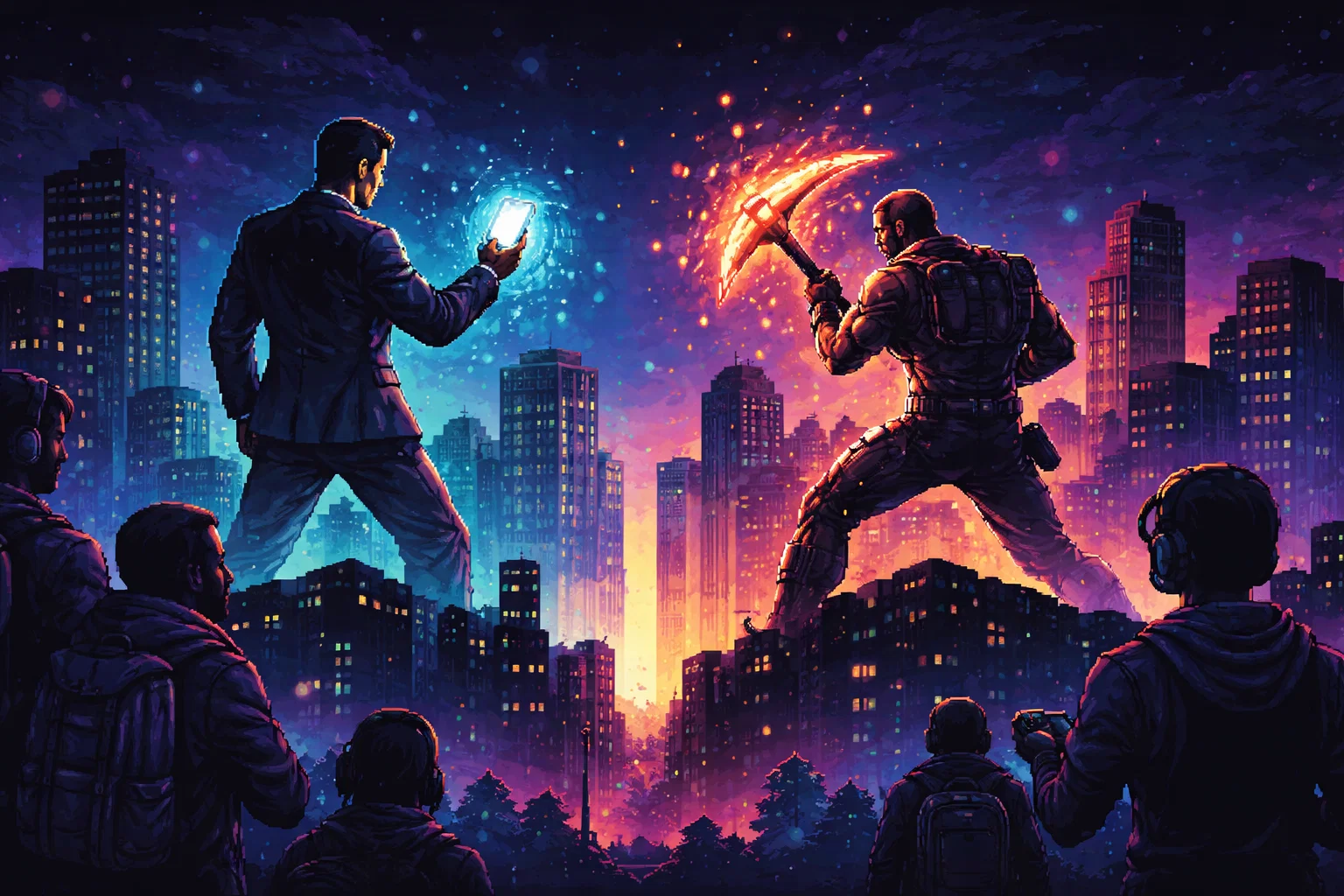
Fortnite made this one impossible to ignore, but the real argument was bigger than one game disappearing from the App Store. Epic wanted to break Apple’s grip over payments and fees on iOS, Apple wanted to defend the whole closed ecosystem, and suddenly a gaming dispute became one of the biggest tech cases in years. Epic did not walk away with a total win, not even close, but Apple did have to loosen part of its anti-steering setup. Ever since then, developers have talked about app store power with a lot less shrugging.
Blizzard v. bnetd
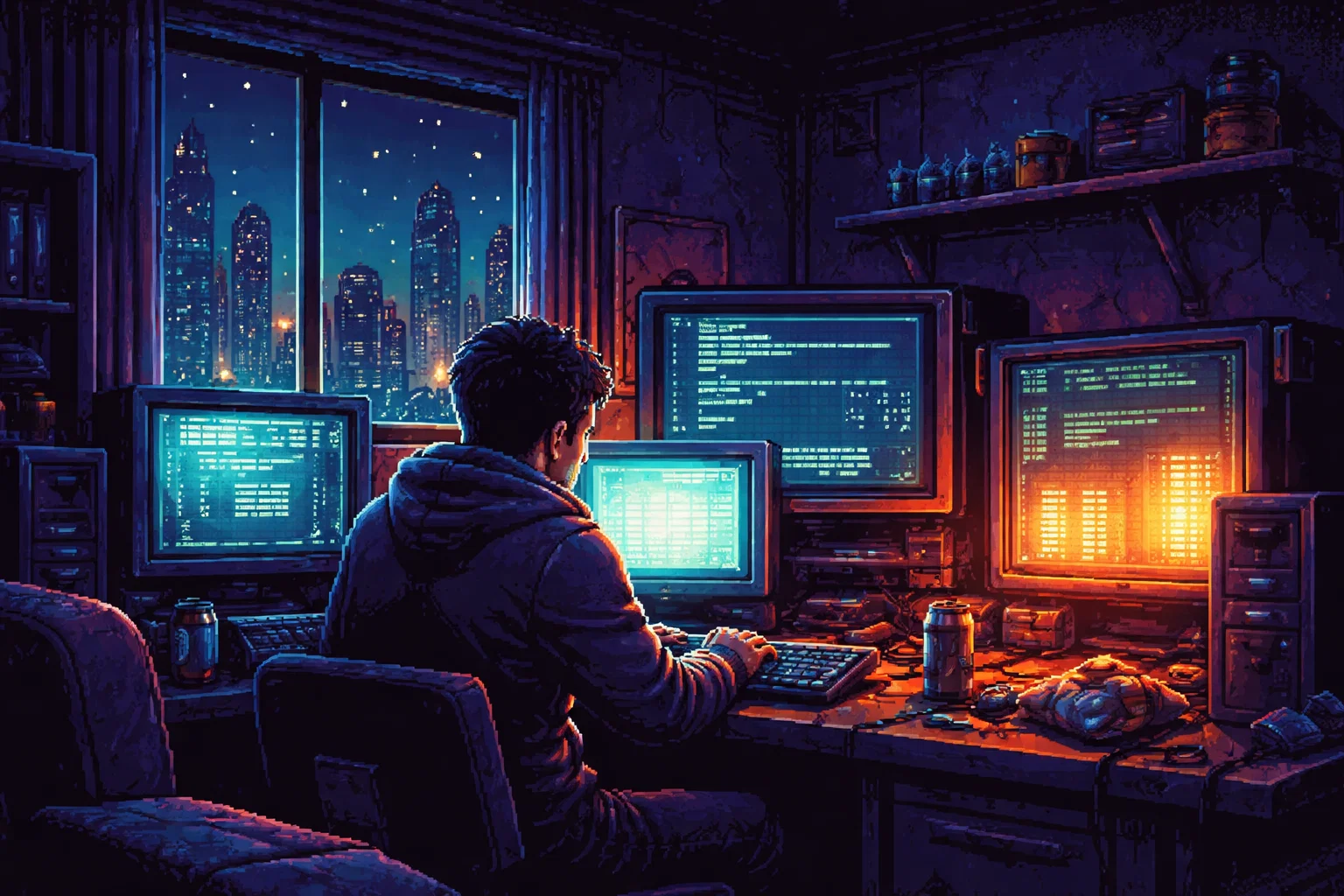
This was one of those cases that looked niche until you realized what it said about control. The bnetd project created an unofficial server setup that let players connect to Blizzard games outside Blizzard’s own online service, and Blizzard came down on it hard. The company won, helped by the DMCA and its license terms, and the result sent a blunt message about private servers and fan-run infrastructure.
Tetris Holding v. Xio Interactive
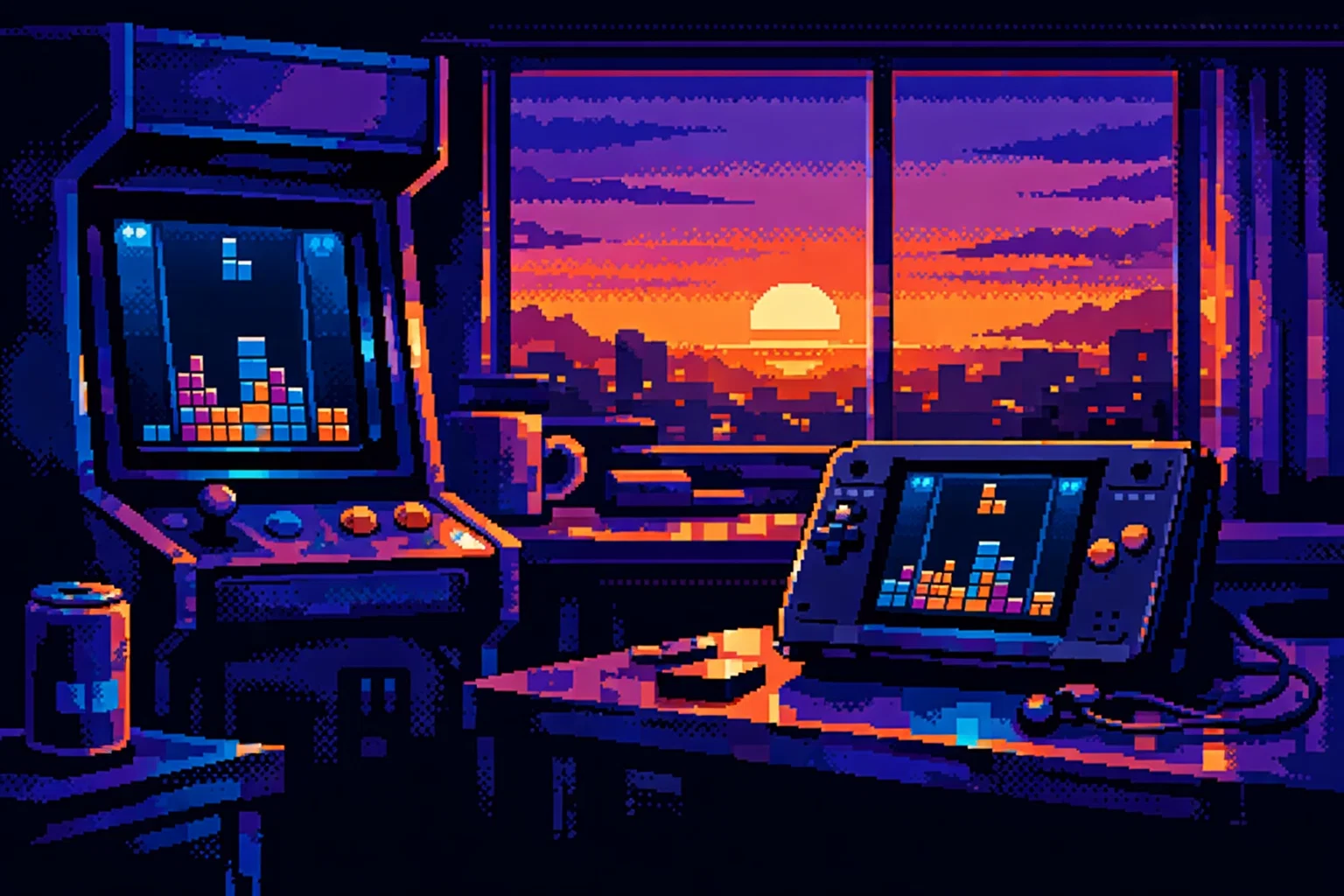
There is copying an idea, and then there is barely bothering to hide what you copied. Xio’s Mino leaned so hard into Tetris that the court had very little trouble seeing the overlap in look, playfield design, and presentation. For a lot of developers, especially in the mobile boom years, this was the case that made it clear that “game mechanics aren’t copyrightable” was not some magic shield if everything else looked lifted too.
The NCAA likeness cases, and the EA Sports fallout
For years, college sports games did the obvious-not-obvious thing where everyone knew who the players were supposed to be even if the names were missing. That eventually blew up. Lawsuits tied to athlete likeness rights, especially the Ed O’Bannon fight, helped expose how shaky that setup really was. EA settled claims, paused college football for years, and the bigger NIL debate moved into territory the NCAA had avoided for a very long time.
Sega v. Fox Interactive, and the Aliens problem
Licensed games have always lived in a weird space, especially when deadlines get ugly and expectations stop matching the product. The Colonial Marines mess turned into a legal fight over whether the marketing sold a version of the game players never actually got. It settled rather than producing some giant courtroom precedent, but it still landed at a moment when publishers were getting much less comfortable with flashy vertical slices that drifted too far from reality.
Bell v. Electronic Arts, and the broader likeness fights
Sports games love realism until realism gets expensive. Former athletes kept testing how far publishers could go when using player identities, appearances, or obvious stand-ins without paying for every single piece of that authenticity. These cases did not all end the same way, but together they pushed publishers to think much harder about licensing, publicity rights, and where creative expression stops being a safe excuse.
The thing that ties these cases together is not just money. It is control. Who controls a platform, who controls a character, who controls a mod, who controls a player’s face, who controls what happens after a game leaves the box or the storefront. Gaming has always liked to present itself as fast-moving and future-facing, but a lot of its real rules were built in slow, messy legal fights that nobody could ignore once they got big enough.