There was a point when gaming culture in the United States came through the mailbox, the drugstore rack, or that one corner of B. Dalton where the covers looked louder than everything else on the shelf. Before forums, before video essays, before every rumor got flattened in ten minutes online, magazines did a lot of the heavy lifting. They sold hype, sure, but they also taught readers how to follow the business, how to argue about reviews, and how to care about games beyond whatever they were playing that weekend. Some were slick, some were messy, some were basically marketing with better writing, but they all mattered.
Nintendo Power
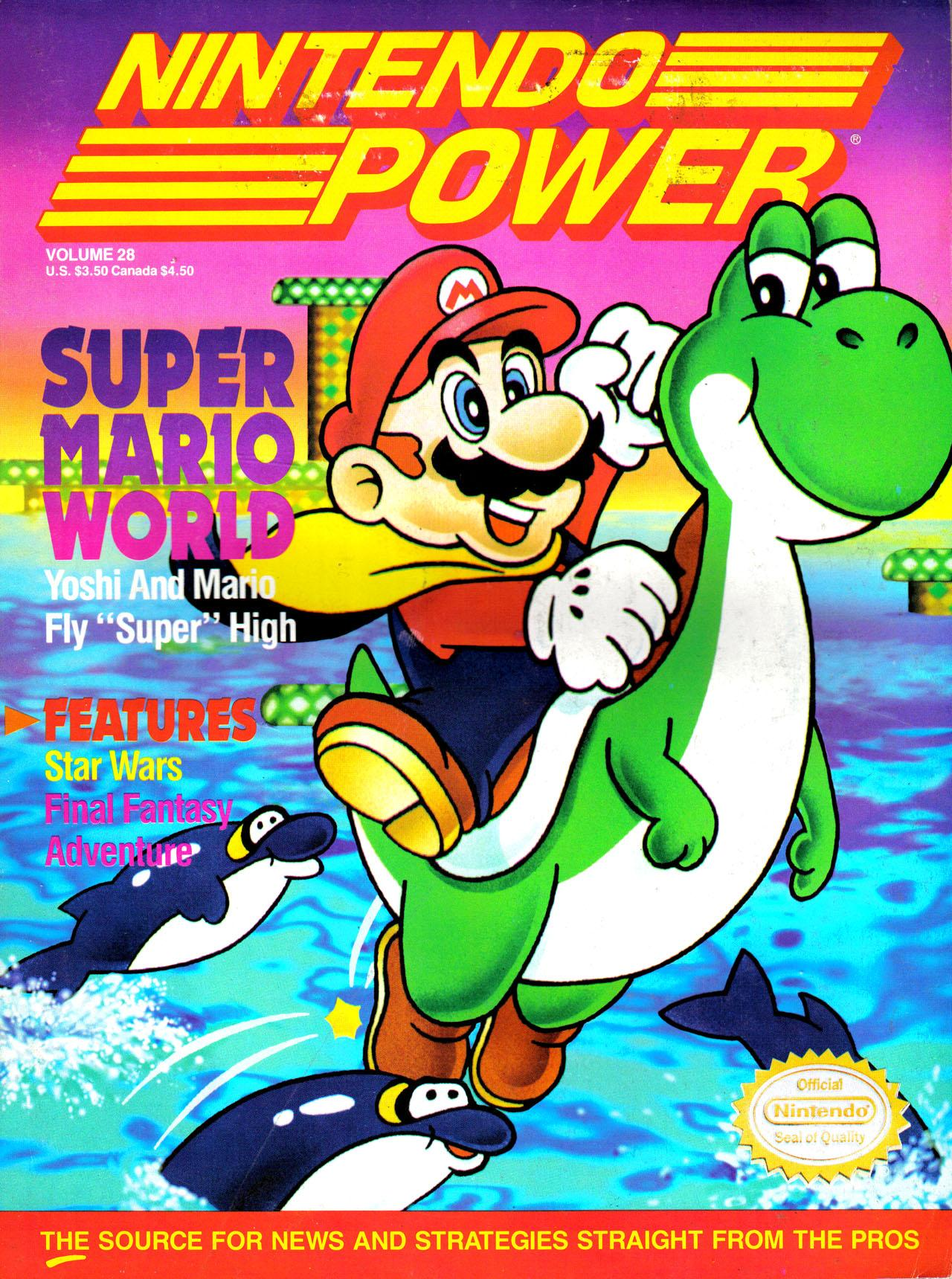
This is the obvious one, but it is obvious for a reason. When Nintendo Power launched in 1988, it did not just cover games, it built a whole mood around them, especially for kids growing up with the NES and later the SNES. The strategy maps, the reader letters, the previews that made unreleased games feel enormous, all of that turned it into more than a catalog. It was an official magazine, so it always had an agenda, but for a generation of American players that barely registered. It felt like access.
Electronic Gaming Monthly
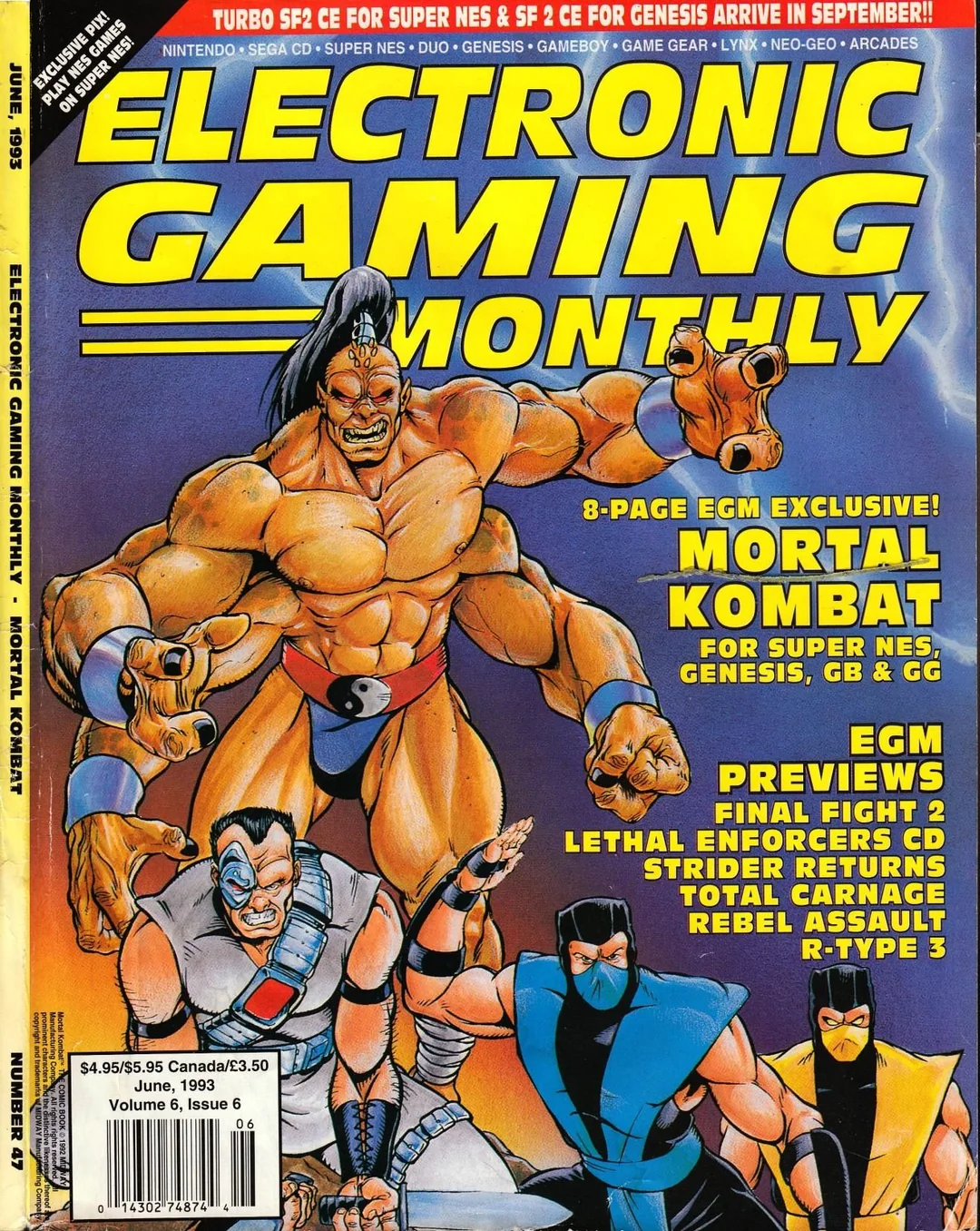
EGM came in with a slightly rougher edge, and that was part of the appeal. Starting in 1989, it gave US readers a magazine that felt plugged into the wider industry instead of one company’s world, and its multi-reviewer format made a real difference. You were not getting a single clean verdict, you were getting a few voices that sometimes lined up and sometimes did not. That made the whole thing feel more alive. It also became one of the main places where rumors, import buzz, and early industry gossip spread into the mainstream.
GamePro
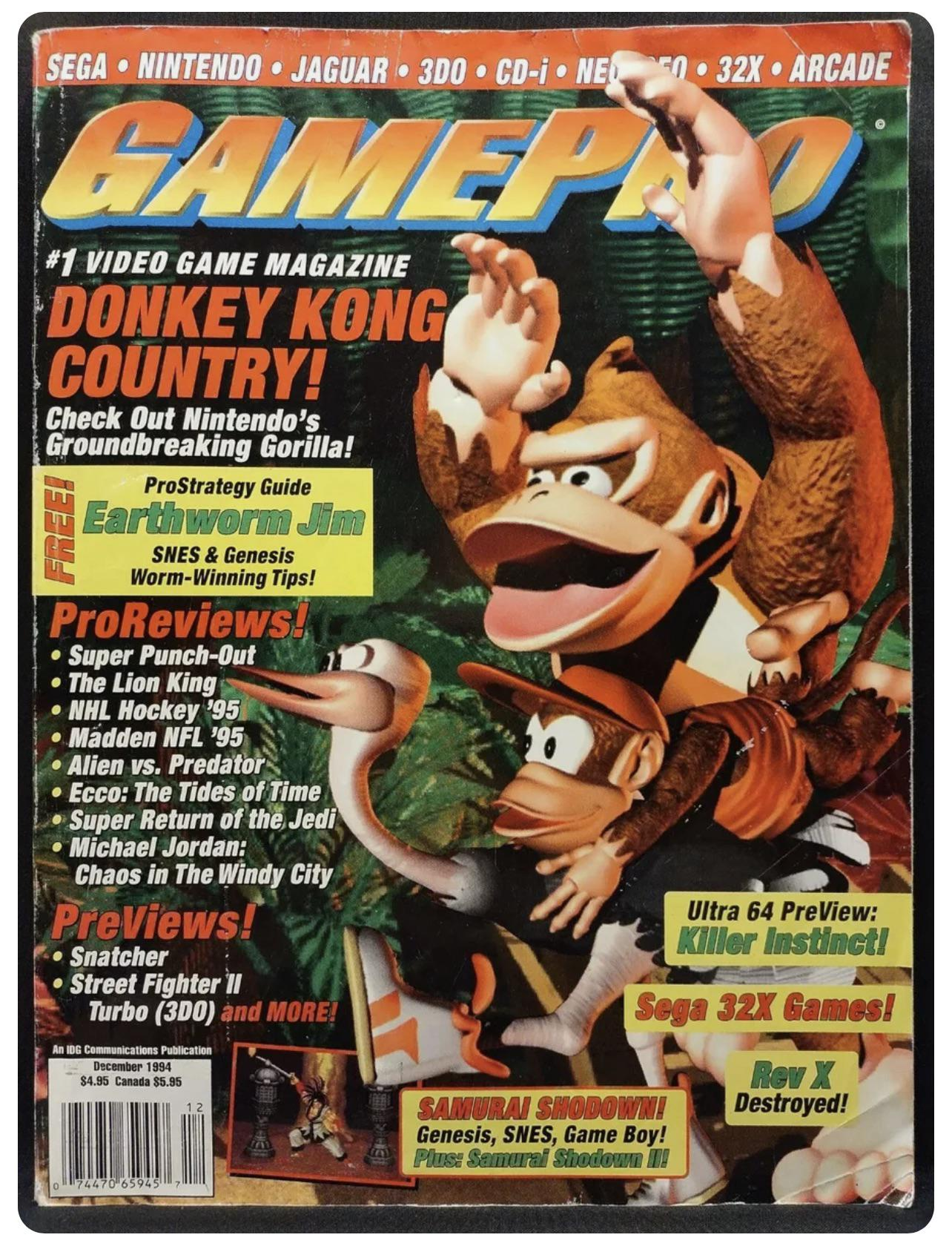
There is no polite way to say it, GamePro was loud. The layouts were crowded, the captions had zero interest in subtlety, and the whole magazine often felt like it had been designed two minutes after someone drank a gallon of soda. That is also why it worked. Through the early and mid ’90s, it became one of the most recognizable gaming magazines in the US because it understood exactly how to grab younger readers without losing older ones completely. It was accessible, it moved fast, and it knew how to make even average games look worth a second glance.
Computer Gaming World
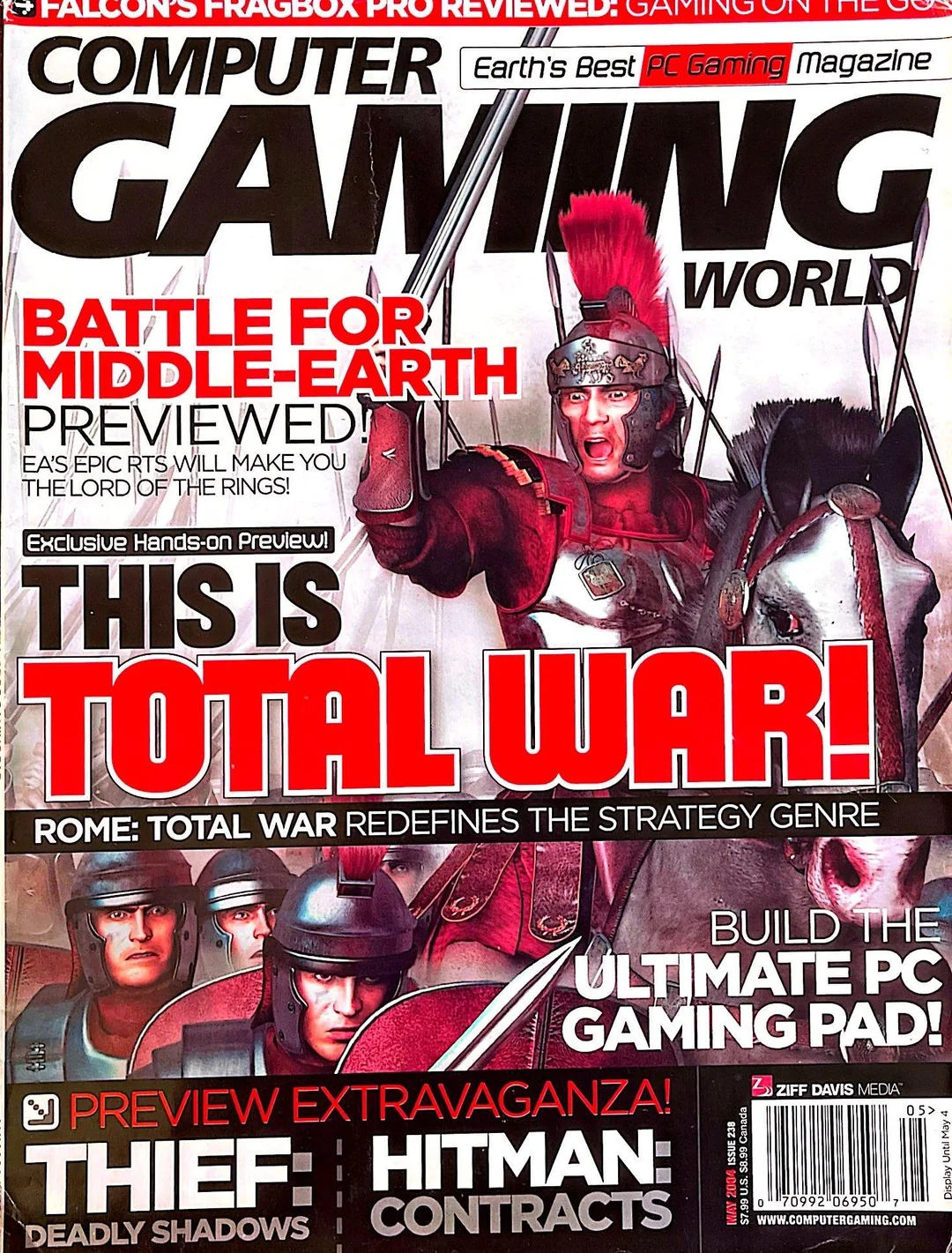
While the console magazines were busy shouting at each other, Computer Gaming World was doing something steadier. Founded in 1981, it became one of the central publications for American PC players, especially those into strategy, simulation, RPGs, and adventure games. It had room for longer reviews and more detailed analysis because PC audiences often wanted that level of detail, hardware demands, interface quirks, campaign depth, all the stuff console magazines would breeze past. It never had the same toy-store energy as Nintendo Power or GamePro, but it gave PC gaming a serious home on paper.
PC Gamer
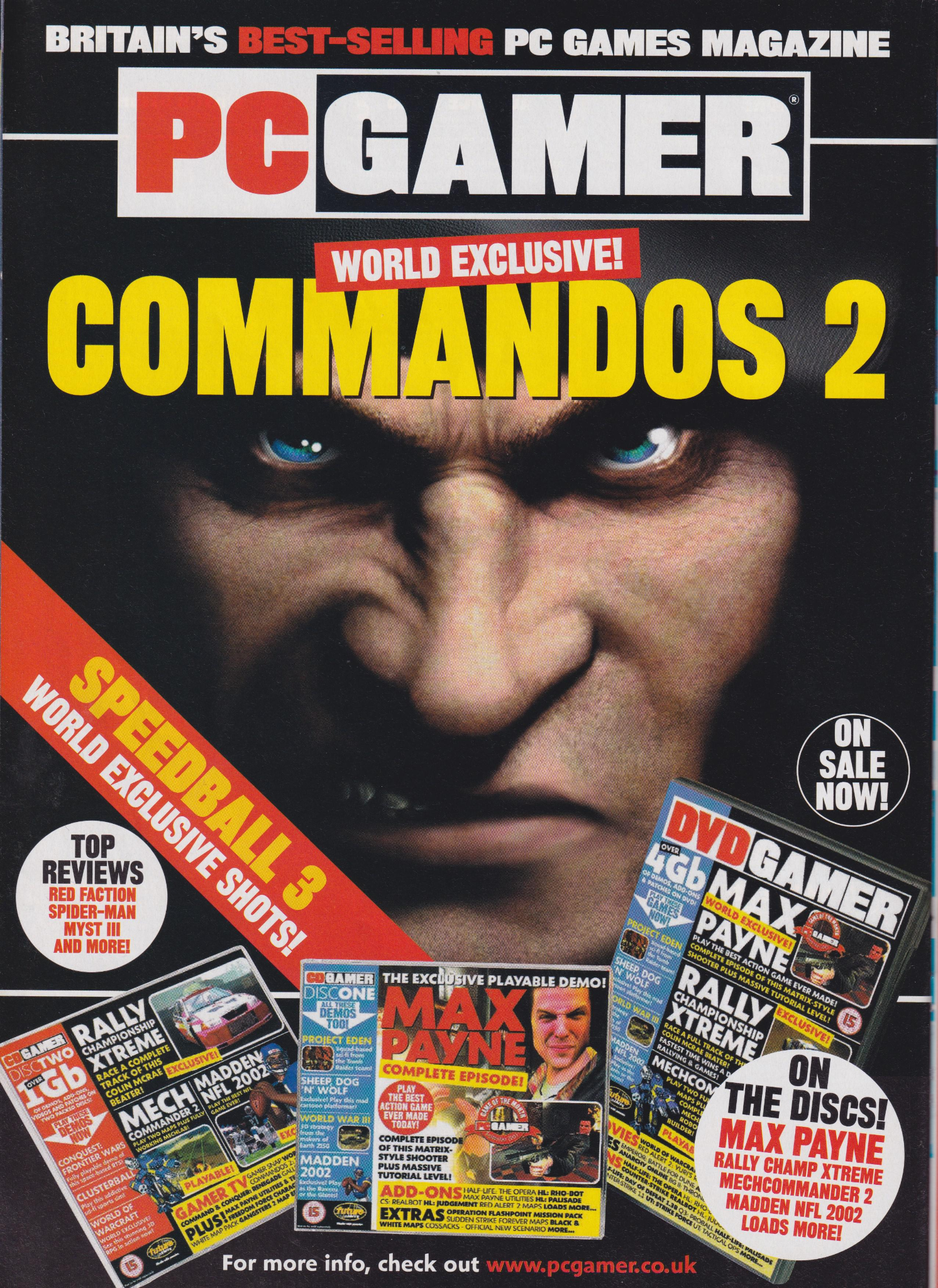
By the time PC Gamer launched its US edition in 1994, the American PC scene was accelerating fast. Doom had changed the temperature, Warcraft and Command and Conquer were reshaping strategy gaming, and multiplayer was starting to feel less niche and more like the next big thing. PC Gamer arrived with a cleaner, more modern editorial style than some older PC publications, but it did not feel detached. It spoke the language of enthusiasts without getting trapped in jargon, and it covered the sense that PC gaming was not just growing, it was mutating every year.
Trending on realmoneygamer.com
Next Generation
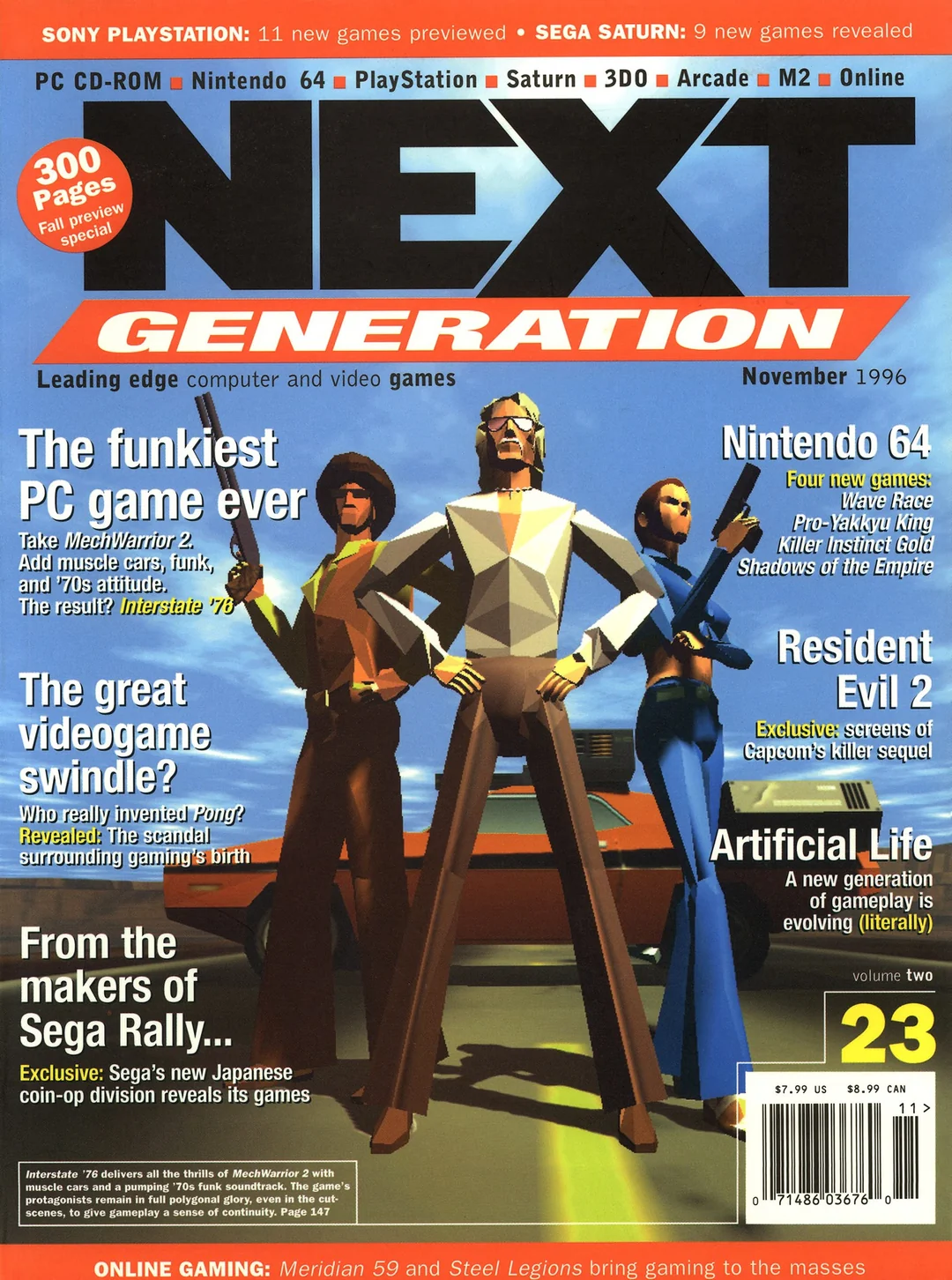
This one was for readers who wanted to know where the business was headed, not just what to buy on Friday. Launched in 1995 by Imagine Media, Next Generation treated games as an industry and a design medium with a level of seriousness that still felt unusual in the US at the time. It paid close attention to hardware strategy, market shifts, studio thinking, and the larger direction of game development. Sometimes it could feel a bit too polished, maybe even slightly smug, but it was often smarter than the field around it and it caught major transitions early.
Official U.S. PlayStation Magazine
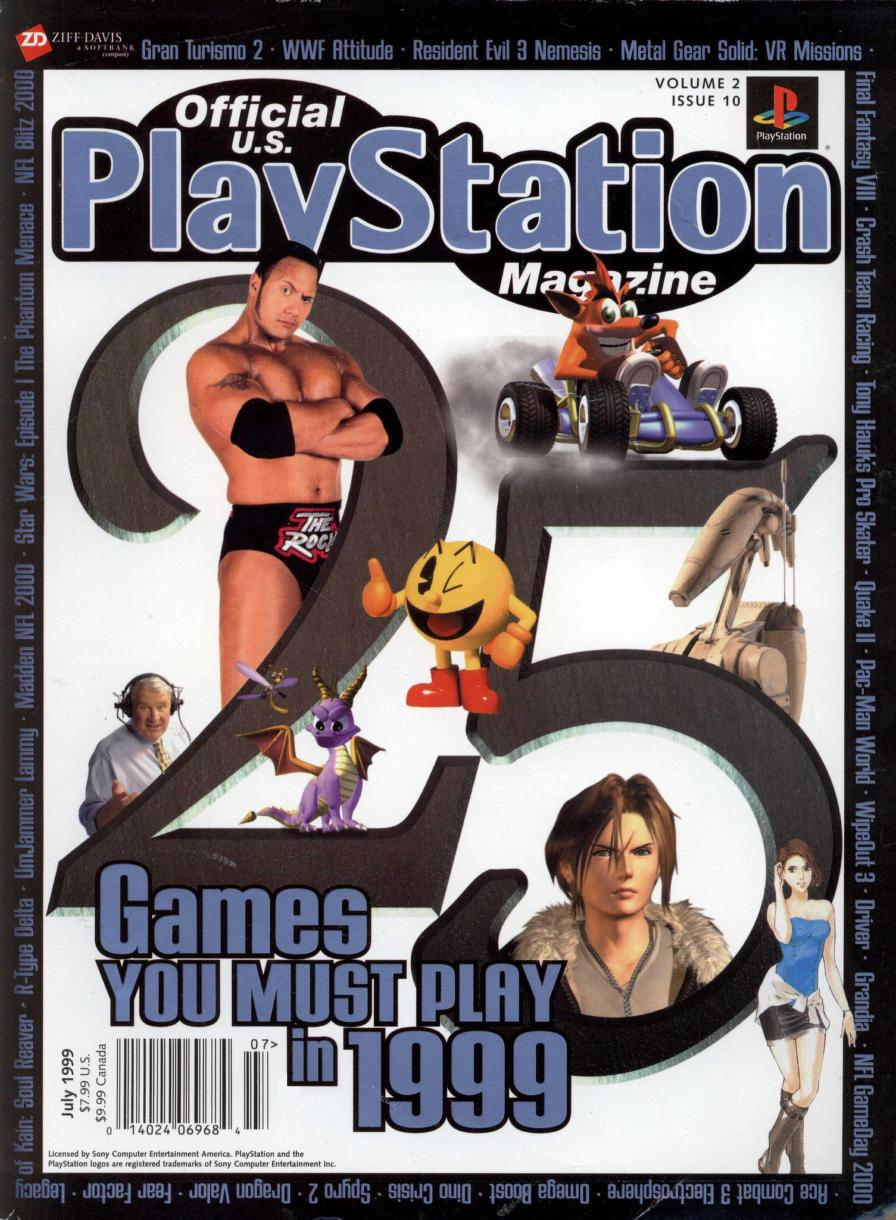
The cover discs did a lot of the work here, no point pretending otherwise. When Official U.S. PlayStation Magazine launched in 1997, those demo discs made it feel instantly essential to a lot of American PS1 owners, and the editorial tone matched Sony’s broader push toward something a little older, sharper, and less toy-box than the Nintendo image many players had grown up with. It knew its audience wanted Tekken, Gran Turismo, Metal Gear Solid, and weird Japanese imports they had only half heard about. The magazine sold excitement, but it also understood cool in a way most official magazines never quite manage.
Sega Visions
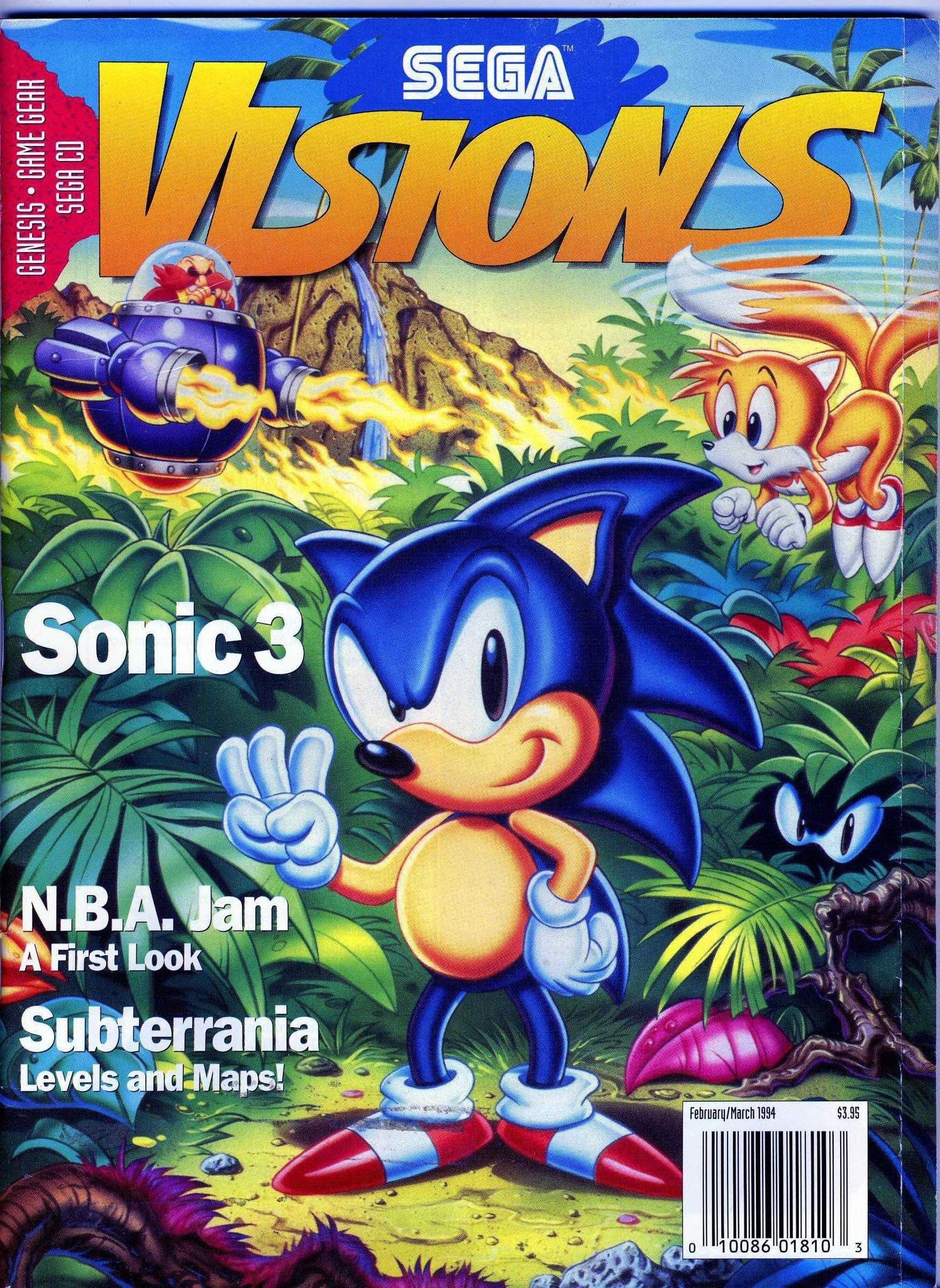
Sega Visions was the American answer to Nintendo Power, and for a while it did that job pretty well. It launched in 1990 and covered the Genesis era right as Sega was building its US identity around speed, attitude, and the feeling that Nintendo was for somebody else. Like most official magazines, it existed partly to keep players inside the ecosystem, but that mattered in the early ’90s, when brand loyalty in games could feel absurdly personal. If you were on Sega’s side during those years, Sega Visions felt like your magazine.
GameFan
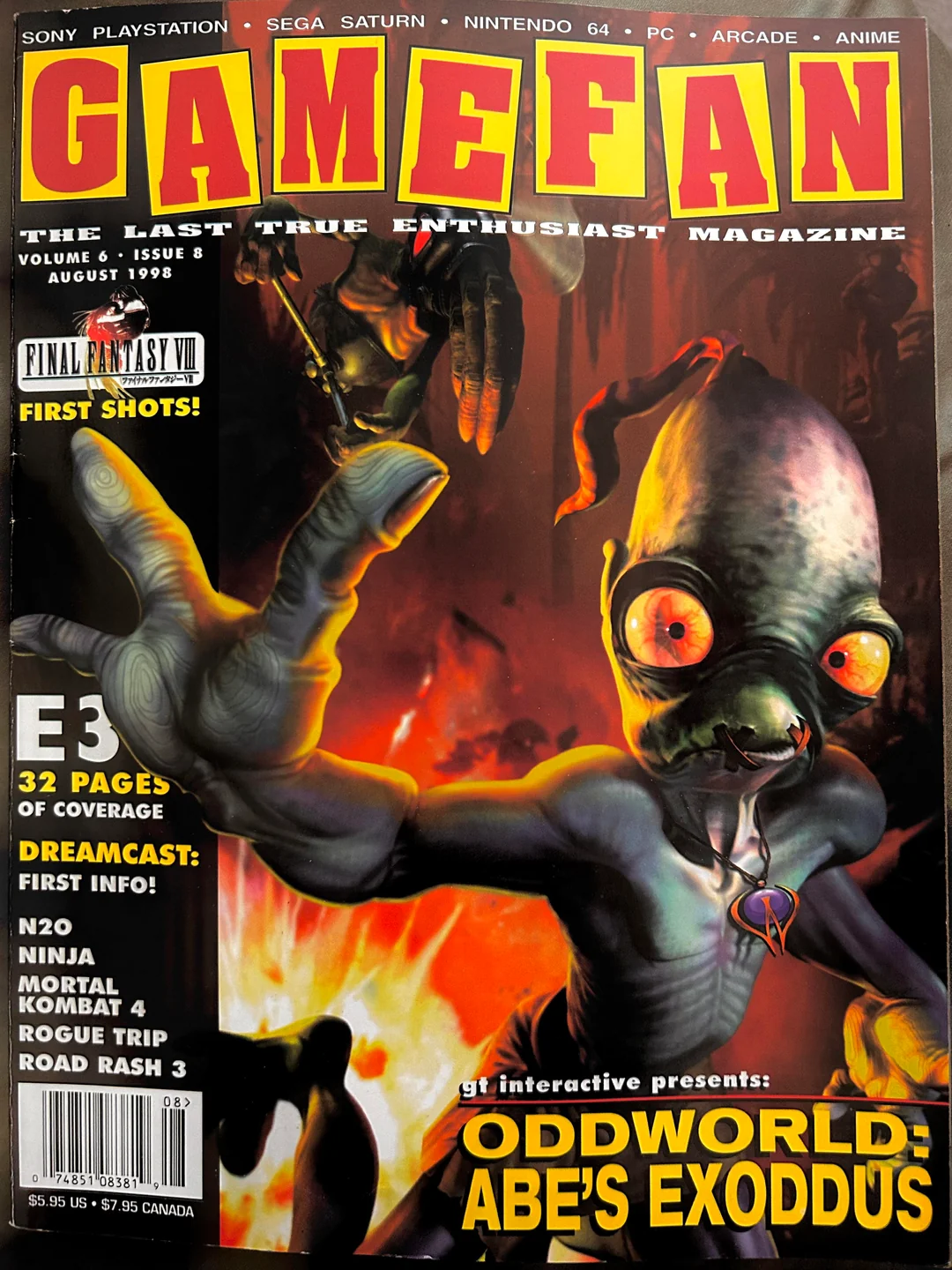
GameFan was not subtle, and it never really tried to be. Launched in 1992 in the US, it became known for oversized screenshots, intense enthusiasm, and a heavy interest in Japanese games and imports at a time when many American magazines still treated that side of the market as a side note. The writing could be over the top, the layouts could be borderline exhausting, and the whole thing sometimes looked like it was trying to jump off the page. Still, if you wanted to feel ahead of the domestic release calendar, GameFan delivered that rush better than most.
Tips & Tricks
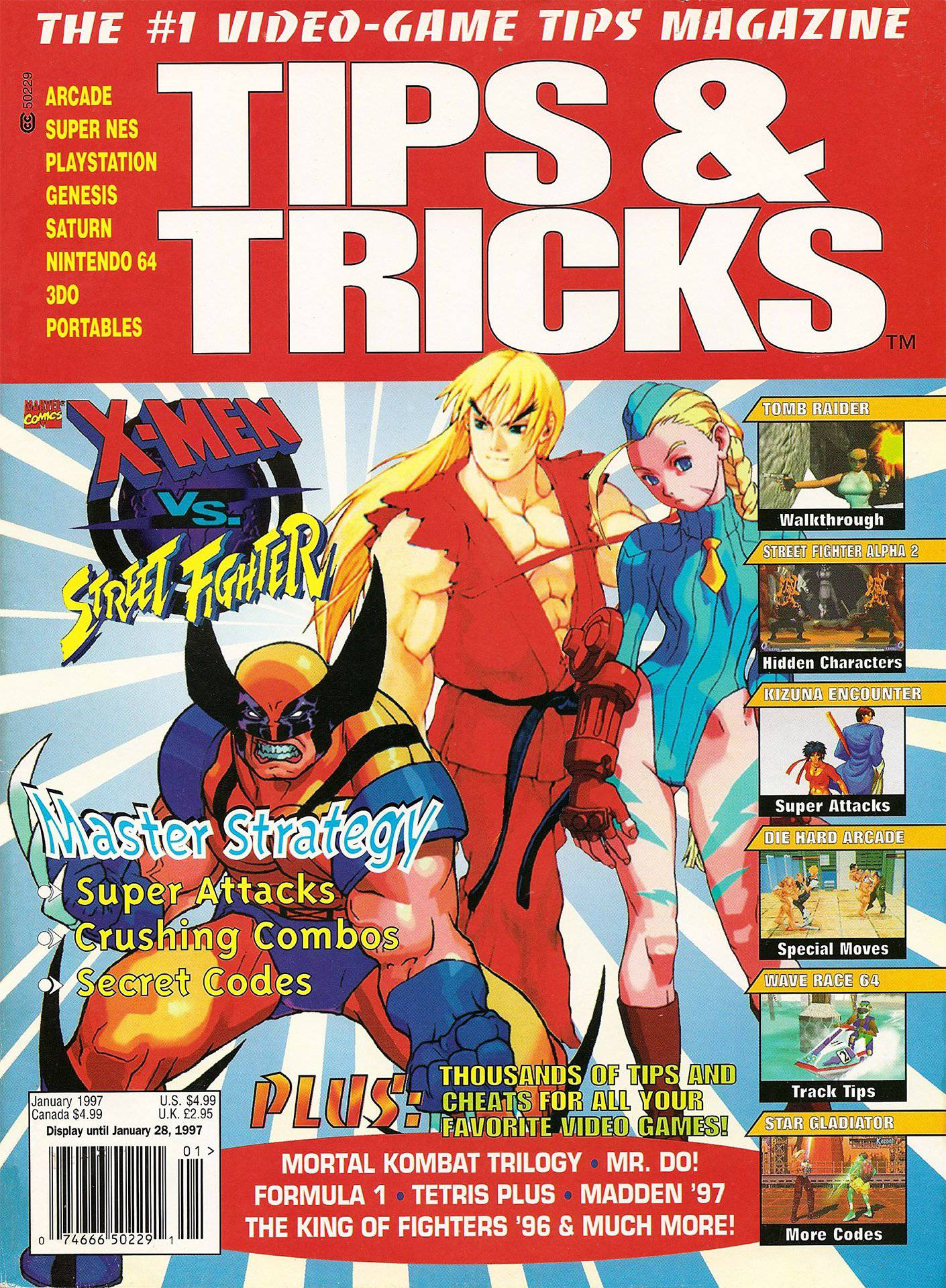
Some magazines built prestige. Tips & Tricks built usefulness. Starting in 1994, it became one of those magazines American players actually kept near the console because there might be a code, a hidden mode, an unlockable character, or some ridiculous secret that turned out to be real after all. In the cheat-code era, that was enough. It did not need a grand editorial philosophy. It just needed to help you open up the game a little wider than you could on your own.
Electronic Games
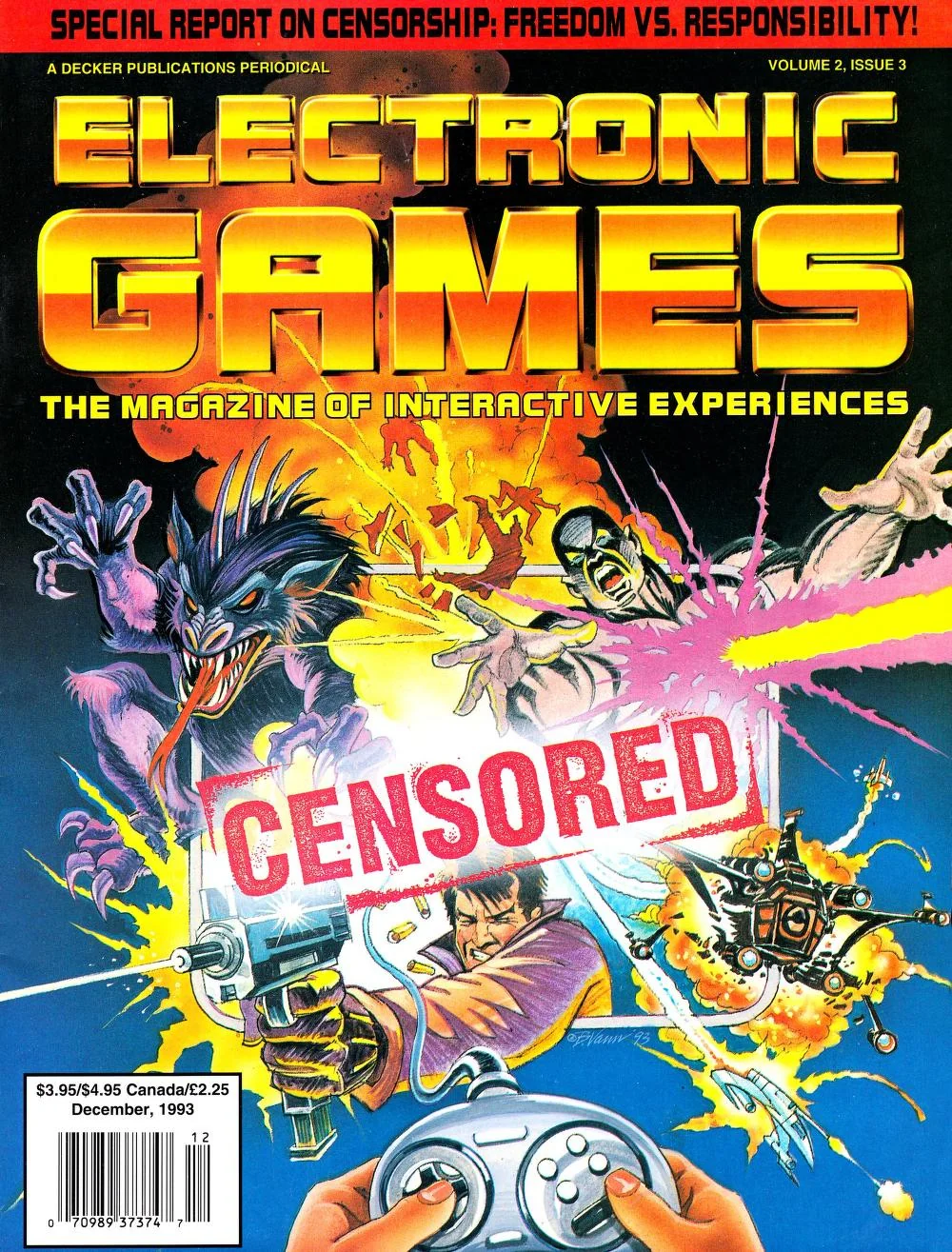
This one got in early, which is exactly why it belongs here. Founded in 1981 in the US, Electronic Games arrived when the American arcade and home-console boom was still defining itself, and the idea of a dedicated video game magazine was not yet a settled thing. It covered a scene that still felt a little improvised, a little unstable, but clearly exciting. Looking back, its importance is not hard to see. It helped prove there was a real readership for games coverage before the market fully knew what that would look like.
Game Players
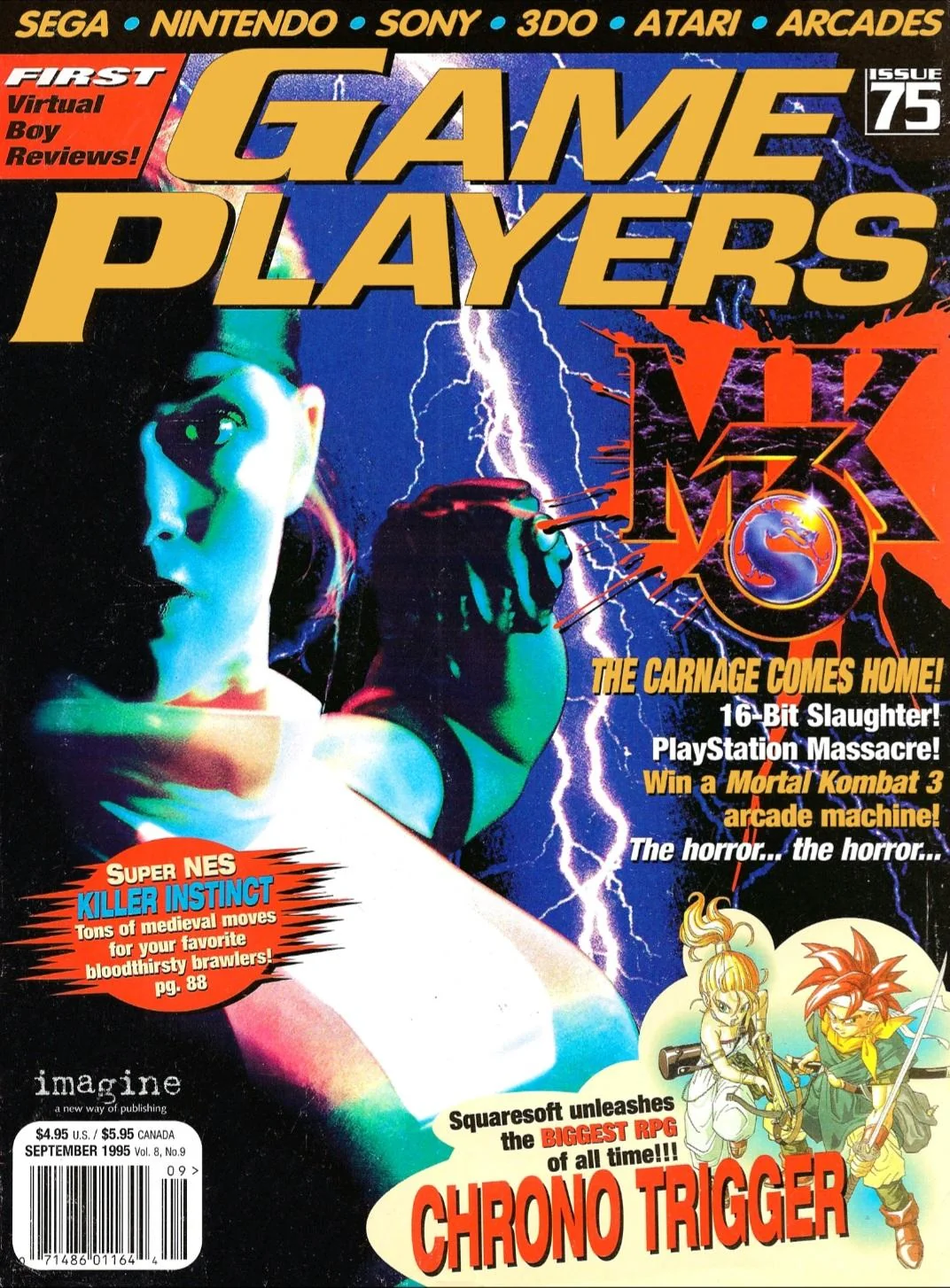
Game Players never had the same mythology around it as Nintendo Power or EGM, but it was a real presence in American gaming media through the late ’80s and ’90s. It adapted across changing console generations and covered the market without sounding totally interchangeable with the bigger names, which is harder than it looks. There was something dependable about it. It tracked the shift from mascot platformers and 16-bit wars into the stranger years of fighters, RPGs, and early 3D without losing the thread.
Play
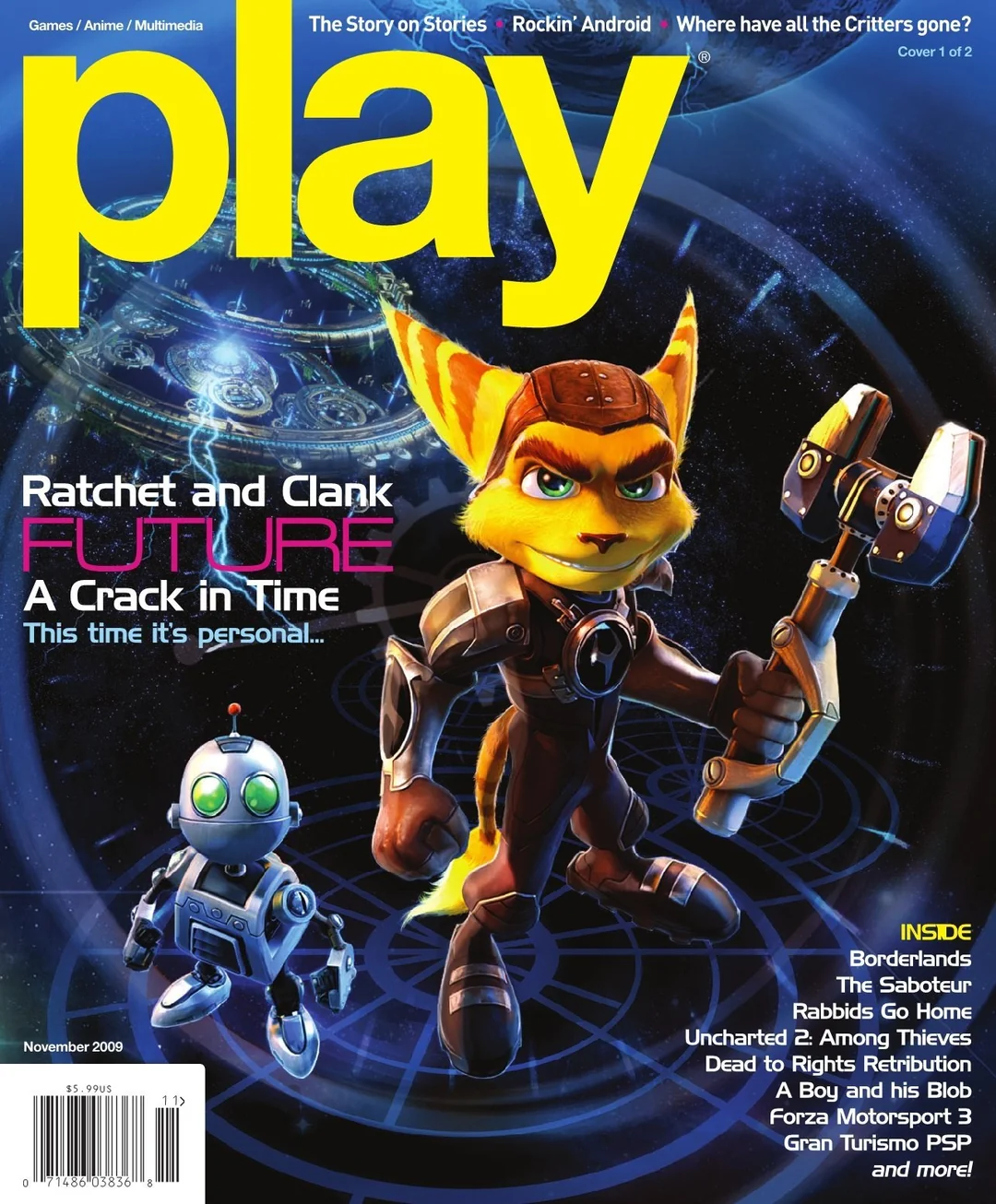
Play arrived in 1998, which means it technically landed at the end of the era this list is interested in, but it still belongs in the conversation. Published in the US, it leaned hard into PlayStation coverage and Japanese games, and it felt more enthusiast-driven than broad-market magazines trying to catch everybody at once. That gave it a different texture. By then, the magazine space was already starting to narrow and specialize, and Play understood that better than a lot of older titles did.
What made these American magazines stick was not that they were always right. A lot of them were biased, some were way too easy on publishers, and more than a few got swept up in their own hype. But they gave US gaming culture a voice before the internet turned every opinion into instant background noise. They made players care about release dates, developers, imports, demos, rumors, review scores, all the stuff that now feels built into the hobby. On paper, it looked a little messier. That was probably healthier.