Every time this comparison comes up, somebody says it is apples to oranges. Games last longer, movies rely on ticket sales, the business models are different, and so on. All true. It still does not change the basic point: some games have made an absurd amount of money, enough to make even the biggest movie hits look small. These are not weird edge cases either. A few are obvious. A few are the sort of games people make jokes about until they see the numbers.
GTA V
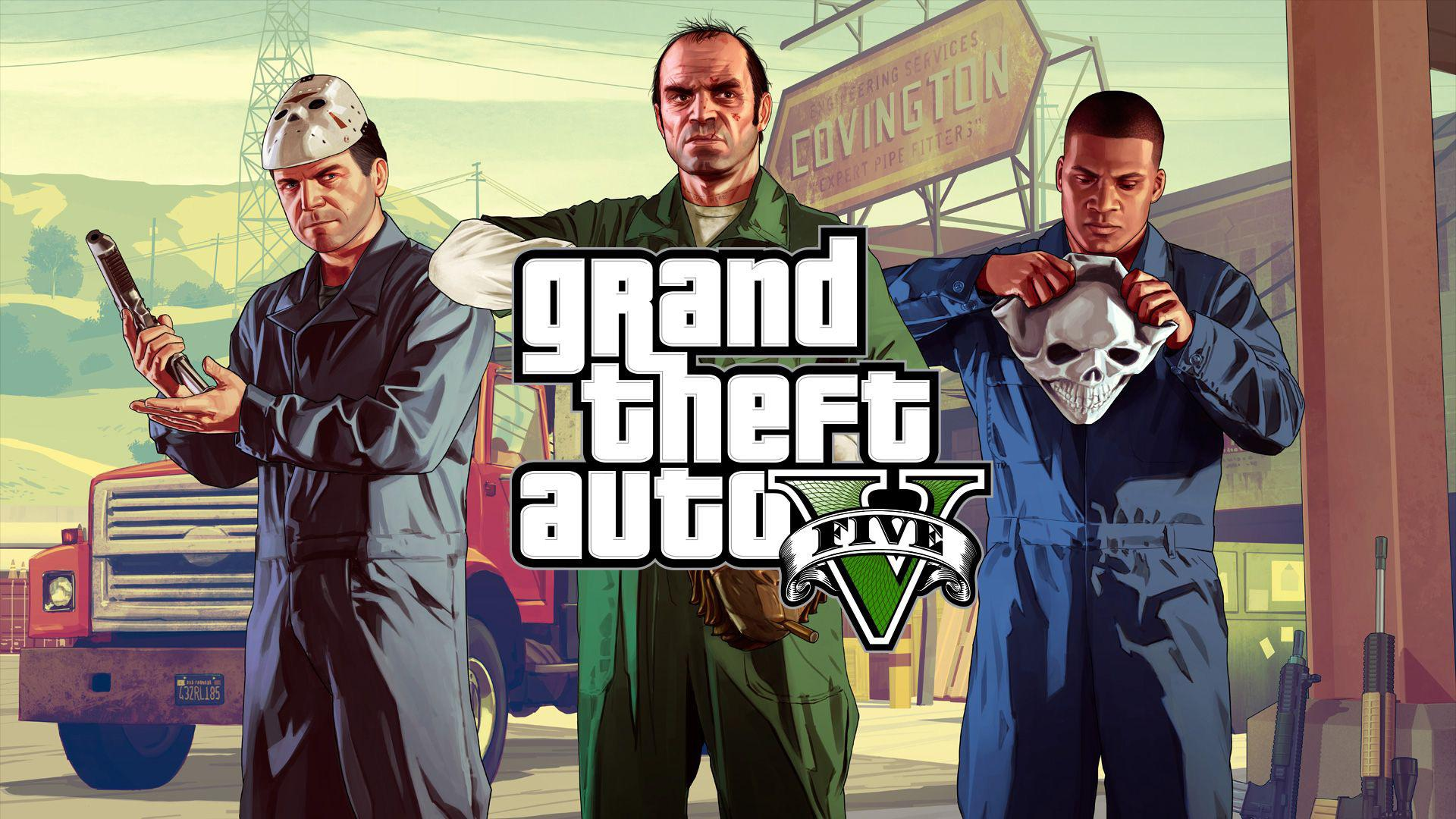
GTA V made $1 billion in its first three days after launching in September 2013, which was a huge story at the time. What matters more now is how long the game kept earning after that. It has been resold across multiple console generations, and GTA Online turned into a constant source of revenue through Shark Cards and other in-game spending. Estimates put the game somewhere around $8 billion in lifetime revenue. That is more than some major film franchises have made as a whole. At a certain point it stopped feeling like a hit and started looking like a permanent business.
Fortnite
Fortnite is still one of the clearest examples of how much money a free game can make when everything clicks. By the end of 2019, it had reportedly brought in around $9 billion in just two years, mostly through skins, emotes, and battle passes. The base game cost nothing, which made the scale of that number even harder to ignore. Plenty of games had used cosmetic monetization before, but Fortnite turned it into something bigger by making the game feel like a social space as much as a shooter. A lot of studios chased that formula after seeing those results.
Minecraft

When Microsoft bought Mojang for $2.5 billion in 2014, plenty of people thought the price looked wild. In hindsight, it looks pretty reasonable. Minecraft kept growing long after most games would have peaked. It passed 300 million copies sold, became a fixture on YouTube, expanded into education, and kept finding new audiences year after year. At this point it is less useful to think of Minecraft as just a game. It is a brand, a platform, and for a lot of younger players, a default part of growing up online.
Call of Duty: Modern Warfare (2019)
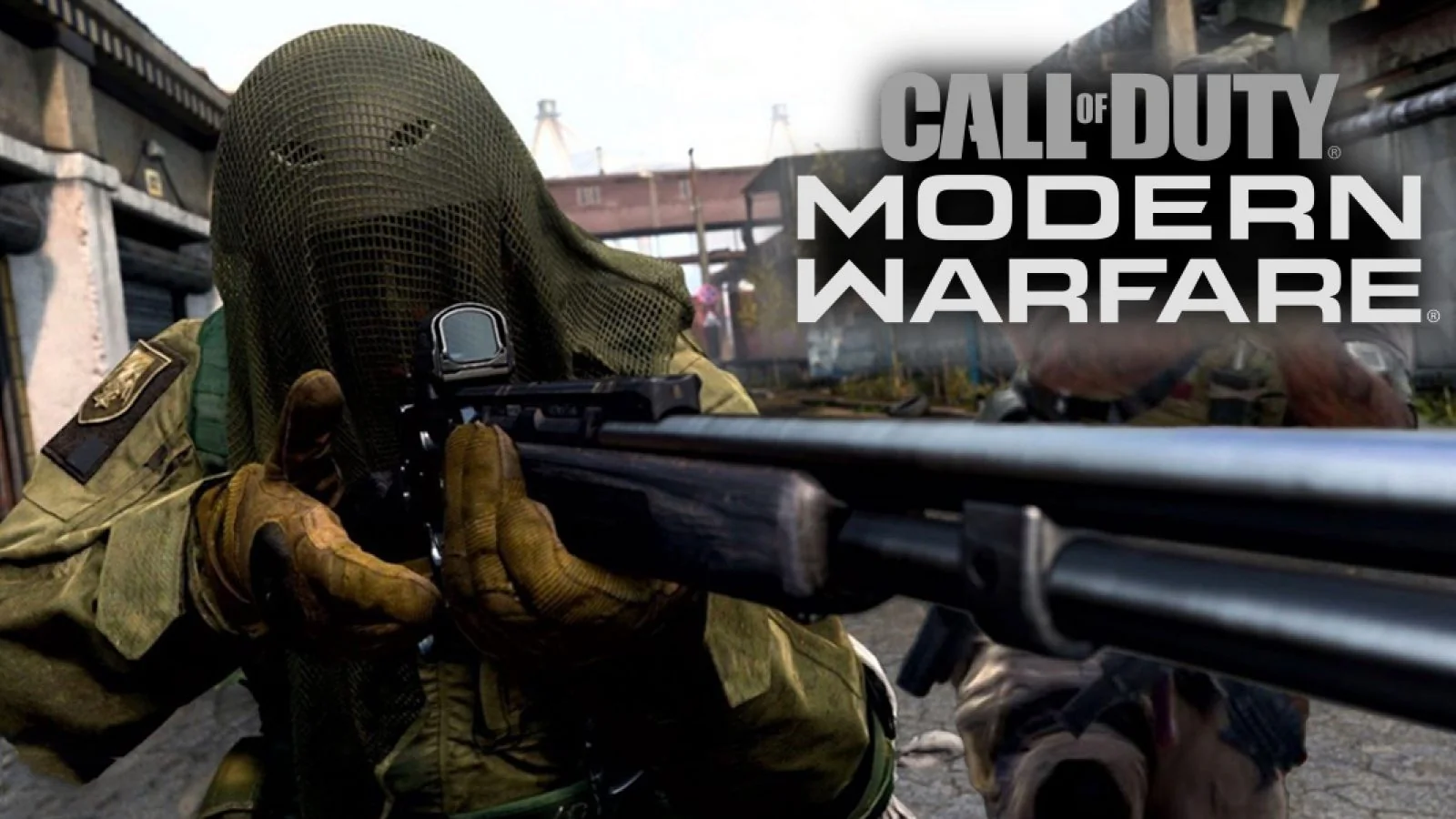
Modern Warfare opened fast, making more than $600 million in its first three days. That was enough to beat some of the biggest movie openings of the same period, including Avengers: Infinity War on its opening weekend. Activision also managed to extend the life of the release with Warzone, which arrived the following year and kept the overall ecosystem growing. That combination of premium launch sales plus ongoing engagement is part of why Call of Duty stays so commercially strong.
Pokémon Go
Pokémon Go felt like a weird global event when it launched in 2016. For a few weeks it was everywhere, and within two months it had already made more than $500 million. That made it the fastest mobile game to reach that figure at the time. What is easy to overlook is that it did not vanish after the initial craze faded. It kept a large enough audience to keep generating revenue for years, and total lifetime revenue has now passed $6 billion. For a game built around walking around outside catching Pokémon, that is a ridiculous outcome.
Trending on realmoneygamer.com
League of Legends

League of Legends has been one of the biggest earners in gaming for a long time. At its peak it was reportedly making around $1.7 billion a year, mostly from cosmetic purchases. What stands out is not just the size of the revenue, but how long Riot kept the whole thing relevant. The game stayed near the top for years, built a huge esports scene, and eventually expanded into other media with Arcane. Very few games stay commercially important for that long without fading into the background.
Honor of Kings

Honor of Kings is one of the clearest reminders that Western gaming coverage only tells part of the story. Tencent’s mobile MOBA has made staggering amounts of money, especially in China, including periods where it reportedly cleared more than $1 billion in a single quarter. It is one of the biggest games in the world financially, even if many players outside Asia barely hear about it. That gap between visibility and revenue is part of what makes it such a good example for a list like this.
Candy Crush Saga
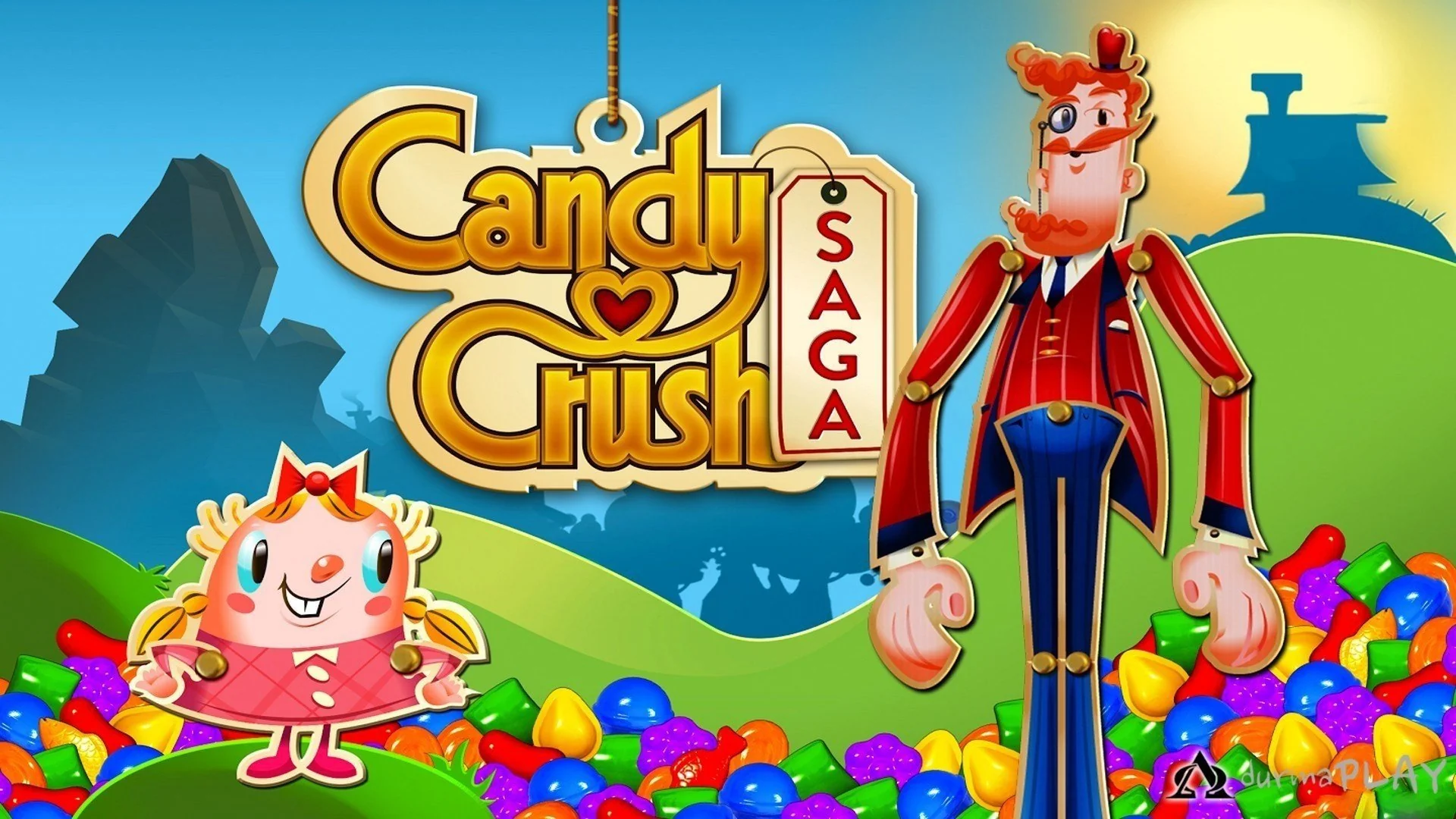
Candy Crush is the kind of game people like to dismiss right up until the numbers come up. It reportedly made more than $1 billion in 2013 alone, and the broader franchise has now generated well over $10 billion. King’s success was big enough that Activision Blizzard bought the company for $5.9 billion in 2015. It is not flashy, and it is not the sort of game that gets prestige treatment, but it has made more money than plenty of much louder releases.
FIFA / EA Sports FC
EA’s football series has been a huge business for years, and the biggest reason is not the boxed game by itself. Ultimate Team became the real engine behind the franchise, bringing in enormous recurring revenue through card packs and live-service spending. EA has not always broken out the exact numbers cleanly, but estimates have put Ultimate Team revenue above $1.6 billion in a single fiscal year. The overall franchise crossed $20 billion in lifetime revenue before the FIFA name was dropped. It is one of the steadiest moneymakers in the business.
World of Warcraft
World of Warcraft hit 12 million subscribers in 2010. At roughly $15 a month, that alone tells you most of what you need to know. At its height, WoW was generating something close to $1 billion a year from subscriptions before you even add expansions, merchandise, or later in-game purchases. Blizzard had other successful games, but WoW gave the company a level of financial stability few developers have ever had. Even after the peak years, it kept enough of an audience to remain a serious business more than two decades after launch.
Cyberpunk 2077
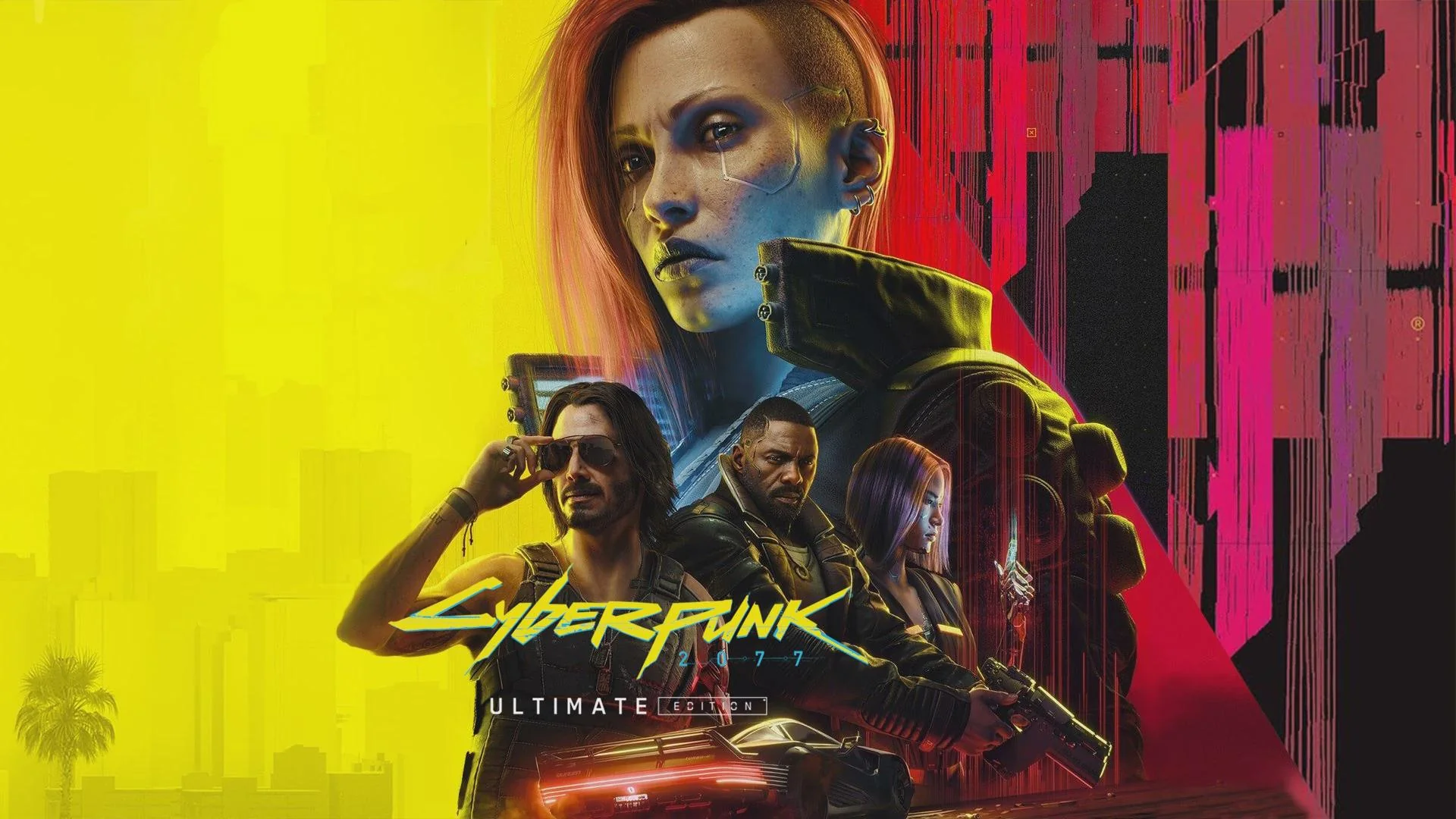
Cyberpunk 2077 had one of the messiest big-budget launches in recent memory, but commercially it still ended up being a success. Despite the refunds, bugs, lawsuits, and the temporary PlayStation Store removal, it sold more than 13 million copies in its first year. Then the game recovered further after the Edgerunners anime and the Phantom Liberty expansion helped rebuild interest. Total sales eventually passed 25 million. Most troubled launches stay defined by the collapse. Cyberpunk managed to become a comeback story instead.
Genshin Impact

Genshin Impact got off to a massive start in 2020, making $100 million in its first two weeks. The more impressive part is that it kept going. By 2024, mobile revenue alone had passed $4.5 billion, and that does not even include PC or console. It is a gacha game, so a lot of its business depends on aggressive monetization, but clearly that has not stopped it from building a huge global audience. For a new IP, the scale of its success is hard to overstate.
Games have been out-earning movies for a while now, and the gap is not getting smaller. Global game revenue has climbed past $180 billion in recent years, while Hollywood usually lands far below that even in strong years. The biggest games are not just selling copies anymore. They are running as long-term platforms, service businesses, and recurring revenue machines.
That is the part people still underestimate. These are not just popular games. They are some of the most profitable entertainment products ever made.