Gaming history doesn’t really move in clean chapters. It’s messier than that, shaped by weird experiments, business gambles, and sometimes pure luck. Some shifts were obvious right away, others only made sense years later. What’s clear now is that certain moments didn’t just push things forward, they changed how people relate to games altogether. These are a few of those turning points, or at least the ones that still feel hard to ignore.
Pong Shows Up in Bars, 1972
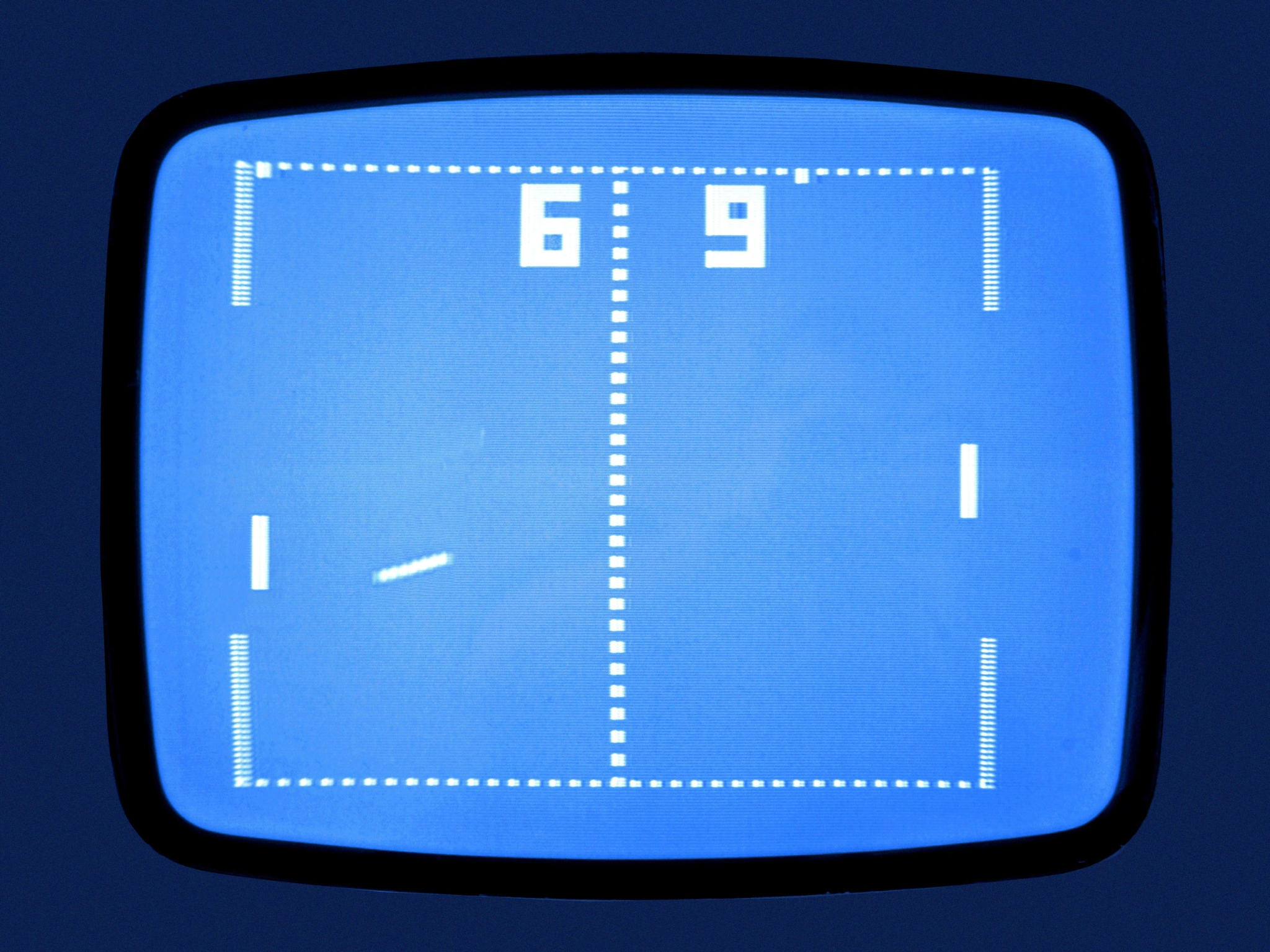
People didn’t quite know what to make of it at first, a simple screen with two paddles and a dot. Then the machine started filling up with coins. Pong wasn’t deep, but it didn’t need to be, it proved interaction alone could be the hook.
Atari 2600 Makes Gaming a Habit, 1977
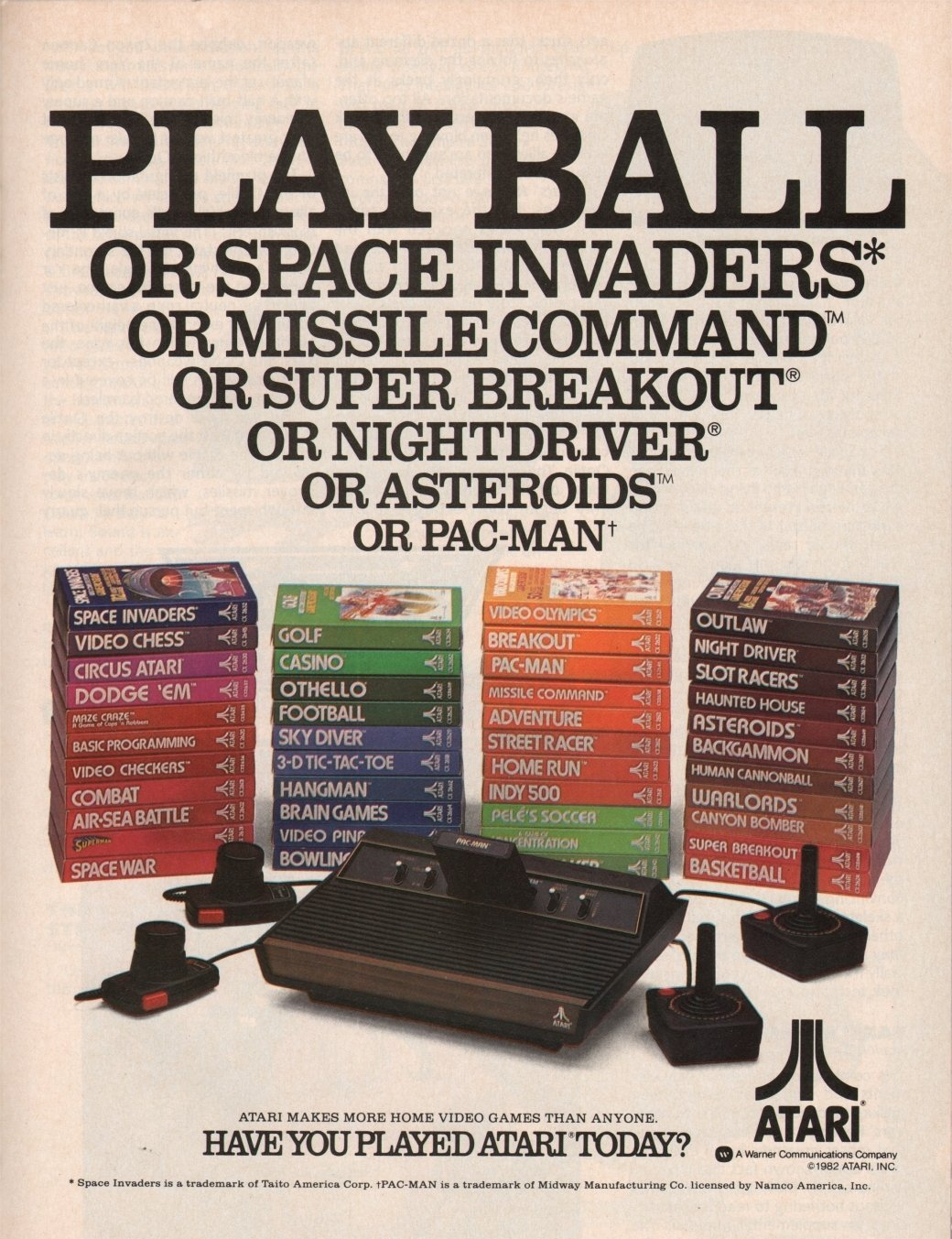
The key wasn’t just that it played games, it was that you could swap them. Cartridges turned gaming into something ongoing, not a one-time experience. That idea stuck around.
The Crash That Shook Retail, 1983
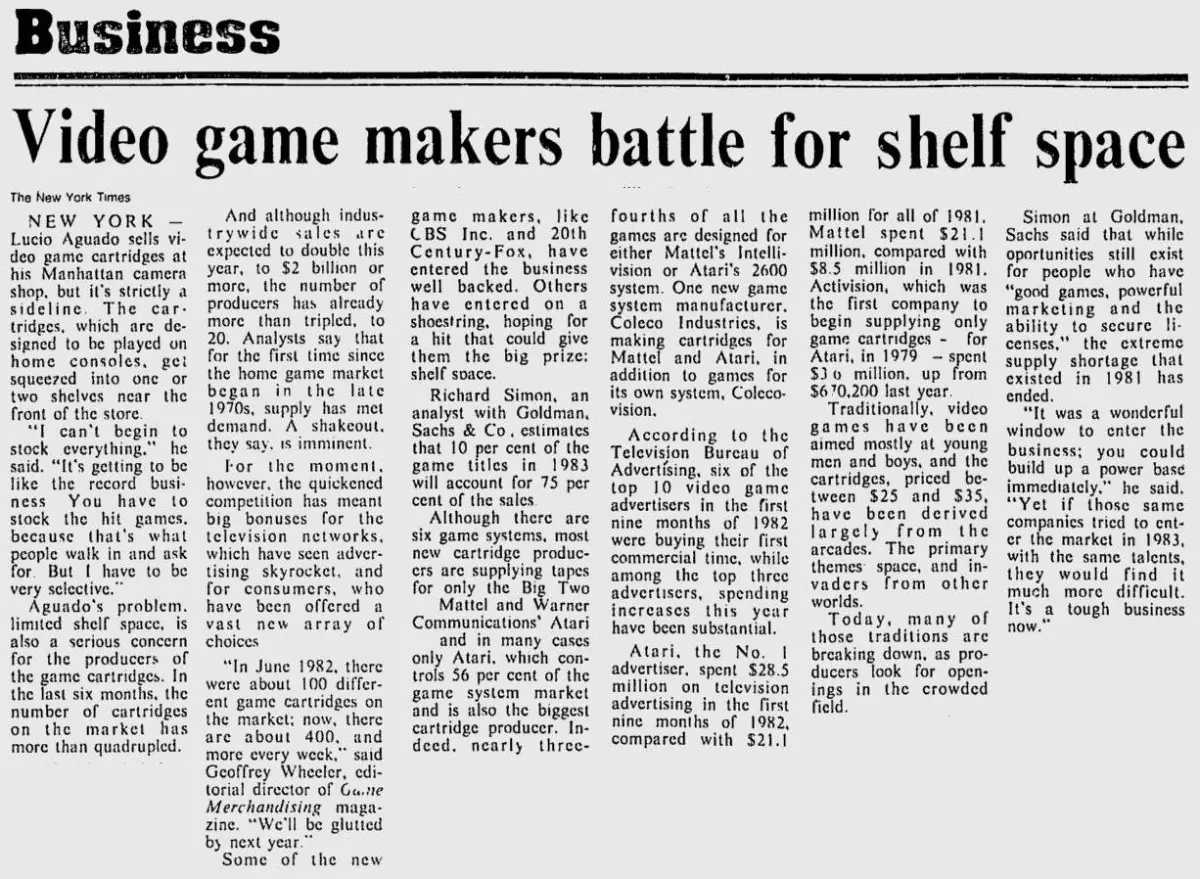
Stores got burned by too many bad releases, and suddenly games weren’t a safe bet anymore. It’s one of those moments where the business side almost killed the creative side. Recovery wasn’t guaranteed.
Nintendo Rebuilds Trust, 1985
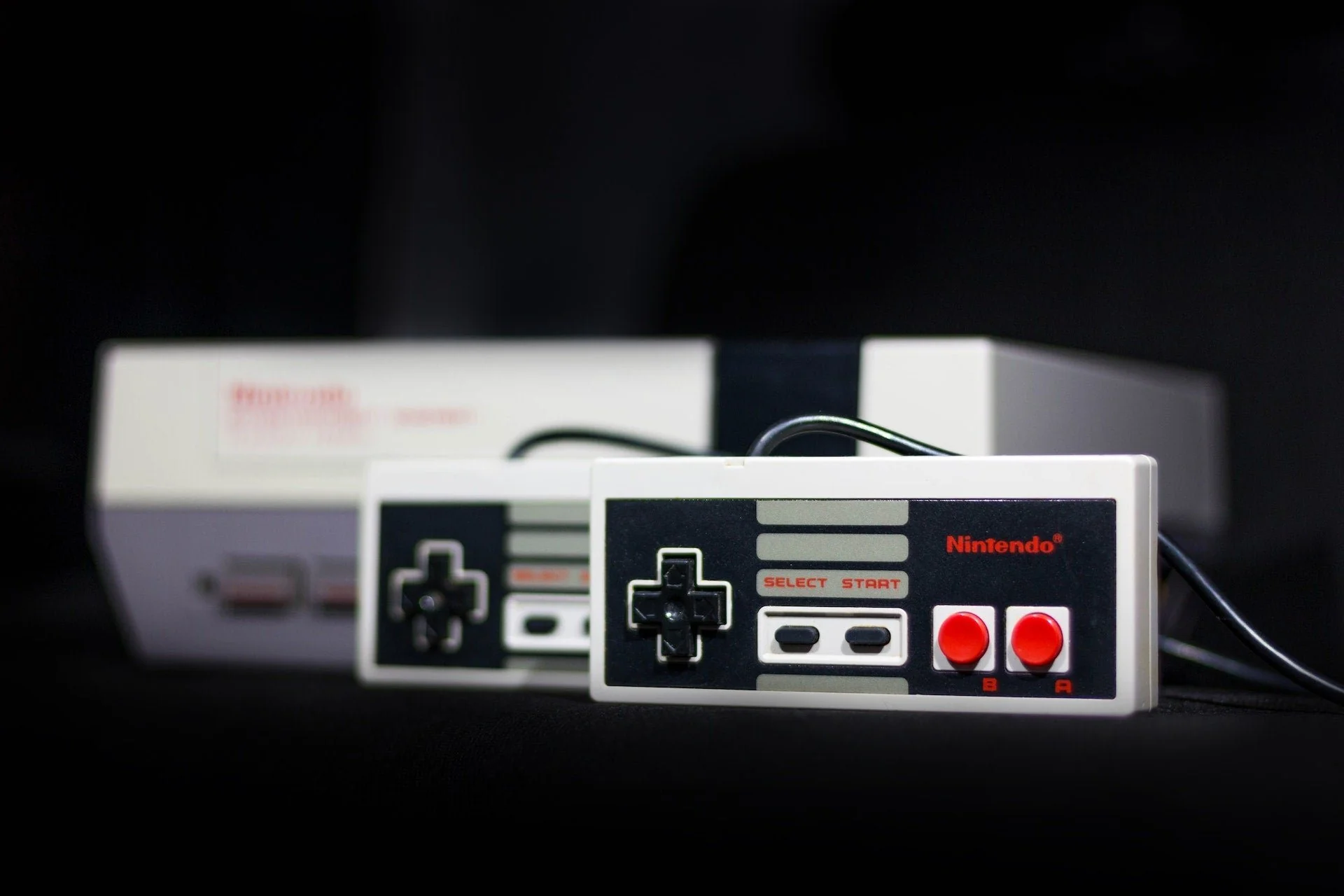
The NES didn’t arrive quietly, it came with rules. Licensing, quality checks, tight control over what got released. Some developers hated it, but players started trusting games again, and that mattered more at the time.
Doom Spreads Like a File, 1993
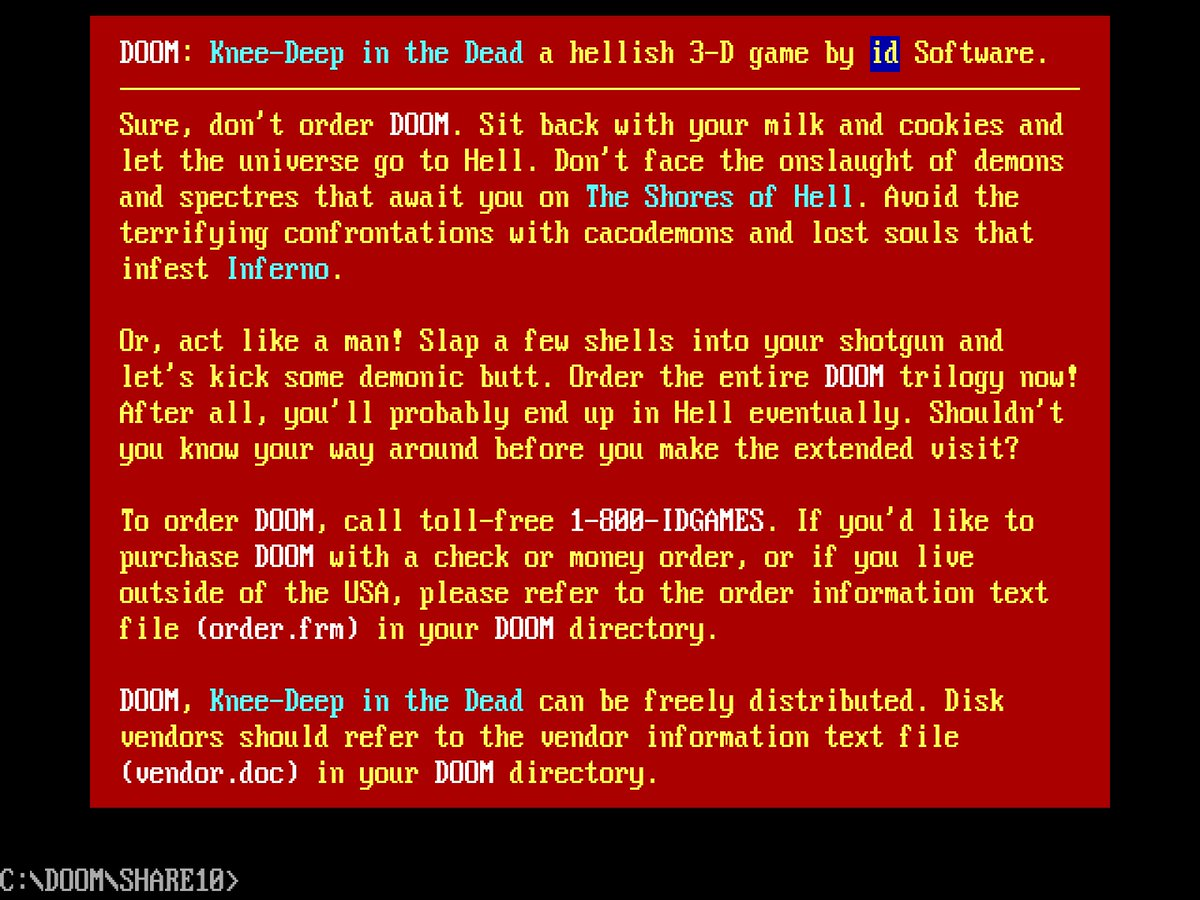
You didn’t necessarily buy Doom first, you got it from a friend, or a disk, or somewhere online. That shareware model made it feel everywhere all at once. The game itself was fast and aggressive, but the distribution was just as disruptive.
Trending on realmoneygamer.com
PlayStation Bets on CDs, 1994
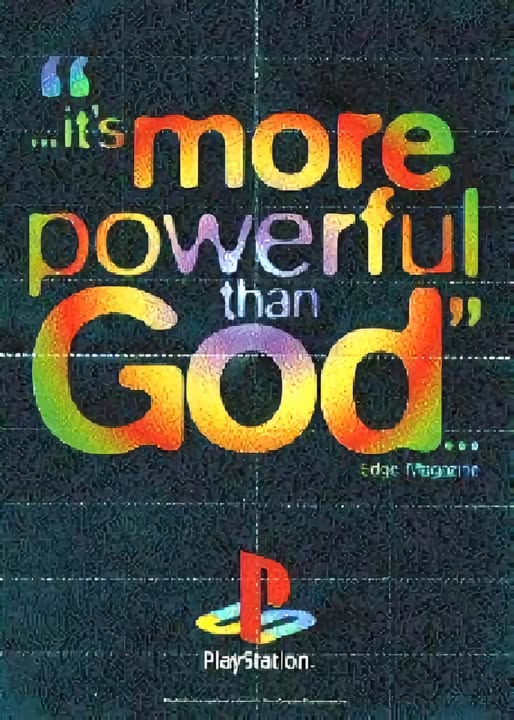
While others hesitated, Sony leaned in. More storage meant bigger ambitions, more audio, more cinematic ideas creeping in. It also made development cheaper in ways that aren’t always talked about.
Pokémon Turns Kids Into Traders, 1996
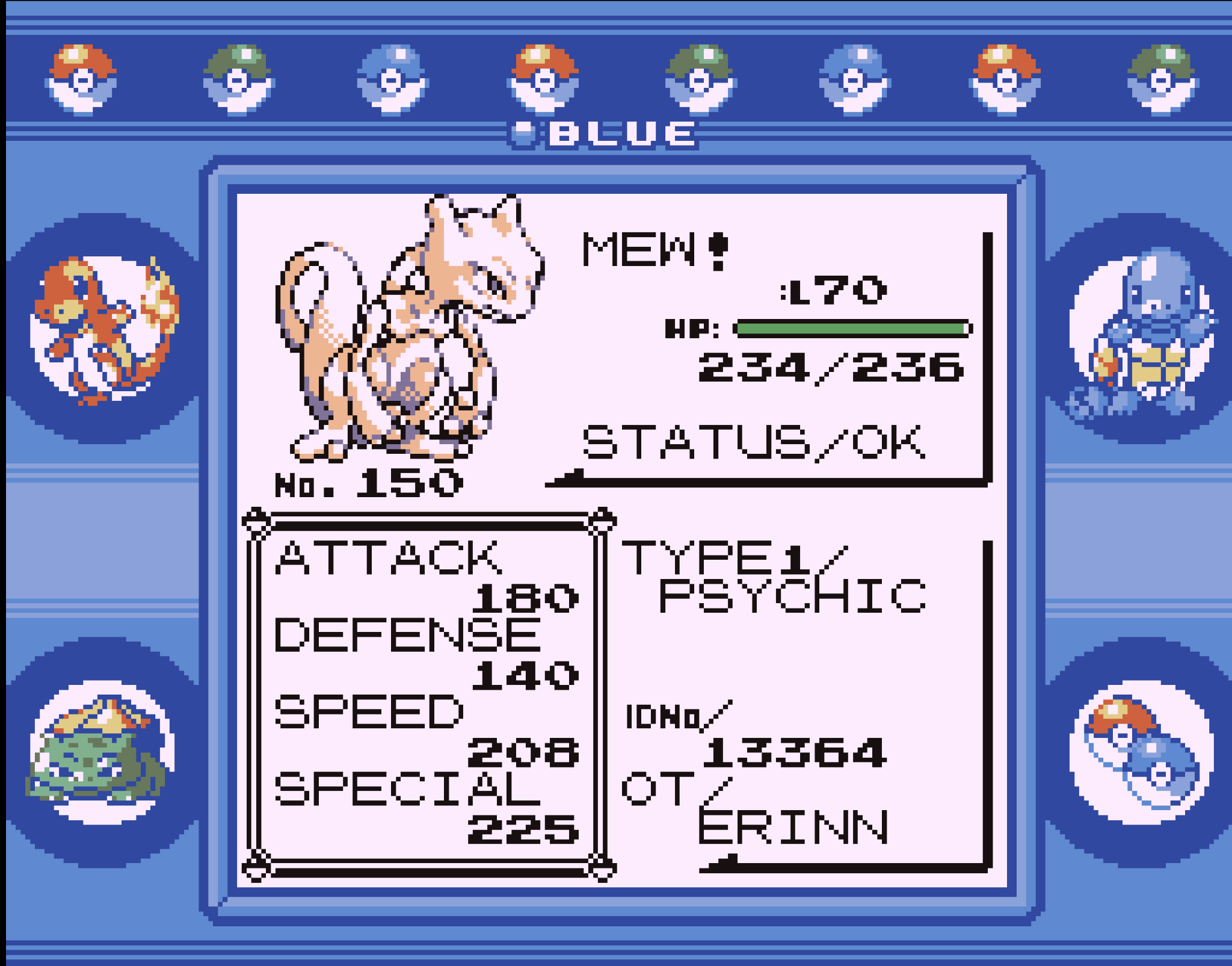
The games were good on their own, sure, but the real thing happened outside the screen. Link cables, playground negotiations, rumors about hidden creatures. It blurred the line between game and social activity.
Counter-Strike Doesn’t Feel Like a Mod for Long, 1999
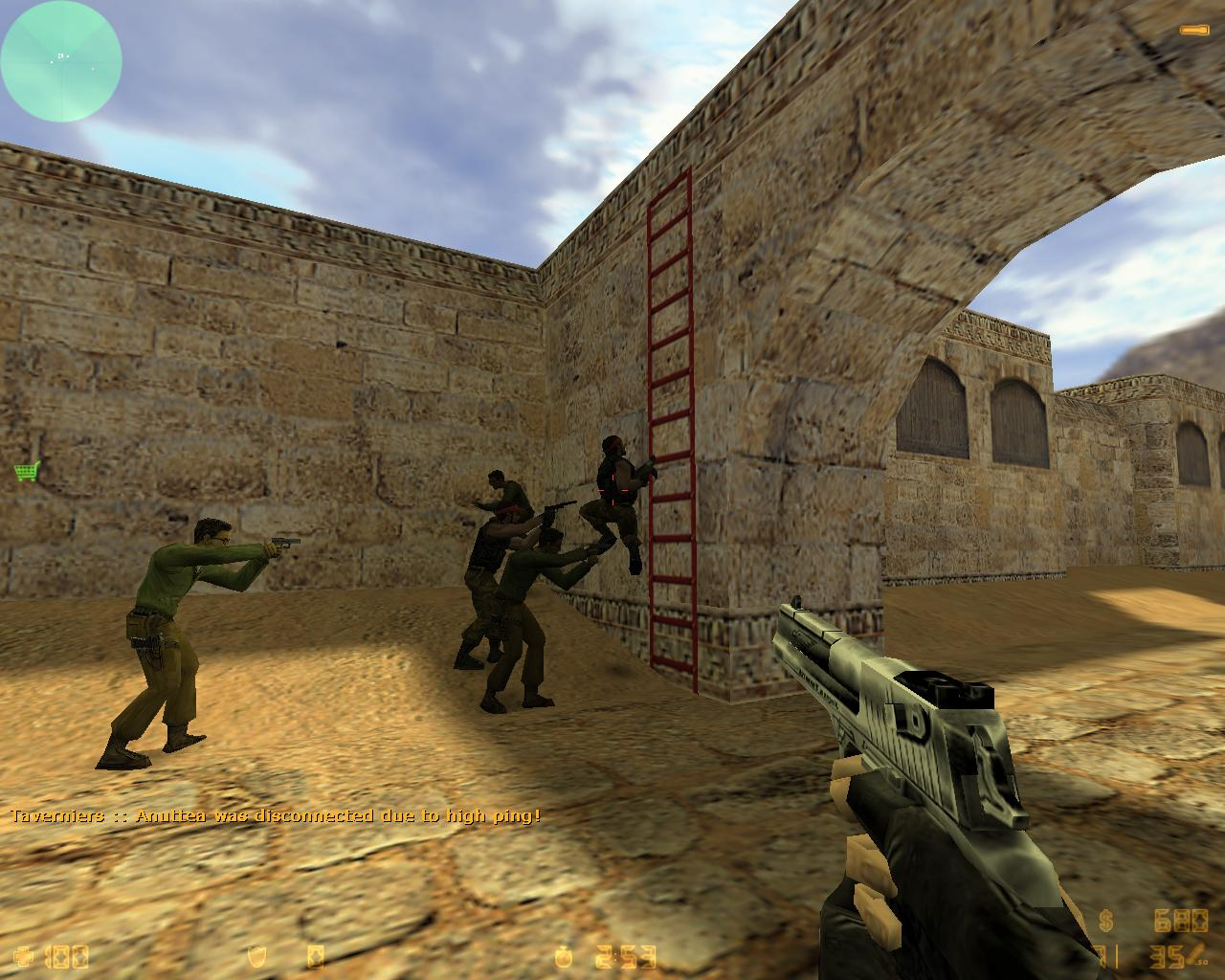
At some point people stopped calling it a mod and just treated it like its own thing. Slow rounds, high tension, no respawns, it pushed shooters in a different direction without asking permission.
Xbox Live Feels Cohesive, 2002
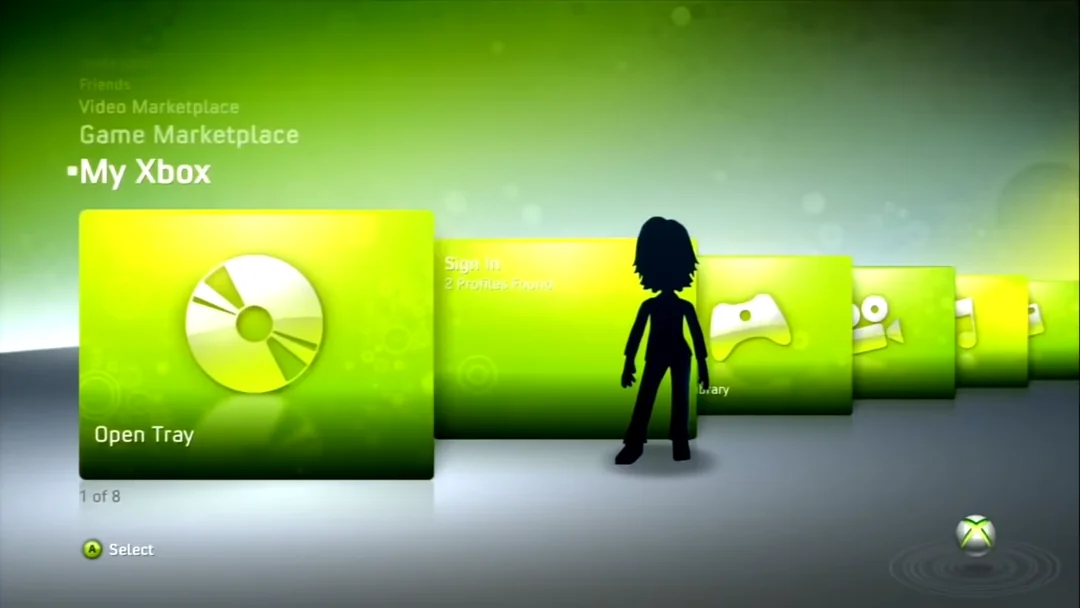
Not the first online service, but one of the first that felt like it made sense end to end. You logged in, your friends were there, voice chat just worked, mostly. It set expectations that stuck.
World of Warcraft Becomes Routine, 2004
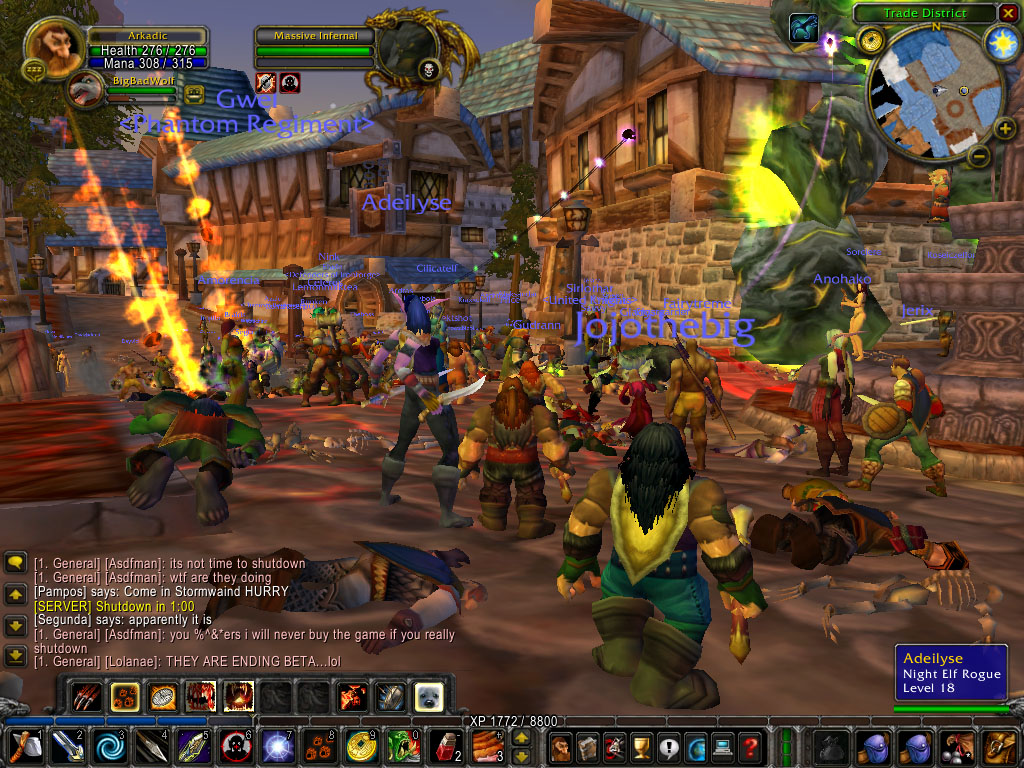
Logging in stopped being an event and started being part of people’s schedules. Raids, dailies, guild drama, it all blended into something closer to a second life than a game you finish.
YouTube Changes How Games Circulate, 2005
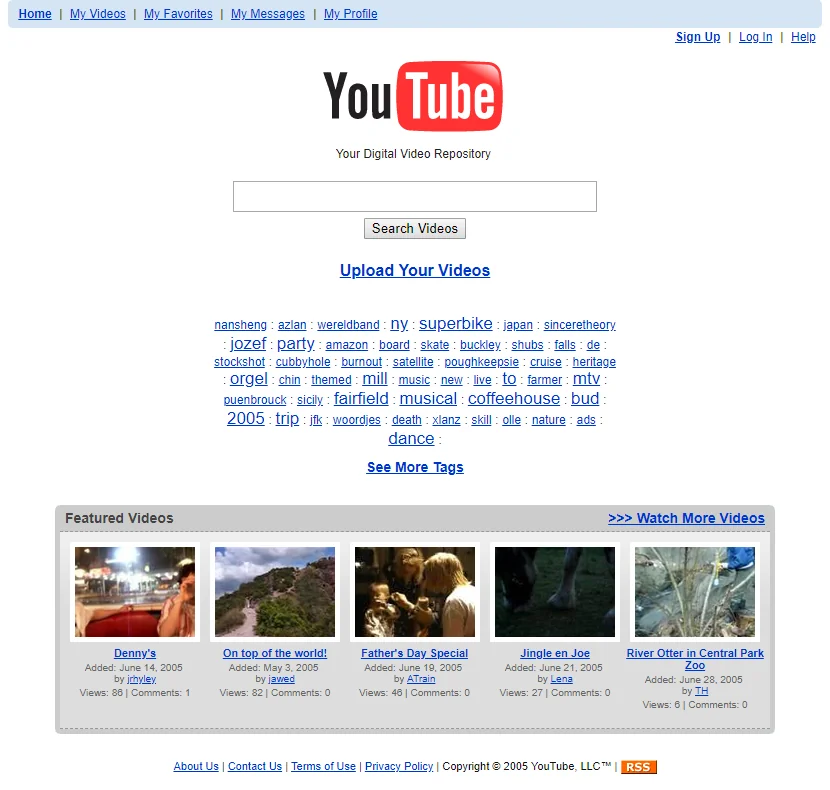
You could watch a boss fight before reaching it. Or never play the game at all and still feel like you experienced it. That shift hasn’t really reversed.
The Wii Gets Non-Gamers to Care, 2006
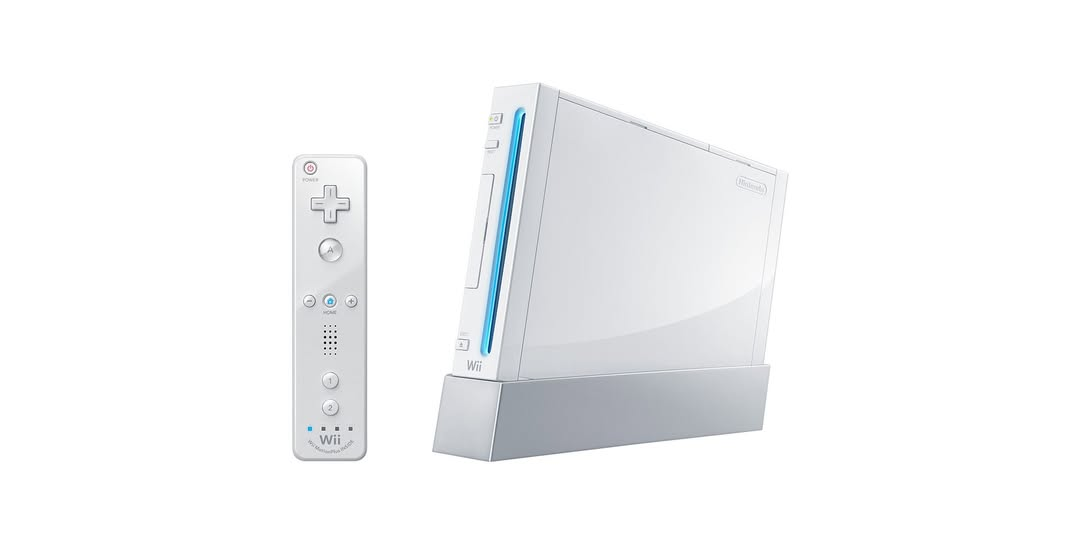
Not everyone loved it, but that wasn’t the point. People who ignored games suddenly had a reason to pick up a controller, even if it didn’t feel like a controller anymore.
League of Legends Feels Organized, 2009
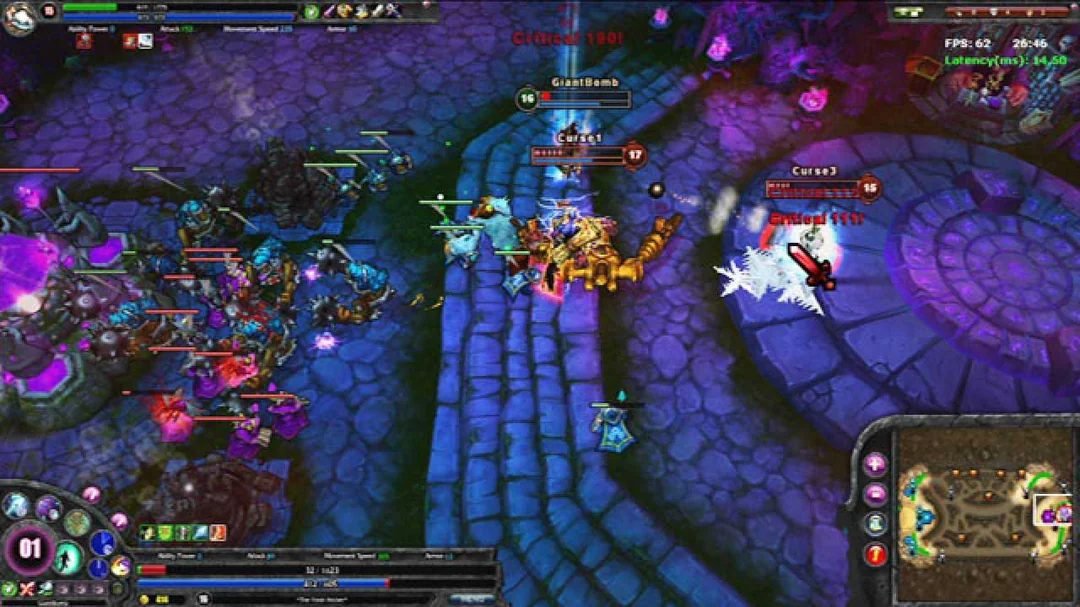
Competitive gaming had always been there, just scattered. League pulled it into something more structured, more predictable week to week. That consistency helped it grow beyond niche audiences.
Minecraft Lets Players Take Over, 2011
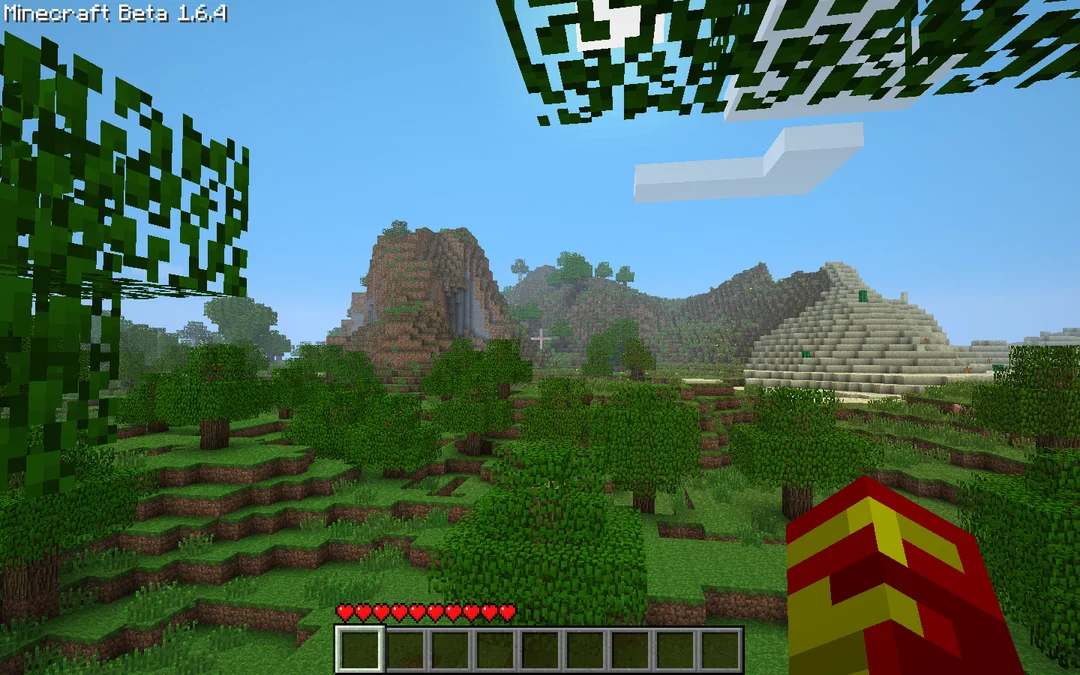
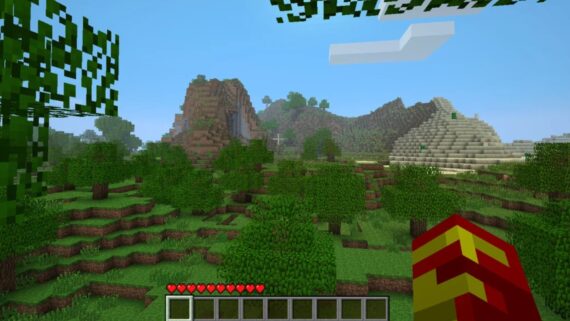
There’s a version of Minecraft everyone remembers, and they’re all slightly different. Mods, servers, self-made rules, it’s less about what the game is and more about what people do with it.
Twitch Makes Watching Messy and Live, 2011
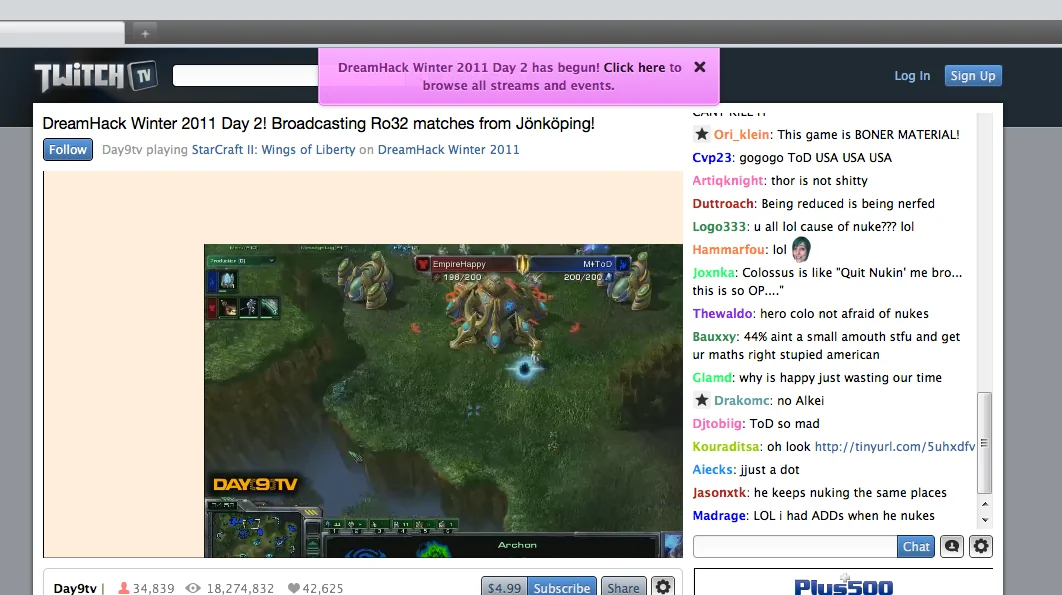
It’s not polished, and that’s the appeal. Streamers fail, chat reacts instantly, things go wrong in real time. It feels closer to hanging out than consuming content.
Fortnite Stops Sitting Still, 2017
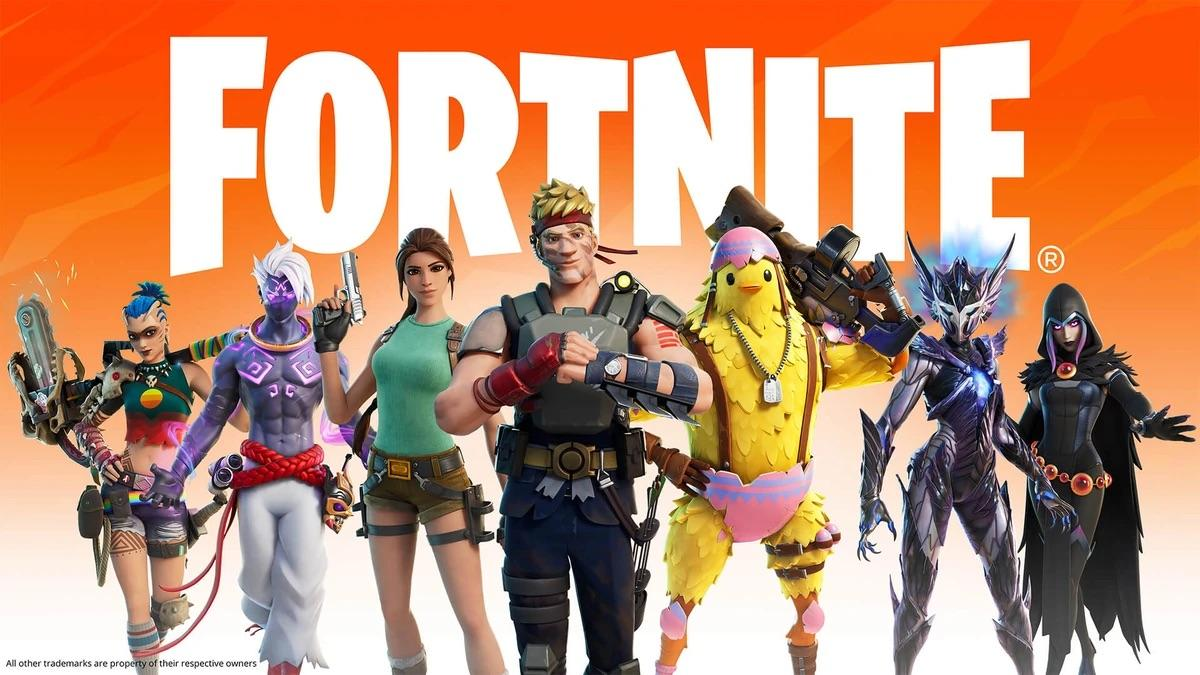
At first it was just another battle royale. Then the map started changing, events started happening, and suddenly logging in meant you might miss something if you didn’t. It turned time itself into part of the experience.
Looking back at all this, the pattern isn’t really about better graphics or bigger budgets. It’s about shifts in behavior, how people access games, how they share them, how they build around them. And most of those shifts didn’t look that big right when they happened.