Retro gaming used to be simple: old consoles lost value and ended up in storage boxes or flea markets. That assumption doesn’t really hold anymore. Over the last decade, the collector market has turned certain machines, especially well-preserved or rare variants, into surprisingly expensive pieces of gaming history.
Sometimes it’s nostalgia driving the prices. Sometimes it’s scarcity. And occasionally it’s just the strange path a piece of hardware took after its release. Here are 18 classic consoles that now sell for far more than many people expect, including what they cost when they launched and what collectors often pay today.
1. Nintendo Entertainment System (1985)
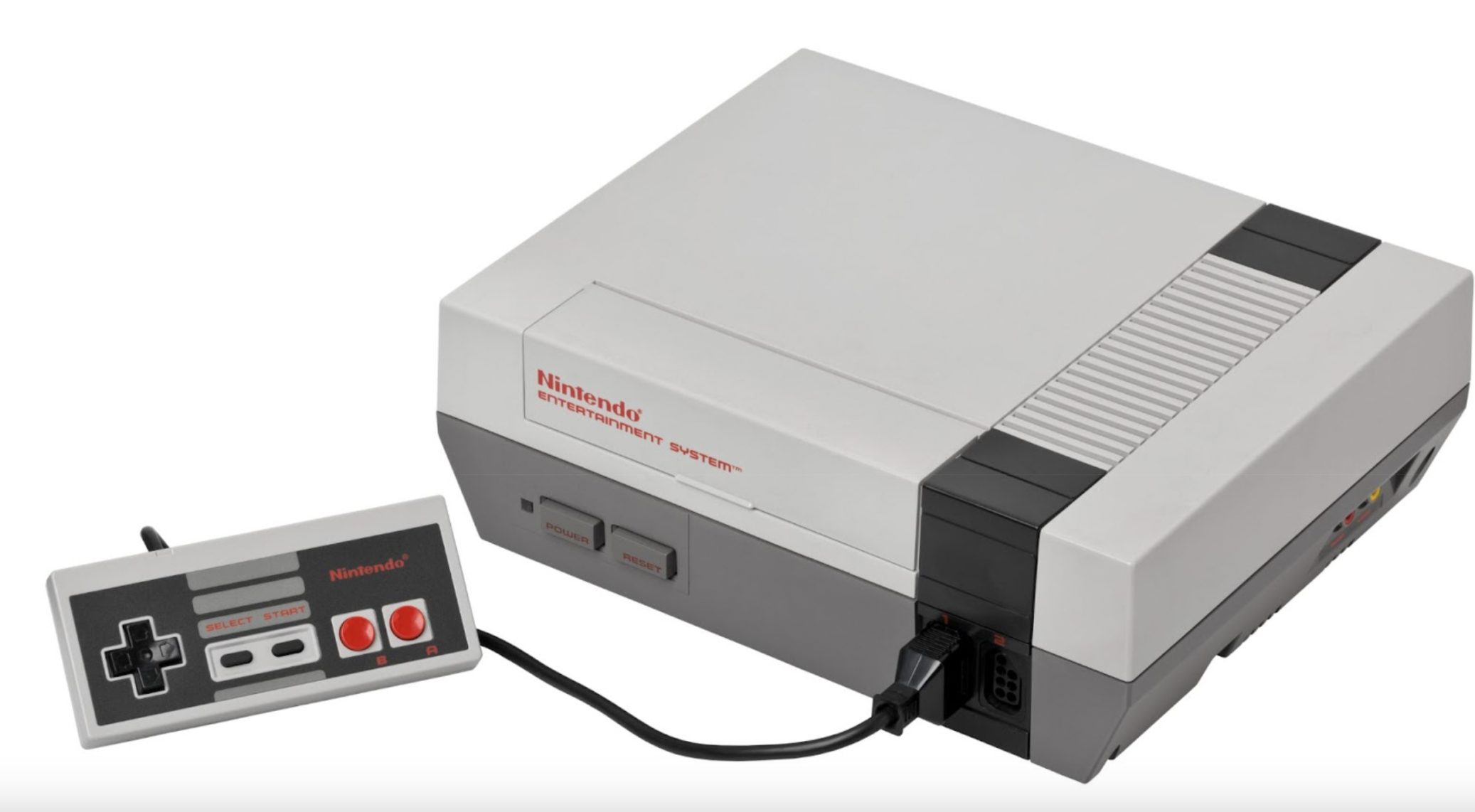
The Nintendo Entertainment System arrived in North America in 1985 with a launch price of about $199.
It carried games that shaped the industry: Super Mario Bros., The Legend of Zelda, Metroid, and Mike Tyson’s Punch-Out!!. Today the value depends heavily on condition. A loose console may sell for $80–$150, but a complete boxed “Deluxe Set” can easily reach $400–$700 among collectors.
2. Atari 2600 (1977)
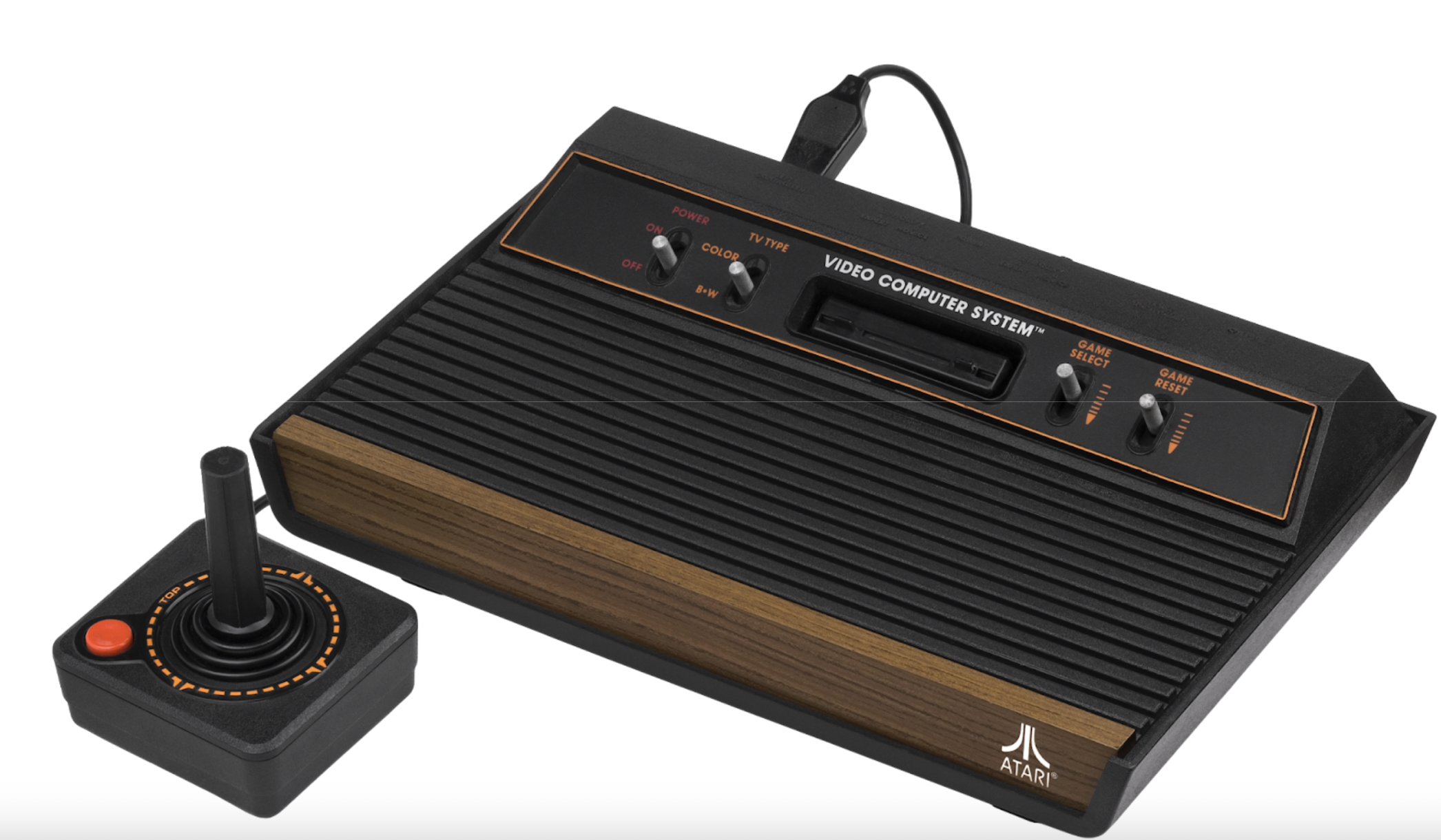
The Atari 2600 launched in 1977 for roughly $199.
It defined early home gaming with titles like Space Invaders, Pitfall!, and Asteroids. Standard units are still fairly common, but early models, especially the “Heavy Sixer” version, can sell for $300–$900 depending on condition.
3. Sega Dreamcast (1999)
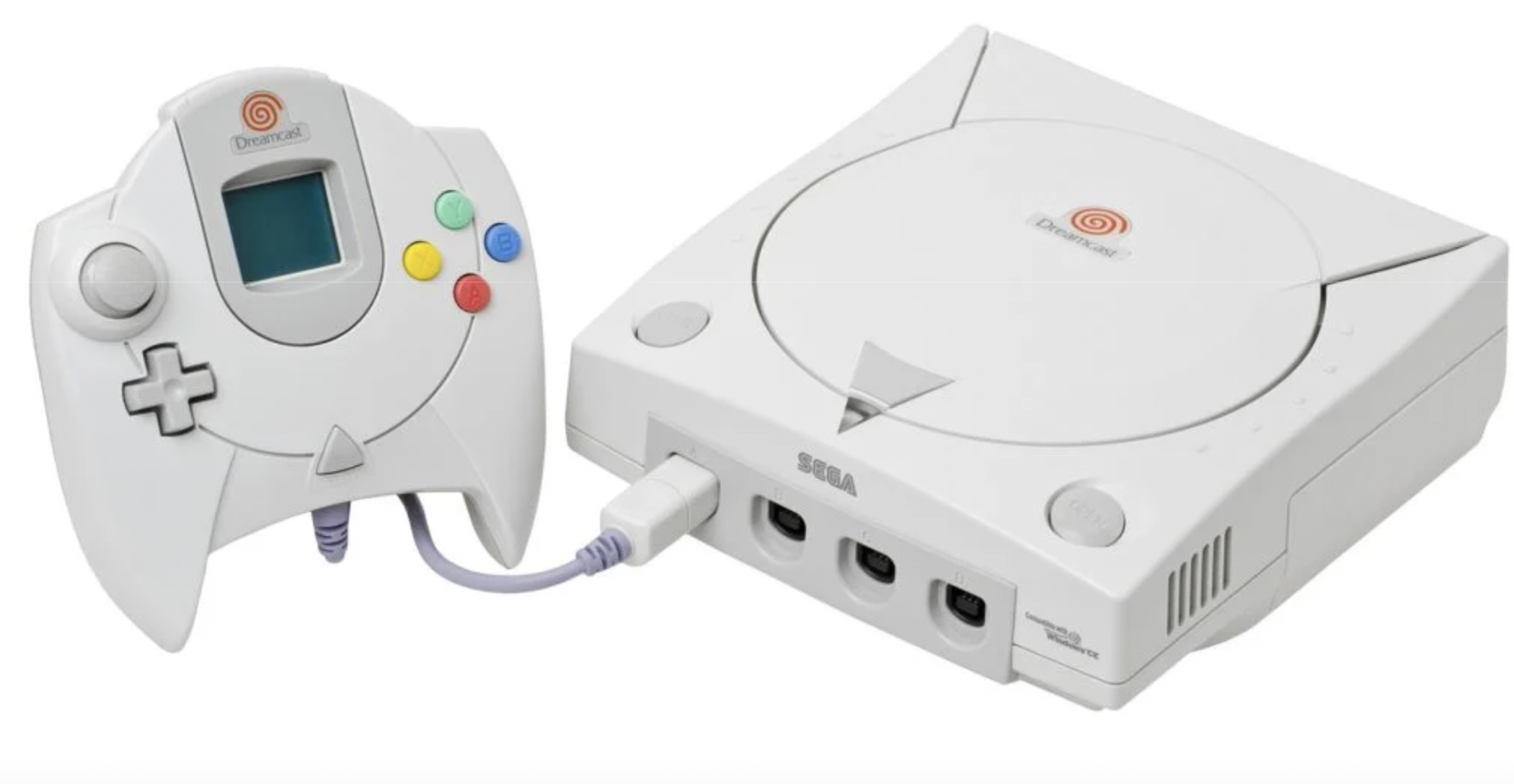
For a lot of players, the Dreamcast still feels like the console that deserved a longer run.
Sega launched it in 1999 at $199, and within months it had built a reputation around games like Shenmue, Jet Set Radio, Crazy Taxi, and Soulcalibur before Sega exited the hardware business in 2001. A standard Dreamcast now sells around $120–$250, but limited editions or boxed units can reach $400+.
4. Neo Geo AES (1990)
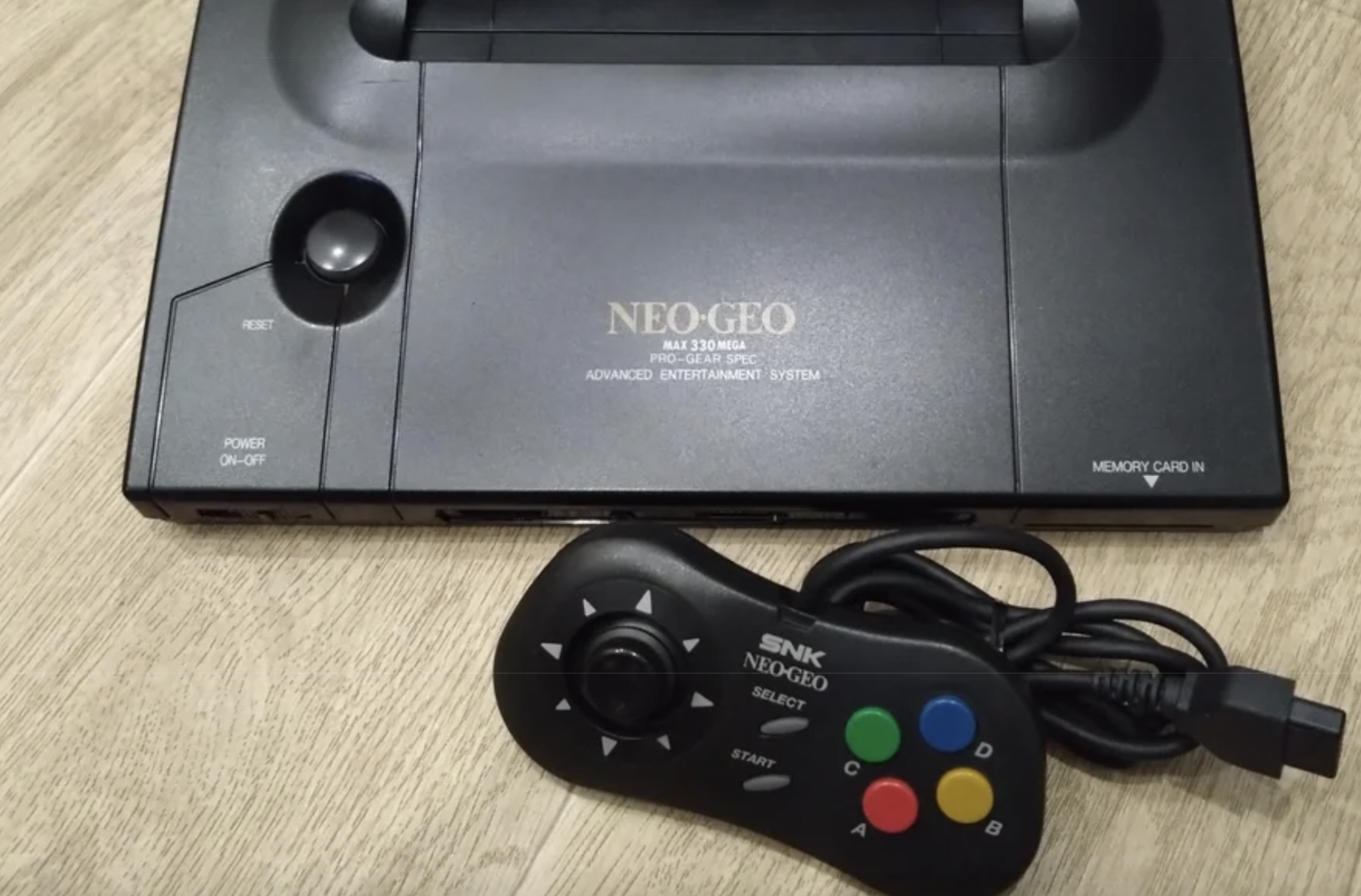
The Neo Geo AES entered the home market in 1990 with an eye-watering price of $649.
That cost made sense: the system essentially ran the same hardware used in arcades. Games like Metal Slug, Samurai Shodown, Fatal Fury, and The King of Fighters looked nearly identical to their coin-op versions. Today, working AES systems often sell for $900–$2,000, sometimes more if boxed.
5. Nintendo 64 (1996)
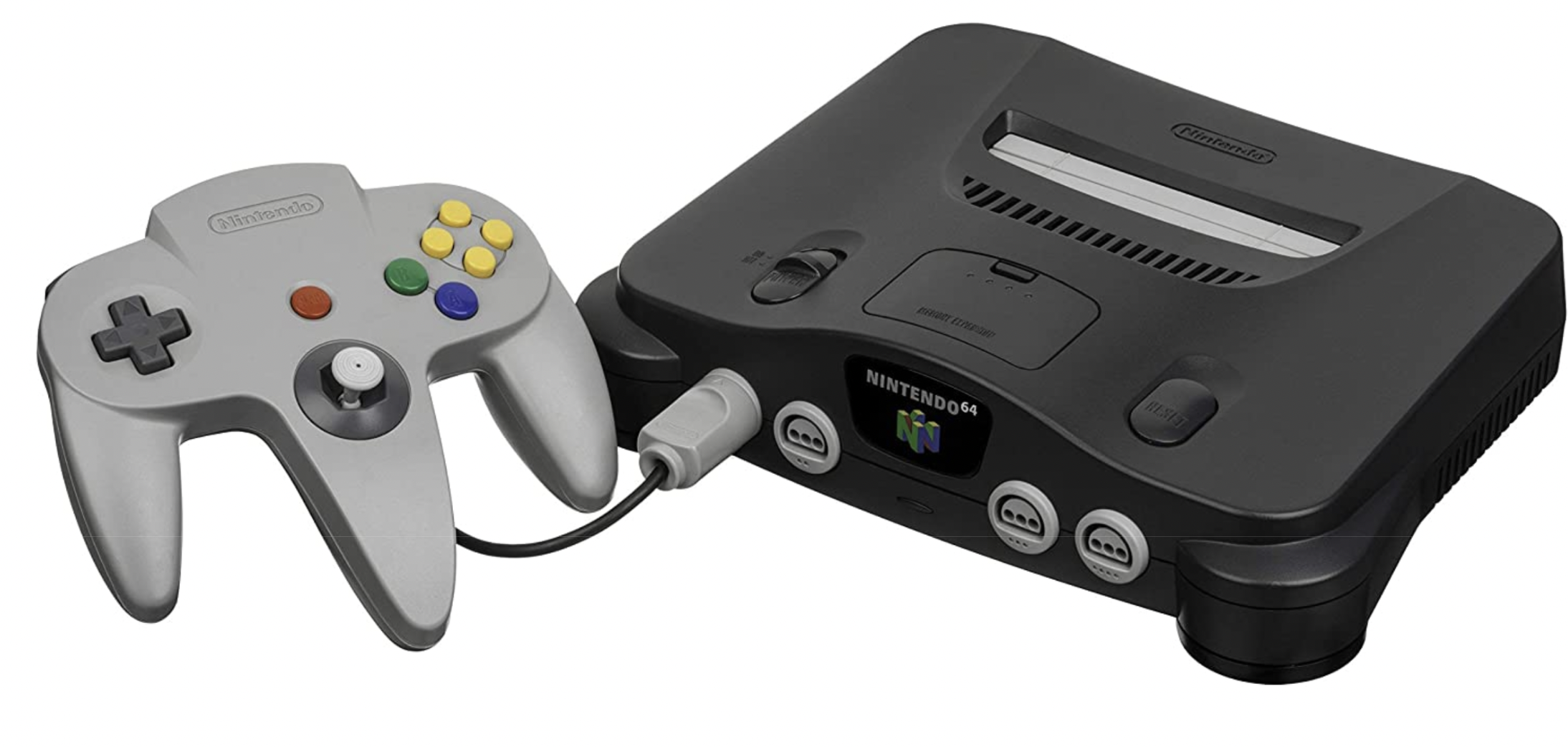
By the mid-90s, Nintendo needed a machine that could prove 3D gaming worked in the living room.
The Nintendo 64 arrived in 1996 with a $199 price tag and quickly delivered games like Super Mario 64, GoldenEye 007, and Mario Kart 64., and The Legend of Zelda: Ocarina of Time. Standard consoles typically sell between $90 and $200, but limited versions like the Pikachu N64 can climb to $400–$700.
Trending on realmoneygamer.com
6. Sega Genesis (1989)
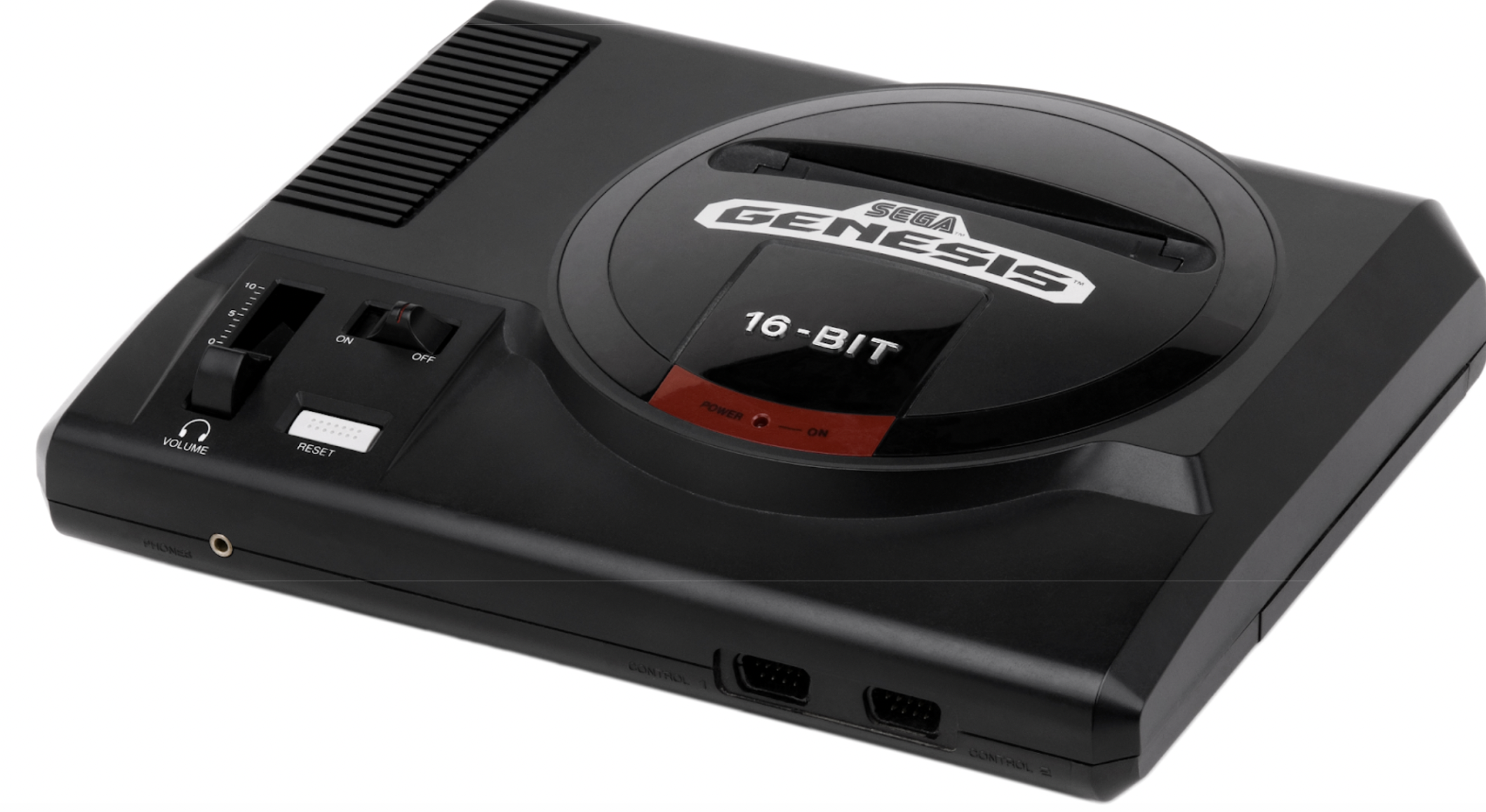
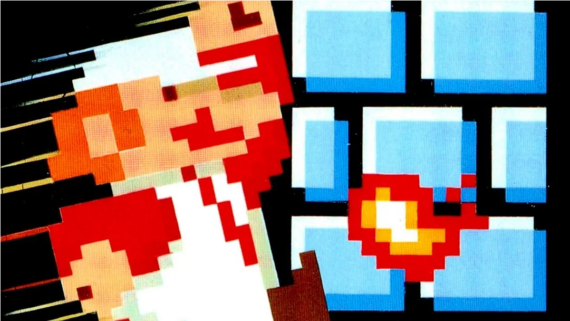
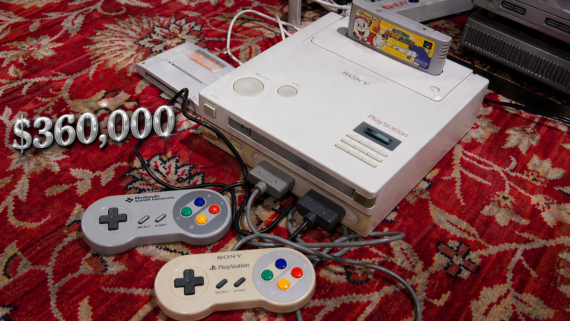
The Sega Genesis launched in North America at $189 in 1989. The console powered Sega’s rivalry with Nintendo, featuring games like Sonic the Hedgehog, Streets of Rage, Golden Axe, and Phantasy Star IV. Sonic the Hedgehog quickly became the face of the system, helping Sega position the Genesis as the faster, edgier alternative to Nintendo. Early “High Definition Graphics” models often sell for $150–$350, especially with the original box.
7. Nintendo GameCube (2001)
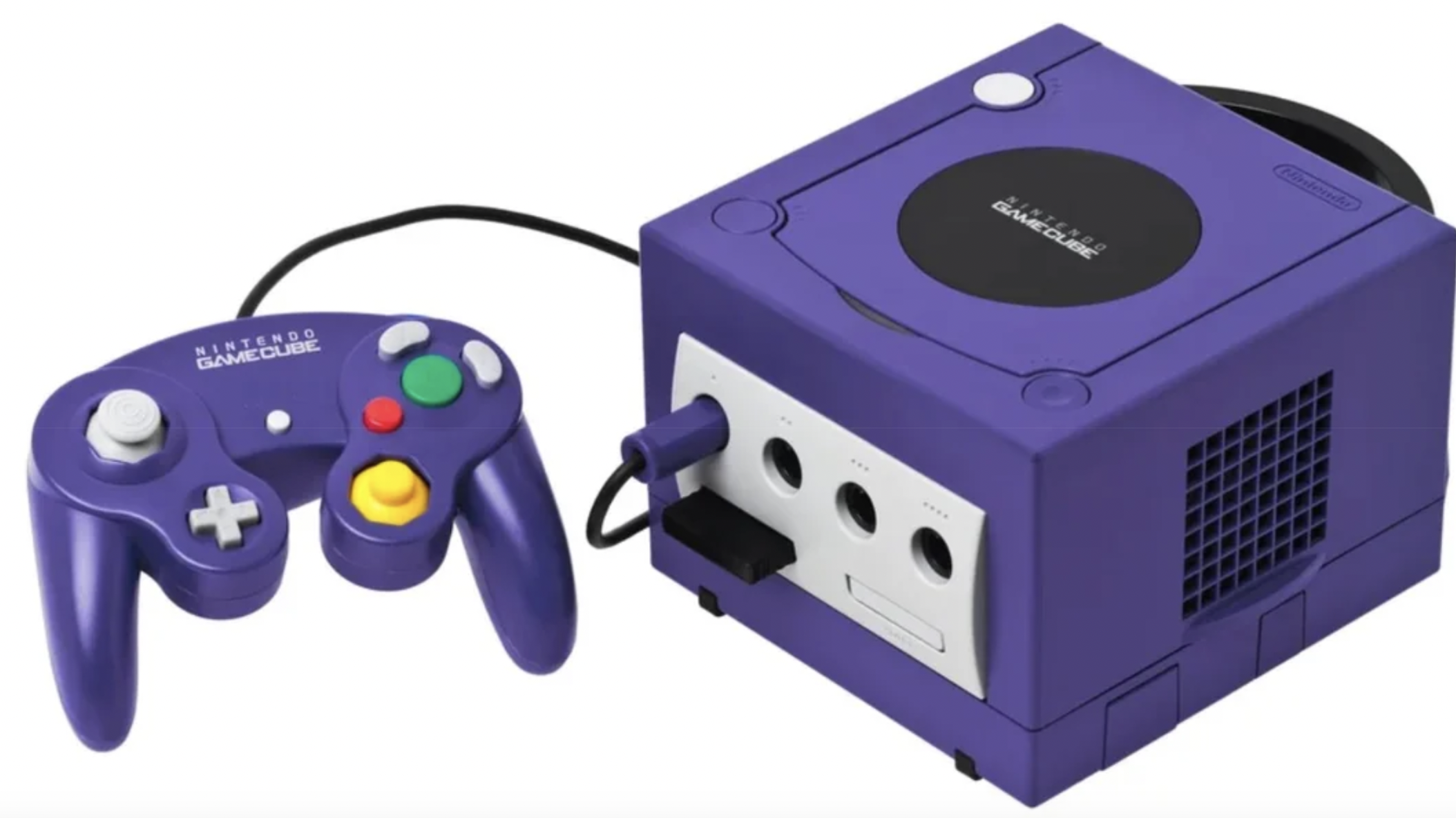
The GameCube looked unusual even when it launched—small, colorful, and shaped like a cube with a handle.
Nintendo released it in 2001 for $199, and it eventually hosted games like Super Smash Bros. Melee, Metroid Prime, Resident Evil 4, and The Wind Waker.
Regular consoles now go for $120–$250, but rarities like the Panasonic Q GameCube can exceed $1,000.
8. Sega Saturn (1994)
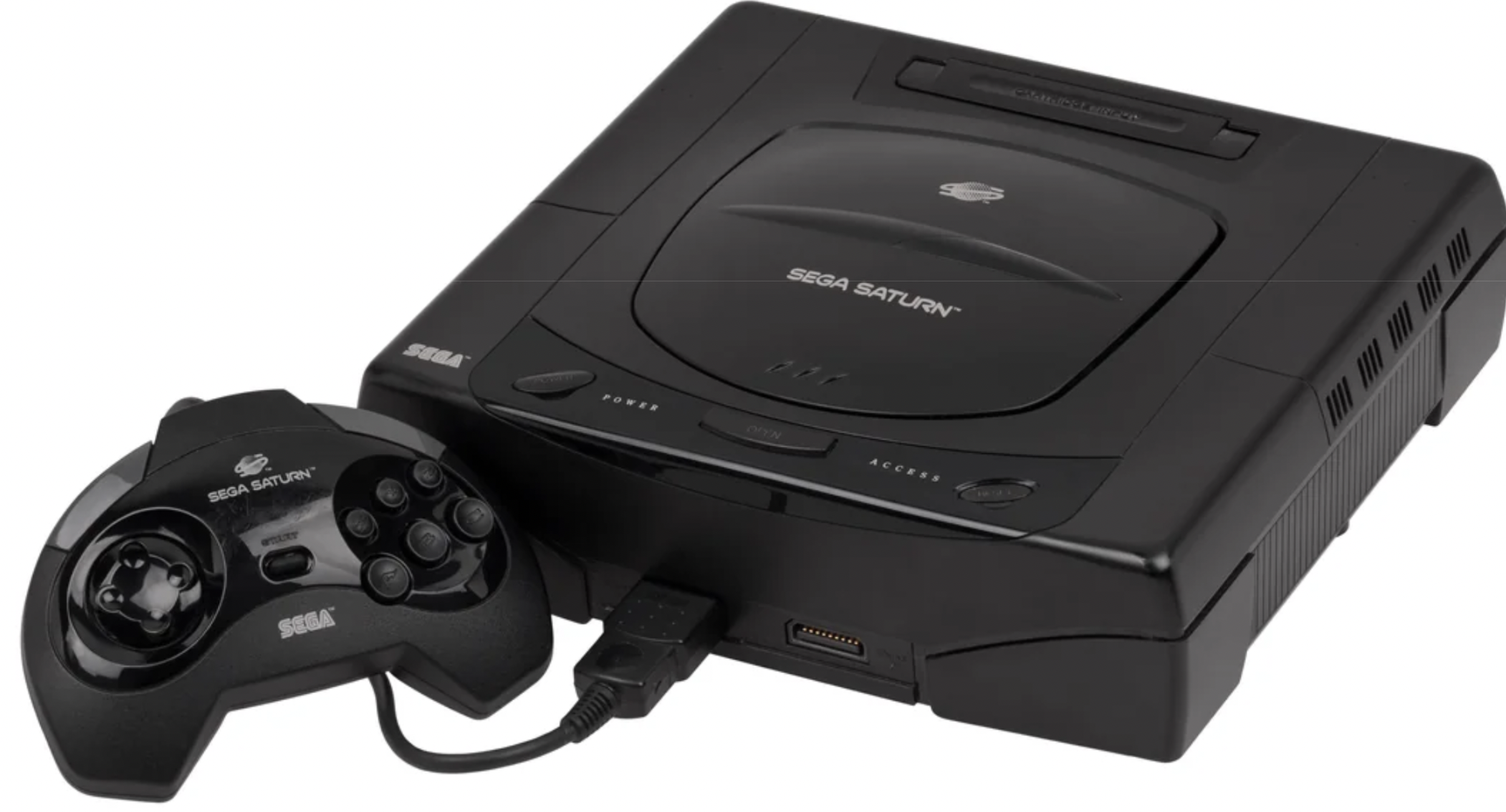
Sega released the Saturn in North America in 1995 at $399.
Despite its complicated architecture, it built a loyal fanbase through games like Virtua Fighter 2, Panzer Dragoon Saga, NiGHTS into Dreams, and Sega Rally Championship. A Saturn today usually sells for $200–$450, with boxed systems climbing higher.
9. Nintendo Virtual Boy (1995)
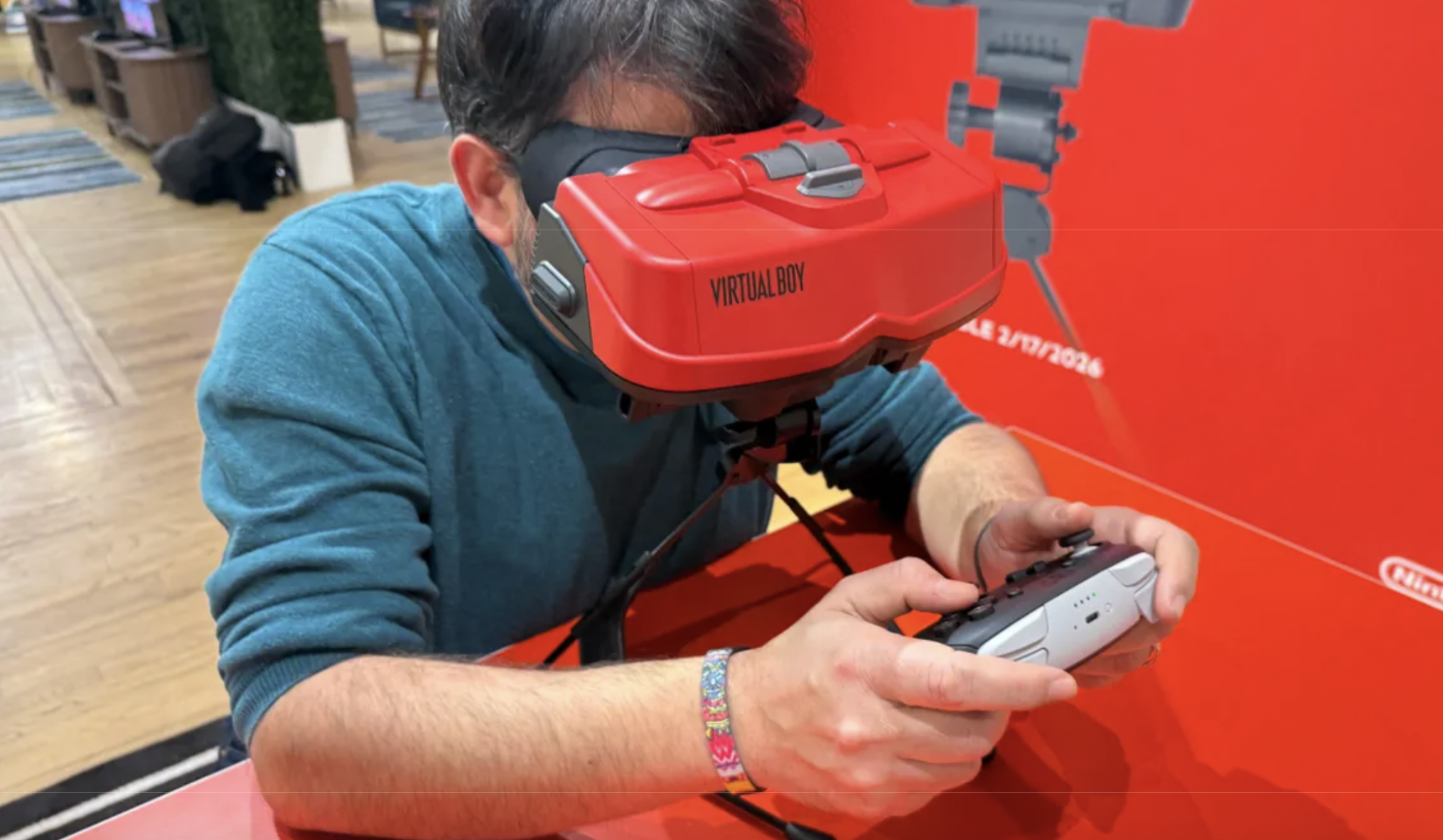
Nintendo’s Virtual Boy is still one of the strangest pieces of hardware the company ever released. It launched in 1995 for $179 and disappeared from store shelves less than a year later. That short lifespan is exactly why complete systems can now sell for $400–$800.
10. Atari Jaguar (1993)
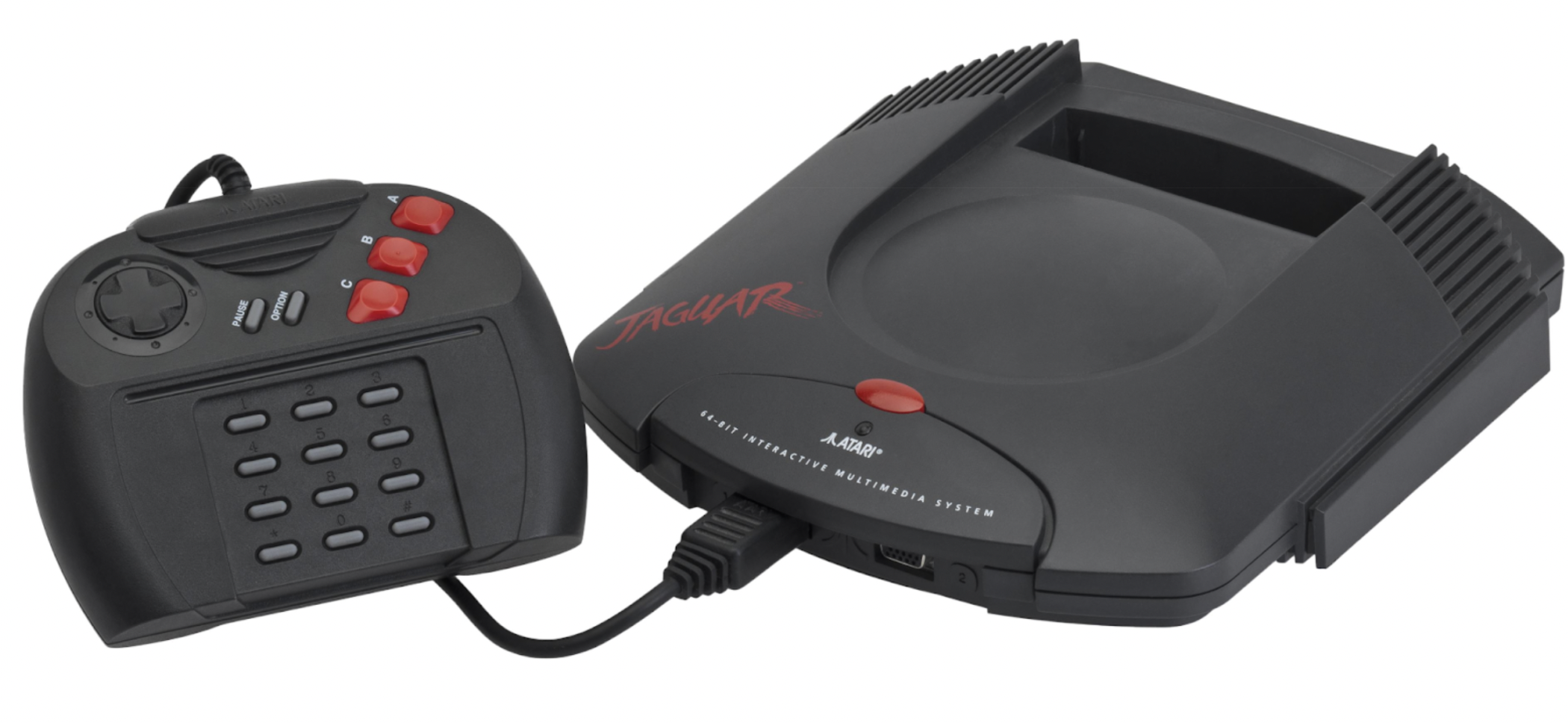
Atari priced the Jaguar at $249 when it launched in 1993. The system tried to position itself as a 64-bit powerhouse with games like Tempest 2000, Alien vs. Predator, and Rayman. Even today, retro collectors still debate whether the Jaguar was misunderstood or simply rushed to market. Working consoles now sell around $250–$500, with boxed sets sometimes exceeding $700.
11. TurboGrafx-16 / PC Engine (1987)
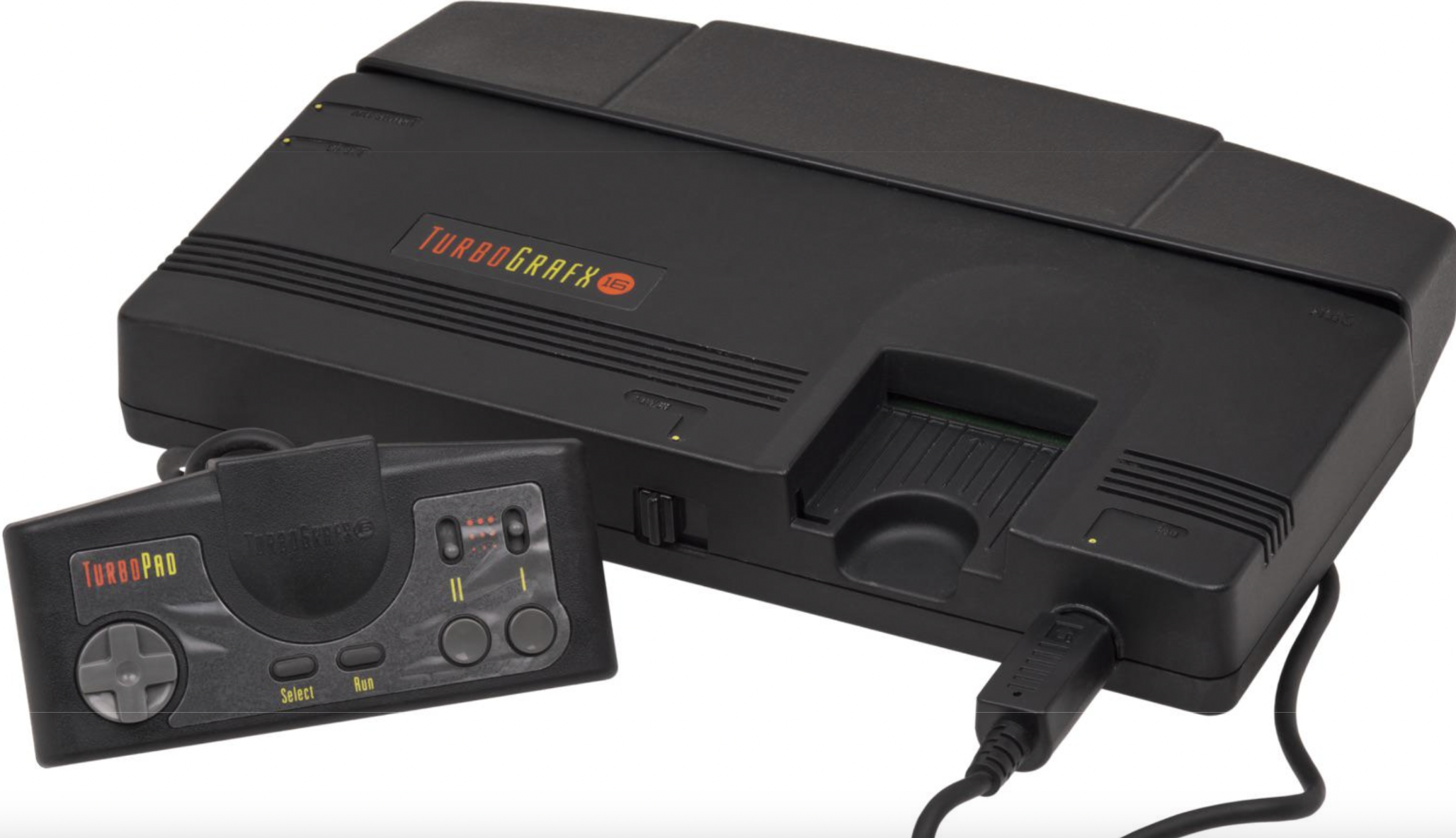
The TurboGrafx-16 debuted in North America in 1989 for $199. It gained a cult following through games such as Bonk’s Adventure, R-Type, and Ys Book I & II. Because distribution was limited in some regions, collectors often pay $250–$600 for complete systems.
12. Nintendo Game Boy (1989)
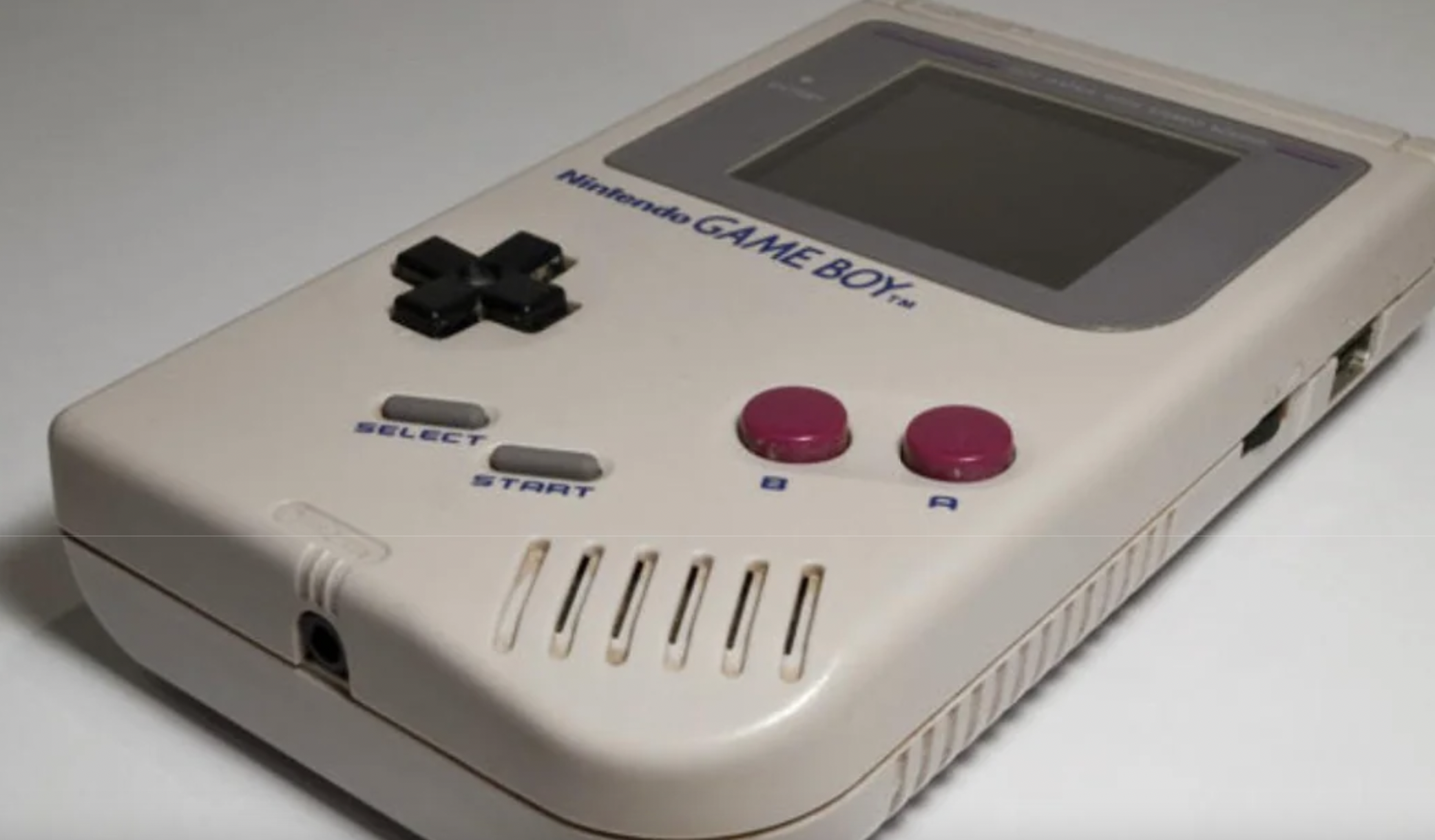
Nintendo launched the Game Boy in 1989 for just $89. It came bundled with Tetris, and its library was later expanded with Pokémon Red and Blue, Kirby’s Dream Land, and Super Mario Land. For many players, Tetris alone justified buying the system. Today, standard units sell for $70–$150, while rare variants can reach $300+.
13. Sega Master System (1986)
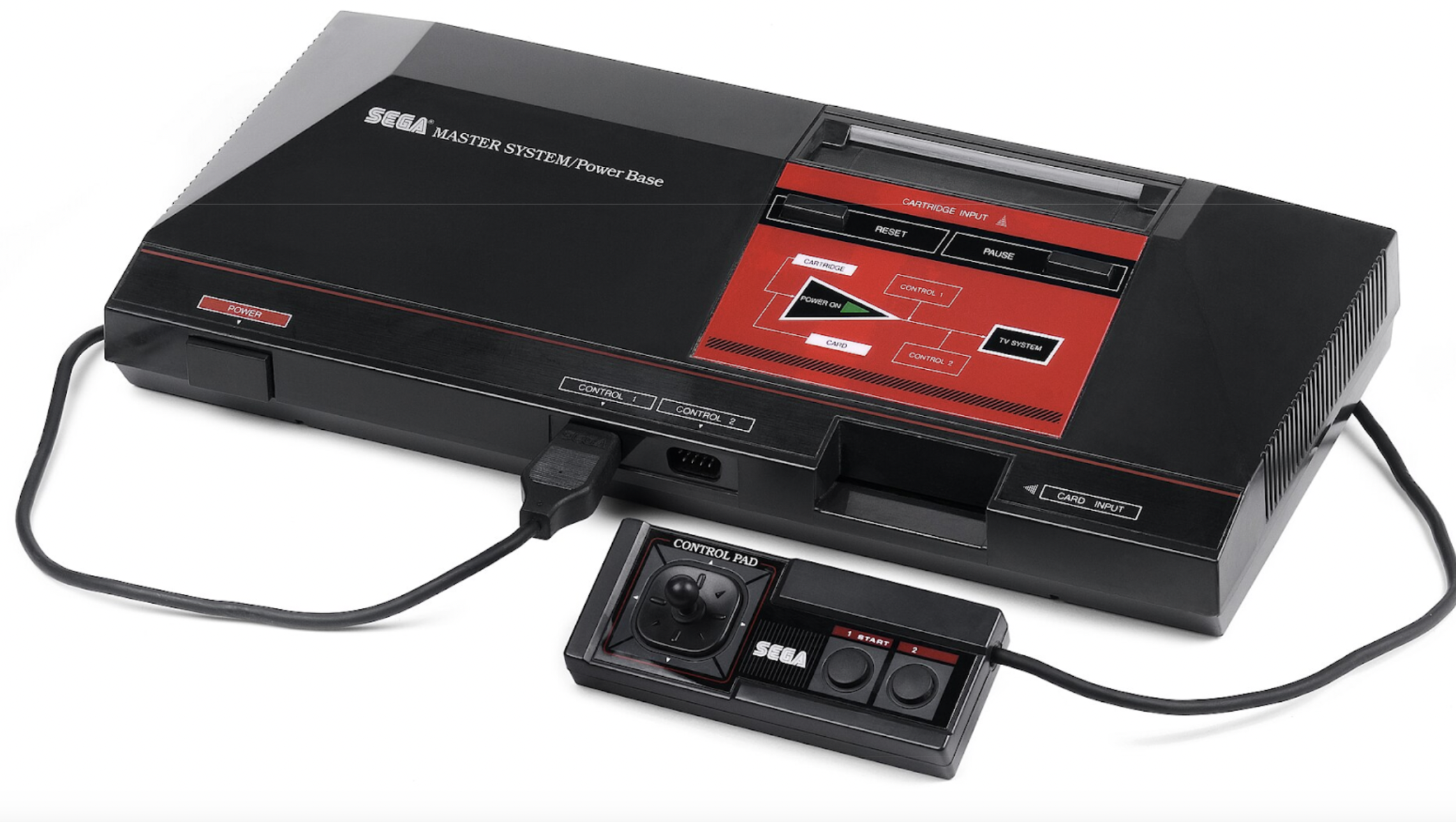
The Master System arrived with a launch price around $200. It featured games like Alex Kidd in Miracle World, Phantasy Star, and Wonder Boy III. Complete boxed systems now frequently sell for $200–$400.
14. Atari Lynx (1989)
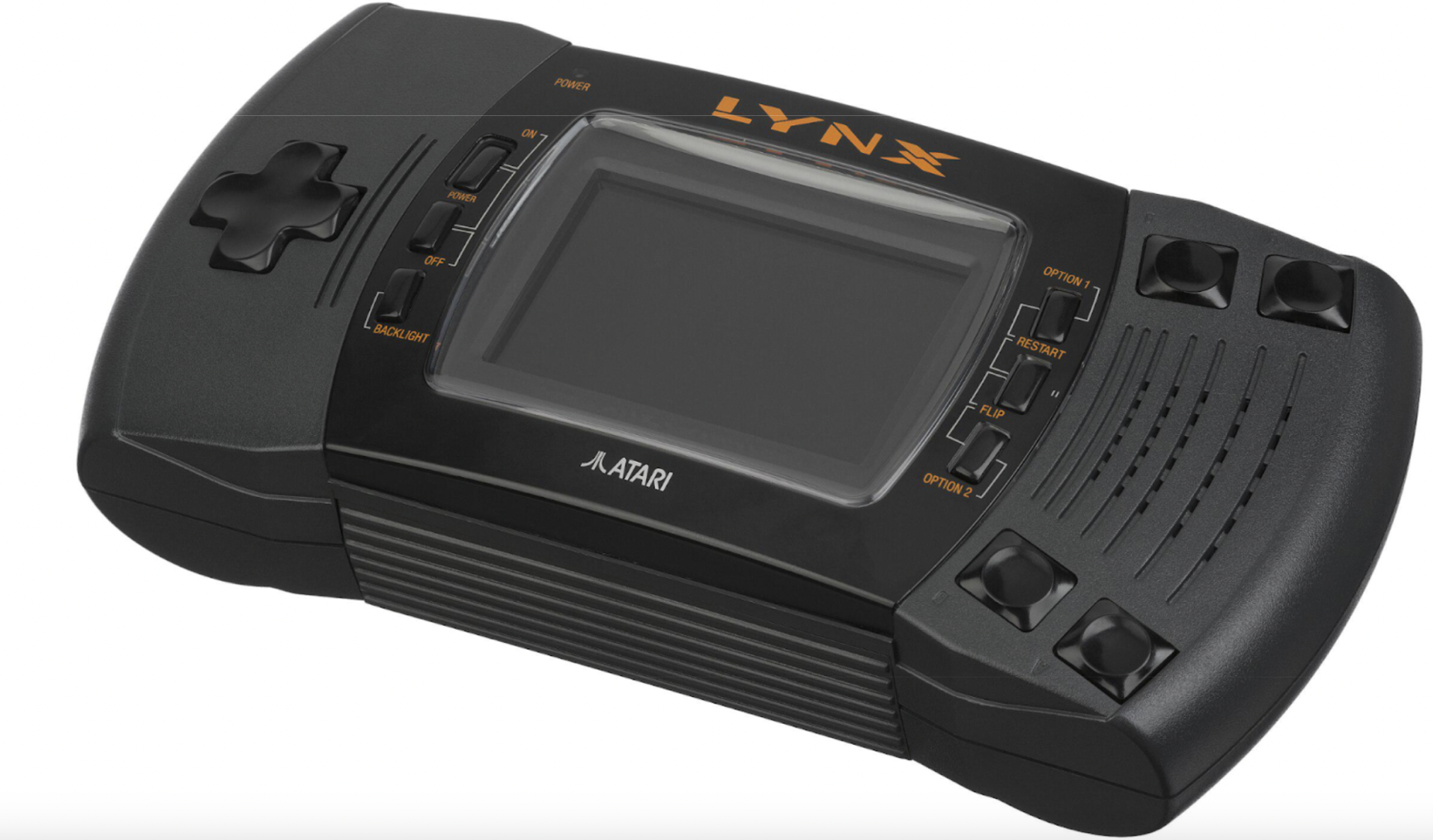
Atari’s color handheld launched in 1989 for $179.
Games like California Games, Blue Lightning, and Chip’s Challenge showed off its hardware. Today a working Lynx usually sells for $150–$350, depending on condition.
15. Sega Game Gear (1991)
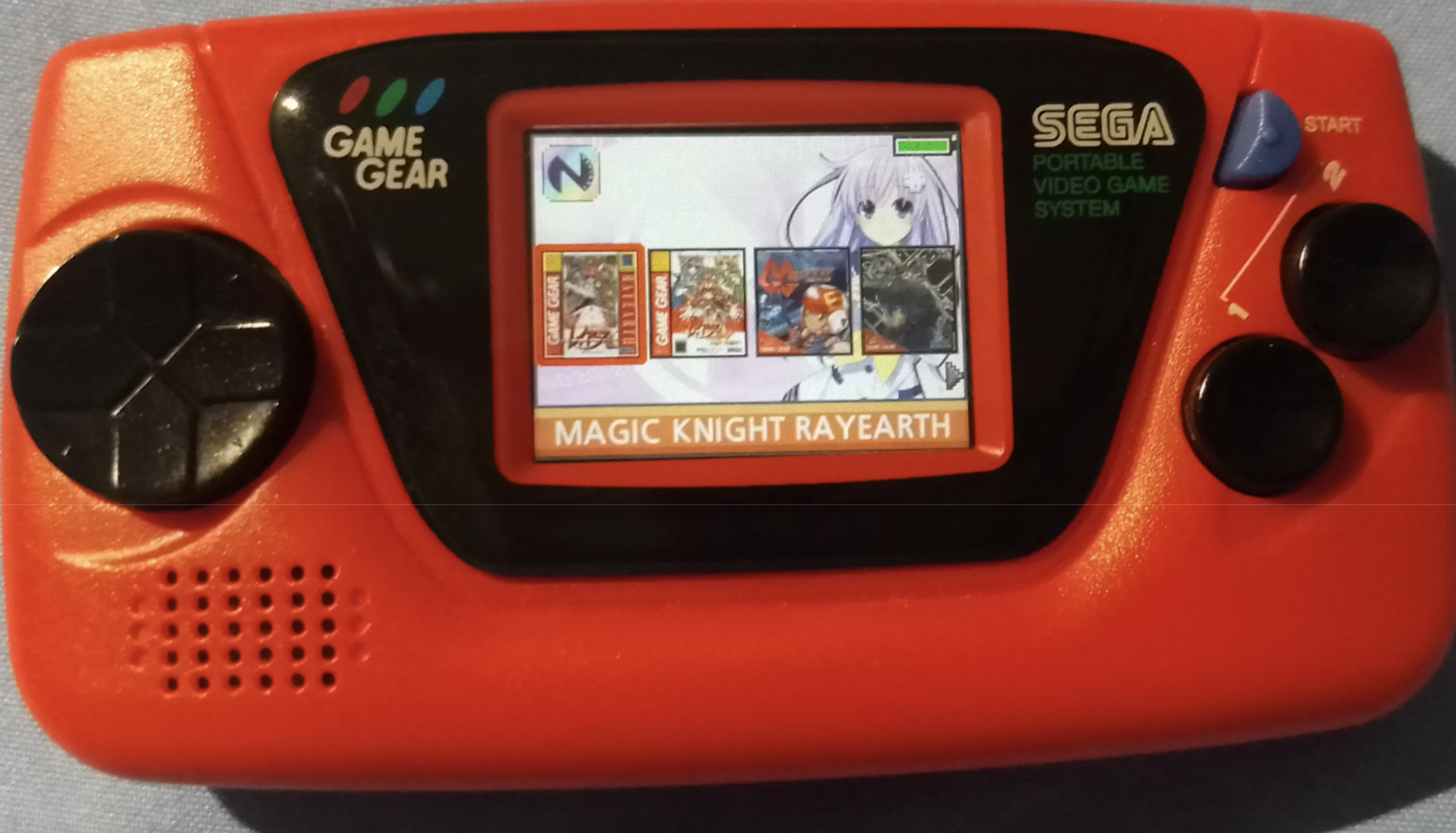
Sega priced the Game Gear at $149 when it launched in 1991.
Its library included Sonic the Hedgehog, Columns, and Shinobi. Fully restored units now sell for $120–$300, largely because many original systems developed capacitor problems.
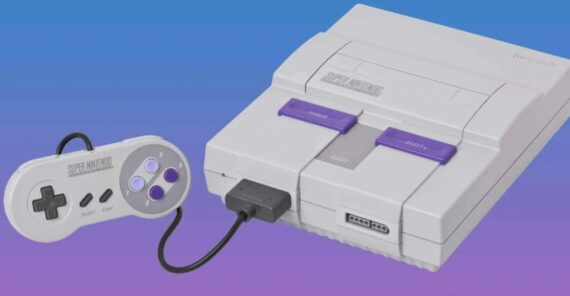
16. Super Nintendo Entertainment System (1990)
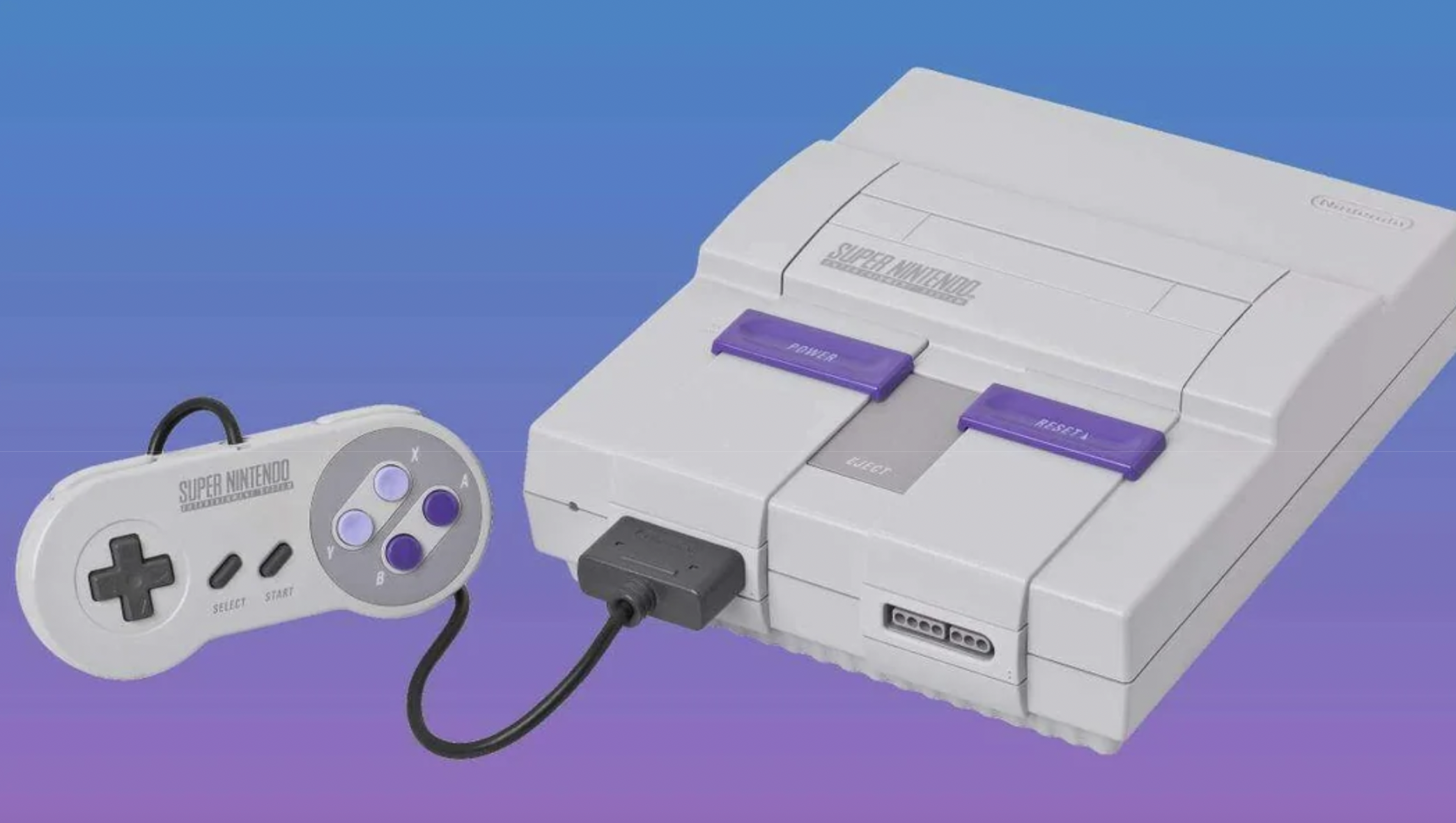
The SNES launched in North America at $199.
It hosted one of the strongest libraries ever assembled: Super Mario World, Chrono Trigger, Super Metroid, and The Legend of Zelda: A Link to the Past. Today, consoles typically sell for $120–$250, with boxed versions reaching $400+.
17. Nintendo 64DD (1999)
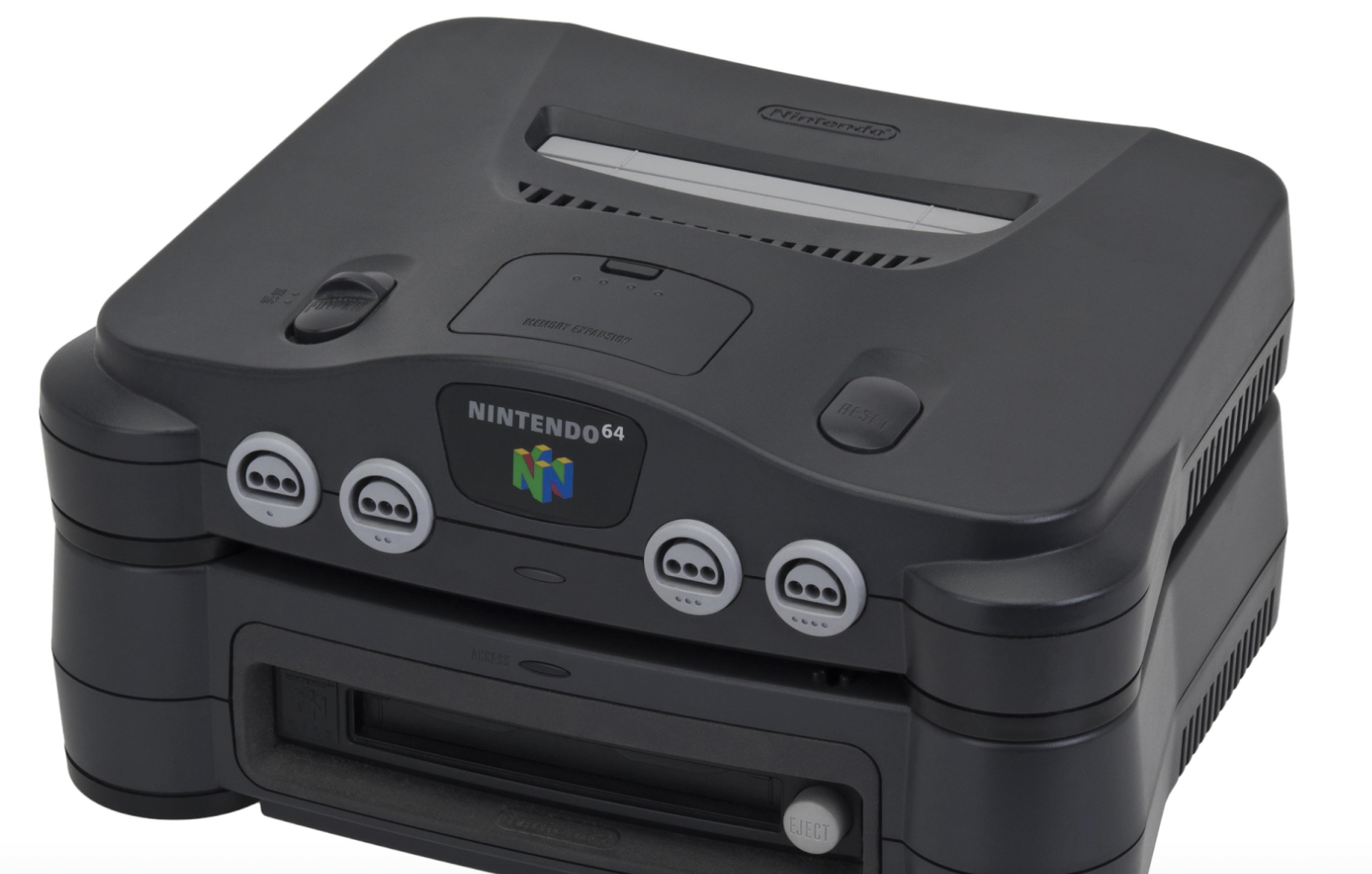
This add-on system launched only in Japan in 1999 and required the Nintendo 64 to function.
It supported disk-based titles like Doshin the Giant and the F-Zero X Expansion Kit. Because the peripheral sold poorly and was discontinued quickly, surviving units now sell for $1,200–$2,000.
18. Atari Jaguar CD (1995)
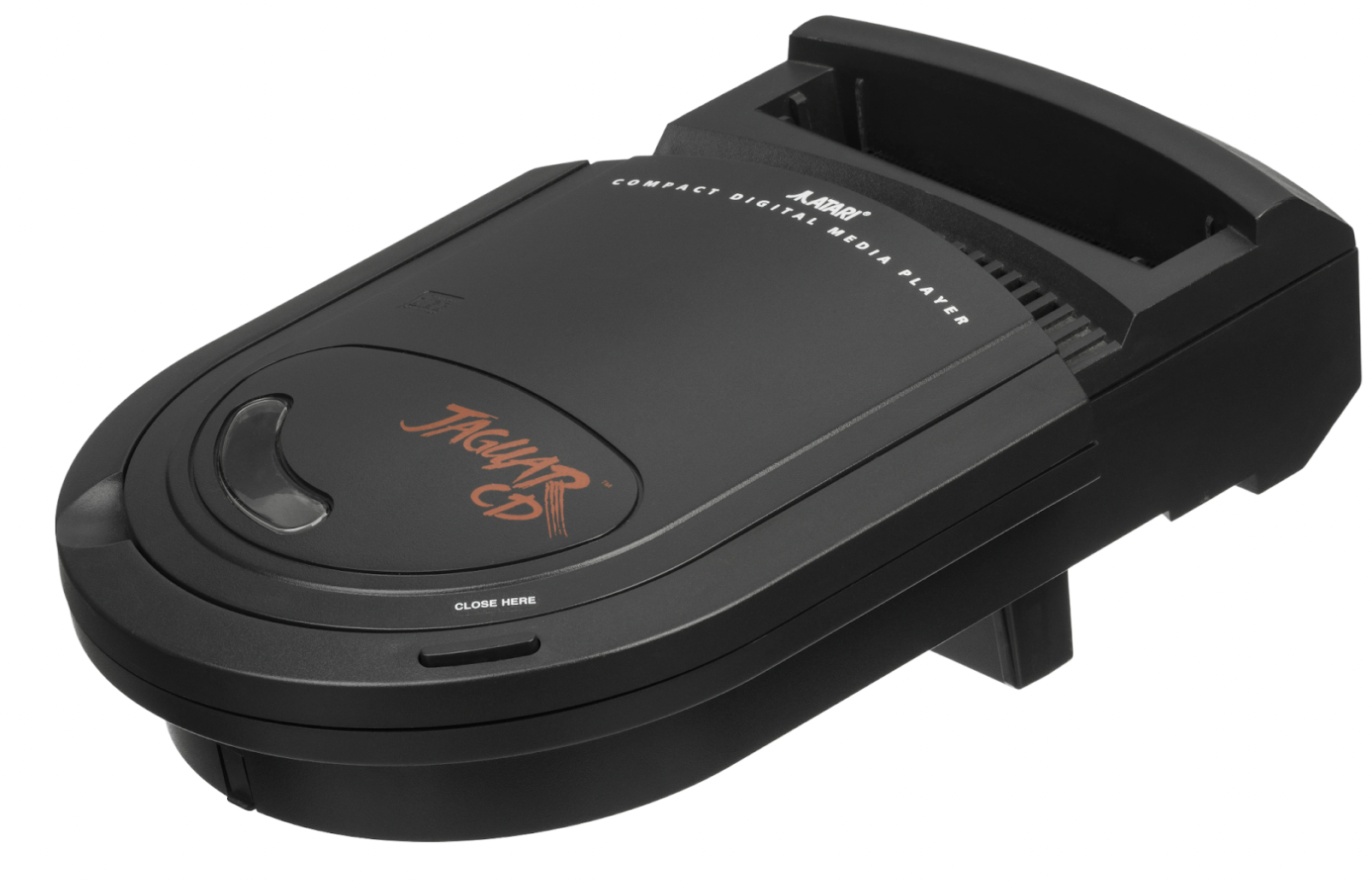
The Jaguar CD add-on launched around $149. Its library was tiny, with games like Battlemorph and Blue Lightning CD, but production numbers were also very small. Working units today often sell between $500 and $1,200, depending on completeness.
Retro console prices rarely follow logic. Some machines sold millions but are now valuable because collectors want pristine versions. Others failed commercially yet became rare enough to turn into collector trophies decades later. Either way, the days of finding many of these systems for pocket change at a garage sale are mostly gone. And every year, a few more forgotten consoles quietly move from “old hardware” into “collector’s piece.”