The 2000s were a time when killing time meant pulling out your tiny pocket-sized phone and opening a simple game like Snake, back when mobile gaming was just starting to take shape. As the years went on, especially around 2005 to 2008, downloadable Java games began to feel like early versions of the apps we use today, turning basic phones into portable gaming devices. It wasn’t about graphics or online play, it was about quick fun anywhere, anytime, even with limited battery and small screens. Whether you were waiting for a bus, bored in class, or just avoiding reality for a few minutes, those early games were always there. Titles like Snake, Bounce, Space Impact, and many Java-based downloads became part of everyday life, quietly laying the foundation for the games we now play on platforms like the Nintendo Switch or modern app stores. Looking back, they capture what growing up in the 2000s felt like, simple, addictive, and impossible to forget.
1. Everyone Had This on Their Nokia: Snake
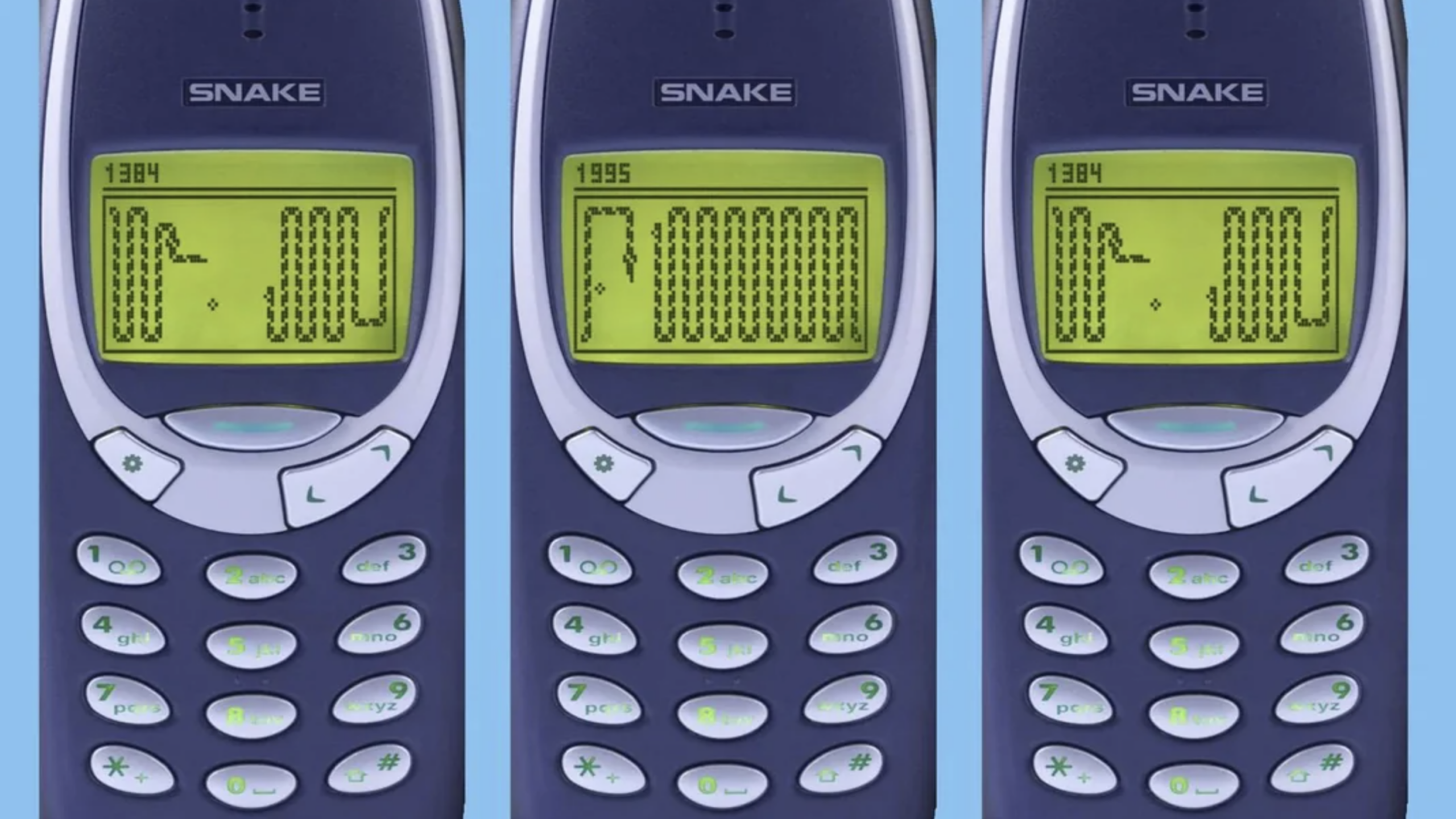
One of the earliest mobile addictions, Snake came pre-installed on many Nokia phones and quickly became a daily habit. The objective was simple, yet every movement demanded precision as the snake grew longer. For many players, this was their first real gaming experience on a phone, setting the tone for everything that came after.
2. Closest Thing to GTA on a Flip Phone (2000s Mobile Era)
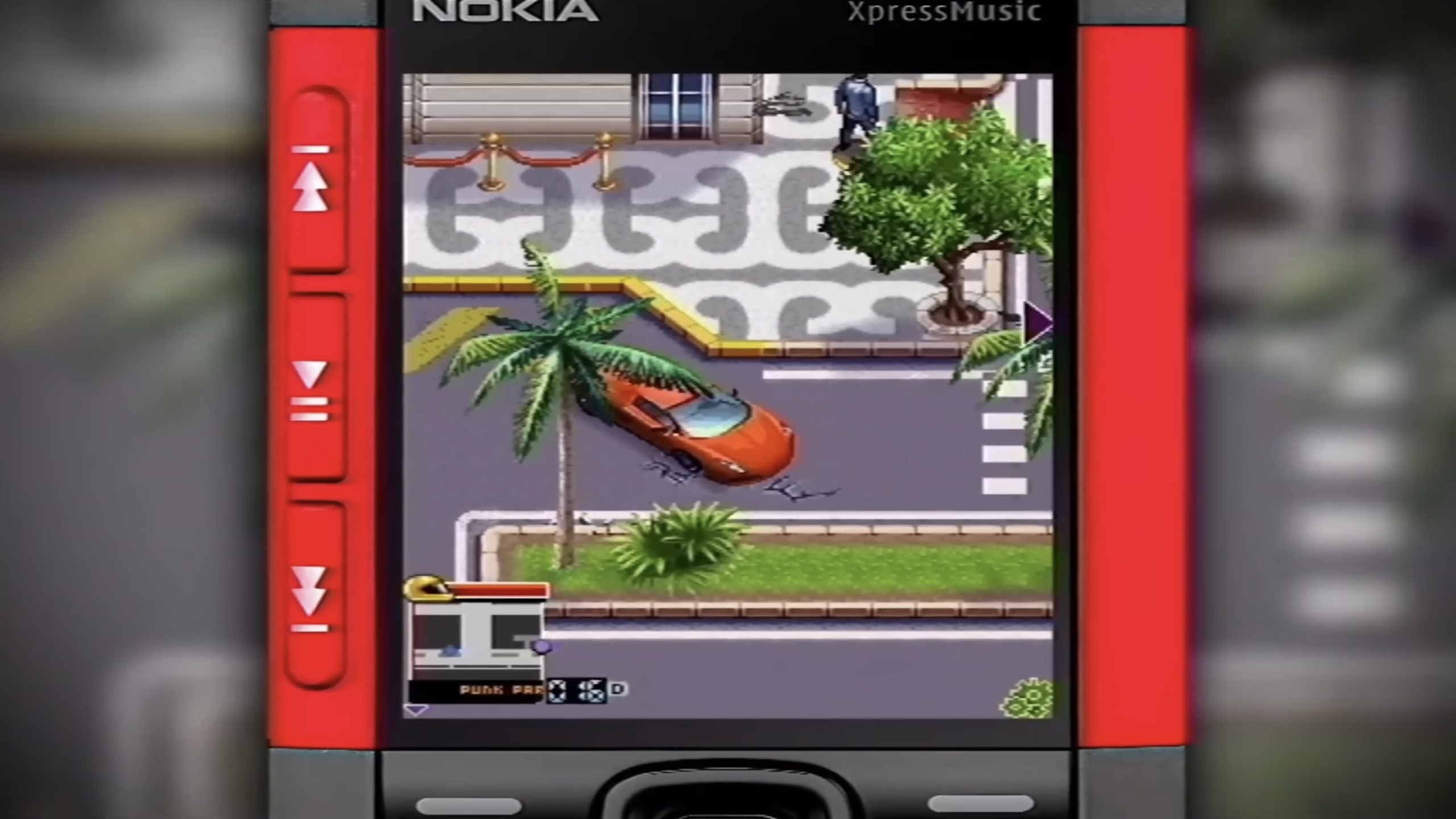
Long before open-world games were common on phones, Gangstar Rio pushed boundaries with a GTA-style experience in your pocket. It offered missions, driving, and a surprisingly large city for a Java-based title. For many, it felt like having a console-style game on a device that barely fit in your hand during the late 2000s.
3. A Space Shooter You Played Without Even Noticing
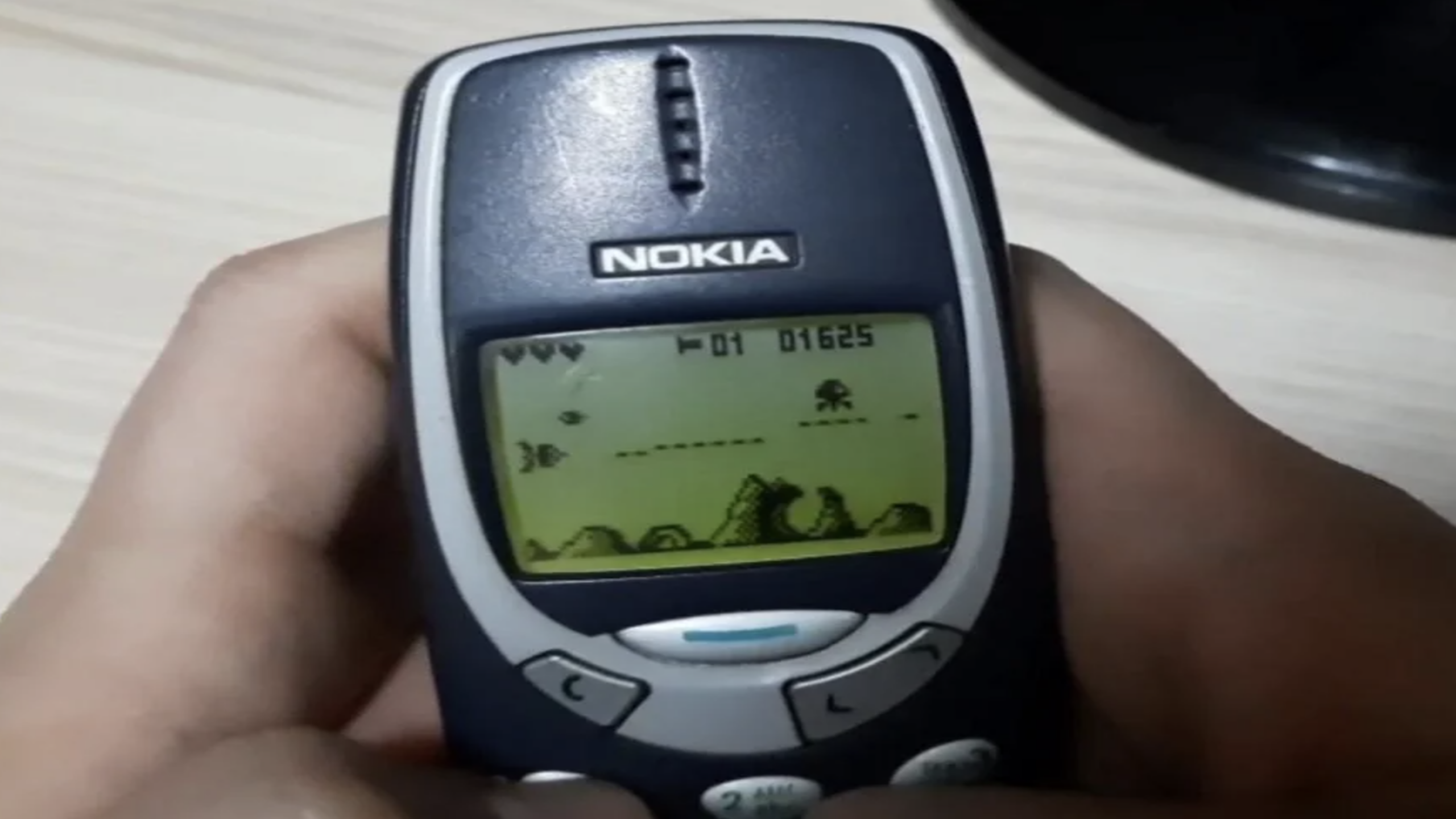
This side-scrolling shooter became iconic thanks to its smooth controls and addictive loop. Players spent hours upgrading weapons and surviving endless waves of enemies on tiny monochrome screens. It was one of those games that proved mobile devices could deliver action, not just puzzles.
4. When Your Phone Tried to Be a Console
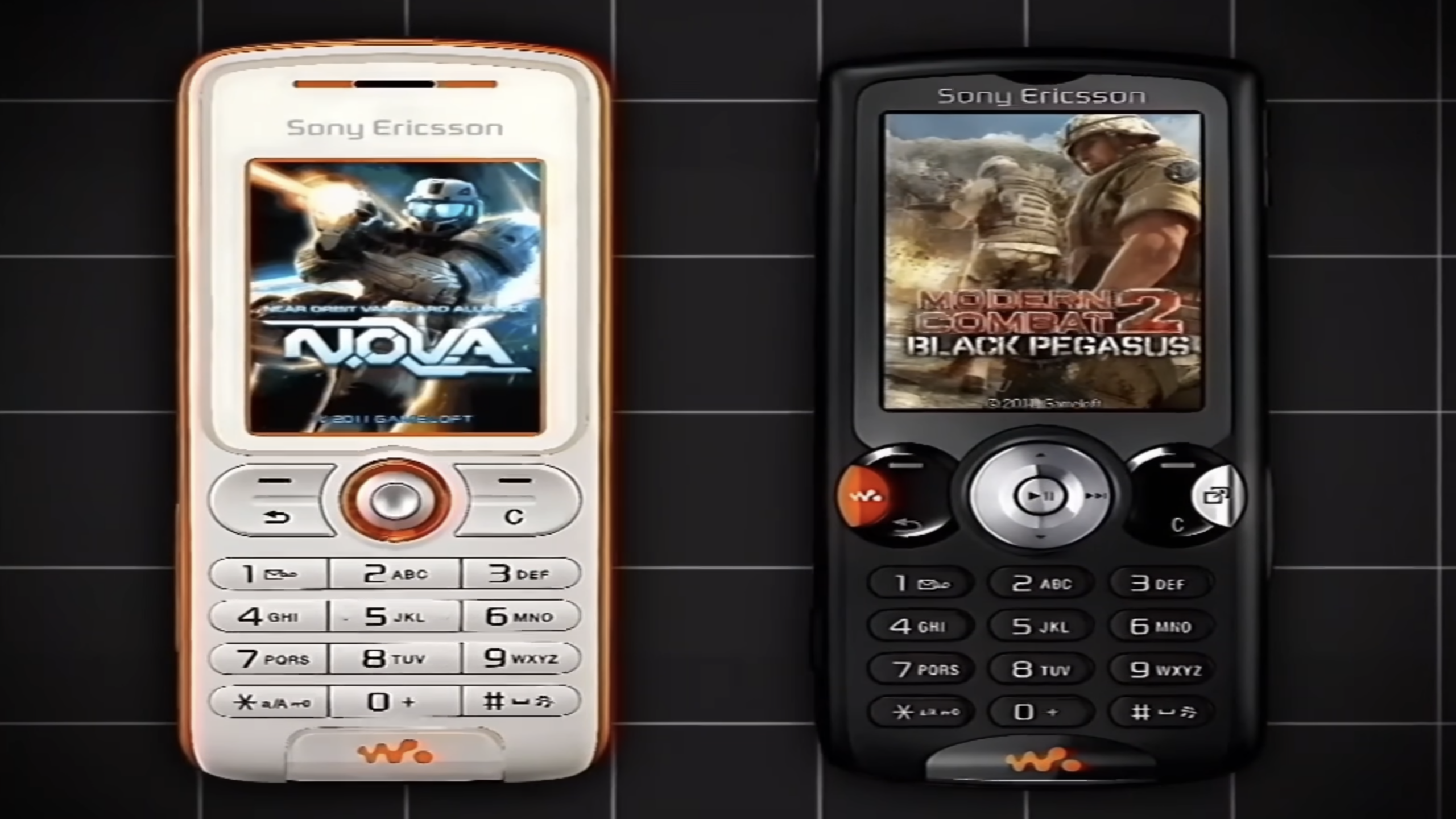
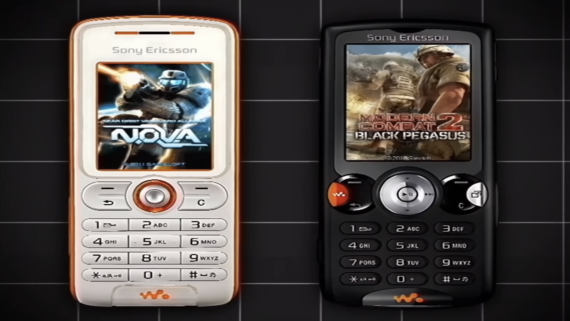
Gameloft brought console-like ambition to mobile with these titles, delivering FPS gameplay that felt ahead of its time. From military combat in Modern Combat 2 to sci-fi battles in NOVA, both games showed what Java and early smartphones were capable of. They marked a shift toward more immersive experiences on portable devices.
5. That Red Ball Game You Never Fully Finished (2000s Classic)
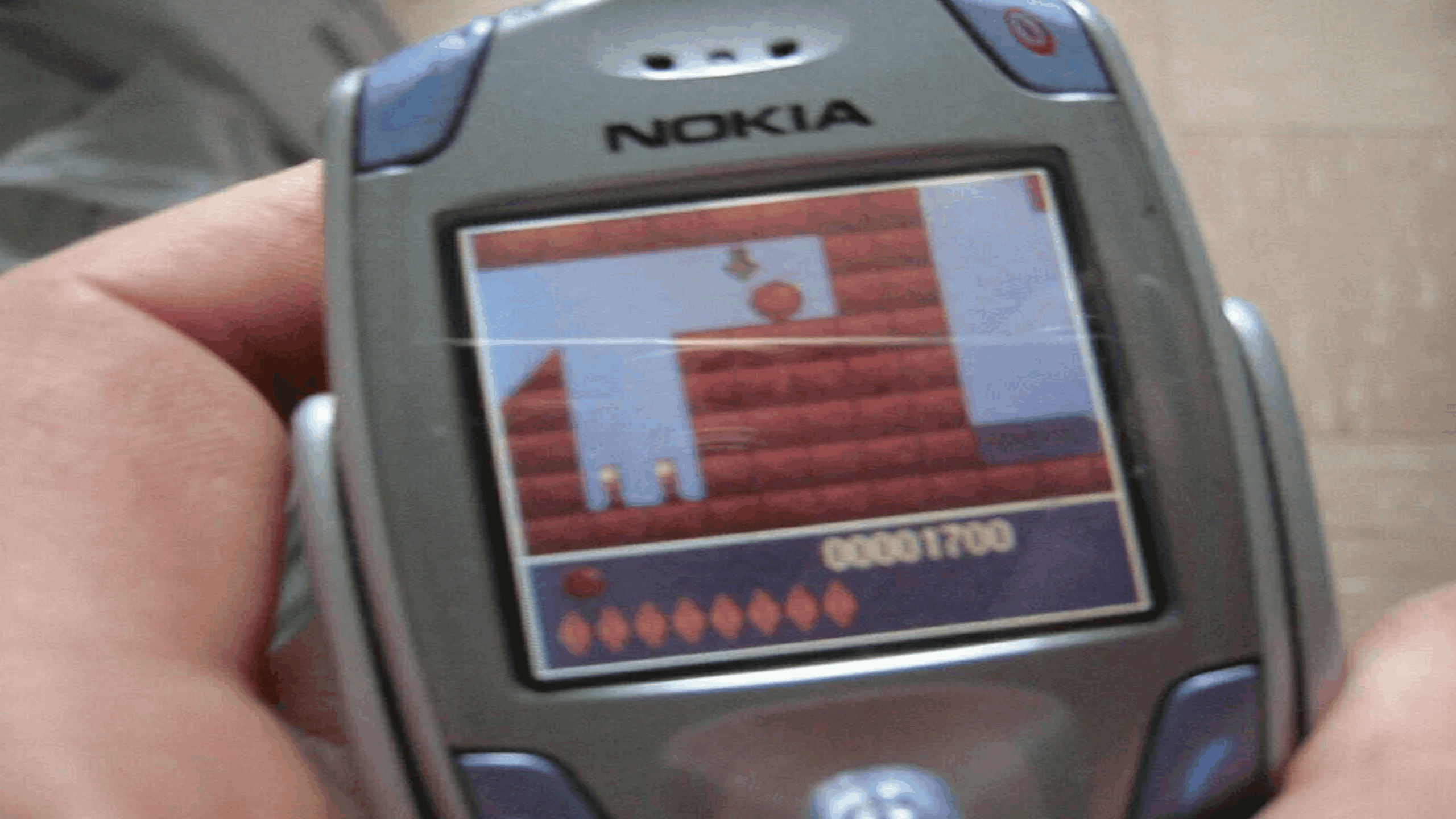
Bounce stood out with its colorful design and physics-based gameplay, something rare for early mobile titles. Guiding the red ball through obstacles required timing and patience, especially on keypad controls. It became one of those games everyone had but never truly mastered.
6. You Probably Forgot This God of War Game Even Existed
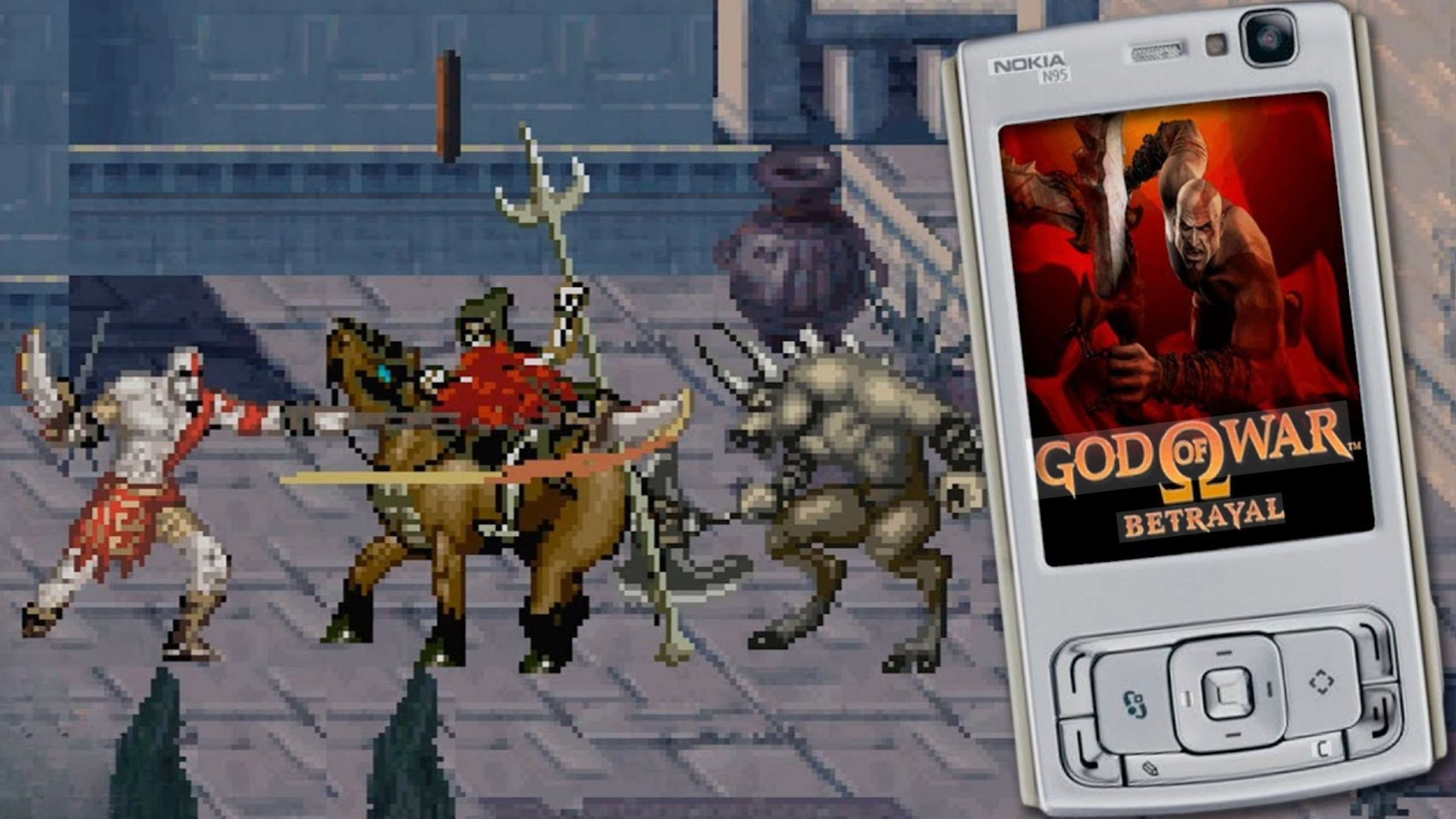
Bringing a major PlayStation franchise to mobile was no small task, yet this game delivered a surprisingly faithful experience. It combined combat, platforming, and storytelling in a side-scrolling format adapted for phones. For fans of Kratos, it felt like carrying a piece of the console world in your pocket.
7. Sonic, But Not the Way You Remember Him
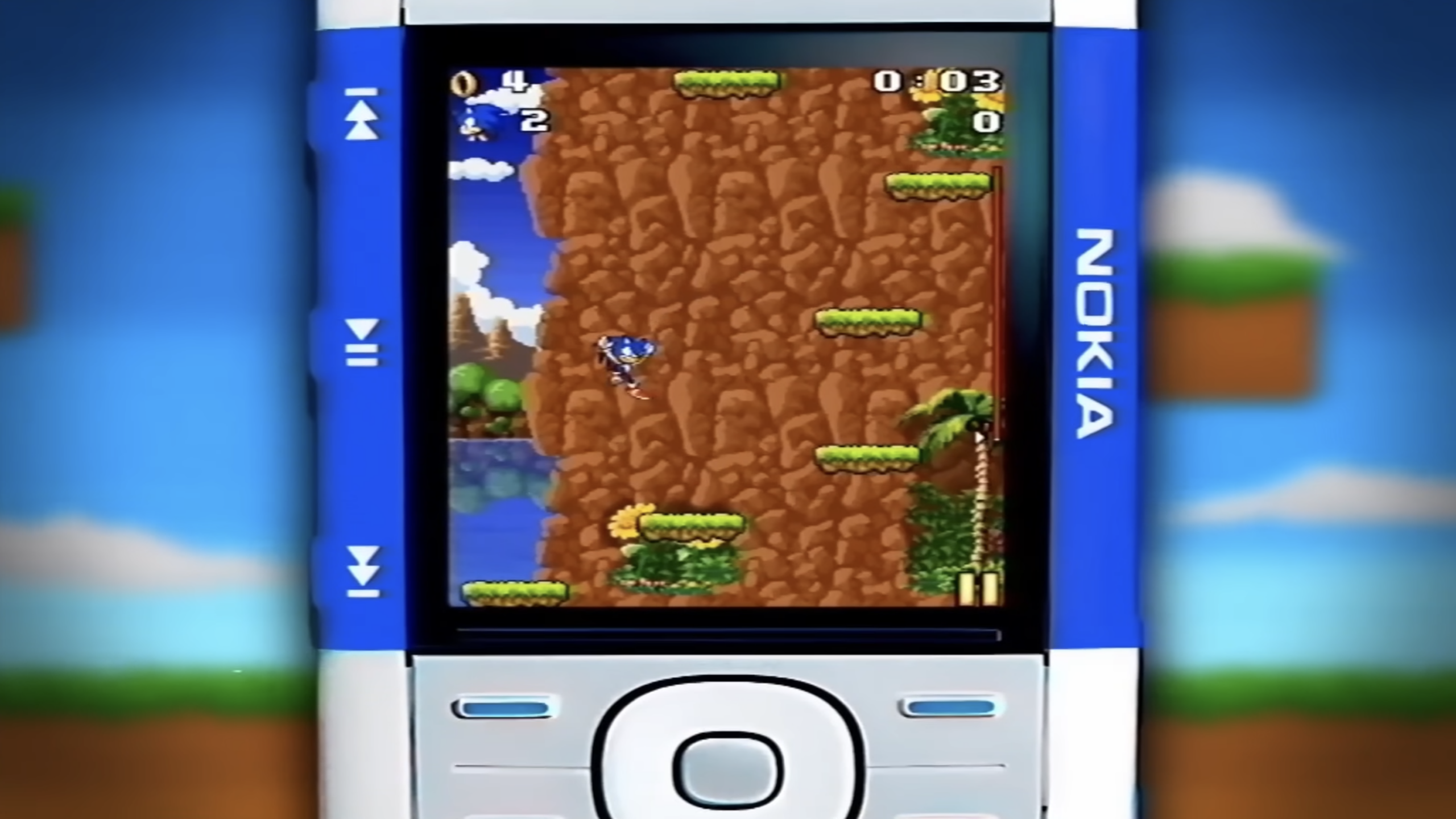
Instead of speed-focused levels, Sonic Jump reimagined the character in a vertical platforming style. Players bounced upward while avoiding enemies, creating a different kind of challenge. It was a fresh take that showed how classic franchises could adapt to mobile gameplay.
8. A Devil May Cry Version Only Mobile Players Remember
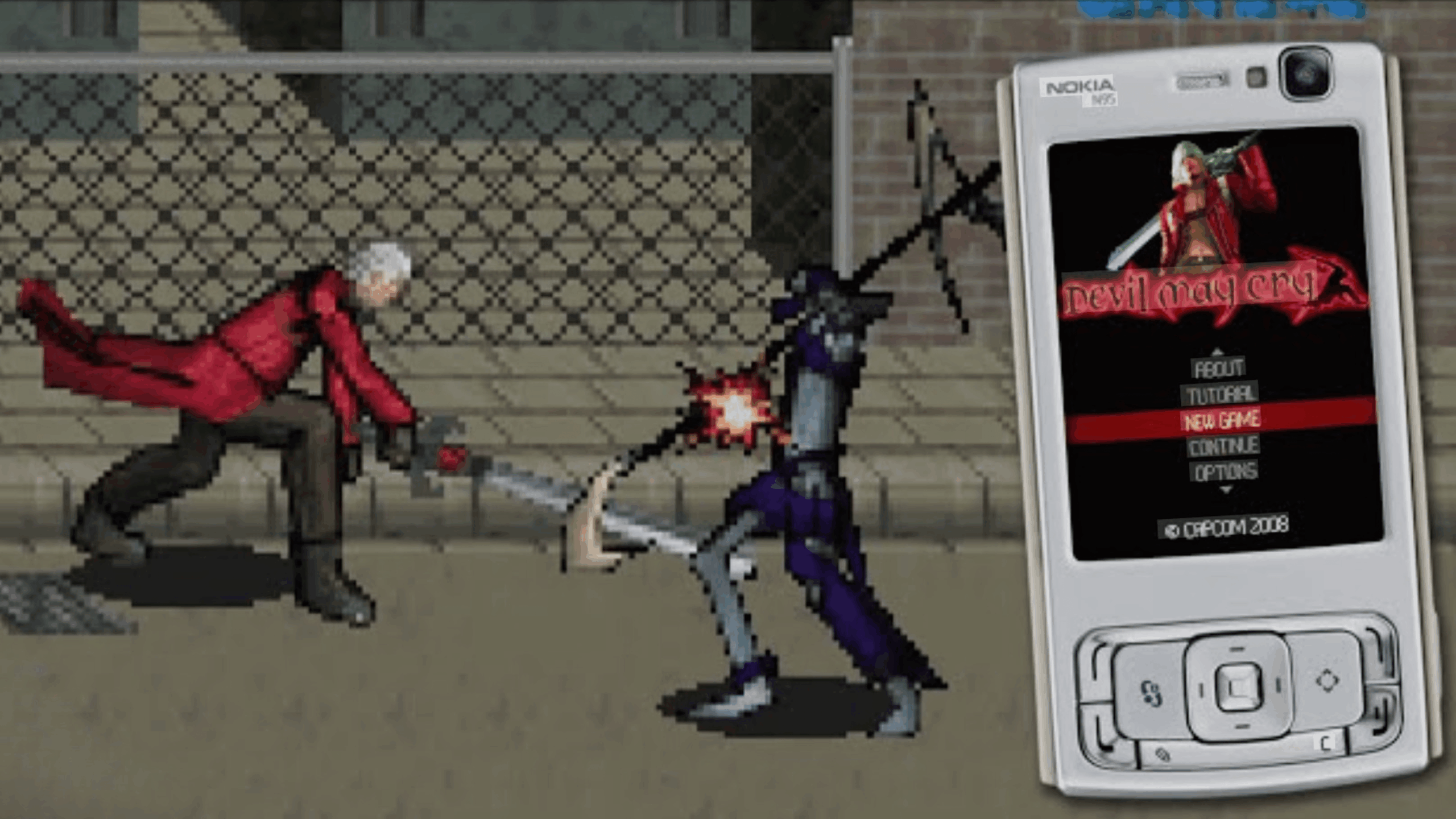
This mobile adaptation translated the stylish action of the original series into a simplified but recognizable format. Combat was more limited, yet it still captured the essence of fast-paced demon hunting. It stood out as one of the more ambitious ports during the 2000s mobile era.
9. Resident Evil, But Made for Short Bus Rides
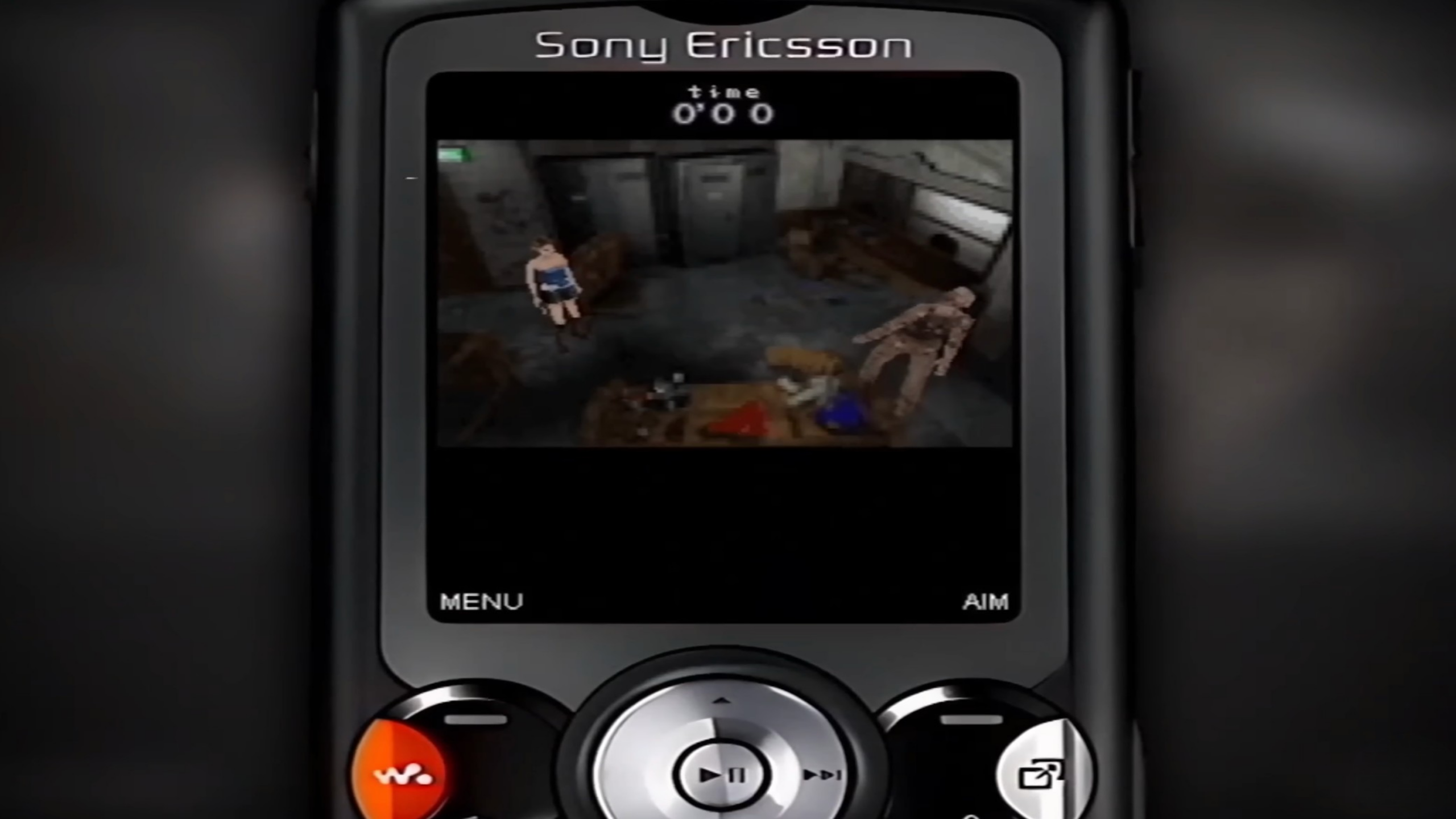
Rather than traditional survival horror, this version leaned into action and shooting mechanics tailored for phones. Missions were structured in short bursts, perfect for quick sessions. It offered a different perspective on the Resident Evil universe while adapting to mobile limitations.
10. The Random Game You Downloaded and Got Hooked On
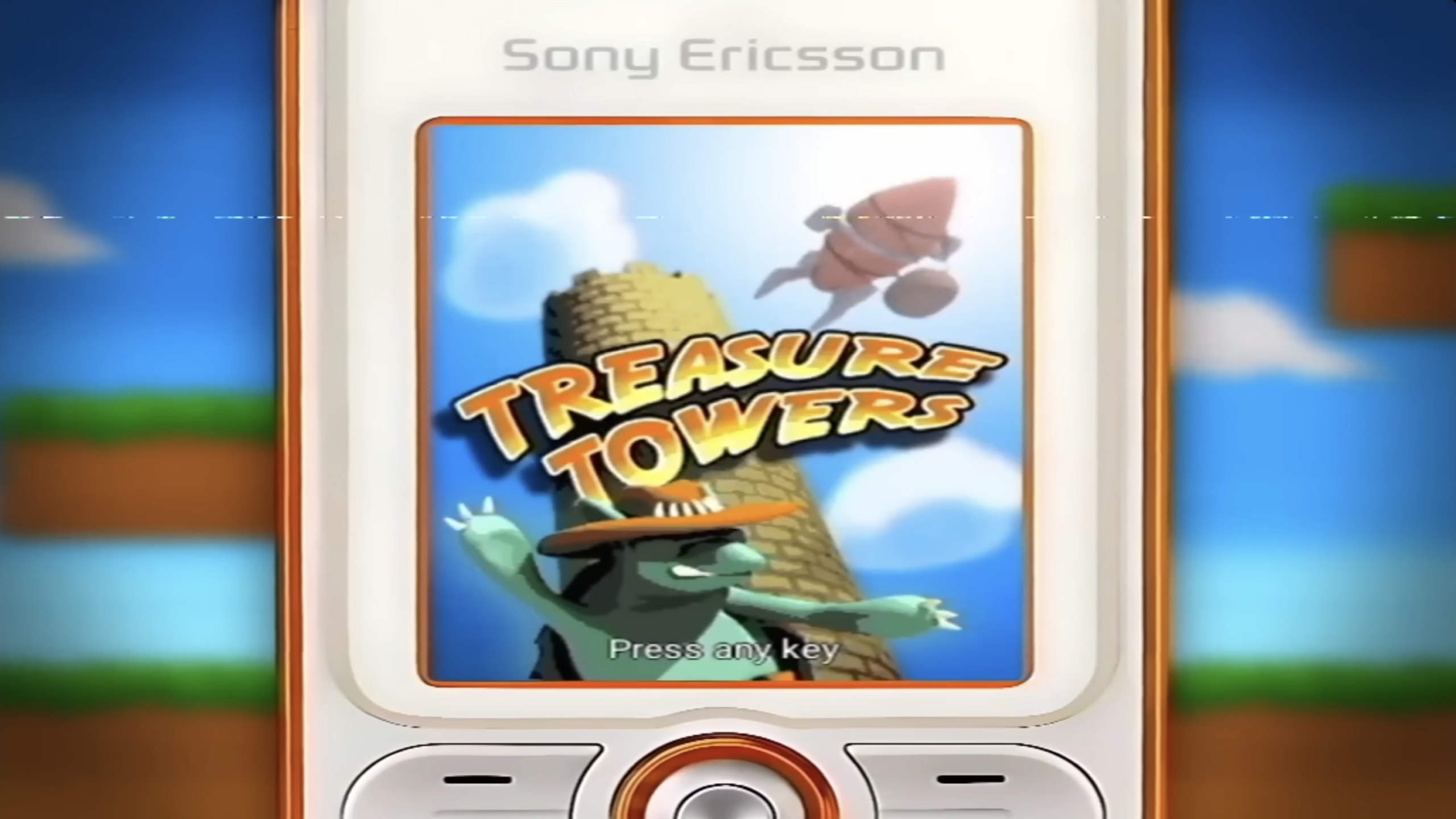
This lesser-known puzzle-platformer combined climbing mechanics with strategic movement. Players had to think ahead while navigating vertical stages filled with hazards. It became a hidden gem for those who explored beyond the most popular titles.
11. Bounce, But Way Bigger and Better (2000s Evolution)
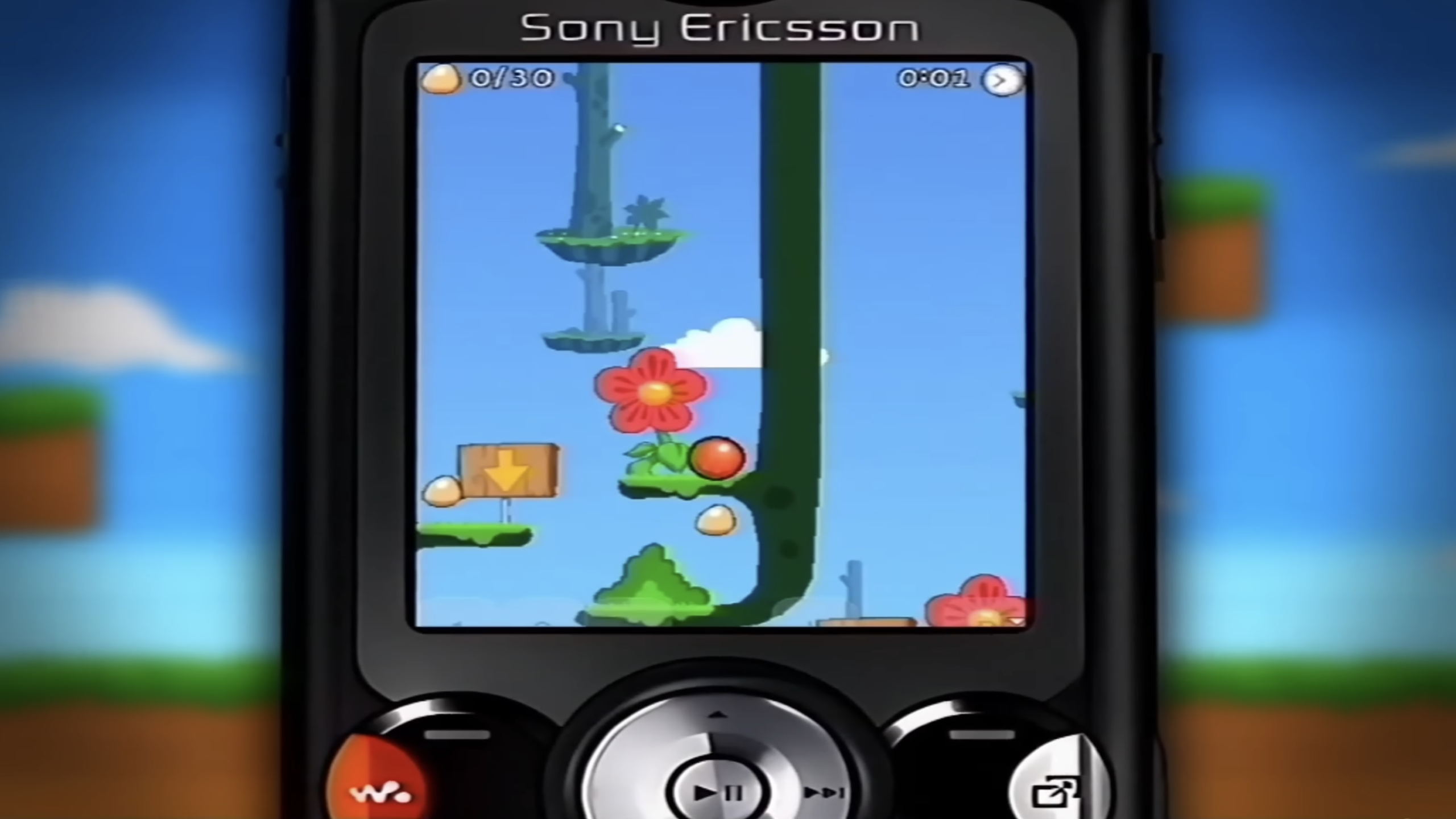
An evolution of the original Bounce, this version expanded the concept with new mechanics, smoother physics, and more creative level design. It was developed by the same studio that would later create Angry Birds, which makes its quality and polish make even more sense in hindsight. For many players, it felt like a true step forward, turning a simple idea into something much closer to a full mobile game experience.
12. Playing Rayman on a Phone Felt Unreal Back Then
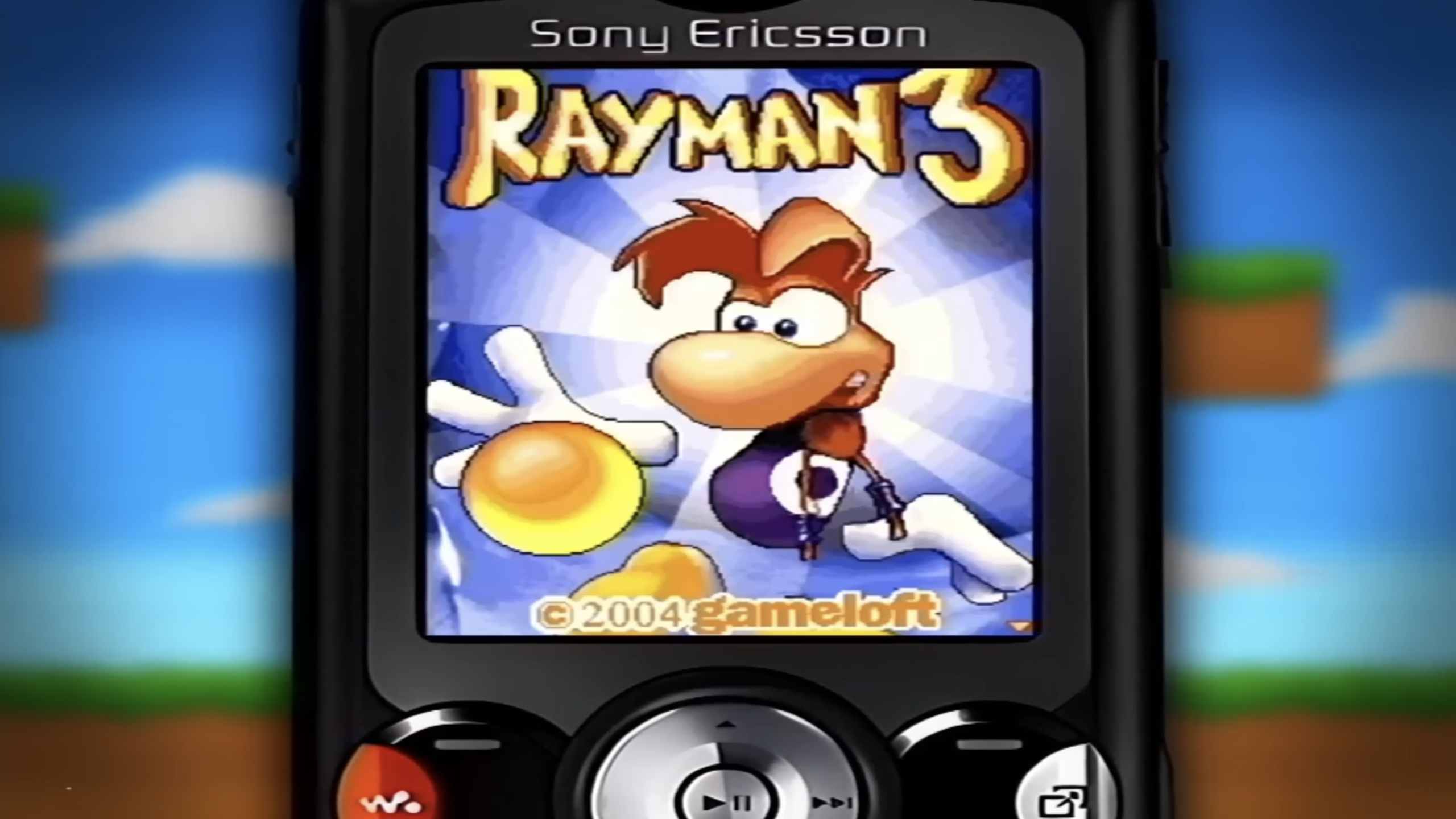
Rayman found its way to mobile with simplified controls but kept its distinctive art style intact. The levels were adapted to shorter play sessions without losing the charm of the original series. It showed how well-known franchises could survive the limitations of early phones.
13. Way Too Good to Be a Java Game (2000s Hidden Gem)
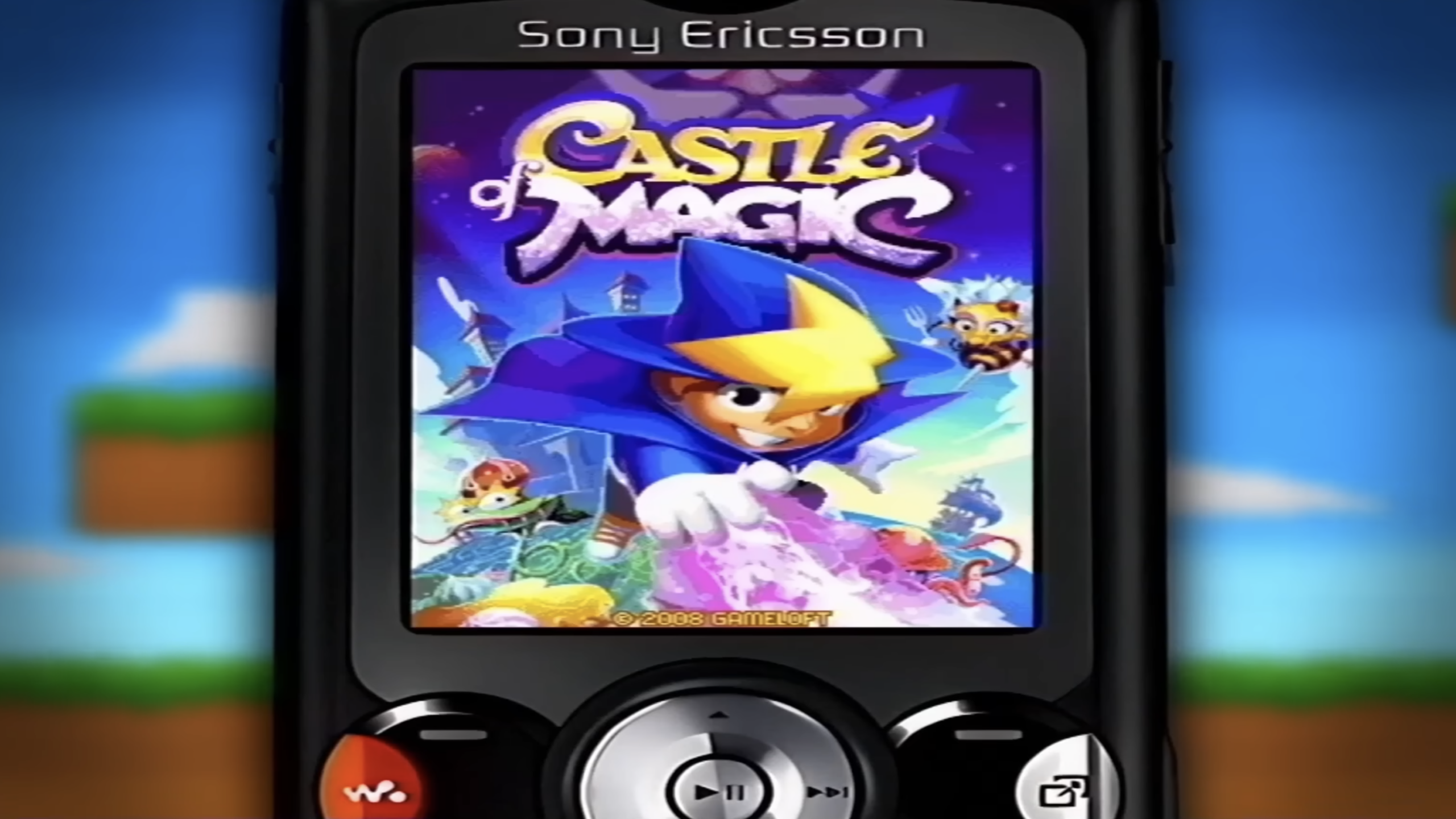
Developed by Gameloft, this platformer stood out with polished visuals and creative level design. It combined exploration, puzzles, and smooth controls in a way few mobile games achieved at the time. For many, it remains one of the most underrated titles of the 2000s era.
Related: 10 Rare Special Edition Game Consoles Collectors Dream About