Not every game that nudges players toward gambling looks like a casino. Sometimes it’s a pack of cards, a shiny loot box, or a last-second player pull that feels harmless on the surface. Over the years, monetization systems have blurred the line between gaming and betting in subtle ways. Some titles lean into it openly. Others disguise it behind bright animations and limited-time events. Here are 20 games that, quietly or not, borrow heavily from gambling psychology.
1. FIFA Ultimate Team
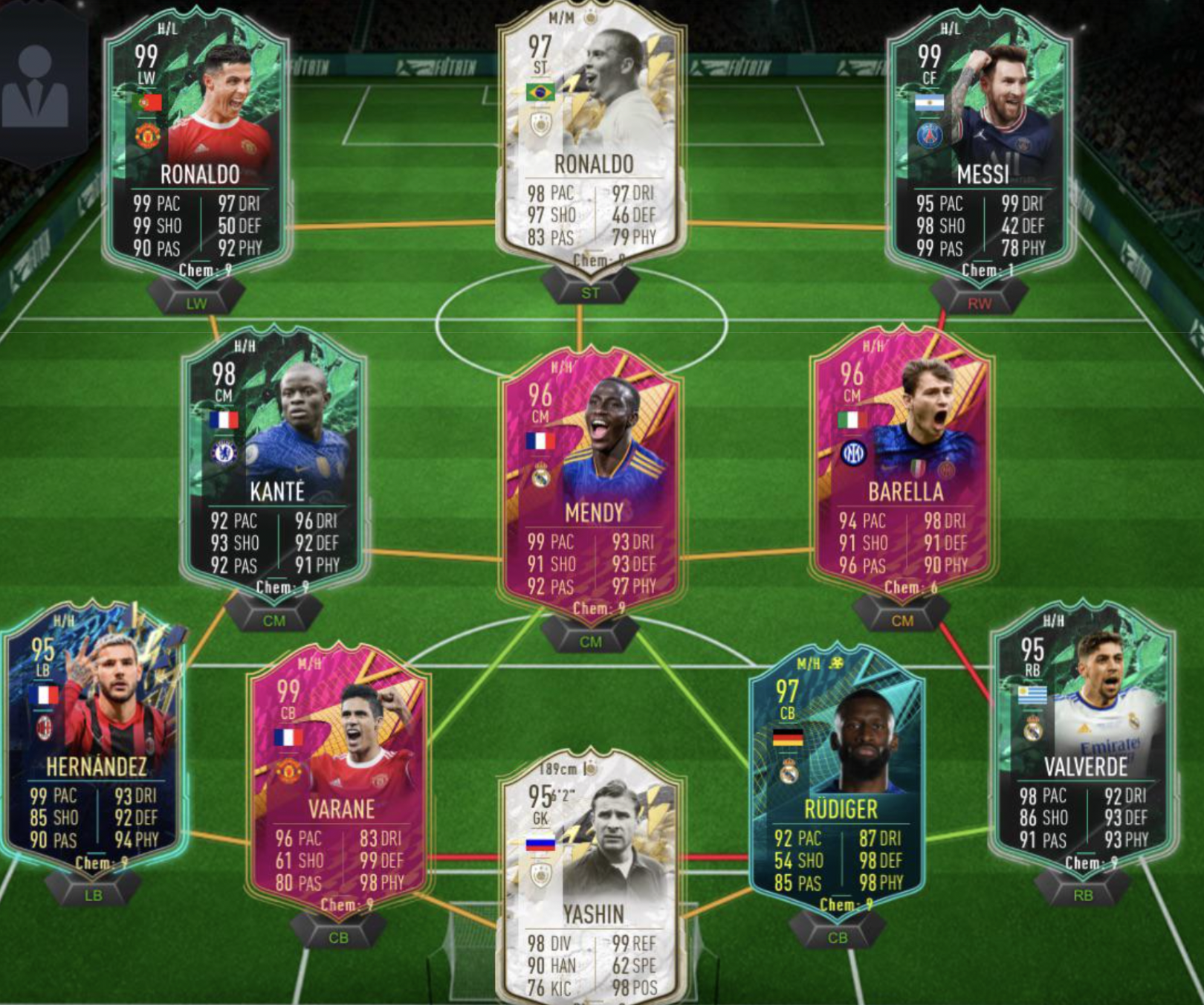
If you’ve ever opened a gold pack at 2 a.m. hoping for a walkout animation, you already know the feeling. FIFA Ultimate Team’s card packs operate on pure probability, with rare players hidden behind flashy reveals and limited promos.
EA has published pack odds in recent years, but the structure still mirrors slot machines: pay, spin, react. The seasonal events, Team of the Year, Team of the Season, crank up that urgency with time pressure and social bragging rights.
2. NBA 2K MyTeam
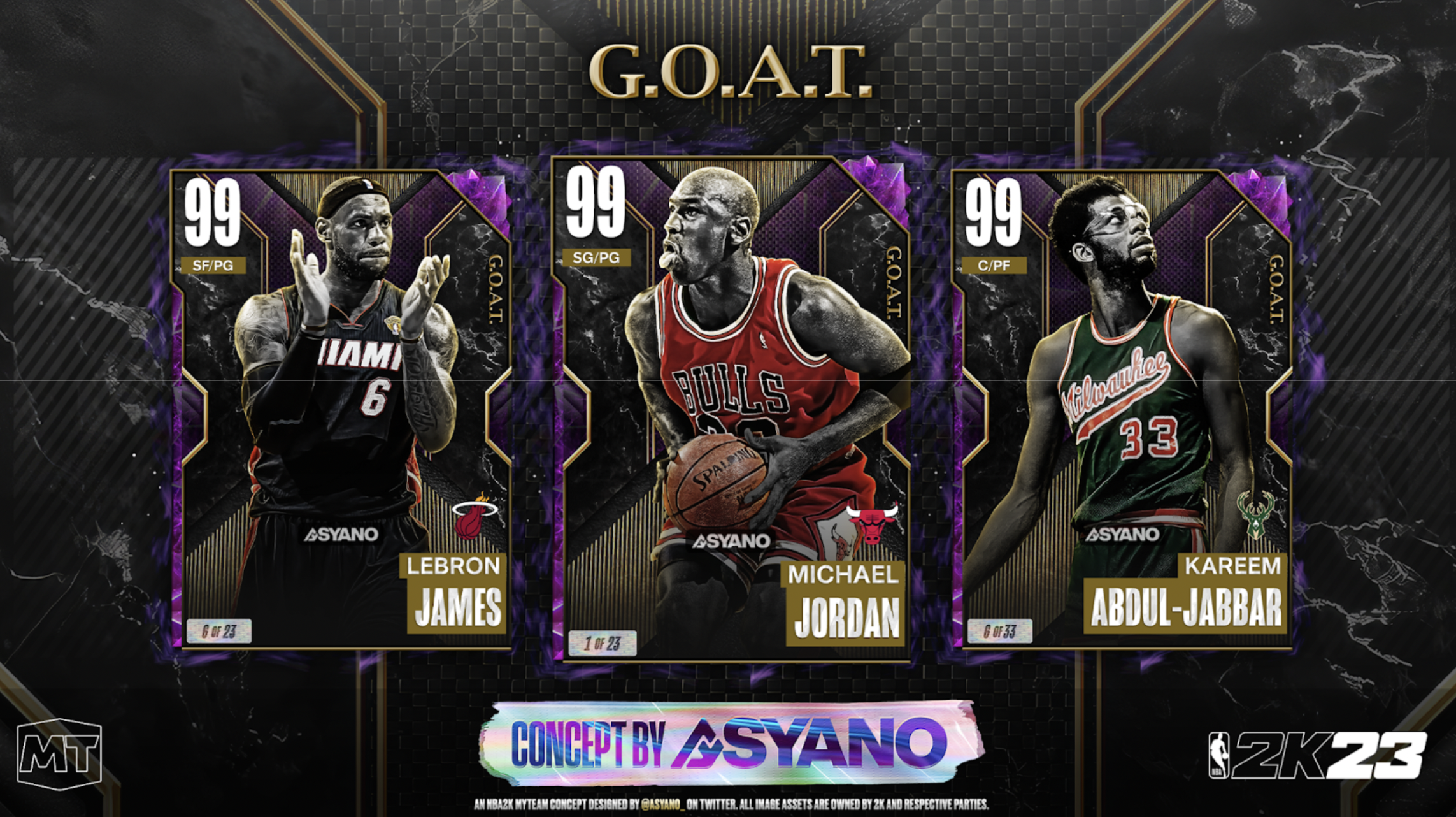
2K’s MyTeam doesn’t pretend randomness isn’t the hook. Pack openings are content on YouTube for a reason.
The “Galaxy Opal” glow, the suspenseful card flip, the odds buried in menus, it’s a digital trading card casino. Add Virtual Currency bundles and limited drops, and the loop becomes hard to ignore.
3. Counter-Strike: Global Offensive / CS2
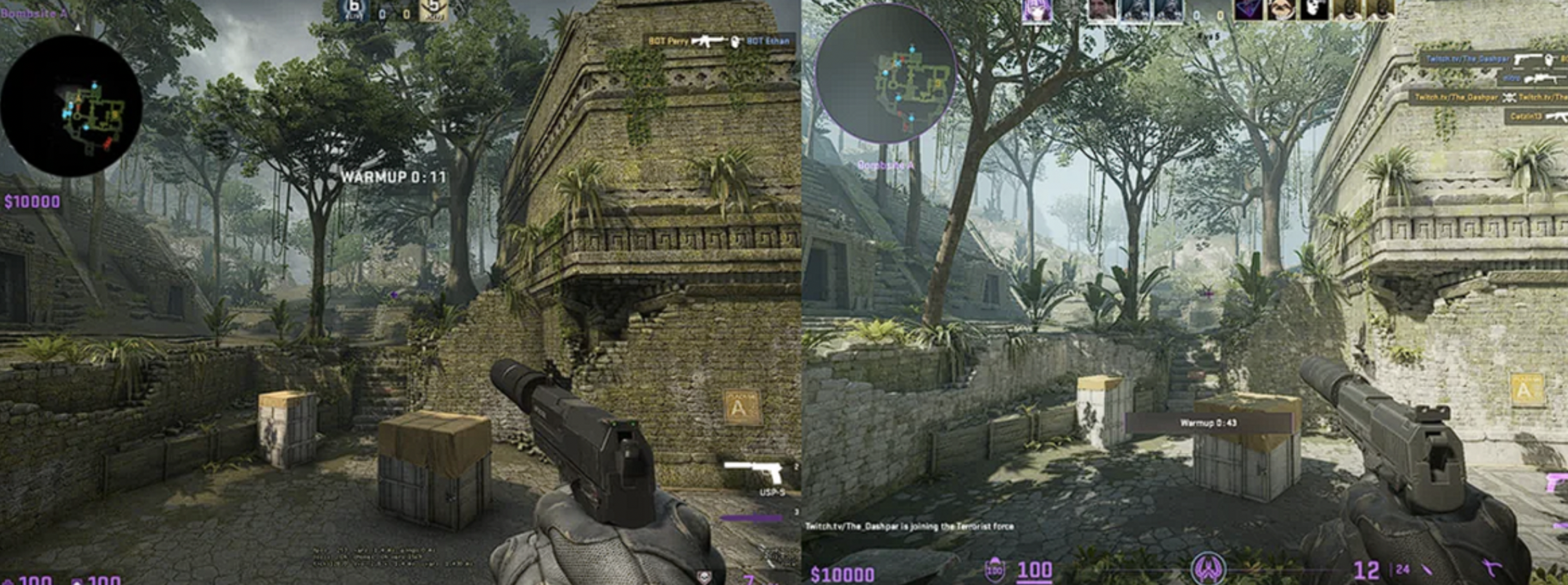
Skins changed everything. Valve’s weapon cases require paid keys, and the odds of pulling a knife are notoriously low.
What made CS: GO different wasn’t just the loot boxes; it was the secondary market. Third-party skin gambling sites turned cosmetic items into betting chips, creating an ecosystem that felt closer to roulette than a shooter.
4. Genshin Impact
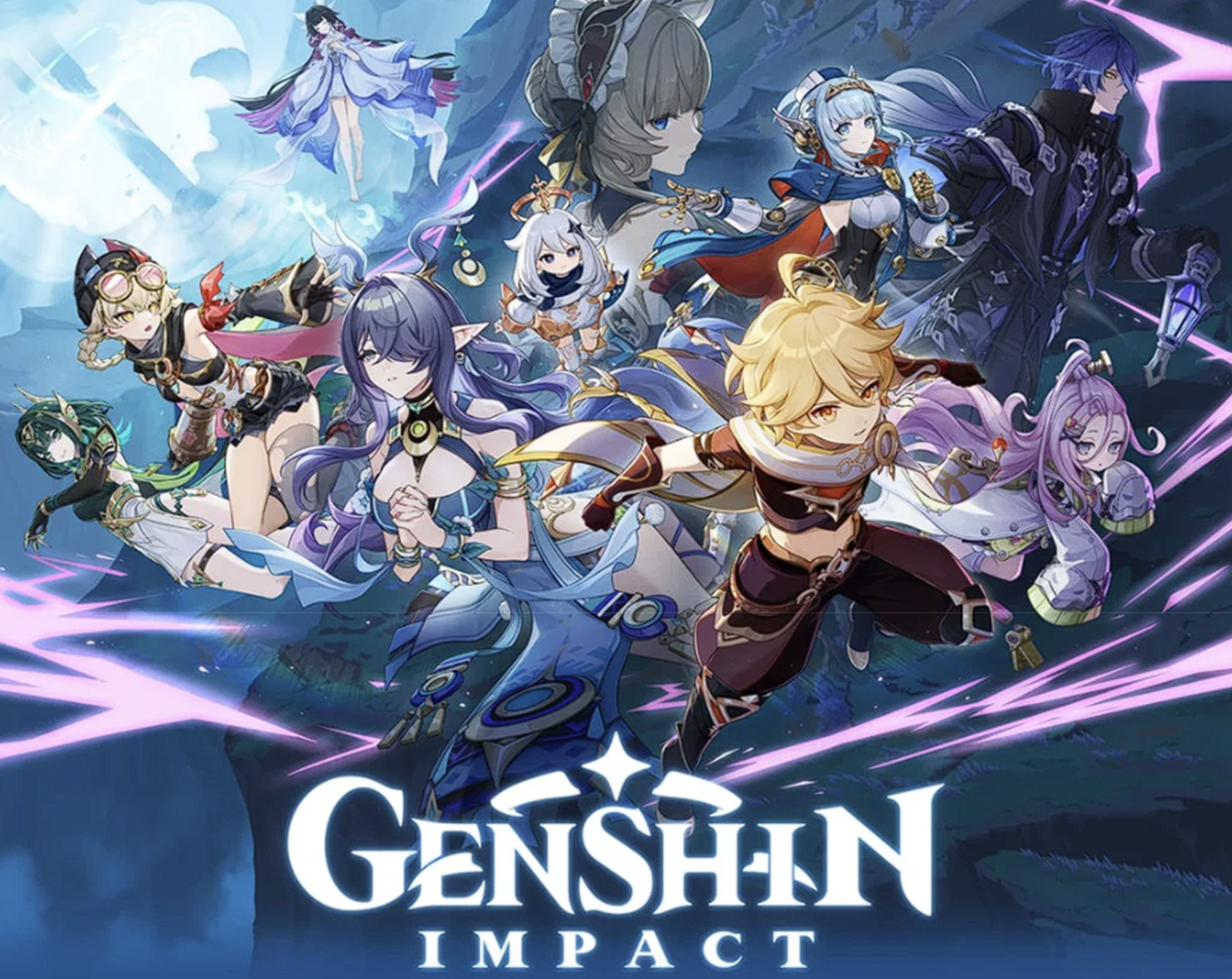
Gacha mechanics didn’t start with Genshin, but it mainstreamed them globally. Character “wishes” run on a pity system, yet the randomness remains front and center.
Limited banners, rotating five-star characters, and event-driven scarcity push players toward repeated pulls. It’s a structured, calculated probability, but the dopamine spike is very real.
5. Overwatch (2016 version)
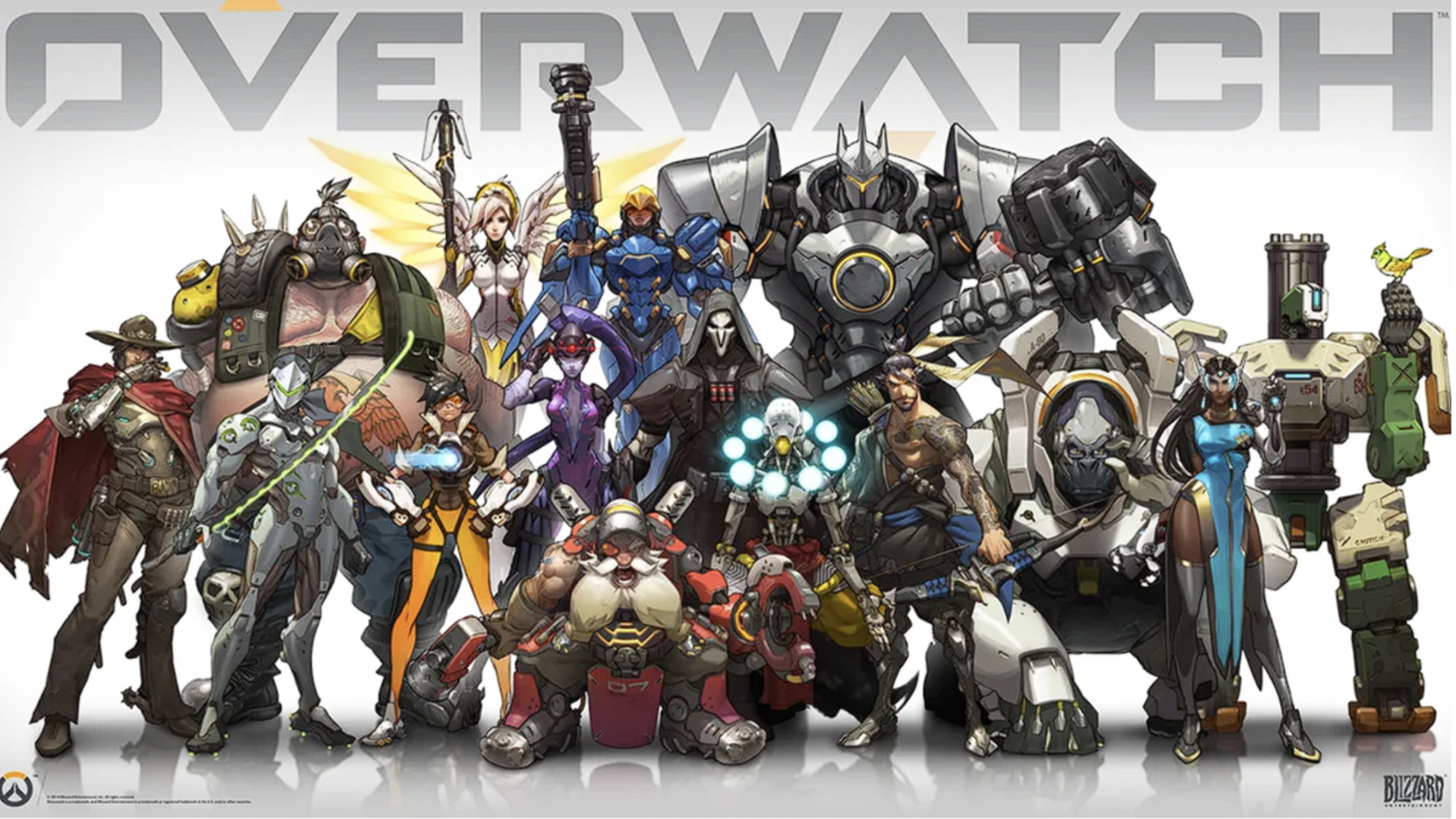
Before Blizzard removed paid loot boxes in Overwatch 2, the original game relied heavily on randomized cosmetic drops. Level up, earn a box. Or just buy one. The reveal animation did the heavy lifting, complete with rarity colors and near-miss psychology.
Trending on realmoneygamer.com

6. Hearthstone
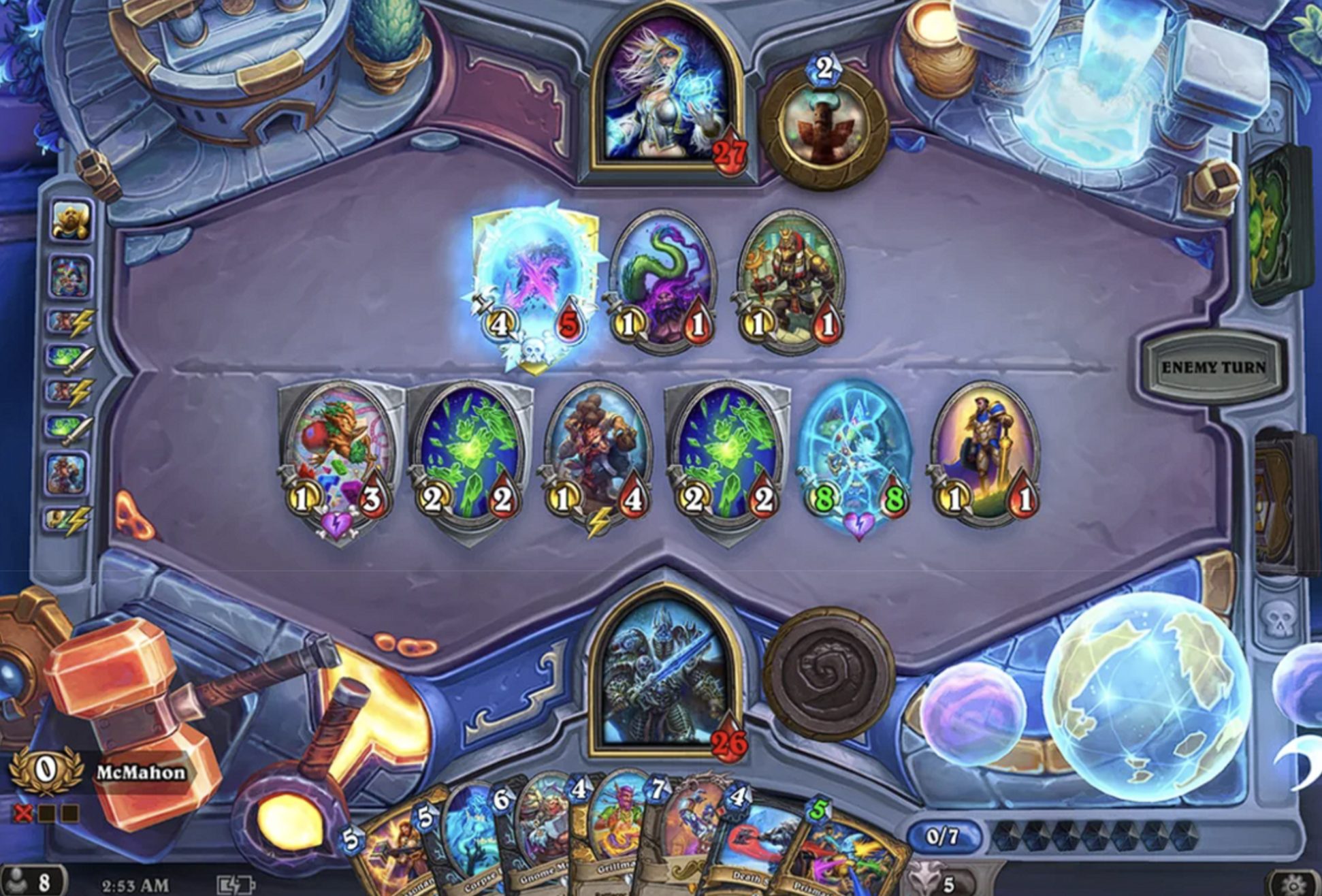
Digital card games are built on randomized packs, and Hearthstone refined that loop in 2014. Buying expansions meant buying dozens, sometimes hundreds, of packs to chase legendaries. The crafting system softened the blow, but opening packs remains the emotional core of the experience.
7. Madden Ultimate Team
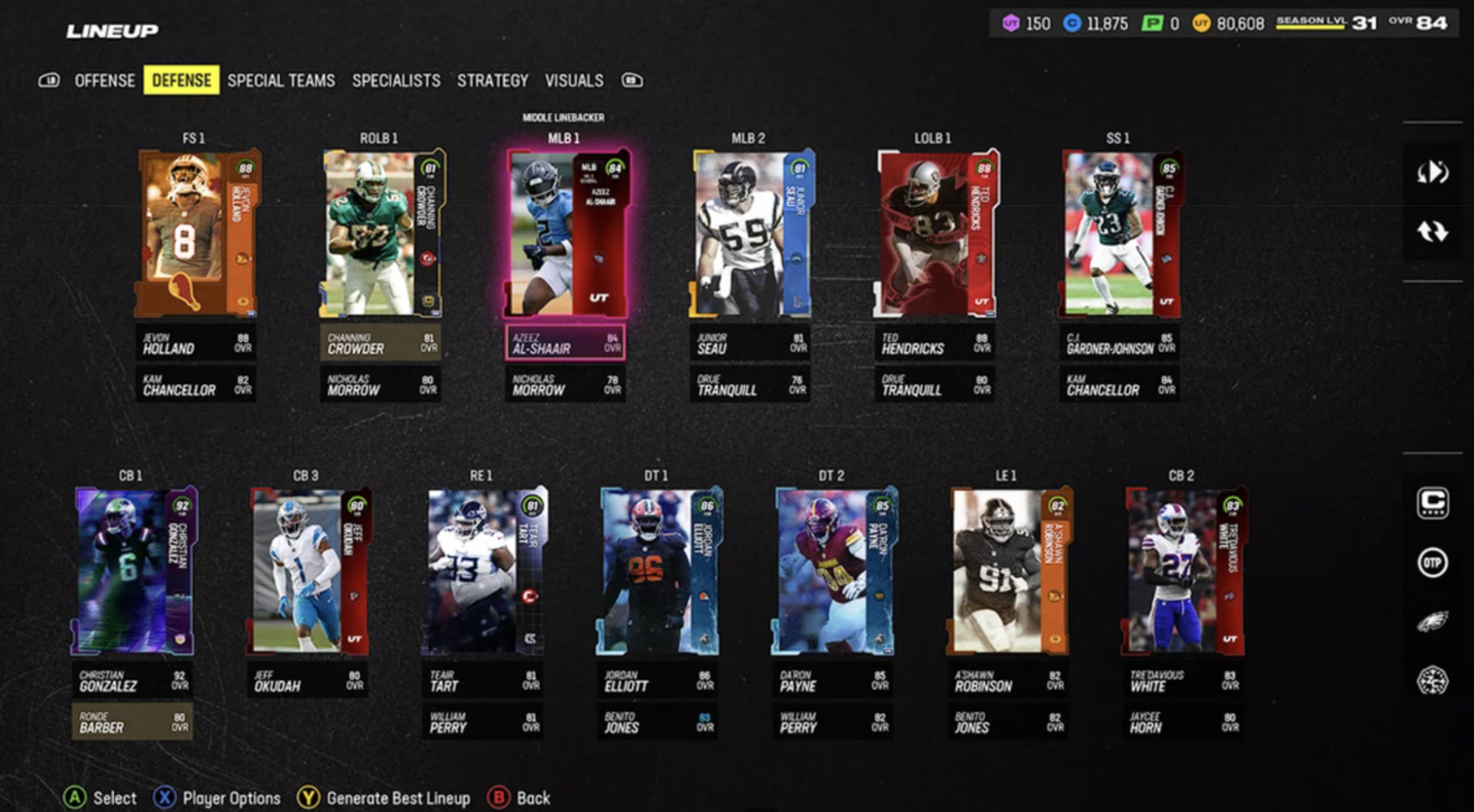
It’s FIFA’s American football cousin, and it follows the same blueprint. Seasonal promos, limited-edition player cards, pack bundles tied to real-world NFL moments, it’s all structured around chance. The thrill of pulling a 99-rated card often outweighs the slow grind of earning one.
8. Call of Duty: Warzone (early seasons)
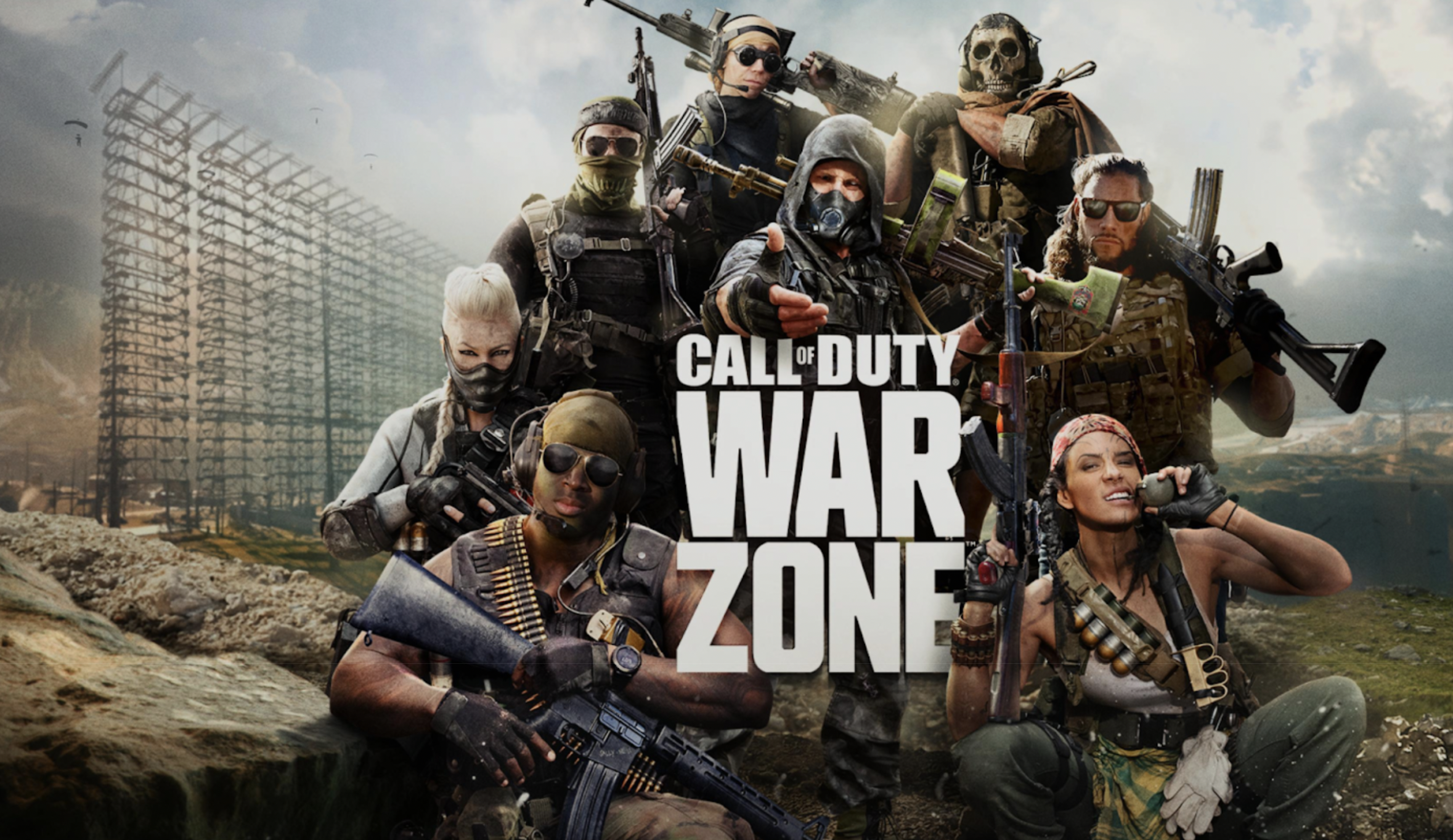
Warzone eventually shifted toward battle passes and direct purchases, but earlier Call of Duty titles leaned on supply drops. Randomized cosmetic crates shaped player behavior for years. Even after loot boxes faded, the rotating in-game store kept the scarcity pressure alive.
9. Apex Legends
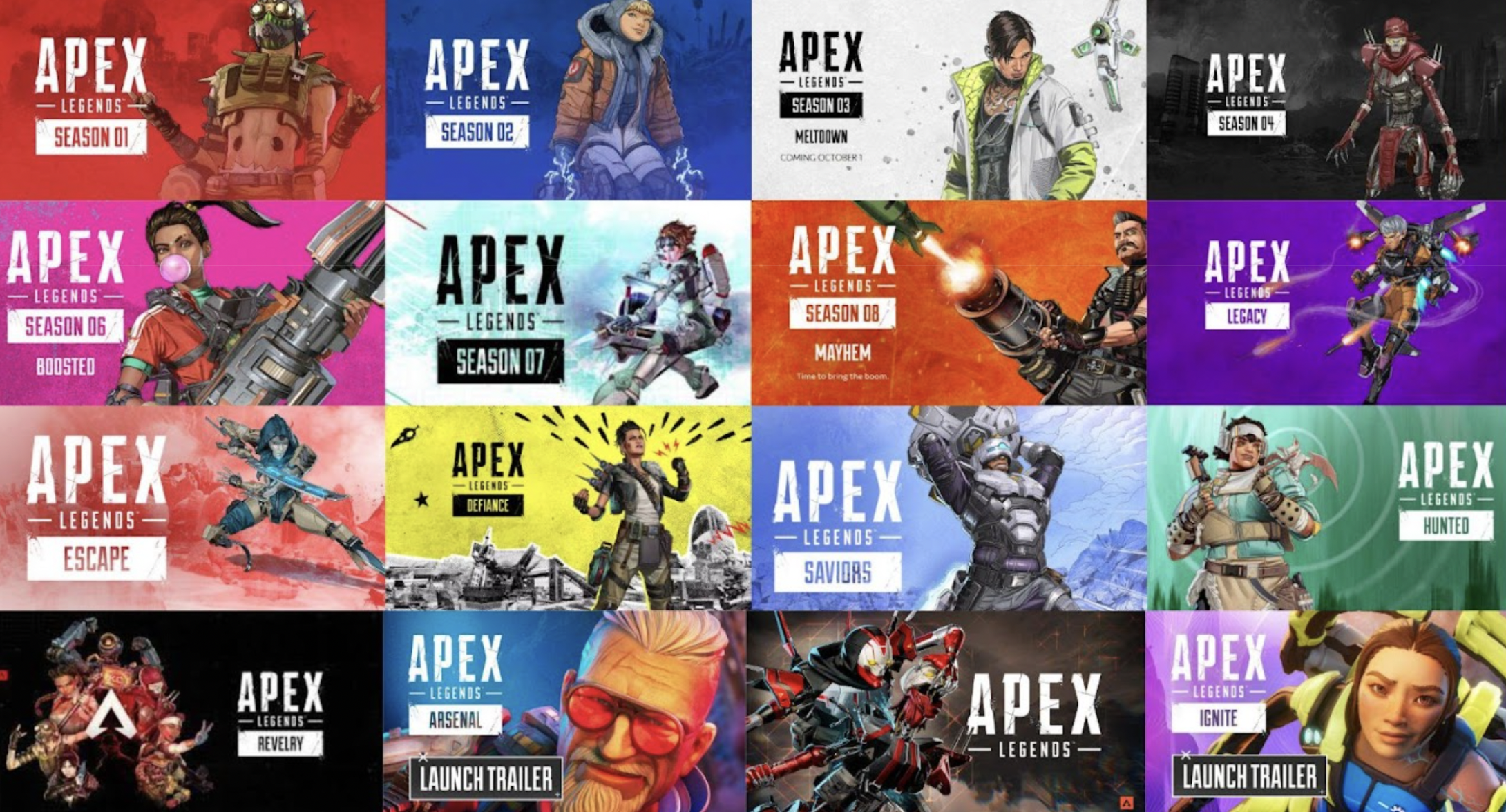
Apex Packs are loot boxes in everything but name. Heirloom shards, the rarest cosmetic currency, have extremely low drop rates unless the pity counter kicks in. The system feels generous until you realize how many packs it can take to guarantee one.
10. Clash Royale
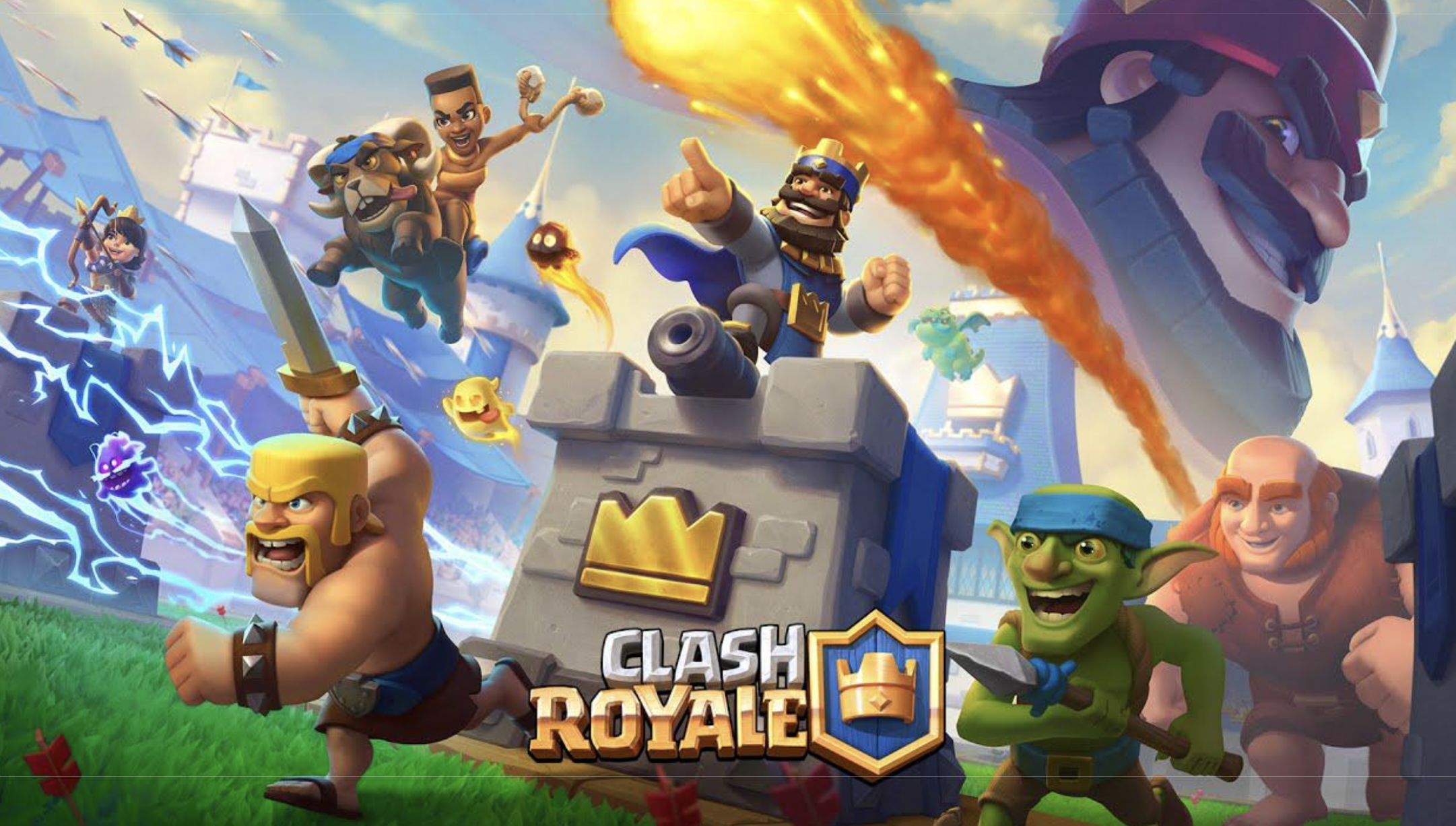
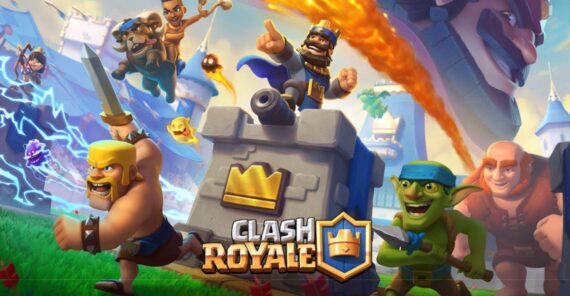
Supercell’s mobile hit thrives on chest timers. Open a chest, wait hours, or pay to skip the timer. The randomness of card upgrades combined with time-gating creates a loop that’s less about strategy and more about probability management.
11. Raid: Shadow Legends
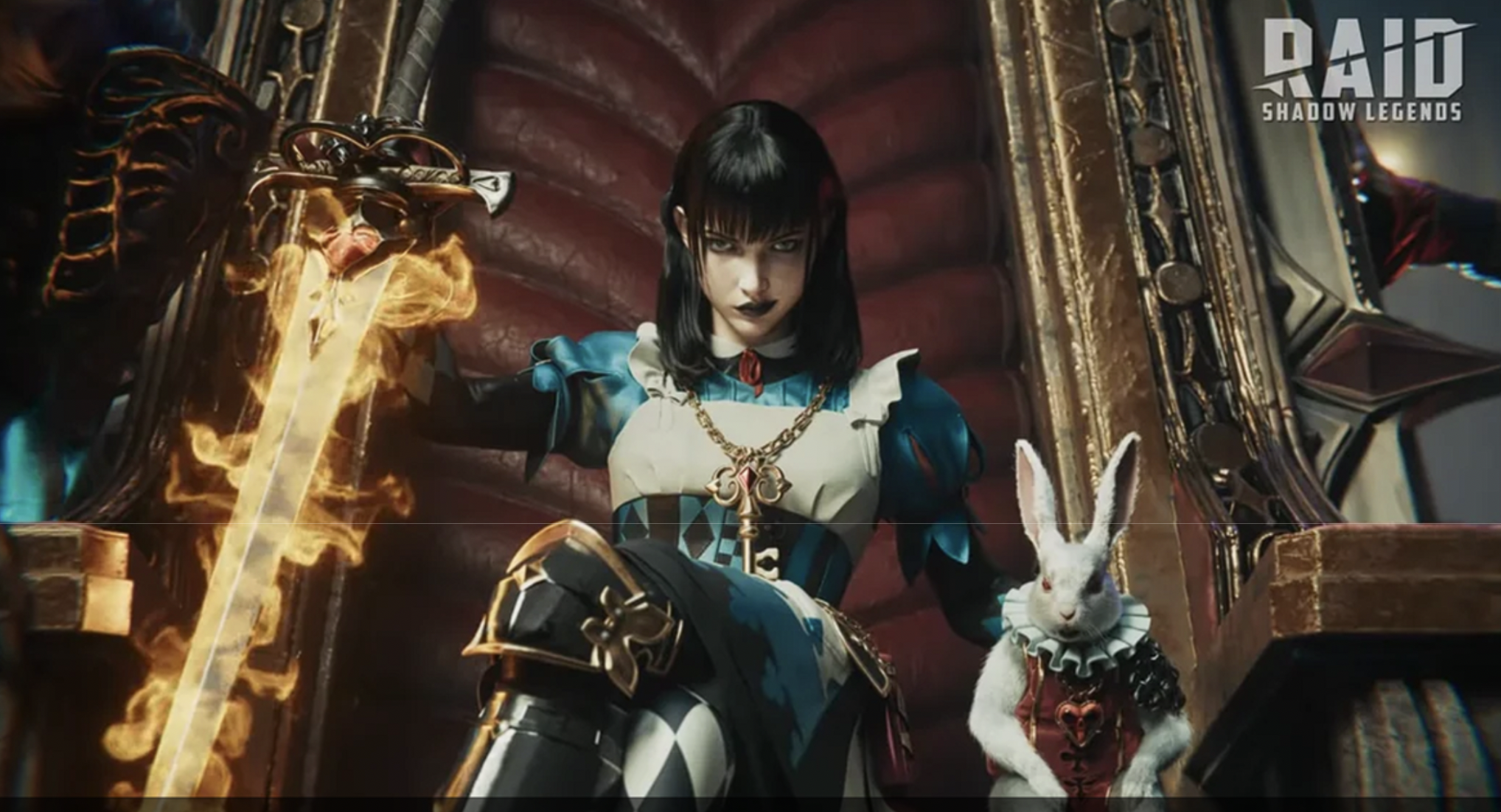
Aggressive marketing aside, Raid runs on a classic shard system. Ancient, Void, Sacred, each tier signals a different rarity range. Pulling champions is pure chance, with boosted events that subtly encourage stockpiling and binge-opening sessions.
12. Diablo Immortal
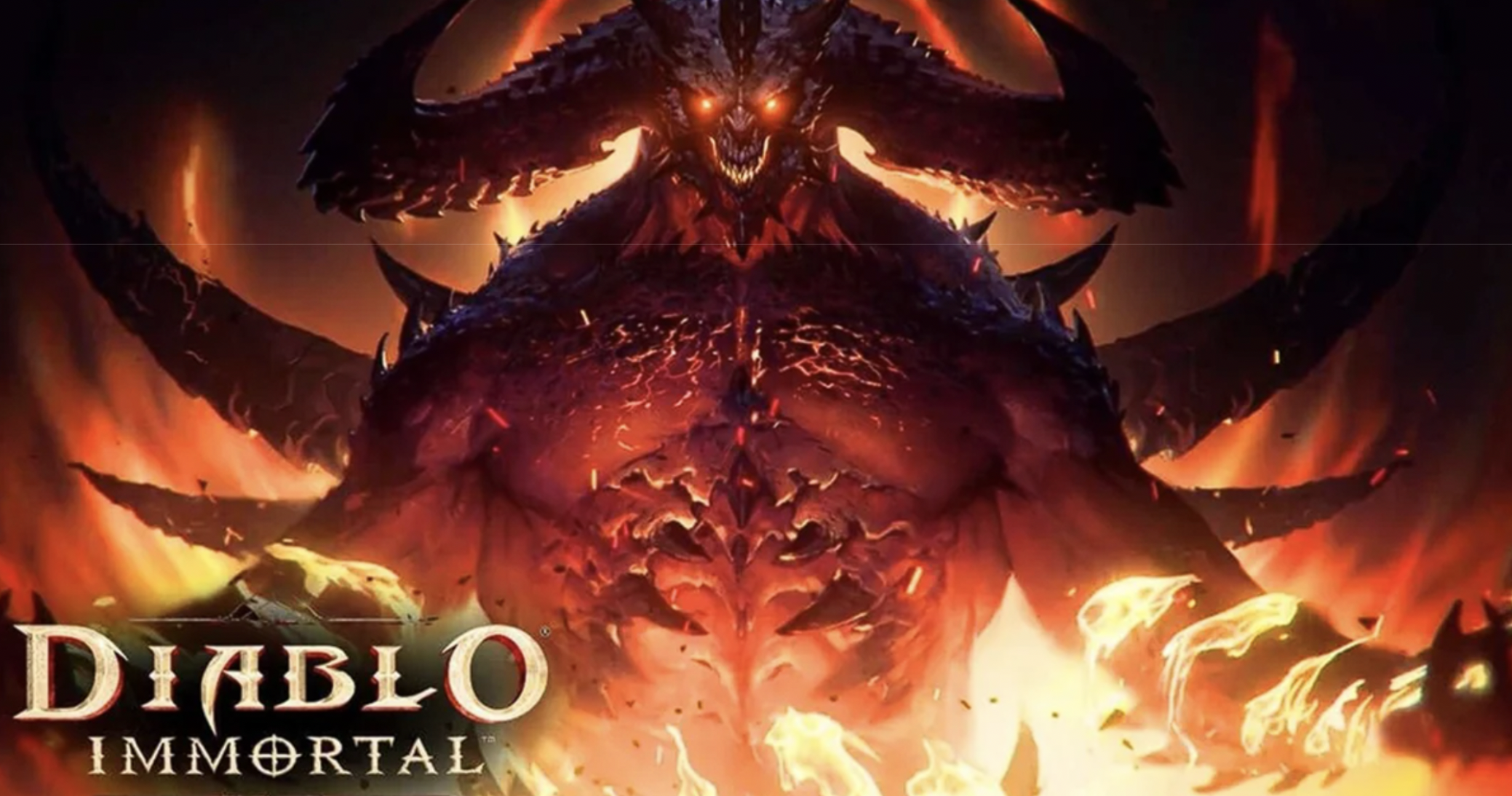
When Diablo Immortal launched in 2022, discussions quickly shifted to Legendary Crests and Elder Rifts. Players could technically grind for gear, but meaningful upgrades often required paid crests that modified drop rates. The math behind high-end builds felt closer to odds calculation than dungeon crawling.
13. MapleStory
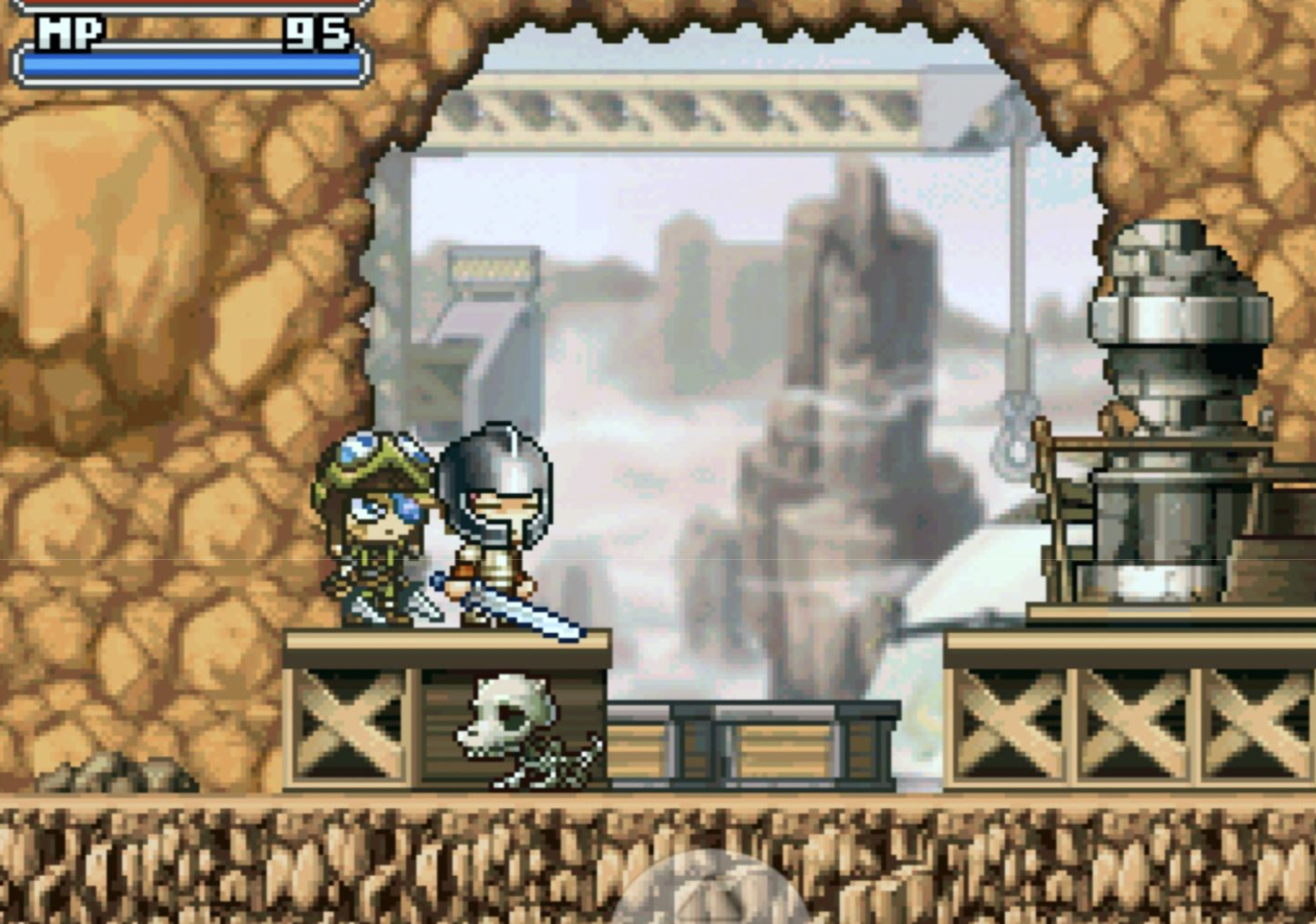
Long before loot boxes dominated console gaming, MapleStory sold “Surprise Style Boxes.” Cosmetic randomness became a major revenue driver, and the community normalized massive opening sessions.
14. Roblox
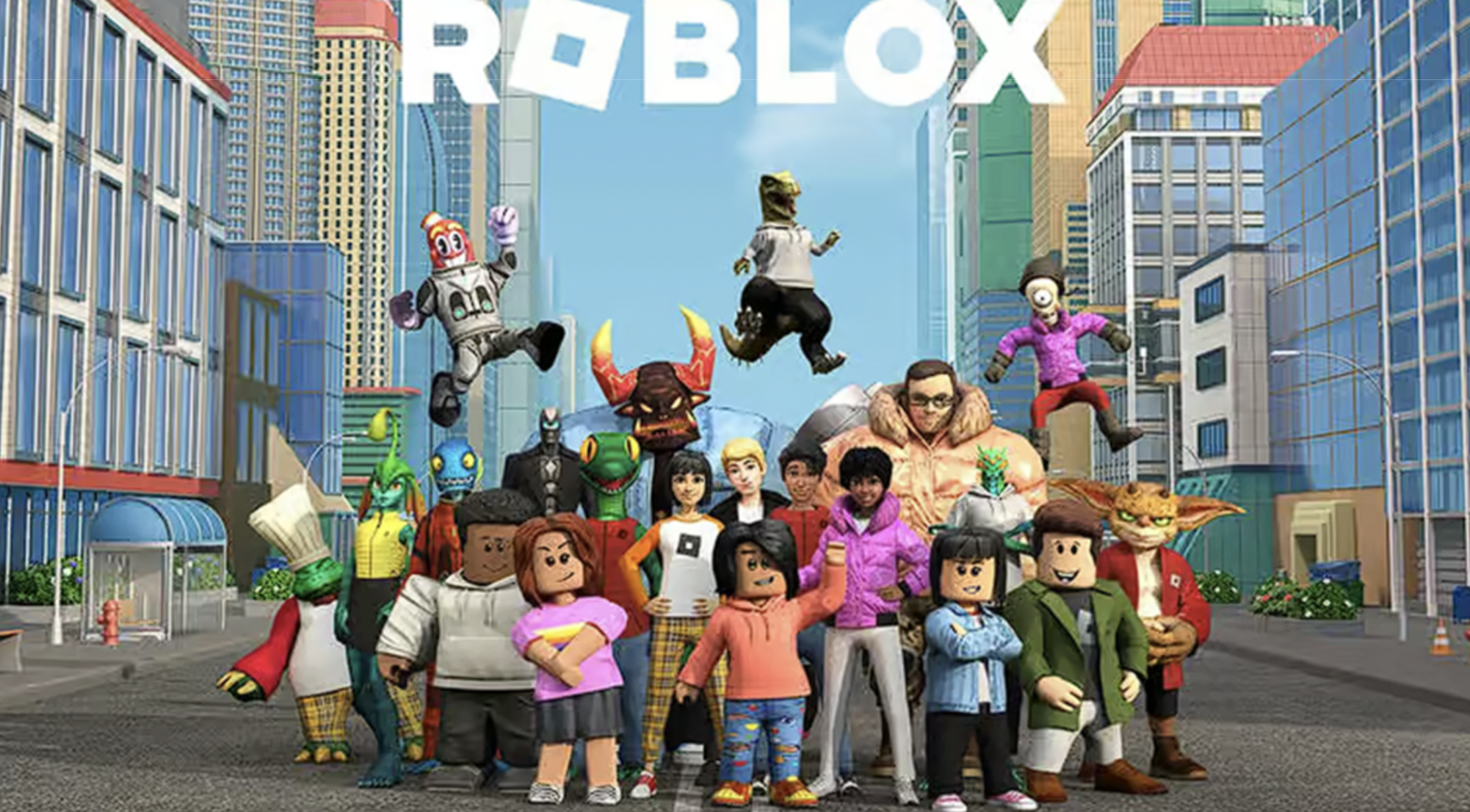
Not a single game, but an ecosystem. Many user-created experiences feature spin wheels, crate openings, or pet hatching systems that mimic slot mechanics. For younger audiences, especially, the line between playful randomness and gambling-style design can get blurry.
15. FIFA Mobile
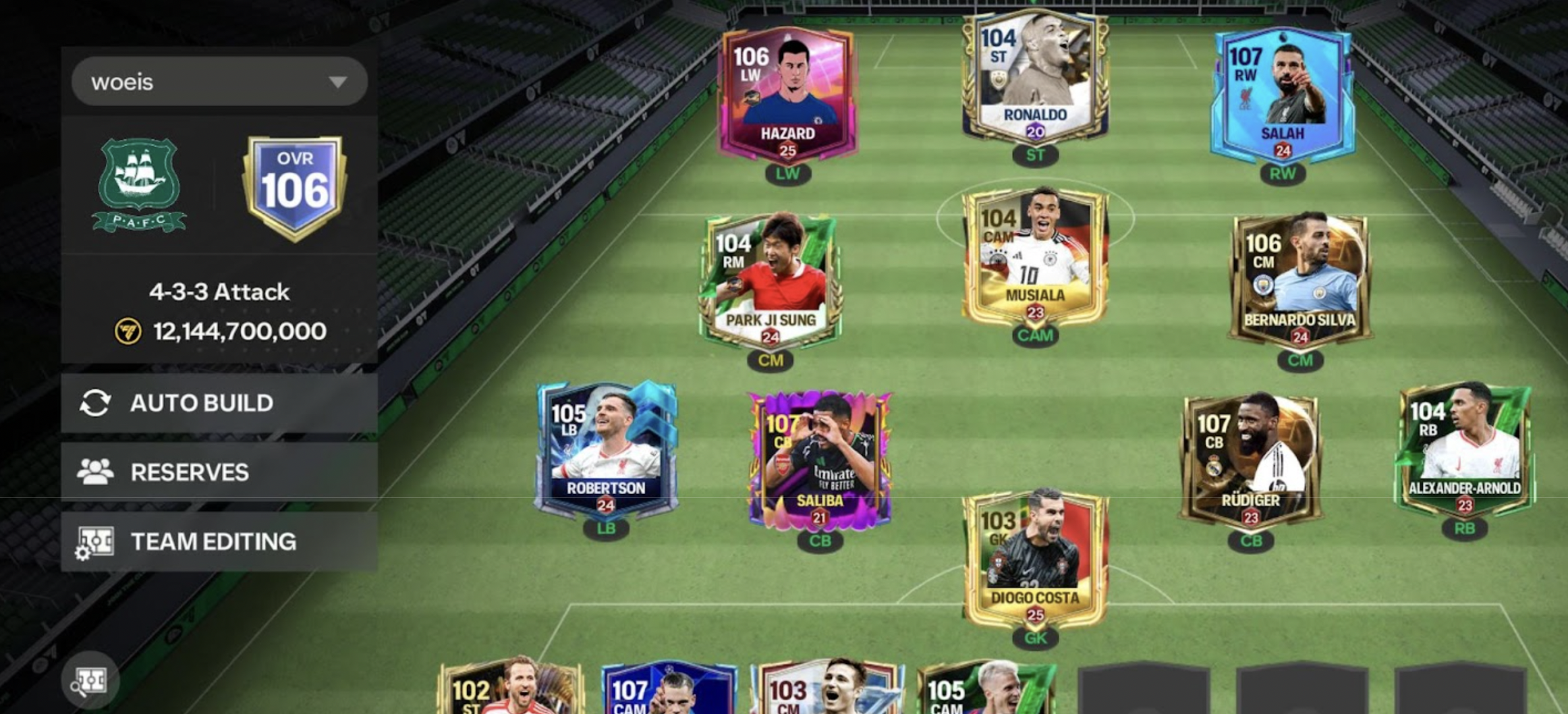
Shorter sessions, same psychology. Limited-time events flood the interface with timers and flashing offers. It’s faster, more compressed, and arguably more relentless than the console version.
16. PUBG Mobile
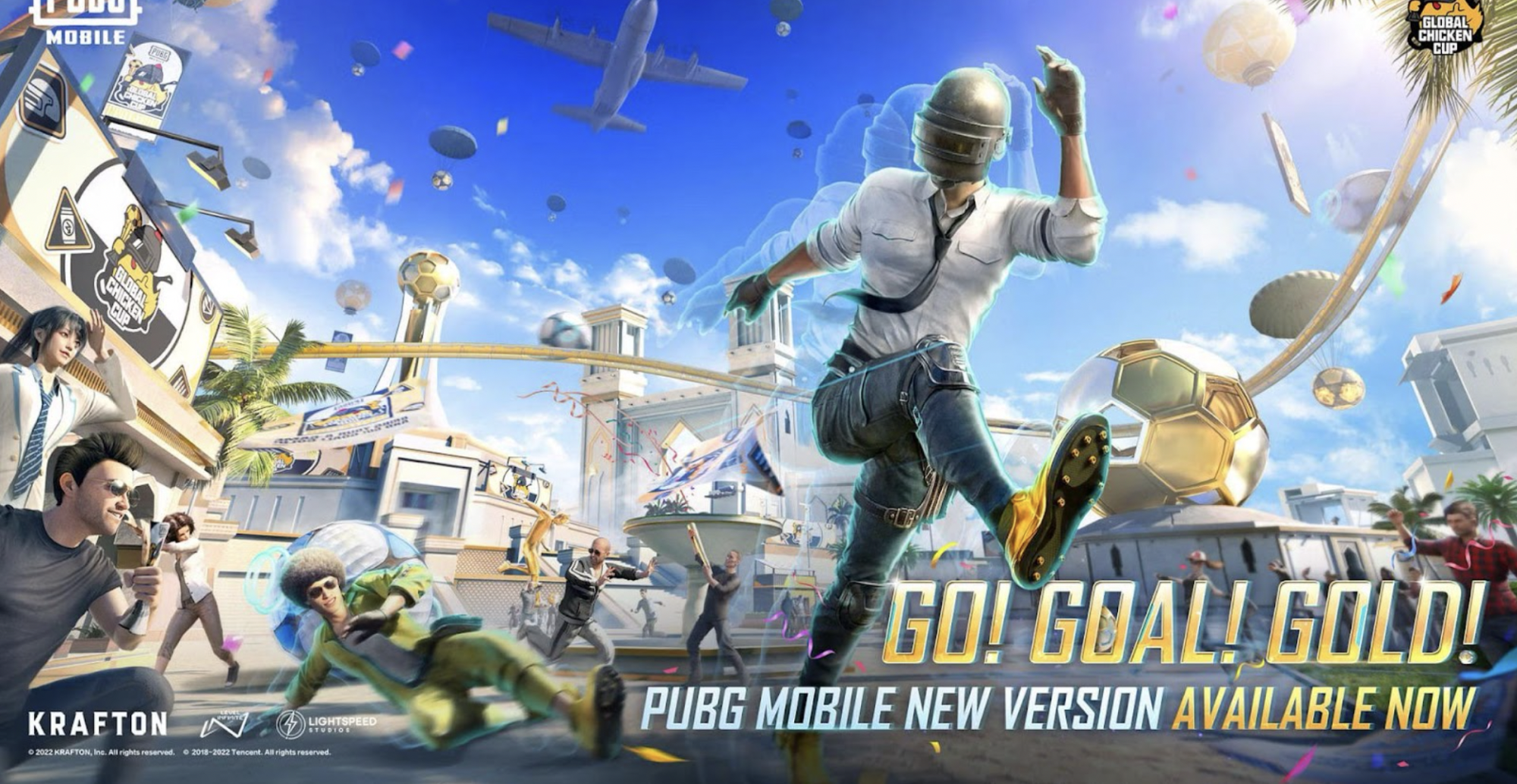
Crate coupons, premium crates, and upgrade materials, the structure revolves around low-percentage cosmetic drops. Some skins require duplicate pulls to max out, extending the spending cycle well beyond the first hit.
17. Teamfight Tactics
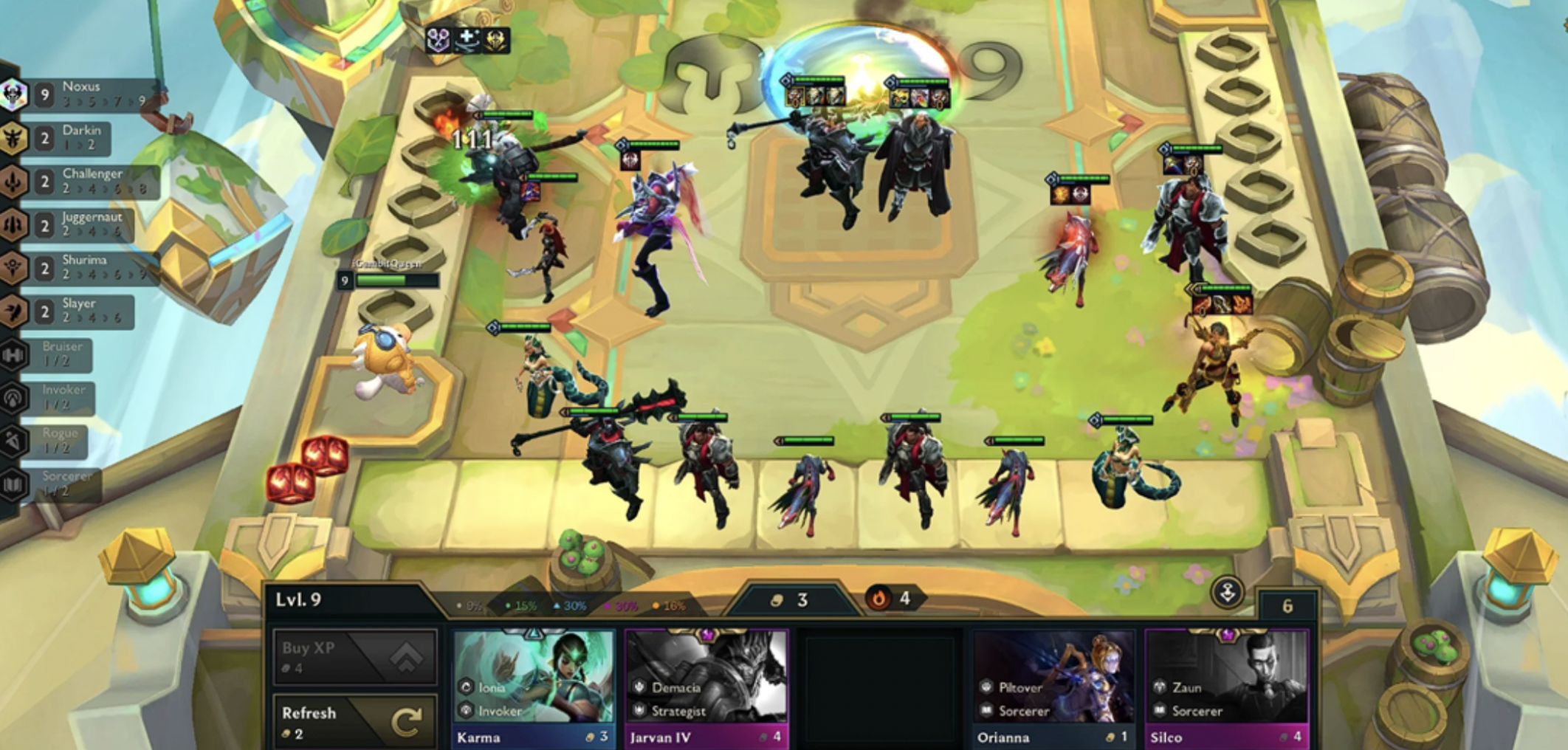
TFT’s Little Legends eggs and event passes lean into randomized cosmetics. You’re not gambling for power, but the egg-opening animations are unmistakably casino-inspired.
18. Destiny 2 (early Eververse era)
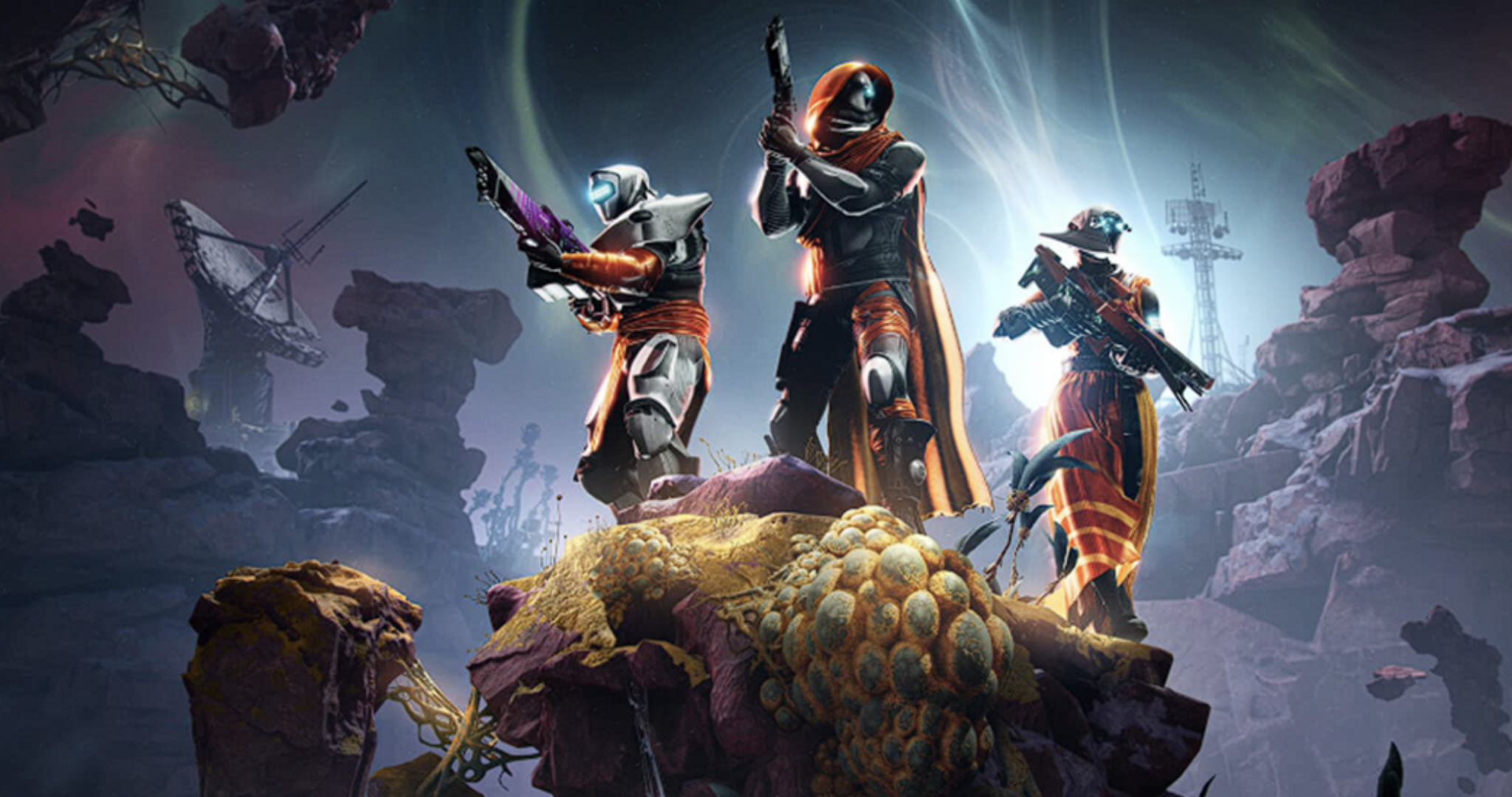
Veterans remember Bright Engrams. Play enough, and you’d earn one, or buy them outright during certain events. The reveal animation, the rarity tiers, the event-exclusive drops, it was a familiar formula.
19. Fire Emblem Heroes
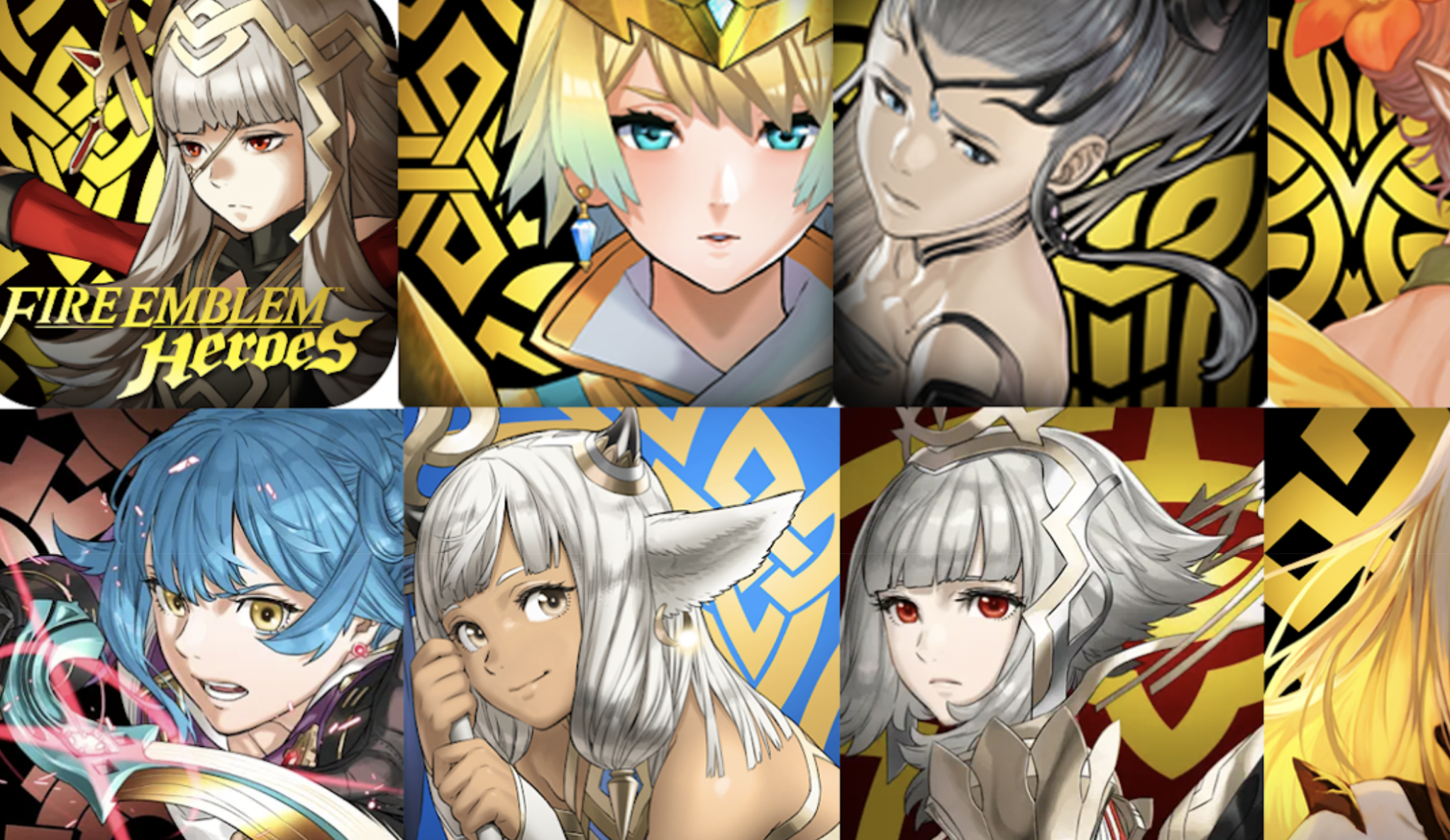
Nintendo entered mobile gacha territory with this 2017 release. Orbs are the premium currency, banners rotate constantly, and five-star heroes sit behind fractional percentages. The summoning circle animation makes every pull feel dramatic, even when the odds say otherwise.
20. EA Sports FC 24
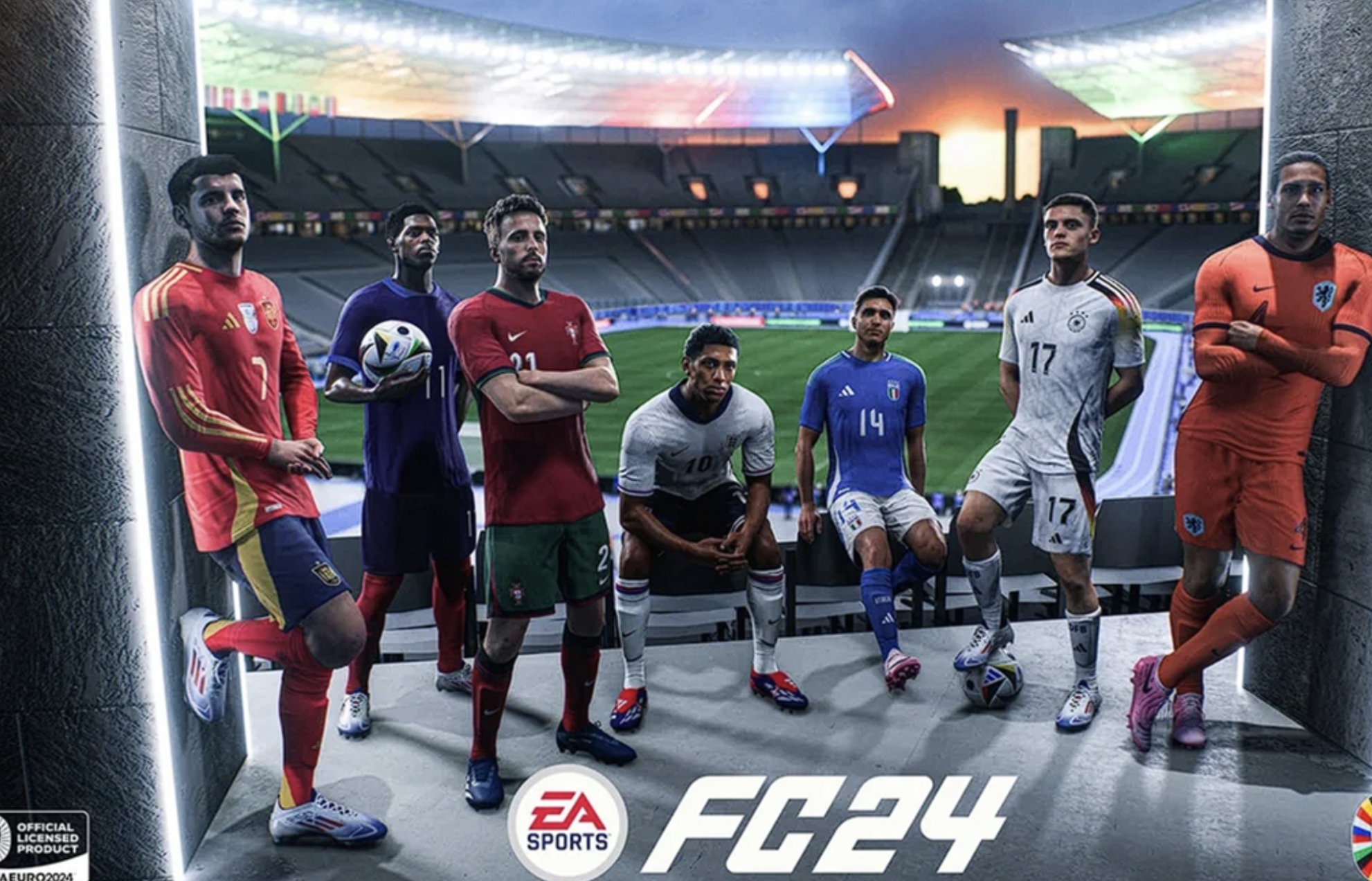
The rebrand didn’t change the structure. Ultimate Team remains built around packs, promos, and that unmistakable tunnel animation before a big reveal. For many players, the competitive grind and the pack-opening ritual are inseparable — and that ritual looks a lot like gambling, even if it never calls itself that.