From chainsaw-shaped peripherals to experimental motion sensors, these unique devices challenged every conventional rule of ergonomics and play. Beyond their strange aesthetics, such engineering curiosities represent a daring era of risk and trial in the industry. Explore fifteen of the weirdest controllers ever produced that defied logic and left a permanent mark on digital culture.
1.The Three-Handed Revolution
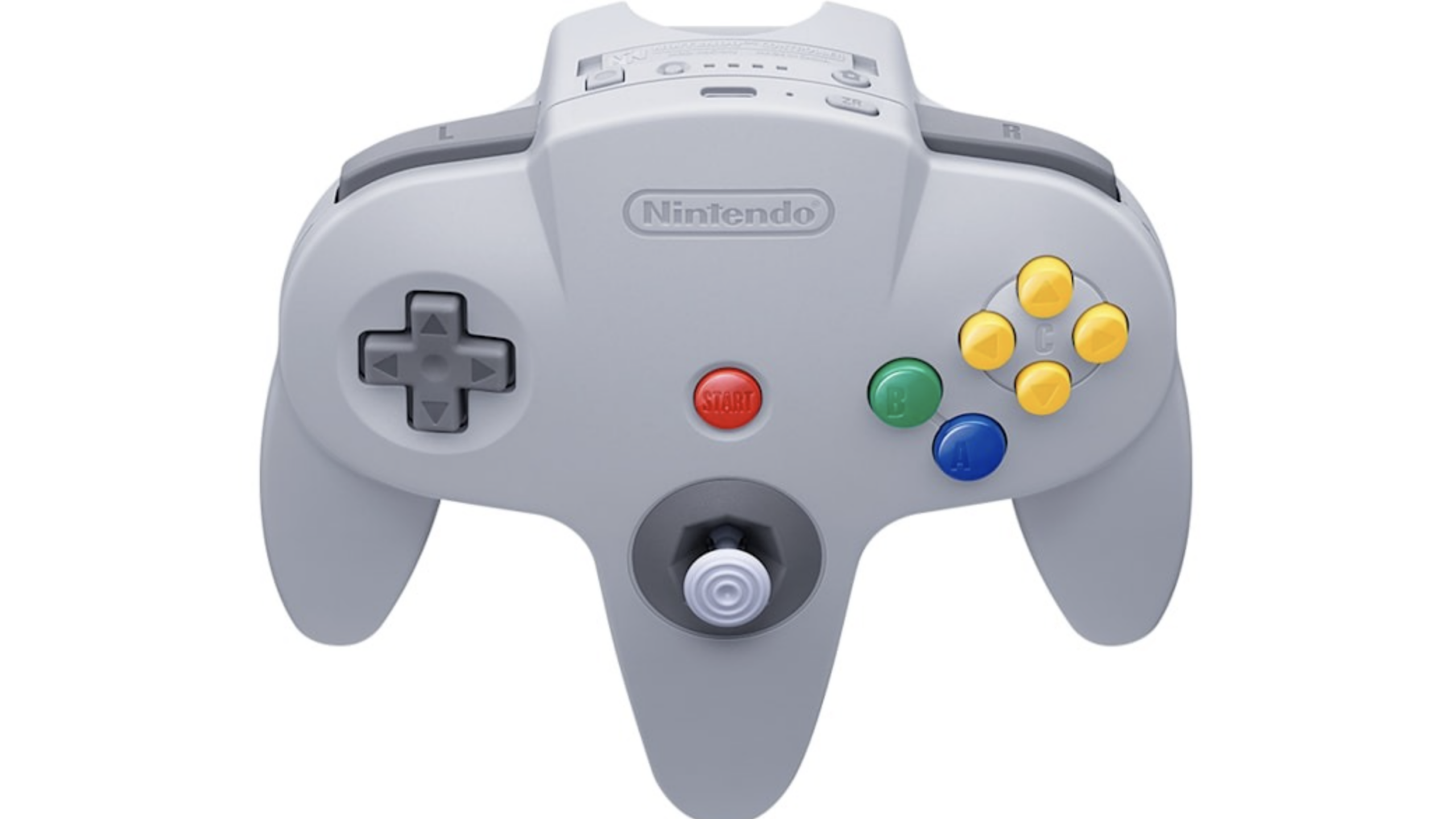
Launched in 1996, the Nintendo 64 controller redefined gaming with its unique three-handle trident design and integrated analog stick. This innovative hardware allowed for precise 3D navigation in titles like Super Mario 64, marking a pivotal shift in console ergonomics. Featuring a dedicated rear Z-trigger and an expansion port for Rumble Paks, the N64 pad remains a legendary icon of 90s digital culture.
2.Namco NeGcon: Twist-Action Racing Innovation
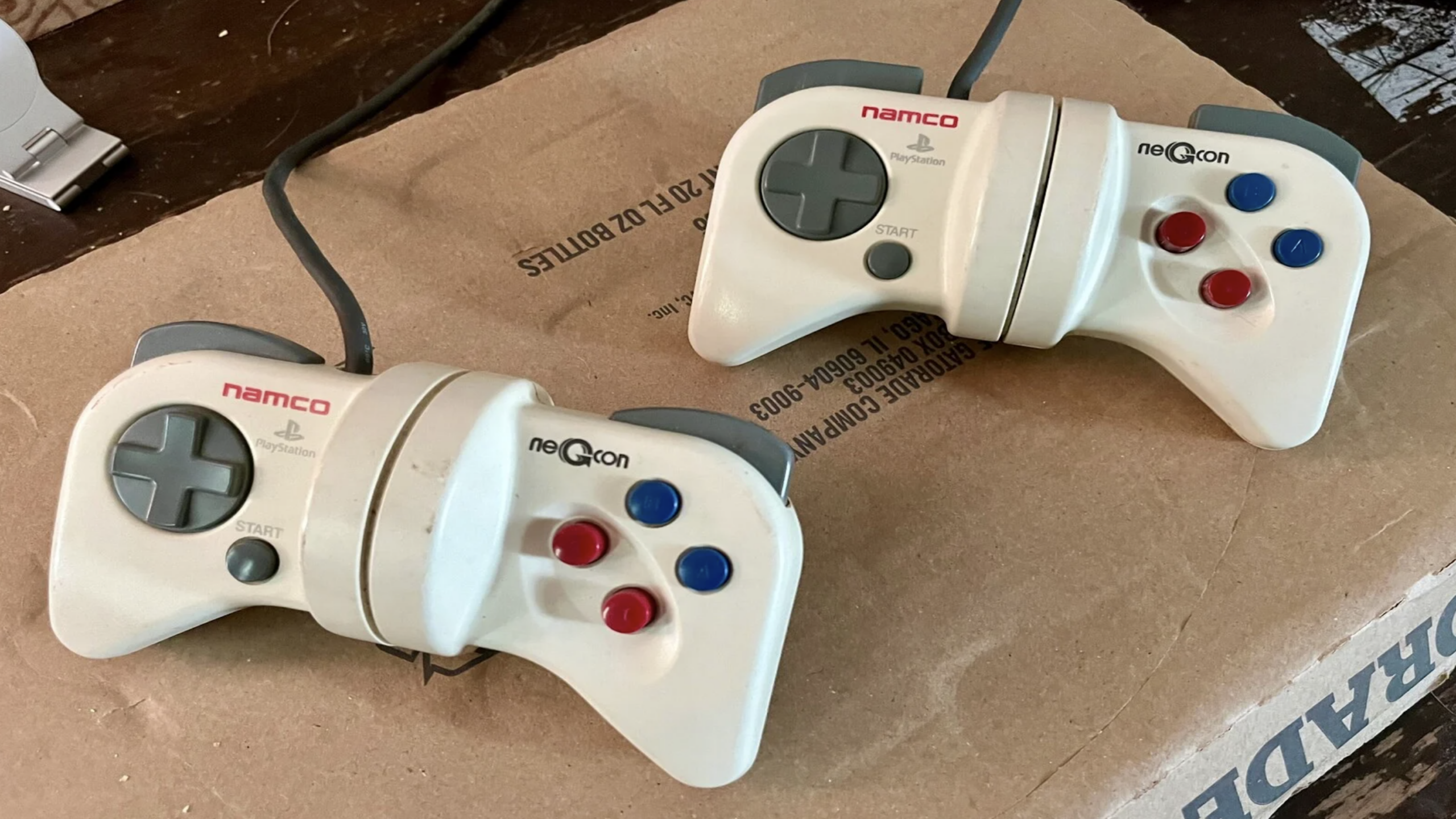
Released in 1995, the Namco NeGcon remains one of the most eccentric PlayStation peripherals due to its unique swivel joint and analog buttons. Designed specifically for racing titles like Ridge Racer, this specialized hardware allowed players to twist the two halves of the controller for ultra-precise steering control.
3. Sega Saturn 3D: Analog Precision Standard
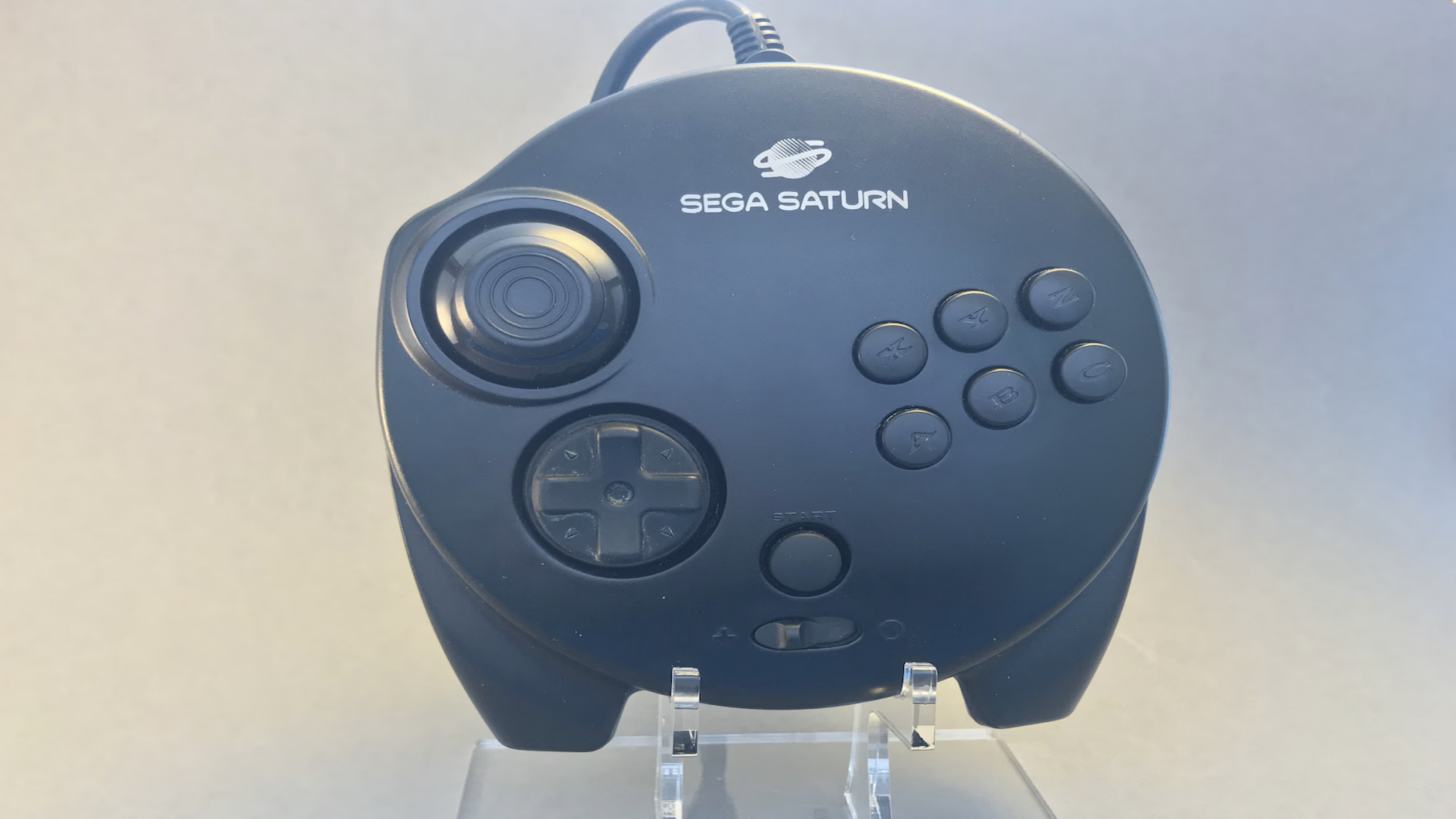
Debuting in 1996 alongside Nights into Dreams, this bulky circular peripheral introduced a massive analog thumbstick to handle early 3D environments. It featured innovative analog triggers for racing and flight simulations, setting the blueprint for modern ergonomic standards in console hardware.
4. Revolutionary Touch-Sensitive Pad
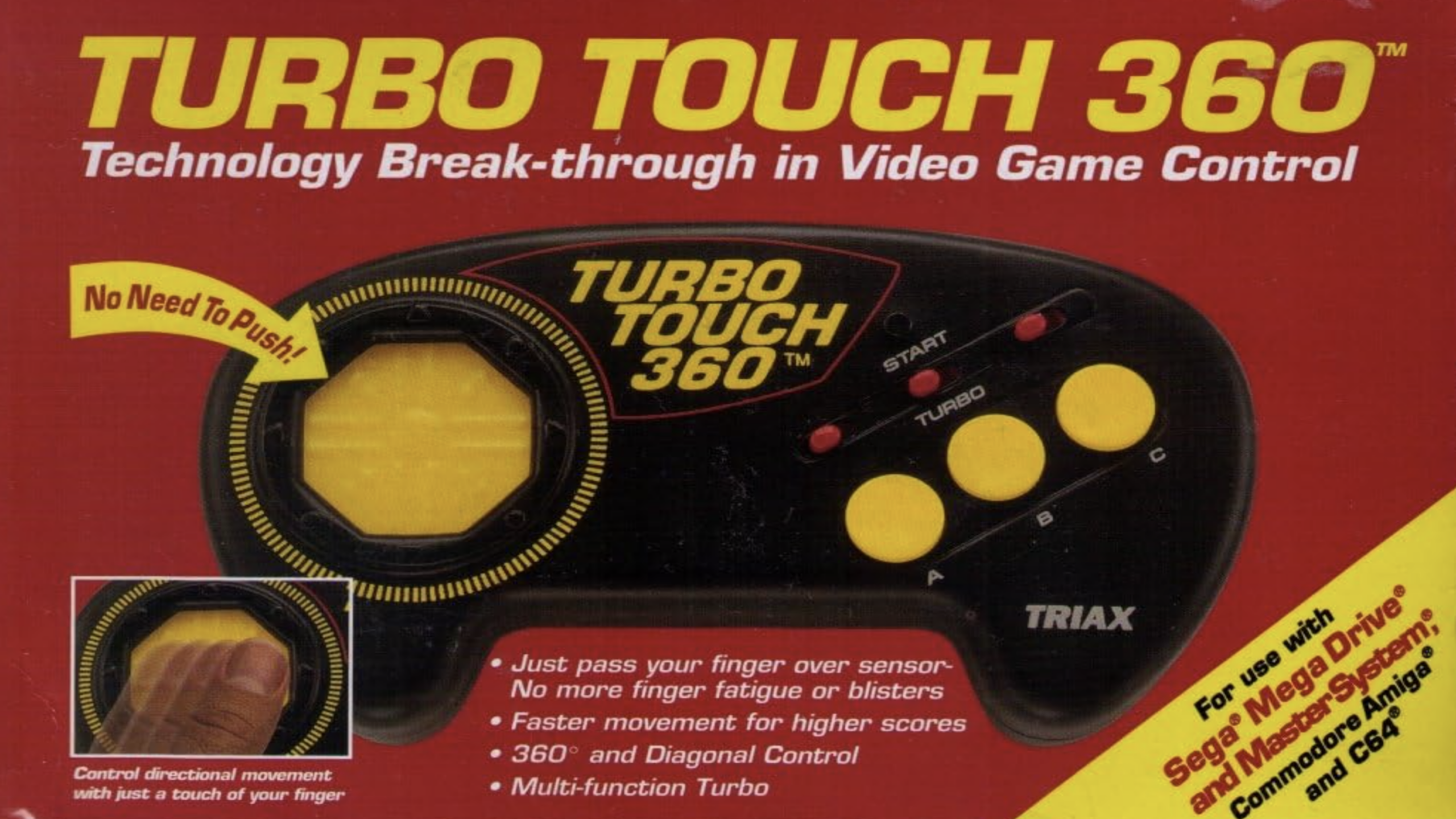
Coming out in 1992 by Triax, this hardware replaced traditional directional pads with a circular, touch-sensitive sensor for 360-degree movement. Designed for the NES, SNES, and Genesis, the controller aimed to eliminate physical strain by allowing players to slide their fingers across the surface for near-instant inputs. This early motion-input precursor remains a fascinating example of third-party experimentation before the widespread adoption of analog sticks.
5. Intel Wireless Series Gamepad: Motion-Sensing U-Shaped Pioneer
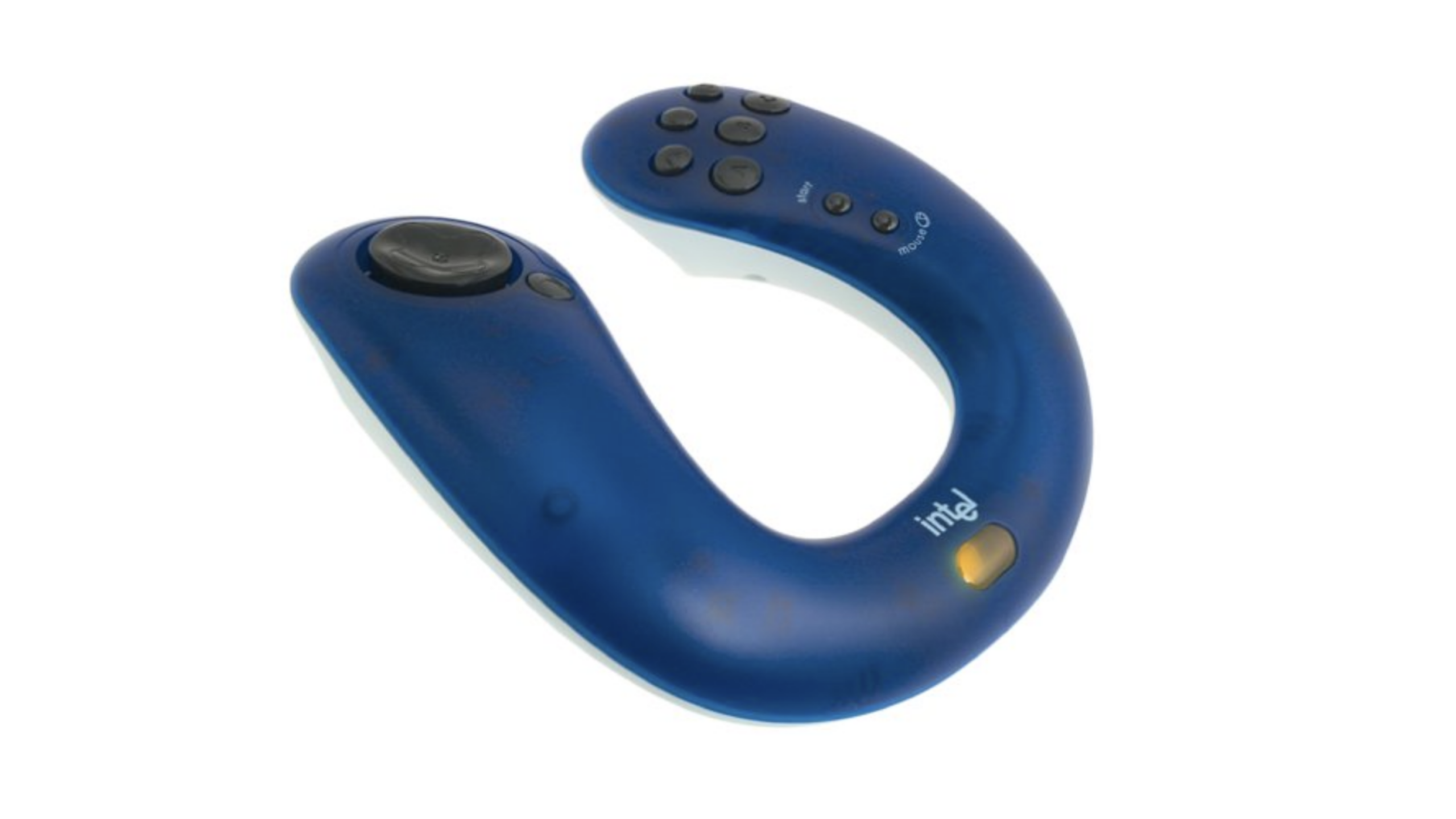
First appearing in 1999, this unconventional peripheral featured a unique U-shaped chassis designed for early motion-controlled PC gaming. Lacking traditional joysticks, the hardware relied on tilting the entire unit to navigate through flight and racing simulators of the late nineties. This wireless digital device represents a rare venture into consumer gaming hardware by Intel before the industry shifted toward standardized analog sticks.
6. PlayStation 3 Boomerang
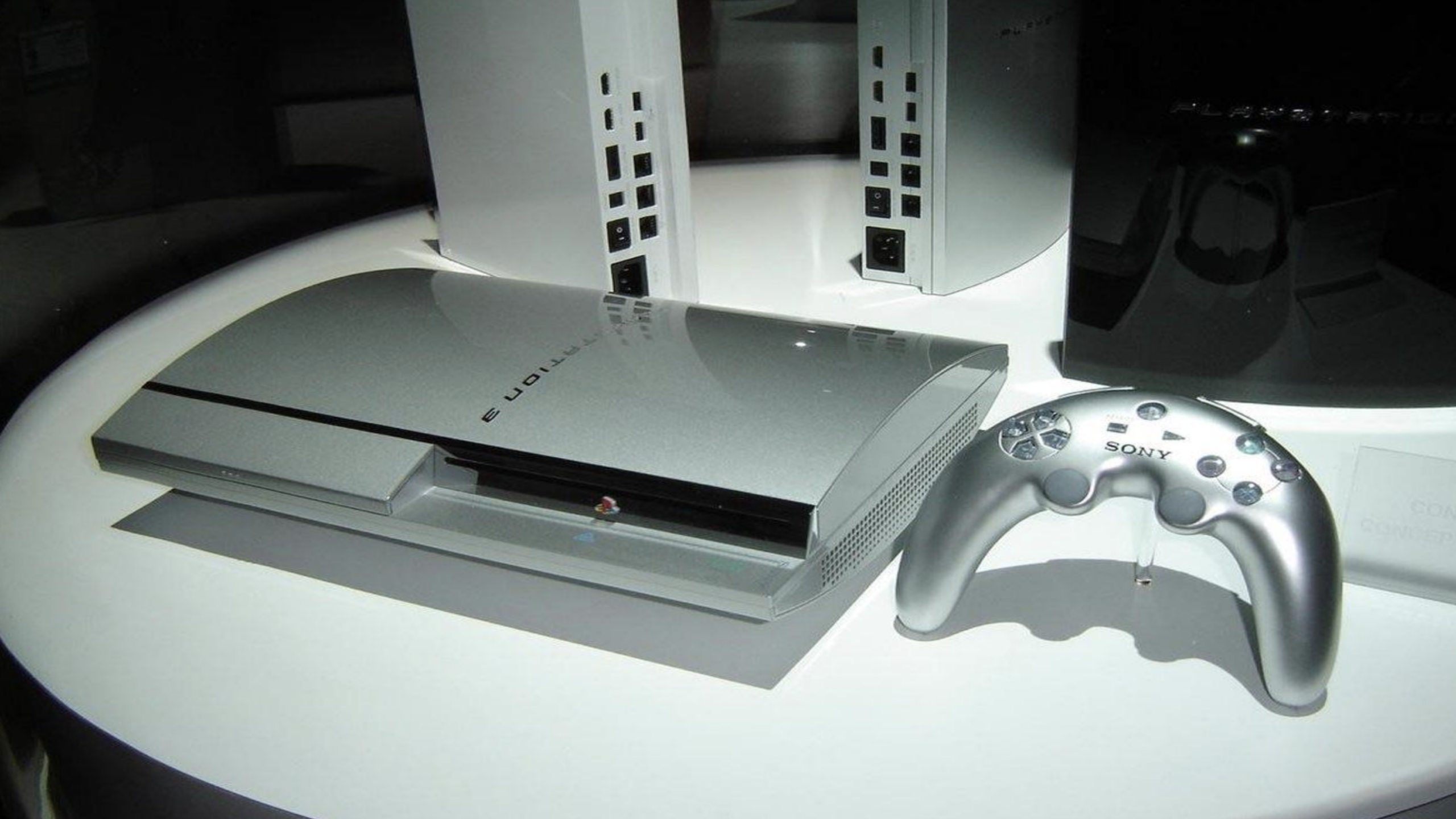
Unveiled at E3 2005, this sleek prototype mirrored the curved “U” aesthetic of early experimental PC gamepads. Featuring a high-gloss silver finish and elongated grips, the hardware was designed to evoke a futuristic feel for the next-gen Sony console. Although replaced by the Sixaxis before launch, this polarizing concept remains a legendary symbol of bold industrial design in gaming history.
7. Capcom Pad Soldier
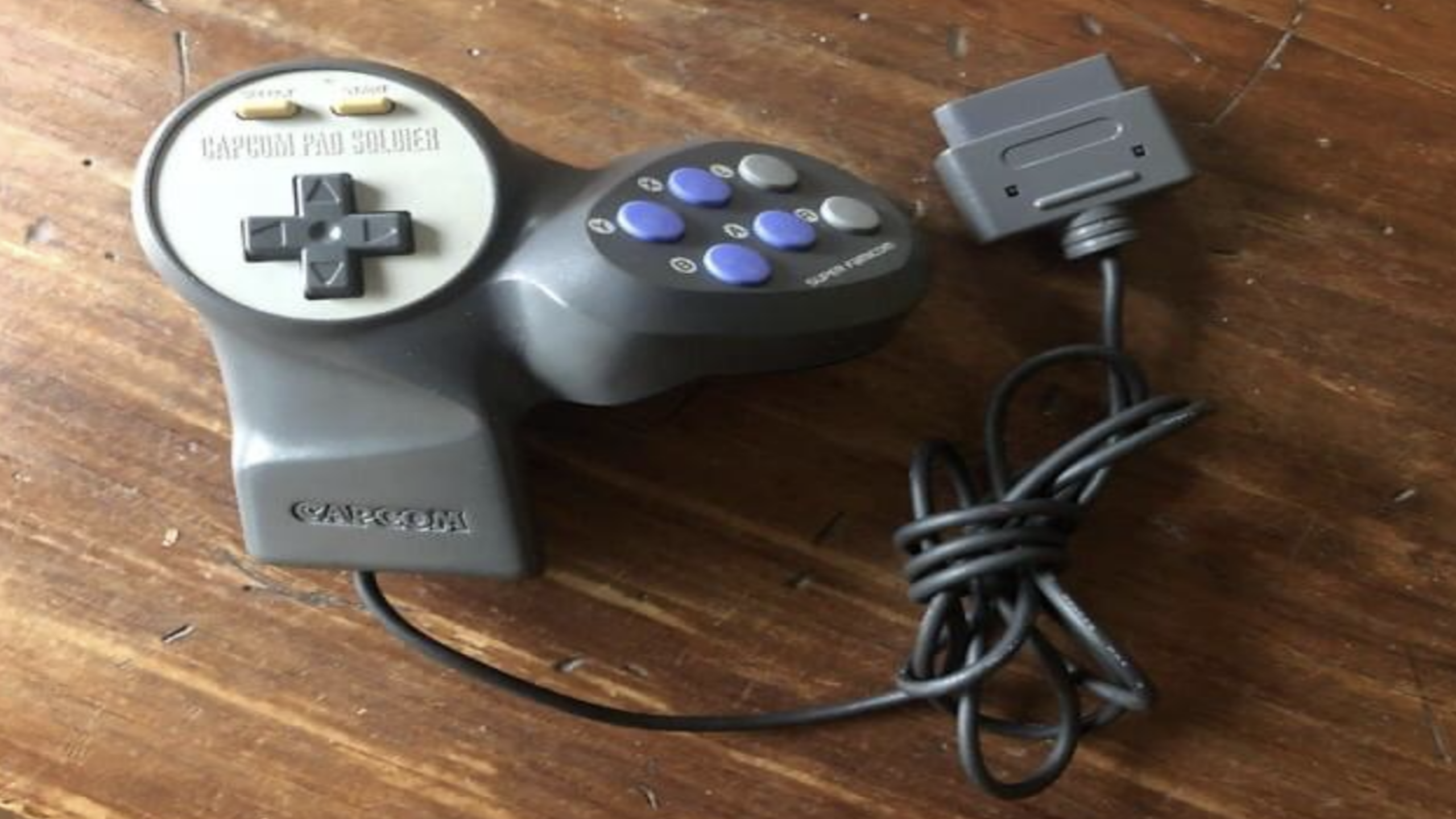
Released in 1993 for the SNES and Mega Drive, this specialized hardware featured an asymmetrical design tailored specifically for Street Fighter II players. The unique “hook” shape optimized thumb placement for six-button layouts, mirroring the precision and speed of competitive arcade cabinets.
8. Power Glove: Virtual Reality Hardware Pioneer
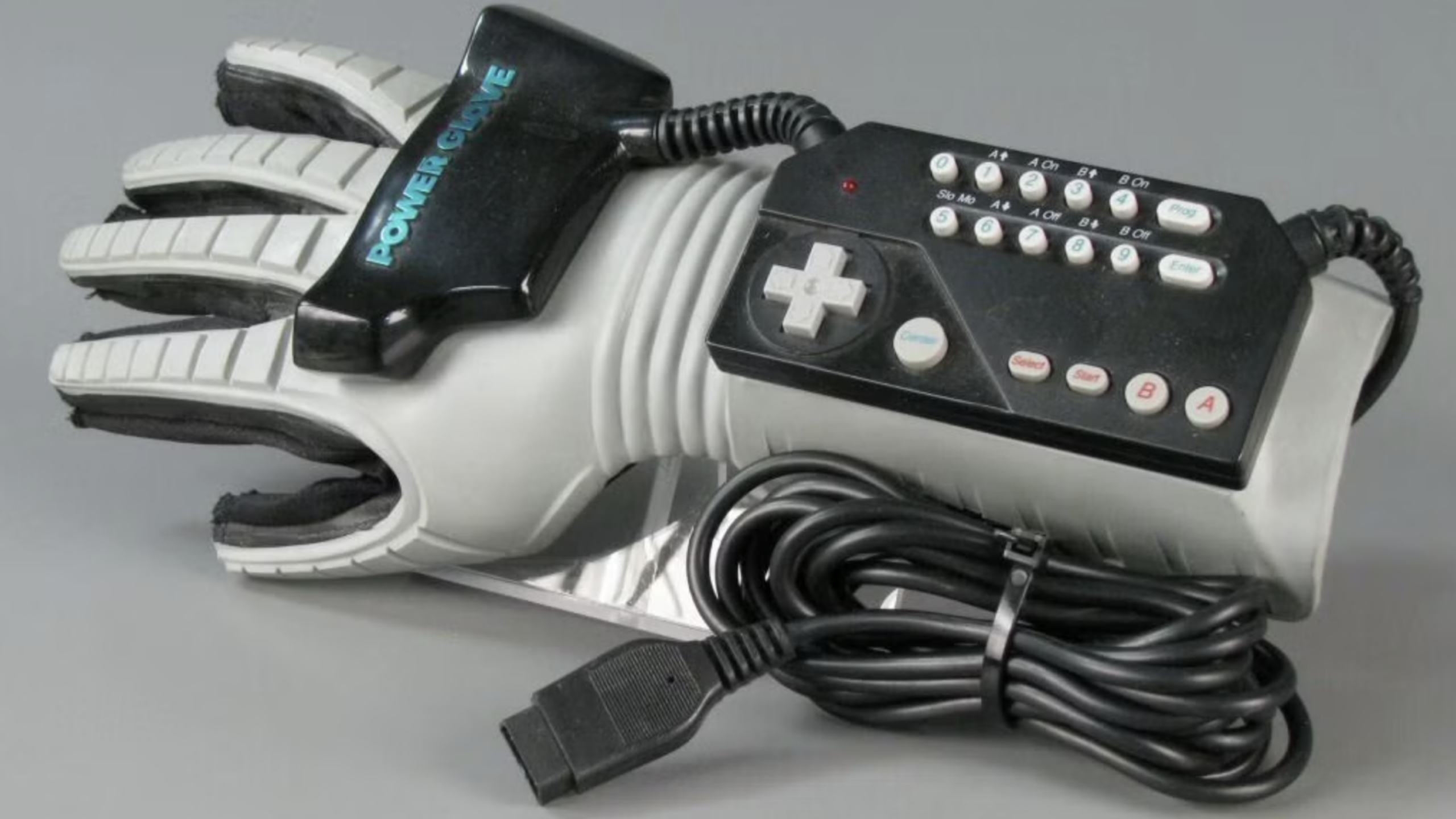
Introduced in 1989 for the NES, this wearable peripheral utilized ultrasonic sensors and fiber optics to translate hand gestures into on-screen movement. Despite its futuristic aesthetic, the hardware struggled with precision and was supported by only two dedicated titles during its brief commercial lifespan. Today, this iconic Mattel-produced accessory remains a cult symbol of eighties experimental technology and early motion control.
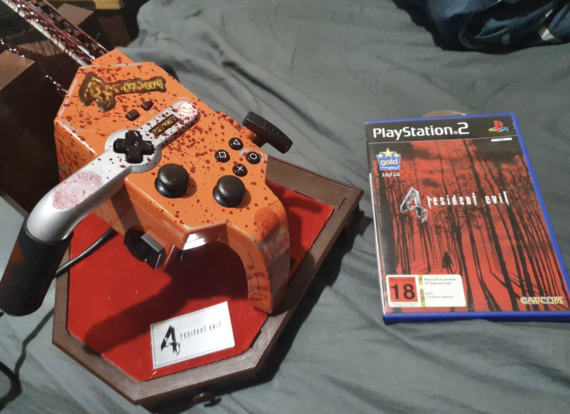
9. Resident Evil Chainsaw: Blood-Splattered GameCube Collector Item
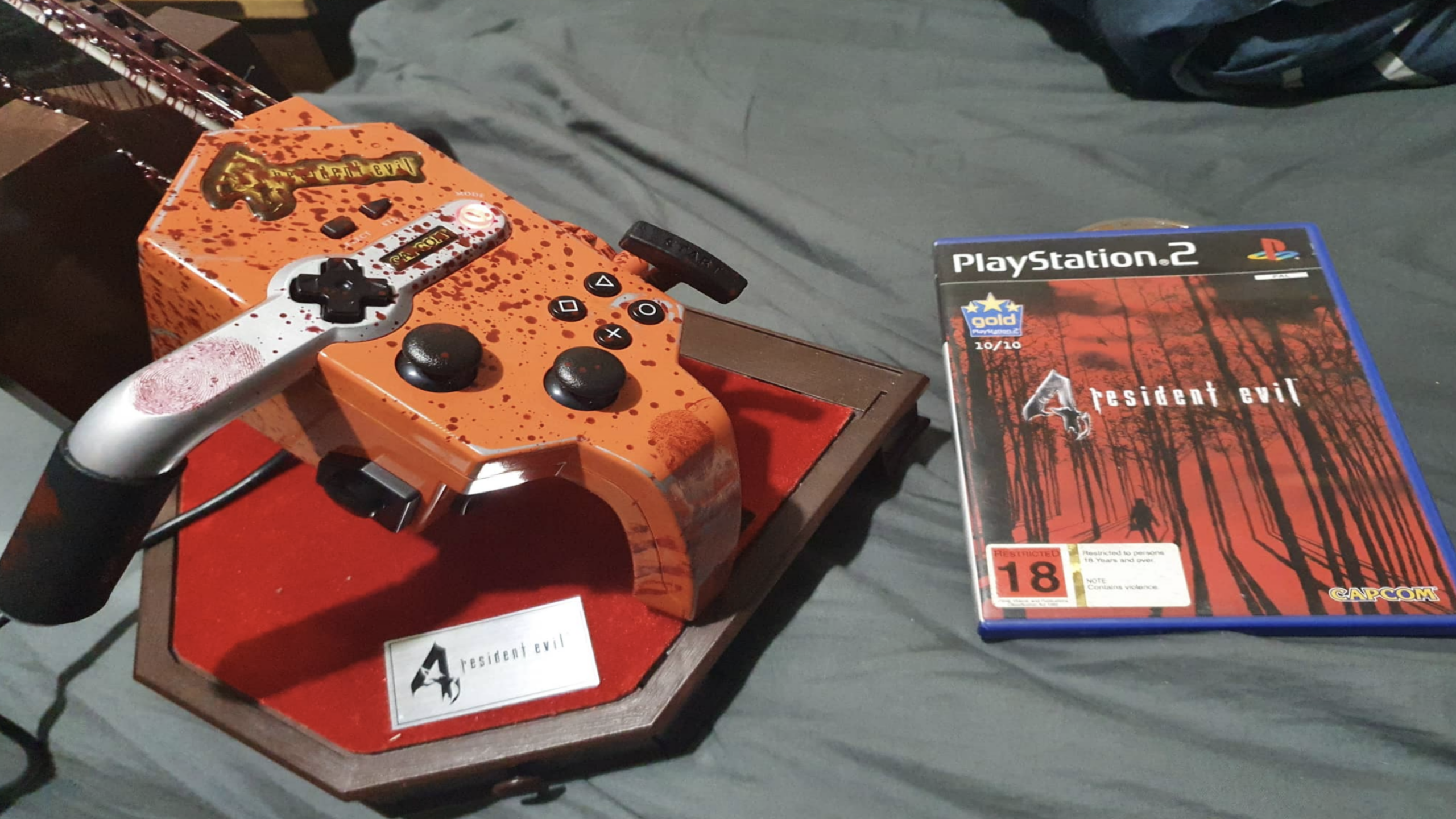
Produced by NubyTech in 2005, this terrifyingly unique controller featured a pull-cord start mechanism and integrated sound effects to celebrate the Resident Evil 4 launch. The hardware’s asymmetric, gore-covered design prioritized aesthetic horror over traditional ergonomics, making it a prized centerpiece for survival horror collectors. Designed with full functional inputs, this rare peripheral stands as one of the most visually extreme examples of licensed gaming gear.
10. Sega Activator: Full-Body Motion Control Experiment
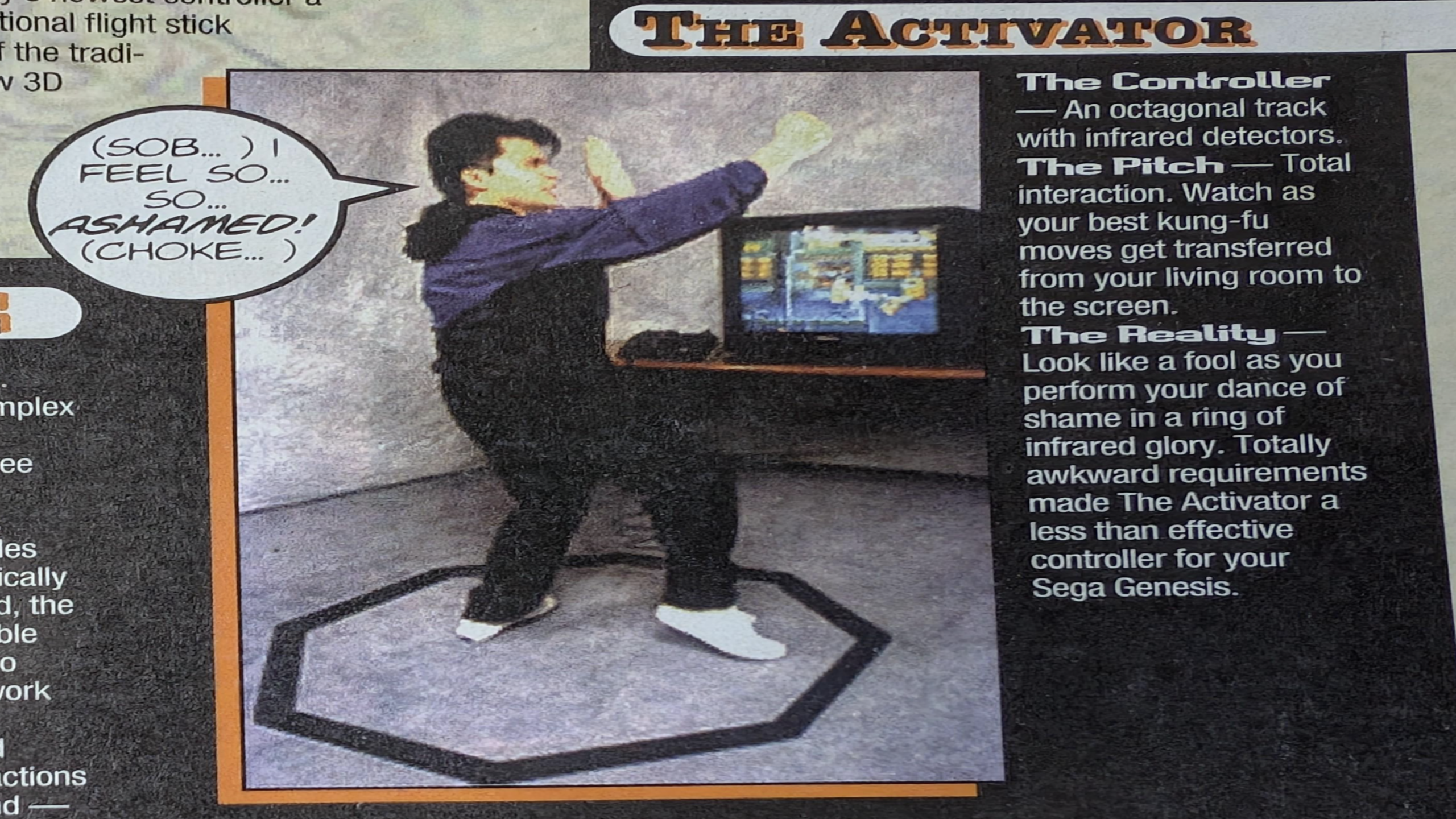
Unveiled in 1993 for the Genesis, this octagonal infrared floor ring attempted to translate physical martial arts movements into digital character actions. The hardware utilized reflected light beams to map eight different zones, offering a hands-free gaming experience decades before the Kinect era. Despite its ambitious engineering, high retail pricing and complex calibration made this unique peripheral a rare curiosity in 16-bit history.
11. Handheld Full-Keyboard Evolution
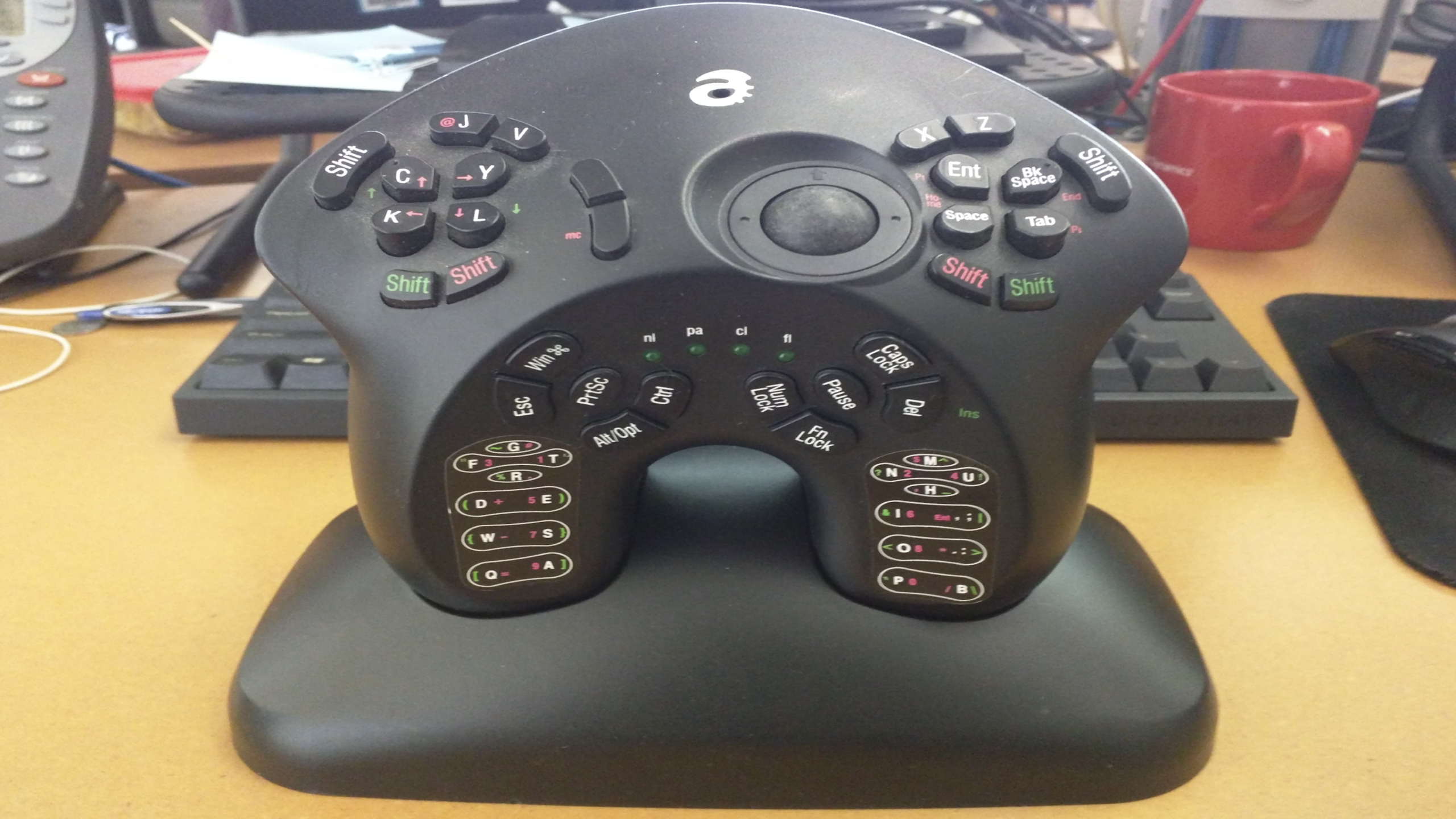
Arriving in 2006, this multifaceted peripheral combined a high-speed gaming controller with a complete QWERTY keyboard positioned on its rear handles. Engineered for professional PC users and MMO enthusiasts, the hardware utilized dozens of tactile buttons to allow for touch-typing at speeds exceeding 50 words per minute.
12. Atari 5200 Controller: Analog Joystick Milestone
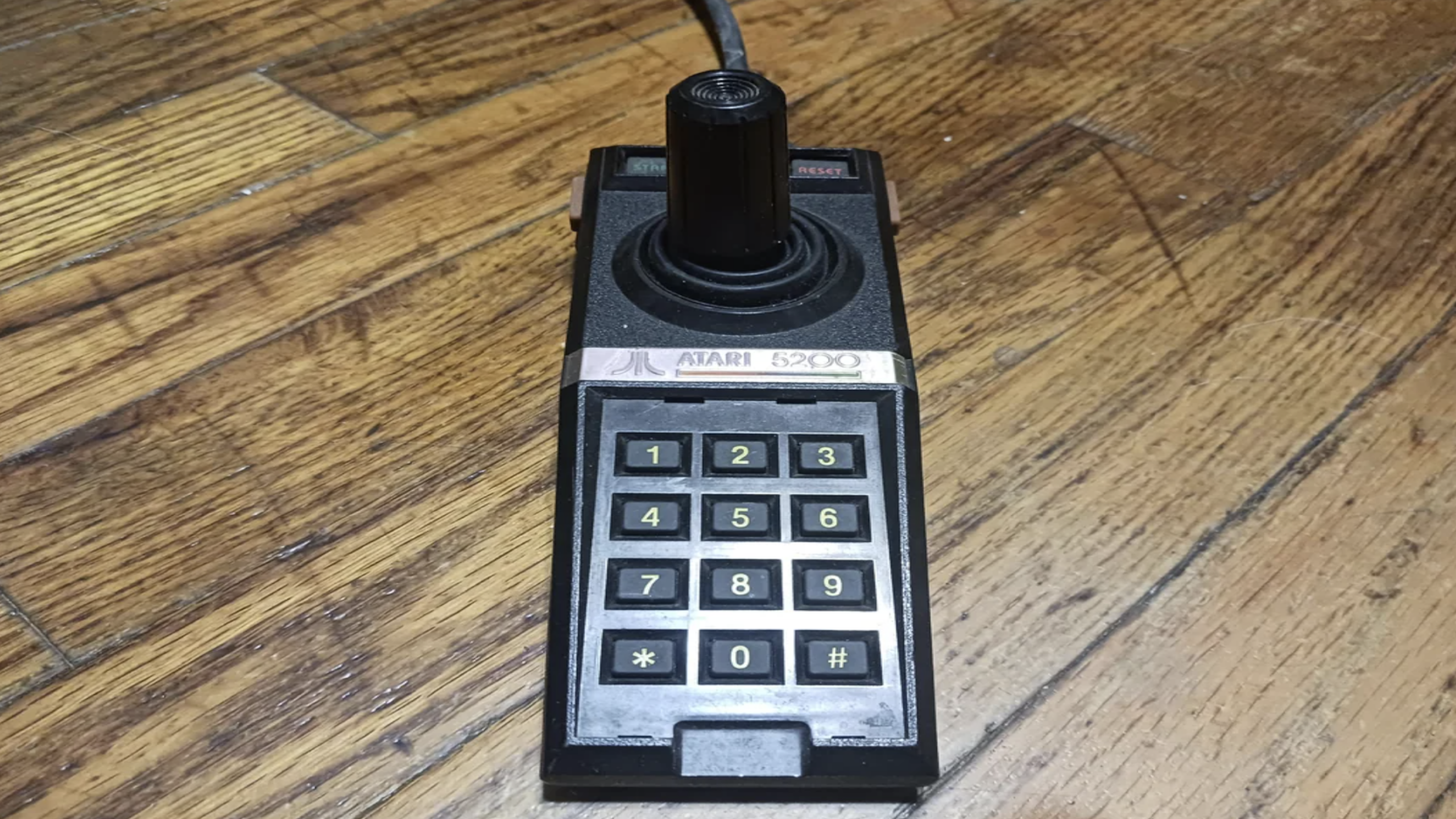
Hitting shelves in 1982, this sophisticated hardware featured a non-centering analog stick and a full numeric keypad for complex game interaction. The integrated side-mounted fire buttons and innovative “Start,” “Pause,” and “Reset” functions provided unprecedented control during the early eighties. Despite its technical ambition, the peripheral is frequently remembered for its fragile internal flex circuitry and lack of tactile feedback.
13. Numeric Keypad Pioneer
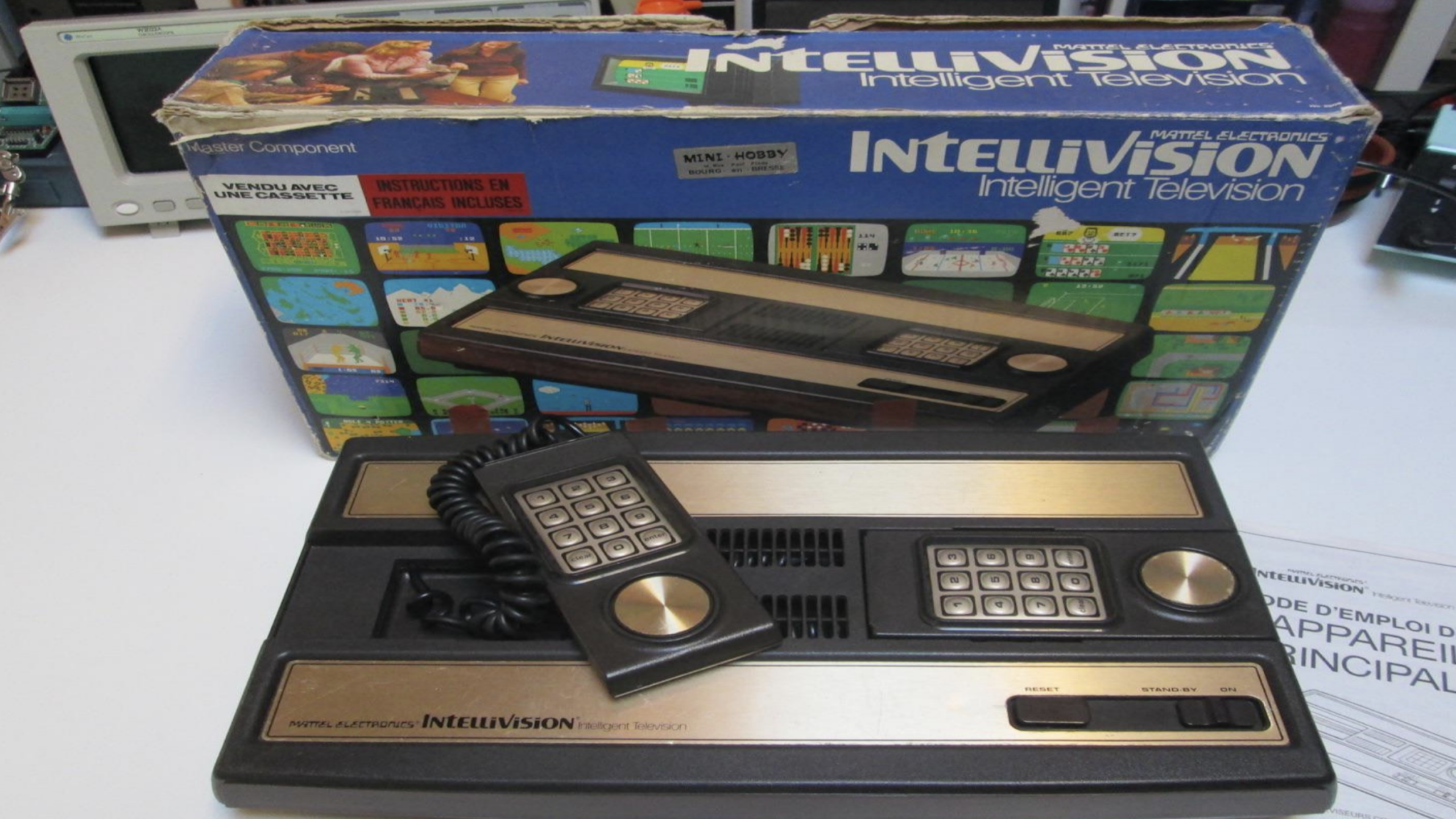
Debuting in 1979, this iconic gold-plated hardware introduced a unique circular directional disc and a twelve-button numeric keypad for complex tactical gameplay. The integrated side-action buttons and specialized plastic overlays allowed for deep strategic interaction in sports and simulation titles. Despite its early technical sophistication, the hard-wired design and rigid ergonomics remain a nostalgic hallmark of early eighties home console engineering.
14. Atari Jaguar Controller
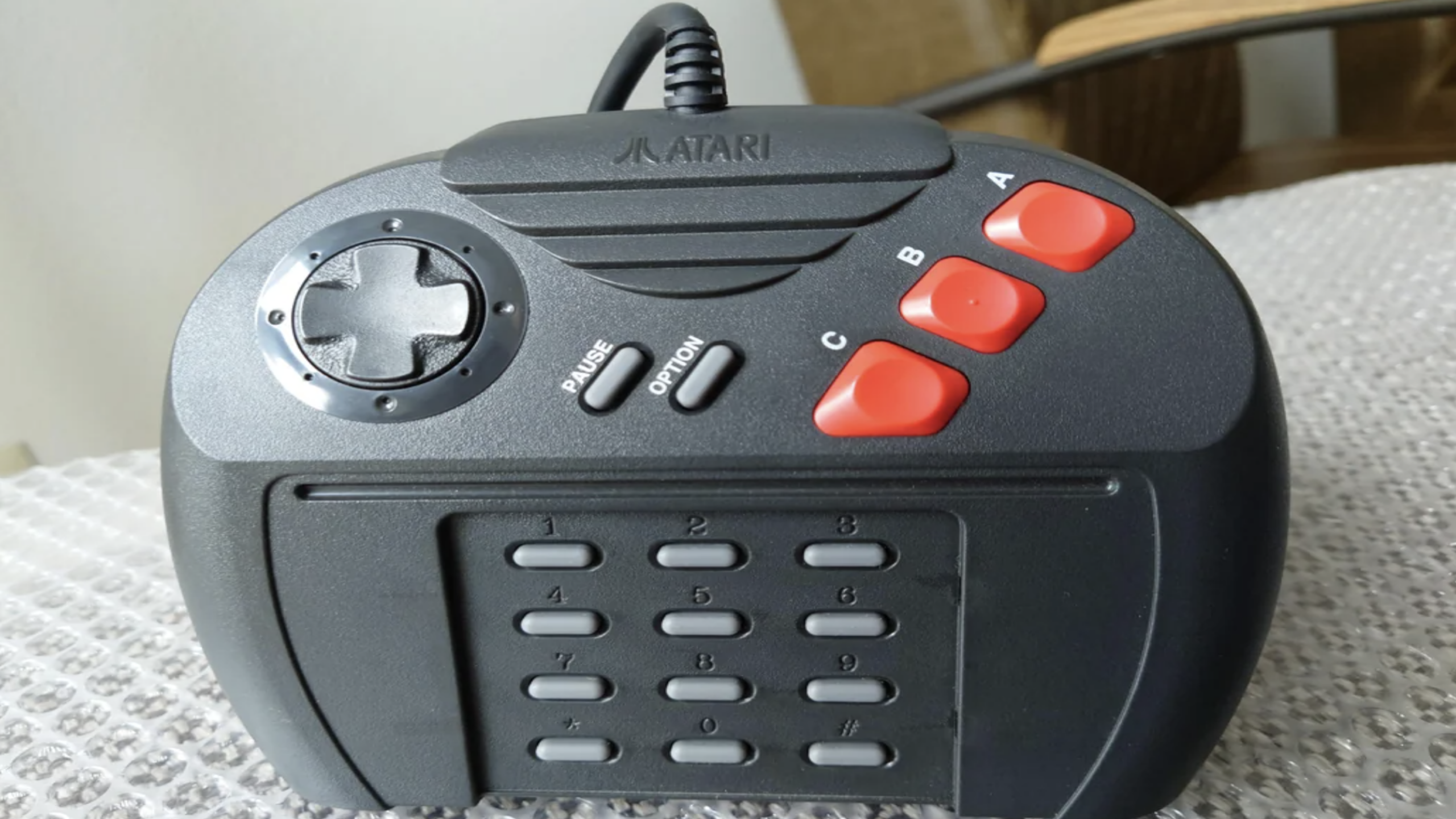
Entering the market in 1993, this oversized peripheral featured a massive three-button layout alongside a full twelve-key numeric pad for complex game functions. The hardware utilized specialized plastic overlays to redefine button mapping for early 64-bit titles, offering deeper tactical interaction than contemporary 16-bit rivals.
15. Bio-Feedback Mind Control Prototype
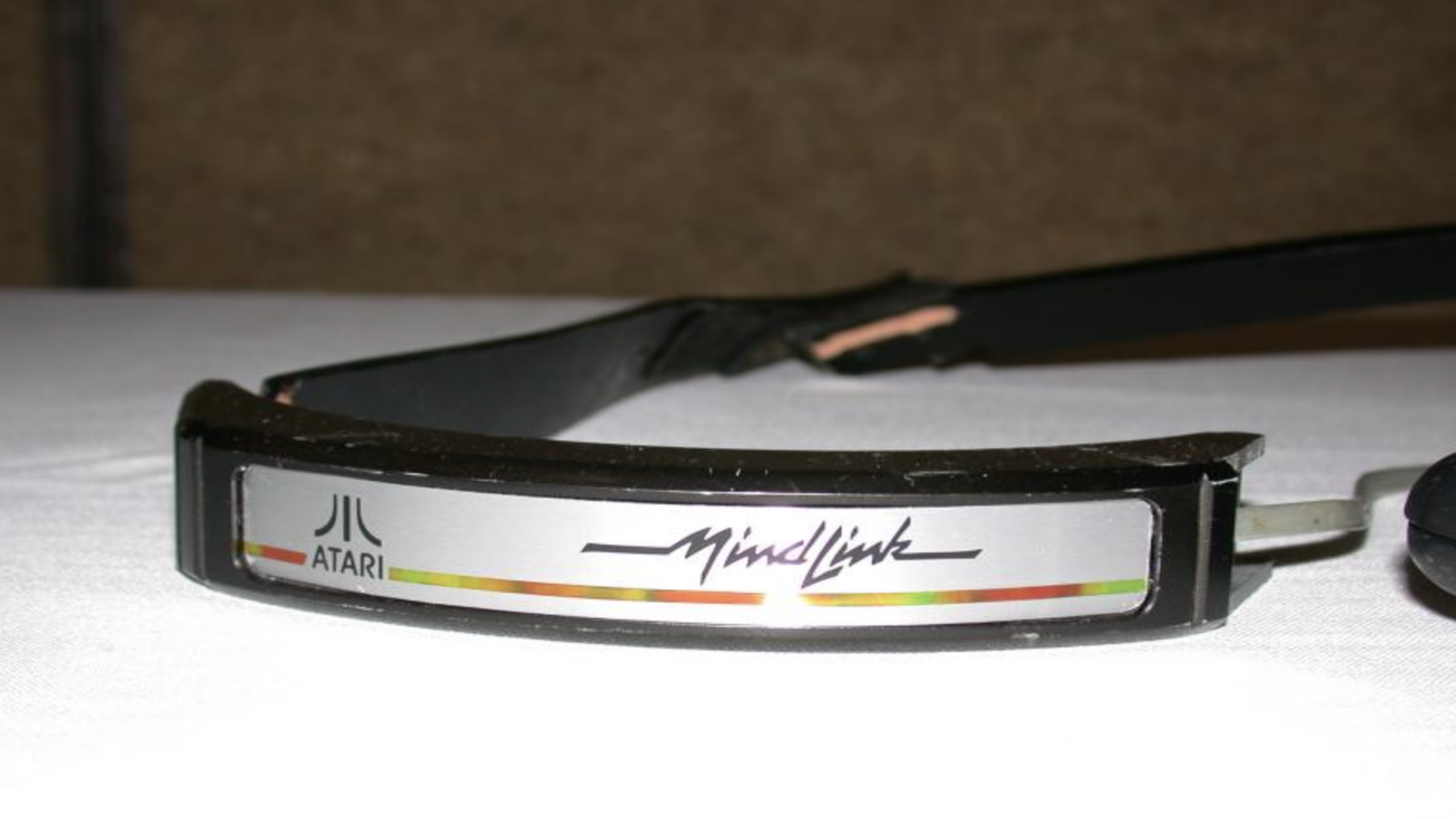
In 1984, this futuristic headband utilized infrared sensors to monitor forehead muscle movements rather than actual brainwaves. Designed for the Atari 2600 and 7800, the hardware aimed to translate facial twitches into digital actions for a hands-free gaming experience. Despite its bold concept, the peripheral never reached mass production due to player discomfort and technical limitations during the early eighties.