There was a time when telling your parents you wanted to be a professional gamer sounded like a joke. Prize pools were small, teams were unstable, and most tournaments barely paid travel costs. The idea that someone could build a fortune playing video games felt unrealistic even inside gaming communities.
But esports grew fast. Faster than almost anyone expected. Some of the players who jumped in early did it with no guarantees, no salaries, and often very basic setups. A few of them ended up building careers worth millions. Here are fifteen gaming millionaires who started from almost nothing.
Tyler “Ninja” Blevins
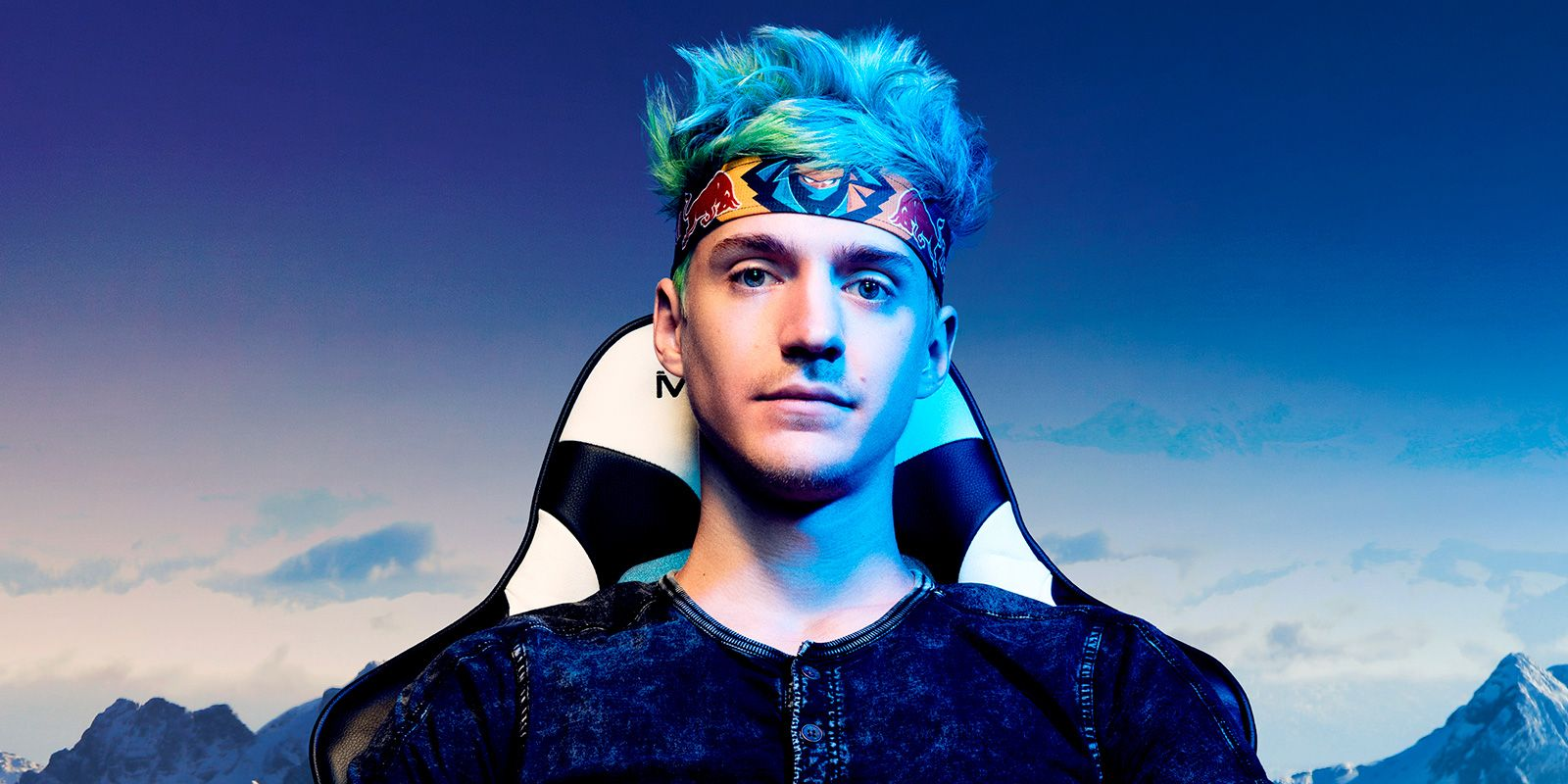
Before the purple hair and massive streaming numbers, Tyler Blevins was just another Halo competitor trying to stay in the scene. He played Halo 3, the Xbox 360 shooter released by Bungie in 2007, grinding through the Major League Gaming circuit around 2009.
Money wasn’t steady. At one point he worked at the restaurant chain Noodles & Company while still chasing tournaments. Then Fortnite Battle Royale arrived in 2017. Epic Games’ free-to-play shooter exploded on Twitch, and Ninja’s channel grew alongside it. Streaming, sponsorships and competitive appearances eventually turned him into one of the wealthiest personalities in gaming.
Lee “Faker” Sang-hyeok
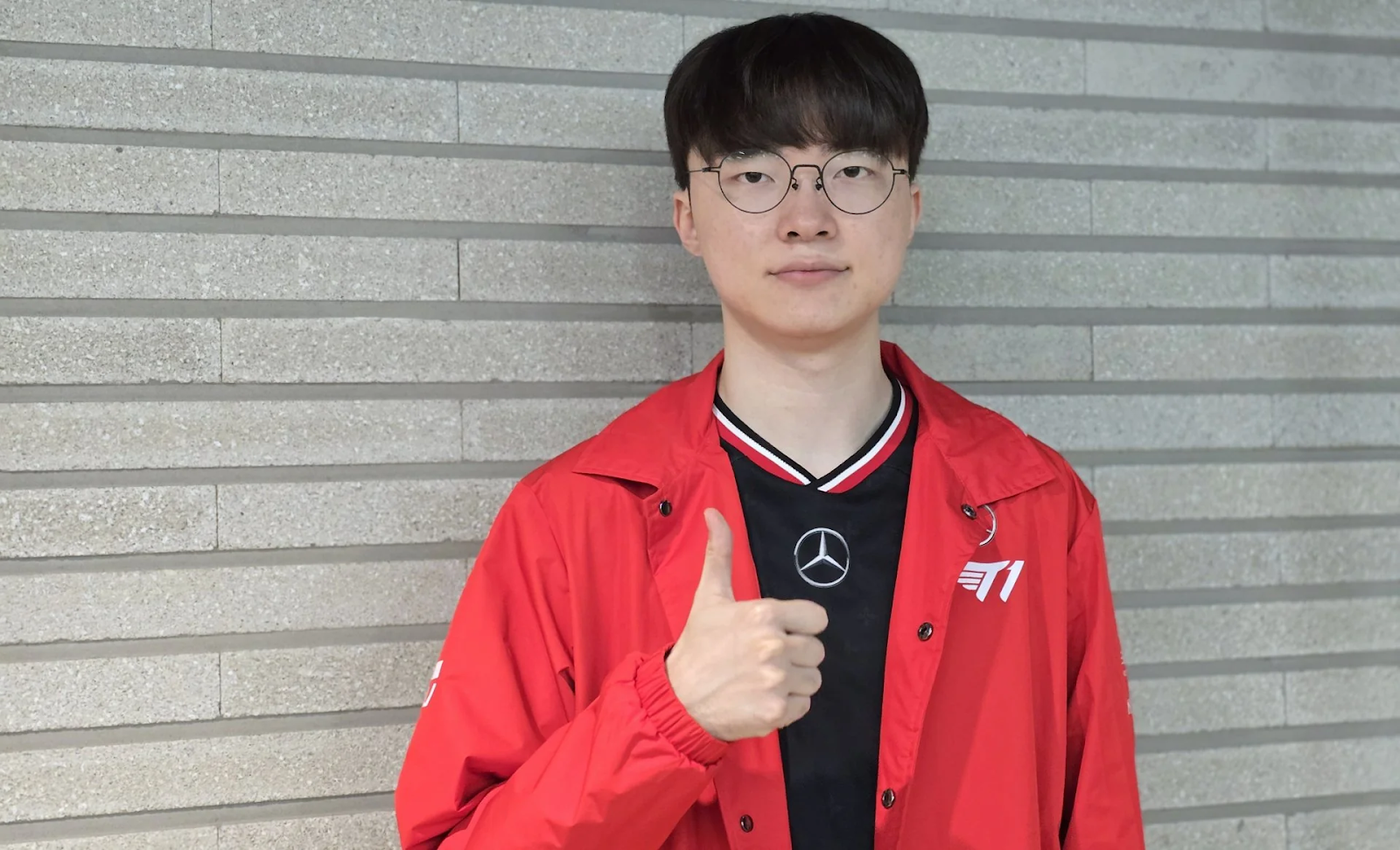
Faker’s story starts in Seoul PC cafés, where teenagers spend hours playing online games together. His game was League of Legends, the multiplayer online battle arena released by Riot Games in 2009. In 2013, he joined SK Telecom T1 and quickly became the face of the entire esports.
Tournament winnings alone eventually passed 1.9 million dollars. The real money came from salaries, sponsorships and a long career at the top of the scene.
Kyle “Bugha” Giersdorf
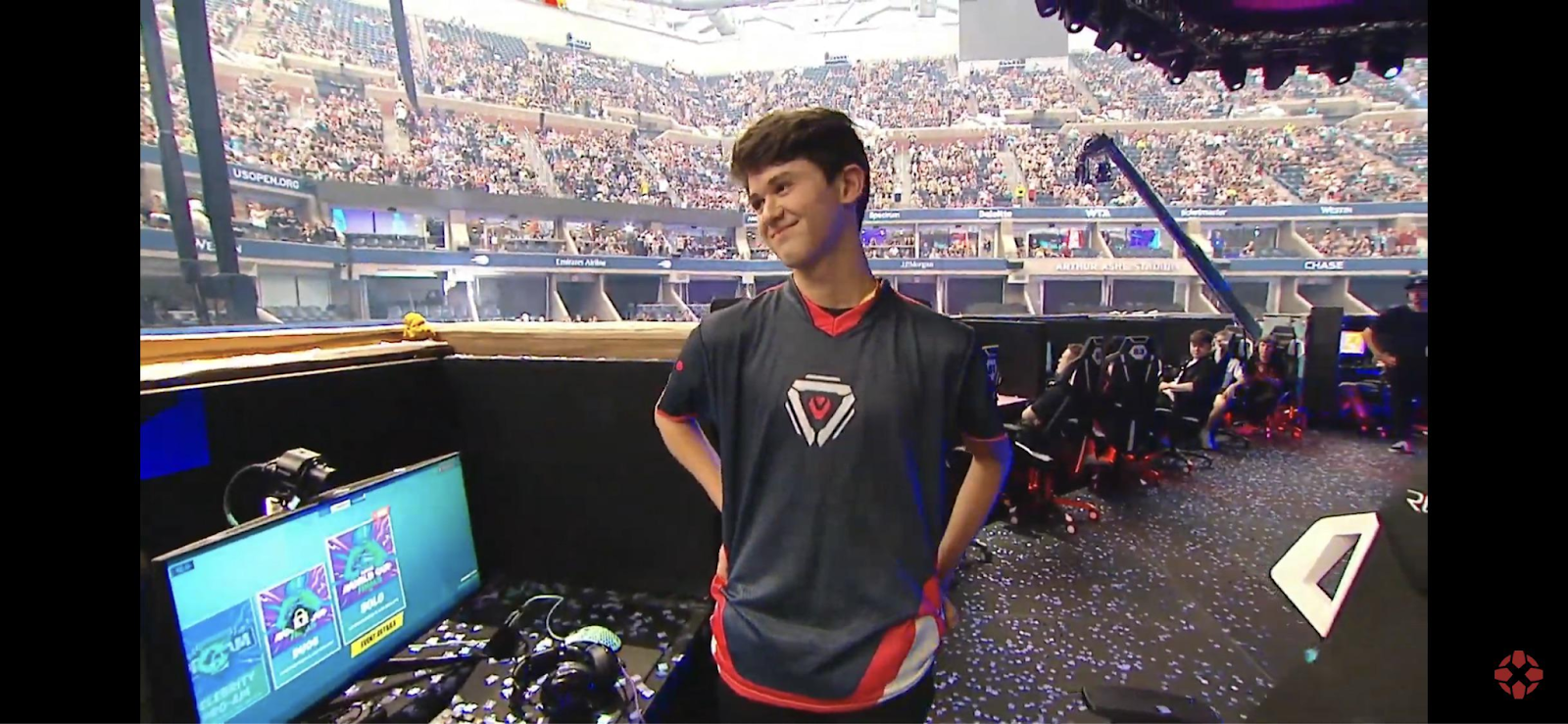
In 2019, a 16-year-old from Pennsylvania walked away with one of the largest single prizes in esports. Bugha won the Fortnite World Cup Solo Finals, a global tournament built around Fortnite Battle Royale, released by Epic Games in 2017. First place paid three million dollars. Before that weekend, he was mostly known in competitive Fortnite circles. After it, everyone knew the name.
Johan “N0tail” Sundstein
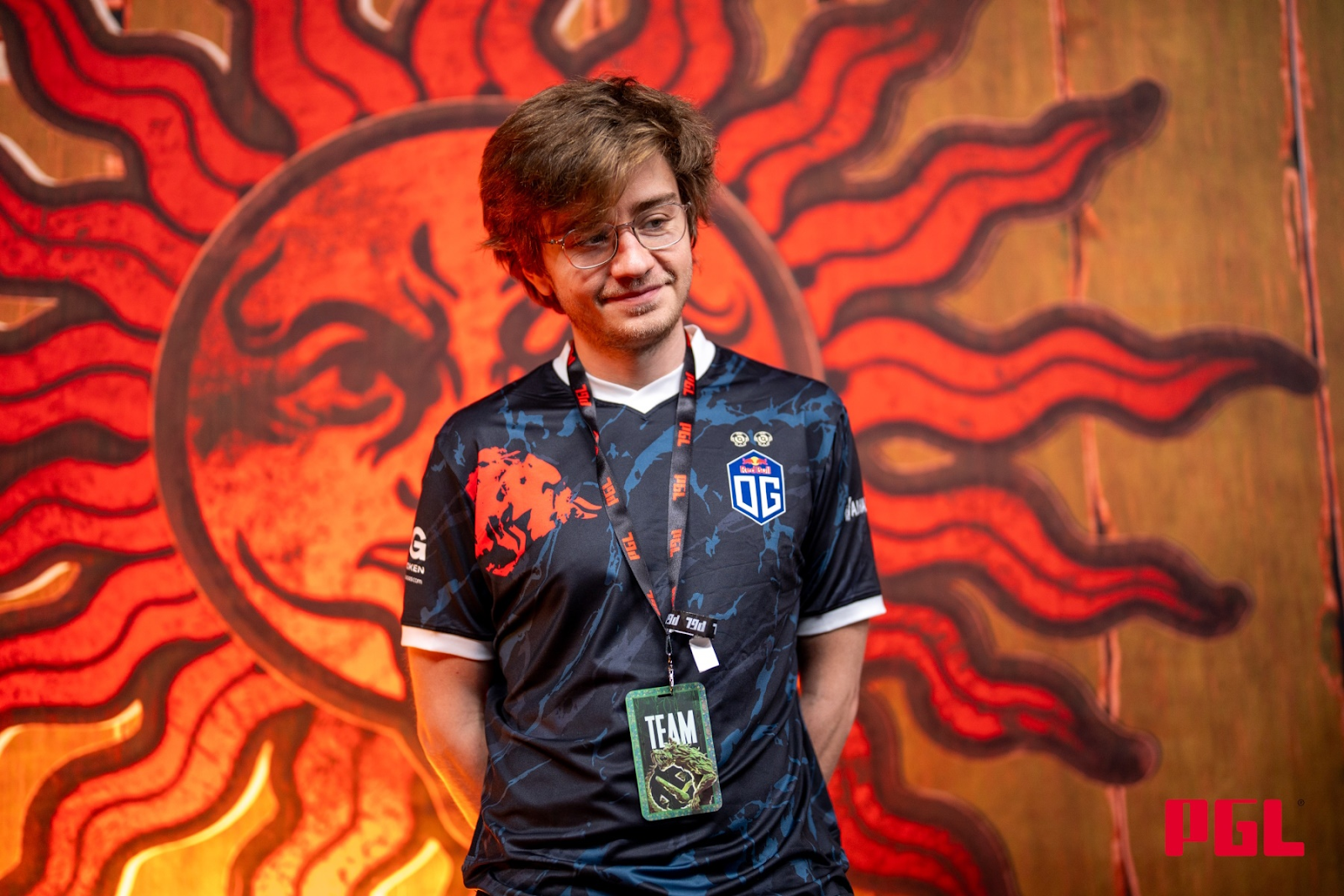
Dropping out of school to pursue esports sounded reckless when Johan Sundstein did it as a teenager in Denmark. His early career actually started in Heroes of Newerth, a multiplayer online battle arena released by S2 Games in 2010. The scene was smaller, but it gave him competitive experience.
Later he moved to Dota 2, Valve’s MOBA released in 2013, and captained OG to victories at The International in 2018 and 2019. Those wins pushed his career prize winnings above seven million dollars.
Peter “dupreeh” Rasmussen
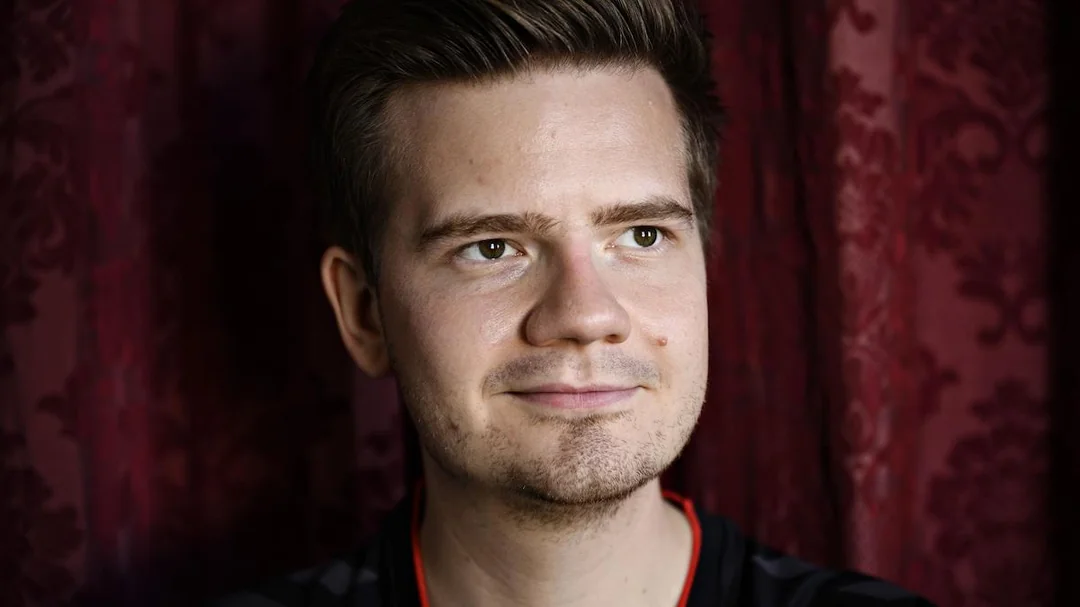
The Danish Counter-Strike scene has produced many professionals, but Peter Rasmussen’s career lasted longer than most. He built his reputation in Counter-Strike: Global Offensive, the tactical shooter released by Valve in 2012. As part of Astralis, he helped the team win multiple Major championships and dominate the competitive scene for several years. Tournament winnings eventually passed two million dollars.
Trending on realmoneygamer.com

Sasha “Scarlett” Hostyn
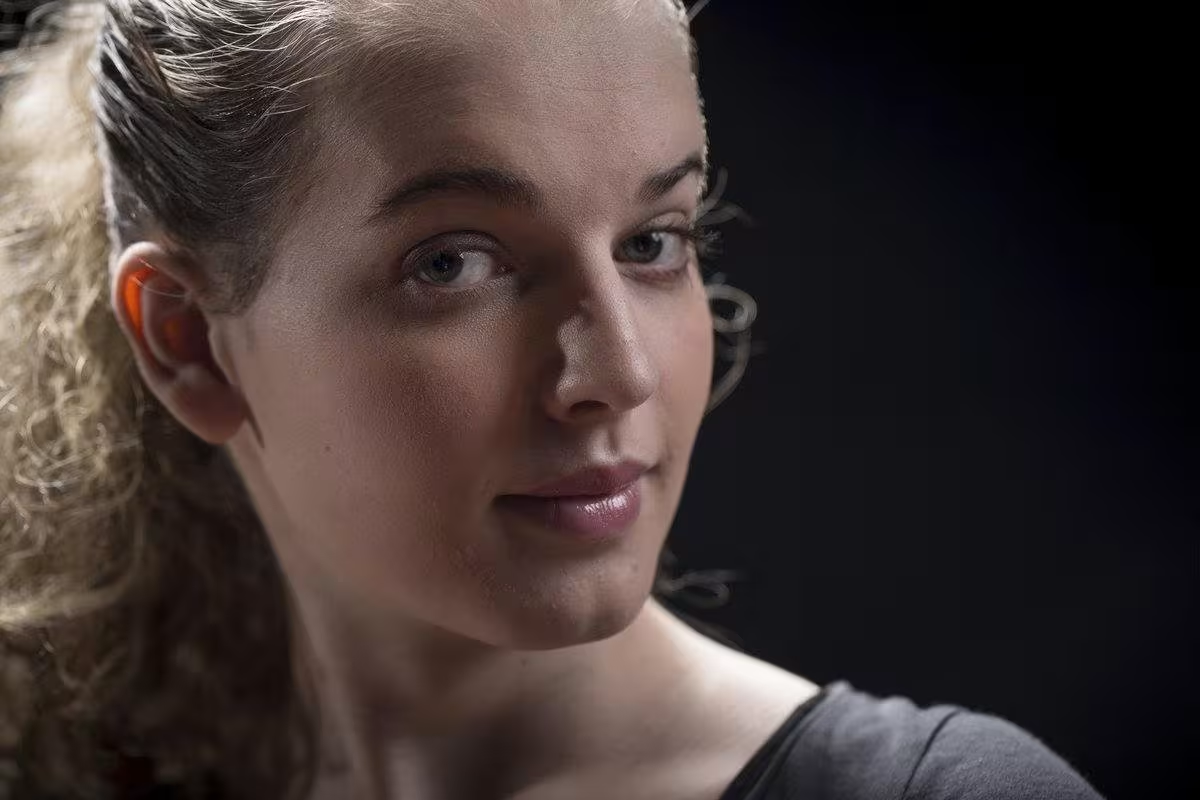
Esports rarely had many female stars in its early years, but Scarlett changed that. She built her career playing StarCraft II, the real-time strategy game released by Blizzard Entertainment in 2010. Starting around 2011, she began winning international tournaments and quickly became one of the strongest non-Korean players in the scene. Her prize money eventually passed 400,000 dollars, making her the highest-earning woman in esports for years.
Dominique “SonicFox” McLean

Fighting game tournaments have always felt different from traditional esports leagues. Smaller venues, louder crowds, and players sitting side by side on stage. That environment is where SonicFox built a career.
Competing in games like Mortal Kombat X (2015) and Injustice 2 (2017), both developed by NetherRealm Studios, SonicFox won multiple Evolution Championship Series titles and became the highest-earning fighting-game competitor.
Oleksandr “s1mple” Kostyliev
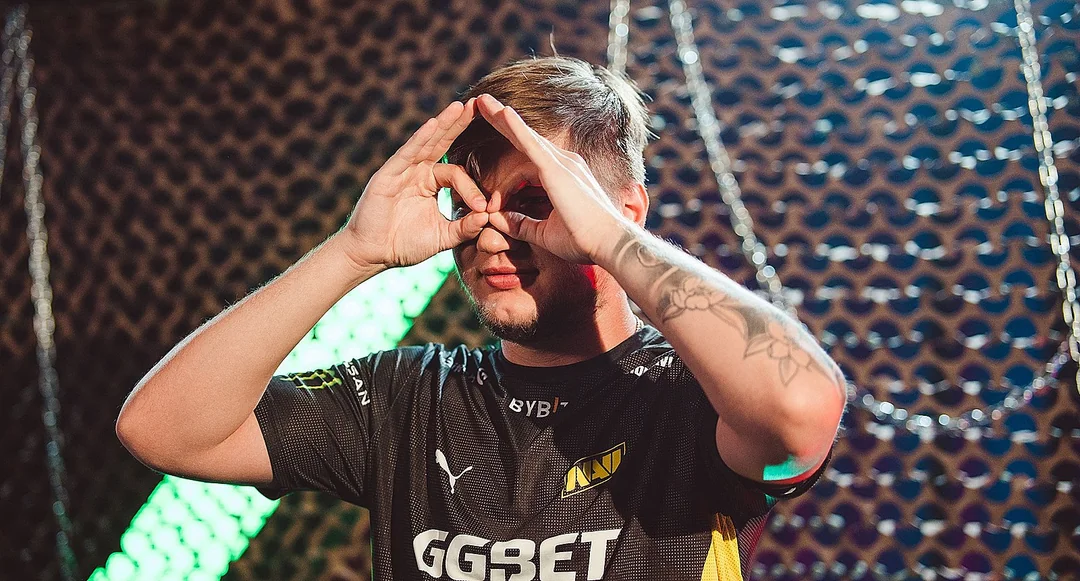
The early years of s1mple’s career weren’t smooth. He bounced between teams and even faced tournament bans before stabilizing in the professional Counter-Strike scene. His main game became Counter-Strike: Global Offensive, released in 2012.
Over time he turned into one of the most skilled players in the game’s history, winning a Major championship with NAVI in 2021 and earning more than two million dollars in tournament prizes.
Kuro “KuroKy” Takhasomi
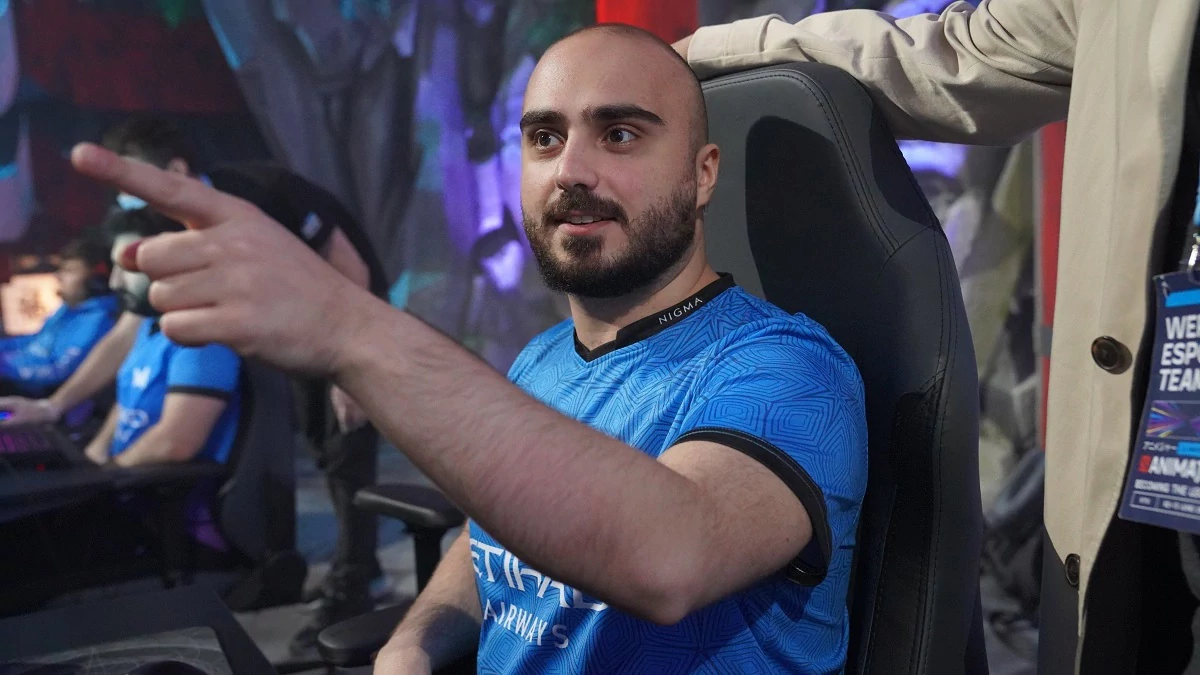
Before modern esports leagues, many competitive scenes grew out of mods and community tournaments. KuroKy started in Defense of the Ancients, the Warcraft III mod that eventually inspired Dota 2. When Valve released the standalone game in 2013, he transitioned into the new competitive ecosystem. Years later he captained Team Liquid to victory at The International 2017, pushing his career winnings beyond five million dollars.
Anathan “ana” Pham
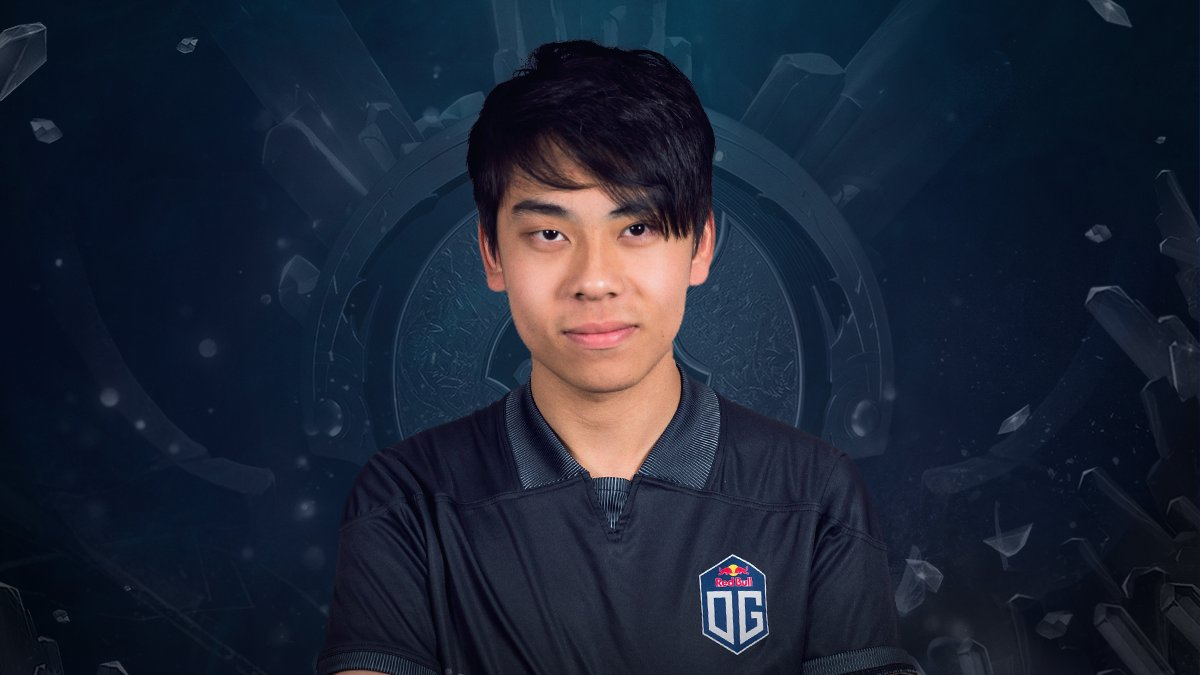
Ana’s career nearly ended before it really began. After early struggles in the competitive scene, he stepped away from professional play for a while. Eventually, he returned to OG’s roster in Dota 2.
The result was unexpected: championships at The International in both 2018 and 2019, and more than six million dollars in tournament earnings.
Topias “Topson” Taavitsainen
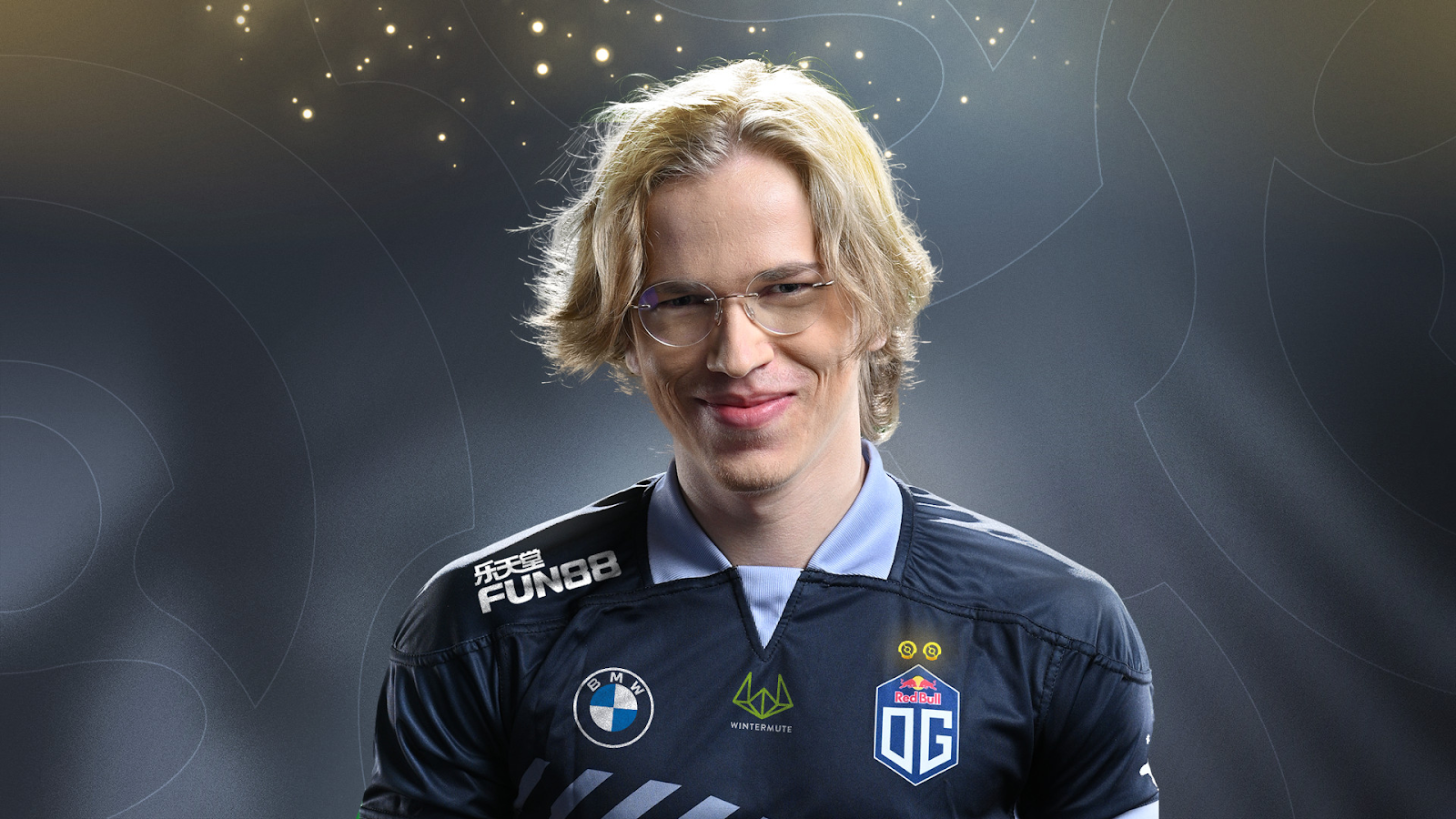
Before joining OG in 2018, Topson was mostly known as a high-ranked public matchmaking player. He streamed Dota 2 games from Finland, building a reputation for unusual hero picks and aggressive play. The game itself had launched in 2013, but its competitive scene was still evolving. Within a year of joining OG, he had already won The International. Twice.
Jesse “JerAx” Vainikka
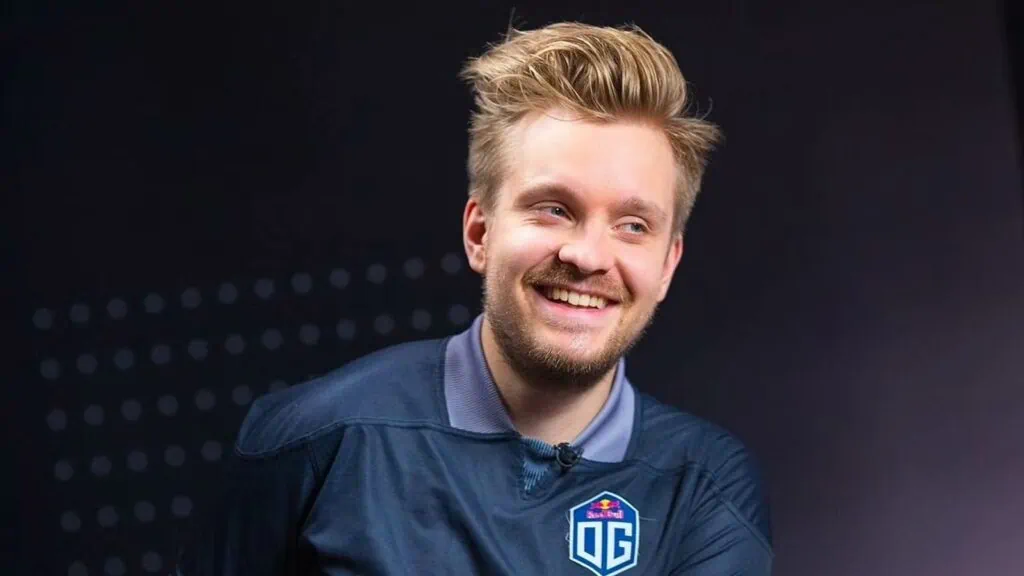
Support players rarely get the spotlight, but JerAx became famous for his playmaking style. He competed in Dota 2 for years before joining OG. When the team won The International in 2018 and 2019, his career earnings quickly climbed past six million dollars. After those victories, he stepped away from competition for a period, something few players can afford to do at the top.
Matthew “Nadeshot” Haag
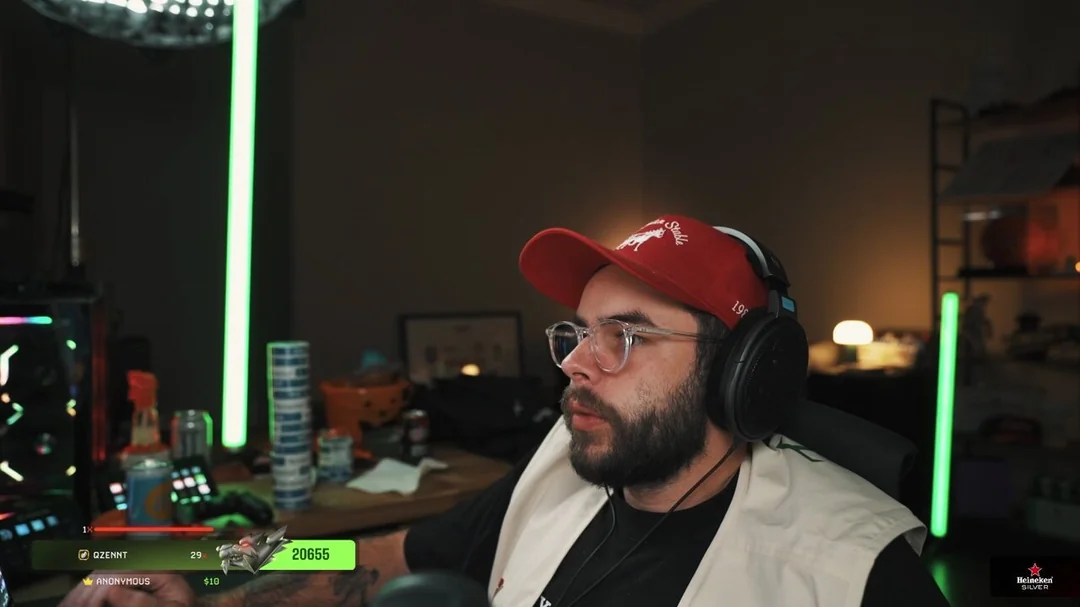
Not every gaming millionaire earned their fortune through tournament prizes. Nadeshot started as a Call of Duty professional during the early Major League Gaming era. The franchise itself began in 2003 and became a competitive staple through titles like Call of Duty: Black Ops II released in 2012.
Later he founded the esports organization 100 Thieves in 2017. The company expanded into apparel, content and esports teams, turning him into a successful entrepreneur within gaming.
Michael “Shroud” Grzesiek
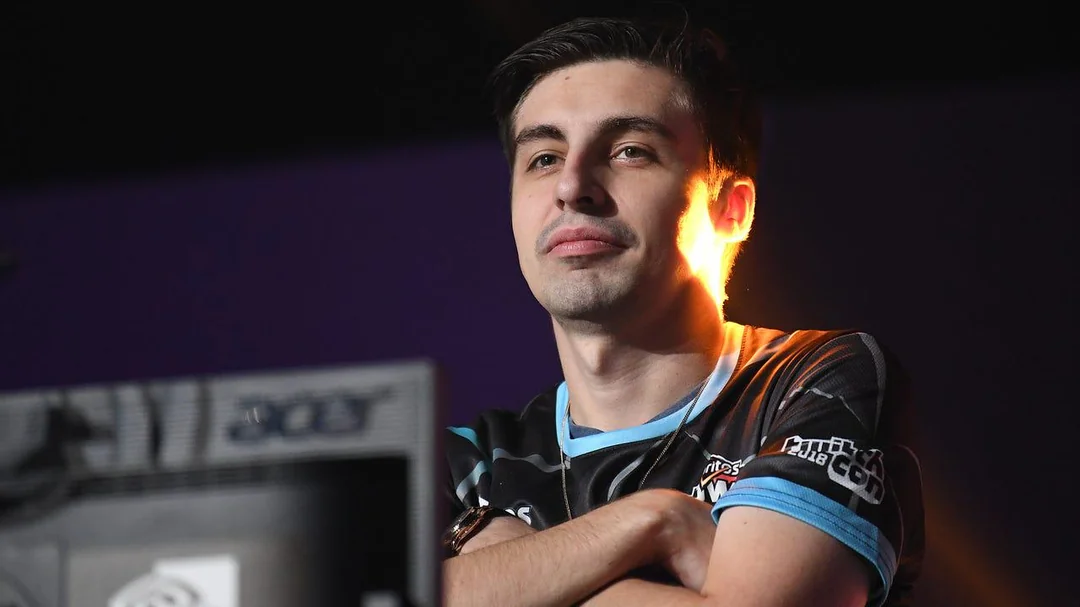
Shroud’s professional career started in Counter-Strike: Global Offensive, the shooter released by Valve in 2012. He played for Cloud9 during the mid-2010s before stepping away from competitive play. Streaming turned out to be the bigger opportunity. His calm style and mechanical skill attracted huge audiences on Twitch, eventually making him one of the most successful streamers in gaming.